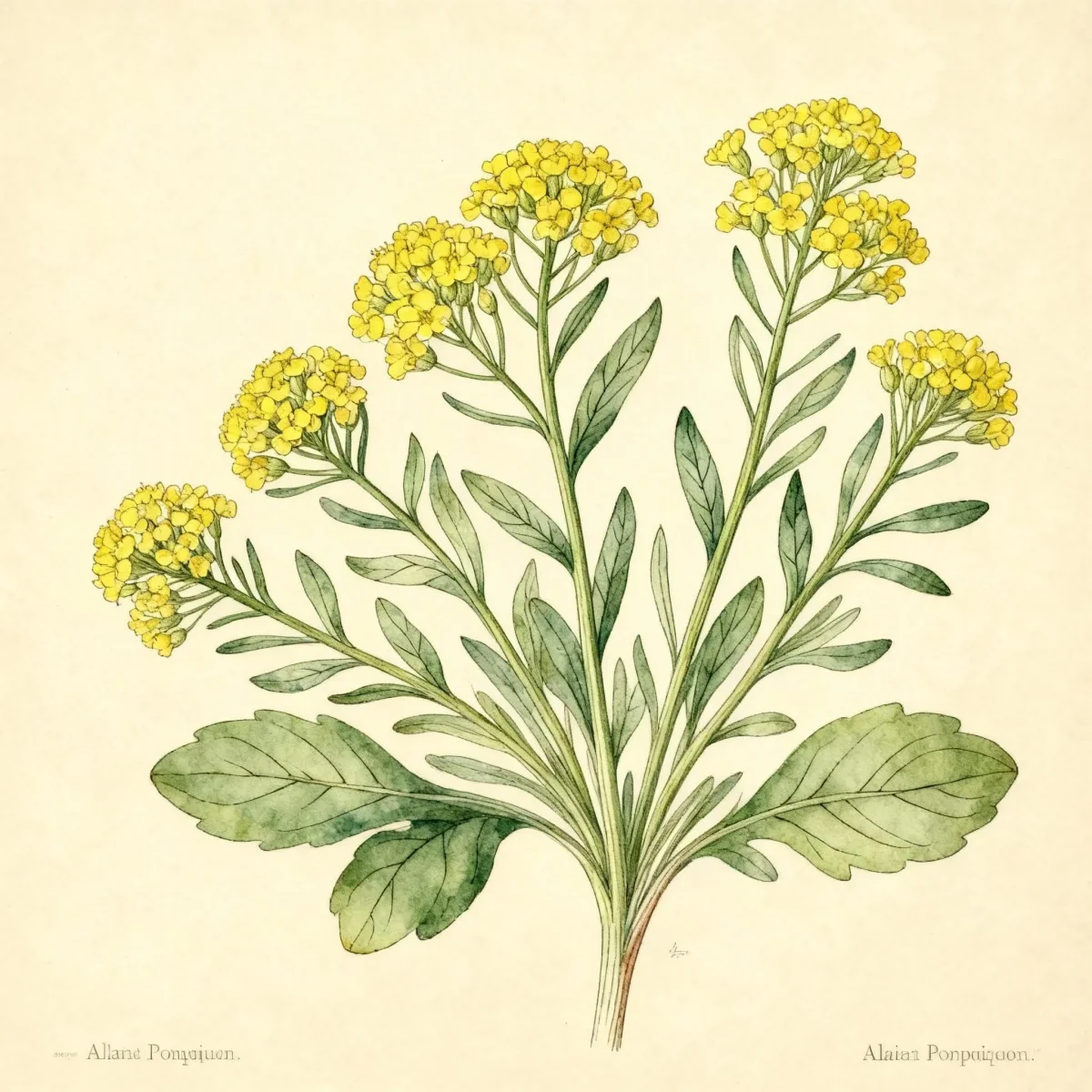
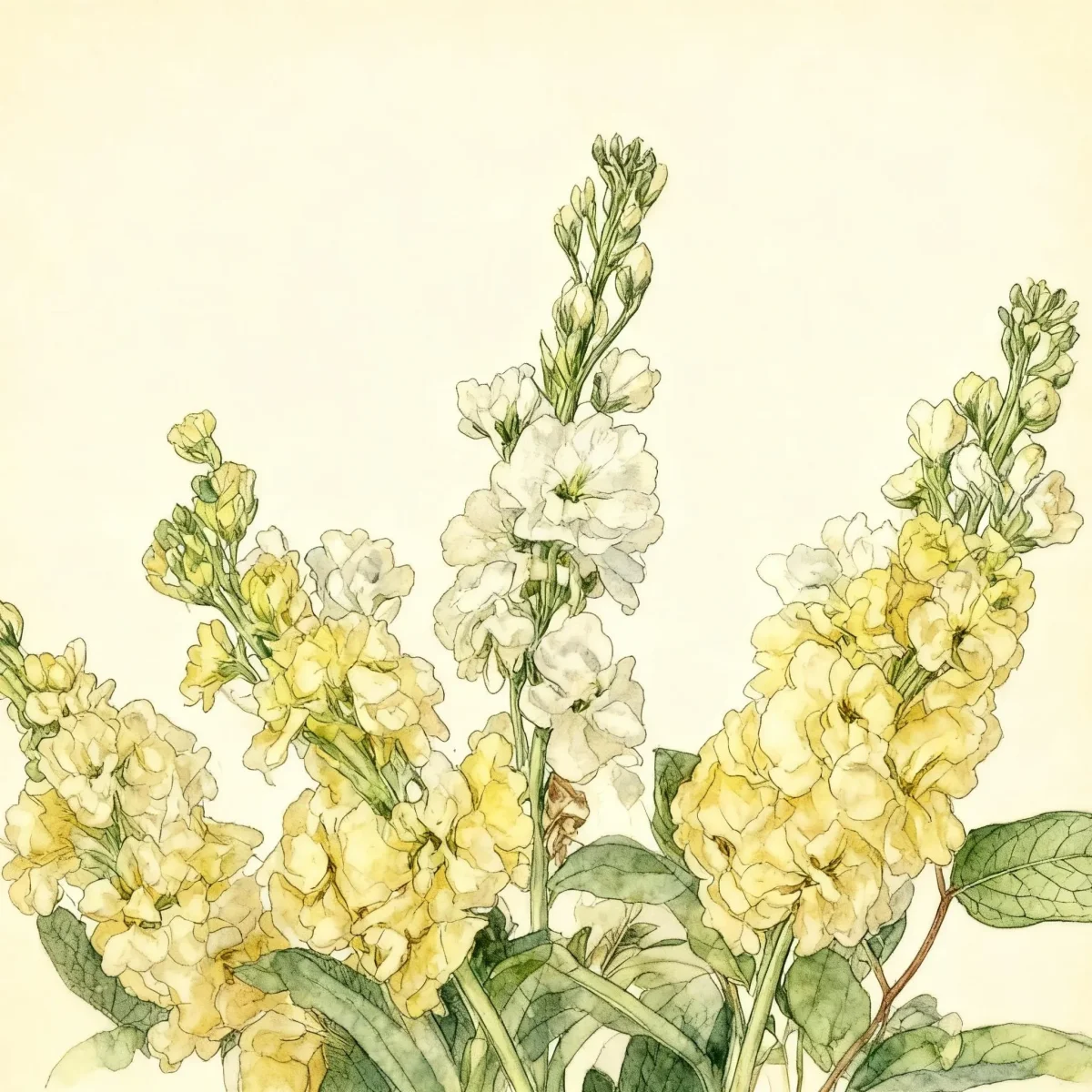
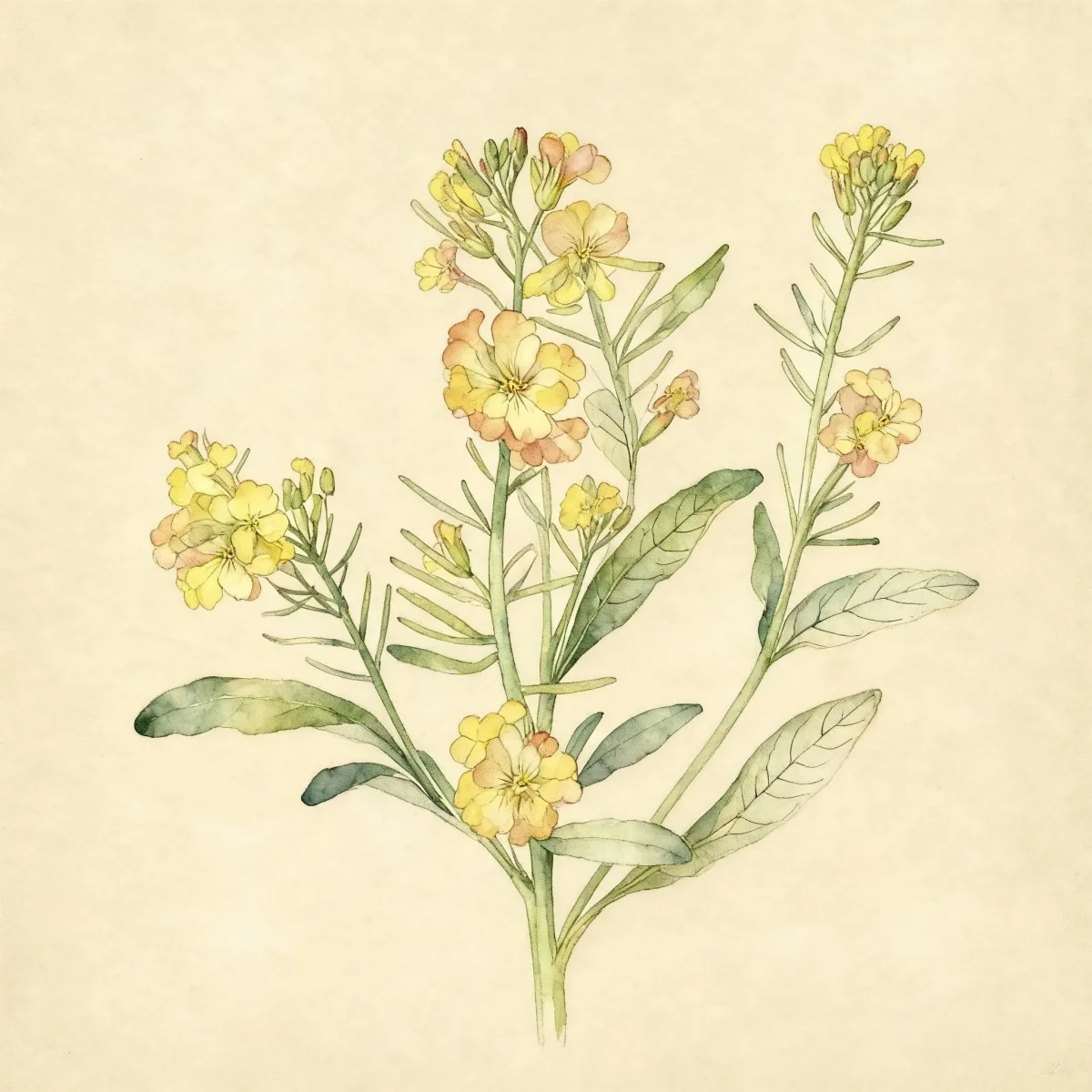
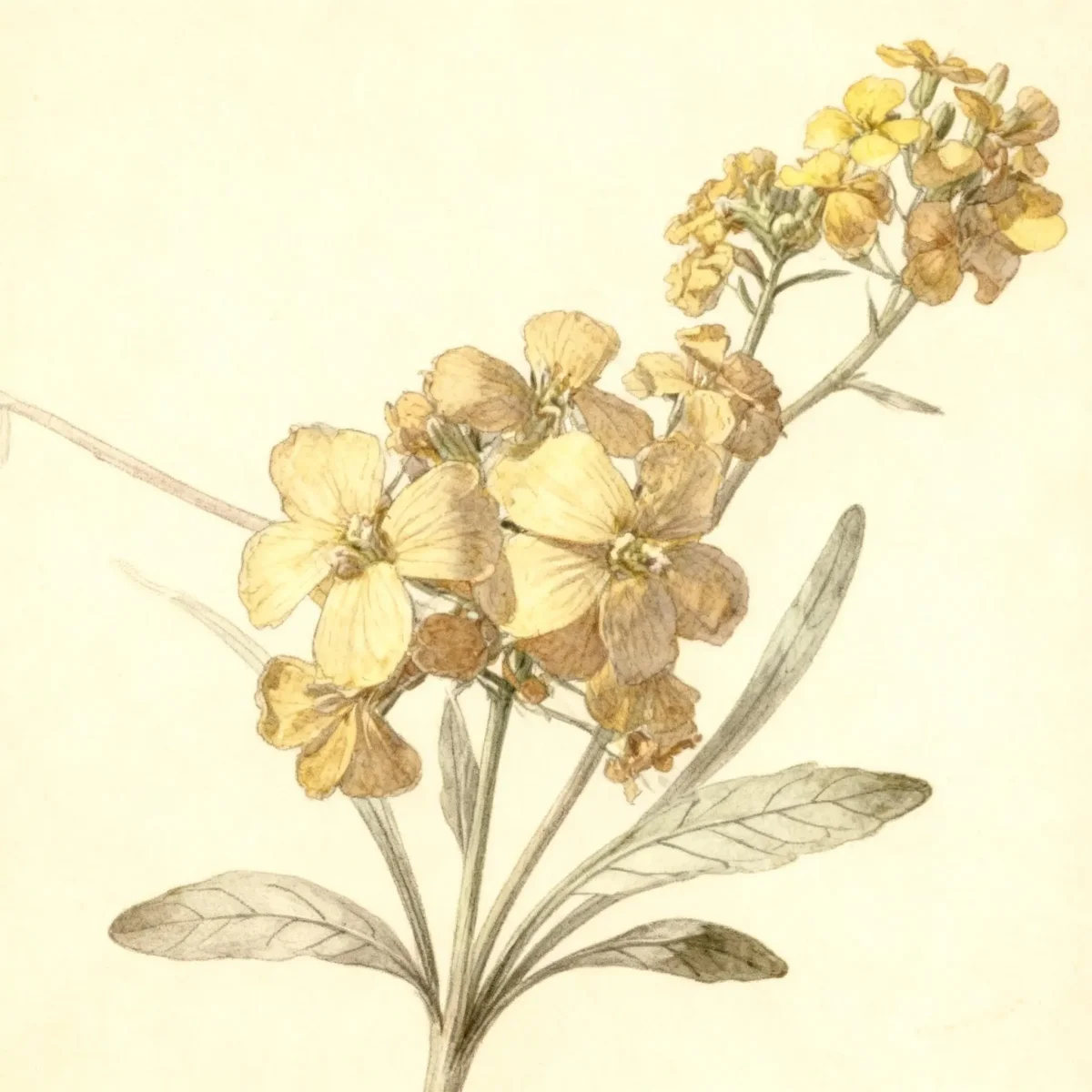
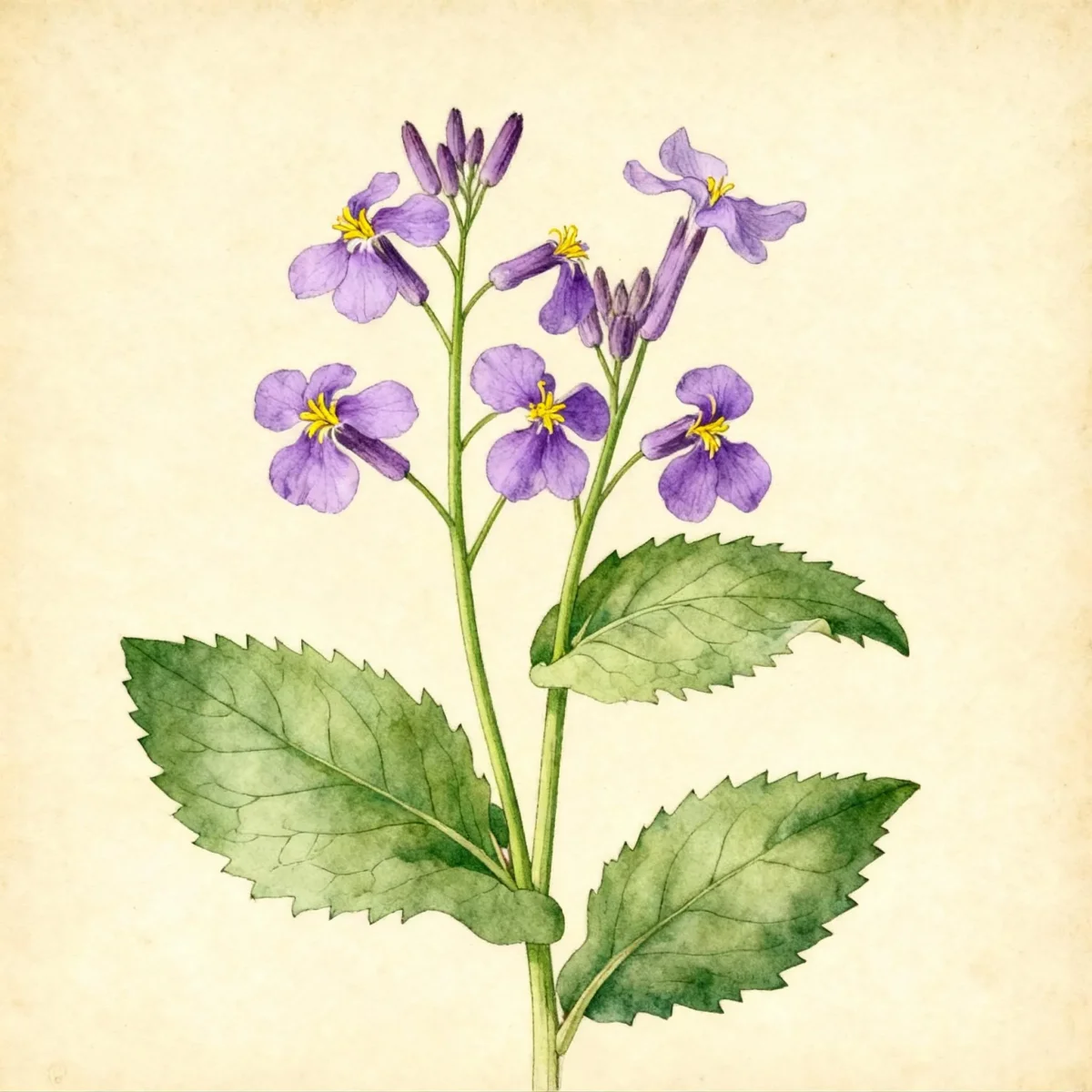
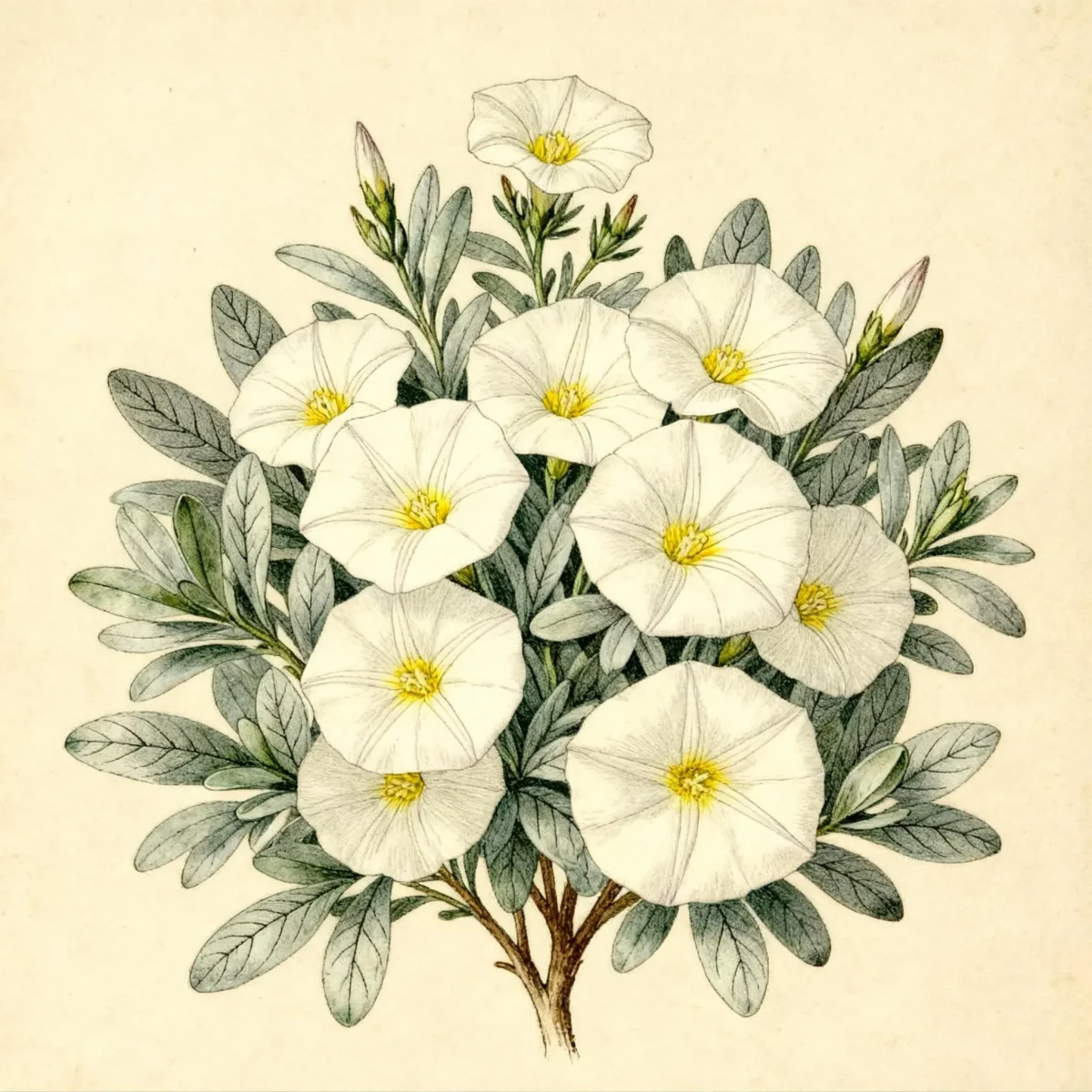
Wallflower (Erysimum linifolium 'Balcherissam' CHEERS SUN-KISSED AMETHYST)
Low-maintenance Wallflower, Erysimum linifolium 'Balcherissam' CHEERS SUN-KISSED AMETHYST, offers fragrant yellow-orange blooms maturing to lavender in sunny spots.
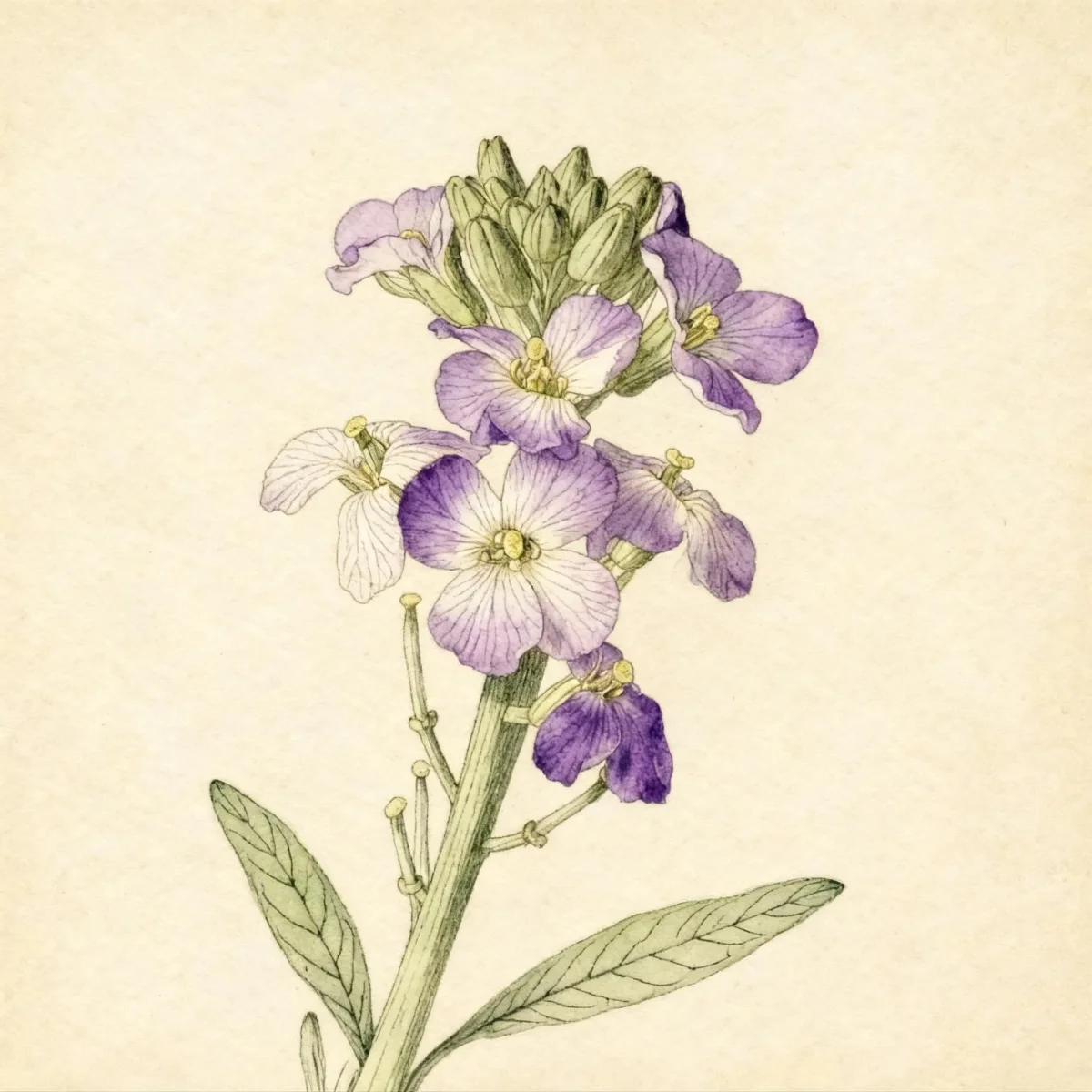

Bloom Boldly, No Matter the Season - Sweatshirt
Cozy organic cotton sweatshirt featuring our exclusive Purple Coneflower design. Perfect for gardeners who bloom year-round.
Inspired by the beautiful Wallflower
Limited first batch (50) — join the waitlist for early access
Waitlist closes Feb 15, 2026.
Complete Plant Information
Field Guide Continues
Ready for care notes, companion picks, and planting tips?
The map is just the start. The full guide below covers growth habits, seasonal performance, and landscape uses.
Overview
Erysimum linifolium ‘Balcherissam’ CHEERS SUN-KISSED AMETHYST is a highly rewarding cultivar known for its floriferous nature and striking chromatic shift in blooms. This variety of Wallflower earns its name through clusters of flowers that start as a vibrant yellow-orange, gradually deepening to a soft lavender hue, providing extended visual interest from late spring into summer. As a broadleaf evergreen, it offers texture and structure to the garden even outside the primary blooming season.
Gardeners prize this Wallflower for its low input requirements and adaptability to drier conditions, making it perfect for sunny borders or challenging rocky sites. The cultivar ‘Balcherissam’ typically forms a compact, mounding habit, reaching up to two feet high and wide, providing consistent, low-maintenance density. Successful cultivation relies mainly on providing excellent drainage and plenty of direct sunlight.
The Erysimum linifolium ‘Balcherissam’ CHEERS SUN-KISSED AMETHYST installation brings reliable color and structure to cottage or Mediterranean-inspired landscapes. Its relatively small stature and tolerance for leaner soils allow it to anchor mixed plantings beautifully. Ensure adequate air circulation to keep this handsome specimen healthy throughout its long flowering period.
Fast Facts
- Plant Family: Brassicaceae
- Plant Type: Broadleaf evergreen
- Hardiness Zones: USDA Zones 7-9
- Size at Maturity:
- Height: 1.25-2 ft
- Spread: 1.25-2 ft
- Bloom Time: May to August
- Bloom Description: Yellow-orange maturing to lavender
- Sun Exposure: Full sun
- Water Needs: Dry to medium
- Maintenance Level: Low
How to Grow
This Wallflower thrives when planted in locations receiving full sun exposure throughout the day. Optimal performance for Erysimum linifolium ‘Balcherissam’ CHEERS SUN-KISSED AMETHYST occurs in medium to dry, well-draining soils. Avoid heavy, waterlogged clay, as this can quickly lead to root issues, especially considering its preference for drier moisture levels once established.
Care is relatively simple, aligning with its low maintenance rating. While establishing, water regularly, but allow the soil surface to dry out between irrigation sessions. Once mature, this plant exhibits drought tolerance, needing supplemental water only during prolonged dry spells. Fertilization is generally unnecessary; providing rich soil may lead to overly lush foliage at the expense of abundant flowering.
To maximize the continuous bloom of Erysimum linifolium ‘Balcherissam’ CHEERS SUN-KISSED AMETHYST, deadheading spent flower spikes is highly recommended. Regularly removing the faded flowers encourages the plant to direct energy into producing subsequent flushes of purple-tinged blooms. In early spring before new growth begins, light pruning can help maintain a tidy, dense shape suitable for formal or informal settings.
Landscape Uses
The characteristics of this specific Wallflower make it incredibly versatile across various garden styles. Its mounding structure and continuous summer interest suit it perfectly for mixed borders, where it can mingle with shorter perennials in the front or mid-ground. It excels in cottage gardens, pairing beautifully with lavender, catmint, or artemisia where sun and dry soil are common denominators.
For contemporary or arid designs, consider incorporating Erysimum linifolium ‘Balcherissam’ CHEERS SUN-KISSED AMETHYST into gravel gardens or Mediterranean plantings. Its tolerance for rocky, shallow soil—a noted characteristic of its wild relatives—means it integrates seamlessly into xeriscapes. Additionally, its compact size makes it an excellent choice for large containers or window boxes, bringing dependable color to patios.
When mass planting, utilize groups of three or five to enhance the visual impact of the changing flower colors across the landscape. In informal borders, allow it to mix loosely with plants that share similar sun and soil needs for a naturalistic, flowing effect.
Standout Features
Flower Qualities
- Showy
Noteworthy Characteristics
Erysimum linifolium is an evergreen perennial native to rocky or sandy, exposed slopes in northern and central Spain and northern Portugal. Mature specimens form a woody base and take on a mat-forming habit, reaching up to 1’ tall with an equal spread. The leaves are narrow and linear to lanceolate in shape, reaching up to 3” long. Terminal clusters of pale lilac to lavender, 0.75” diameter, four petaled flowers bloom from mid-spring through summer. The specific epithet linifolium means “flax-like leaves,” relating to similarities between the leaves of this species and those of some species in the flax genus (Linum). ‘Balcherissam’ is a floriferous wallflower cultivar that features clusters of yellow-orange flowers that mature to lavender. Mature specimens will take on a mounding to upright habit, reaching up to 2’ tall with an equal spread.
Tolerances
- Shallow-Rocky Soil
Potential Problems
This Wallflower is generally considered robust, but like many Brassicaceae family members, it can attract certain pests and diseases, especially when planted in suboptimal, overly moist conditions. Susceptibility to damage from aphids, thrips, spider mites, slugs, and snails requires vigilance. Proactive scouting and gentle horticultural oil or insecticidal soap can manage minor aphid or mite infestations.
Fungal issues present a greater challenge if drainage is poor. Possible infections include downy mildew, powdery mildew, and rust. To mitigate these risks, ensure excellent air circulation around the plants and avoid overhead watering, especially late in the day. Addressing susceptible conditions preemptively ensures the health of your Erysimum linifolium ‘Balcherissam’ CHEERS SUN-KISSED AMETHYST.
Club root is a serious soil-borne disease sometimes seen in the cabbage family. Since this Wallflower is an evergreen perennial, avoid rotating it into areas where brassicas have recently grown. Healthy specimens in full sun with excellent drainage rarely succumb to these serious problems.
Frequently Asked Questions
What hardiness zones is Wallflower suitable for?
The Erysimum linifolium ‘Balcherissam’ CHEERS SUN-KISSED AMETHYST cultivar is reliably hardy in USDA Zones 7 through 9.
How large does Erysimum linifolium ‘Balcherissam’ CHEERS SUN-KISSED AMETHYST grow?
Mature specimens typically reach a height between 1.25 and 2 feet tall, spreading equally wide at 1.25 to 2 feet.
What sun exposure does Wallflower need?
For best results and continuous flowering, Wallflower requires full sun exposure daily.
When does Erysimum linifolium ‘Balcherissam’ CHEERS SUN-KISSED AMETHYST bloom?
This particular Wallflower blooms profusely from May all the way through August, offering a reliable display of yellow-orange flowers that mature to lavender.
Conclusion
The Erysimum linifolium ‘Balcherissam’ CHEERS SUN-KISSED AMETHYST is an outstanding choice for gardeners seeking long-season color and reliability in hot, sunny spots with dry soil. Its unique color-shifting flower display ensures it remains an eye-catching backdrop or border accent. Before planting, confirm your location falls within USDA Zones 7-9 and ensure the site offers the necessary full sun and superior drainage.
Companion Planting
Selecting appropriate companions ensures that your Wallflower thrives alongside plants that share similar cultural needs. Because Erysimum linifolium ‘Balcherissam’ CHEERS SUN-KISSED AMETHYST requires full sun and tolerates dry, lean soil, pair it with other Mediterranean and drought-tolerant species. Excellent partners include various Sedums, Artemisia (especially silver-leaved varieties), and Lavender (Lavandula). These companions naturally share its preference for low water use once established, preventing competition for moisture in dry conditions.
For adding textural contrast in cottage or informal borders, consider pairing the finer foliage of the Wallflower with plants that boast broader leaves or different vertical habits, such as ornamental grasses or upright varieties of Salvia. The goal is to maintain high light levels while ensuring the base of the Wallflower remains relatively dry and well-aerated throughout the growing season.
Seasonal Care Calendar
Spring marks the beginning of the active growing season for this evergreen Wallflower. Perform a light tidying, removing any spent foliage from the winter. This is also the ideal time to deadhead any remaining dry flower stems from the previous year to encourage fresh, robust growth. Watering should increase slightly as temperatures rise, though always allowing the top layer of soil to dry out.
Summer maintenance centers entirely on encouraging repeat blooming. Consistent deadheading of the yellow-orange, lavender-maturing flowers is crucial throughout May, June, and August. Avoid heavy fertilization during this period; light, balanced feeding is only recommended if the plant appears sluggish after the first major flush of blooms has faded.
As autumn approaches, reduce watering frequency as temperatures decline, mimicking the dry conditions the plant prefers leading into winter dormancy (though it remains evergreen). In fall, ensure good airflow around the base of the plant; this simple step significantly reduces the risk of fungal issues like mildew taking hold over the cooler, occasionally damp winter months in zones 7 and 8.