Siam tulip(Curcuma alismatifolia 'Chiang Mai Pink')
Grow Siam tulip (Curcuma alismatifolia 'Chiang Mai Pink'): summer-blooming ginger bracts, winter rhizome dormancy, USDA zones 8–10 care, and species clarification.
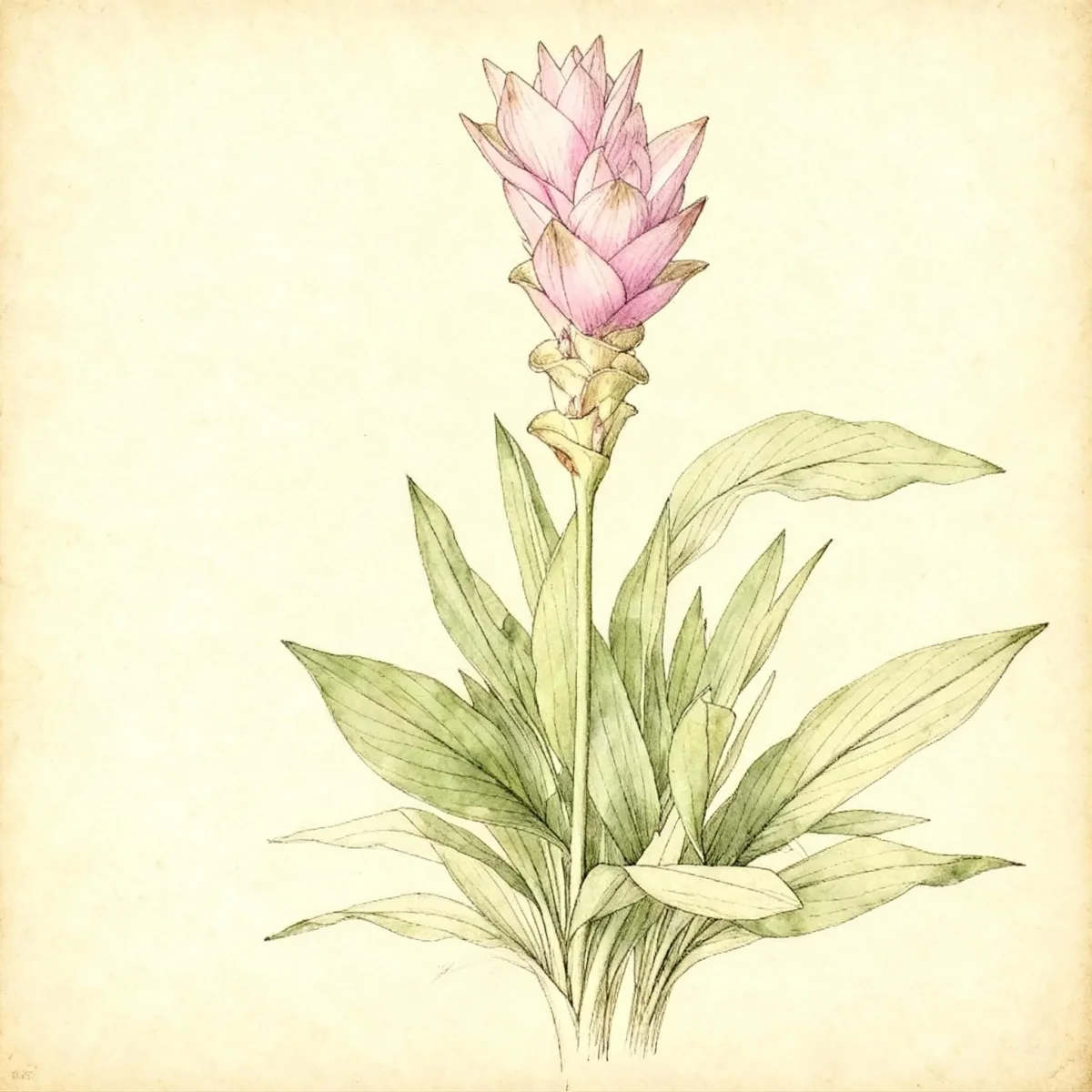
Complete Plant Information
- Hardiness zones
- USDA 8–10
- Plant type
- Herbaceous perennial
- Plant family
- Zingiberaceae
- Sun exposure
- Full sun to part shade
- Water needs
- Medium
- Maintenance
- Medium
- Height
- 1–2 ft (30–61 cm)
- Spread
- 1–2 ft (30–61 cm)
- Bloom time
- June to August
- Flower color
- Vibrant pink bracts with violet-tipped white true flowers
- Flower qualities
- Showy, Good Cut
- Fruit qualities
- Not recorded
- Tolerances
- Not recorded
- Garden uses
- Not recorded
- Native range
- Cambodia, Laos, Thailand
Field Guide Continues
Ready for care notes, companion picks, and planting tips?
The map is just the start. The full guide below covers growth habits, seasonal performance, and landscape uses.
Overview
Siam tulip (Curcuma alismatifolia ‘Chiang Mai Pink’) is a tropical ornamental perennial in the ginger family (Zingiberaceae), winter-hardy in USDA Zones 8 through 10. Originating from the monsoon meadows of Thailand, Cambodia, and Laos, it forms upright clumps of narrow, reed-like green leaves 1 to 2 feet tall and wide. From June through August, rigid stems elevate long-lasting, tulip-like flower spikes of vivid, petal-like pink bracts protecting delicate violet-tipped true flowers. Outside frost-free regions, its underground rhizomes enter mandatory dry dormancy throughout the winter months.
Online searches frequently confuse this plant under the hybrid name “ginger curcuma thorelli chiangmai pink”. Botanically, ‘Chiang Mai Pink’ is a registered selection of Curcuma alismatifolia Gagnep., distinct from wild Curcuma thorelii.
How to Grow
- Hardiness & Siting: Winter-hardy in ground across USDA Zones 8 through 10. In Zones 7 and colder, lift rhizomes in autumn after first frost or grow in containers.
- Spring Awakening: Shoots emerge late in spring—typically late May or early June—only after soil temperatures consistently warm above 65°F (18°C). Do not disturb dormant rhizomes in early spring.
- Sunlight: Full morning sun with dappled afternoon shade produces sturdy, non-flopping flower spikes and deep pink bracts. Intense afternoon sun in arid climates can bleach petal tips.
- Soil & Moisture: Plant rhizomes 2 to 3 inches deep in humus-rich, well-draining soil. Provide consistent moisture and high humidity during active summer vegetative growth, but ensure sharp drainage to prevent fungal rhizome rot.
- Winter Dormancy: Cease watering in late autumn as foliage naturally turns yellow and senesces. Store lifted rhizomes in dry peat moss, vermiculite, or perlite at 50°F to 60°F (10°C–15°C) until spring replanting.
Landscape Uses
- Front-of-Border Accent: Reaching 1 to 2 feet in height, it creates tidy, colorful vertical accents along the front edge of sunny summer perennial borders.
- Patio Container Display: Compact clumping habit makes it ideal for decorative planters on summer terraces and poolside patios.
- Exceptional Cut Flower: Individual cut spikes last 10 to 14 days in fresh floral vase arrangements, making it one of the premier commercial tropical cut flowers.
Potential Problems
- Overwatering During Dormancy: Excess water or soggy winter soil causes rapid rhizome rot. Keep soil dry during the dormant cycle (November through April).
- Pests & Foliage Scorch: Generally pest-resistant, though spider mites may attack leaves in dry indoor air. Foliage crisps if exposed to harsh afternoon summer sun without adequate moisture.
- Cold Inground Exposure: Temperatures below 20°F (-7°C) kill unlifted rhizomes in ground.
Frequently Asked Questions
Is Siam tulip a true tulip?
No. Despite its common name, Siam tulip belongs to the ginger family (Zingiberaceae) and produces modified foliage bracts rather than true tulip petals.
When should I dig up Siam tulip rhizomes for winter?
In USDA Zones 7 and colder, wait until the first light autumn frost turns the leaves yellow or brown. Cut foliage down to 2 inches, carefully dig up the rhizomes, and store them indoors in dry peat moss until spring.
Why hasn’t my Siam tulip sprouted by May?
Curcuma alismatifolia requires soil temperatures above 65°F (18°C) to break dormancy. In temperate climates, shoots rarely emerge until late May or early June.
Companion Plants
Pair Siam tulip with heat-loving tropicals and warm-season perennials that share its love of summer moisture and sunshine:
- Contrasting Foliage: Combine with broad-leaved elephant ears (Colocasia), caladiums, or canna lilies.
- Flowering Sun Partners: Interplant with summer-blooming pentas, trailing sweet potato vine, or agapanthus.
- Shady Edge Transitions: Pair near partial-shade hostas or Japanese forest grass (Hakonechloa macra).
Sources & Lineage
- Missouri Botanical Garden PlantFinder: Record taxon 438917 (Curcuma alismatifolia ‘Chiang Mai Pink’) — cultivar lineage, morphology, and growth cycles.
- Kew Plants of the World Online (POWO): Curcuma alismatifolia Gagnep. (POWO: 796404-1) and Curcuma thorelii Gagnep. (POWO: 872390-1) — species distinction and natural distribution across Indochina.
- University of Florida IFAS Extension: Ornamental Gingers for Florida Landscapes — culture, dormancy requirements, and cut-flower durability.
Recommended Companion Plants
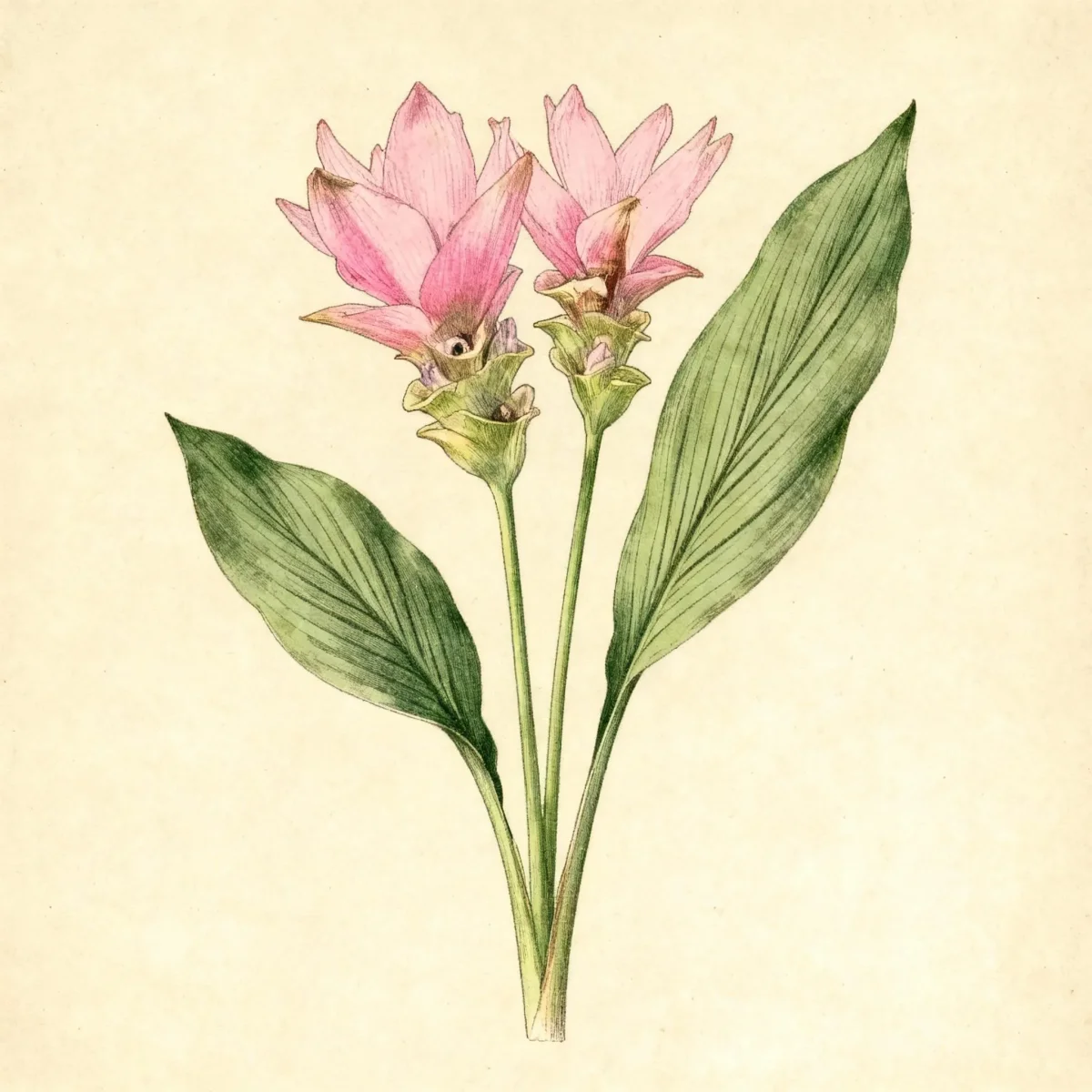
Siam tulip
Curcuma alismatifolia 'Pink'
- USDA zones
- 8–10
- Light
- Full sun to part shade
- Water
- Medium
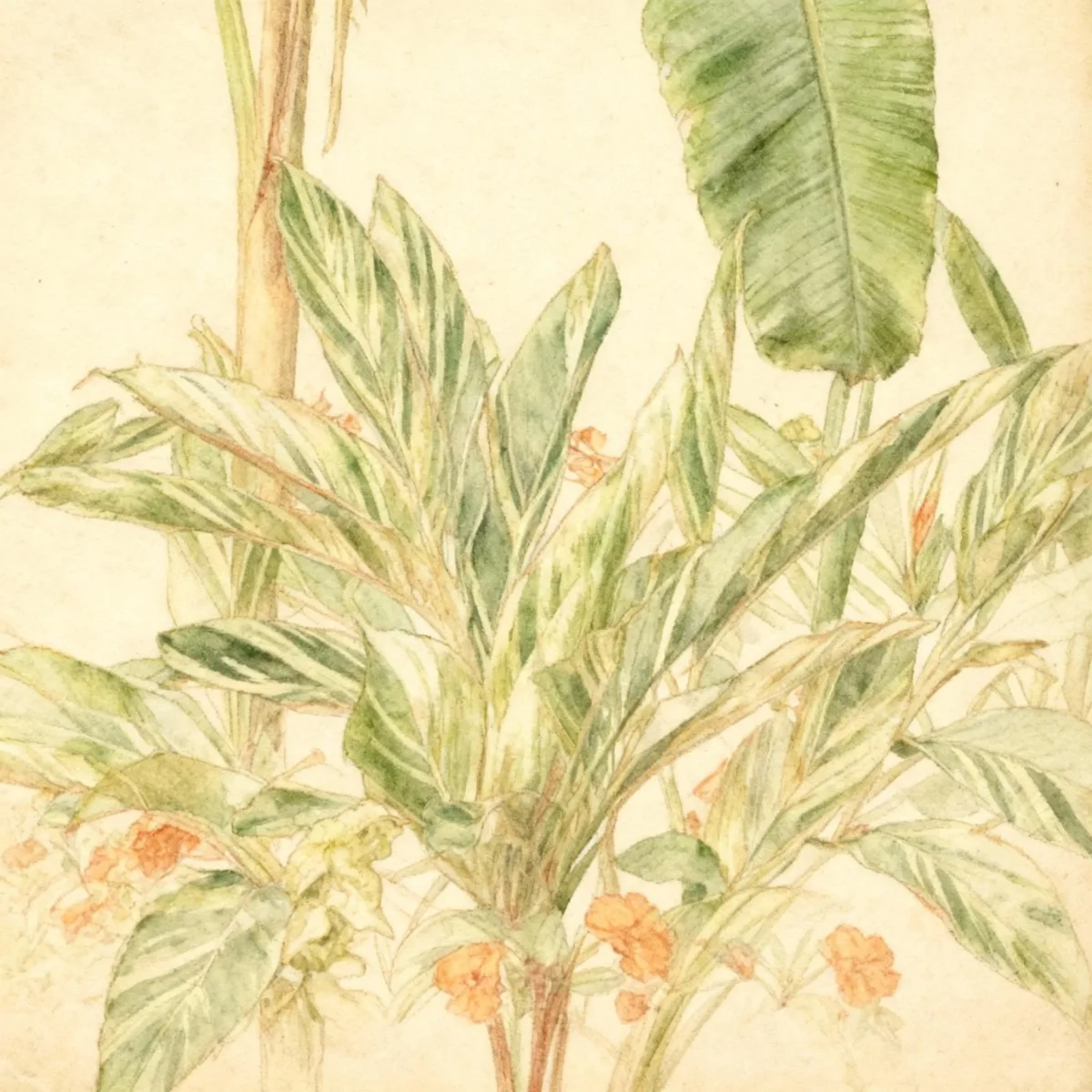
Shell ginger
Alpinia zerumbet 'Variegata'
- USDA zones
- 8–10
- Light
- Full sun to part shade
- Water
- Medium
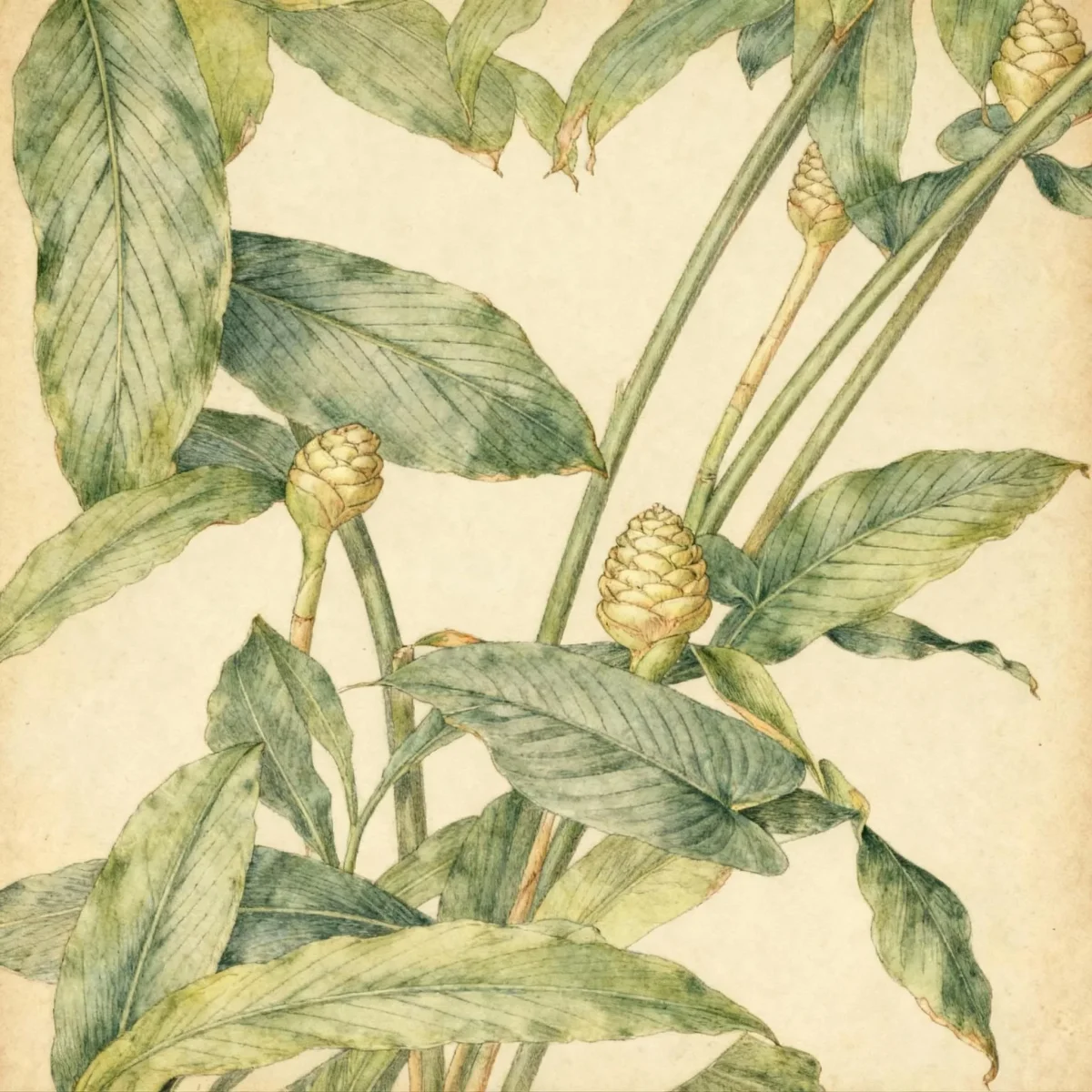
Bitter ginger
Zingiber zerumbet
- USDA zones
- 8–10
- Light
- Full sun to part shade
- Water
- Medium
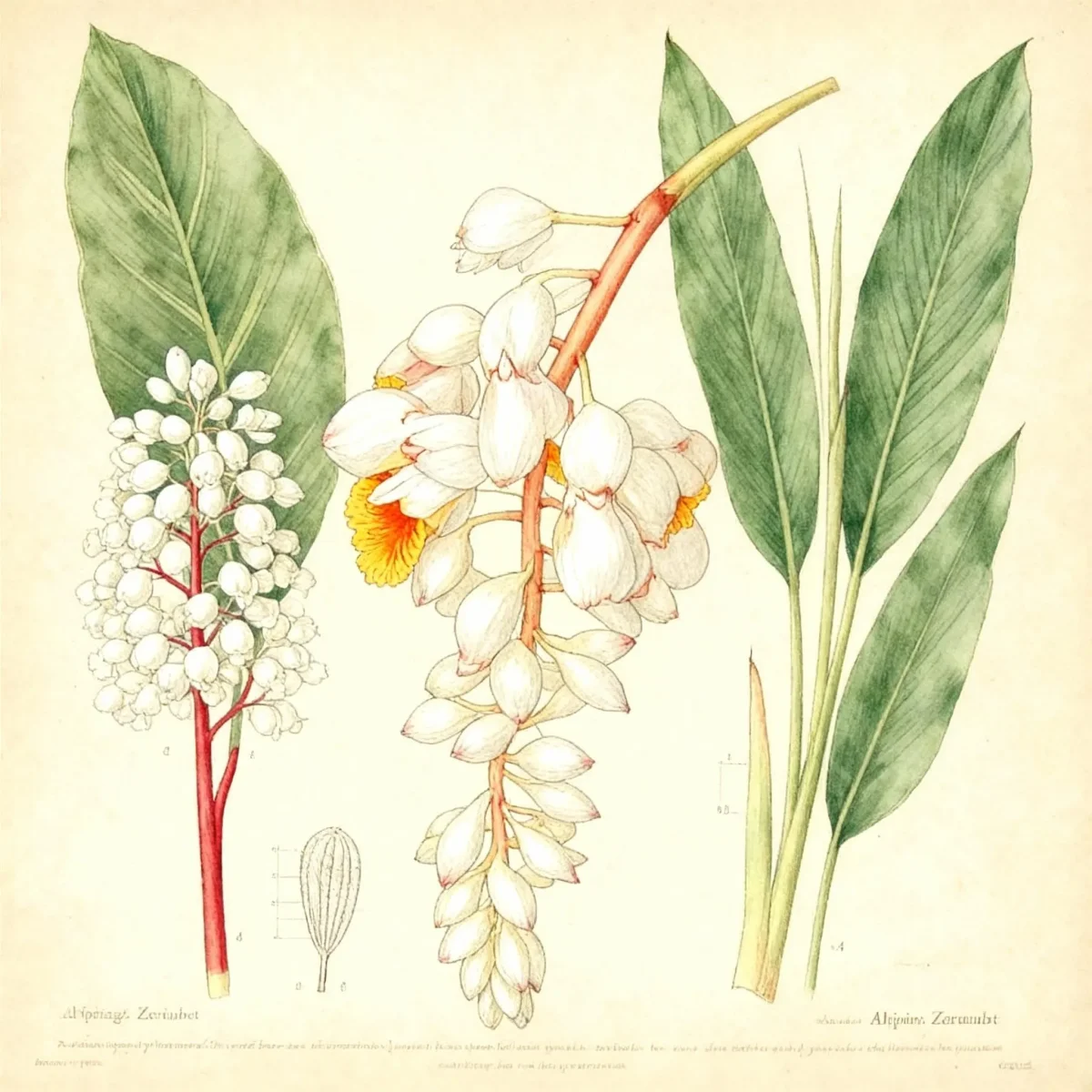
Shellplant
Alpinia zerumbet
- USDA zones
- 8–11
- Light
- Full sun to part shade
- Water
- Medium
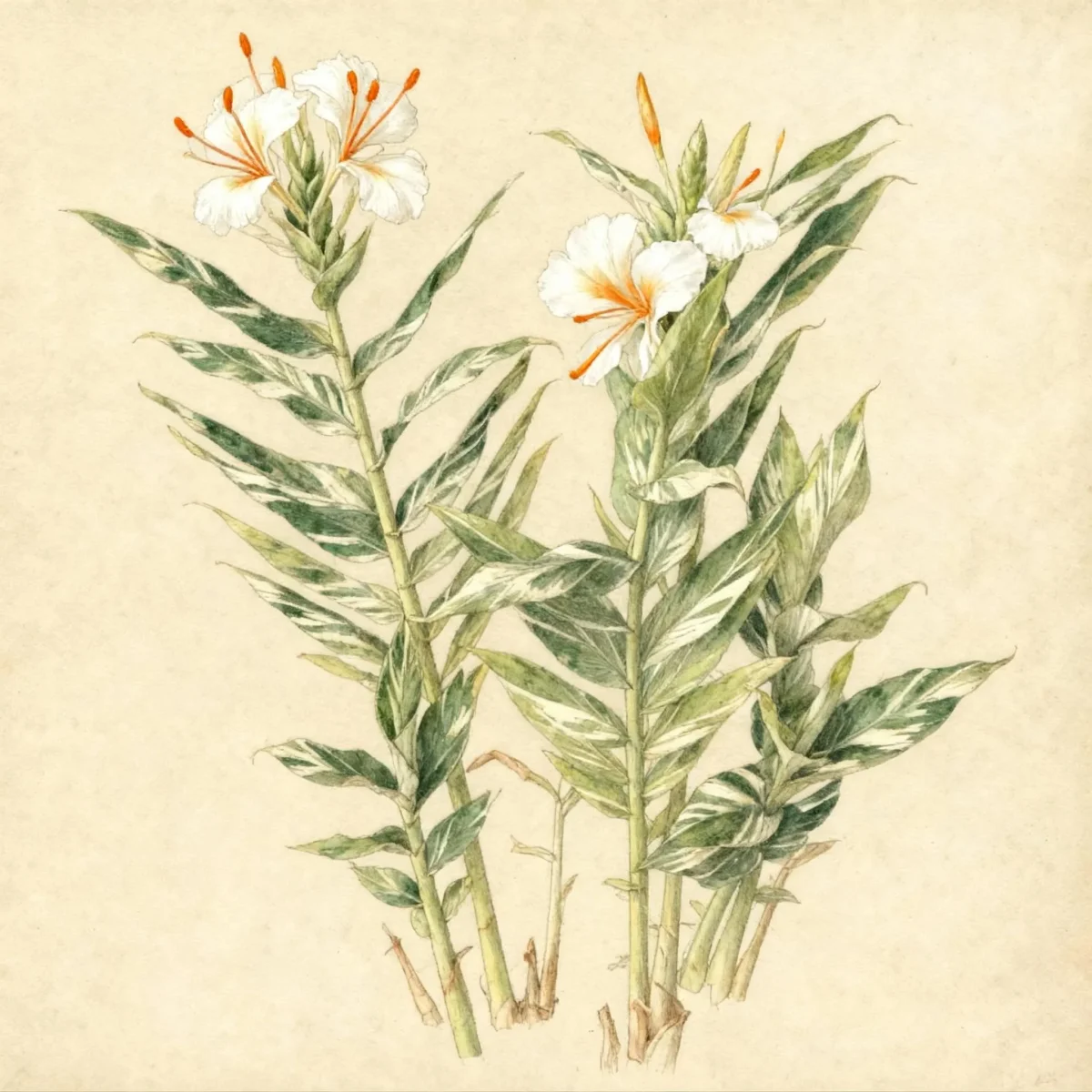
Ginger lily
Hedychium 'Tahitian Flame'
- USDA zones
- 8–11
- Light
- Full sun to part shade
- Water
- Medium to wet
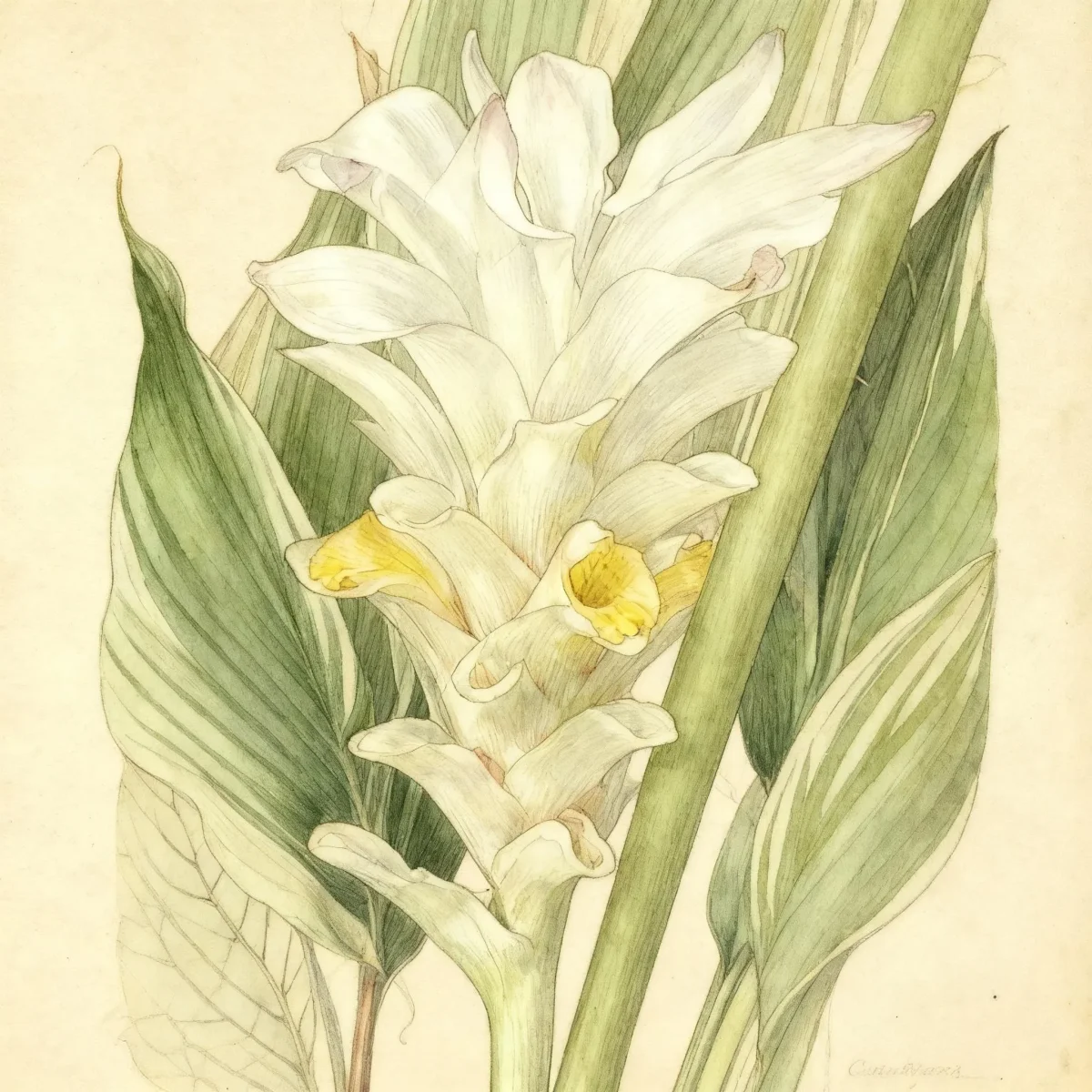
Queen lily
Curcuma petiolata
- USDA zones
- 8–10
- Light
- Part shade
- Water
- Medium
Keep Learning
Test what you know with a garden quiz
You have the plant facts and care notes. Continue with a related challenge, or browse the complete quiz library.

Can You Identify These Common Garden Plants? Test Your Plant Knowledge
Think you know your roses from your peonies? Test your plant identification skills with our comprehensive garden plant quiz featuring 10 challenging questions.
Start quiz
USDA Garden Zone Map Quiz
Use this USDA garden zone map quiz to check whether you can read hardiness zones and choose plants with more confidence.
Start quizBrowse the full quizzes section
Explore plant identification, zone strategy, and seasonal gardening challenges.
View all quizzes