Flax lily(Dianella tasmanica 'Variegata')
Grow variegated flax lily (Dianella tasmanica 'Variegata'): bold ivory-striped evergreen blades, electric peacock-blue berries, USDA zones 9–11 care and dry shade tips.
Complete Plant Information
- Hardiness zones
- USDA 9–11
- Plant type
- Herbaceous perennial
- Plant family
- Asphodelaceae
- Sun exposure
- Part shade to dappled shade
- Water needs
- Dry to medium
- Maintenance
- Low
- Height
- 1.5–2.5 ft (46–76 cm)
- Spread
- 2–3 ft (61–91 cm)
- Bloom time
- March to May
- Flower color
- Airy sprays of starry lavender-blue florets followed by showy iridescent peacock-blue berries
- Flower qualities
- Not recorded
- Fruit qualities
- Showy
- Tolerances
- Deer, Drought, Coastal Exposure, Dry Soil
- Garden uses
- Dry shade groundcover, subtropical border edging, coastal garden, patio container
- Native range
- Southeastern Australia and Tasmania (cultivar selection)
Field Guide Continues
Ready for care notes, companion picks, and planting tips?
The map is just the start. The full guide below covers growth habits, seasonal performance, and landscape uses.
Overview
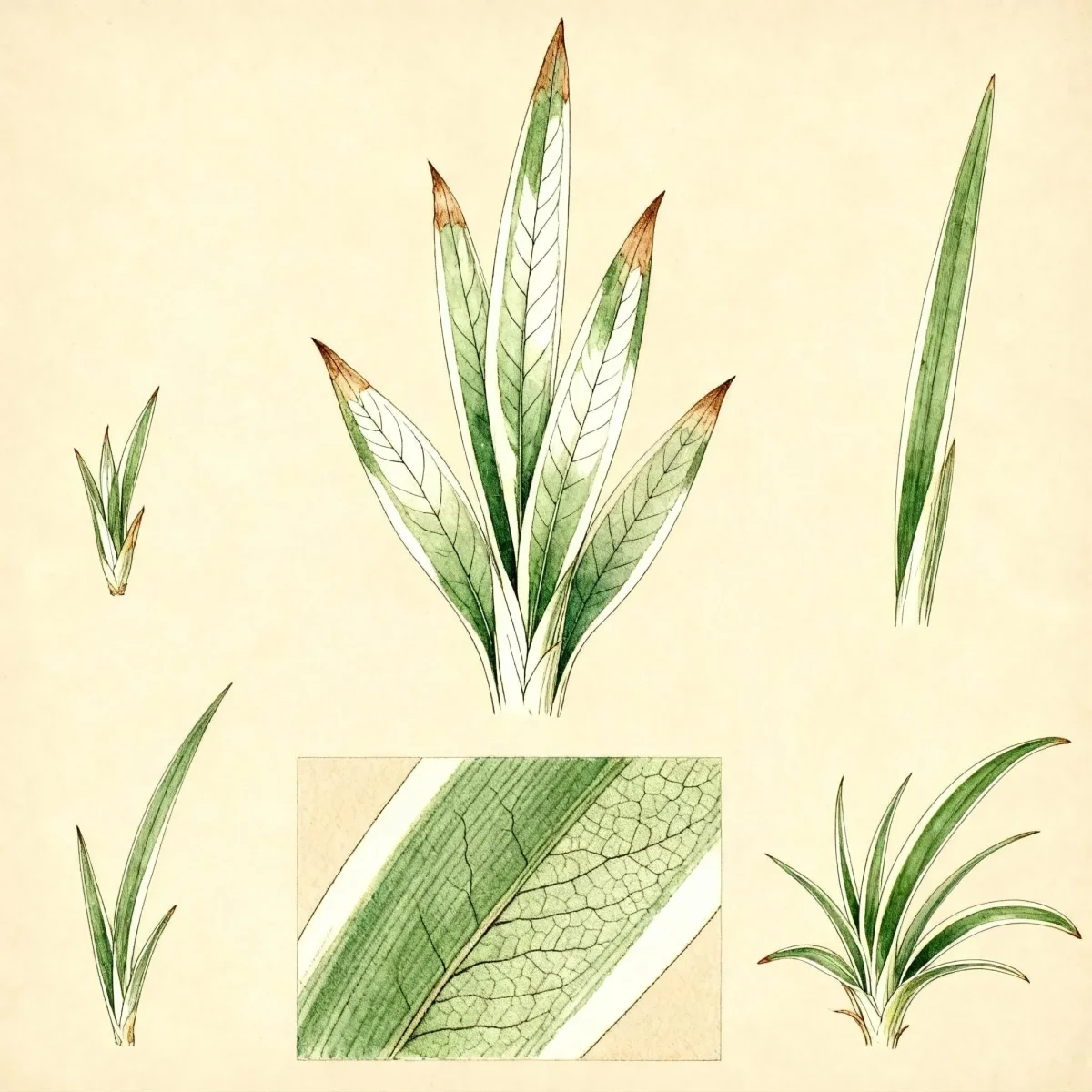
Variegated flax lily (Dianella tasmanica ‘Variegata’) is a robust, architectural broadleaf evergreen perennial in the asphodel family (Asphodelaceae), hardy in USDA Zones 9 through 11 (root-hardy to Zone 8b). Originating from the coastal forests of southeastern Australia and Tasmania, it forms an upright, spreading clump of stiff, strap-like, sword-shaped leaves 1.5 to 2.5 feet tall and 2 to 3 feet wide. Each broad evergreen leaf is boldly striped with crisp ivory-white to cream longitudinal margins framing rich green centers, crowned in late spring by starry lavender-blue flowers and followed by astonishing, iridescent peacock-blue berries.
Famous for its extreme drought and dry-shade tolerance, it is a premier evergreen choice for challenging spots under trees and along coastal properties.
How to Grow
- Hardiness & Frost Response: Reliably evergreen across USDA Zones 9 through 11. In USDA Zone 8b, foliage may suffer tip-burn or die back during sub-freezing cold snaps (temperatures below 20°F to 25°F / -4°C to -7°C), but established rhizomes re-sprout vigorously once spring temperatures warm.
- Sunlight & Sun-Scorch Protection: Thrives in partial shade, morning sun, or high dappled canopy shade. Avoid direct, scorching afternoon sun in arid climates, which bleaches and browns the delicate white leaf variegation.
- Dry Shade & Tree Root Tolerance: One of the most dependable evergreen solutions for the challenging “dry shade” zone beneath mature, water-thirsty trees. Once established after its first growing season, it demonstrates exceptional drought tolerance.
- Soil & Coastal Salt Tolerance: Adapts to sandy, loamy, or clay soils with good drainage. Shows high resilience against coastal salt air and sea breezes.
Landscape Uses
- Dry Shade Groundcover: Blankets bare soil beneath shallow-rooted trees where grass and tender perennials fail.
- Subtropical Border Edging: Creates an architectural, upright striped ribbon along walkways and building foundations.
- Patio Containers: Provides year-round bold foliage texture in mixed patio planters.
Potential Problems
- Leaf Scorch in Hot Sun: Direct afternoon rays burn the white variegated margins; plant in partial or dappled shade.
- Frost Damage in Cold Winters: In Zone 8, freezing temperatures kill foliage back; prune dead leaves in early spring to make way for fresh shoots.
- Toxicity Warning: The showy peacock-blue berries contain unknown toxins and should not be eaten by humans or domestic pets.
Frequently Asked Questions
Are the blue berries on variegated flax lily edible?
No. The berries contain toxic compounds and are not safe for human or pet consumption.
Can variegated flax lily grow in dry shade?
Yes. It is one of the premier plants for dry shade, tolerating aggressive root competition beneath large canopy trees once established.
Does flax lily survive freezing temperatures?
It is evergreen in Zones 9 through 11. In Zone 8, foliage burns at 20°F (-7°C), but established roots survive and flush fresh green shoots in spring.
Companion Plants
Pair variegated flax lily with shade-loving perennials that appreciate its drought tolerance:
- Broadleaf Tropical Foliage: Plant alongside cast iron plant (Aspidistra elatior) or philodendrons.
- Flowering Accent Plants: Combine with agapanthus, clivia, or impatiens.
- Contrasting Textures: Interplant with mondo grass (Ophiopogon) or autumn ferns.
Sources & Lineage
- Missouri Botanical Garden PlantFinder: Record taxon 439348 (Dianella tasmanica ‘Variegata’) — cultivar description, dimensions, and fruit characteristics.
- Kew Plants of the World Online (POWO): Dianella tasmanica Hook.f. (POWO: 533871-1) — species taxonomy, family (Asphodelaceae), and Australian native distribution.
- University of Florida IFAS Extension: Dianella tasmanica: Variegated Flax Lily — landscape culture, drought resilience, and subtropical hardiness.
Recommended Companion Plants
Large Chimanimani aloe
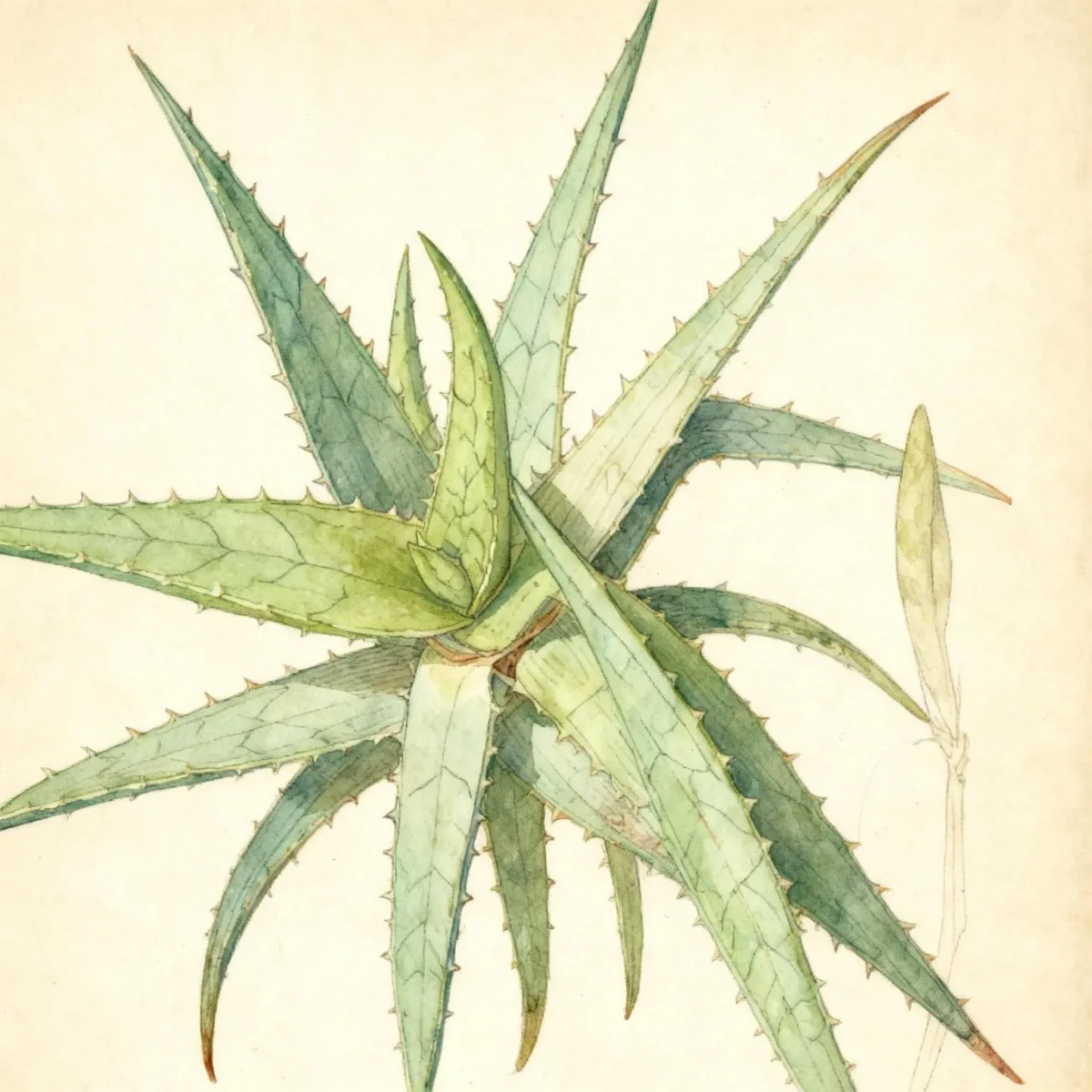
Aloe munchii
- USDA zones
- 9–11
- Light
- Full sun
- Water
- Dry to medium
Aloe
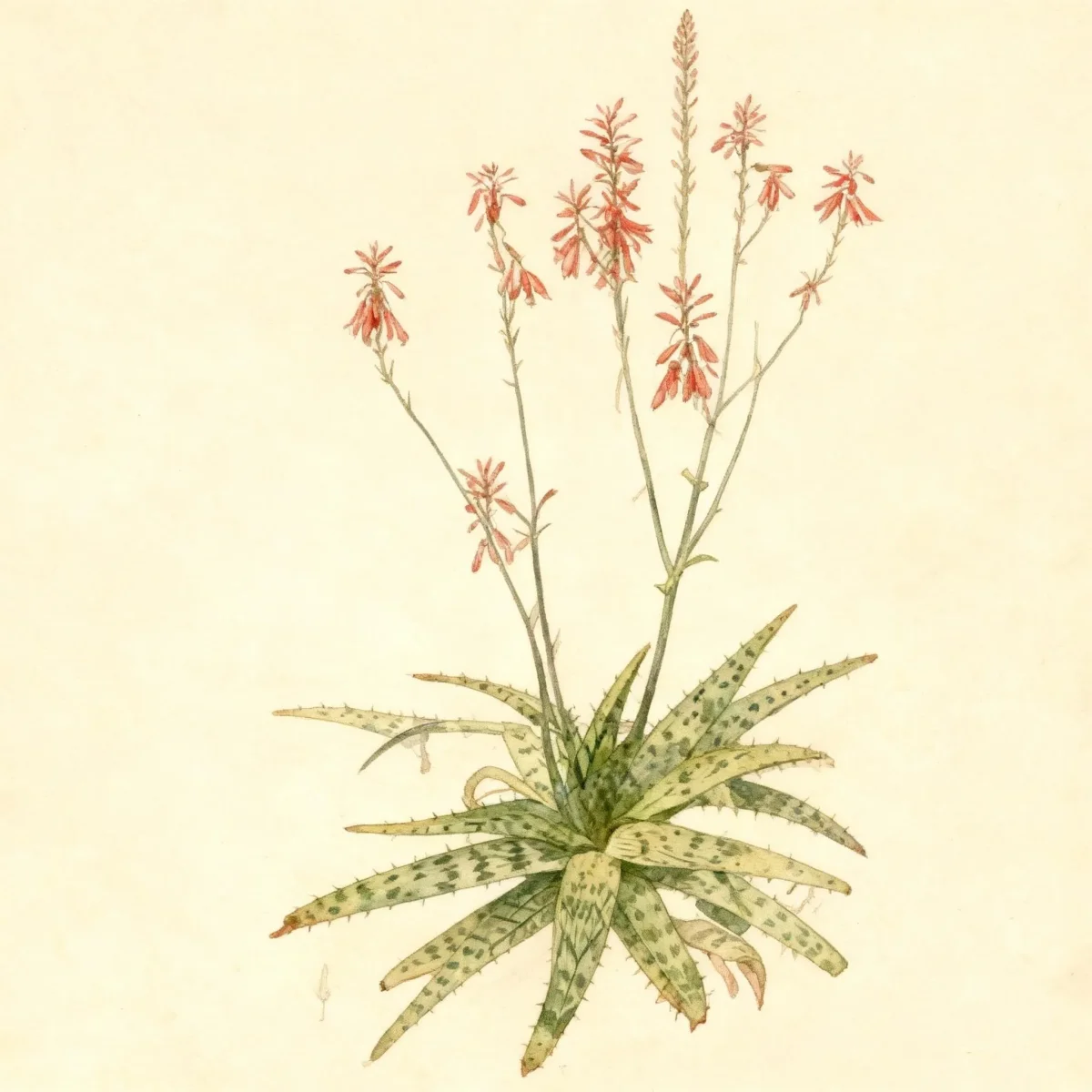
Aloe harlana
- USDA zones
- 9–11
- Light
- Full sun to part shade
- Water
- Dry to medium

Aloe
Aloe rauhii
- USDA zones
- 10–11
- Light
- Full sun to part shade
- Water
- Dry to medium
Orange bulbine
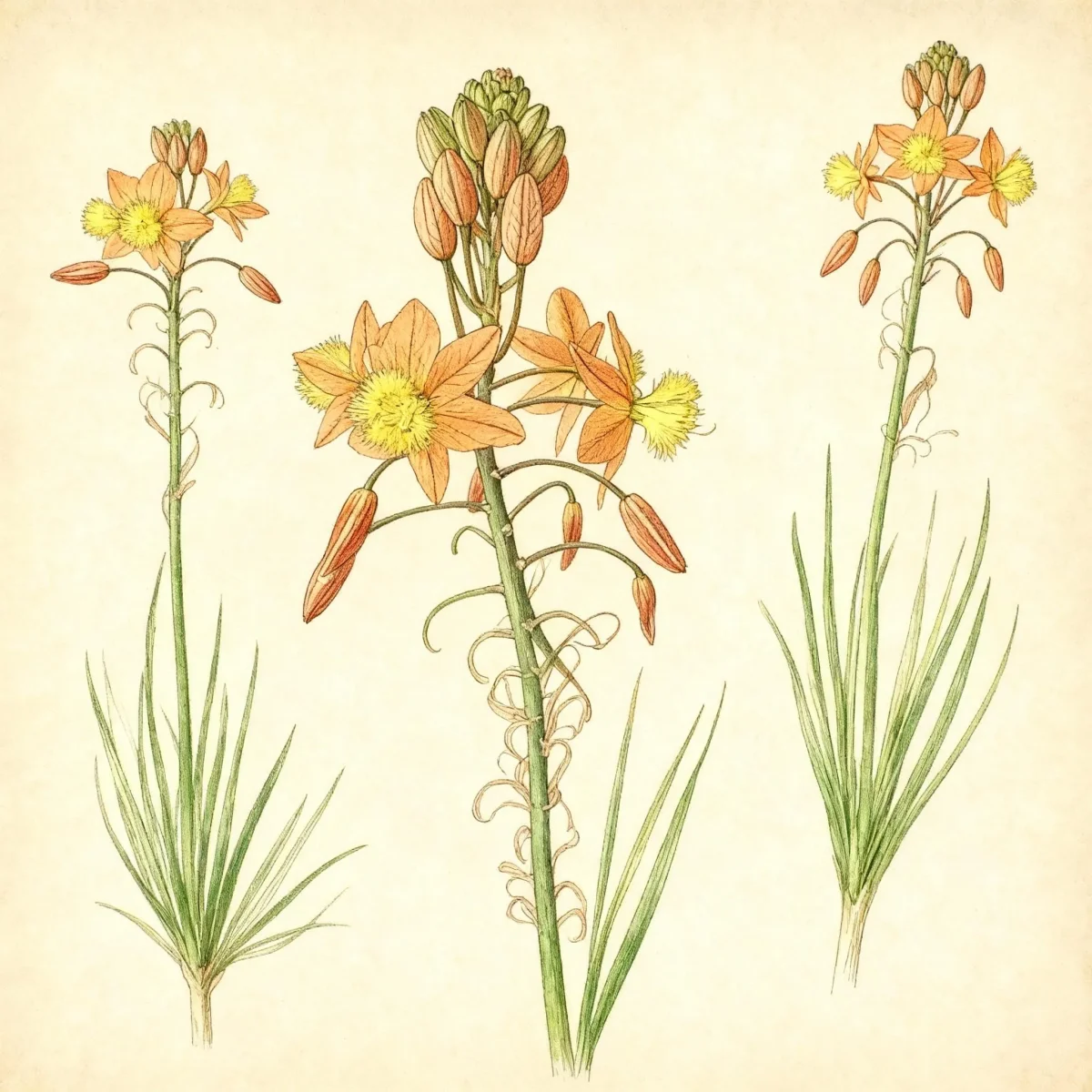
Bulbine frutescens
- USDA zones
- 9–11
- Light
- Full sun
- Water
- Dry to medium
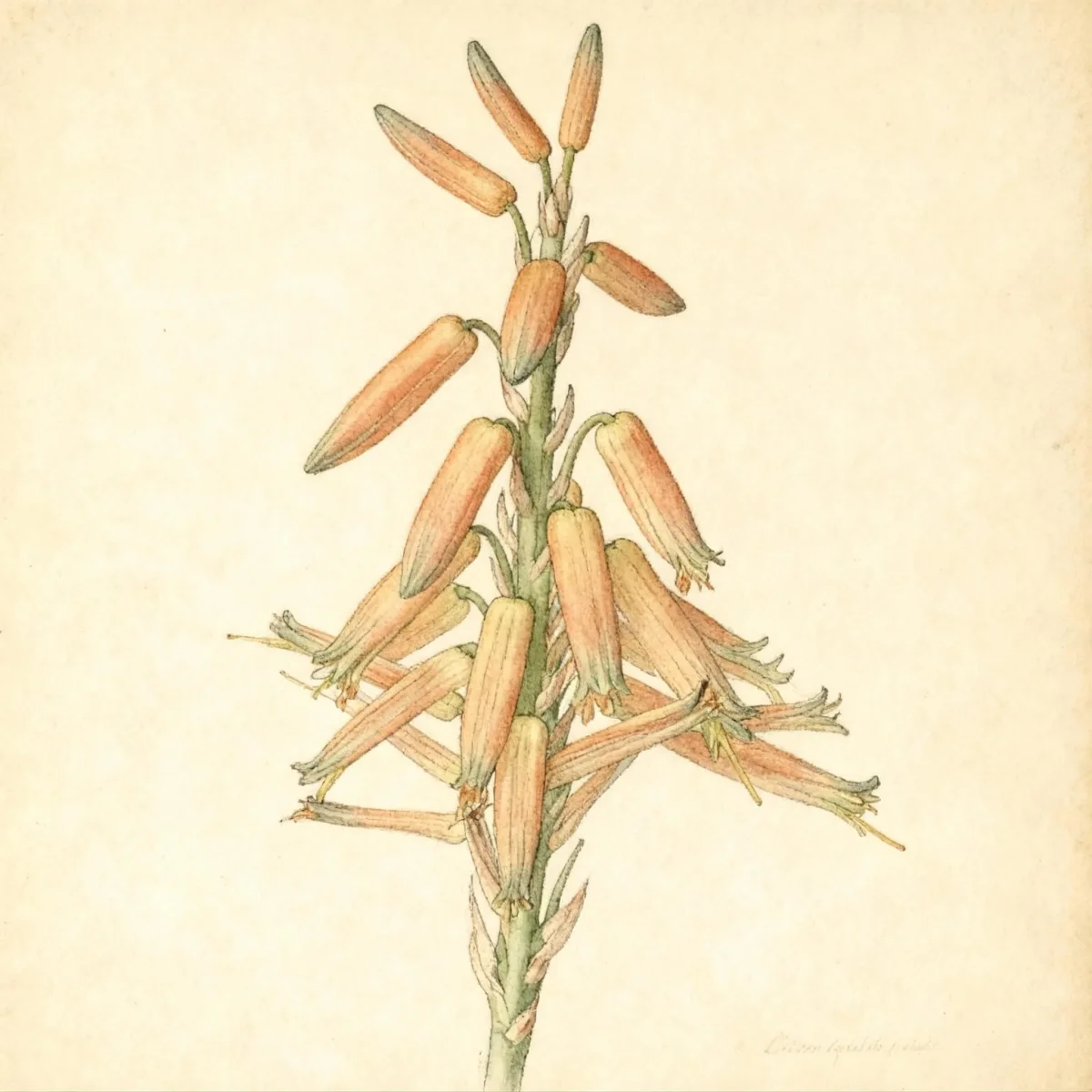
Karoo aloe
Aloe longistyla
- USDA zones
- 9–11
- Light
- Full sun to part shade
- Water
- Dry to medium
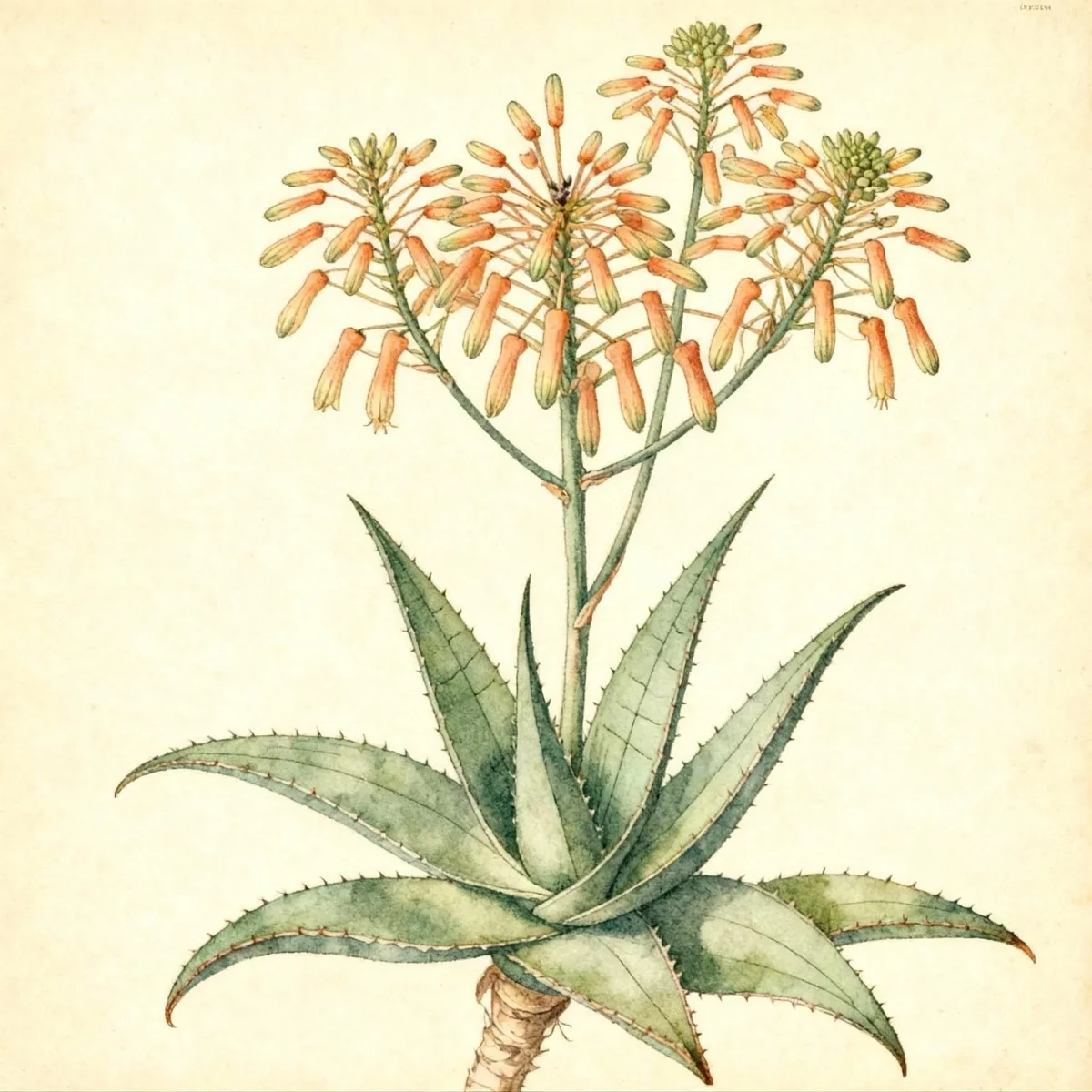
Coral aloe
Aloe striata
- USDA zones
- 9–11
- Light
- Full sun
- Water
- Dry
Keep Learning
Test what you know with a garden quiz
You have the plant facts and care notes. Continue with a related challenge, or browse the complete quiz library.

Can You Identify These Common Garden Plants? Test Your Plant Knowledge
Think you know your roses from your peonies? Test your plant identification skills with our comprehensive garden plant quiz featuring 10 challenging questions.
Start quiz
USDA Garden Zone Map Quiz
Use this USDA garden zone map quiz to check whether you can read hardiness zones and choose plants with more confidence.
Start quizBrowse the full quizzes section
Explore plant identification, zone strategy, and seasonal gardening challenges.
View all quizzes