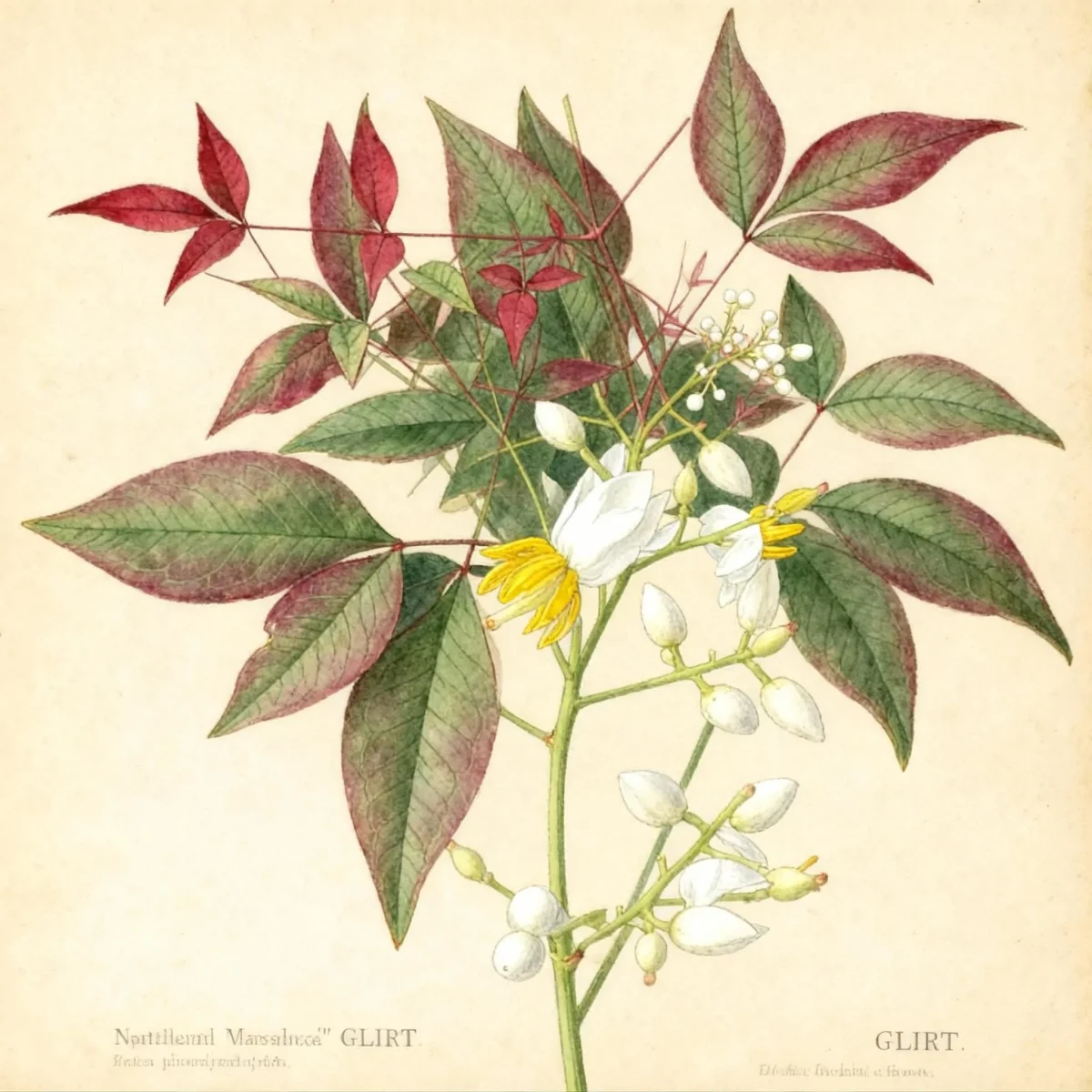
Barberry (Berberis 'Cally Rose')
Berberis 'Cally Rose' is a low-maintenance, broadleaf evergreen Barberry offering pink-white flowers and dense texture for hedges.

Bloom Boldly, No Matter the Season - Sweatshirt
Cozy organic cotton sweatshirt featuring our exclusive Purple Coneflower design. Perfect for gardeners who bloom year-round.
Inspired by the beautiful Barberry
Limited first batch (50) — join the waitlist for early access
Waitlist closes Feb 15, 2026.
Complete Plant Information
Field Guide Continues
Ready for care notes, companion picks, and planting tips?
The map is just the start. The full guide below covers growth habits, seasonal performance, and landscape uses.
Overview
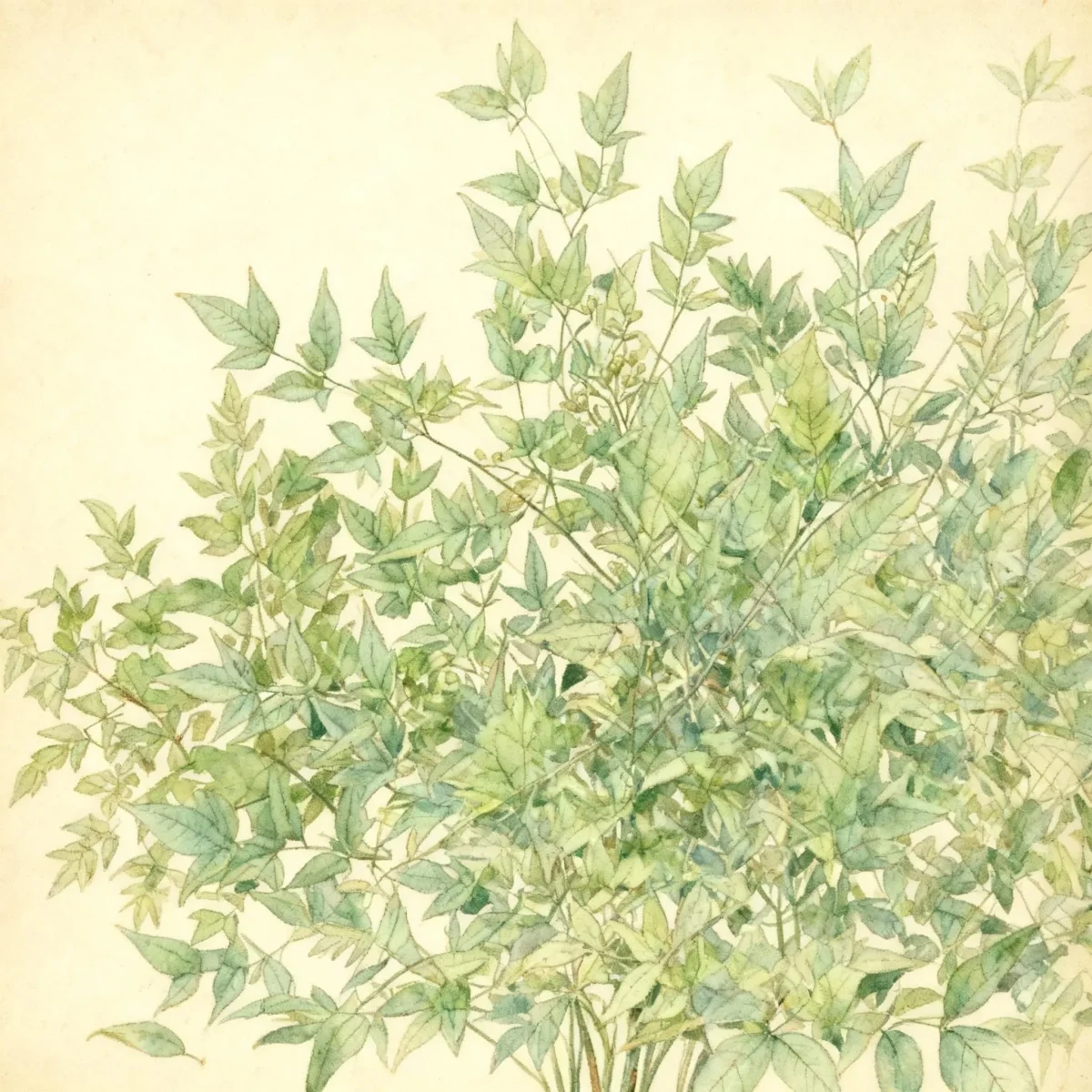
Berberis ‘Cally Rose’ is a valuable addition to the landscape, known for its dense, medium-sized structure and relative ease of care. This Barberry cultivar provides excellent year-round interest due to its status as a broadleaf evergreen, contrasting nicely with deciduous plantings. Its slightly informal habit makes it functional yet attractive in structured garden settings.
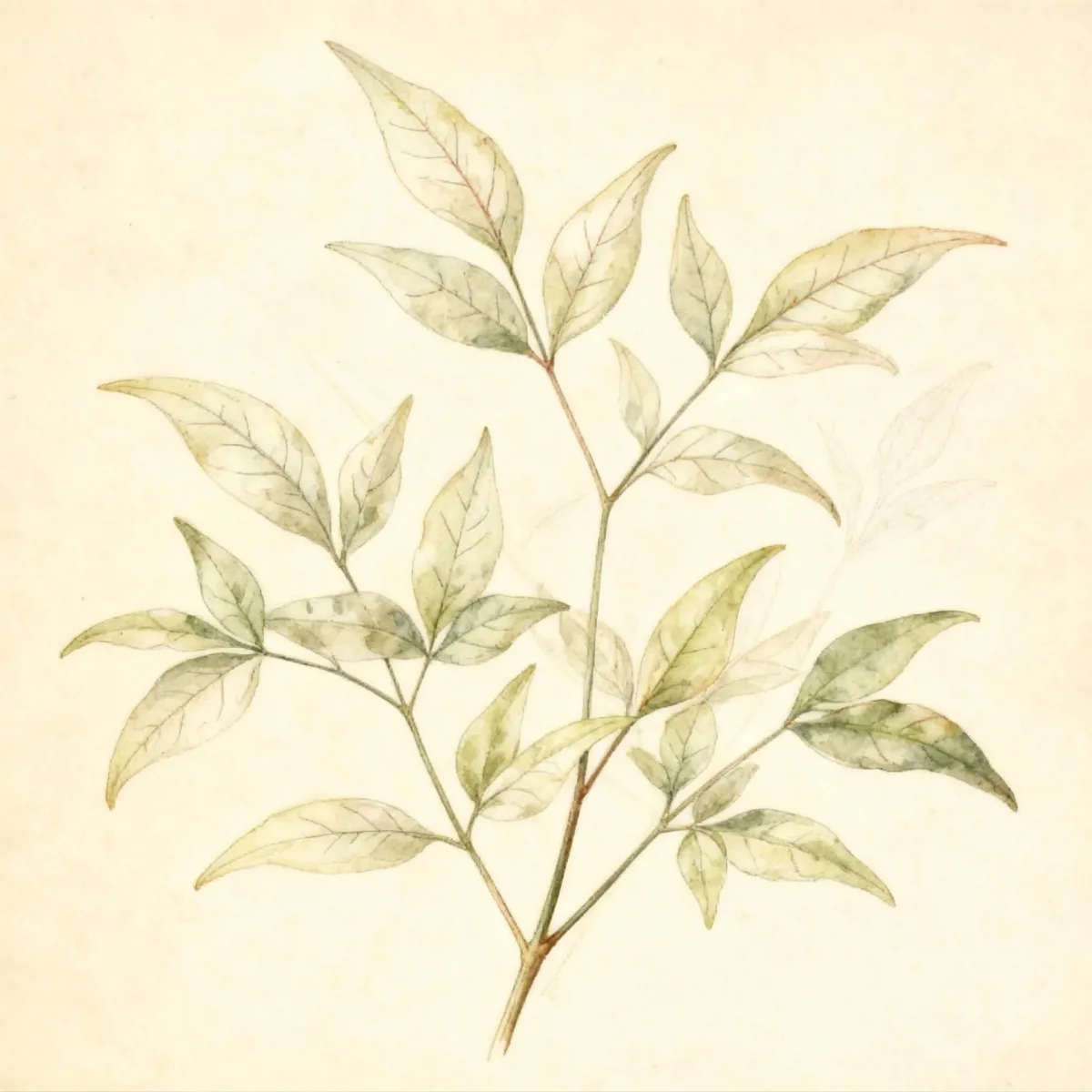
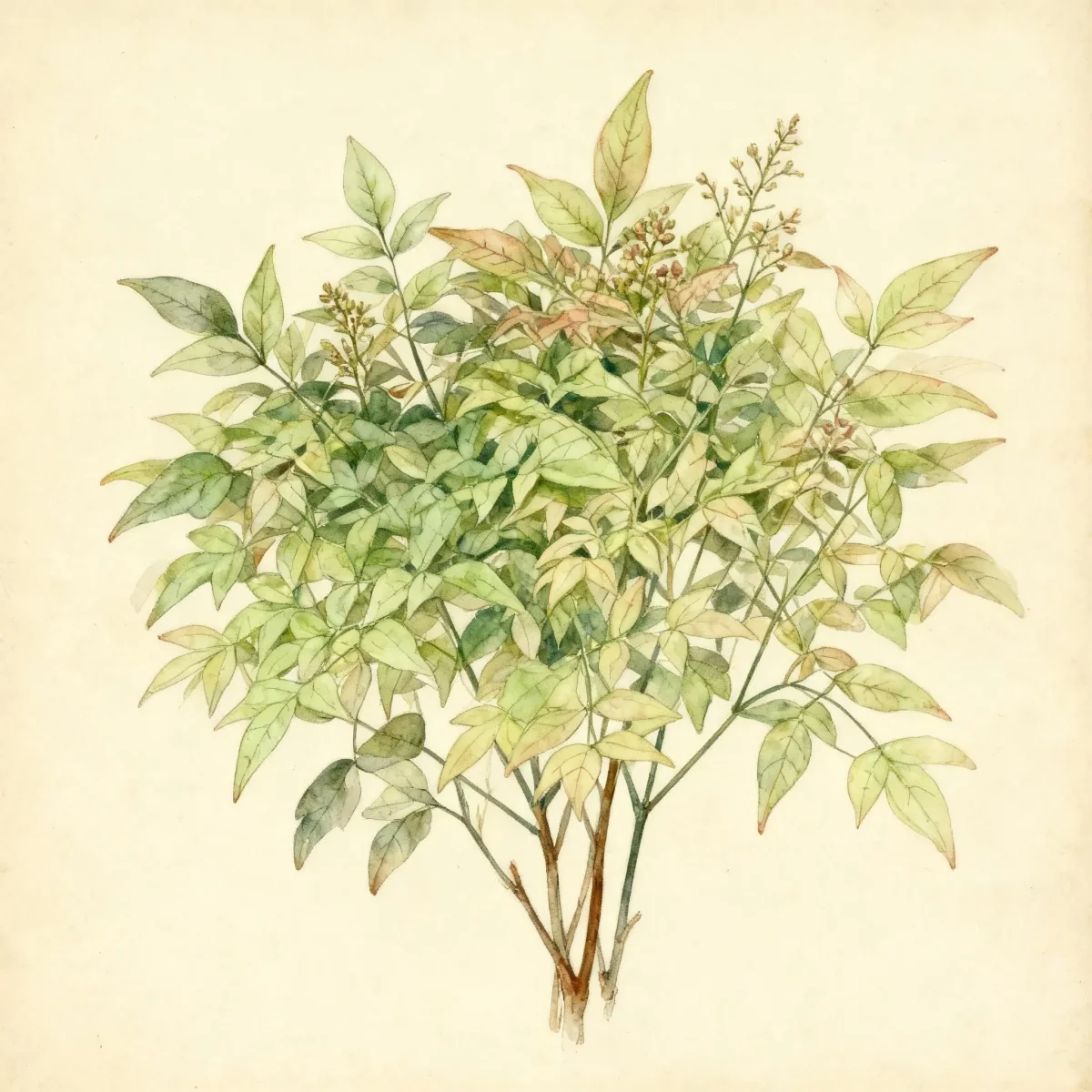
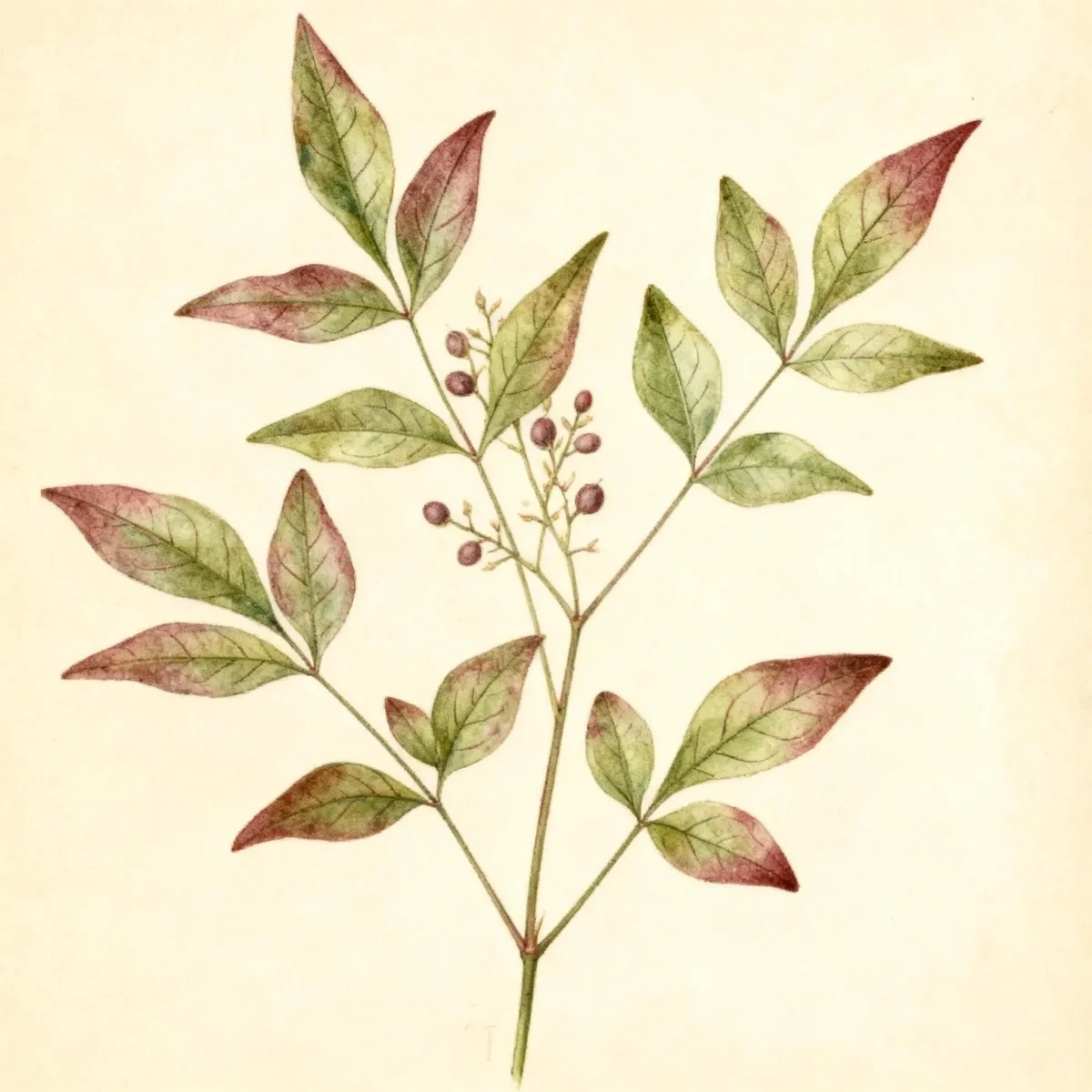
This variety is prized for its adaptability and low maintenance requirements, making it a workhorse shrub. Growing typically between 4 and 5 feet tall, Berberis ‘Cally Rose’ features narrow, grey-green foliage lined with small marginal spines. The delicate, pendulous flowers bloom in late spring, followed by attractive blue-black fruits later in the season.
Functionally, Berberis ‘Cally Rose’ excels as a low screen or barrier plant where minimal intervention is desired. Gardeners appreciate this Barberry for its resilience once established, provided it avoids the harshest winter conditions outside its ideal zone range. Planting Berberis ‘Cally Rose’ offers reliable texture and seasonal color with minimal long-term effort.
Fast Facts
- Plant Family: Berberidaceae
- Plant Type: Broadleaf evergreen
- Hardiness Zones: USDA Zones 7-10
- Size at Maturity:
- Height: 4-5 ft
- Spread: 4-6.5 ft
- Bloom Time: May to June
- Bloom Description: Pink
- Sun Exposure: Full sun to part shade
- Water Needs: Medium
- Maintenance Level: Low
How to Grow
For optimal health, plant Berberis ‘Cally Rose’ during the early spring or fall, allowing it time to establish roots before extreme weather arrives. This shrub performs best in average to moist, well-draining soils. While it tolerates full sun, prolonged exposure, especially in hotter climates, can cause the foliage to scorch, so partial shade is often preferred for the most vibrant leaf color.
Watering should be consistent, focusing on medium moisture, particularly during dry spells in the first year after planting. Fertilization is generally not necessary for this low-maintenance variety. Pruning is largely optional; however, if renovation or size control is needed, dormant pruning in late winter is appropriate to cut out any older, less productive stems.
Be mindful that this cultivar is rated for Zones 7-10 and requires protection from harsh, drying winter winds, which can desiccate the foliage. Furthermore, like many Barberry types, this plant tends to naturally collect wind-blown debris, requiring an occasional clean-out if aesthetics are paramount.
Landscape Uses
The compact size and dense growth habit of Berberis ‘Cally Rose’ make it an excellent choice for informal hedging or creating defining borders within a landscape design. Its upright, evergreen structure offers dependable screening depth throughout the year. Consider using this Barberry where a low barrier is needed without the formality of tightly sheared boxwood.
Beyond its use as a hedge, Berberis ‘Cally Rose’ functions well as a foundation plant situated slightly away from the structure, adding textural contrast against stone or siding. It is also superb in shrub borders, positioned toward the front or middle layers where its fine texture and spring flowers can be appreciated. Pair it with contrasting foliage colors, such as chartreuse grasses or dark evergreens, to enhance the subtle grey-green tones of the Barberry foliage.
Standout Features
Noteworthy Characteristics
Berberis is a genus of about 450 species of evergreen or deciduous shrubs from all parts of the North Hemisphere as well as North and tropical Africa and South America. ‘Cally Rose’ is a dense, medium to large evergreen shrub characterized by its adaptability and low maintenance needs. Its narrow foliage features small spines along the margins, contrasting with the pendulous clusters of pink and white bi-colored flowers that appear from May to June, followed by dark, berry-like fruits.
Tolerances
- Deer
Potential Problems
Berberis ‘Cally Rose’ generally shows strong resistance to severe pest and disease outbreaks. The primary cultural issue reported for this cultivar is the potential for powdery mildew, which often occurs in situations with high humidity and poor air circulation. Ensure adequate spacing between plants to promote airflow, which is the best preventative measure against fungal issues.
A common challenge with most barberries, including this variety, is their tendency to “trap” wind-blown litter, such as fallen leaves or small twigs. This trapped debris can smother the lower branches and become a source of moisture retention, potentially leading to rot or disease entry points. Regular inspection and manual clearing of debris from the base of the shrub during late fall and early spring maintenance is recommended.
Frequently Asked Questions
What hardiness zones is Berberis ‘Cally Rose’ suitable for?
Berberis ‘Cally Rose’ is hardy in USDA Zones 7 through 10, though gardeners in Zone 7 should pay special attention to wind protection in winter.
How large does Barberry grow?
This cultivar typically reaches a mature height between 4 and 5 feet, with a spread ranging from 4 to 6.5 feet wide.
When does Berberis ‘Cally Rose’ bloom?
The pendulous flowers of Berberis ‘Cally Rose’ appear from May into June, noted for their distinguishing pink coloration.
What sun exposure does Barberry need?
This plant performs reliably in full sun to part shade conditions; however, excessive midday sun in very hot locations may lead to minor foliage scorching.
Conclusion
The rugged adaptability and year-round color offered by the broadleaf evergreen foliage make Berberis ‘Cally Rose’ a pragmatic and beautiful choice for low-maintenance landscapes. This Barberry provides structure perfect for soft hedging and screening needs. Before planting, confirm your location falls within USDA Zones 7-10 to ensure the best chance for robust, thriving growth of Berberis ‘Cally Rose’.
Companion Planting
When designing borders around your new Barberry, select companions that thrive in similar sun and water conditions (medium moisture, full sun to part shade). Consider pairing Berberis ‘Cally Rose’ with plants that offer contrasting leaf textures to highlight its fine, spiny foliage. Hostas or Heucheras work well in shadier pockets where the Barberry is sited near the edge of a tree line, providing soft mounds of color against the shrub’s upright form.
For sunny, drier spots where the Barberry is used as a formal hedge replacement, look towards other low-maintenance evergreens like certain dwarf conifers or Rosemary. These companions share the need for good drainage, ensuring that conflicting irrigation needs do not compromise the health of the Berberis ‘Cally Rose’. The tiny pink flowers of the Barberry offer a subtle contrast to shrubs with blue or white blooms later in the season.
Designing with Texture and Form
Because the mature size of Berberis ‘Cally Rose’ is medium, it works well as a transitional element between lower groundcovers and taller background shrubs. Utilize its informal, dense structure by placing it slightly away from clipped boxwood hedges; this juxtaposition showcases the difference between rigid formality and a more relaxed, natural shape. The dark blue-black fruits that follow the bloom add a final touch of visual weight, complementing any nearby red-toned foliage you might employ elsewhere in the garden scheme.
Wildlife Benefits
While the spines on the foliage offer inherent protection for the shrub itself, the small, dark berries produced by Berberis ‘Cally Rose’ can offer a modest food source for local bird populations, particularly later in autumn when other fruits have been consumed. Although Barberry is not primarily known as a major pollinator attractor due to its somewhat muted, pendulous flowers, they still offer early nectar when they bloom in late spring. Consider planting native flowering species nearby to supplement the early season diet for bees and butterflies.