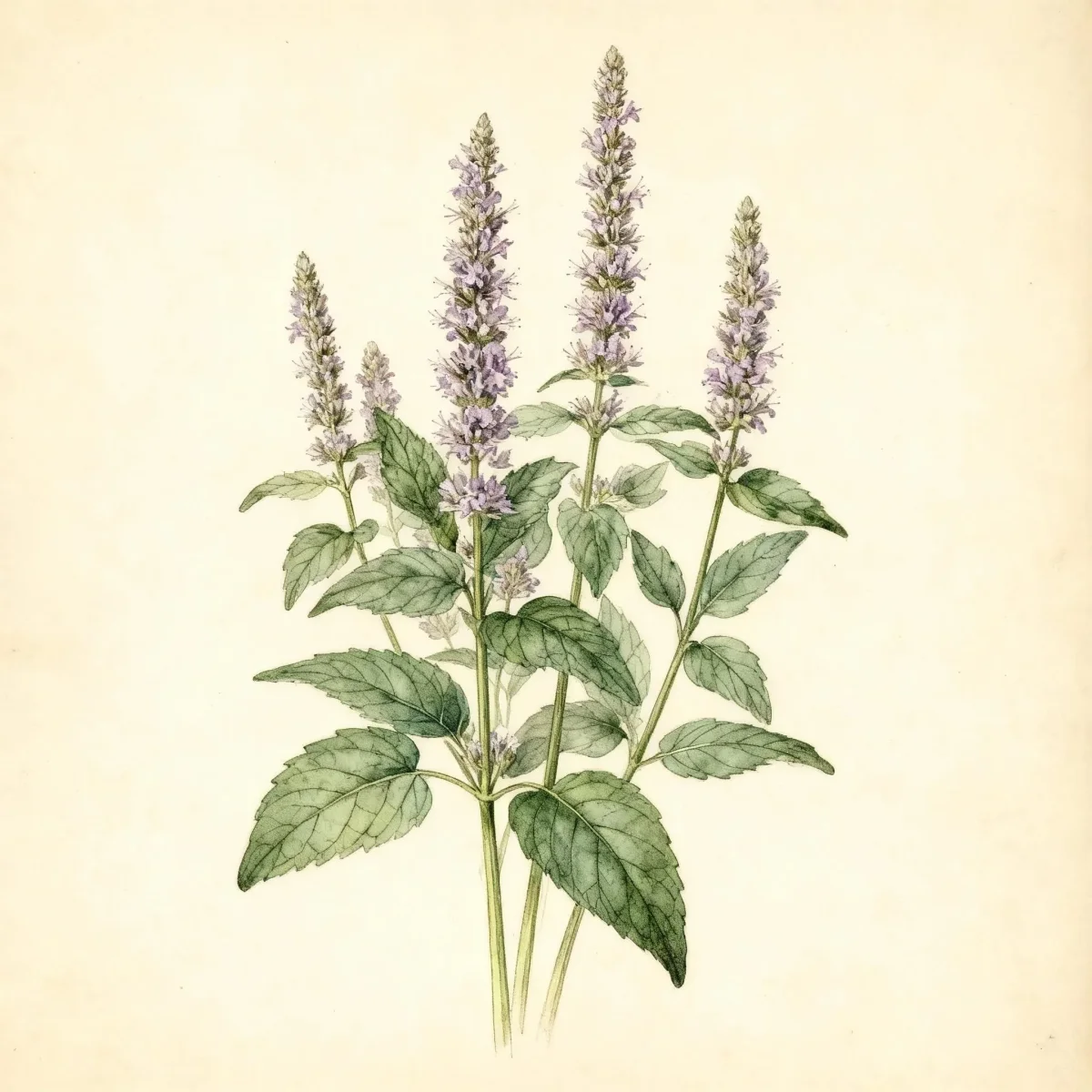
Bee balm (Monarda didyma 'Balbalmose' BALMY ROSE)
Compact Monarda didyma 'Balbalmose' BALMY ROSE offers low-maintenance pink blooms, perfect for pollinator gardens in zones 4-9.
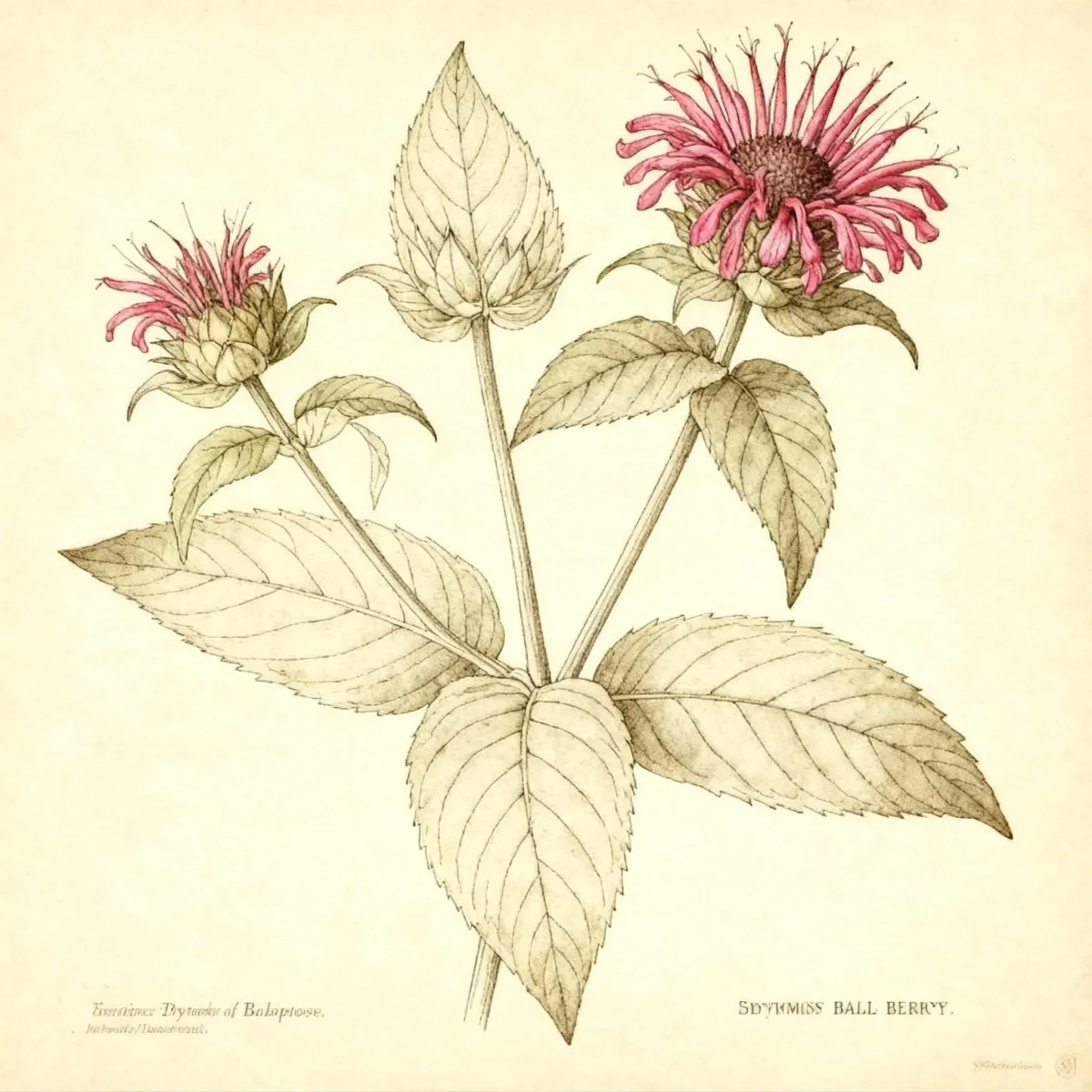

Bloom Boldly, No Matter the Season - Sweatshirt
Cozy organic cotton sweatshirt featuring our exclusive Purple Coneflower design. Perfect for gardeners who bloom year-round.
Inspired by the beautiful Bee balm
Limited first batch (50) — join the waitlist for early access
Waitlist closes Feb 15, 2026.
Complete Plant Information
Field Guide Continues
Ready for care notes, companion picks, and planting tips?
The map is just the start. The full guide below covers growth habits, seasonal performance, and landscape uses.
Overview
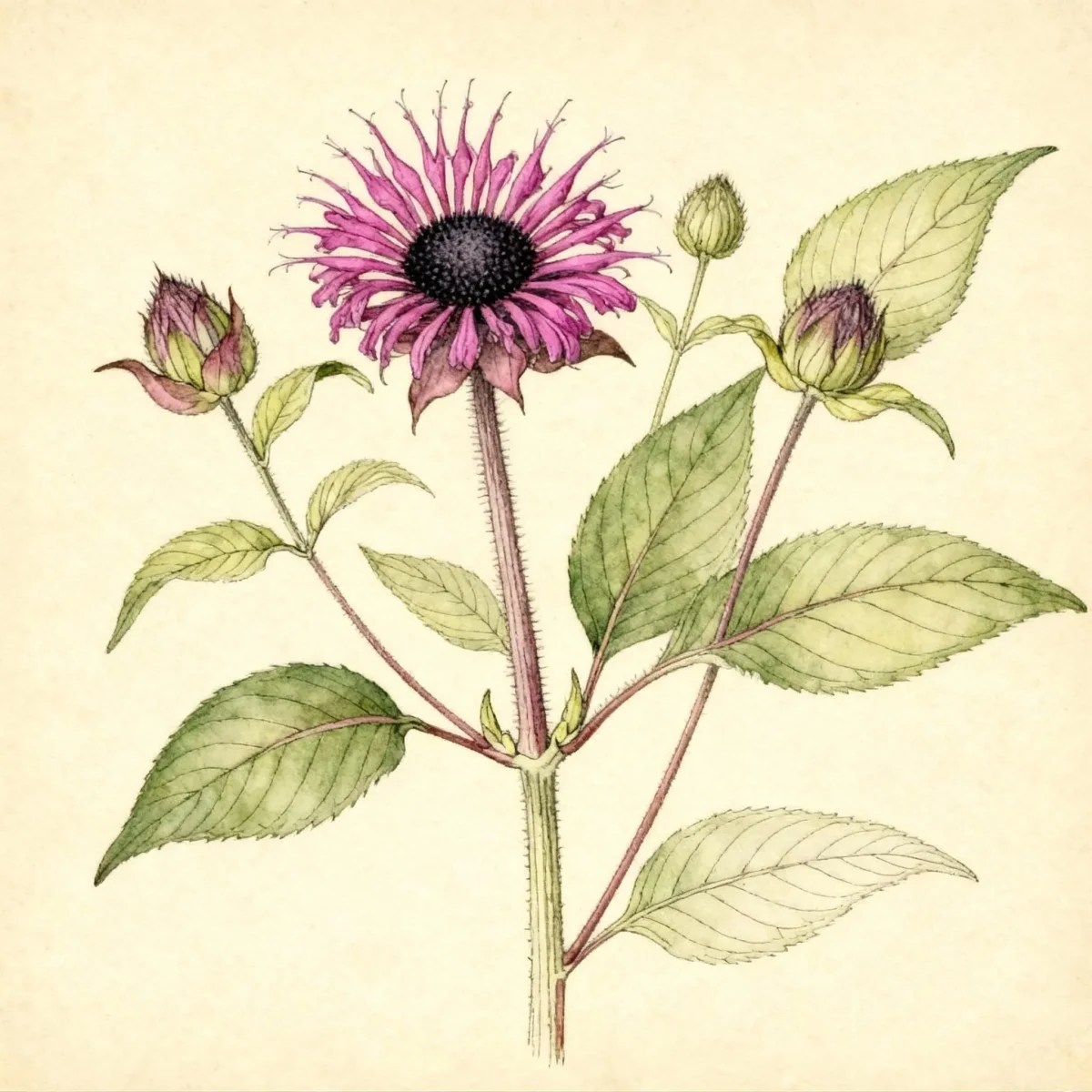
Monarda didyma ‘Balbalmose’ BALMY ROSE, a specialized cultivar often known simply as Bee balm, is highly valued for its manageable, compact size and striking pink flower clusters. Unlike some taller relatives, this selection brings the excellent pollinator attraction of traditional monarda into smaller garden spaces without becoming leggy or overly aggressive. It establishes quickly into an upright clump of fragrant foliage, serving as a reliable, low-maintenance feature from late spring into mid-summer.
As a member of the mint family, this herbaceous perennial thrives in conditions where many plants might struggle, notably tolerating wetter soils and certain clay compositions. Its robust nature and bright, showy blooms make Monarda didyma ‘Balbalmose’ BALMY ROSE an excellent choice for ecological gardening, ensuring plenty of nectar for hummingbirds and butterflies throughout its flowering period. Gardeners appreciate its vibrant color package combined with its relative ease of care.
The cultivar offers an improved garden profile, delivering dense, upright growth perfect for border accents or brightening containers. While maintaining the classic characteristics of Bee balm, this specific variety balances visual appeal with practicality, making it a staple for both cottage and native perennial borders across USDA Zones 4 through 9.
Fast Facts
- Plant Family: Lamiaceae
- Plant Type: Herbaceous perennial
- Hardiness Zones: USDA Zones 4-9
- Size at Maturity:
- Height: 0.75-1 ft
- Spread: 0.5-0.75 ft
- Bloom Time: May to July
- Bloom Description: Pink
- Sun Exposure: Full sun
- Water Needs: Medium to wet
- Maintenance Level: Low
How to Grow
For the best performance of Monarda didyma ‘Balbalmose’ BALMY ROSE, plant it in the spring or fall in locations that receive full sun, though some afternoon shade is welcome in the extreme heat of summer. This Bee balm variety prefers rich, humusy, moisture-retentive soils but is notably adaptable, handling heavy clay better than many perennials, provided it is not allowed to dry out completely. Good air circulation is crucial to prevent fungal issues common to the genus.
Watering should be consistent; keep the soil moist, aiming for medium to wet conditions. Fertilization is rarely necessary if planting occurs in rich soil. Pruning involves deadheading the spent pink flowers immediately after bloom to encourage rebloom and prevent unwanted self-seeding, maintaining the plant’s tidy appearance.
To maintain vigor and prevent the clumps from becoming overcrowded, plan to divide the rhizomatous roots every three to four years. If your garden experiences high humidity or very dense planting, monitor foliage closely for signs of mildew, ensuring adequate space separates clumps of Monarda didyma ‘Balbalmose’ BALMY ROSE.
Landscape Uses
This compact Bee balm is ideally placed at the front of perennial borders or incorporated into mixed plantings where its height (under 1 foot) will not obscure shorter companions. Monarda didyma ‘Balbalmose’ BALMY ROSE is exceptionally useful in cottage gardens, native plant settings, and specialized pollinator gardens designed specifically to attract hummingbirds and butterflies.
Because it is container-friendly, consider grouping several plants together in a large pot for patio displays, ensuring the container does not dry out quickly due to its preference for consistently moist soil. For a dynamic effect, pair the bright pink flowers with blue or purple companions like Salvia or smaller Catmint varieties to create high-contrast interest.
The fragrant, aromatic foliage also lends itself well to inclusion in functional herb gardens, though its primary value remains ornamental and ecological. Mass plantings showcase the best performance of Monarda didyma ‘Balbalmose’ BALMY ROSE, creating a vibrant swath of color throughout early to mid-summer.
Standout Features
Flower Qualities
- Showy
Noteworthy Characteristics
Monarda didyma, commonly known as bee balm, is native to moist eastern North American environments. The standard species produces large, scarlet-red flowerheads, but ‘Balbalmose’ BALMY ROSE is a compact, patented selection reaching only about 12 inches tall with ruffled, bright pink flower clusters. Its dense, upright foliage is fragrant, and unlike some older types, this cultivar is noted for not setting seed, offering a cleaner garden presentation.
Tolerances
- Rabbit
- Deer
- Clay Soil
- Wet Soil
Potential Problems
Powdery mildew is the primary concern for Bee balm, typically appearing in crowded garden locations with poor air movement or if the soil is allowed to dry out, stressing the plant. Rust can also occasionally develop. While deer and rabbits generally avoid Monarda didyma ‘Balbalmose’ BALMY ROSE, actively managing moisture levels and ensuring good air circulation around the foliage are the best cultural defenses against mildews. This specific cultivar has been bred for increased resistance to powdery mildew, though vigilance is still recommended.
Frequently Asked Questions
What hardiness zones is Bee balm suitable for?
Monarda didyma ‘Balbalmose’ BALMY ROSE is suitable for USDA Zones 4-9.
How large does Bee balm grow?
This compact cultivar typically reaches a height between 0.75 and 1 foot tall with a spread of 0.5 to 0.75 feet.
When does Bee balm bloom?
This variety of Bee balm features pink flowers blooming from May to July.
What sun exposure does Monarda didyma ‘Balbalmose’ BALMY ROSE need?
It performs best in full sun but appreciates some protection from the hottest afternoon sun in very warm climates.
Conclusion
Monarda didyma ‘Balbalmose’ BALMY ROSE provides low-fuss color and crucial support for local pollinators in a convenient, compact package. Its tolerance for wetter soils and clay makes this specific Bee balm a versatile addition to diverse garden sites. Before planting, confirm your site offers the necessary bright light and consistent moisture to ensure your Monarda didyma ‘Balbalmose’ BALMY ROSE thrives all season long.
Companion Planting
Selecting companions that share similar cultural needs—full sun and moist to medium soil—will enhance garden harmony. Plants that thrive near the edges of woodland areas or stream banks complement the natural habitat where Monarda species are found. Consider using low-growing ornamental grasses which offer textural contrast without competing heavily for root space.
Because Bee balm can suffer from mildew if overcrowded, ensuring neighbors offer vertical interest but maintain open space around the base is beneficial. Flowers rich in blues, purples, or whites provide excellent striking contrast to the vibrant pink blooms of Monarda didyma ‘Balbalmose’ BALMY ROSE during mid-summer.
Wildlife Benefits
This cultivar is an essential component for any wildlife-focused garden design due to its high attractiveness to essential insect pollinators. The tubular pink flowers are perfectly shaped for hummingbirds, which will visit frequently throughout the long bloom period from May through July. Butterflies also readily use the blooms as a rich nectar source.
When planting, group several Monarda didyma ‘Balbalmose’ BALMY ROSE plants together rather than spacing them singly. Mass plantings provide a more visible target for pollinators and increase the overall nectar yield available in one location, maximizing the ecological benefit provided by this perennial.