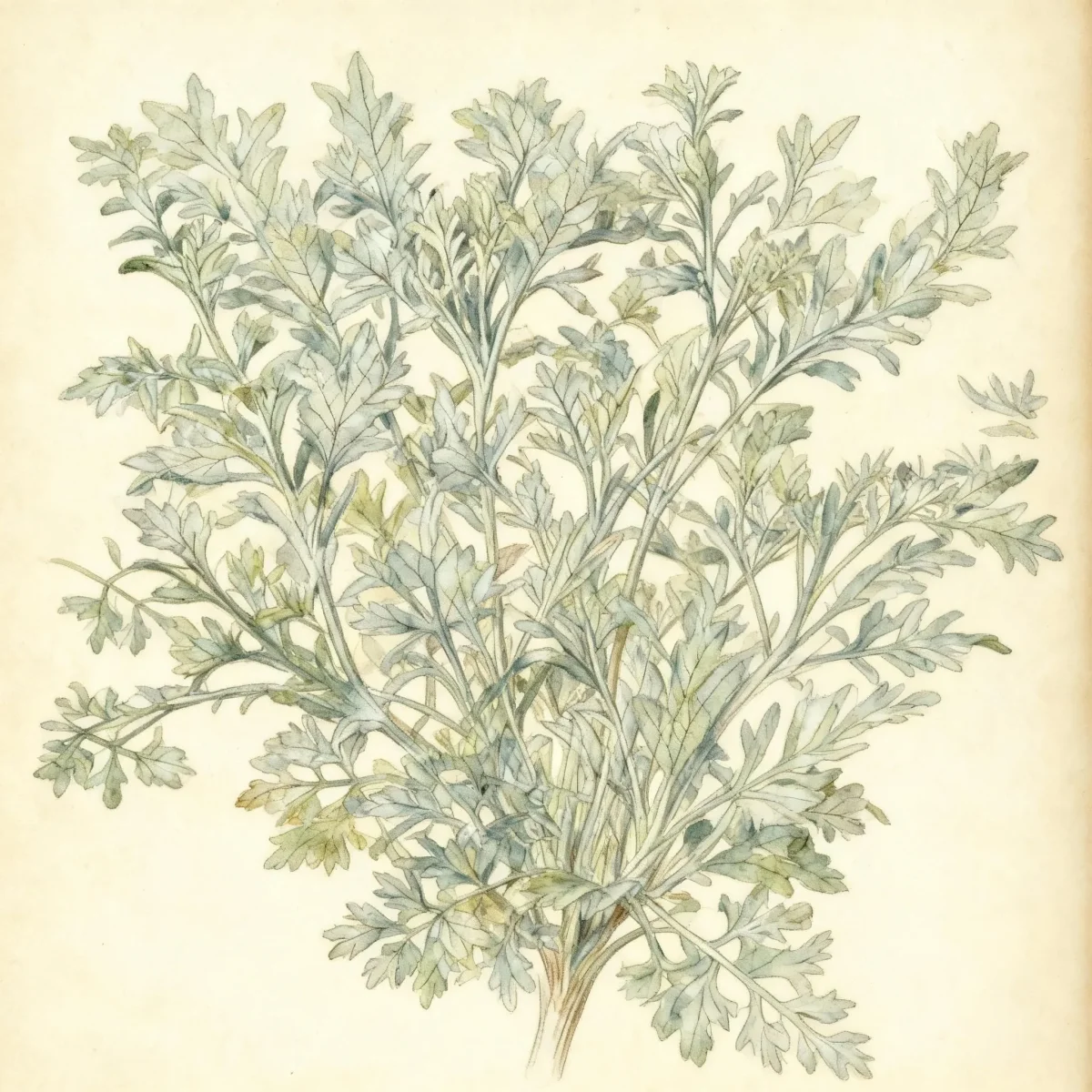
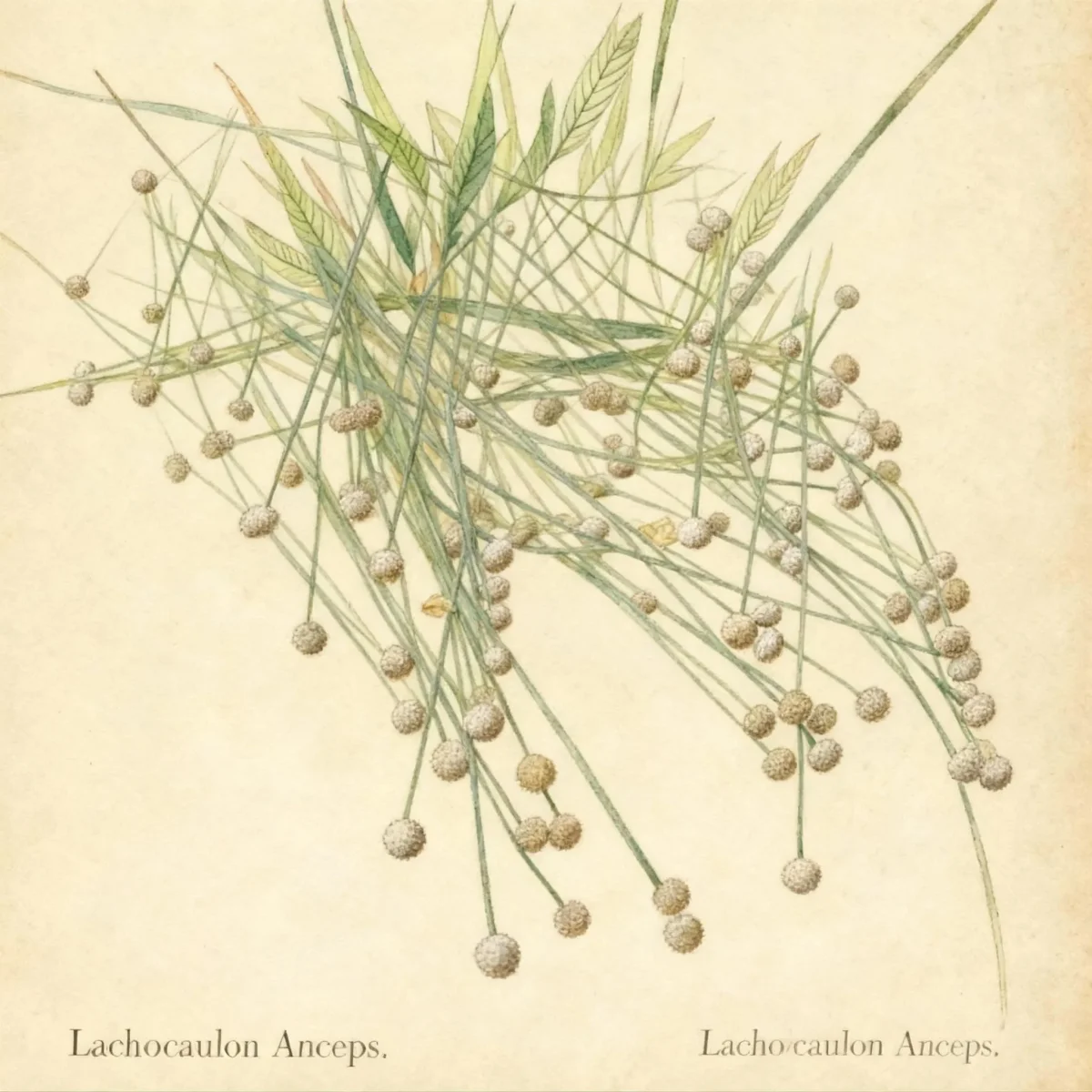
Whitehead bogbutton (Lachnocaulon anceps)
Discover Whitehead bogbutton (Lachnocaulon anceps), a compelling herbaceous perennial perfect for wet, sunny bog gardens in Zones 7-10.
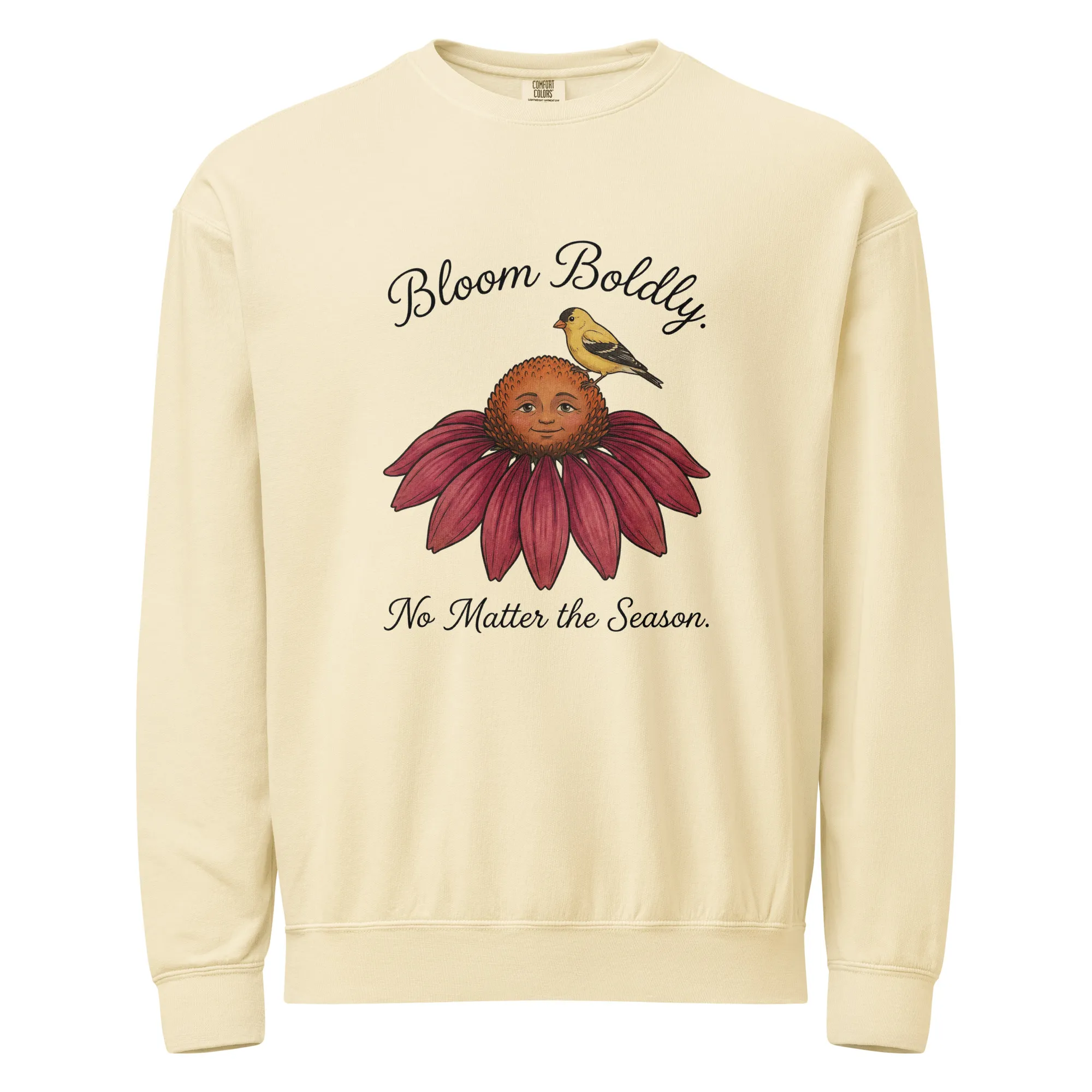
Bloom Boldly, No Matter the Season - Sweatshirt
Cozy organic cotton sweatshirt featuring our exclusive Purple Coneflower design. Perfect for gardeners who bloom year-round.
Inspired by the beautiful Whitehead bogbutton
Limited first batch (50) — join the waitlist for early access
Waitlist closes Feb 15, 2026.
Complete Plant Information
Field Guide Continues
Ready for care notes, companion picks, and planting tips?
The map is just the start. The full guide below covers growth habits, seasonal performance, and landscape uses.
Overview
The Whitehead bogbutton, scientifically known as Lachnocaulon anceps, offers unique texture and form suitable for specialized garden niches. This herbaceous perennial forms neat, tufted clumps of narrow basal foliage, providing year-round structure in wet environments where many other plants falter. Its charm lies in its subtle, button-like white flower heads held aloft on delicate stalks during the peak growing season.
Lachnocaulon anceps thrives in the sunny, moist habitats of its native range, including pine savannas and boggy seeps within the southeastern United States. Gardeners looking for reliable perennials adapted to extremely damp conditions will find the Whitehead bogbutton to be a valuable, low-mounding addition. Proper soil amendment is key to establishing this species successfully.
Planted correctly, this species rarely presents major health issues, allowing gardeners to focus on its delicate aesthetic contribution. From mid-spring through mid-summer, the upright flowering stalks of this whitehead bogbutton introduce vertical interest above the ground-hugging leaves, making Lachnocaulon anceps a rewarding spectacle in bog or container displays.
Fast Facts
- Plant Family: Eriocaulaceae
- Plant Type: Herbaceous perennial
- Native Range: Cuba, southeastern United States
- Hardiness Zones: USDA Zones 7-10
- Size at Maturity:
- Height: 0.25-1.25 ft
- Spread: 0.25-0.5 ft
- Bloom Time: April to July
- Bloom Description: White
- Sun Exposure: Full sun
- Water Needs: Medium to wet
- Maintenance Level: Medium
How to Grow
Planting Lachnocaulon anceps requires simulating its natural, open, wet habitat. The best time for establishment is typically spring after the danger of frost has passed. Success hinges on soil composition: amend your growing area with ample amounts of peat and sand to ensure the medium retains significant moisture while still allowing excess water to drain away from the roots. This plant does not tolerate competition well, so site it where it has room to spread its small clumps.
Watering is critical for the Whitehead bogbutton; maintain evenly moist to consistently wet soil conditions throughout the growing season. While it needs constant moisture, avoid standing water that suffocates roots, which is why the drainage provided by peat and sand is crucial. Fertilization is generally unnecessary if the soil medium is properly constructed with organic matter like peat.
Maintenance for Lachnocaulon anceps is generally straightforward. Deadheading spent flower stalks is usually not required but can be done for neatness. In colder sections of its range (Zones 7 and 8), ensure adequate moisture leading into winter, though protection is rarely mandatory if soil requirements are met. Spring cleanup involves removing any old, lingering foliage before new growth emerges.
Landscape Uses
The specialized moisture requirements of the Whitehead bogbutton make it an ideal candidate for constructed ecological features. It excels when planted directly into dedicated bog gardens where consistent wetness can be guaranteed throughout the year. For gardeners with limited space, Lachnocaulon anceps performs admirably in container plantings, provided the container allows for excellent drainage while being placed where it can be consistently supplied with water.
Consider pairing Lachnocaulon anceps with other moisture-loving, full-sun companions such as irises, pitcher plants (Sarracenia), or certain shorter sedges. Its fine texture and low profile allow it to serve as a textural contrast against broader-leaved bog inhabitants. In design, utilize its tendency toward clumping to create soft, naturalized groupings rather than isolated specimens.
Standout Features
Flower Qualities
- Showy
Noteworthy Characteristics
Lachnocaulon anceps, commonly called whitehead bogbutton, is a herbaceous, clump-forming perennial native to peat bogs, sandy seeps, pine savannas, and other moist, open areas of the southern United States coastal plains. The tufted clumps of basal foliage can reach up to 3” tall with a similar to slightly wider spread and are made up of narrow, lanceolate leaves. Rounded flower heads reaching up to 0.25” wide and made up of tiny, white flowers are held above the foliage on wiry, leafless, upright flowering stalks. The common name whitehead bogbutton refers to the shape and color of the inflorescence as well as the preferred habitat of this species.
Tolerances
- Wet Soil
Potential Problems
No major problems have been reported for Lachnocaulon anceps. Because this species is adapted to nutrient-poor, acidic soils found in its native habitats, over-fertilization can lead to weak growth or root issues. The primary management concern is ensuring the correct soil texture—moisture retention combined with sharp drainage—to prevent root rot in overly dense or poorly draining soils.
Since the Whitehead bogbutton does not compete well against established, vigorous plants, avoid planting it near aggressive spreading groundcovers or large shrubs that might shade it out or steal soil resources. This plant prefers open, sunny conditions, and insufficient light will result in sparse flowering and weak stems.
Frequently Asked Questions
What hardiness zones is Whitehead bogbutton suitable for?
Lachnocaulon anceps is hardy in USDA Zones 7 through 10, requiring consistent moisture even in winter.
How large does Lachnocaulon anceps grow?
At maturity, this herbaceous perennial generally reaches a height between 0.25 and 1.25 feet, with a modest spread of 0.25 to 0.5 feet.
What sun exposure does Whitehead bogbutton need?
This species requires full sun exposure to thrive and produce its best flower display.
When does Lachnocaulon anceps bloom?
The Whitehead bogbutton blooms from April to July, featuring small, white flowers.
Conclusion
The Whitehead bogbutton (Lachnocaulon anceps) offers a unique, specialized structure perfect for water gardens and bog exhibits. Its striking adaptation to full sun and wet soils makes it a reliable niche performer where conventional perennials decline. Before planting, verify that your site conditions—especially the heavy need for peated, well-draining, wet soil—align with the needs of this fascinating species.
Companion Planting
When designing a bog garden featuring Lachnocaulon anceps, select companions that share its love for consistent moisture and full sunlight. Look toward carnivorous plants like Drosera (sundews) or shorter species of Sarracenia, as they occupy similar ecological niches and appreciate the acidic soil profile that peat amendments provide.
Consider turf-forming rushes or sedges, ensuring they are clump-forming varieties rather than aggressive spreaders. These companions can help visually anchor the surrounding area while complementing the fine texture of the bogbutton foliage. The low-growing nature of this whitehead bogbutton means it works well at the front edge of a pond or bog area.
Seasonal Care Calendar
In spring, focus on establishing the proper soil mix and initiating consistent watering once temperatures warm reliably. This is the best time to amend soil heavily with peat/sand if transplanting or establishing new clumps of Lachnocaulon anceps. As early summer arrives (April through July), monitor moisture levels closely to ensure peak blooming performance.
Summer heat demands diligence in watering; do not allow the soil to dry out at any point, especially for plants grown in containers. Minimal intervention is needed during this vibrant growth phase, as the plant requires little to no supplemental feeding. In autumn, reduce watering slightly as temperatures drop, though established plants in Zones 7-10 usually require little winterization beyond ensuring good drainage.