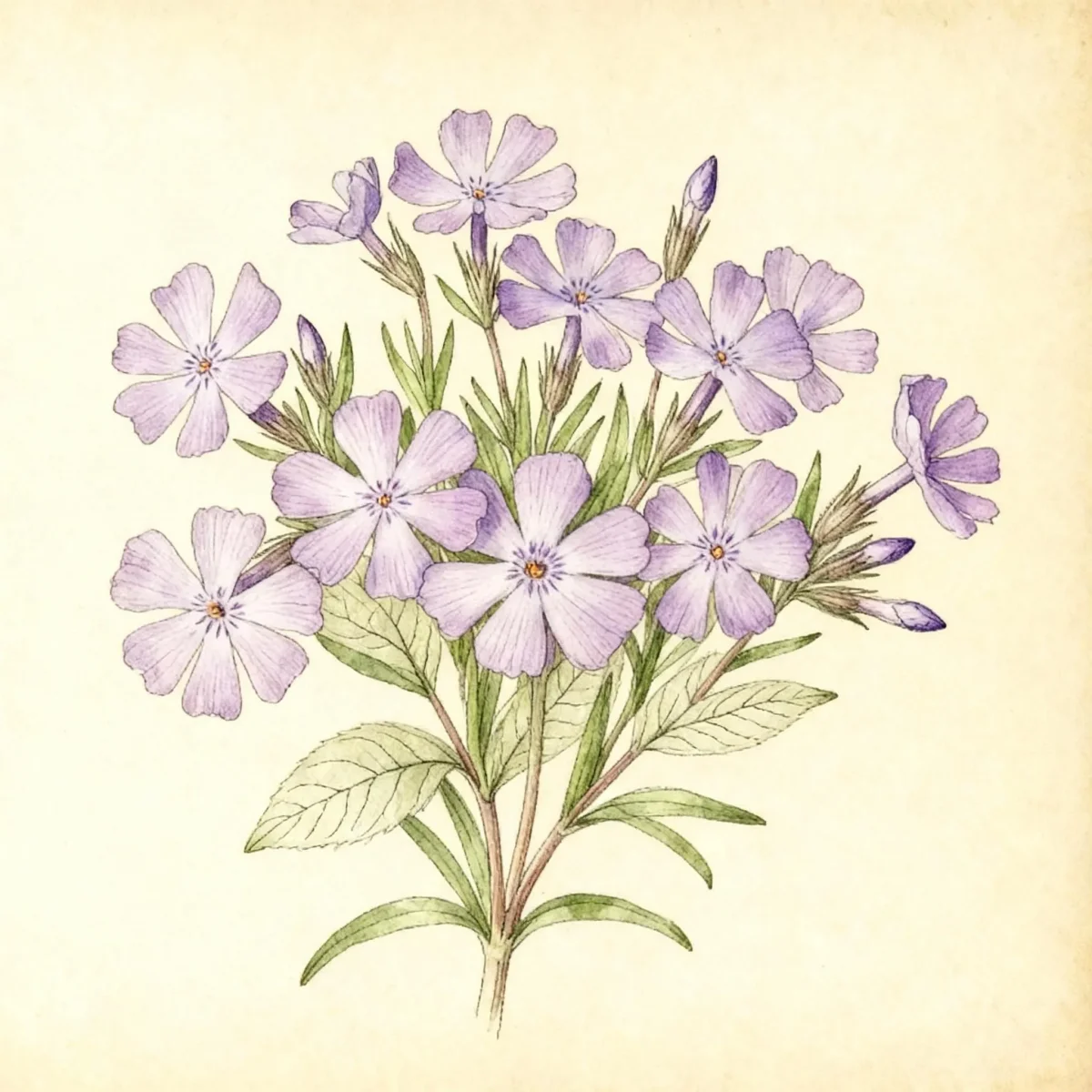
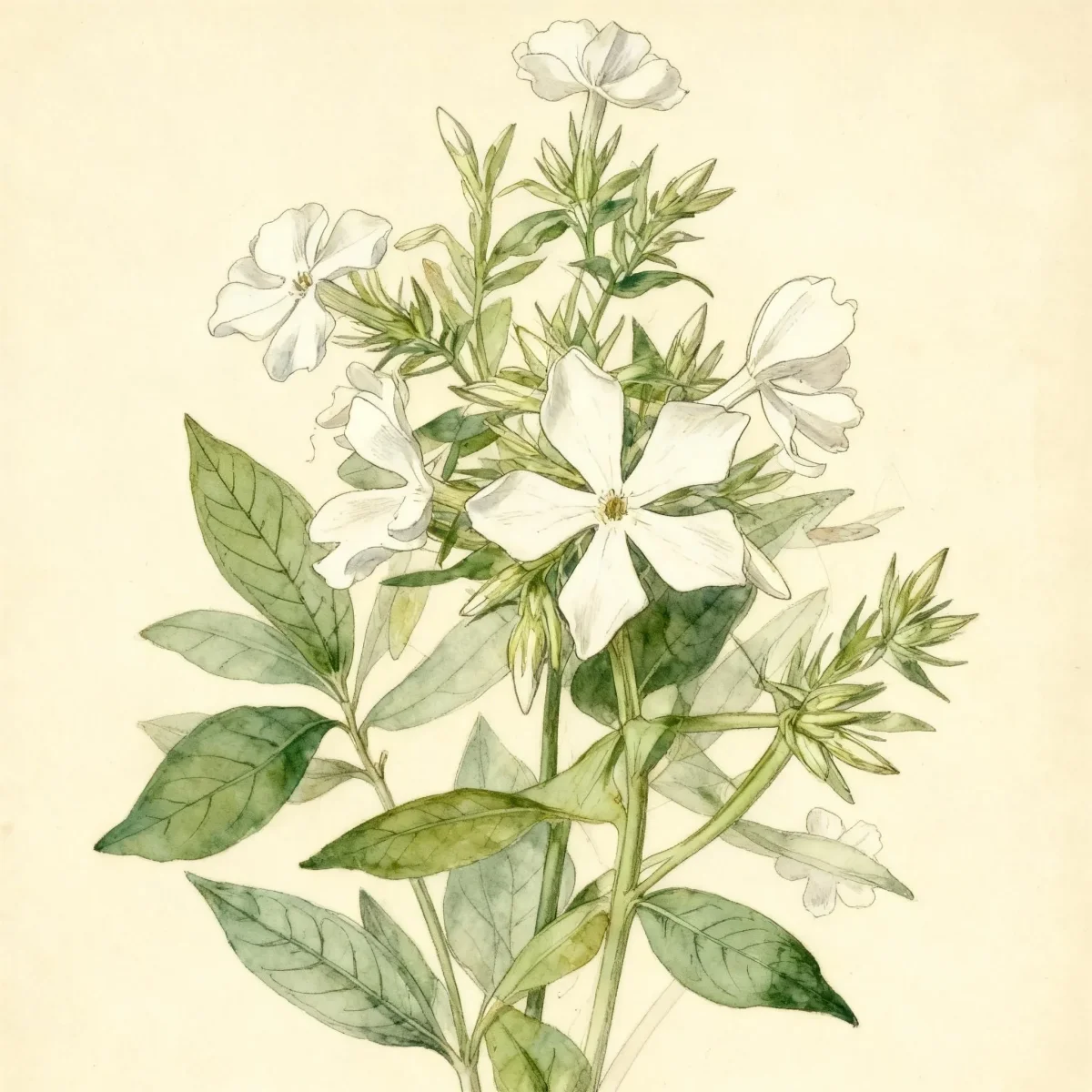
Moss phlox (Phlox subulata 'Emerald Pink')
Phlox subulata 'Emerald Pink' creates a stunning pink carpet; sun-loving, low-growing moss phlox perfect for erosion control.


Bloom Boldly, No Matter the Season - Sweatshirt
Cozy organic cotton sweatshirt featuring our exclusive Purple Coneflower design. Perfect for gardeners who bloom year-round.
Inspired by the beautiful Moss phlox
Limited first batch (50) — join the waitlist for early access
Waitlist closes Feb 15, 2026.
Complete Plant Information
Field Guide Continues
Ready for care notes, companion picks, and planting tips?
The map is just the start. The full guide below covers growth habits, seasonal performance, and landscape uses.
Overview
Phlox subulata ‘Emerald Pink’ is a vigorous, spreading, mat-forming ground cover celebrated for its dense, creeping habit and spectacular mid-spring color display. Commonly known as moss phlox, this variety offers a low-growing spectacle, forming a thick mat that effectively blankets the ground up to 24 inches wide from a height of only six inches. Its fine, awl-shaped foliage even provides some winter interest, setting the stage beautifully for the profusion of notched pink flowers that cover the plant in April and May.
Valued for its ability to thrive where many spreading perennials struggle, moss phlox excels in sunny, somewhat dry, and well-drained locations. It is remarkably tolerant of hot, dry exposures once established, making Phlox subulata ‘Emerald Pink’ an excellent choice for difficult sunny spots in the landscape. Gardeners love this plant for creating vibrant, low-maintenance rivers of color across slopes and rockeries.
The striking floral display of Phlox subulata ‘Emerald Pink’ attracts butterflies and other essential insect pollinators, contributing both beauty and ecological value to the garden. Its tough constitution allows it to function excellently as an edging plant or to drape gracefully over retaining walls, showcasing its true potential as a foundational ground cover.
Fast Facts
- Plant Family: Polemoniaceae
- Plant Type: Herbaceous perennial
- Hardiness Zones: USDA Zones 2-9
- Size at Maturity:
- Height: 0.33-0.5 ft
- Spread: 1-1.5 ft
- Bloom Time: April to May
- Bloom Description: Pink
- Sun Exposure: Full sun
- Water Needs: Medium
- Maintenance Level: Medium
How to Grow
Plant Phlox subulata ‘Emerald Pink’ in the fall or early spring for best establishment. This moss phlox requires humusy, well-drained soil, as good soil drainage is crucial for its long-term health. While it thrives in full sun—which promotes the best flowering—plants in areas with very hot, humid summers benefit from a small amount of protective dappled afternoon shade.
Water requirements are medium, though established plants exhibit notable drought tolerance, especially when grown in the sandy or gravelly soils they naturally prefer. Avoid excessive moisture, particularly in poorly draining conditions, which can lead to root issues. Fertilization is generally unnecessary; this plant is adapted to leaner, well-drained conditions.
After the main bloom period in late spring, a light shearing or cutting back stems by half is recommended. This simple maintenance promotes denser, tidier growth and can sometimes encourage a secondary, lighter flush of blooms. This pruning helps Phlox subulata ‘Emerald Pink’ maintain its appealing carpet texture throughout the season.
Landscape Uses
Moss phlox is unparalleled when used as a ground cover, especially across sunny slopes where its fibrous root system aids in erosion control. Phlox subulata ‘Emerald Pink’ creates a stunning visual effect when planted en masse, tumbling over retaining walls or cascading between stepping stones, softening hard edges beautifully. It is highly effective along sunny foundation plantings or as a vibrant, durable border front for perennial beds.
For rock gardens, nothing short of a vigorous spiller like this creeping phlox will suffice. It weaves naturally between rocks, unifying the hardscape element with soft texture and explosive spring color. Consider companions that share similar full sun and well-drained requirements, such as sedums, creeping thyme, or low-growing ornamental grasses.
Its low stature ensures that Phlox subulata ‘Emerald Pink’ never overwhelms smaller neighboring plants, making it a perfect pairing for spring bulbs that naturally fade as the moss phlox hits its stride. Utilize its spreading pattern to create soft transitions between lawn areas and garden beds in sun-drenched locations.
Standout Features
Flower Qualities
- Showy
Noteworthy Characteristics
Phlox subulata, commonly called moss phlox, moss pink, mountain phlox or creeping phlox, is a vigorous, spreading, mat-forming, sun-loving phlox that grows to only 6” tall but spreads to 24” wide. It is noted for it creeping habit, its linear to awl-shaped leaves (which retain some green in winter) and its profuse carpet of mid-spring flowers with notched flower petals. ‘Emerald Pink’ is a compact selection of moss phlox that blankets the foliage with small pink blooms appearing reliably in mid to late spring.
Tolerances
- Drought
- Erosion
Potential Problems
The good news is that Phlox subulata cultivars, including ‘Emerald Pink’, generally resist powdery mildew, a common affliction for many other phlox species. The primary pests to watch for are spider mites, which become active, particularly during periods of hot and dry weather, so monitor leaf undersides closely. In contrast, if the environment becomes overly wet and humid, foliar nematodes can cause noticeable leaf damage. Protecting this moss phlox from rabbits, which may find the foliage tempting, is easily managed by using netting or repellents early in the season.
Frequently Asked Questions
What hardiness zones is Moss phlox suitable for?
Phlox subulata ‘Emerald Pink’ is highly cold-tolerant, thriving in USDA Zones 2 through 9.
How large does Moss phlox grow?
This herbaceous perennial typically reaches a mature height of only 0.33 to 0.5 feet while spreading impressively to between 1 and 1.5 feet wide.
What sun exposure does Phlox subulata ‘Emerald Pink’ need?
For the absolute best flowering display, Phlox subulata ‘Emerald Pink’ must be planted in full sun conditions.
When does Moss phlox bloom?
The characteristic proliferation of pink flowers occurs reliably from April through May, carpeting the ground cover.
Conclusion
Phlox subulata ‘Emerald Pink’ stands out as a champion ground cover, offering unparalleled spring color, structural mat-forming habits, and excellent drought resilience. For vibrant color and low-maintenance erosion control in your sunniest spots, this moss phlox is an indispensable choice that returns reliably year after year. Before planting, ensure your site offers full sun and excellent drainage to take full advantage of the stunning display of Phlox subulata ‘Emerald Pink’.
Wildlife Benefits
Because the genus name Phlox translates to “flame” due to the intense flower colors of some varieties, it is no surprise that this plant is a magnet for pollinators. The profuse spring blooms of Phlox subulata ‘Emerald Pink’ provide a critical early nectar source when many other plants are just waking up. The flattened, open structure of the flowers makes the nectar easily accessible to a wide variety of daytime visitors.
The presence of rich, early nectar sources ensures your garden supports struggling insect populations as they emerge from winter dormancy. Planting drifts of this moss phlox ensures a vibrant landing strip for butterflies and native solitary bees looking to forage early in the season. Its value to beneficial insects alone makes it a worthwhile addition, even beyond its ground-hugging aesthetic appeal.
Companion Planting
Due to the stringent needs of Phlox subulata ‘Emerald Pink’—namely full sun and superior drainage—companion plants must share these drought-tolerant characteristics. Excellent partners include nearly all low-growing, Mediterranean-style herbs like Thyme or Oregano, which can handle similar lean soils. Other superior companions are various Stonecrops (Sedum species) and Hens and Chicks (Sempervivum), as these succulents enjoy the same dry, rocky crevices.
Avoid planting this creeping phlox near moisture-loving plants or those that require heavy shade, as this will lead to fungal issues for the phlox or stress for the companion. When using it on slopes, pair it with slightly taller, sun-loving perennials like Russian Sage or certain low-growing ornamental grasses to achieve textural contrast against the tight mat of the moss phlox. A backdrop of dwarf conifers or low-care rock garden shrubs truly sets off the spring pink display.