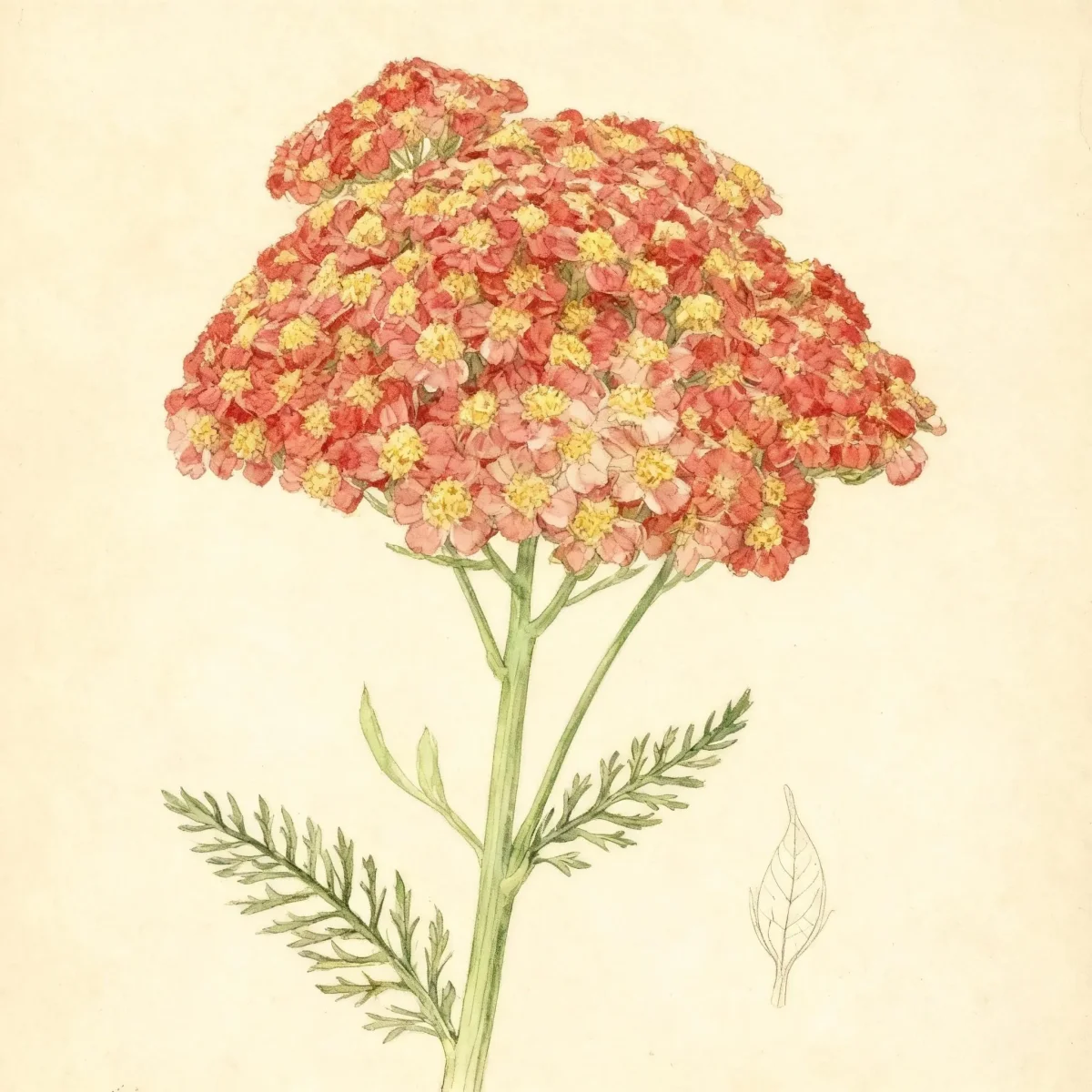
Ironweed (Vernonia lettermanii 'Iron Butterfly')
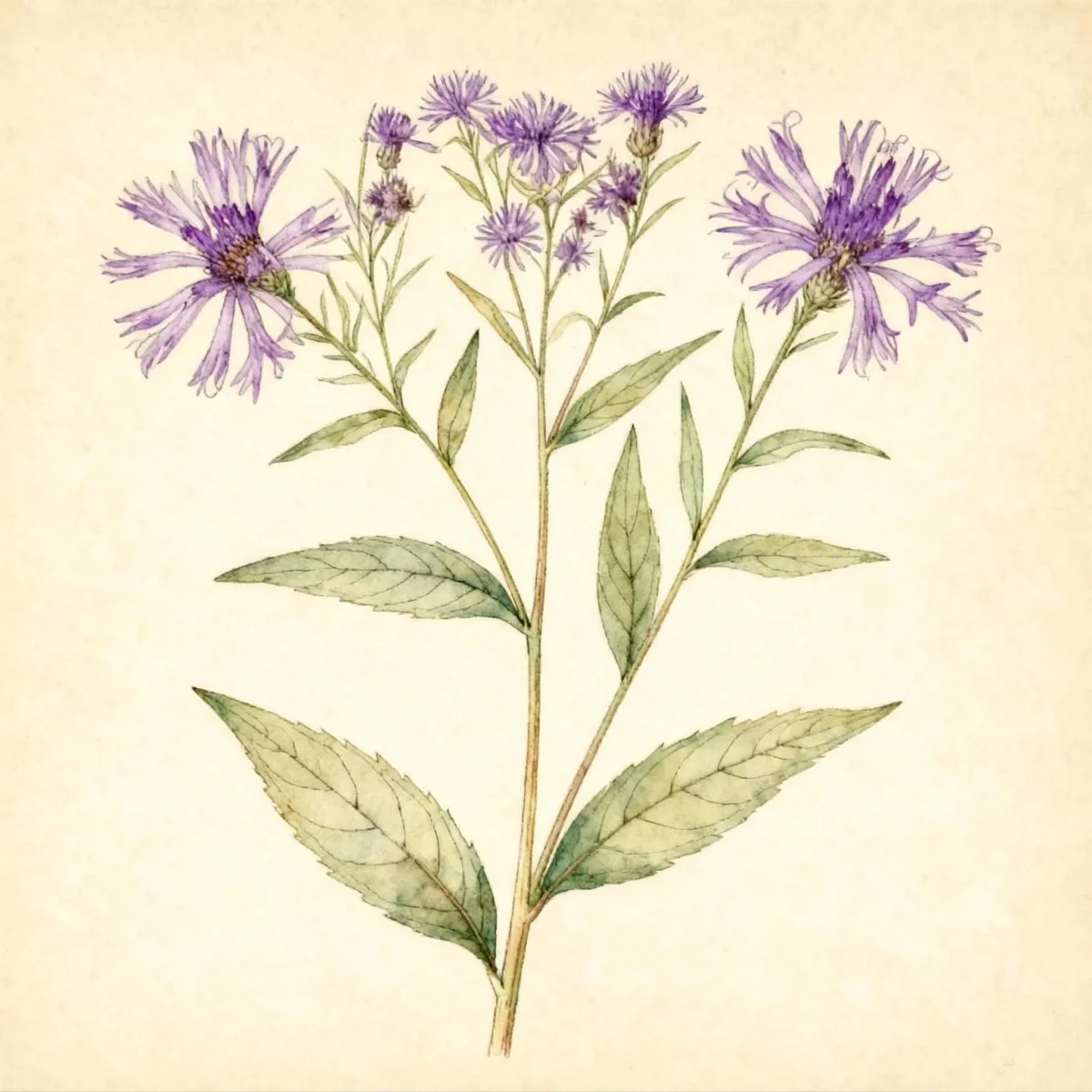
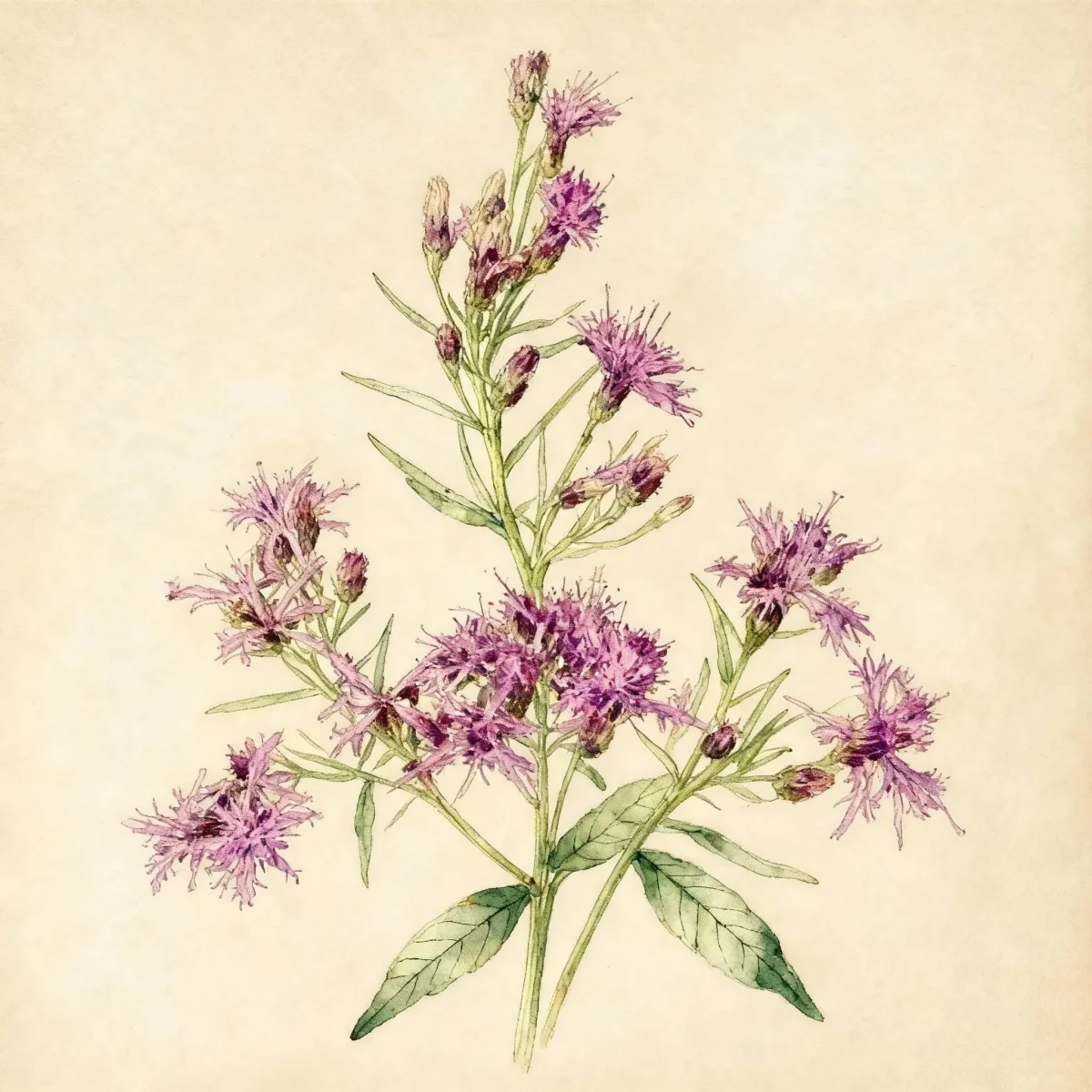
Vernonia lettermanii 'Iron Butterfly' is a compact, low-maintenance Ironweed known for fine texture and vibrant purple late-summer blooms.
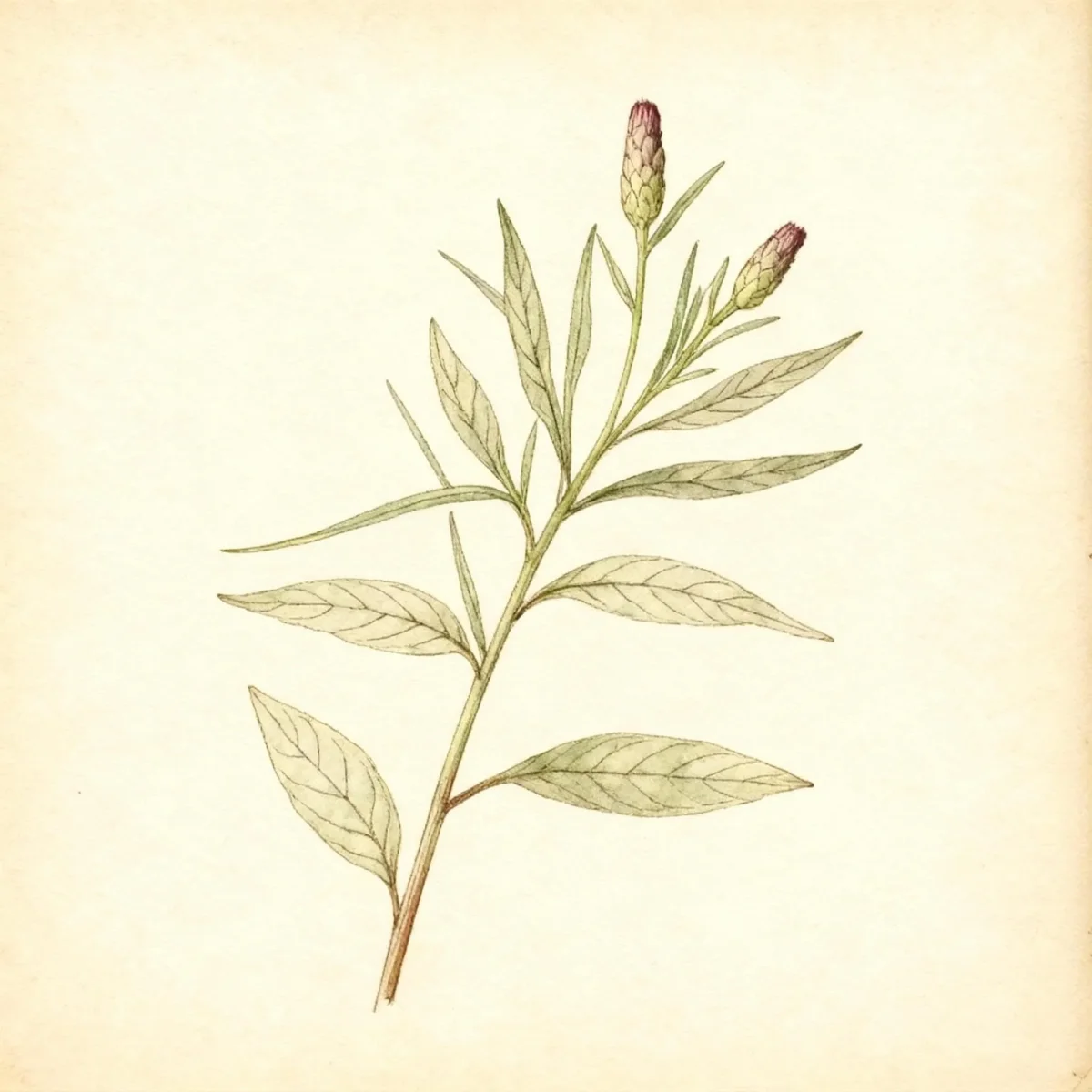

Bloom Boldly, No Matter the Season - Sweatshirt
Cozy organic cotton sweatshirt featuring our exclusive Purple Coneflower design. Perfect for gardeners who bloom year-round.
Inspired by the beautiful Ironweed
Limited first batch (50) — join the waitlist for early access
Waitlist closes Feb 15, 2026.
Complete Plant Information
Field Guide Continues
Ready for care notes, companion picks, and planting tips?
The map is just the start. The full guide below covers growth habits, seasonal performance, and landscape uses.
Overview
Vernonia lettermanii ‘Iron Butterfly’ is a highly desirable herbaceous perennial, often recognized by its common name, Ironweed. This cultivar stands out due to its exceptionally fine texture, created by narrow, thin leaves, offering a wispy contrast to many other late-season bloomers. Gardeners value the compact form of ‘Iron Butterfly’ which presents a dense, mounding habit perfect for structured borders where a less sprawling habit is desired.
This Ironweed variety delivers a spectacular finale to the summer garden, producing terminal corymbs of vivid purple flowers heavily sought after by hummingbirds and butterflies in mid to late summer. Cultivated for its vigor and low maintenance needs, Vernonia lettermanii ‘Iron Butterfly’ thrives even in challenging soil conditions. It is an excellent native choice that provides both visual interest and critical late-season forage for pollinators.
Fast Facts
- Plant Family: Asteraceae
- Plant Type: Herbaceous perennial
- Hardiness Zones: USDA Zones 4-9
- Size at Maturity:
- Height: 2-3 ft
- Spread: 2-3 ft
- Bloom Time: July to August
- Bloom Description: Purple
- Sun Exposure: Full sun
- Water Needs: Dry to medium
- Maintenance Level: Low
How to Grow
Start establishing your Vernonia lettermanii ‘Iron Butterfly’ in the spring or fall, prioritizing a location that receives full sun exposure throughout the day. This tough perennial excels in well-draining soil, though it prefers medium to dry conditions of average fertility. Be aware that this Ironweed is highly tolerant of difficult sites; it handles hot, dry, rocky, and even alkaline soils with ease, providing reliable performance where other plants might struggle.
Once established, the watering needs for Ironweed are minimal, thriving on natural rainfall across its dry to medium preferences. Avoid over-fertilizing, as excessive richness can lead to weaker stems that may bend or arch, obscuring the desirable compact habit of the ‘Iron Butterfly’ cultivar. Minimal amending is required, as this native excels in lean soils.
Maintenance for this particular selection is remarkably low. No routine pruning is generally necessary beyond cutting back the old growth in early spring before new shoots emerge. If the stems do lodge or arch too much due to rich soil or insufficient sun, the plant can be sheared back slightly after flowering to maintain a tidy appearance, although this is rarely needed for ‘Iron Butterfly’.
Landscape Uses
The fine texture and late-season burst of purple from Vernonia lettermanii ‘Iron Butterfly’ make it invaluable in mixed perennial borders. It introduces necessary airy contrast when placed near plants with coarse or broad foliage, such as hostas or large ornamental grasses. Its rugged nature suits it perfectly for native plantings and areas where naturalization is encouraged.
For challenging sites, Ironweed is an indispensable worker. It performs admirably on slopes where its root system helps prevent erosion, and it fits seamlessly into rock gardens or xeriscapes due to its profound drought tolerance. Mass plantings of this compact Ironweed create a spectacular, cohesive display of late-summer color, especially when paired with the bright yellows of companion goldenrods (genus Solidago).
Standout Features
Flower Qualities
- Showy
Noteworthy Characteristics
Vernonia lettermanii, commonly called Letterman’s ironweed or narrowleaf ironweed, is an upright, clump-forming, herbaceous perennial native to rocky outcrops, floodplains, and river scours in west-central Arkansas and adjacent areas of Oklahoma. Plants can reach around 2’ tall with an equal spread. The finely textured leaves are thin and narrow (up to 3” long and around ⅛” wide). ‘Iron Butterfly’ is a vigorous ironweed cultivar selected for its compact, densely mounding habit and showy, long-lasting display of purple blooms.
Tolerances
- Drought
- Erosion
- Dry Soil
- Shallow-Rocky Soil
Potential Problems
This plant generally demonstrates excellent resistance to pests and diseases, contributing to its reputation as a low-maintenance choice. The primary potential structural issue specific to Vernonia lettermanii ‘Iron Butterfly’ relates to stem rigidity. If planted in exceptionally rich soil or if it does not receive adequate full sun exposure, the stems may weaken significantly. This lack of support can cause the mound to flop or arch outward. Prevent this by ensuring proper sun and avoiding overly fertile soil conditions during planting.
Frequently Asked Questions
What hardiness zones is Ironweed suitable for?
Vernonia lettermanii ‘Iron Butterfly’ is hardy and reliable across USDA Zones 4 through 9.
How large does Ironweed grow?
This cultivar typically achieves a height between 2 and 3 feet and a uniform spread of 2 to 3 feet, maintaining a tight, mounding habit.
What sun exposure does Vernonia lettermanii ‘Iron Butterfly’ need?
For the best performance, robust structure, and maximum bloom production, this Ironweed requires full sun.
When does Vernonia lettermanii ‘Iron Butterfly’ bloom?
This perennial puts on its major floral display from July right through August, showcasing vibrant purple flowers.
Conclusion
The toughness, fine texture, and exceptional late-season floral performance cement Vernonia lettermanii ‘Iron Butterfly’ as a premier native perennial for challenging garden spots. This low-maintenance Ironweed offers significant value to both the gardener and local wildlife. Ensure your site provides full sun and well-draining conditions to fully capitalize on the compact beauty of ‘Iron Butterfly’.
Companion Planting
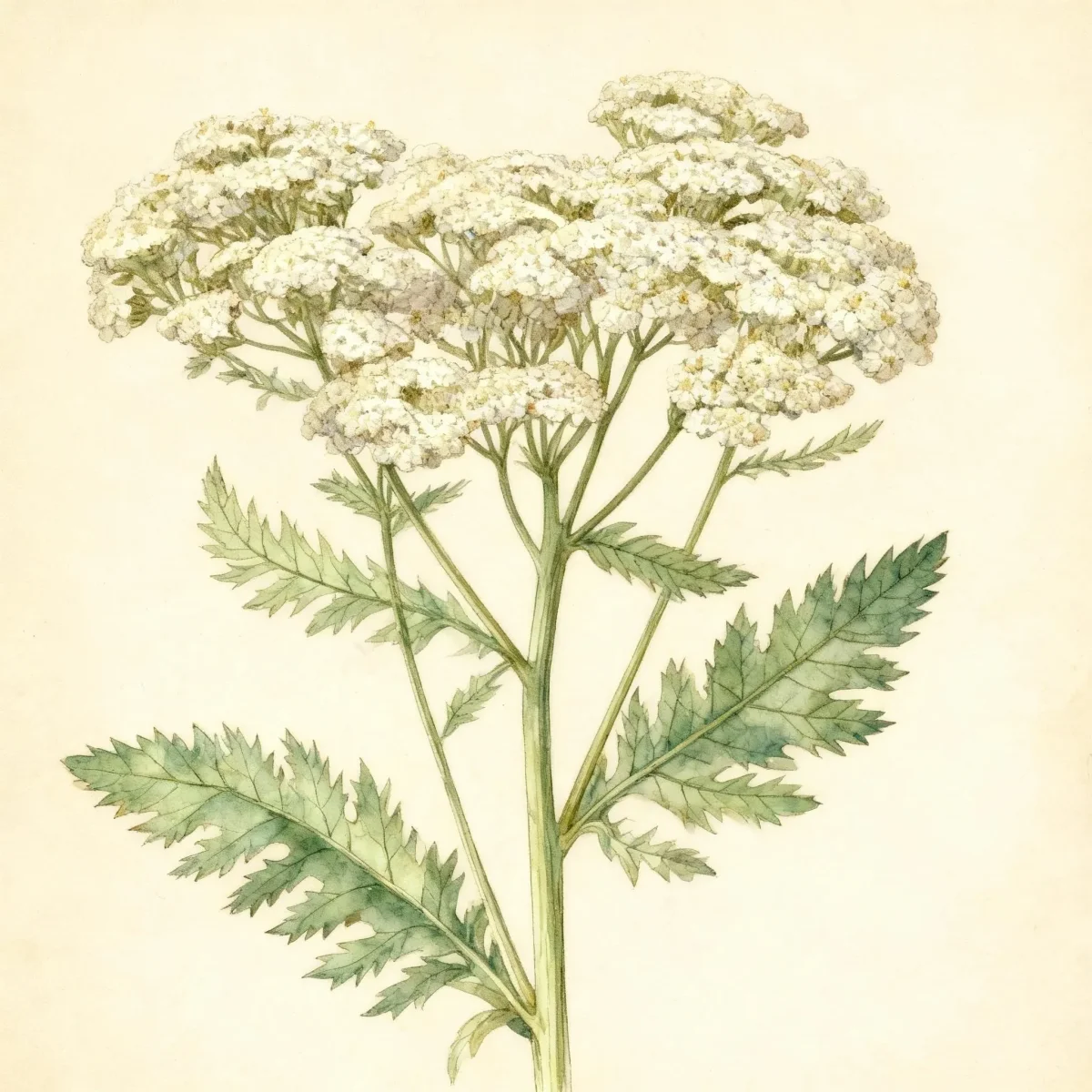
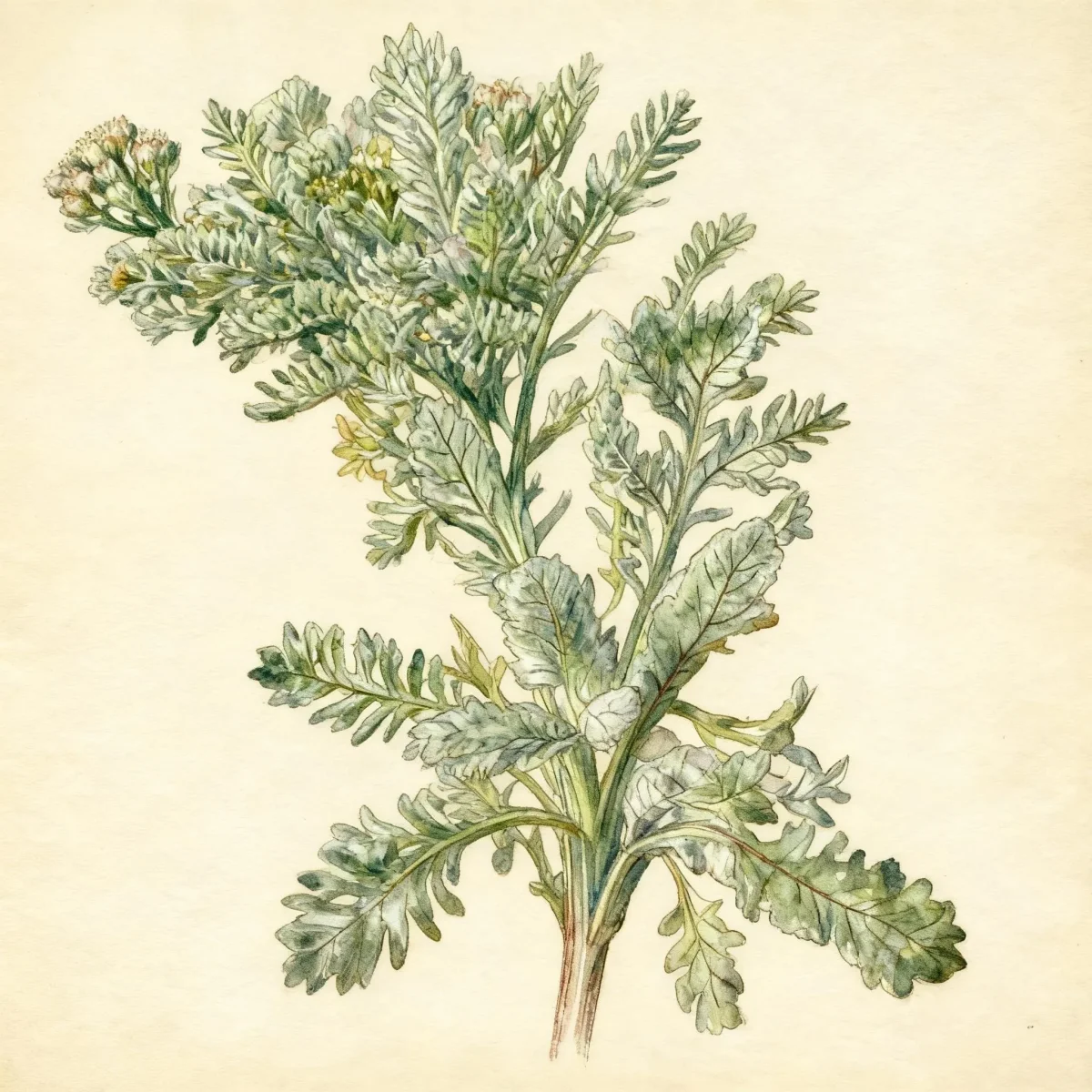
Because Ironweed demands full sun and performs best in average to dry, lean soils, companion plants should share similar cultural requirements. Excellent partners include other drought-tolerant natives that bloom slightly earlier or later to extend the season. Consider pairing the purple of Vernonia lettermanii ‘Iron Butterfly’ with plants that offer a contrasting color palette, particularly silver foliage or bright yellow blooms. Plants like upright Sedums, Coneflowers (Echinacea), or various Solidago species (goldenrods) harmonize aesthetically and ecologically with this Ironweed.
Wildlife Benefits
The late-season flowering timeline of Vernonia lettermanii ‘Iron Butterfly’ makes it a crucial resource when many summer blooms are fading. The dense cluster of purple flower heads provides a vital nectar source for numerous late-season pollinators, including many species of bees and various butterflies preparing for migration or overwintering. Its status as a native plant also ensures that it supports the full lifecycle of local insect populations. Planting Ironweed is an active contribution to local ecosystem health.