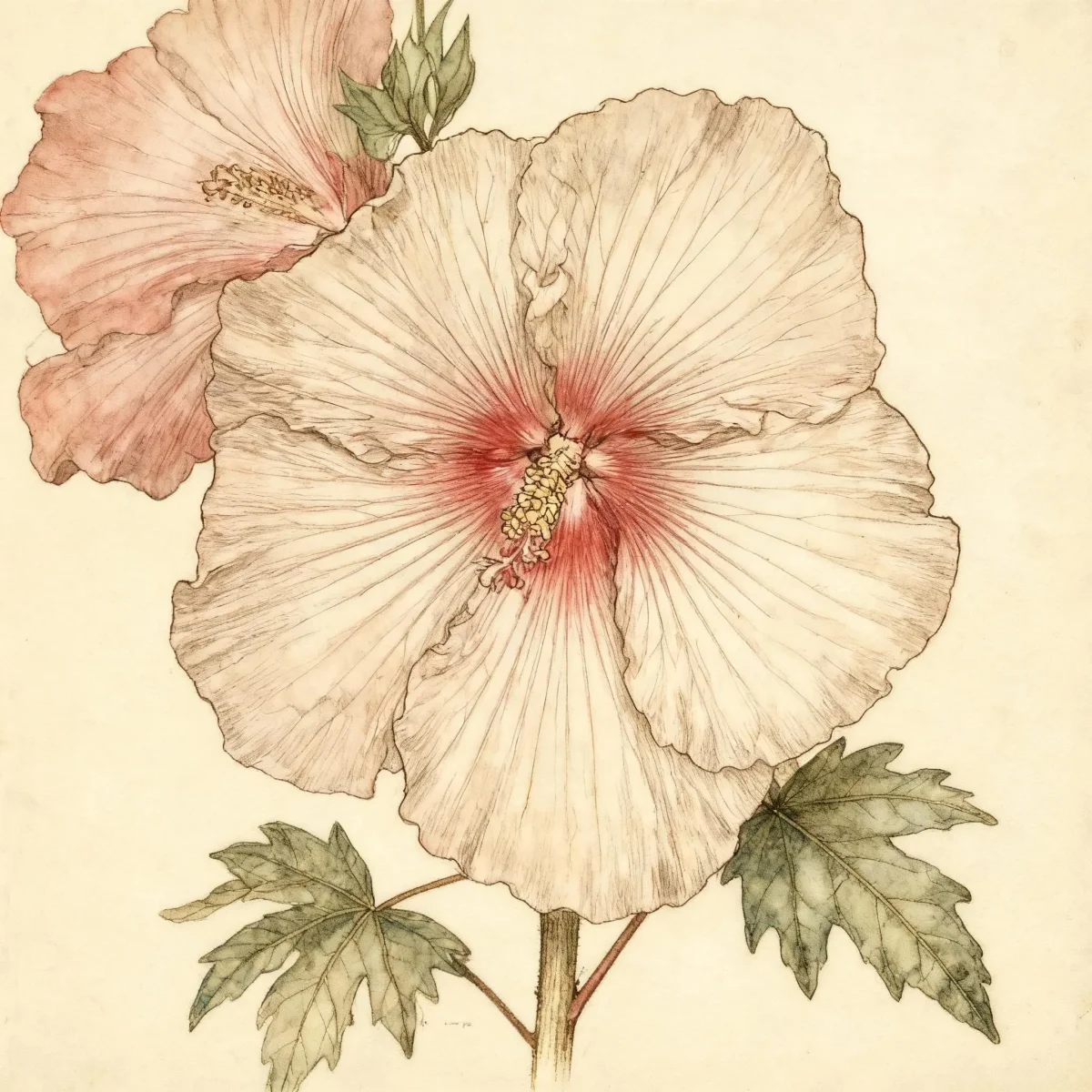
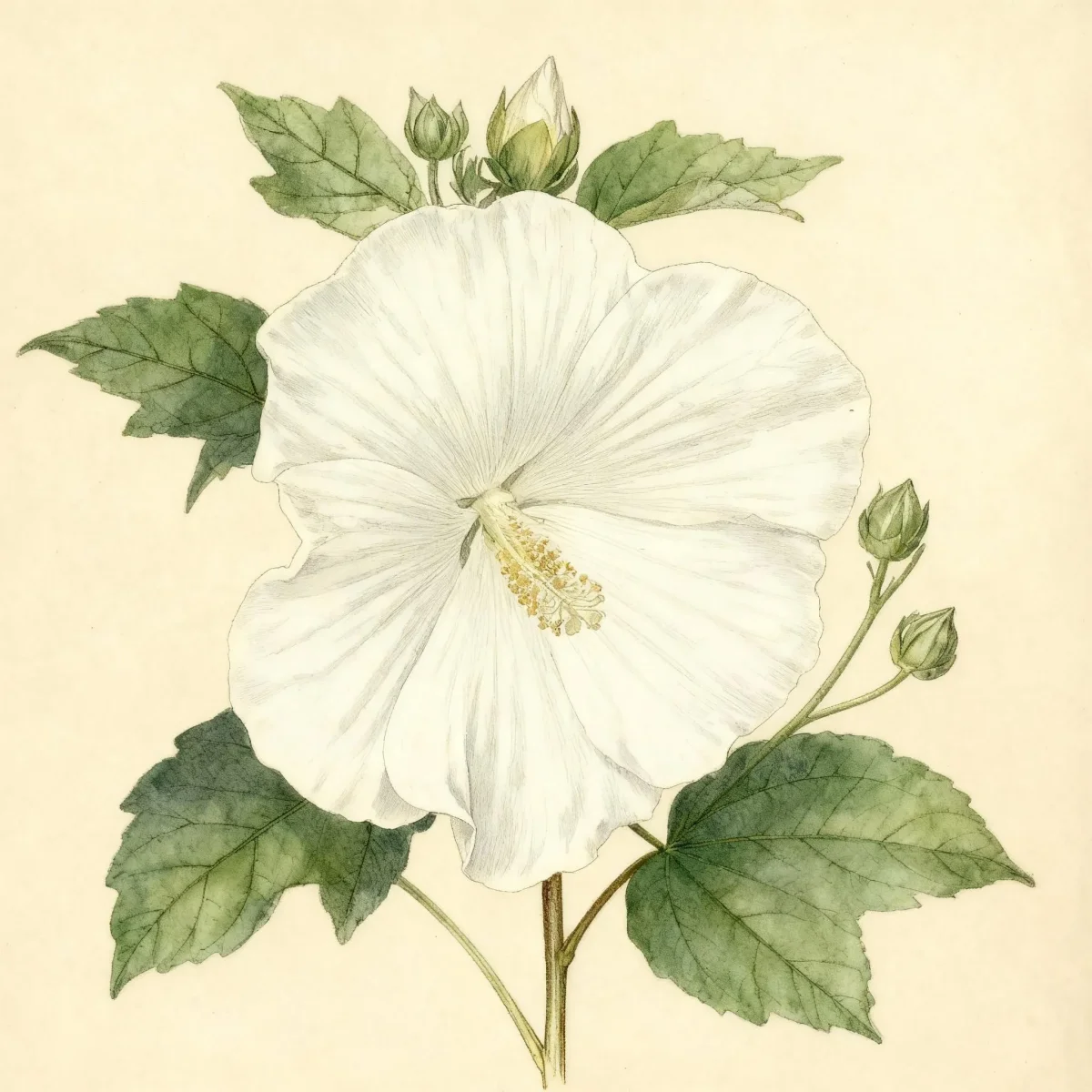
Hibiscus (Hibiscus SUMMERIFIC HOLY GRAIL)
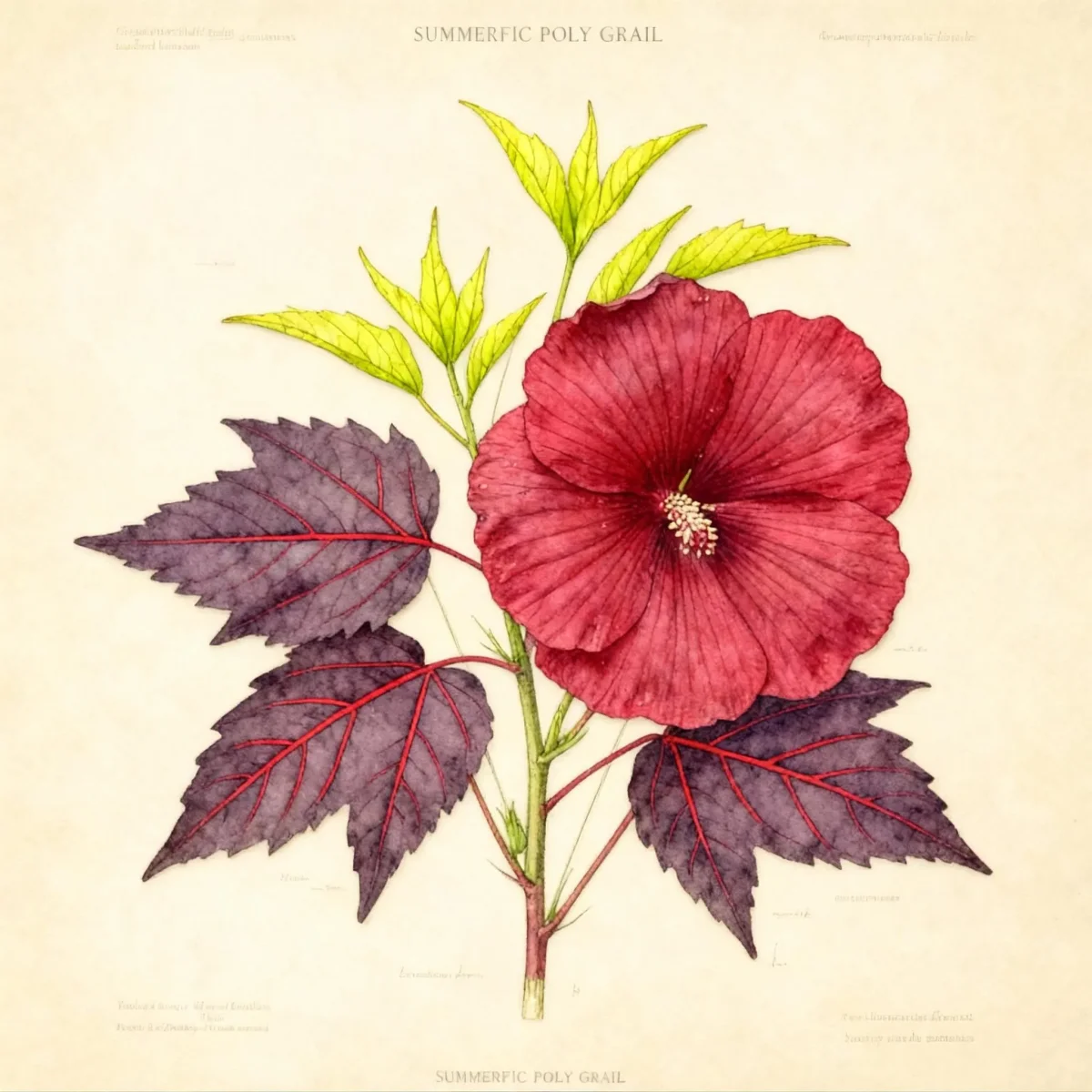
Stunning Hibiscus SUMMERIFIC HOLY GRAIL shrub offers low maintenance and massive red summer blooms. Hardy in Zones 4-9, perfect for wet areas.

Bloom Boldly, No Matter the Season - Sweatshirt
Cozy organic cotton sweatshirt featuring our exclusive Purple Coneflower design. Perfect for gardeners who bloom year-round.
Inspired by the beautiful Hibiscus
Limited first batch (50) — join the waitlist for early access
Waitlist closes Feb 15, 2026.
Complete Plant Information
Field Guide Continues
Ready for care notes, companion picks, and planting tips?
The map is just the start. The full guide below covers growth habits, seasonal performance, and landscape uses.
Overview
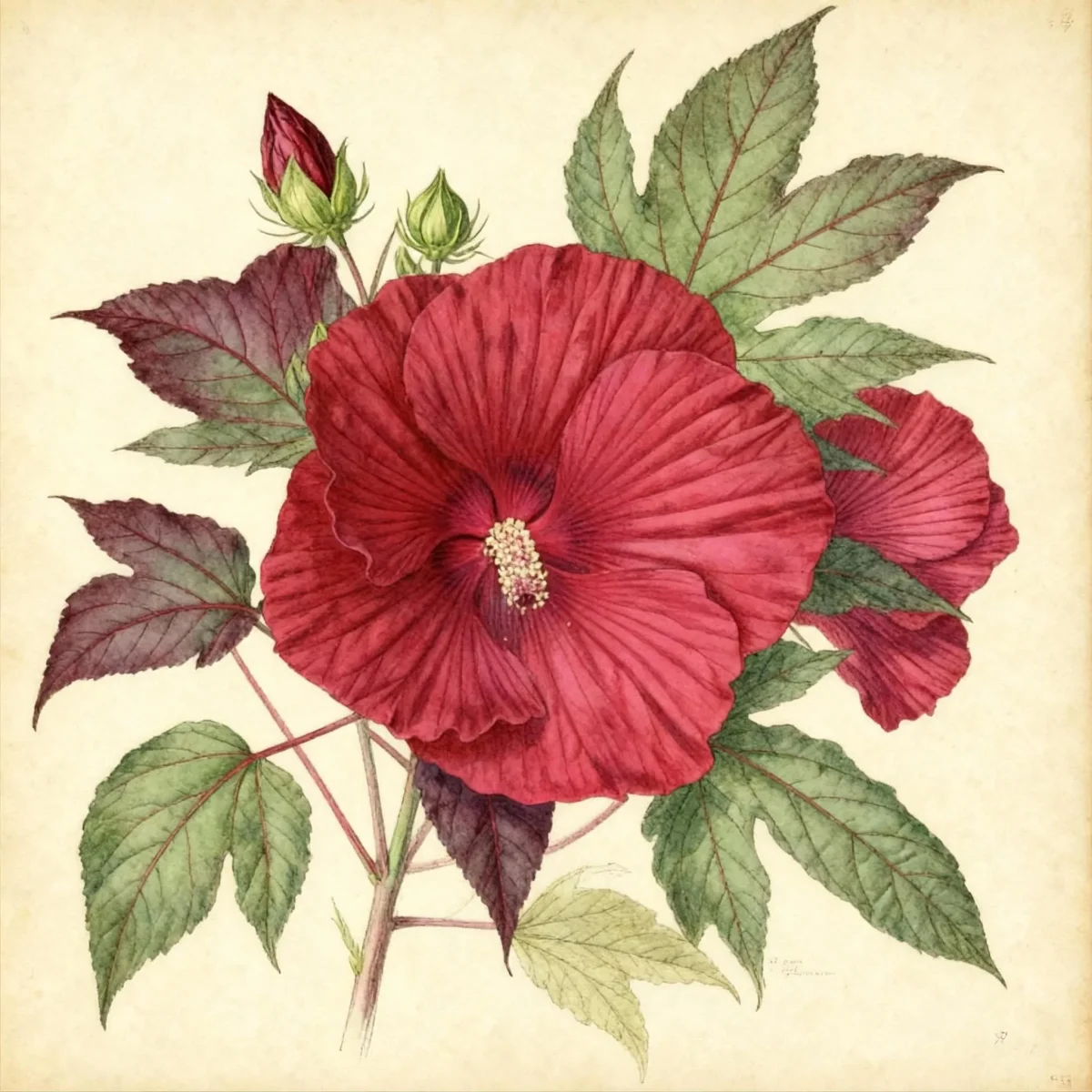
The Hibiscus SUMMERIFIC HOLY GRAIL is an exceptional, hardy deciduous shrub prized for furnishing landscape drama with minimal effort. This specific selection of hardy Hibiscus is renowned for its stout, upright structure and its spectacular late-season performance, featuring numerous dinner-plate-sized red flowers. Gardeners value the Hibiscus SUMMERIFIC HOLY GRAIL because it brings the tropical aesthetic of Hibiscus to colder climates, thriving reliably where other large-flowered varieties might perish. Offering low maintenance and robust growth throughout summer, this plant fills a vital niche for those needing substantial mid-to-late-season color in challenging moist sites.
Fast Facts
- Plant Family: Malvaceae
- Plant Type: Deciduous shrub
- Hardiness Zones: USDA Zones 4-9
- Size at Maturity:
- Height: 4-4.5 ft
- Spread: 4.5-5 ft
- Bloom Time: July to September
- Bloom Description: Red
- Sun Exposure: Full sun
- Water Needs: Medium to wet
- Maintenance Level: Low
How to Grow
Planting Hibiscus SUMMERIFIC HOLY GRAIL is easiest when done in spring or early fall, ensuring the location receives full sun for the absolute best flowering and stem strength. This Hibiscus variety prefers moist, organically rich soils, making it an excellent choice for rain gardens or low spots, though it handles average garden loam surprisingly well provided it does not dry out completely. Deep and consistent watering is crucial, especially during establishment and hot summer spells, to prevent leaf scorch.
Maintenance for this hardy Hibiscus is generally low. Deadhead spent individual flowers promptly to keep the plant looking tidy throughout its long bloom cycle from July through September. Fertilize regularly during the active growing season to support the massive blooms produced by the Hibiscus SUMMERIFIC HOLY GRAIL.
Pruning is an essential annual task. Cut the stems back hard in late autumn to only 3-4 inches above the ground. Although growth appears slow to emerge in spring, once the canes break dormancy, they develop rapidly. Protecting the shrub from strong winds also helps minimize potential wind burn on the large foliage and flowers.
Landscape Uses
The versatility of the Hibiscus SUMMERIFIC HOLY GRAIL makes it a standout component in various landscape settings. Its sturdy, upright nature lends itself perfectly to use as a robust border plant, capable of creating a temporary screen or low hedge during peak season. Furthermore, its tolerance for moisture means it excels in difficult locations, such as along ponds, streams, or in dedicated rain gardens where other woody plants struggle. Use it as a specimen plant to highlight an entryway, or mass group several together for an indelible tapestry of deep red blooms come late summer.
Standout Features
Flower Qualities
- Showy
Noteworthy Characteristics
Hybrid hardy hibiscus cultivars represent complex breeding achievements, distinguished significantly from tropical types by their true winter hardiness in Zones 4 or 5. The Hibiscus SUMMERIFIC HOLY GRAIL selection features sturdy, upright canes supporting large, deep red blooms measuring 8-9 inches in diameter across five overlapping petals. Though each individual flower lasts only a single day, the succession of opening blooms ensures color from late summer well into early autumn, potentially yielding up to 250 flowers per season per plant.
Tolerances
- Deer
- Wet Soil
Potential Problems
While generally robust, Hibiscus SUMMERIFIC HOLY GRAIL can occasionally face fungal issues like leaf spots, blights, rusts, or canker, especially if air circulation is poor or humidity is excessively high. Always site the plant in full sun with good airflow to mitigate these risks. Be vigilant for occasional insect pests such as aphids, sawflies, and the destructive Japanese beetle, which can rapidly defoliate the plant if left unchecked. Consistent watering is essential; allowing the soil to dry out will quickly cause leaf scorch. Correct siting and proper cultural care usually eliminate the need for staking.
Frequently Asked Questions
What hardiness zones is Hibiscus suitable for?
The Hibiscus SUMMERIFIC HOLY GRAIL is reliably hardy in USDA Zones 4 through 9.
How large does Hibiscus SUMMERIFIC HOLY GRAIL grow?
This shrub typically reaches a mature height between 4 and 4.5 feet tall, spreading to about 4.5 to 5 feet wide.
What sun exposure does Hibiscus need?
For the best overall health, strongest stems, and maximum flower production, the Hibiscus requires full sun exposure.
When does Hibiscus bloom?
This variety displays prominent, deep red flowers yearly from July through September.
Conclusion
The Hibiscus SUMMERIFIC HOLY GRAIL provides unparalleled, low-maintenance impact for gardeners seeking those massive, late-season, red blooms in temperate climates. Its ability to tolerate wet conditions while delivering world-class flower power makes it an indispensable perennial staple. Before planting, confirm your location falls within USDA Zones 4-9 and plan for that crucial late-autumn pruning to ensure vigorous regrowth next summer.
Companion Planting
Selecting companions for Hibiscus SUMMERIFIC HOLY GRAIL should focus on plants that enjoy similar high-moisture conditions and full sun exposure. Consider pairing it with moisture-lovers like tall ornamental grasses, such as Miscanthus varieties, for textural contrast against the broad leaves of the Hibiscus. Astilbes or Joe Pye Weed (Eupatorium), which thrive in damp soil and bloom slightly earlier or later, can create continuous interest near the perimeter of wet borders without competing aggressively for sunlight or nutrients.
Propagation Tips
Propagation of this woody-based Hibiscus can be achieved through both division and cuttings, offering gardeners flexibility in increasing their stock. While the easiest method is dividing large clumps during early spring dormancy, semi-hardwood cuttings taken in mid-summer can also be rooted successfully. Ensure cuttings are placed in a consistently moist, humid environment until roots develop, which helps mimic the medium-to-wet water needs of the parent plant.