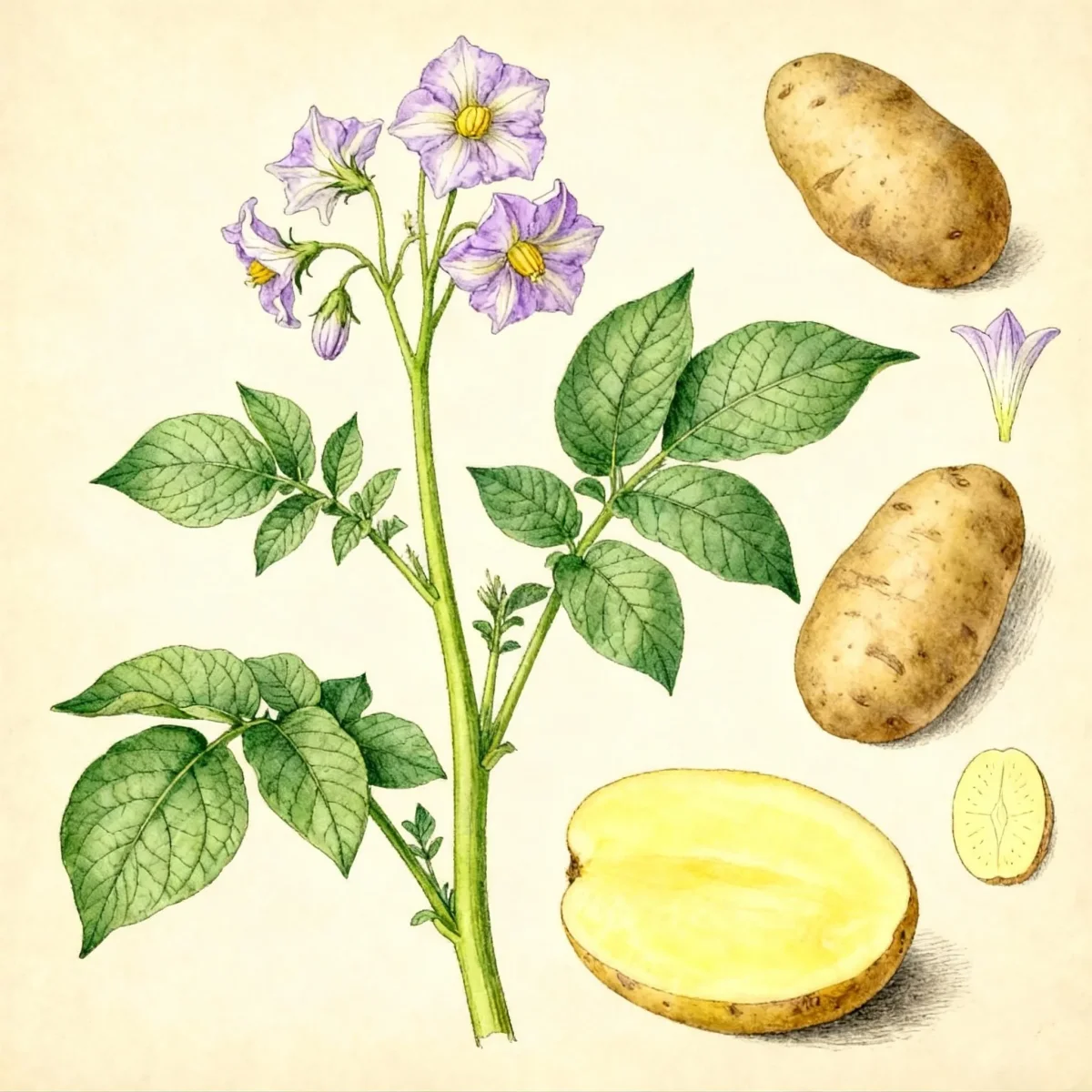
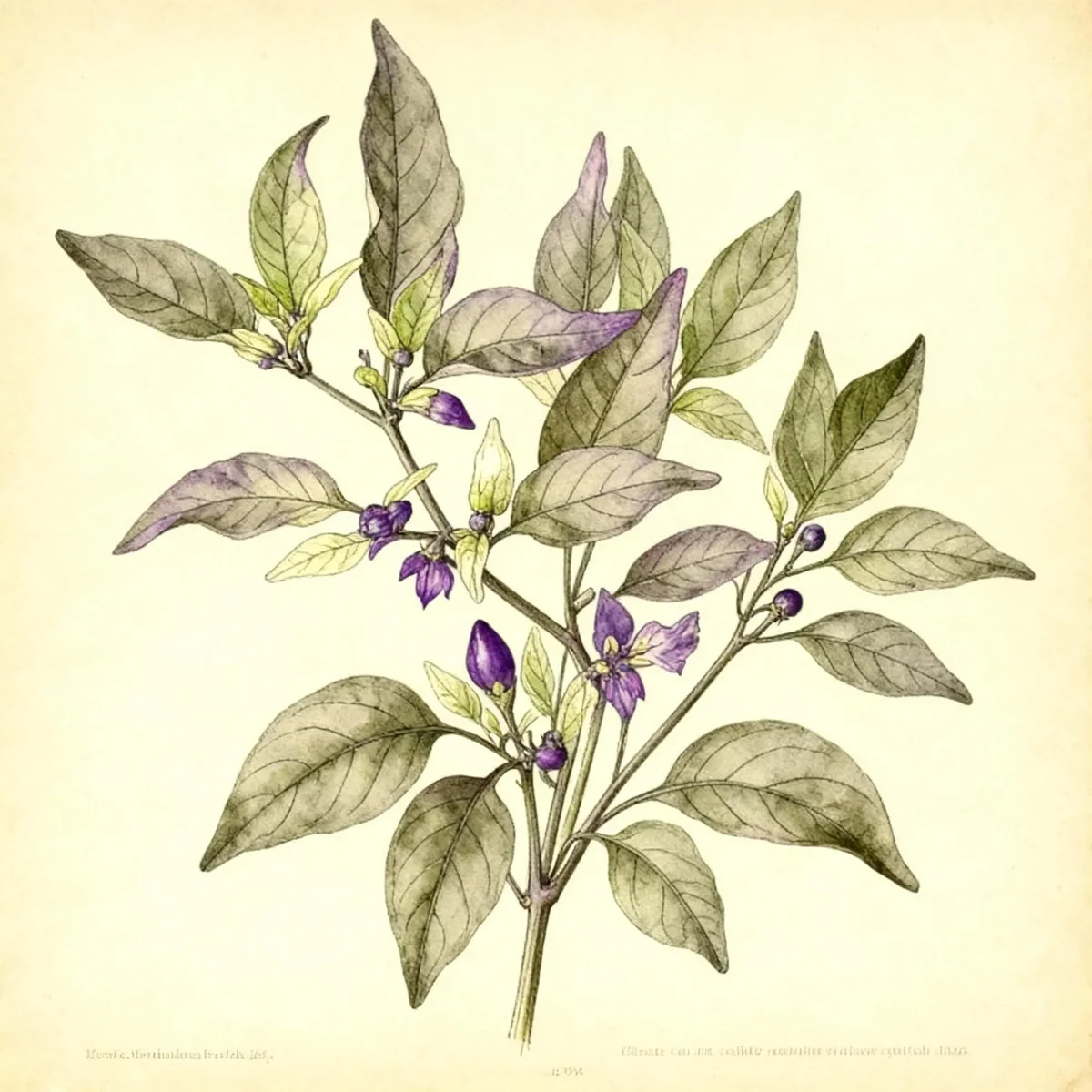
Habanero pepper (Capsicum chinense 'Roulette')
Capsicum chinense 'Roulette' offers Habanero pepper flavor with mild heat, ideal for annual vegetable gardens.
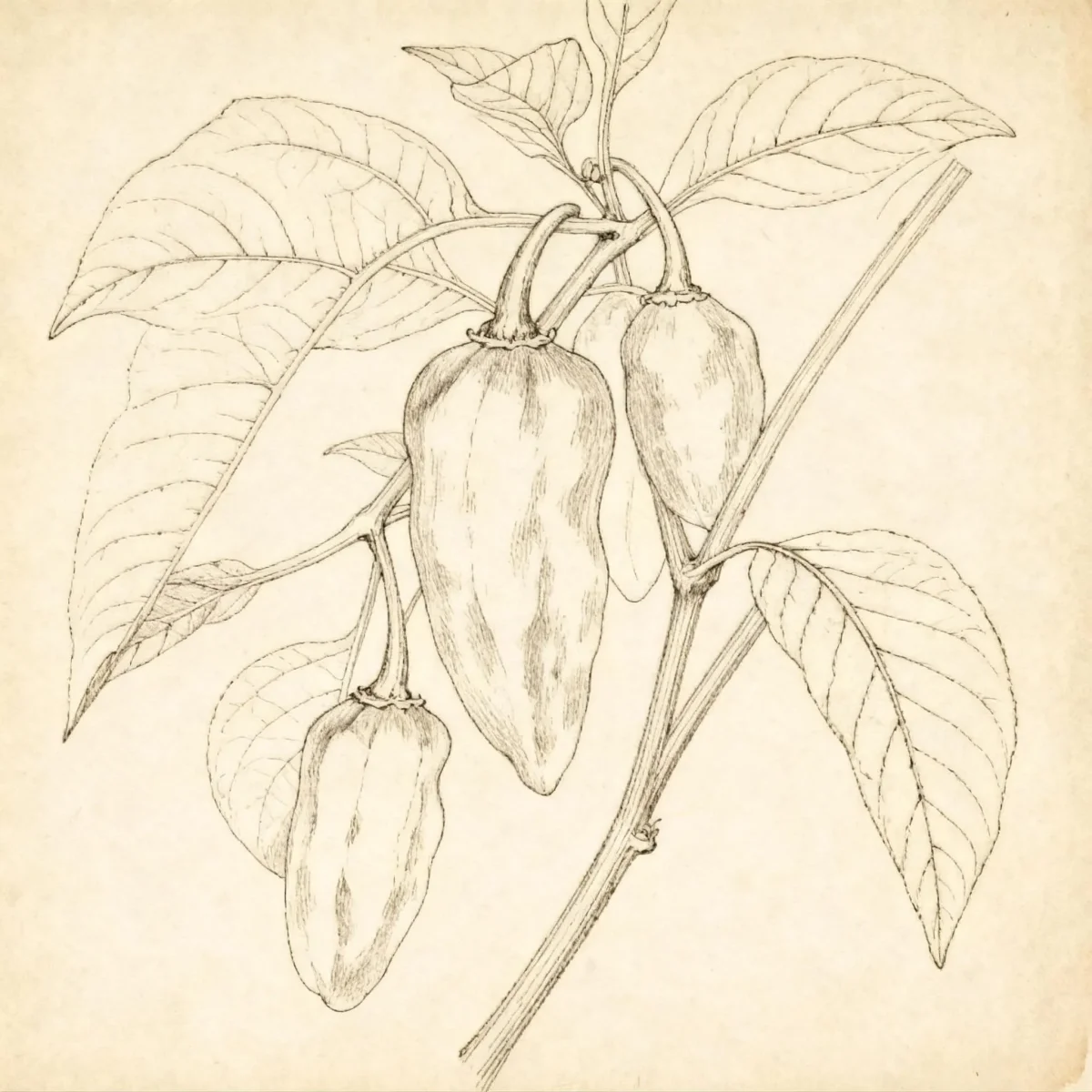

Bloom Boldly, No Matter the Season - Sweatshirt
Cozy organic cotton sweatshirt featuring our exclusive Purple Coneflower design. Perfect for gardeners who bloom year-round.
Inspired by the beautiful Habanero pepper
Limited first batch (50) — join the waitlist for early access
Waitlist closes Feb 15, 2026.
Complete Plant Information
Field Guide Continues
Ready for care notes, companion picks, and planting tips?
The map is just the start. The full guide below covers growth habits, seasonal performance, and landscape uses.
Overview
The Habanero pepper, specifically the Capsicum chinense ‘Roulette’ cultivar, is a valuable addition for gardeners seeking the classic habanero flavor profile without overwhelming central heat. This plant is valued for producing a high yield of distinctively flavored fruits that mature from green to a vibrant red. As a frost-tender herbaceous perennial, it is most frequently cultivated as an annual vegetable crop in temperate climates.
Capsicum chinense ‘Roulette’ plants typically reach a manageable height of around 3 to 3.25 feet with a spread of 2 to 3 feet, making them good candidates for vegetable rows or even large containers. These peppers demand warm conditions to thrive and produce their showy, edible fruit. Gardeners will find the maintenance level for this pepper relatively low once established in optimal, sunny conditions.
While the flowers are not showy, the resulting fruit offers significant ornamental and culinary appeal, providing that signature citrusy habanero essence. Successful cultivation of Habanero pepper hinges on consistent warmth and well-drained soil, ensuring the plant achieves its full potential throughout the growing season.
Fast Facts
- Plant Family: Solanaceae
- Plant Type: Herbaceous perennial
- Hardiness Zones: USDA Zones 2-11
- Size at Maturity:
- Height: 3-3.25 ft
- Spread: 2-3 ft
- Bloom Time: Seasonal bloomer
- Bloom Description: Flowers not showy
- Sun Exposure: Full sun
- Water Needs: Medium
- Maintenance Level: Low
How to Grow
Start seeds indoors 6 to 8 weeks prior to the anticipated last frost date, using peat pots to minimize root disturbance later. Sow three seeds per pot, thinning down to one vigorous plant per container to ensure robust initial growth. Transplant these Capsicum chinense ‘Roulette’ seedlings outdoors only after all danger of frost has passed and night temperatures consistently remain above 55°F. Proper spacing is crucial; plan for 18 to 24 inches between plants, set in rows 18 to 24 inches apart.
The Habanero pepper thrives in moist, organically rich, fertile, and extremely well-drained soils. Consistent moisture is required; do not allow seedlings or established plants to suffer from drought, which stresses the plant rapidly. Pinching back young plants encourages a bushier habit, which can lead to higher yields of the showy fruit later in the season. Applying mulch between plants helps regulate soil temperature and moisture retention.
A critical consideration for all peppers, including the Habanero pepper, is crop rotation. Avoid planting them in areas where peppers, tomatoes, or eggplants grew the previous season due to the risk of soil-borne pathogens common to the Solanaceae family. These frost-tender perennials perform admirably as container plants and can potentially be overwintered indoors if adequate, sunny winter conditions can be provided.
Landscape Uses
The Capsicum chinense ‘Roulette’ is primarily grown for its annual vegetable harvest, making it a superb feature in the kitchen garden. Its upright, bushy structure works well when placed at the back of shorter herb borders or interplanted among leafy greens that appreciate partial afternoon shade (though full sun is preferred). Because the fruits are highly ornamental when reaching maturity, these peppers can substitute beautifully in decorative containers alongside trailing annuals.
When planning companion plantings around your Habanero pepper patch, consider herbs planted near tomatoes or peppers, such as basil, which is thought to improve flavor and repel certain pests. Ensure that whatever companion is chosen also requires full sun and agrees with the medium water needs of the pepper. This specific cultivar is specifically listed for use in the vegetable garden, either for raw consumption or cooking.
Standout Features
Flower Qualities
- Insignificant
Fruit Qualities
- Showy
- Edible
Noteworthy Characteristics
Botanically, most cultivated peppers trace back to species like C. annuum or, in this case, C. chinense (habanero types). The genus name Capsicum is derived from the Greek word kapto, meaning ‘to bite,’ referencing the heat often associated with these fruits. The ‘Roulette’ variety is specifically noted as a high-yielding selection that successfully delivers the distinct, citrusy Habanero pepper flavor while notably lacking widespread Habanero heat levels.
Tolerances
Potential Problems
Gardeners should remain vigilant for common pepper pests that target Capsicum chinense ‘Roulette’. Potential insect culprits include aphids, white flies, cutworms, Colorado potato beetles, and pepper maggots, which can quickly deflate a growing season. Implement physical barriers or targeted, appropriate pest controls immediately upon detection to manage infestations.
Diseases are a significant concern, particularly if soil health is neglected or crop rotation is ignored. Verticillium wilt and mosaic virus are potential threats for which there is often little direct curative treatment once established. Maintaining low-stress conditions—avoiding cold snaps and drought—is the best defense against making plants susceptible to these soil-borne issues.
Frequently Asked Questions
What hardiness zones is Habanero pepper suitable for?
The Capsicum chinense ‘Roulette’ is noted for its wide tolerance, suitable for USDA Zones 2 through 11, though it is grown as a tropical annual interruption in many cold climates.
How large does Habanero pepper grow?
This cultivar typically reaches heights between 3 and 3.25 feet tall and establishes a spread ranging from 2 to 3 feet wide in ideal growing conditions.
What sun exposure does Capsicum chinense ‘Roulette’ need?
This pepper variety requires full sun exposure to successfully flower and produce its flavorful, showy peppers throughout the season.
When does Habanero pepper bloom?
It blooms seasonally, though the resulting flowers are intentionally not showy, focusing energy on developing the edible fruit crop.
Conclusion
Cultivating the Capsicum chinense ‘Roulette’ offers gardeners a unique, manageable way to enjoy the complex fruit characteristics of the Habanero pepper without the accompanying intense heat. Given its low maintenance requirement and dual function as an annual vegetable or container plant, this is an excellent selection for flavor-focused gardeners. Be sure to check your local frost dates and prioritize warm soil before transplanting your Habanero pepper seedlings for a successful harvest.
Companion Planting
Choosing the right neighbors for your Capsicum chinense ‘Roulette’ can enhance vigor and deter pests naturally. Plants that thrive in full sun alongside medium water requirements integrate well into the pepper patch. Consider planting radishes or onions nearby, as their strong scents can confuse or repel certain flying insect pests that might otherwise bother the Habanero pepper.
Avoid planting potatoes near your pepper crops, as both are susceptible to similar soil-borne diseases, meaning shared pathogens can persist and infect the new planting the following year. By practicing sensible crop rotation and selecting beneficial neighbors, you maximize the health of your entire vegetable garden ecosystem, ensuring your ‘Roulette’ peppers remain productive.
Container Growing
The robust, upright nature of the Capsicum chinense ‘Roulette’ makes it surprisingly well-suited for container culture, especially for gardeners with limited space or those who wish to save the plant over winter. Use containers that allow for at least a 5-gallon capacity to support the 3-foot mature height and provide ample root room. Ensure the potting medium is rich and provides excellent drainage, adhering to the standard soil requirements for this pepper.
When growing peppers in pots, watering needs may fluctuate more rapidly than in the ground, requiring attentive daily checks during peak summer heat. To encourage fuller, bushier growth and better fruit set, incorporate regular, balanced fertilization suitable for fruiting vegetables. Successfully maintaining this Habanero pepper indoors during winter requires relocating it to the sunniest available window or supplementing with grow lights.