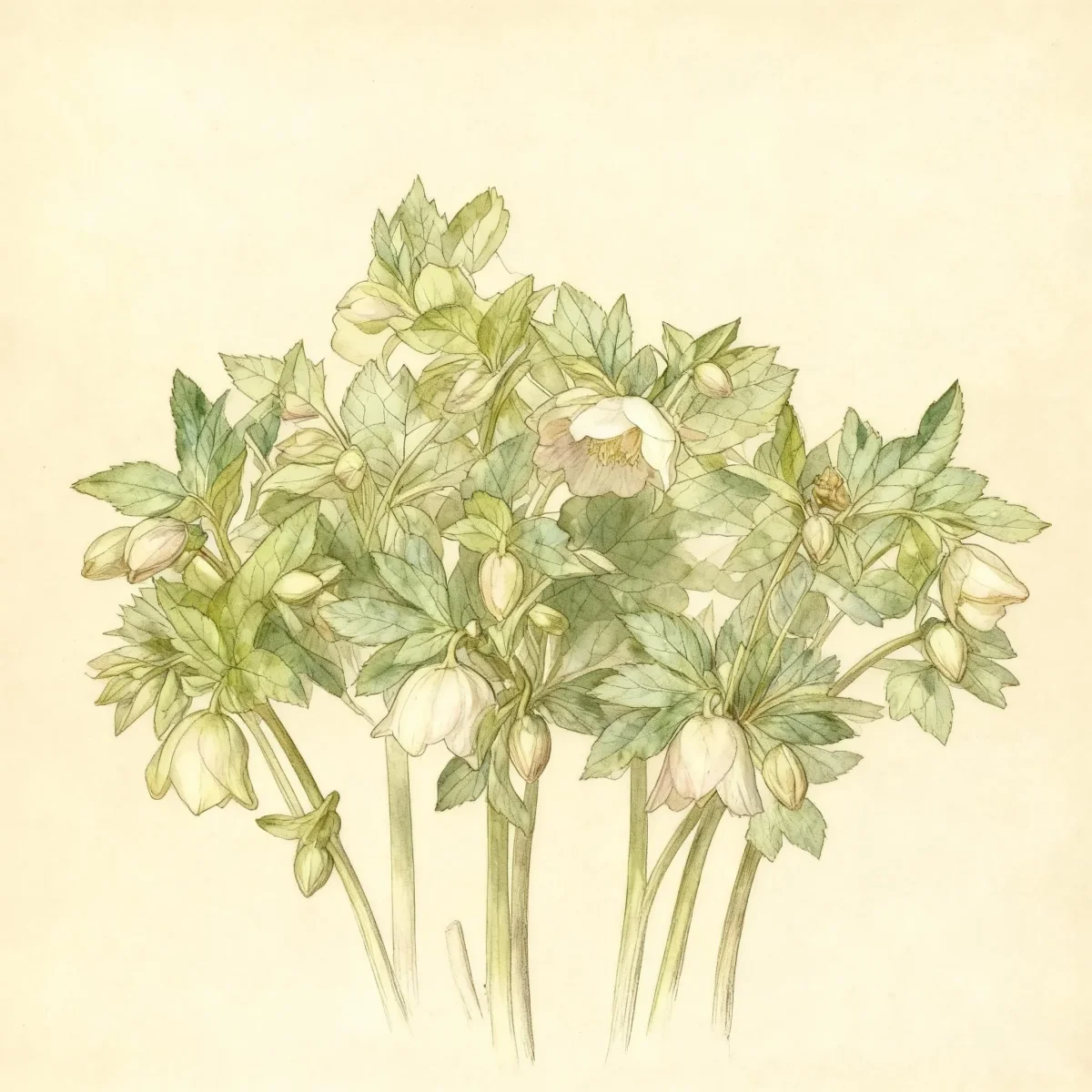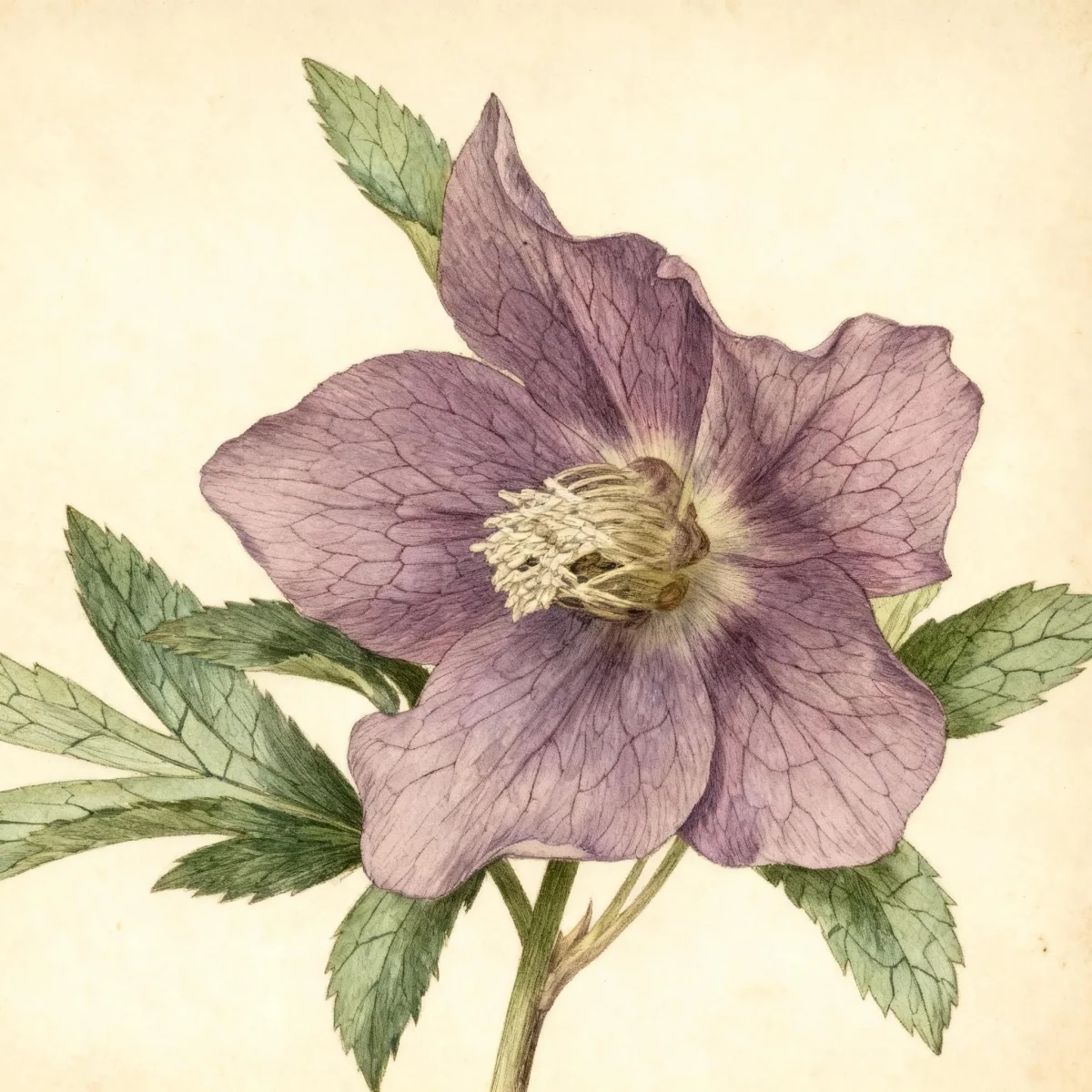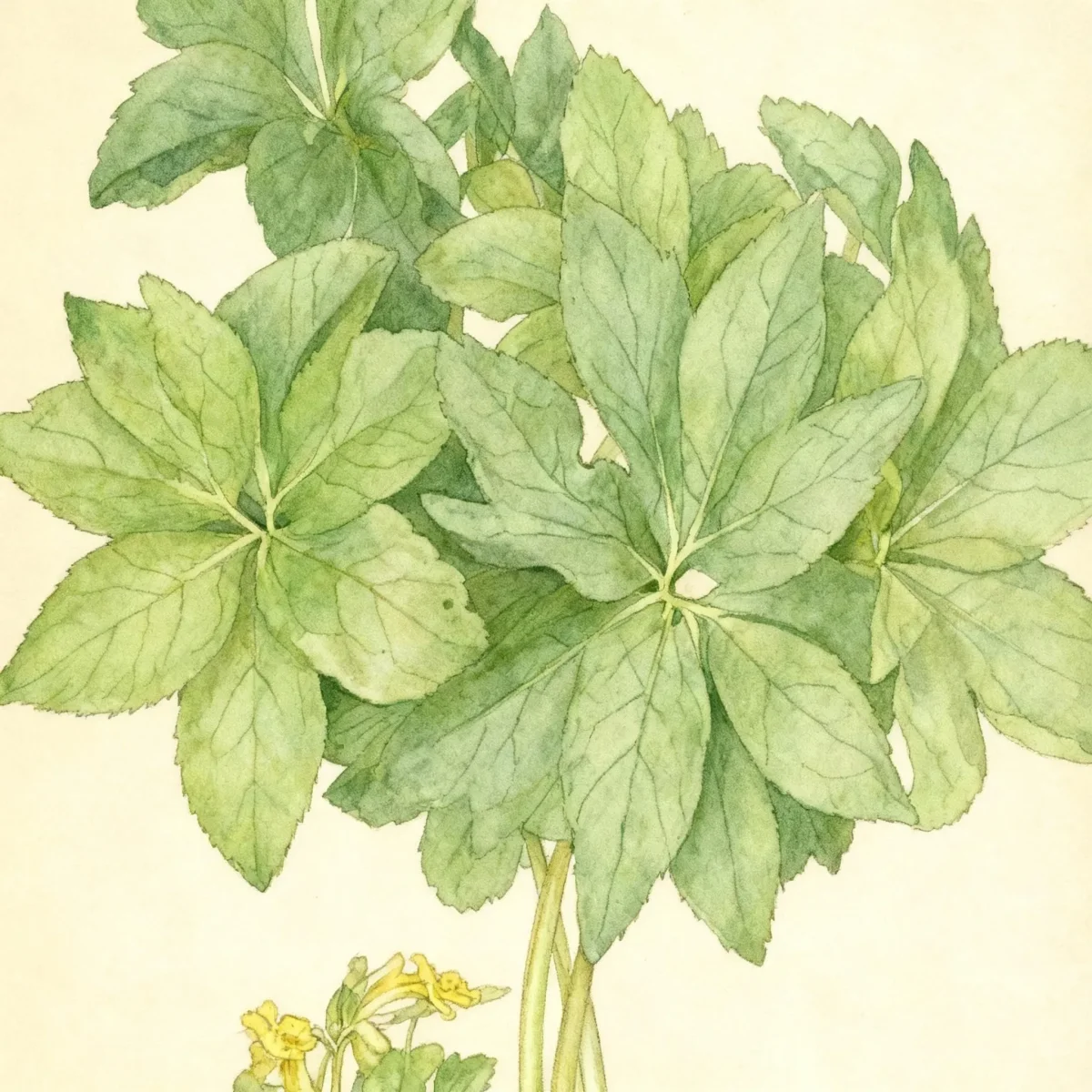

Hellebore (Helleborus 'Confetti Cake')
Helleborus 'Confetti Cake' is a low-maintenance Hellebore perennial offering spectacular bicolor blooms from February to April in shady spots.
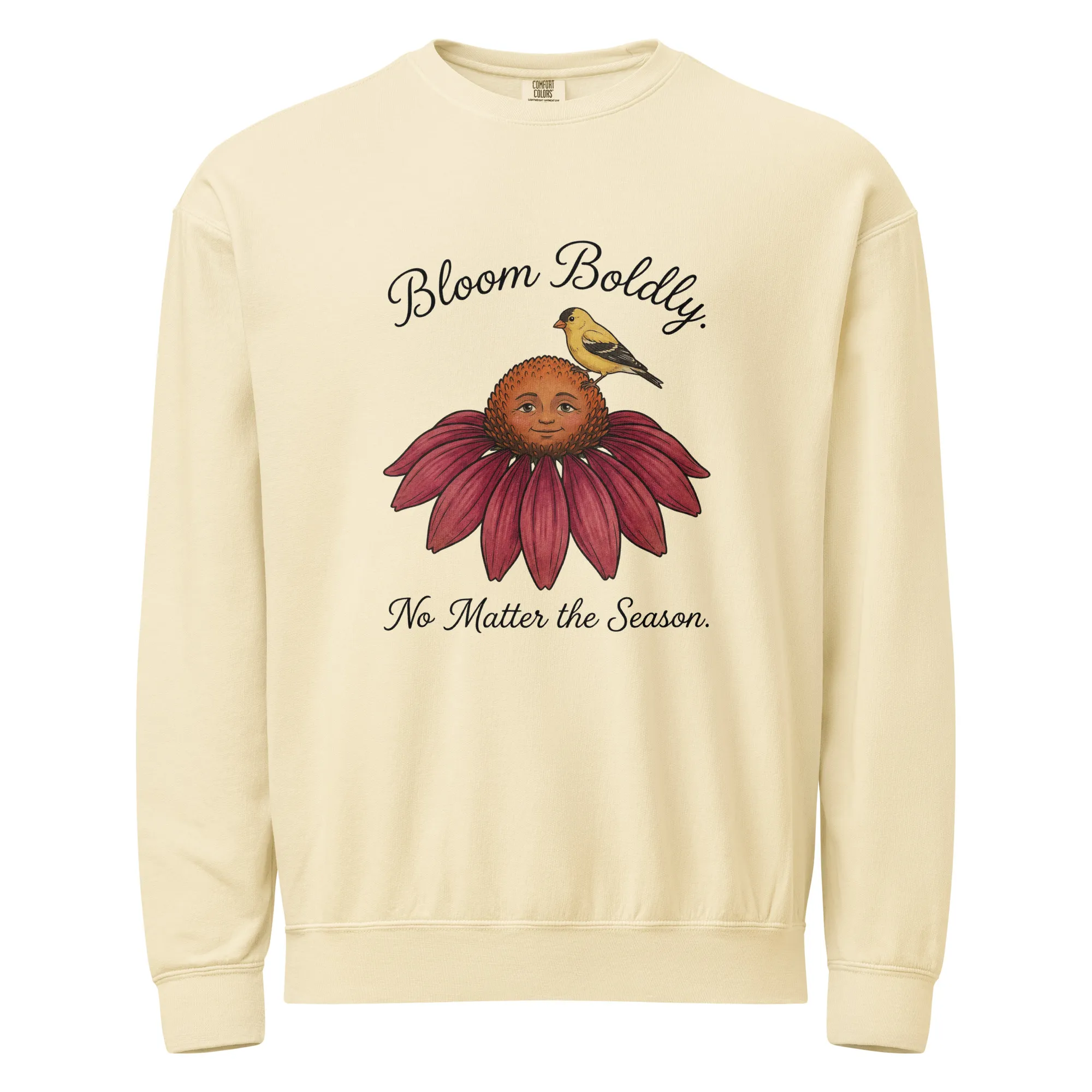
Bloom Boldly, No Matter the Season - Sweatshirt
Cozy organic cotton sweatshirt featuring our exclusive Purple Coneflower design. Perfect for gardeners who bloom year-round.
Inspired by the beautiful Hellebore
Limited first batch (50) — join the waitlist for early access
Waitlist closes Feb 15, 2026.
Complete Plant Information
Field Guide Continues
Ready for care notes, companion picks, and planting tips?
The map is just the start. The full guide below covers growth habits, seasonal performance, and landscape uses.
Overview
The Helleborus ‘Confetti Cake’ is a highly valued herbaceous perennial, perfect for brightening the darkest corners of the winter garden when little else is stirring. This specific Hellebore cultivar belongs to the celebrated Wedding Party series, known for its exceptional early bloom time, providing reliable color starting in late winter. Its dense, evergreen foliage ensures year-round structure, making it an indispensable anchor plant in mixed borders and woodland settings.
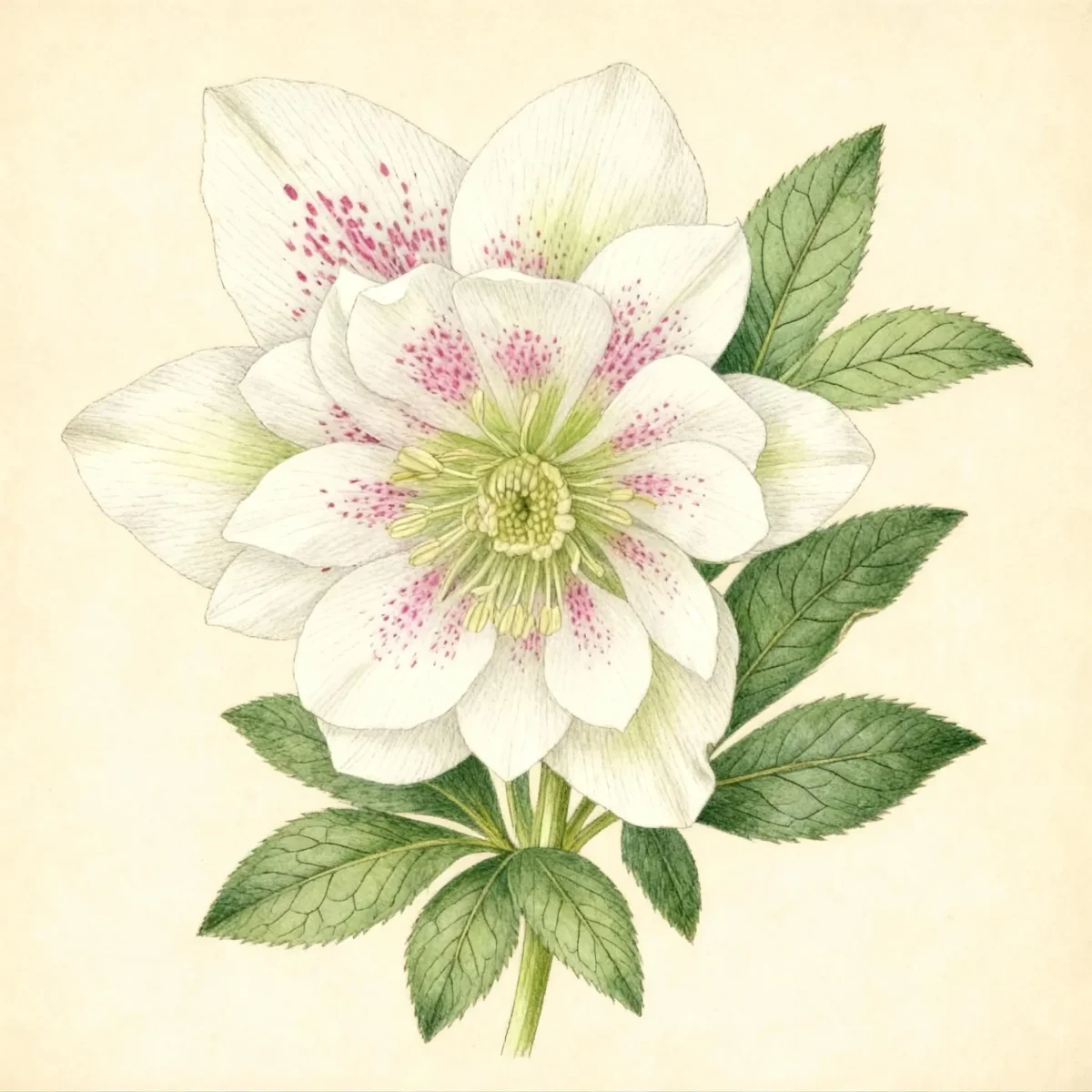
As a hybrid Lenten rose, Helleborus ‘Confetti Cake’ offers the gardener a low-maintenance solution for deep shade areas. It typically reaches about 1.5 to 2 feet tall and wide, forming neat clumps that minimize necessary upkeep once established. The striking flowers—double, bright white saturated with dark pink speckles—are true harbingers of spring, often appearing through snow.
Gardeners seeking reliable, long-lived perennials should prioritize the Hellebore for its resilience. It thrives where many other ornamentals fail, tolerating heavy shade and resisting deer and rabbits. Planting Helleborus ‘Confetti Cake’ near pathways ensures that its unique, cheerful bloom period is easily appreciated.
Fast Facts
- Plant Family: Ranunculaceae
- Plant Type: Herbaceous perennial
- Hardiness Zones: USDA Zones 4-9
- Size at Maturity:
- Height: 1.5-2 ft
- Spread: 1.75-2 ft
- Bloom Time: February to April
- Bloom Description: White and dark pink bicolor
- Sun Exposure: Part shade to full shade
- Water Needs: Medium
- Maintenance Level: Low
How to Grow
Planting Helleborus ‘Confetti Cake’ is best done in the fall or very early spring when moisture is readily available, allowing the roots time to settle before summer heat arrives. This Hellebore thrives in organically rich, fertile, humusy soils that are consistently moist but crucially well-drained. Ensure the location offers part shade to full shade; bright, reflected light can scorch its evergreen leaves.
Water needs are medium; maintain even soil moisture, especially during dry spells in the first year. While fertilizing is rarely essential in rich soil, a light spring mulch of compost benefits the plant by improving soil structure and retaining moisture. Do not disturb established clumps frequently, as Hellebores are slow to recover from root disturbance.
After the blooms fade, cut back the spent flowering stems to encourage fresh, clean foliage growth for the remainder of the season. If plants become congested after several years, they can be carefully divided in late summer to early fall. Protect plants from harsh winter winds if possible, as severe low temperatures combined with wind can cause existing foliage to become tattered, though the plant itself is hardy.
Landscape Uses
Hellebores, and the stunning ‘Confetti Cake’ variety in particular, excel when utilized for mass plantings in shady areas where their winter interest can be fully showcased. They are perfect for grouping under large, mature trees or within woodland gardens, lending a natural yet sophisticated feel. Because the flowers bloom so early, position your Helleborus ‘Confetti Cake’ near high-traffic areas like a kitchen window or patio so that the arrival of color can be fully enjoyed.
These resilient perennials look wonderful when massed together to create an attractive, continuous ground cover throughout the year, slowly spreading via self-seeding to naturalize an area. For design contrast, pair the dark green, glossy leaves of your Hellebore with plants that offer contrasting textures, such as ferns or hostas, which appreciate similar cultural conditions. They serve as excellent year-round textural elements even when not in bloom.
Standout Features
Flower Qualities
- Showy
Noteworthy Characteristics
Hybrid hellebores, sometimes commonly called hybrid Lenten roses or hybrid winter roses, are bushy, clump-forming perennials which typically grow to 12-15” tall. They are noted for producing single, cup-shaped flowers (typically 2-3” diameter) with five showy, usually overlapping petals (technically sepals), but sometimes come in a double flowered form. Flowers bloom in a large variety of colors, including various shades and tints of white, pink, red, purple, and yellow, and sometimes have inside spotting. Bloom typically commences in late winter extending into early spring. Flowers appear at the tips of branched stems clad with evergreen dark green leaves which are divided into glossy, leathery, deeply-lobed, often toothed, lanceolate to elliptic segments.Genus name comes from the Greek words bora meaning “food” and helein meaning “injures/destroys” in reference to the plant’s toxic leaves, stems and roots which are poisonous to humans if ingested.Hellebores is the old Greek name for H. Orientalis.‘Confetti Cake’ has pendulous, double, bright white blooms with dark pink speckles emanating from the petal centers. Mature clumps will reach up to 2’ tall with an equal spread. This selection is sold under the Wedding Party series.
Tolerances
- Rabbit
- Deer
- Heavy Shade
Potential Problems
Hellebores generally exhibit impressive resistance to serious insect or disease problems, bolstering their low-maintenance reputation. However, occasional issues can arise, primarily crown rot if drainage is poor, and sometimes leaf spot, especially in overly damp, stagnant conditions. It is crucial to remember that all parts of the Hellebore—leaves, stems, and roots—are poisonous if ingested by humans or pets, so handle them carefully, especially when dividing.
Preventative care centers on proper siting; ensure excellent drainage and avoid overly wet winter soil to mitigate fungal risks. If tattered old foliage is present in spring, cut it back to encourage the fresh, healthy display of the Helleborus ‘Confetti Cake’ blooms. Their natural toxicity generally means deer and rabbits consistently avoid browsing these plants.
Frequently Asked Questions
What hardiness zones is Hellebore suitable for?
Helleborus ‘Confetti Cake’ is hardy and thrives across USDA Zones 4 through 9.
How large does Hellebore grow?
This perennial typically matures to a height between 1.5 and 2 feet tall, with a corresponding spread of 1.75 to 2 feet wide.
When does Hellebore bloom?
The bloom time for this perennial is impressively early, generally spanning from February right through April, featuring unique white and dark pink bicolor flowers.
What sun exposure does Hellebore need?
Helleborus ‘Confetti Cake’ prefers part shade to full shade conditions; dappled light beneath deciduous trees is often ideal.
Conclusion
The unique winter-to-early-spring flowering habit of Helleborus ‘Confetti Cake’ makes it an essential structural perennial for expert and novice gardeners alike. Its bicolor flowers and evergreen structure provide unmatched visual interest during the colder months, all with very low maintenance requirements. Before planting, confirm your site offers the rich, well-drained soil and shaded conditions required for this superb Hellebore to flourish for years to come.
Companion Planting
When selecting neighbors for your Helleborus ‘Confetti Cake’, focus on plants that share a preference for shade and rich, moist soil. This creates a cohesive woodland edge or understory planting scheme. Good companions include Hostas, especially those with blue or heavily variegated foliage which contrast nicely with the dark green Hellebore leaves.
Lungwort (Pulmonaria) is another excellent pairing, as it blooms around the same time or slightly later and shares similar cultural needs. For early spring color that complements the Hellebore but emerges later, consider planting Daffodils (Narcissus) or early-blooming woodland phlox. These combinations help ensure continuous interest once the Hellebore’s bloom cycle concludes.
Propagation Tips
While hybrid Hellebores like ‘Confetti Cake’ are often purchased as nursery starts, propagation is possible, though slow. The primary method for home growers is division, ideally performed in late summer or early fall after the intense heat has broken. Established clumps that appear congested can be carefully dug up; use a sharp, clean spade to cut the root ball into manageable sections, ensuring each section has a reasonable amount of growth buds attached.
Be aware that Hellebores can also come true from seed, but this process is frustratingly slow; seedlings may take two full years before they produce their initial blooms. This patience requirement means division remains the preferred method if you wish to secure the exact characteristics of Helleborus ‘Confetti Cake’ in new plants. Always replant divisions immediately into well-prepared, fertile soil.