Euonymus(Euonymus japonicus 'Green Spire')
Grow Green Spire euonymus (Euonymus japonicus): narrow columnar evergreen hedge, boxwood substitute for tight spaces, USDA zones 6–9 care and scale control.
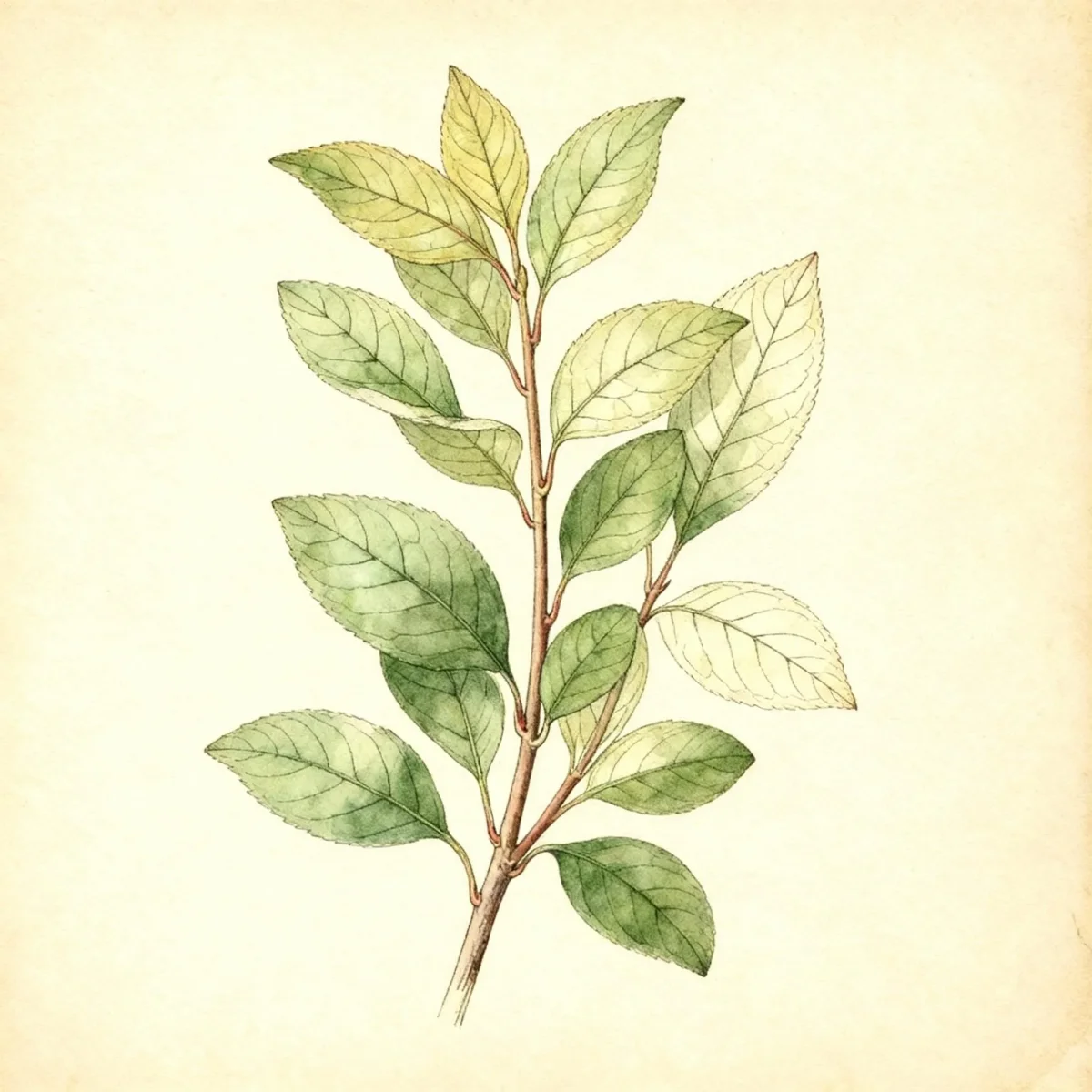
Complete Plant Information
- Hardiness zones
- USDA 6–9
- Plant type
- Broadleaf evergreen
- Plant family
- Celastraceae
- Sun exposure
- Full sun to part shade
- Water needs
- Medium
- Maintenance
- Low
- Height
- 6–8 ft (183–244 cm)
- Spread
- 1.5–2.5 ft (46–76 cm)
- Bloom time
- June
- Flower color
- Inconspicuous greenish-white 4-petaled flowers, rarely setting fruit on this cultivar
- Flower qualities
- Not recorded
- Fruit qualities
- Not recorded
- Tolerances
- Black Walnut, Air Pollution, Coastal Exposure
- Garden uses
- Narrow privacy screen, formal vertical accent, boxwood substitute, entryway column
- Native range
- Japan, Korea, China (cultivar selection)
Field Guide Continues
Ready for care notes, companion picks, and planting tips?
The map is just the start. The full guide below covers growth habits, seasonal performance, and landscape uses.
Overview
Green Spire euonymus (Euonymus japonicus ‘Green Spire’) is a strictly columnar, dense broadleaf evergreen shrub hardy across USDA Zones 6 through 9. Prized for its pencil-thin growth habit—maturing 6 to 8 feet tall and just 1.5 to 2.5 feet wide—it serves as the premier evergreen choice for ultra-narrow side yards, property borders, and architectural foundation columns where wider shrubs would block walkways. Covered from soil to tip in glossy, deep emerald-green oval leaves, it offers the formal look of Italian cypress or trimmed boxwood with superior salt and coastal tolerance.
Its branches ascend strictly vertical from the crown, eliminating the sprawling horizontal limbs typical of standard Japanese spindle trees.
How to Grow
- Hardiness & Siting: USDA Zones 6 through 9. Fully hardy along coastal margins and inland valleys. In Zone 6, provide protection from desiccating, subzero winter winds which can cause leaf scorch.
- Sunlight: Full sun to partial shade. Dense branch structure and optimal leaf luster develop in full sun (at least 6 hours direct light). In hotter southern zones (Zones 8 and 9), light afternoon shade helps prevent foliage burn during dry heat waves.
- Soil: Thrives in average, moist, well-drained garden soil. Tolerates sandy soils, rocky substrates, and mildly acidic to alkaline pH. Intolerant of stagnant waterlogged soil.
- Hedging Spacing: To form an unbroken, seamless vertical hedge or privacy screen, space plants 18 to 24 inches apart on center.
Landscape Uses
- Ultra-Narrow Privacy Screen: The ideal plant for tight corridors between homes, side yards, and property fences where width is strictly restricted to 2 feet.
- Formal Entryway Columns: Flanks front doors, driveways, or garden gates like living architectural pillars.
- Coastal Seaside Landscaping: Demonstrates high resistance to salt spray and ocean breezes along seaside properties.
Potential Problems
- Euonymus Scale (Unaspis euonymi): The primary insect threat. Tiny white, oyster-shell-shaped armored scale insects coat undersides of leaves and twigs, sucking sap and causing yellow spotting and defoliation. Spray with dormant horticultural oil in late winter.
- Powdery Mildew: In stagnant, humid air, white powdery fungal growth may appear on leaf surfaces; improve air circulation.
- Root Rot: Poorly drained, waterlogged soils cause root suffocation and branch dieback.
Frequently Asked Questions
How wide does Green Spire euonymus get?
‘Green Spire’ is naturally columnar, maturing only 1.5 to 2.5 feet wide while reaching 6 to 8 feet in height, requiring minimal side trimming.
Can Green Spire be used as a boxwood substitute?
Yes. Its small, glossy, leathery evergreen leaves and tight upright density make it an excellent substitute for boxwood in formal vertical hedges.
Is Green Spire salt tolerant?
Yes. It shows outstanding tolerance to coastal ocean salt spray and salt air, making it popular for coastal beach communities.
Companion Plants
Pair Green Spire euonymus with flowering shrubs and perennials that contrast with its rigid vertical architecture:
- Flowering Shrubs: Plant alongside compact panicle hydrangeas (like ‘Little Lime’), roses, or abelias.
- Mounded Foliage Perennials: Combine with weeping Japanese forest grass, daylilies, or lavender.
- Formal Boxwood Partners: Alternate with round globe evergreens (like Thuja occidentalis ‘Danica’) for geometric contrast.
Sources & Lineage
- Missouri Botanical Garden PlantFinder: Record taxon 441488 (Euonymus japonicus ‘Green Spire’) — morphological specifications and cultivar characteristics.
- Kew Plants of the World Online (POWO): Euonymus japonicus Thunb. (POWO: 160944-1) — species taxonomy and native distribution across East Asia.
- North Carolina State Extension Gardener Plant Toolbox: Euonymus japonicus — cultural care, euonymus scale management, and urban adaptability.
Recommended Companion Plants
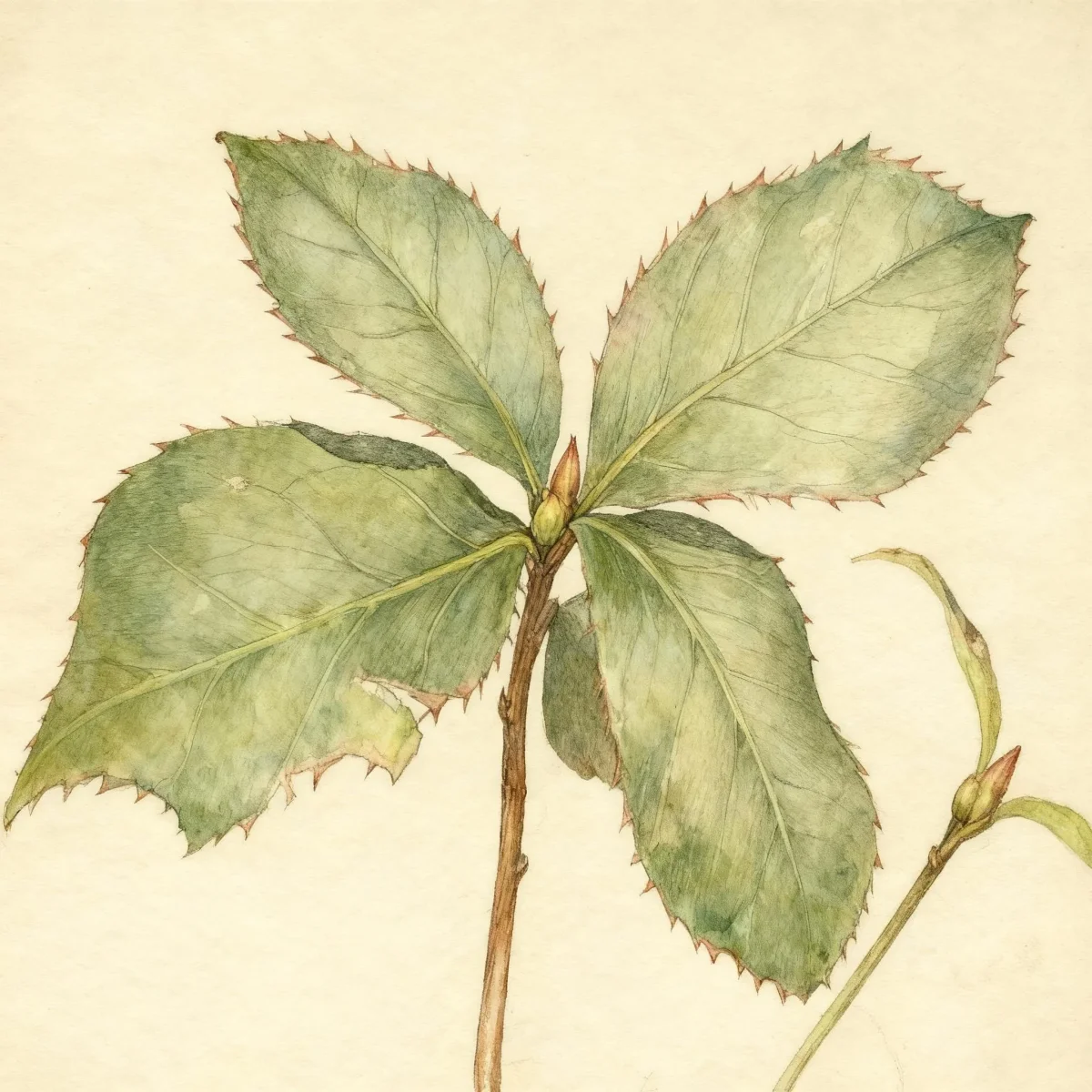
Euonymus
Euonymus kiautschovicus 'Manhattan'
- USDA zones
- 5–8
- Light
- Full sun to part shade
- Water
- Medium
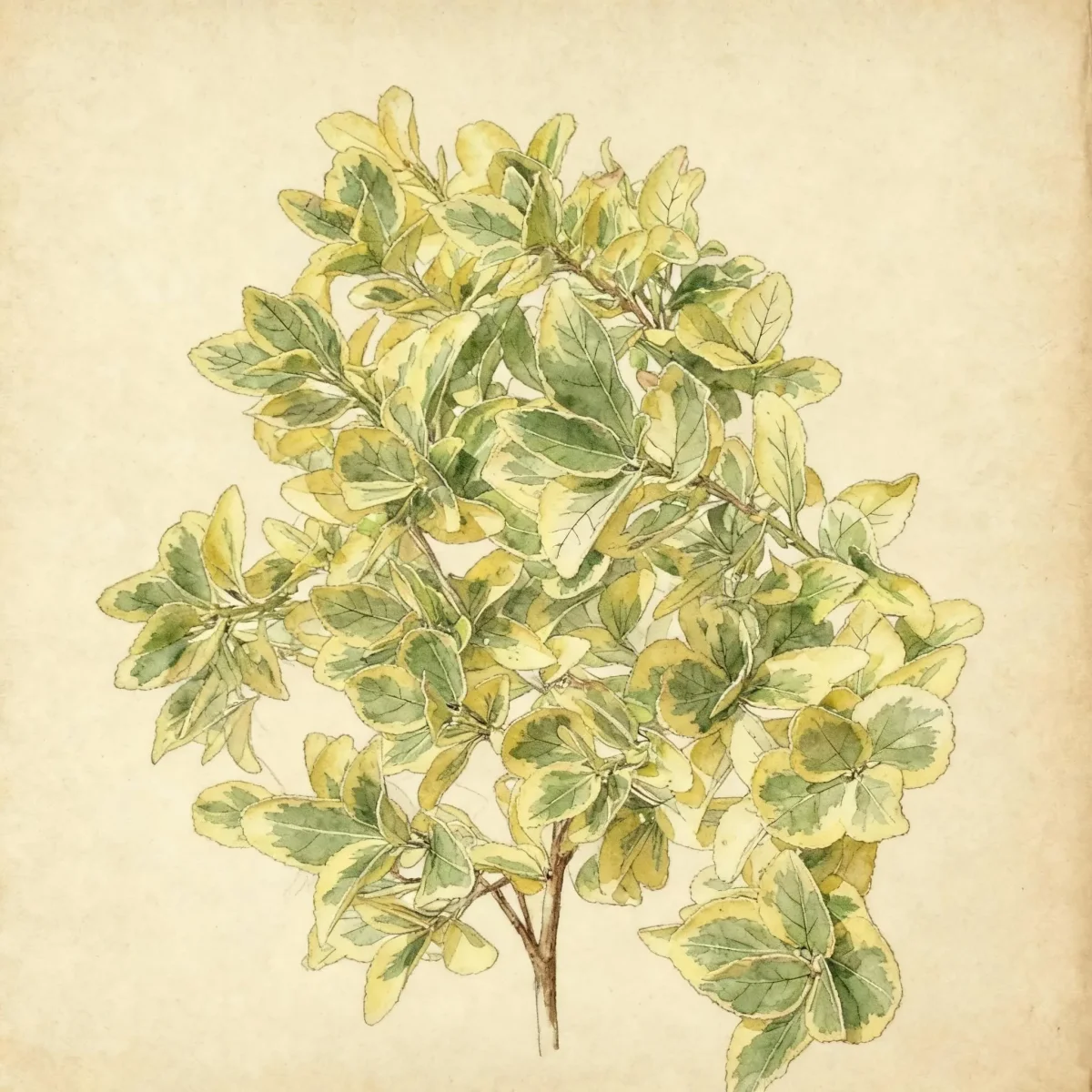
Euonymus
Euonymus japonicus 'Aureomarginatus'
- USDA zones
- 6–9
- Light
- Full sun to part shade
- Water
- Medium
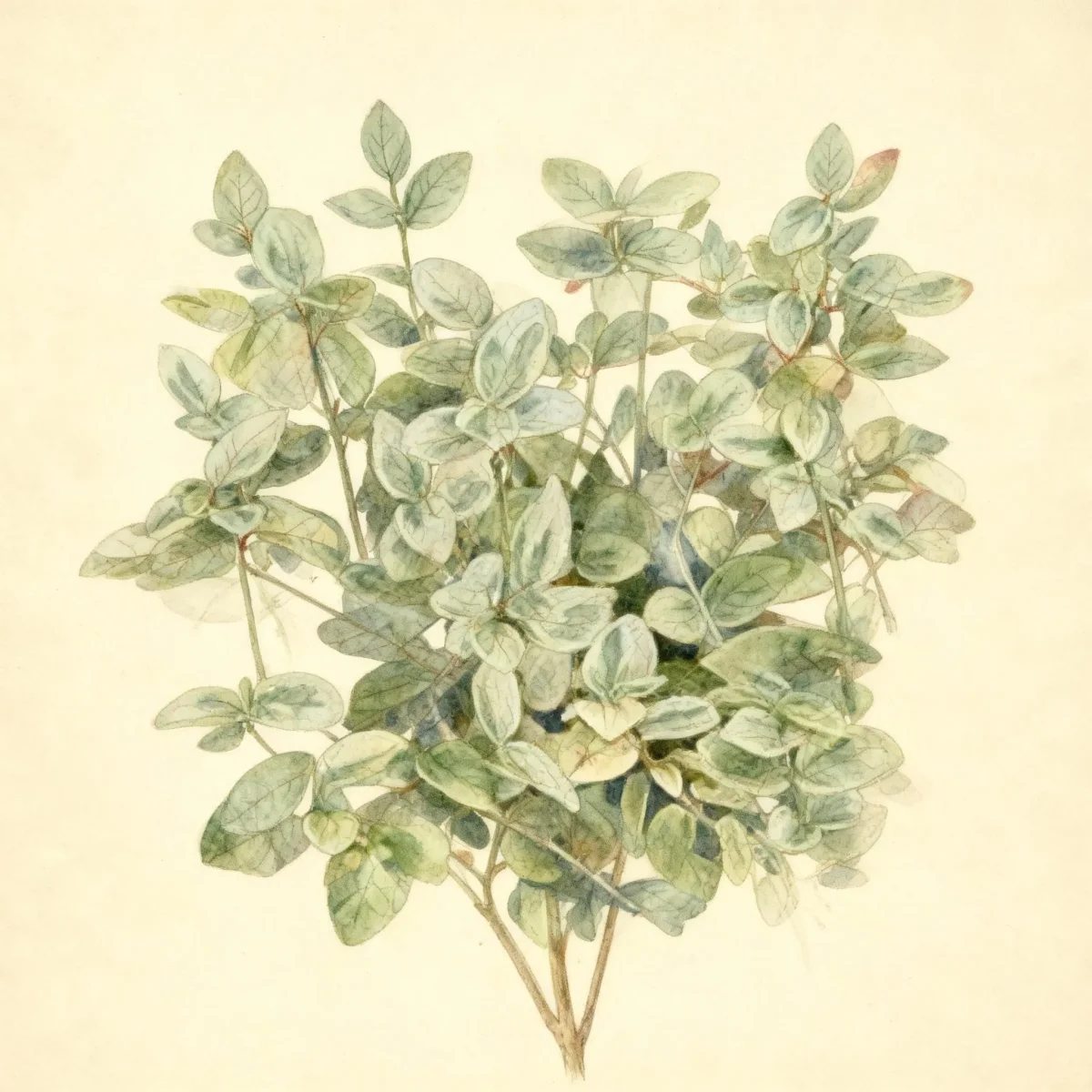
Wintercreeper euonymus
Euonymus fortunei 'Emerald 'n' Gold'
- USDA zones
- 5–8
- Light
- Full sun to part shade
- Water
- Medium
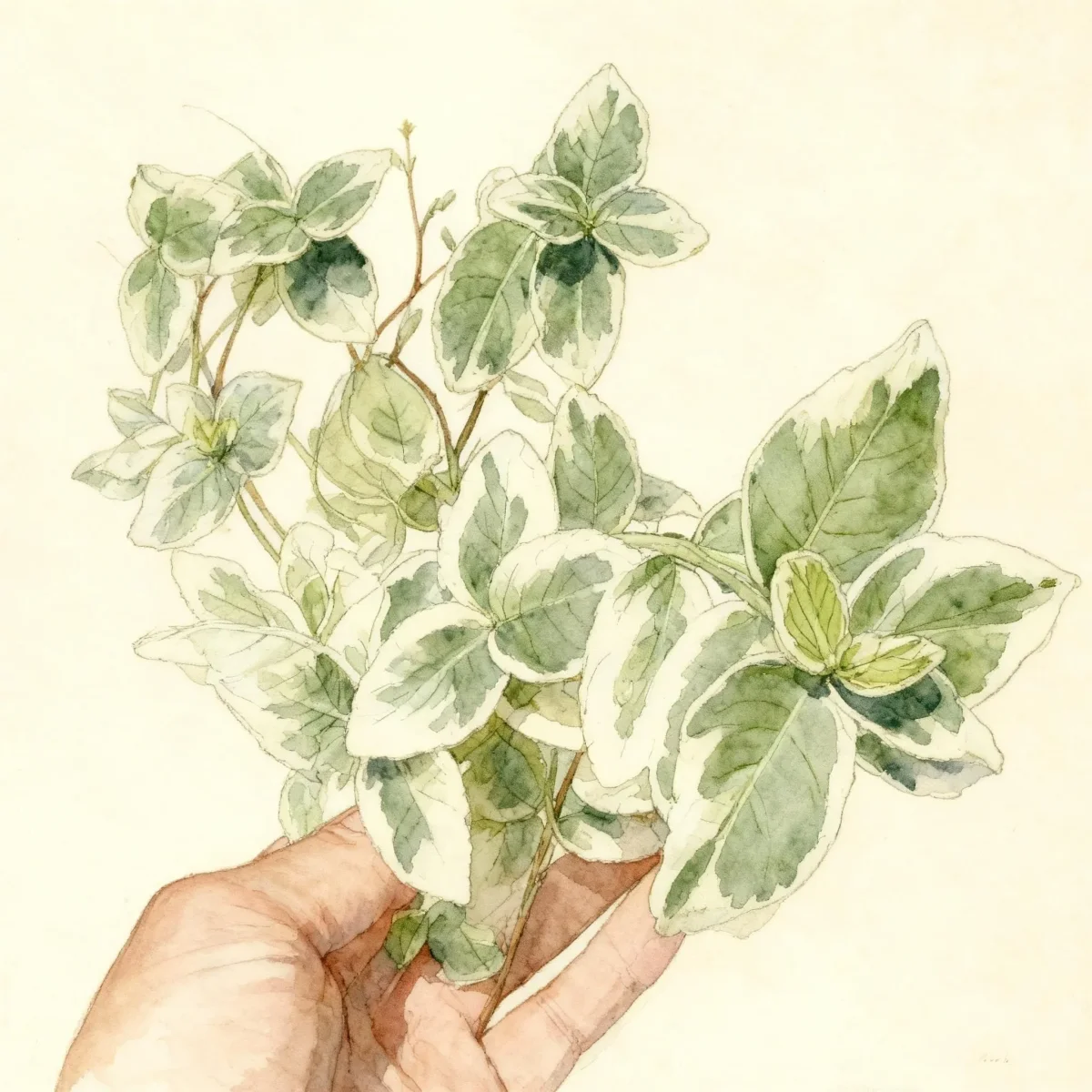
Wintercreeper euonymus
Euonymus fortunei 'Emerald Gaiety'
- USDA zones
- 5–8
- Light
- Full sun to part shade
- Water
- Medium
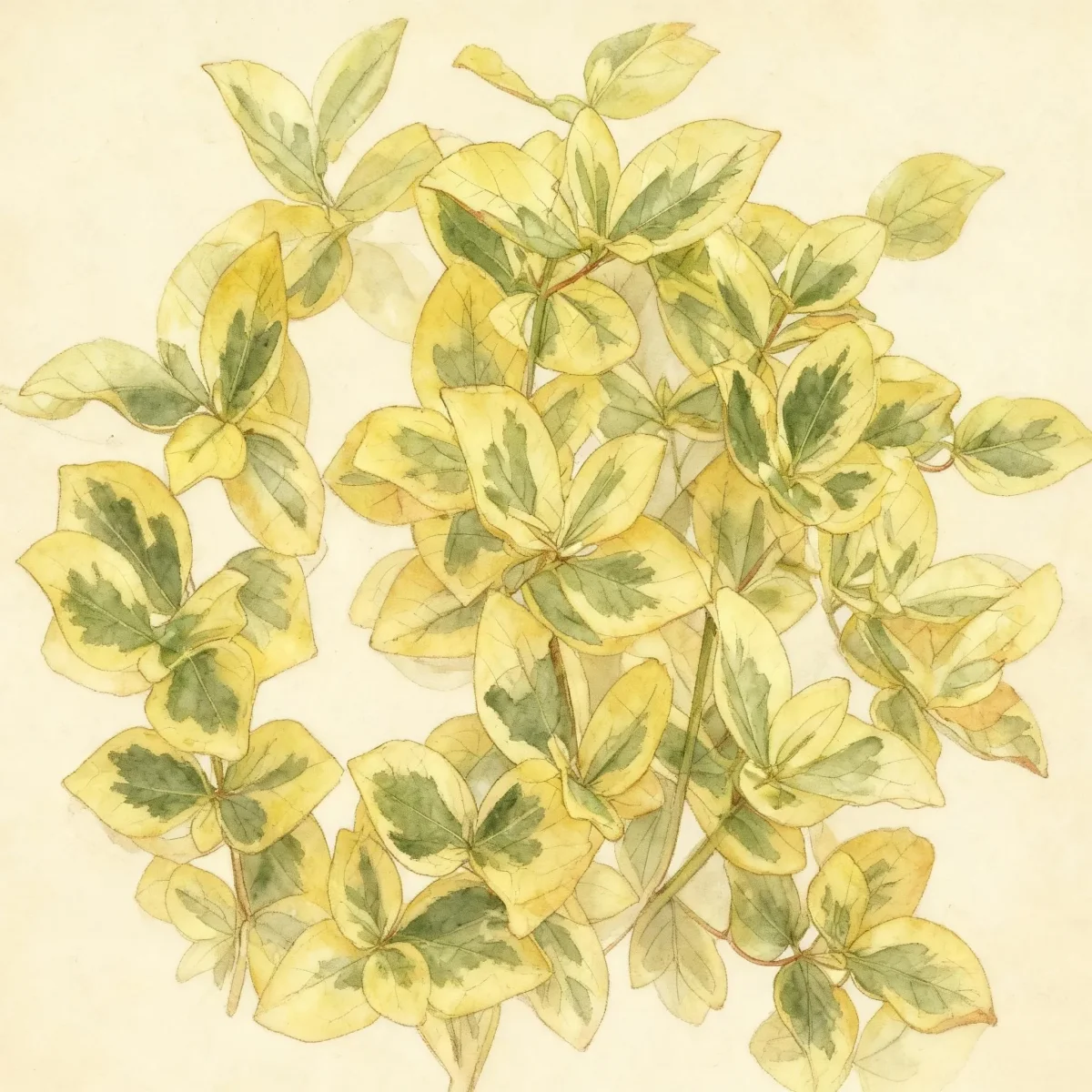
Wintercreeper euonymus
Euonymus fortunei 'Canadale Gold'
- USDA zones
- 5–8
- Light
- Full sun to part shade
- Water
- Medium
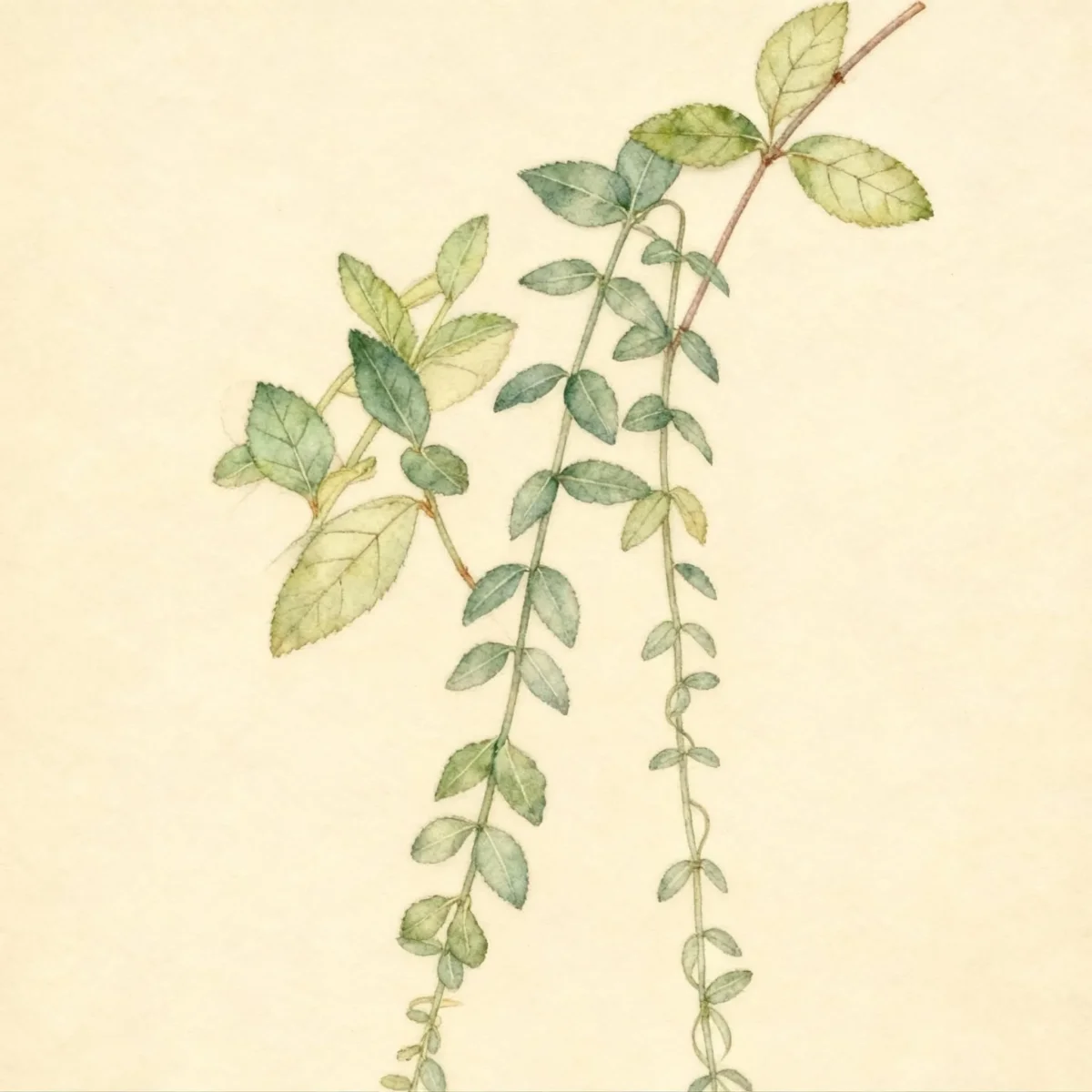
Winter creeper
Euonymus fortunei
- USDA zones
- 5–9
- Light
- Full sun to part shade
- Water
- Medium
Keep Learning
Test what you know with a garden quiz
You have the plant facts and care notes. Continue with a related challenge, or browse the complete quiz library.

Can You Identify These Common Garden Plants? Test Your Plant Knowledge
Think you know your roses from your peonies? Test your plant identification skills with our comprehensive garden plant quiz featuring 10 challenging questions.
Start quiz
USDA Garden Zone Map Quiz
Use this USDA garden zone map quiz to check whether you can read hardiness zones and choose plants with more confidence.
Start quizBrowse the full quizzes section
Explore plant identification, zone strategy, and seasonal gardening challenges.
View all quizzes