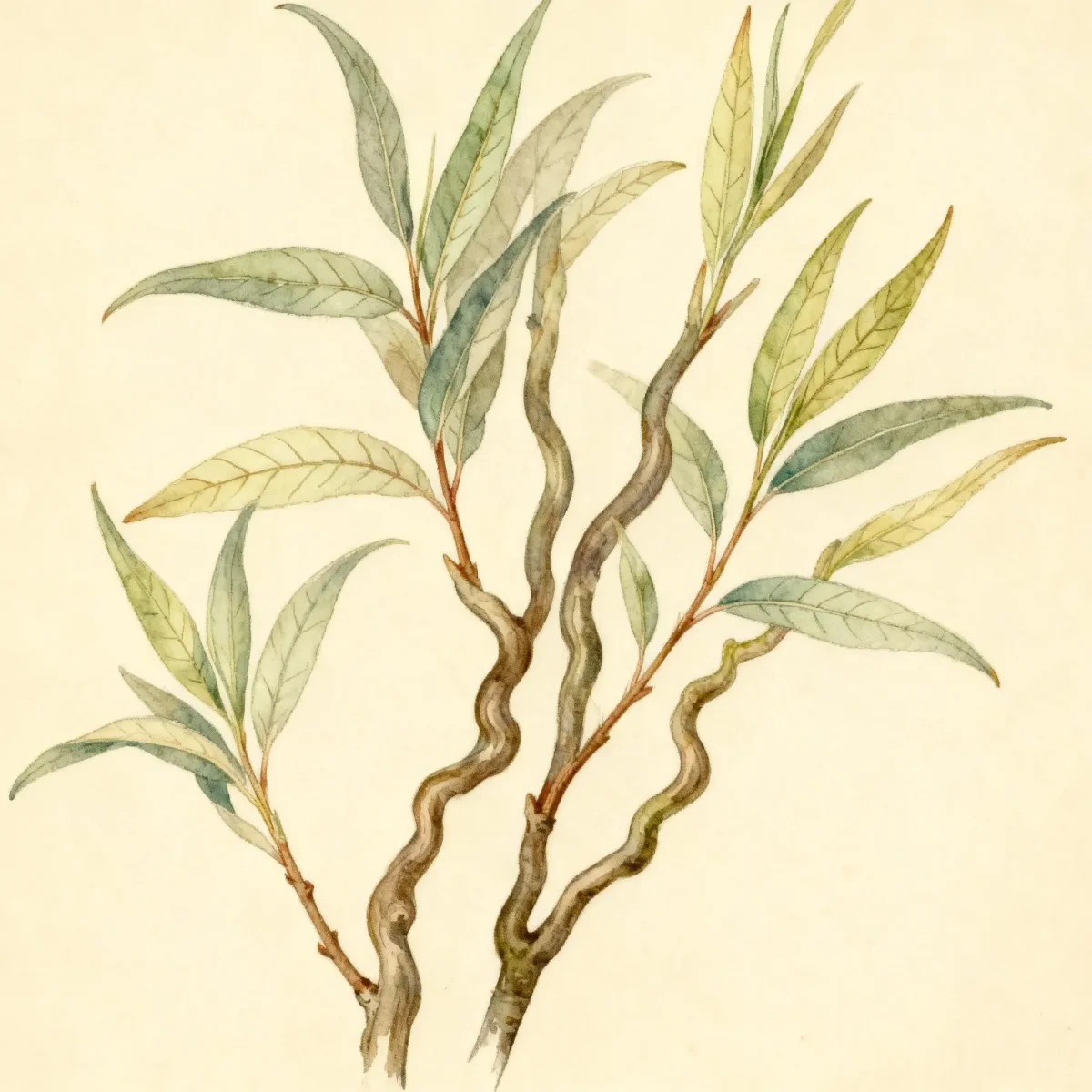

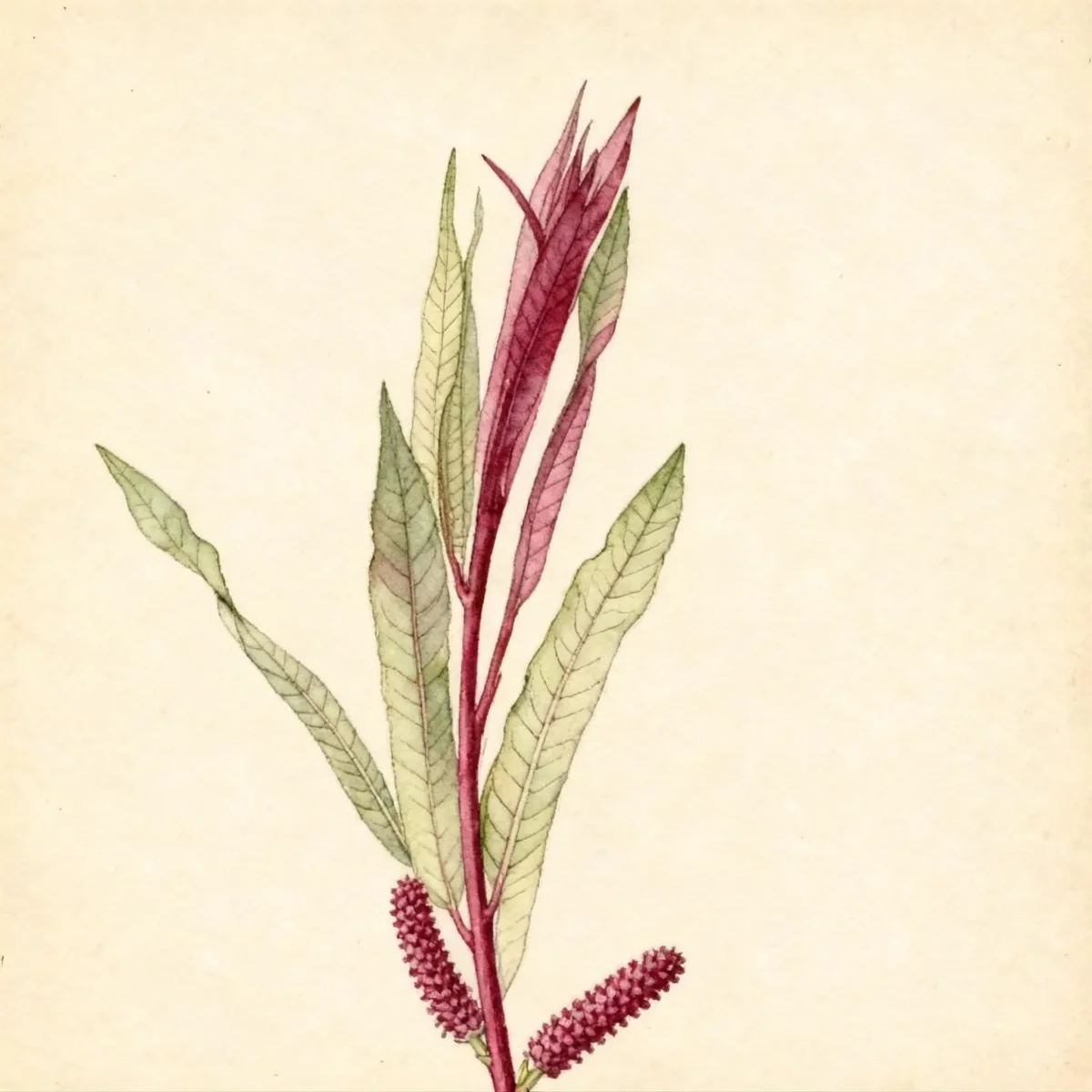
Rubykins Korean willow (Salix koriyanagi 'Rubykins')
Salix koriyanagi 'Rubykins' is a compact Rubykins Korean willow offering striking red catkins and yellow winter stems for year-round appeal.
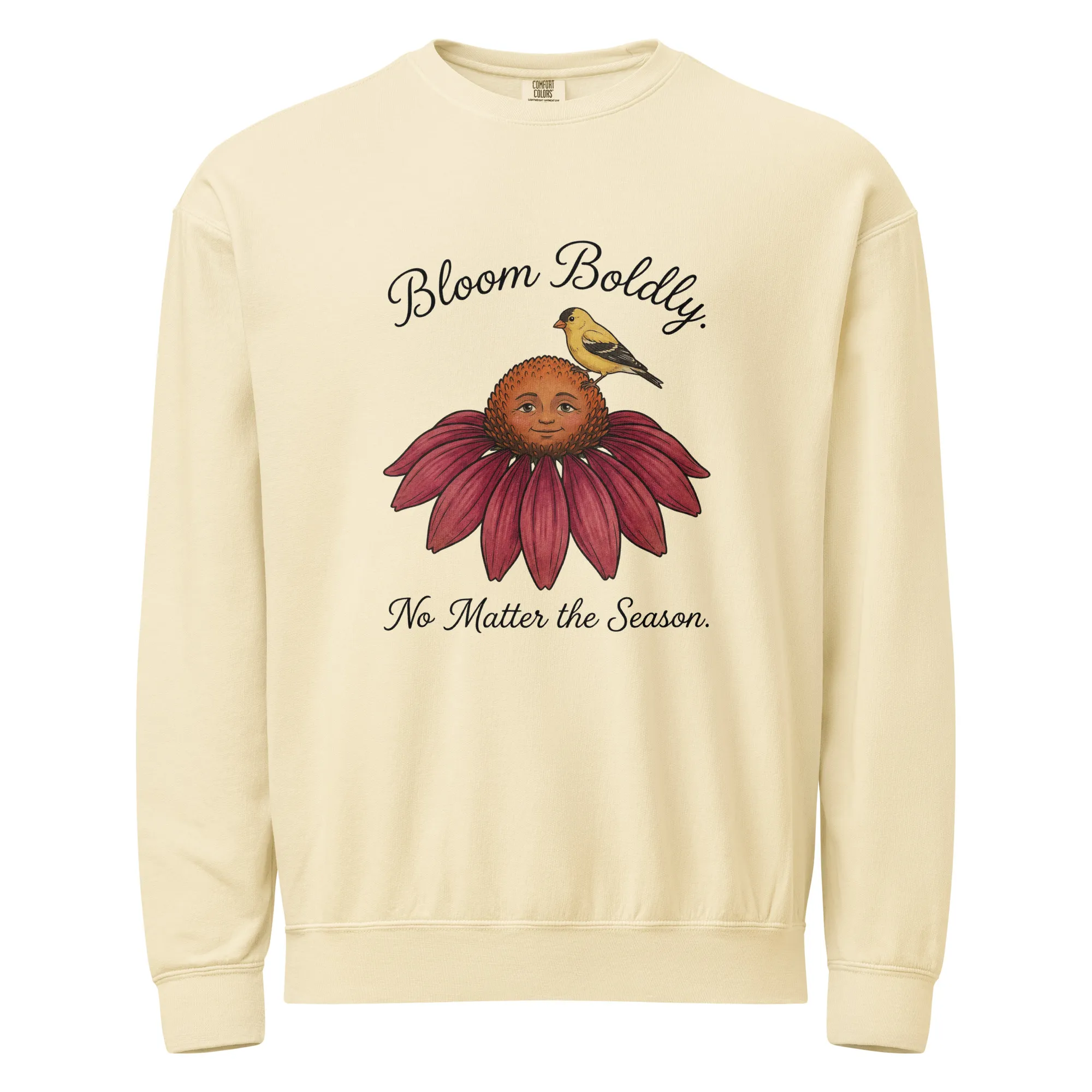
Bloom Boldly, No Matter the Season - Sweatshirt
Cozy organic cotton sweatshirt featuring our exclusive Purple Coneflower design. Perfect for gardeners who bloom year-round.
Inspired by the beautiful Rubykins Korean willow
Limited first batch (50) — join the waitlist for early access
Waitlist closes Feb 15, 2026.
Complete Plant Information
Field Guide Continues
Ready for care notes, companion picks, and planting tips?
The map is just the start. The full guide below covers growth habits, seasonal performance, and landscape uses.
Overview
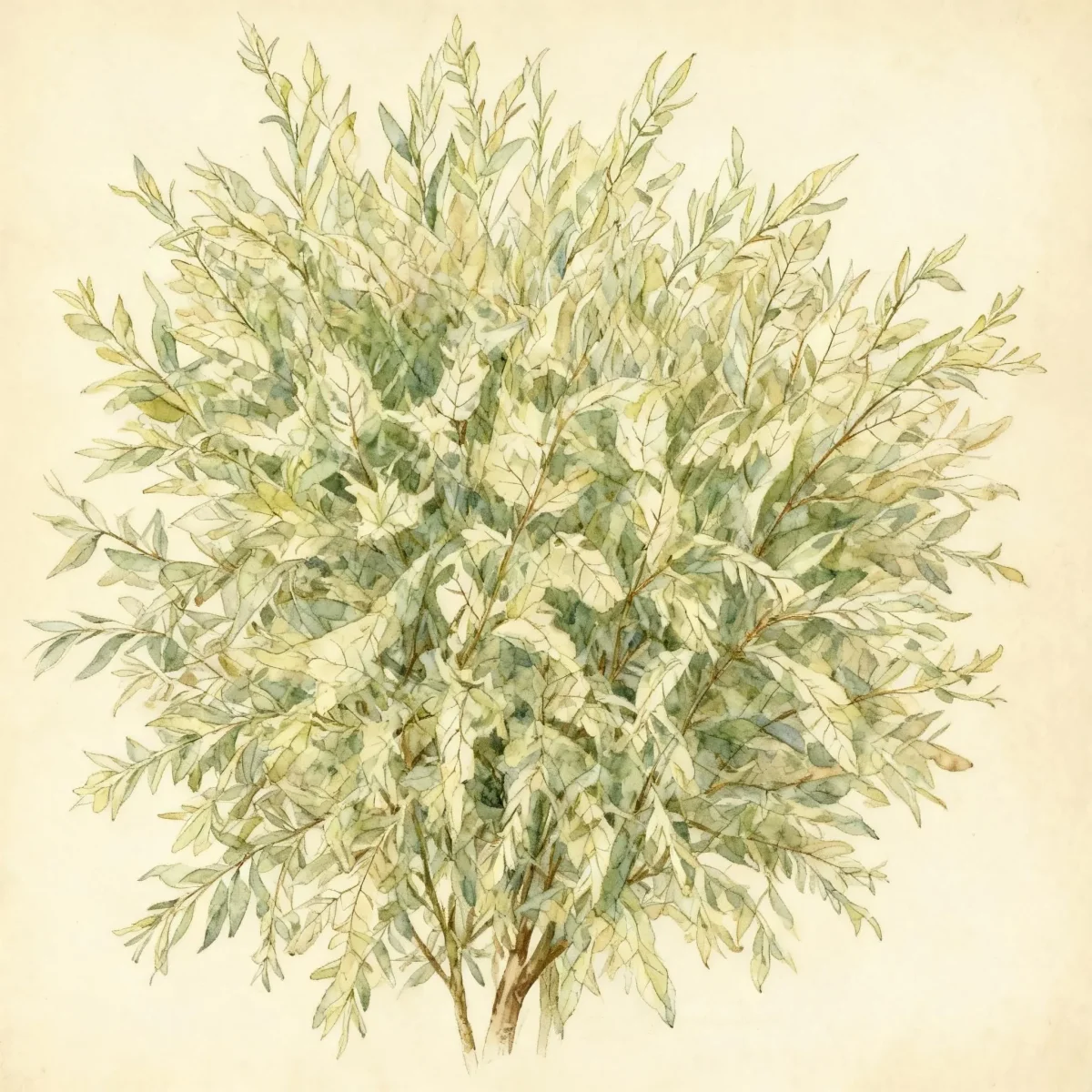
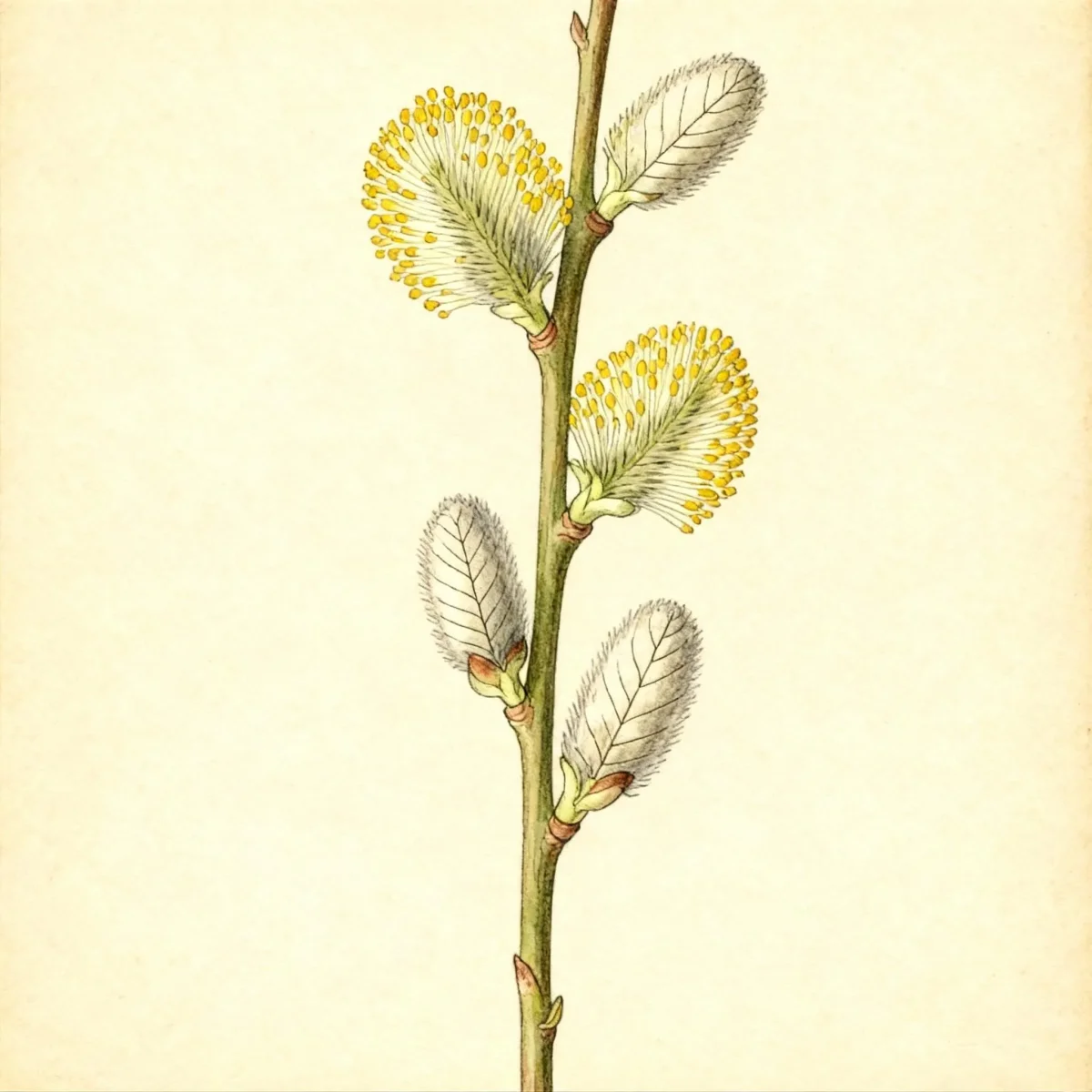
The Salix koriyanagi ‘Rubykins’, commonly known as the Rubykins Korean willow, is a highly valued, upright, and compact deciduous shrub perfect for adding early spring color to damp landscapes. Its most striking feature is the display of bright red catkins that emerge before the narrow, bluish-green leaves in early spring. This cultivar of Salix koriyanagi maintains visual interest well into winter thanks to its attractive yellow branches, contrasting beautifully against snow or darker evergreens.
Valued for its moderate size and manageable growth habit, the Rubykins Korean willow typically reaches 4 to 6 feet tall and wide, making it suitable for smaller gardens or mass plantings where space is a consideration. As a shrub that thrives in consistently moist conditions, it offers excellent functional value near water features or in the often-overlooked wet areas of a property.
Gardeners seeking dynamic year-round texture will appreciate the Salix koriyanagi ‘Rubykins’ for its seasonal transitions, providing early blooms, attractive summer foliage, and bright winter stem color. Its ability to handle tough, wet spots combined with its deer resistance makes the Rubykins Korean willow a practical, low-fuss choice for challenging sites.
Fast Facts
- Plant Family: Salicaceae
- Plant Type: Deciduous shrub
- Hardiness Zones: USDA Zones 5-7
- Size at Maturity:
- Height: 4-6 ft
- Spread: 4-6 ft
- Bloom Time: March to April
- Bloom Description: Red catkins
- Sun Exposure: Full sun to part shade
- Water Needs: Medium to wet
- Maintenance Level: Medium
How to Grow
Planting the Rubykins Korean willow is best done in the cool temperatures of early spring or fall, allowing it time to establish roots before facing summer heat. This shrub absolutely thrives in cool, consistently moist, well-drained soils. Ensure the site receives full sun to light shade; while it tolerates some shade, maximum bloom and stem color development occur with adequate sunlight exposure.
Regular watering is essential, especially during establishment, as this willow prefers medium to wet soil conditions. Consistent moisture mimics its native environment, contributing significantly to the overall health of the shrub. Fertilization is usually unnecessary if the soil structure is adequate, as willows generally thrive without heavy feeding.
Maintenance for Salix koriyanagi ‘Rubykins’ is straightforward but involves specific pruning to maintain its best form and encourage colorful new growth. Prune out older, less colorful stems right down to the base annually during the dormant season. This practice not only keeps the shrub compact but also promotes the regeneration of the bright yellow branches seen in winter.
Landscape Uses
The demanding water needs of the Rubykins Korean willow make it an ideal specimen for specialized landscape zones. It excels as a foundational plant in rain gardens, intercepting runoff and thriving where other woody plants might struggle due to saturation. Planting Salix koriyanagi ‘Rubykins’ in moist areas of the landscape provides reliable structure and seasonal interest.
Beyond functional water management, this shrub shines in mixed borders where its early red catkins can contrast with late-emerging perennials. Consider placing it where its contrasting winter stems—a clear benefit of the Salix koriyanagi ‘Rubykins’—are visible during the cold months, perhaps near pathways or entryways. Its tolerance for wet soil means it pairs well with moisture-loving plants like irises, astilbes, or other water-wise shrubs.
Standout Features
Flower Qualities
- Showy
- Good Cut
Noteworthy Characteristics
‘Rubykins’ is an upright, compact, slow-growing, deciduous, shrub willow cultivar that typically grows to 6’ tall and as wide over the first five years. Bright red catkins (to 1/2” long) appear in early spring, followed by narrow, linear, bluish-green leaves throughout the growing season. Notably, the yellow branches provide excellent color interest during the winter months.
Tolerances
- Deer
- Erosion
- Wet Soil
- Black Walnut
Potential Problems
Willows are generally susceptible to a number of disease problems including cankers, blights, galls, leaf spots, powdery mildew, and rust. Good air circulation, proper pruning to remove spent wood, and avoiding overhead watering can help mitigate fungal issues. The primary insect pests that affect this group generally include borers, caterpillars, and scale. Inspect stems regularly for signs of borers, and address any infestations promptly.
Frequently Asked Questions
What hardiness zones is Rubykins Korean willow suitable for?
The Salix koriyanagi ‘Rubykins’ is reliably hardy in USDA Zones 5 through 7.
How large does Salix koriyanagi ‘Rubykins’ grow?
This compact cultivar typically matures to a height and spread of 4 to 6 feet.
When does Rubykins Korean willow bloom?
The shrub displays its attractive red catkins in early spring, usually from March to April.
What sun exposure does Salix koriyanagi ‘Rubykins’ need?
Best performance, including vibrant stem color and good blooming, is achieved when the shrub receives full sun to part shade.
Conclusion
The Rubykins Korean willow offers exceptional multi-season appeal, highlighted by its vivid spring catkins, neat stature, and valuable stem color in winter. By ensuring consistent moisture—a core requirement for Salix koriyanagi ‘Rubykins’—gardeners can easily maintain this striking specimen. Check your site conditions and plan your winter pruning now to ensure a spectacular display next spring.
Companion Planting
When selecting companions for the Rubykins Korean willow, prioritize plants that share its requirement for medium to wet soils. Plants that perform well in rain gardens or near pond edges serve as excellent neighbors. Consider pairing the shrub with tall, moisture-loving perennials like Siberian Iris or various types of ornamental grasses that can handle wet feet for much of the growing season.
Seasonal Care Calendar
Spring care centers on pruning; remove the older, thicker, woodier stems at the base in very early spring just as the red catkins begin to emerge. Summer requires monitoring moisture levels, ensuring that the soil remains consistently moist, particularly during dry spells. In autumn, clean up any fallen leaves and plan which older branches you will remove during the upcoming dormant prune to maximize yellow stem color for winter viewing.