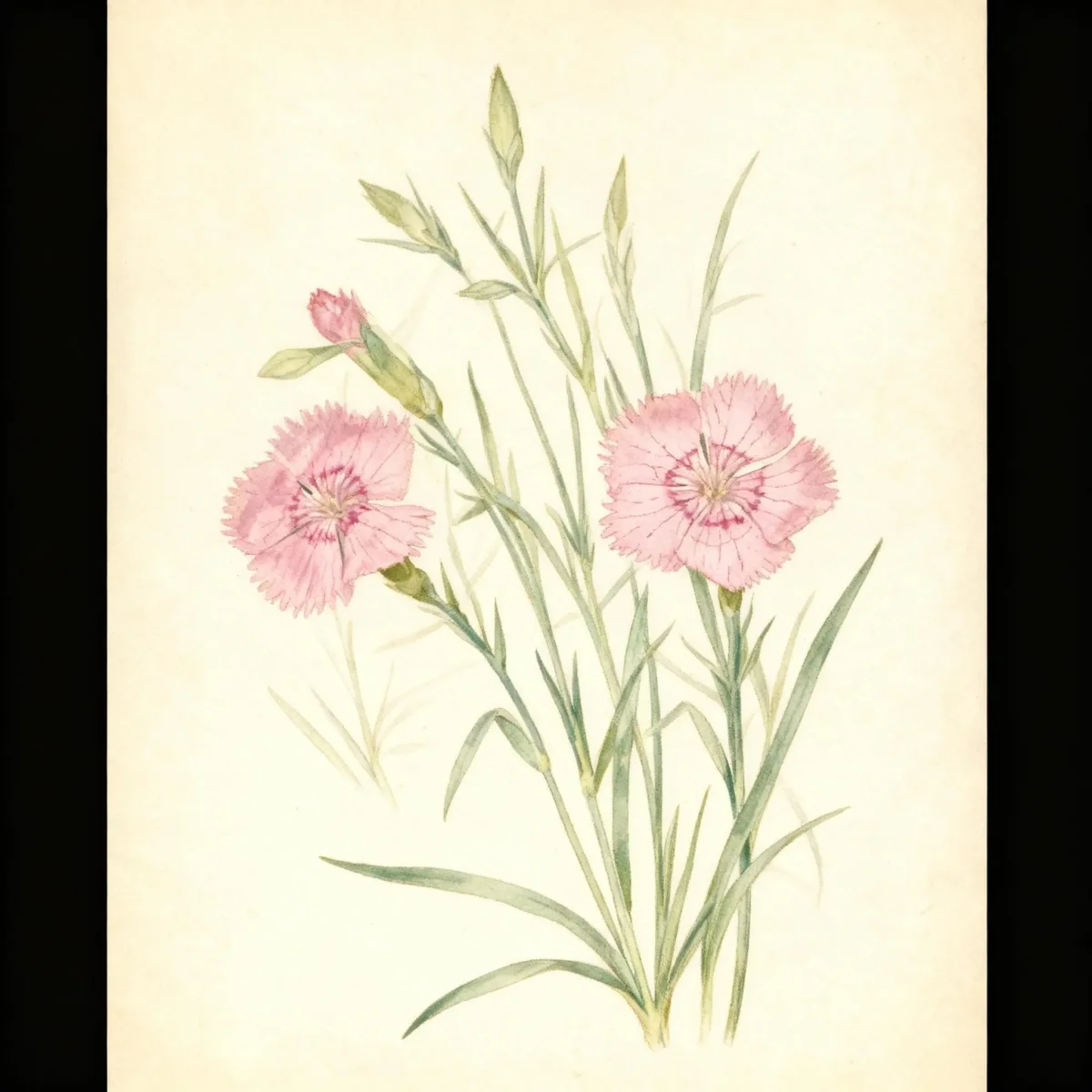
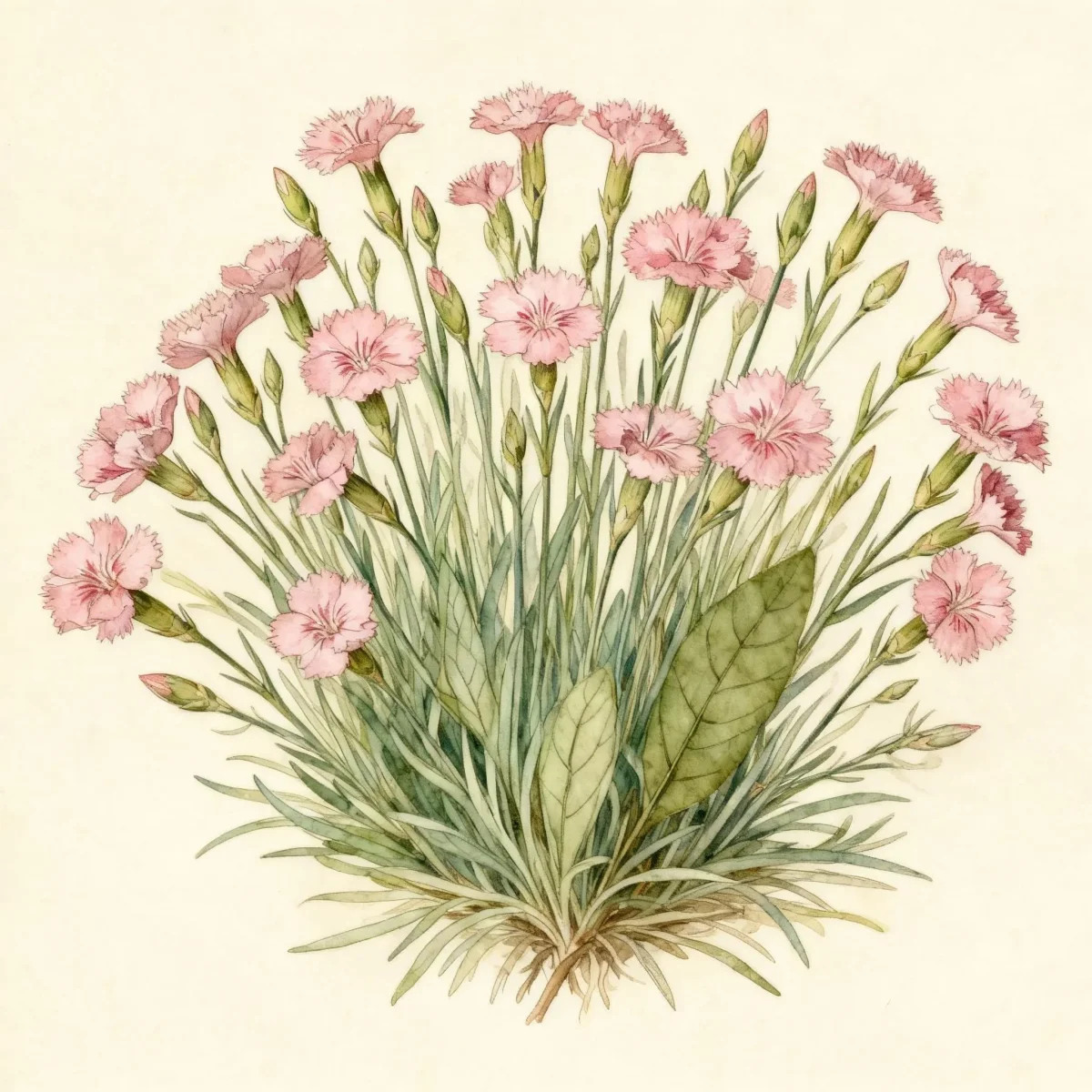
Asparagus (Asparagus officinalis 'Mary Washington')
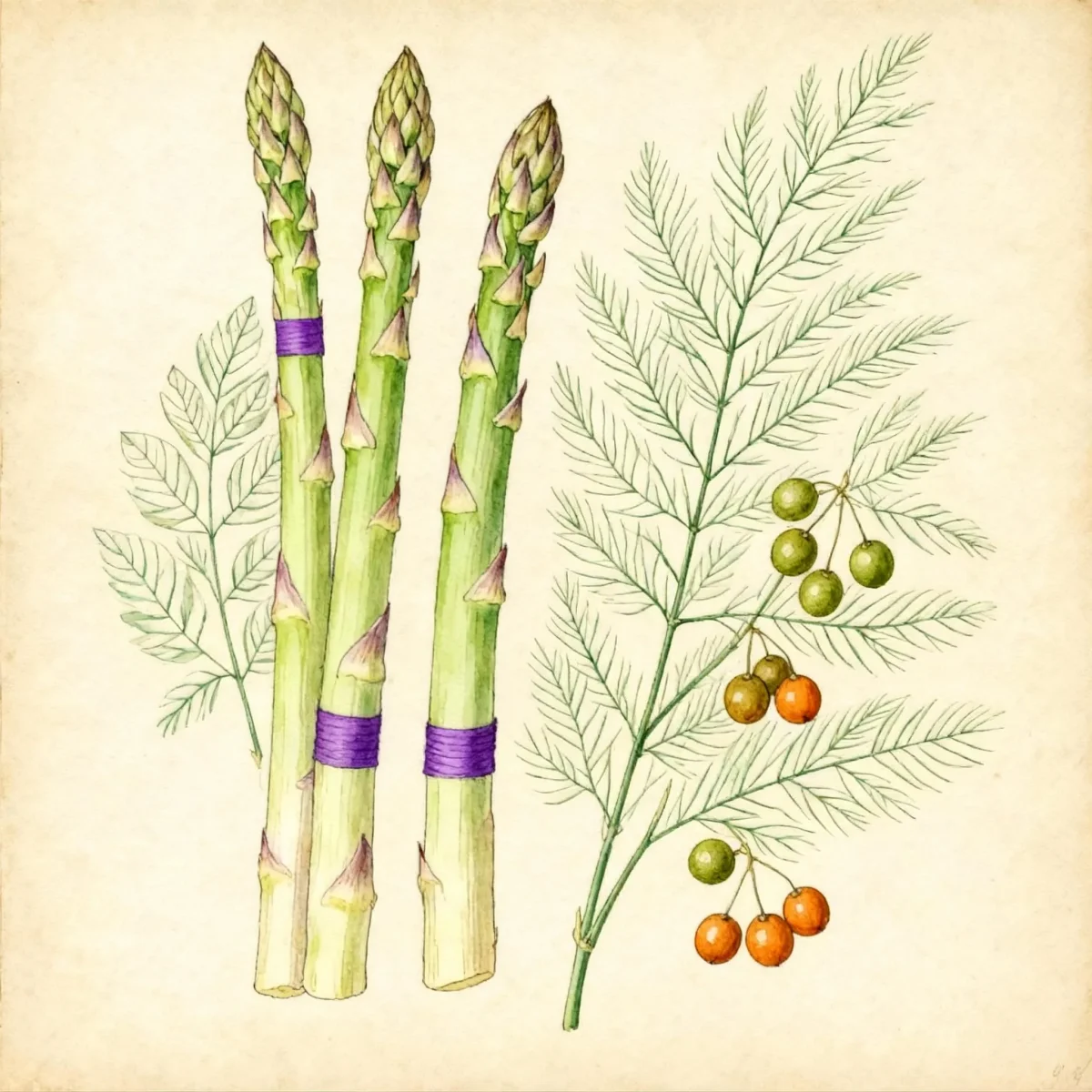
Asparagus officinalis 'Mary Washington' is an heirloom herbaceous perennial prized for its excellent, edible spears. Easy to grow in full sun.

Bloom Boldly, No Matter the Season - Sweatshirt
Cozy organic cotton sweatshirt featuring our exclusive Purple Coneflower design. Perfect for gardeners who bloom year-round.
Inspired by the beautiful Asparagus
Limited first batch (50) — join the waitlist for early access
Waitlist closes Feb 15, 2026.
Complete Plant Information
Field Guide Continues
Ready for care notes, companion picks, and planting tips?
The map is just the start. The full guide below covers growth habits, seasonal performance, and landscape uses.
Overview
Asparagus officinalis ‘Mary Washington’ is the classic heirloom choice for gardeners seeking reliable, delicious spears. This herbaceous perennial establishes a deep root system, rewarding patient growers with harvests year after year once established. Its versatility allows it to thrive within the dedicated vegetable patch where regular maintenance ensures optimal production.
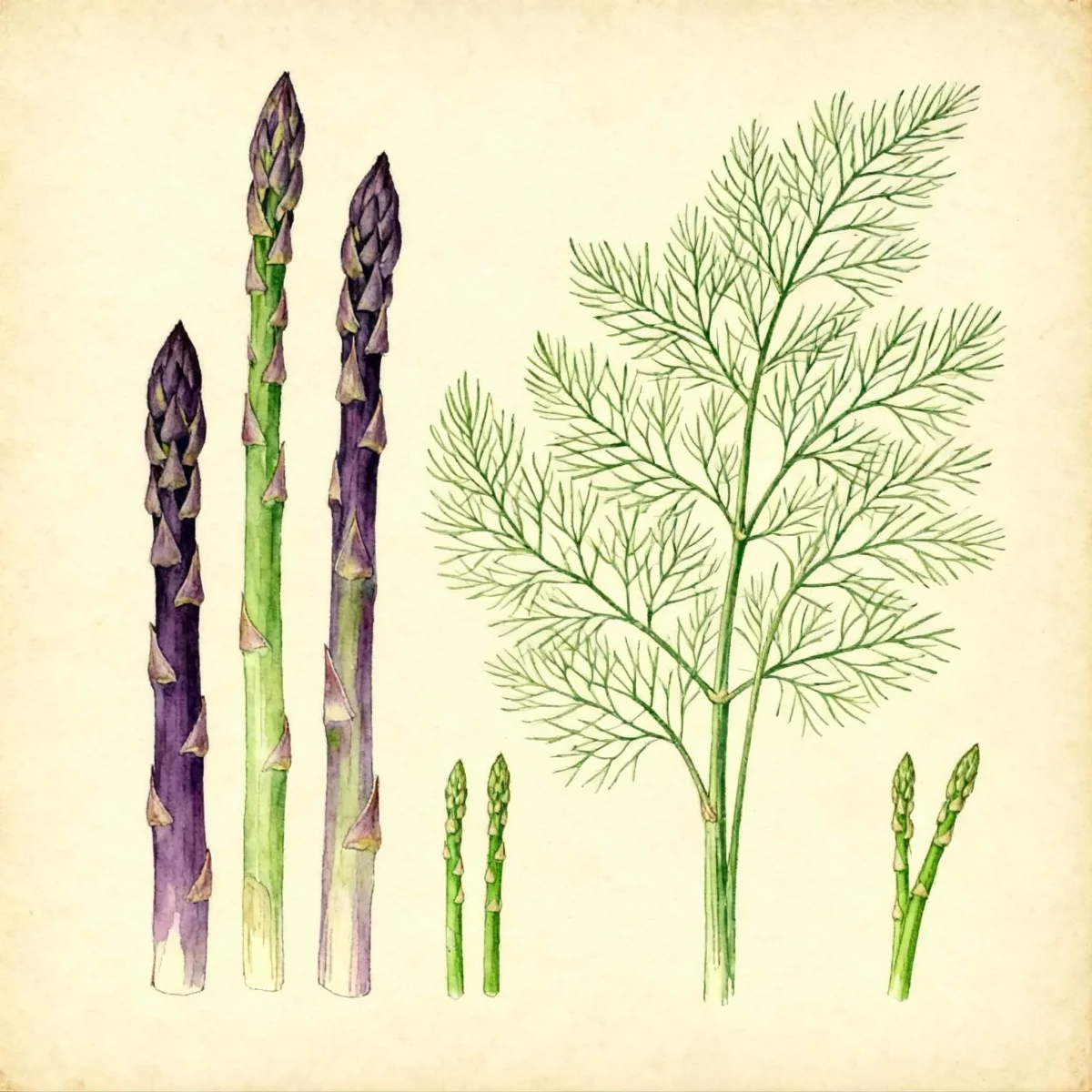
Beyond the harvest, the plant transforms into tall, airy ferns throughout the summer months, providing excellent textural contrast in the garden landscape. While you are waiting for the spears, the foliage offers a soft, fine-textured backdrop. Growing Asparagus requires an initial investment of time, as the first few harvests are often limited.
This cultivar, Asparagus officinalis ‘Mary Washington’, is known for producing large, desirable green stalks, making it a highly valued addition to any edible garden. Its low maintenance needs once settled mean gardeners can focus more on harvesting than intensive care through the growing season.
Fast Facts
- Plant Family: Asparagaceae
- Plant Type: Herbaceous perennial
- Hardiness Zones: USDA Zones 3-10
- Size at Maturity:
- Height: 3-4 ft
- Spread: 1.5-2 ft
- Bloom Time: Flowers not showy
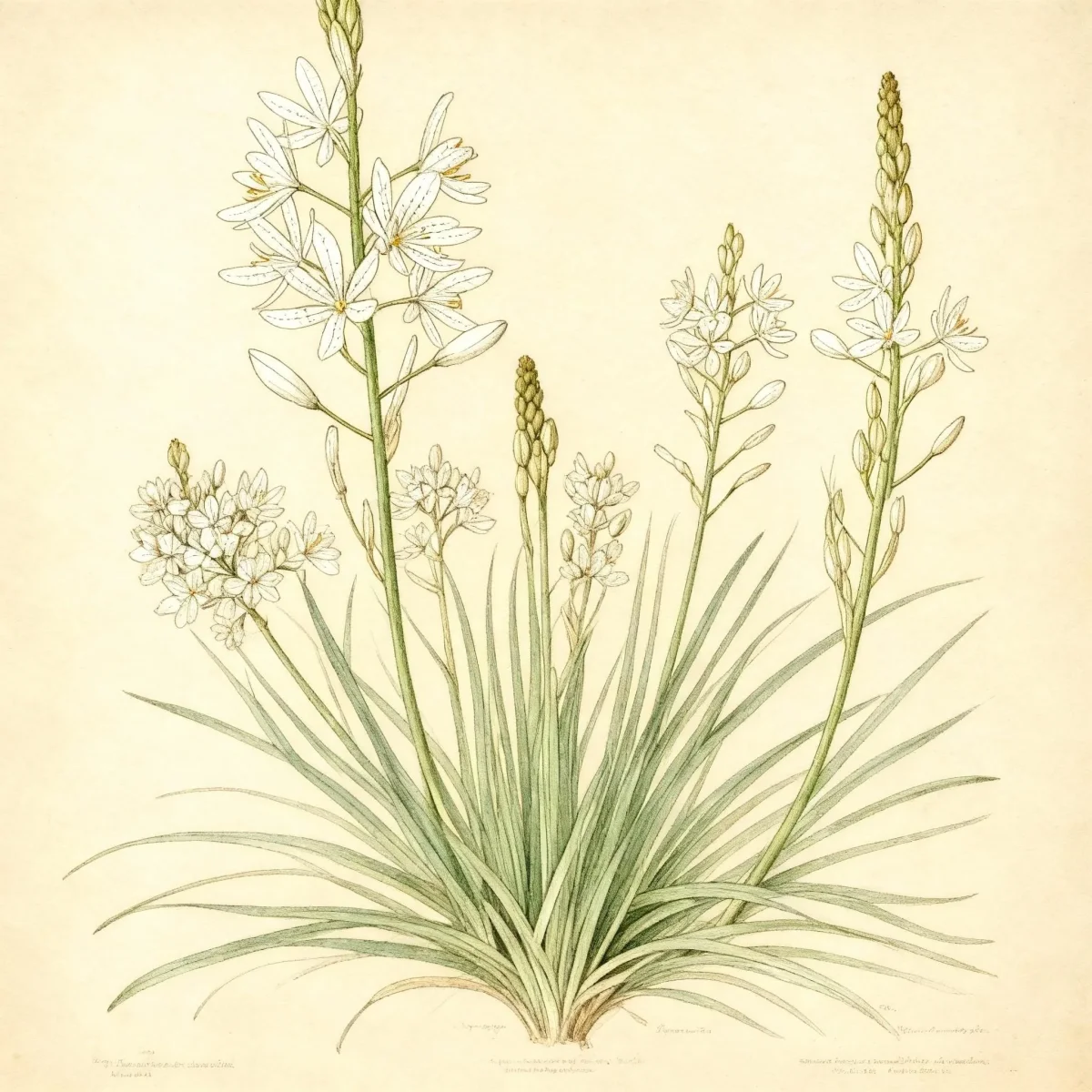
- Bloom Description: White to yellowish green
- Sun Exposure: Full sun
- Water Needs: Medium
- Maintenance Level: Low
How to Grow
Establishment requires preparing an ideal site, favoring full sun exposure. Asparagus thrives in average, well-drained soil that is amended to be organically rich. Critically, the soil should maintain medium moisture levels consistently throughout the growing season. Most gardeners plant roots, known as crowns, in early spring.
Regardless of whether you plant from crowns or seed, patience is essential; crowns take 2-3 years to produce a reliable crop, while seeds require about one year longer. Once planted, the most important cultural task is diligently keeping the asparagus bed completely free of weeds, especially during the initial establishment period.
Watering should be consistent to maintain that medium moisture; avoid letting the bed dry out completely, particularly when the ferns are actively growing. As perennial vegetables, routine clean-up involves cutting back the dead, frosted fern foliage in late autumn or early spring before new spears emerge.
Landscape Uses
The primary purpose of Asparagus officinalis ‘Mary Washington’ is culinary, making the vegetable garden its ideal home. These plants form dense, attractive stands, and the delicate summer foliage can soften the edges of pathways or serve as a tall, informal screening element within the vegetable plot.
While mainly a vegetable, the mature fern-like foliage boasts aesthetic value usable in floral design. Gardeners often interplant taller, sturdy vegetables nearby or use low-growing herbs along the edges of established asparagus beds to manage any stray weeds.
Standout Features
Flower Qualities
- Insignificant
Noteworthy Characteristics
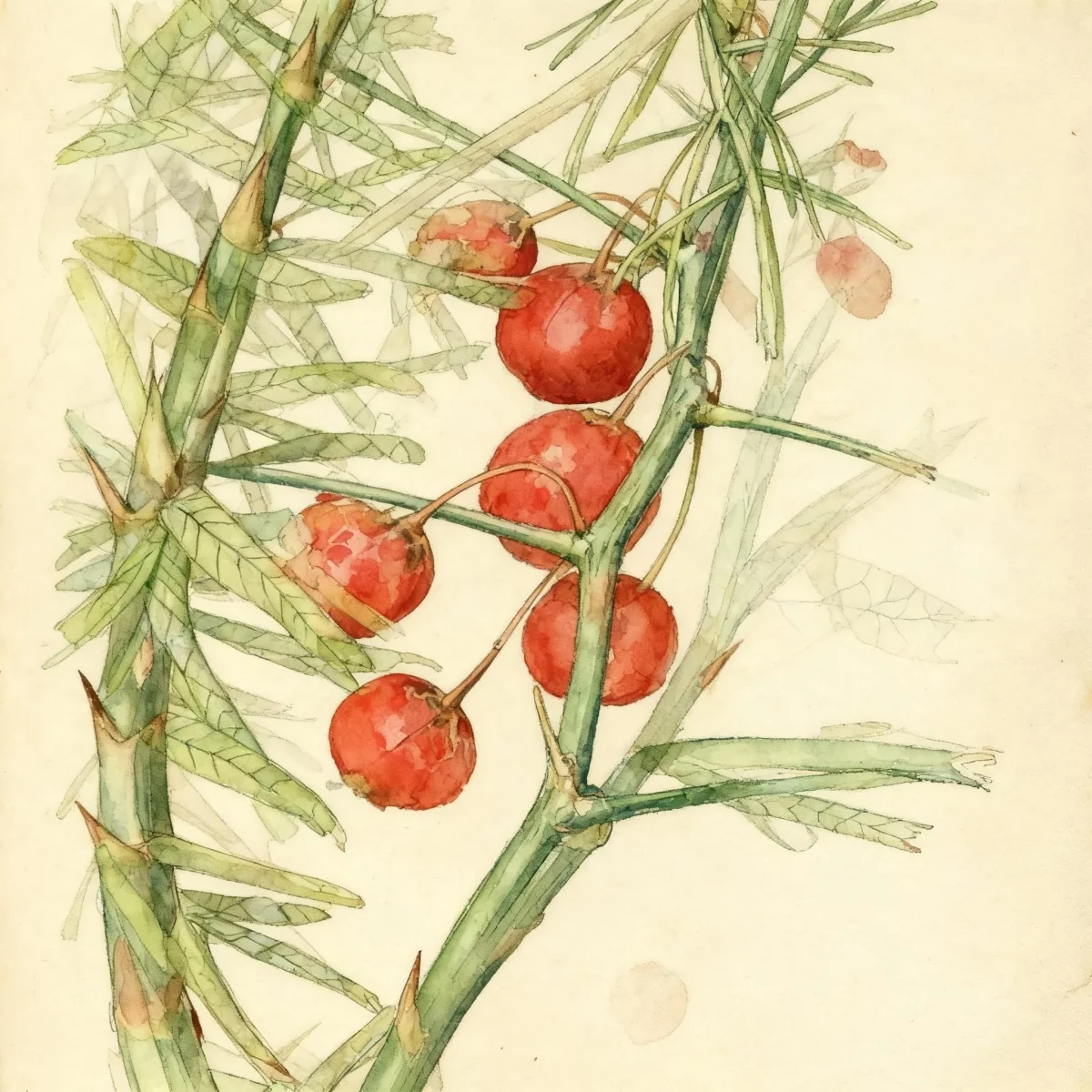
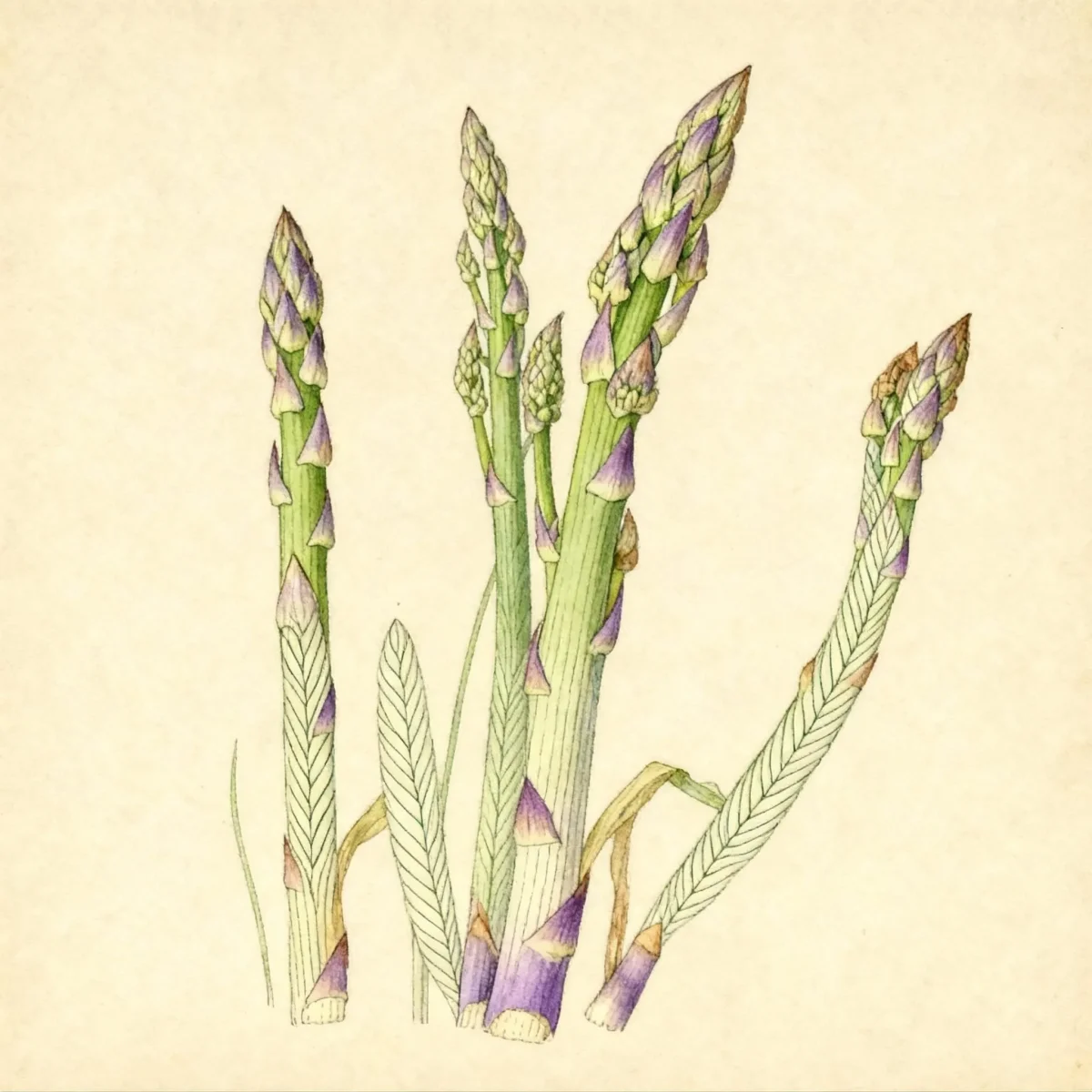
Asparagus is a perennial vegetable that produces edible shoots or spears which may be harvested in April-May. Plants are male or female; males typically produce better crop yields as they do not expend energy producing fruit. Plants eventually die back after frost, remaining dormant in winter, while female plants produce red berries that cause self-seeding concerns. ‘Mary Washington’ is an heirloom selection noted for yielding large, green stalks earlier than many other asparagus cultivars.
Tolerances
- Rabbit
Potential Problems
Pest pressure on established Asparagus fields is often minimal, meaning heavy pesticide use is rarely necessary. However, gardeners should remain vigilant for the emergence of asparagus beetles and Japanese beetles in some regions of the U.S. The most significant fungal threat is asparagus rust (Puccinia asparagi), which requires good air circulation and proper watering to manage. Rabbits, fortunately, tend to avoid feeding on the foliage of this specific plant.
Frequently Asked Questions
What hardiness zones is Asparagus suitable for?
Asparagus officinalis ‘Mary Washington’ is famously adaptable, thriving across a wide range from USDA Zones 3 through 10.
How large does Asparagus grow?
Mature plants typically reach a height between 3 to 4 feet tall, with a spread of 1.5 to 2 feet wide.
What sun exposure does Asparagus officinalis ‘Mary Washington’ need?
This perennial vegetable absolutely requires full sun to produce the best, most vigorous growth and optimum spear production.
When does Asparagus bloom?
The flowers of this asparagus variety are not showy, appearing instead as small, white to yellowish green blooms.
Conclusion
Asparagus officinalis ‘Mary Washington’ remains a rewarding, low-maintenance garden staple that offers years of delicious early spring harvests following the initial establishment period. Its transformation into airy summer fern provides subtle but welcome texture, blending function and form. Before planting, verify that your USDA hardiness zone falls between 3 and 10 so you can enjoy this classic heirloom Asparagus for decades to come.
Companion Planting
Selecting good companions for Asparagus helps maximize small garden space and maintain soil health. Because asparagus develops a deep, permanent root system, it pairs well with shallow-rooted, quick-growing annual vegetables planted near the base before the ferns fully shade the area. Excellent partners include annual herbs like basil or parsley, which do not compete aggressively for the deeper nutrients and water utilized by the asparagus crowns.
The bushy growth habit of maturing potatoes or early bush beans can also provide visual blocking for the asparagus base, though care must be taken during weeding so as not to disturb the permanent asparagus roots. Avoid planting members of the nightshade family (tomatoes, peppers) too close, as they can have different soil acidity preferences over the long term.
Seasonal Care Calendar
Spring preparation is crucial; plant crowns or seeds early in the season, ensuring the bed is weed-free before spears start emerging. Focus immediate post-harvest care on promoting fern growth, as this builds the energy reserves needed for the following year’s crop. Summer watering should be consistent to support the tall, feathery ferns.
As autumn approaches and frosts begin, allow the fern foliage to grow until it naturally yellows and dies back following the first hard freeze—this process is vital for dormancy. In very early spring, before any new spears appear, carefully remove all the dead brown material to improve air circulation and inspect the bed for new shoots.