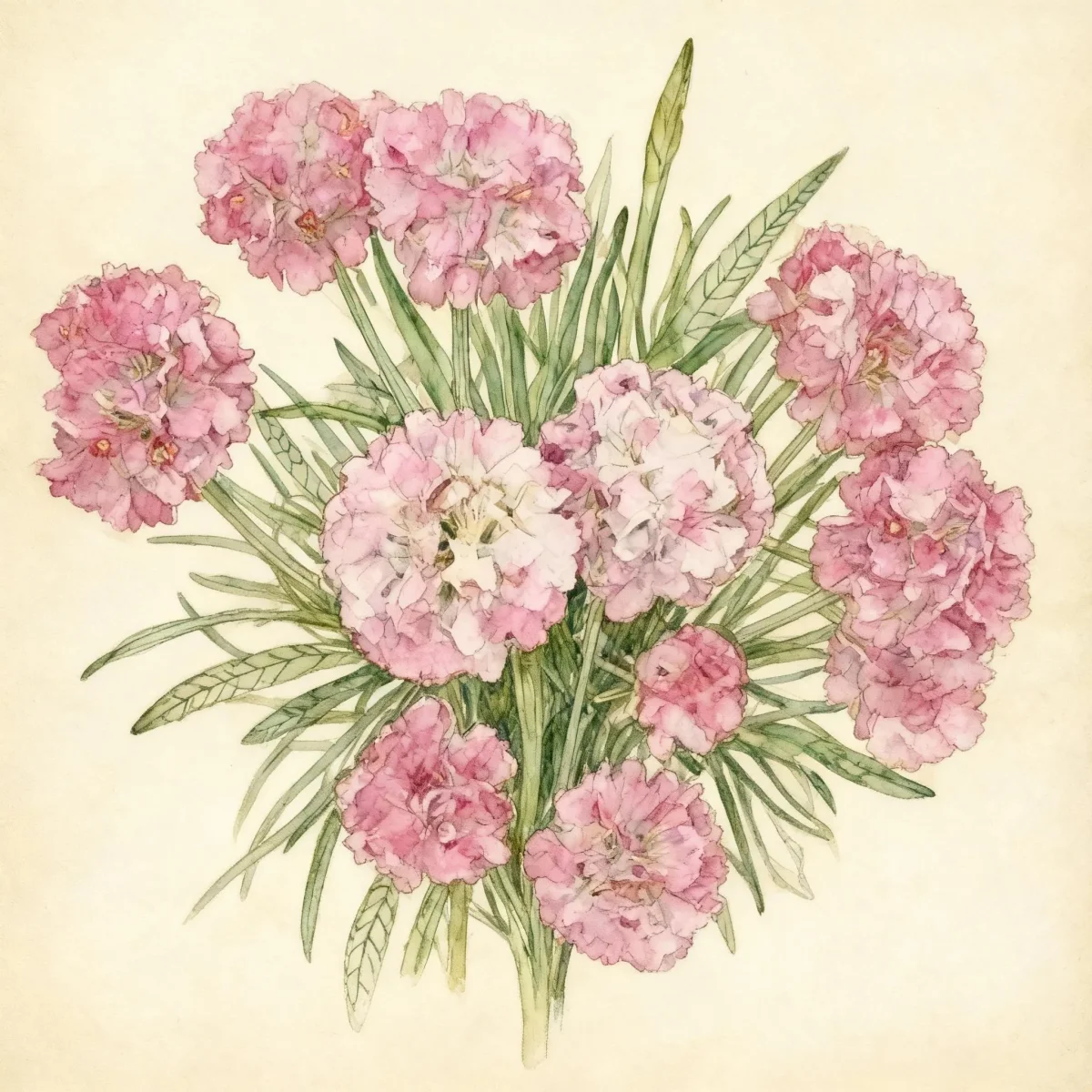
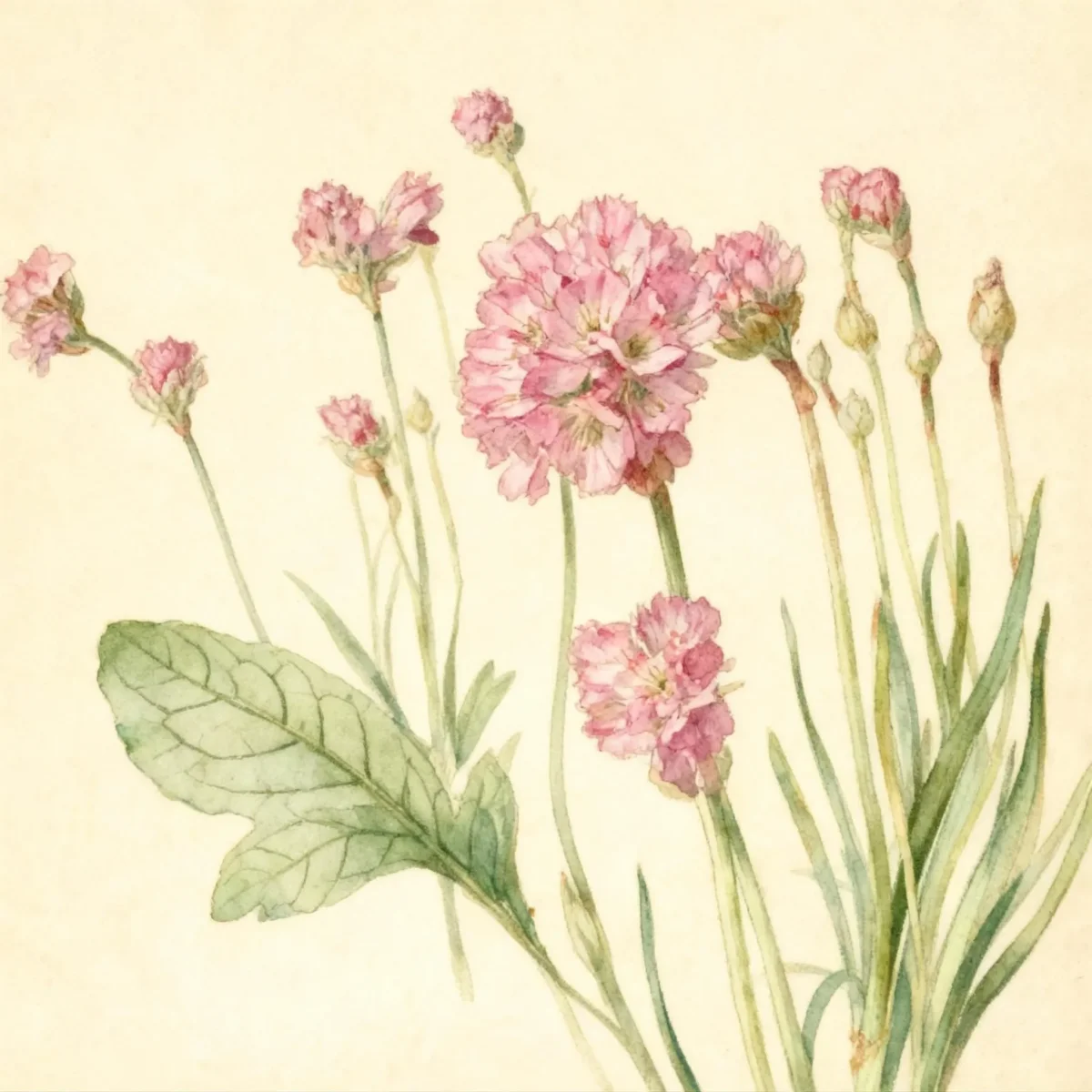
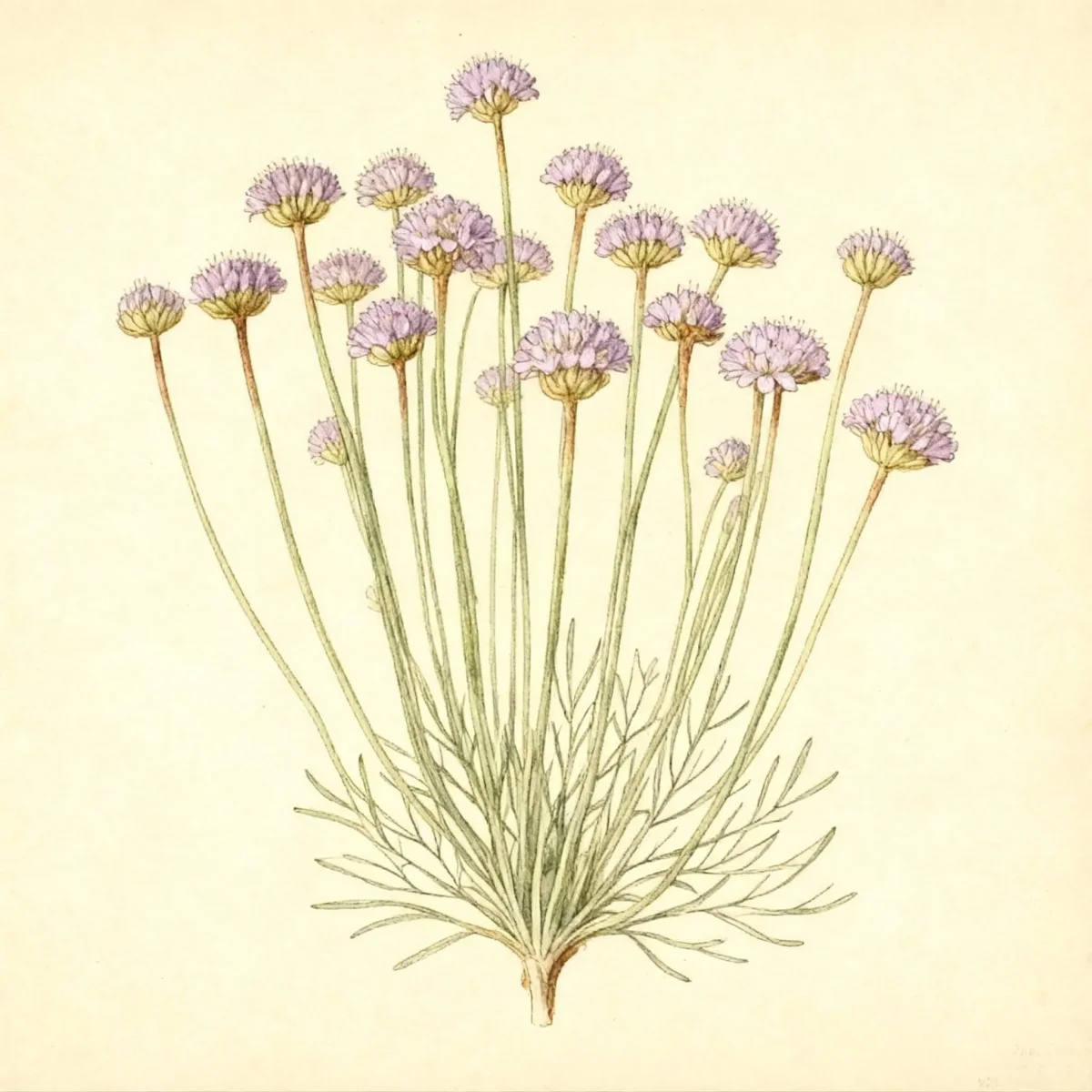
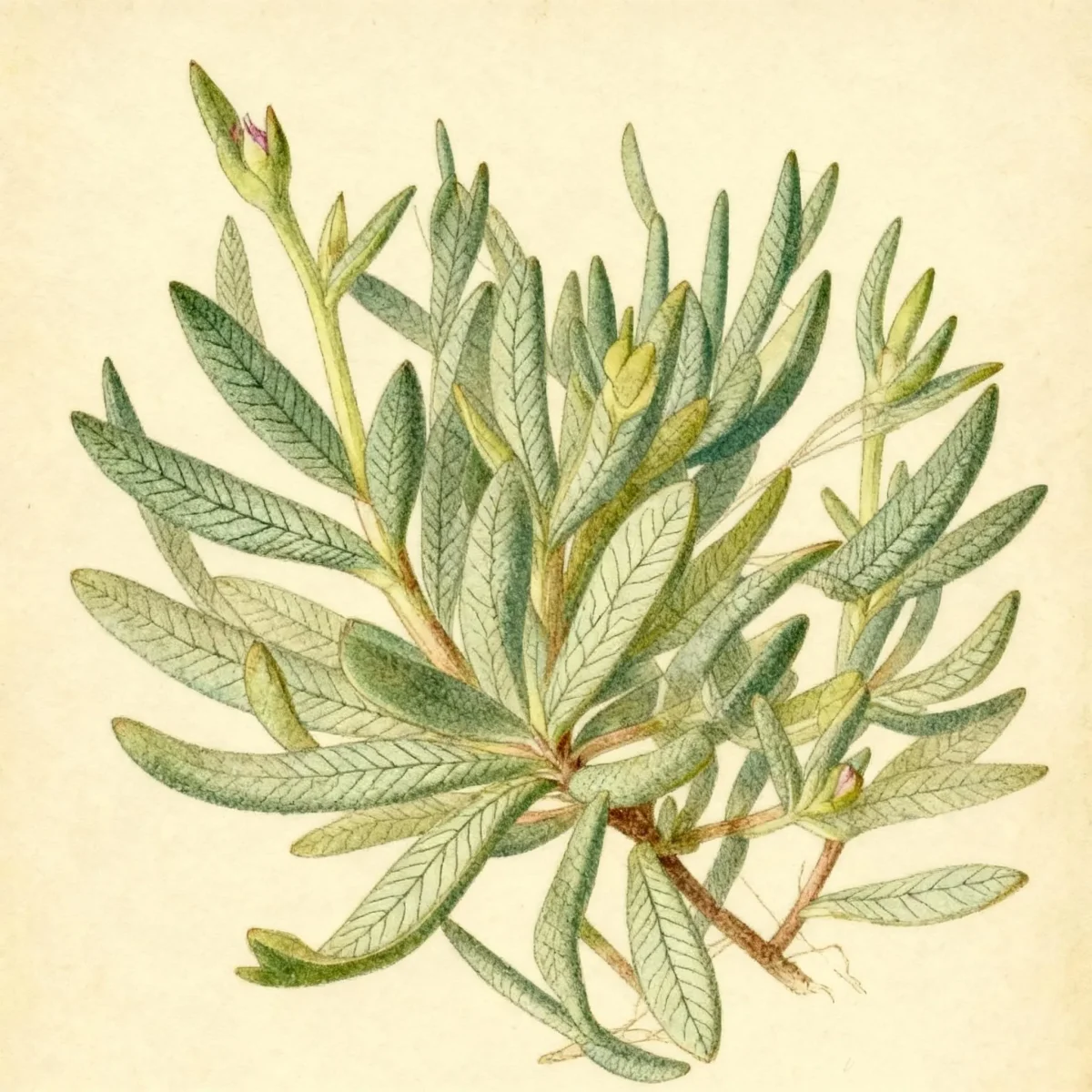
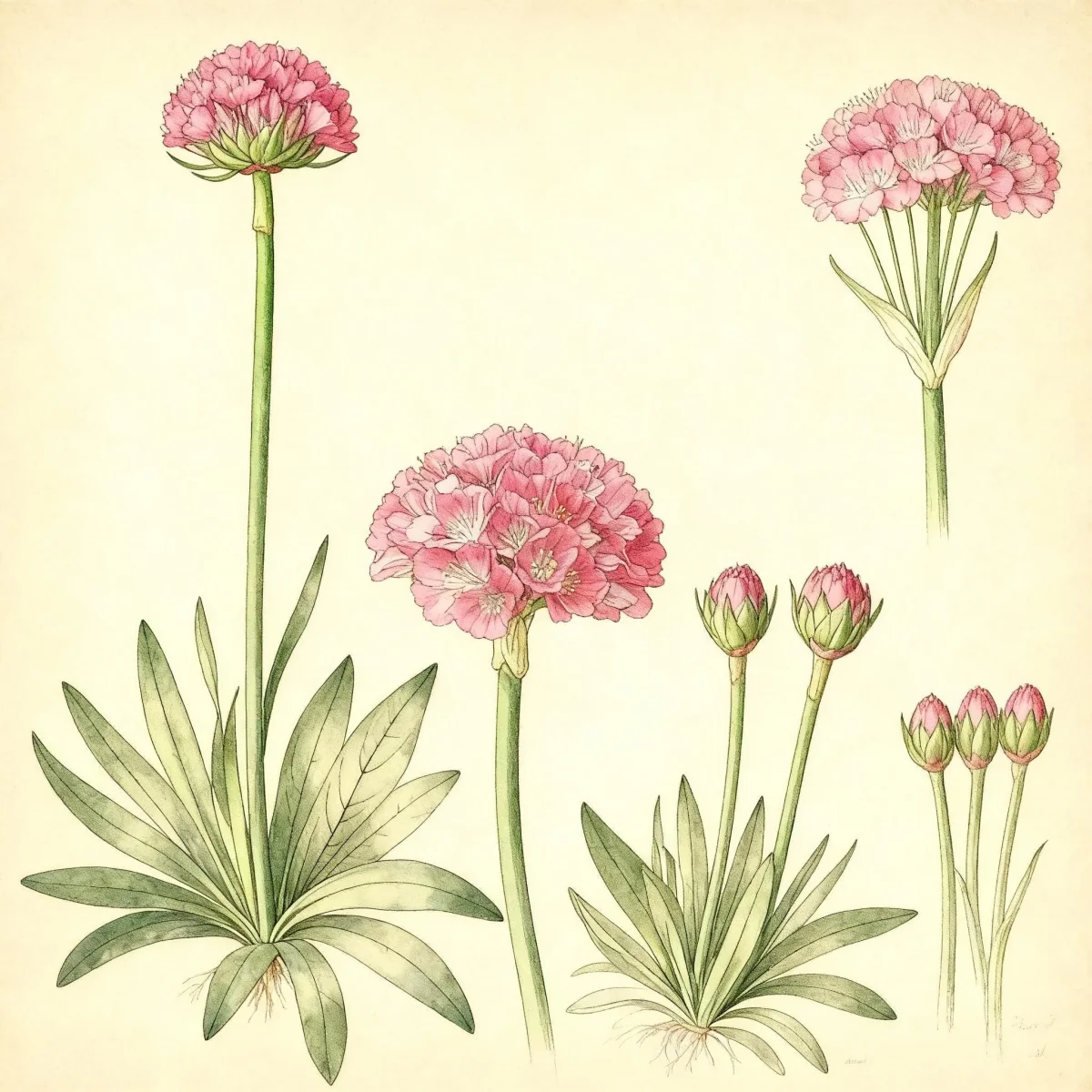
Thrift (Armeria pseudarmeria 'Dream Weaver')
Armeria pseudarmeria 'Dream Weaver' (Thrift) thrives in full sun and dry, rocky soil, offering continuous pink blooms from spring through fall.

Bloom Boldly, No Matter the Season - Sweatshirt
Cozy organic cotton sweatshirt featuring our exclusive Purple Coneflower design. Perfect for gardeners who bloom year-round.
Inspired by the beautiful Thrift
Limited first batch (50) — join the waitlist for early access
Waitlist closes Feb 15, 2026.
Complete Plant Information
Field Guide Continues
Ready for care notes, companion picks, and planting tips?
The map is just the start. The full guide below covers growth habits, seasonal performance, and landscape uses.
Overview
Armeria pseudarmeria ‘Dream Weaver’ is a beloved choice for gardeners seeking durable, low-maintenance texture and color, especially in challenging, dry spots. This compact selection of Thrift distinguishes itself with dense mounds of fine foliage topped by vibrant, deep pink, globe-shaped flower clusters. Unlike many perennials, this variety excels where others struggle, tolerating heat, salt spray, and poor, rocky substrates.
This herbaceous perennial forms neat clumps that provide year-round structure before exploding in bloom from spring well into autumn. The flowering stems of this Thrift rise above the basal foliage, creating a unique, airy effect perfect for softening hardscaping elements. Its robust nature makes Armeria pseudarmeria ‘Dream Weaver’ a standout performer in coastal or xeriscape designs.
For optimal health and maximum bloom time, prioritize excellent drainage; moisture around the crown is the primary enemy of this sun-loving plant. When properly situated, maintenance is minimal, allowing gardeners to enjoy the sustained beauty of Thrift without constant attention.
Fast Facts
- Plant Family: Plumbaginaceae
- Plant Type: Herbaceous perennial
- Hardiness Zones: USDA Zones 6-9
- Size at Maturity:
- Height: 0.75-1 ft
- Spread: 0.75-1 ft
- Bloom Time: April to September
- Bloom Description: Pink
- Sun Exposure: Full sun
- Water Needs: Dry
- Maintenance Level: Medium
How to Grow
Plant Armeria pseudarmeria ‘Dream Weaver’ in the spring or fall once the danger of hard frost has passed, ensuring it receives full, uninterrupted sun exposure throughout the day. The most critical factor for success is soil quality; this plant demands very well-draining conditions. Incorporate ample grit or coarse sand into heavy soils, as foliage mounds readily rot in moist, fertile areas or heavy clay.
Water sparingly once established. Armeria pseudarmeria, commonly known as Thrift, is highly drought-tolerant and prefers dry ground. Avoid overhead watering if possible, keeping moisture away from the crown of the plant to prevent rot. Fertilizing is generally unnecessary; rich soil tends to encourage excessive weak foliage growth at the expense of blooms.
Deadheading spent flower stalks immediately will encourage repeat blooming throughout the season, extending the period you enjoy the pink clusters. While the species often performs best in Zones 7-9, the ‘Dream Weaver’ cultivar is noted for offering improved cold tolerance, making it reliably hardy down to Zone 6. Minimal cleanup is required in early spring beyond removing any winter-damaged foliage.
Landscape Uses
The compact, evergreen mounds of Armeria pseudarmeria ‘Dream Weaver’ make it exceptionally versatile for Mediterranean gardens and structural planting schemes. It is perfectly suited for defining the edges of mixed borders, providing year-round greenery punctuated by reliable pink flowers. Because it tolerates salt spray and dry, shallower soils, it is outstanding in patriotic seaside gardens.
Use this Thrift variety generously in rock gardens or alpine settings where sharp drainage mimics its native habitat on coastal slopes. The grassy foliage complements spikier plants like ornamental grasses or the fine texture of creeping thyme. Plantings in cottage gardens benefit from its tidy habit, contrasting beautifully with larger, more sprawling perennials near the front of the border.
Consider using Armeria pseudarmeria ‘Dream Weaver’ in drifts along pathways or gravel xeriscapes. Its small stature also allows it to star in decorative containers, provided the potting mix includes significant drainage material, ensuring its roots don’t sit in standing water.
Standout Features
Flower Qualities
- Showy
Noteworthy Characteristics
Armeria pseudarmeria, commonly called thrift, is a herbaceous, perennial, clump-forming, sub-shrub endemic to rocky, coastal slopes, seaside cliffs, and salt marshes in west-central Portugal. ‘Dream Weaver’ is a compact selection of thrift that features deep pink flowers. The flowers are held in 1” wide globular clusters on strong, upright, 6-inch long scapes, with the main bloom period occurring in spring with reblooming throughout the growing season. Genus name is Latinized from the old French name armoires for a cluster-headed dianthus.
Tolerances
- Dry Soil
- Shallow-Rocky Soil
Potential Problems
The primary maintenance concern for Armeria pseudarmeria ‘Dream Weaver’ revolves around moisture management rather than pests or diseases. Foliage mounds will tend to rot in the center if the plant is subjected to consistently moist soil conditions or heavy clay structures that retain water. To prevent this fatality, ensure soil drainage is excellent before planting.
Avoid planting Thrift in sheltered, poorly ventilated areas that might hold humidity around the base of the plant. If rot begins to set in, promptly remove the affected foliage and improve the soil composition around the clumps with grit or sharp sand to increase aeration and drainage immediately.
Frequently Asked Questions
What hardiness zones is Thrift suitable for?
Armeria pseudarmeria ‘Dream Weaver’ is reliably hardy in USDA Zones 6 through 9, offering slightly better cold tolerance than the general species.
How large does Thrift grow?
This compact selection generally reaches a mature height between 0.75 and 1 foot, with an equivalent spread, forming tight mounds of foliage.
What sun exposure does Armeria pseudarmeria ‘Dream Weaver’ need?
This plant requires full sun exposure to thrive and produce its best display of pink flowers from April to September.
When does Thrift bloom?
The main bloom time for Armeria pseudarmeria ‘Dream Weaver’ is from April through September, with frequent deadheading encouraging continuous flowering.
Conclusion
Armeria pseudarmeria ‘Dream Weaver’ provides exceptional value through its tolerance of harsh, dry conditions and its season-long display of cheerful pink flowers. This durable Thrift proves that beauty doesn’t require constant pampering, provided its need for sharp drainage and full sun is met. Before planting, verify that your garden site is dry and exposed, and enjoy this excellent, low-water perennial selection.
Companion Planting
Successful planting companions for Armeria pseudarmeria ‘Dream Weaver’ should share its love for sharp drainage and full sun exposure. Consider pairing it with other drought-tolerant rock garden inhabitants like Thyme (Thymus species), hardy Sedums, or low-growing Campanulas. These plants create a tapestry of textures without competing aggressively for scarce moisture.
Avoid placing this fine-textured Thrift near water-loving plants such as Hostas or Astilbes, as the vastly differing water needs will result in the Thrift struggling or dying from overwatering. Grouping it with drought-tolerant ornamental grasses, Santolina, or Lavender will enhance its Mediterranean garden appeal.
Design Ideas
The low, mounding form and bright pink accents of Armeria pseudarmeria ‘Dream Weaver’ are ideal for creating dynamic lines along pathways or patios where a neat physical edge is desired. Use it as an annual filler in spring containers alongside bulbs, knowing it will happily transition to a permanent spot in the rockery later.
In xeriscaping projects, design drifts of this Thrift to create a sea of pink above a gravel mulch, emphasizing its drought tolerance. Its ability to handle salt spray means it pairs wonderfully with coastal evergreens or hardy Yuccas in exposed, sunny locations.