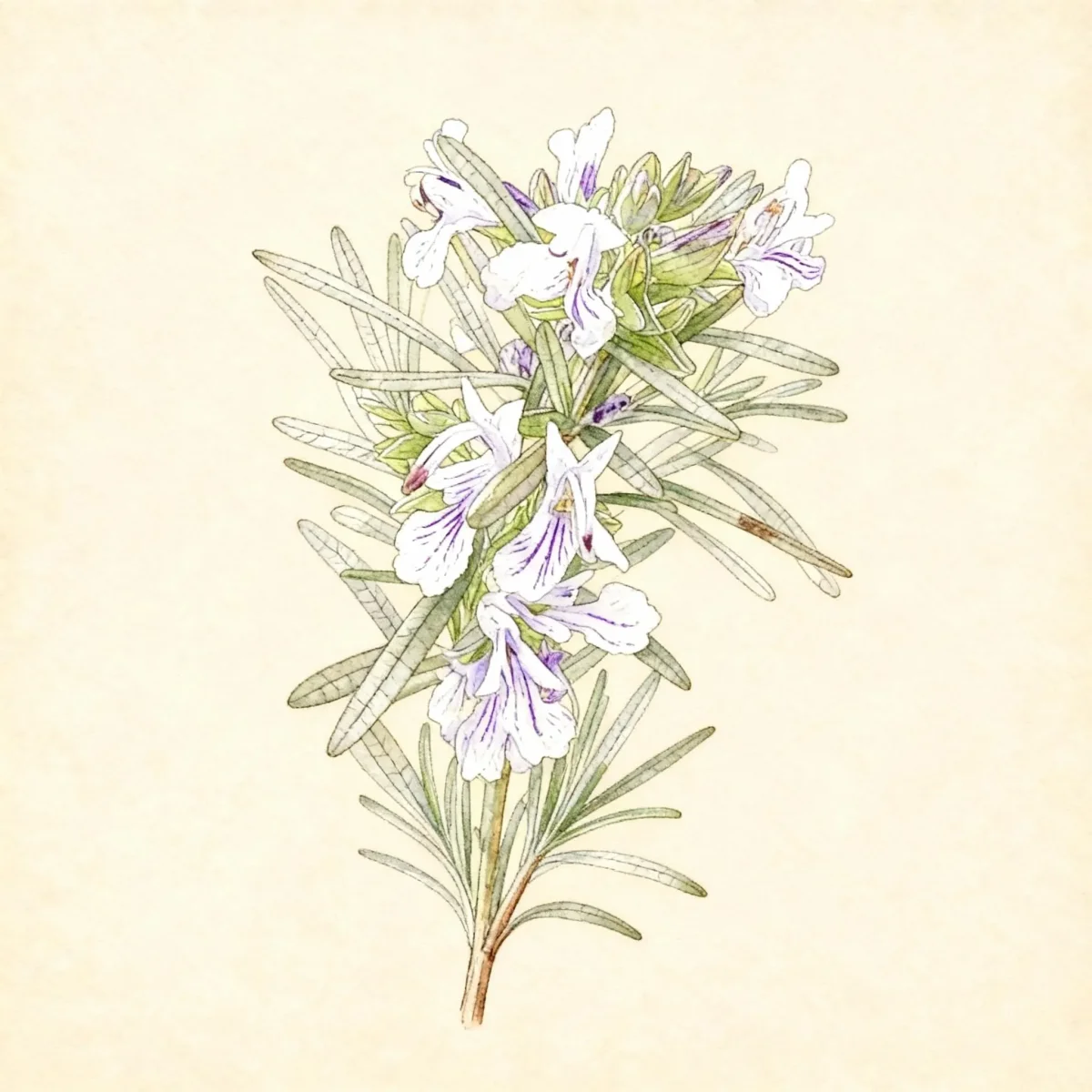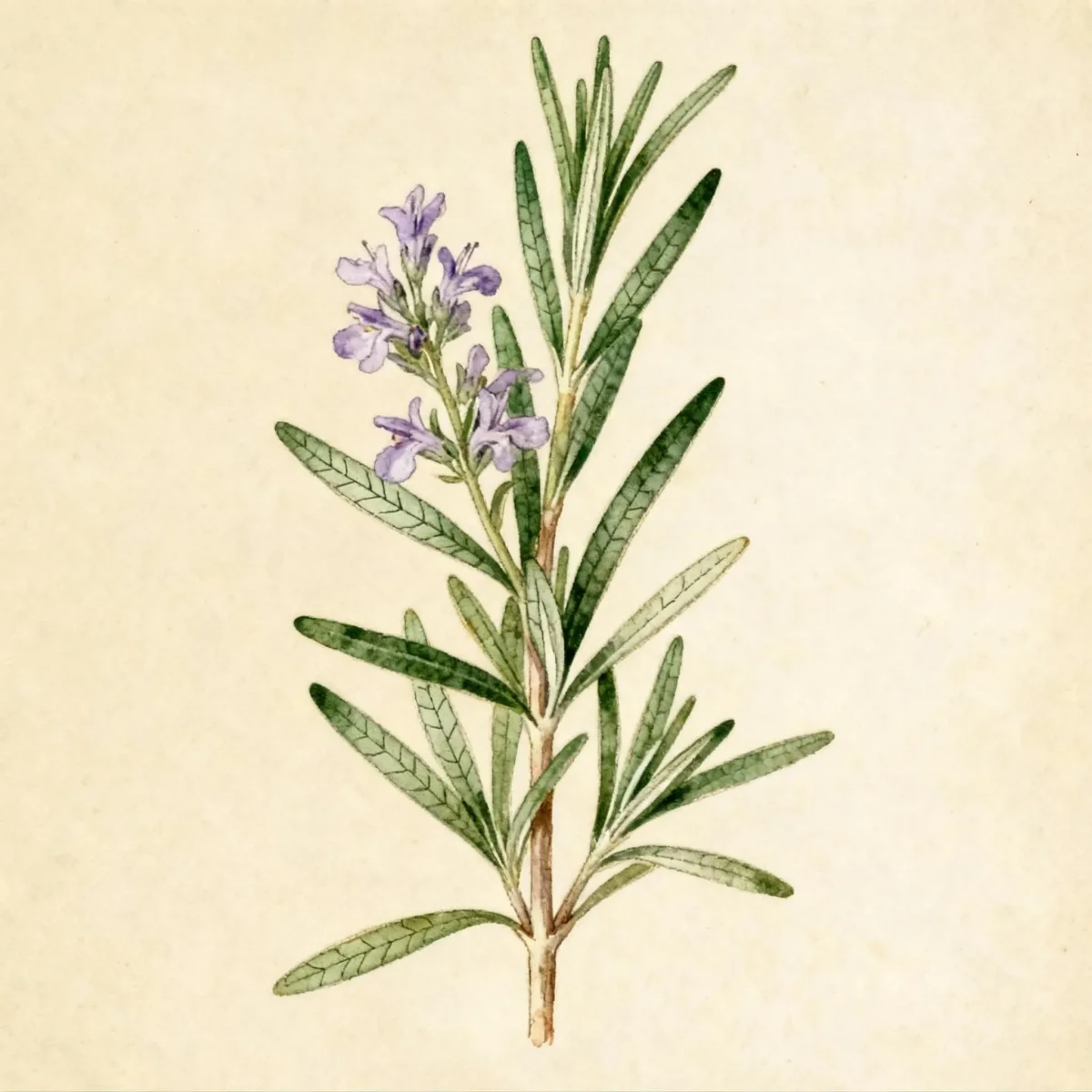

Rosemary (Salvia rosmarinus 'Well-Sweep Golden')
Salvia rosmarinus 'Well-Sweep Golden' is a trailing Rosemary prized for golden-tinged, aromatic foliage and blue-white blooms. Hardy in Zones 7-10.
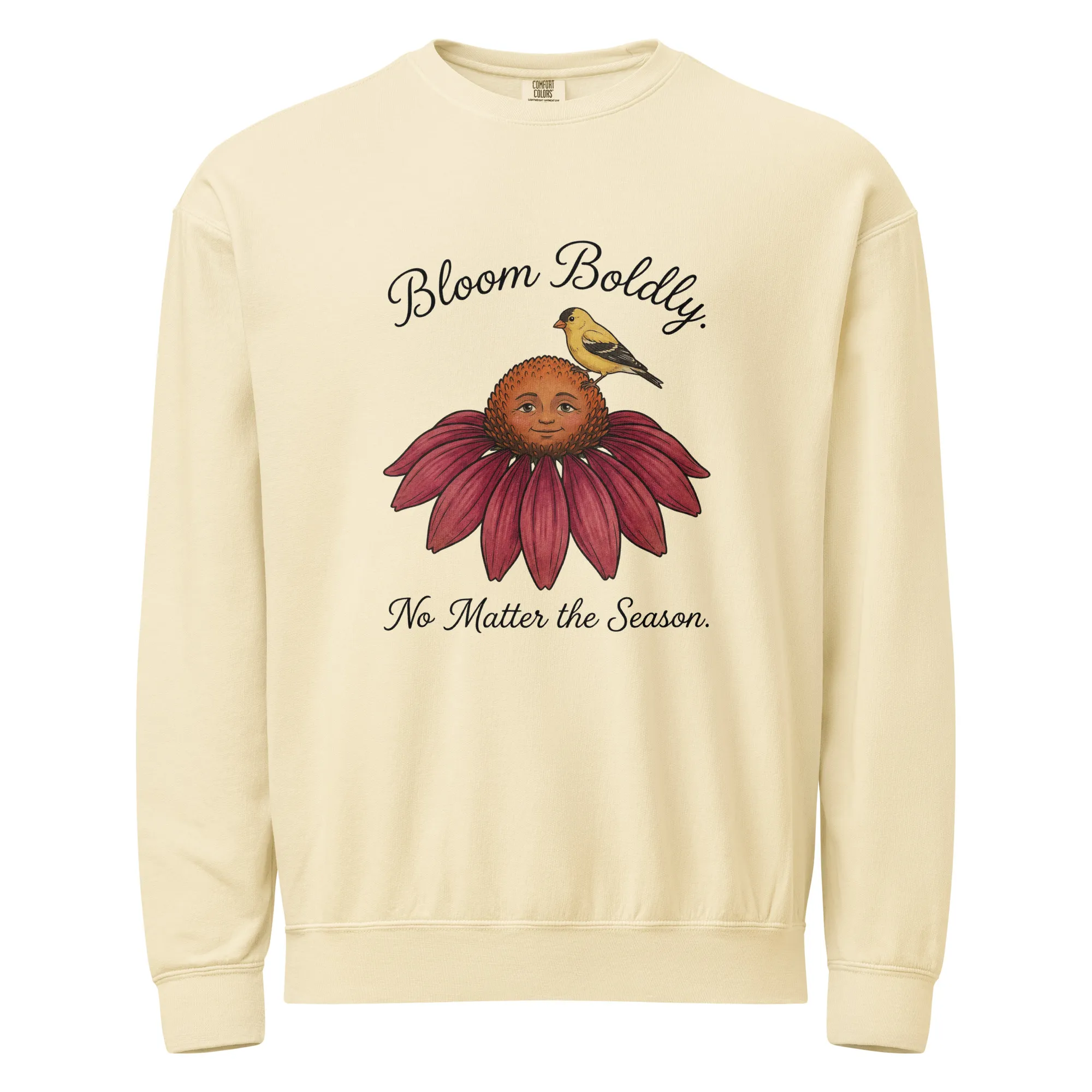
Bloom Boldly, No Matter the Season - Sweatshirt
Cozy organic cotton sweatshirt featuring our exclusive Purple Coneflower design. Perfect for gardeners who bloom year-round.
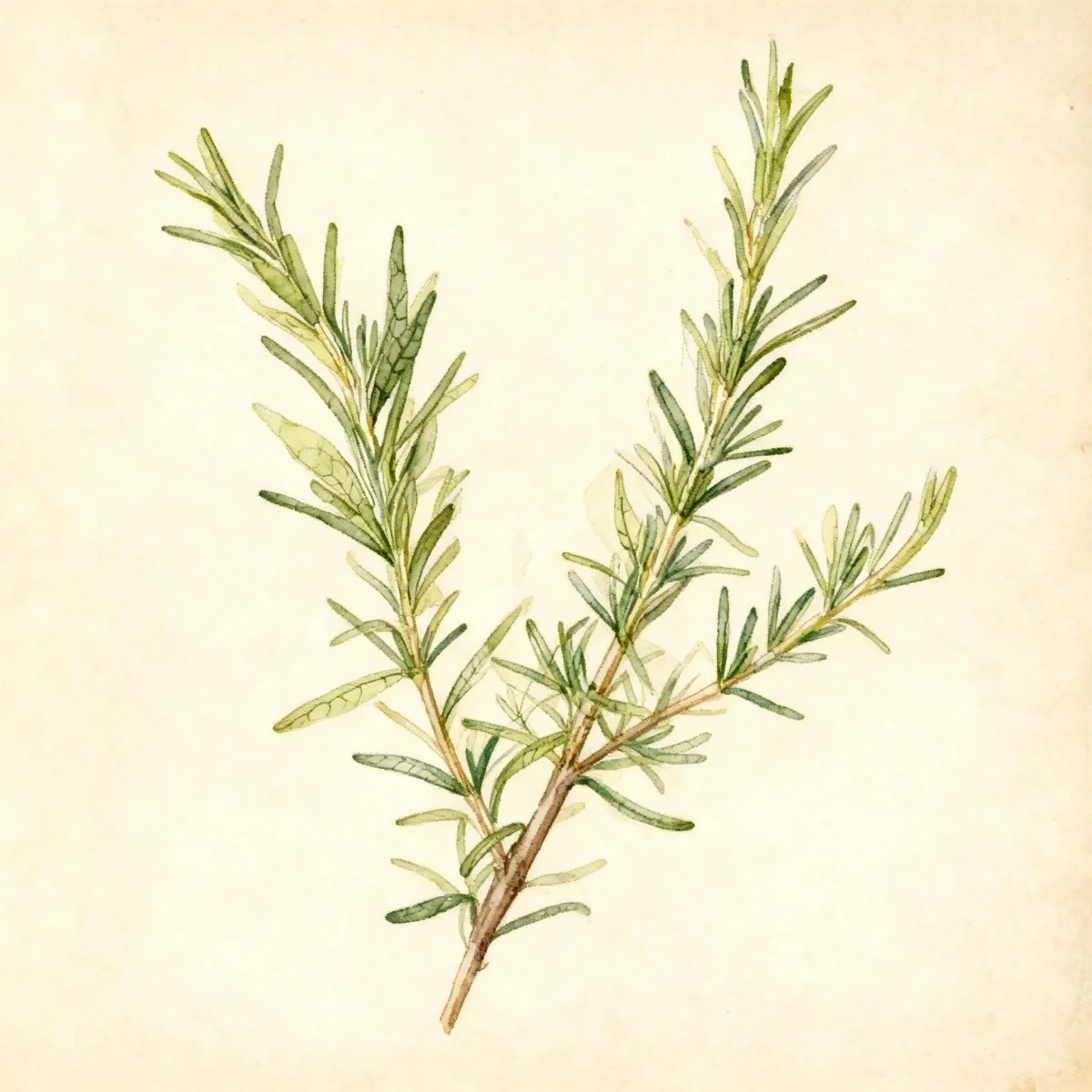
Inspired by the beautiful Rosemary
Limited first batch (50) — join the waitlist for early access
Waitlist closes Feb 15, 2026.
Complete Plant Information
Field Guide Continues
Ready for care notes, companion picks, and planting tips?
The map is just the start. The full guide below covers growth habits, seasonal performance, and landscape uses.
Overview
Salvia rosmarinus ‘Well-Sweep Golden’ presents an excellent choice for gardeners seeking both aromatic seasoning and year-round structure. This specific cultivar of Rosemary offers a trailing habit, differentiating it from more upright forms, making it perfect for softening edges or spilling over containers. Its needle-like leaves emerge with a distinctive golden cast before maturing to a lighter green, adding bright visual interest throughout the season.
As an herbaceous perennial in its suitable climate, this Rosemary thrives when given attention to drainage, which is critical for its long-term success. Its intensely fragrant foliage is highly valued not only in cooking but also in DIY crafts and sachets, reinforcing its status as a multi-functional landscape star. Growing Salvia rosmarinus ‘Well-Sweep Golden’ provides excellent ornamental appeal in herb gardens, foundations, or on sun-drenched patios.
Established plants exhibit significant drought tolerance once settled, aligning well with low-water landscape designs. However, growers outside the warmer zones must treat this variety as an overwintered container specimen, ensuring appropriate care during indoor dormancy to ensure its return the following spring.
Fast Facts
- Plant Family: Lamiaceae
- Plant Type: Herbaceous perennial
- Hardiness Zones: USDA Zones 7-10
- Size at Maturity:
- Height: 1-1.5 ft
- Spread: 1-3 ft
- Bloom Time: June to July
- Bloom Description: Blue-white
- Sun Exposure: Full sun
- Water Needs: Dry to medium
- Maintenance Level: Medium
How to Grow
For successful in-ground planting of Rosemary, choose a location receiving full sun. The soil must be light, well-drained, and slightly acidic; this plant performs poorly in heavy clay and fatalities often occur with wet, poorly-drained soils, especially in winter. Plant in spring or fall when conditions are amenable, ensuring the planting site mimics its native dry scrub habitat.
Watering practices are crucial for Rosemary health. Allow the soil surface to dry out completely between water applications, but ensure the plant is not drying out completely throughout the root zone. Overwatering is a primary cause of root rot, which quickly ends the life of this Mediterranean native. Established plants show rewarding drought tolerance.
Maintenance involves minimal work in the garden. If you wish to encourage dense, bushy growth, prune Salvia rosmarinus ‘Well-Sweep Golden’ lightly after its main bloom period. Growers outside Zone 8 must adopt container culture, bringing plants indoors before the first hard frost. Overwintering requires a sunny, cool, and humid room with excellent air circulation to prevent common issues like powdery mildew.
Landscape Uses
Salvia rosmarinus ‘Well-Sweep Golden’, being a versatile evergreen shrub, finds numerous applications in landscape design. Where summers are reliably warm, utilize it in herb gardens, rock gardens, or along borders where its low, slightly trailing habit can be beneficial. It also functions beautifully as an ornamental specimen or a low hedge, providing evergreen texture when flowering types are dormant.
Container planting highlights the trailing nature of this Rosemary cultivar wonderfully. Place containers on patios or decks where they receive maximum sunlight, allowing the aromatic foliage to be easily accessed for culinary uses. Container plants often serve as the primary way gardeners enjoy Rosemary in cooler climates, necessitating careful indoor relocation for winter survival.
Beyond aesthetics and culinary uses, the intensely fragrant foliage of Rosemary has been historically used in sachets and toiletries, while the herb itself lends excellent flavor to meats, fish, and vegetables. Incorporate this fragrant herb near seating areas to maximize enjoyment of its scent.
Standout Features
Flower Qualities
- Showy
Noteworthy Characteristics
The trailing cultivar ‘Well-Sweep Golden’ typically reaches only 18 inches tall but expands outward to about 36 inches wide. Its small, two-lipped flowers are pale blue-white, blooming along the previous year’s growth. A distinguishing feature is that new foliage often emerges possessing a lovely golden hue before it settles into a light green color.
Tolerances
- Deer
- Drought
Potential Problems
Rosemary is generally resistant to deer, but indoor cultivation presents unique pest challenges. During overwintering indoors, watch closely for common houseplant pests such as aphids, mealybugs, whiteflies, and spider mites, which are less common on outdoor specimens. Isolate new plants before introducing them to established collections.
Fungal issues are a major concern, particularly indoors or in humid garden settings with poor air movement. Powdery mildew frequently develops in humid conditions with insufficient ventilation, while Botrytis can also pose a threat. Prevention involves ensuring excellent airflow both during the growing season and crucial winter dormancy indoors.
The most common cultural pitfall is improper watering, leading to root rots. Always ensure the potting medium or garden soil drains exceptionally well, adhering to the dry-to-medium water needs of Rosemary. Never let potted Salvia rosmarinus ‘Well-Sweep Golden’ sit in standing water.
Frequently Asked Questions
What hardiness zones is Rosemary suitable for?
Salvia rosmarinus ‘Well-Sweep Golden’ is winter hardy in USDA Zones 7 through 10, though it often requires specific protection or container culture outside of Zone 8 minimums.
How large does Rosemary grow?
This specific trailing cultivar, Salvia rosmarinus ‘Well-Sweep Golden’, usually grows to a height of 1 to 1.5 feet tall but spreads wider, reaching spreads between 1 and 3 feet.
What sun exposure does Rosemary need?
For optimal growth and performance, Rosemary requires full sun exposure daily. While it tolerates some light shade, the best foliage development happens in continuously bright conditions.
When does Rosemary bloom?
This variety typically displays its blue-white flowers during the period spanning from June to July, although outdoor plants in warmer zones may bloom earlier.
Conclusion
Salvia rosmarinus ‘Well-Sweep Golden’ offers gardeners the timeless appeal of Rosemary, highlighted by a useful trailing habit and appealing golden foliage accents. Its drought tolerance and strong fragrance make it an invaluable asset for culinary borders and container displays. Before planting, verify local hardiness zone compatibility or plan your robust overwintering strategy for this exceptional perennial herb.
Propagation Tips
The best method recommended for multiplying Rosemary plants, including Salvia rosmarinus ‘Well-Sweep Golden’, is through cuttings rather than seed. Taking cuttings allows you to guarantee the resulting plant maintains the desirable trailing and golden characteristics of the parent plant, which is vital for named cultivars.
To take cuttings, select healthy, non-flowering stems, usually 3 to 6 inches long, during the active growing season. Snip them just below a leaf node and remove the lower foliage. Dipping the base in hormone rooting powder can accelerate root development, though it is often successful even without it.
Place the cuttings into a well-draining propagation mix, such as a blend of perlite and peat moss, keeping the environment humid and consistently warm, although generally out of blazing direct sun until roots have formed. Once rooted, transition them carefully into small pots before hardening them off for their final placement as future Rosemary specimens.
Wildlife Benefits
The tiny flowers produced by Rosemary plants attract beneficial insects to the garden space. Although the species is native to a dryer region, its blooms serve as a reliable nectar source during its flowering window in early summer.
Flowers are noted as being attractive to butterflies, bees, and other insect pollinators that support local ecosystems. Utilizing Salvia rosmarinus ‘Well-Sweep Golden’ in a sunny border or patio arrangement directly contributes to pollinator support during mid-season.
While the foliage is aromatic and generally avoided by deer, its role in attracting vital pollinators confirms its value beyond just culinary applications. Ensure it receives the necessary full sun to promote abundant flowering for these visitors.