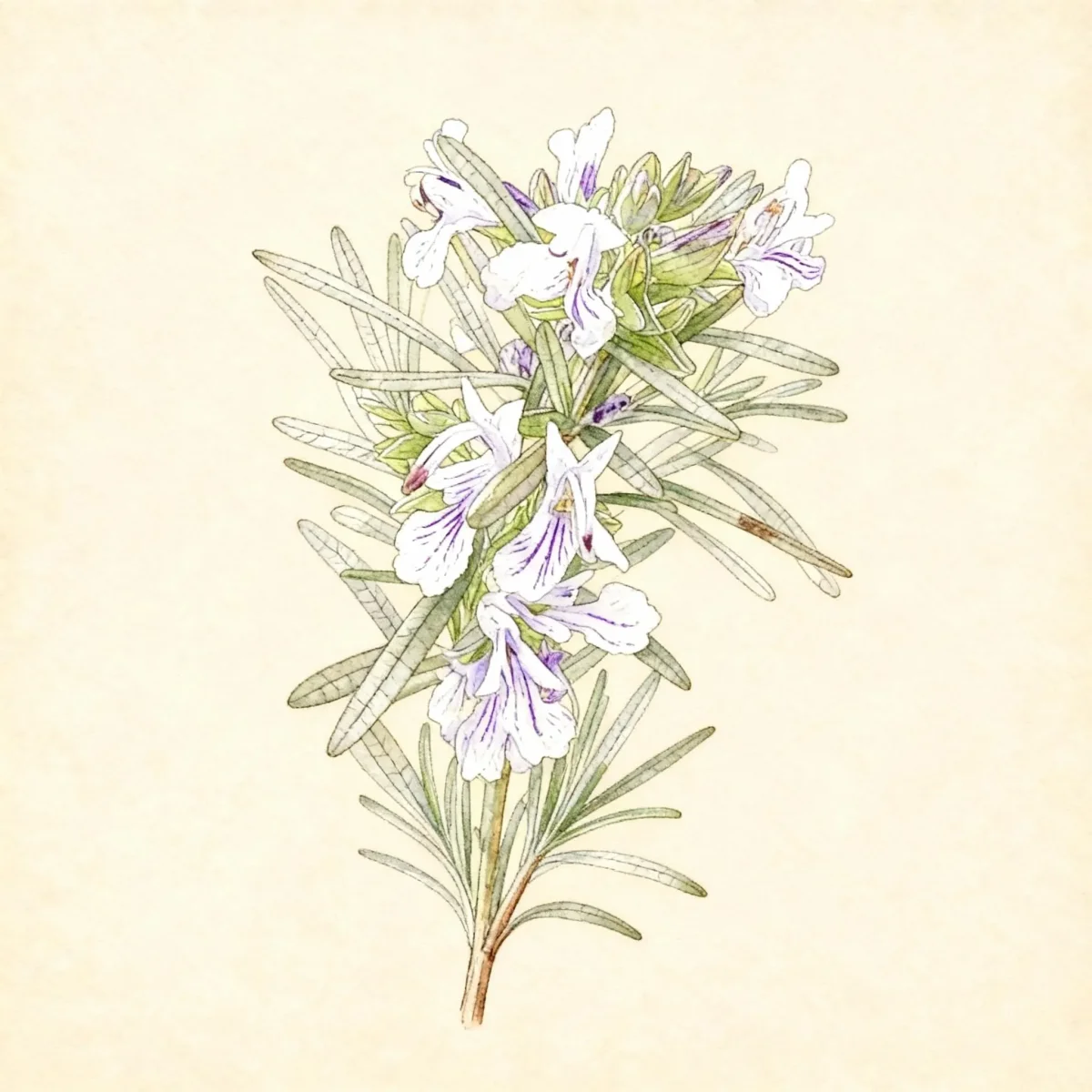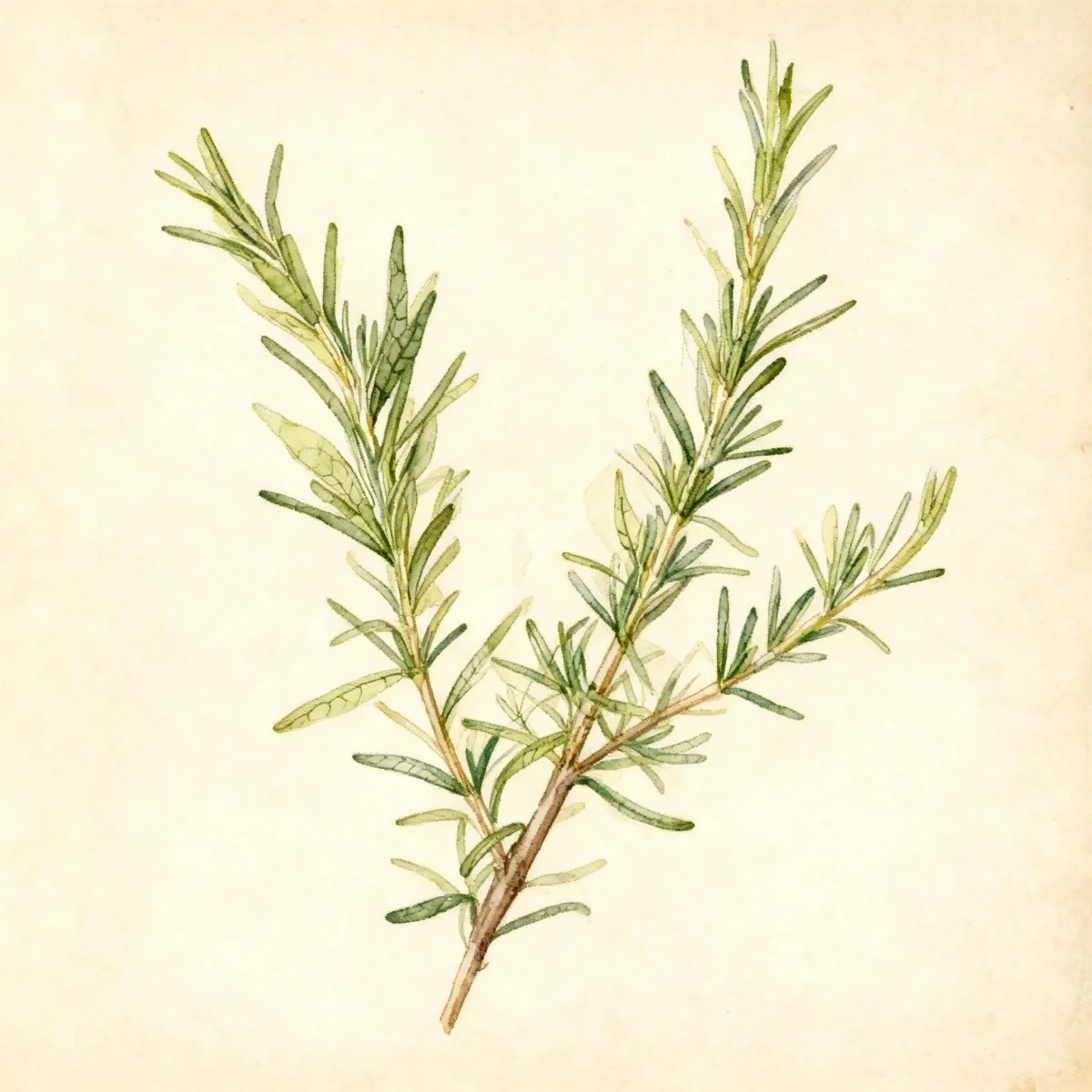

Rosemary (Salvia rosmarinus 'Renzels' IRENE)
Salvia rosmarinus 'Renzels' IRENE (Rosemary) is a spreading evergreen with aromatic foliage, ideal for containers and borders in Zones 7-10.
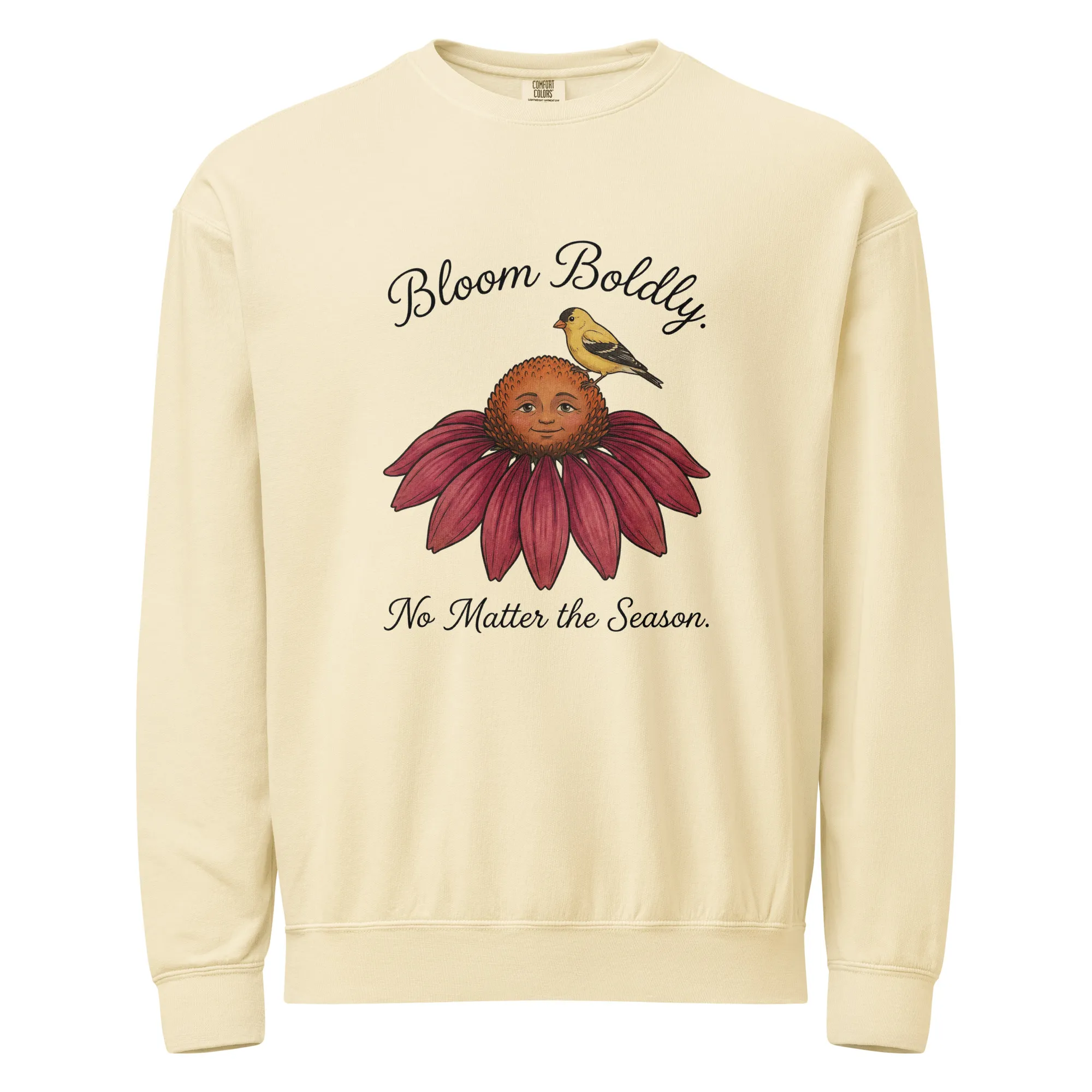
Bloom Boldly, No Matter the Season - Sweatshirt
Cozy organic cotton sweatshirt featuring our exclusive Purple Coneflower design. Perfect for gardeners who bloom year-round.
Inspired by the beautiful Rosemary
Limited first batch (50) — join the waitlist for early access
Waitlist closes Feb 15, 2026.
Complete Plant Information
Field Guide Continues
Ready for care notes, companion picks, and planting tips?
The map is just the start. The full guide below covers growth habits, seasonal performance, and landscape uses.
Overview
Salvia rosmarinus ‘Renzels’ IRENE, commonly known as Rosemary, is a spreading evergreen distinguished by its aromatic, needle-like foliage that brings Mediterranean fragrance to the garden. This cultivar, often recognized by the trade name IRENE, forms a low-growing mound, making it spectacular when cascading over walls or edges. It exhibits tiny, attractive two-lipped flowers in early to mid-summer, adding subtle color to sunny locations.
While traditional Rosemary varieties are typically grown for culinary use, this specific spreading cultivar, Salvia rosmarinus ‘Renzels’ IRENE, is primarily valued for its ornamental attributes and excellent ground-covering habits. It thrives in conditions mimicking its native dry, rocky habitats, providing texture and year-round greenery where winter hardy.
Gardeners in suitable climates (USDA Zones 8-10) can establish this plant directly in the ground, enjoying its drought tolerance once established. For cooler regions, Rosemary must be treated as a container specimen, necessitating careful indoor overwintering practices to ensure its survival.
Fast Facts
- Plant Family: Lamiaceae
- Plant Type: Herbaceous perennial
- Hardiness Zones: USDA Zones 7-10
- Size at Maturity:
- Height: 1-1.5 ft
- Spread: 1-3 ft
- Bloom Time: June to July
- Bloom Description: Violet blue
- Sun Exposure: Full sun
- Water Needs: Dry to medium
- Maintenance Level: Medium
How to Grow
Plant Rosemary, especially the Salvia rosmarinus ‘Renzels’ IRENE cultivar, in light, slightly acidic, well-drained soils. Full sun exposure is crucial for the best growth and strongest aroma; though it tolerates light shade, performance peaks in all-day sun. Wet, poorly-drained soils, particularly during winter, are usually fatal to established Rosemary plants.
Watering should mimic its native dry environment; allow the soil surface to dry out completely between applications, but do not let the soil become parched throughout. Overwatering is the quickest route to root rot, a common affliction. Established plants display excellent drought tolerance, making them self-sufficient once settled.
Pruning after the main bloom cycle in late spring or early summer encourages denser, more attractive foliage. If you are managing containers, move plants indoors before the first hard frost if you are outside the primary hardiness range. Overwintered plants require a cool, bright location, ideally with good air circulation to prevent mildew, and should only be watered when the topsoil is dry.
Landscape Uses
Rosemary brings versatility to landscape design, whether grown as an herbaceous perennial in warmer zones or as a high-value annual/container plant elsewhere. Where conditions permit (Zones 8-10), Salvia rosmarinus ‘Renzels’ IRENE functions beautifully as an ornamental specimen, a low hedge, or interspersed within rock gardens and seaside plantings.
Its spreading habit makes it an excellent choice for cascading over low walls or acting as a ground cover, softening hardscaping elements. Container gardening is highly popular for Rosemary, allowing for relocation to patios or decks during the growing season and bringing inside for protection during winter dormancy.
Beyond aesthetics, the intensely fragrant foliage of Rosemary has historical applications. While this cultivar leans ornamental, the leaves and flowers may still be used in sachets, providing a lovely, lasting scent around the home environment.
Standout Features
Flower Qualities
- Showy
Noteworthy Characteristics
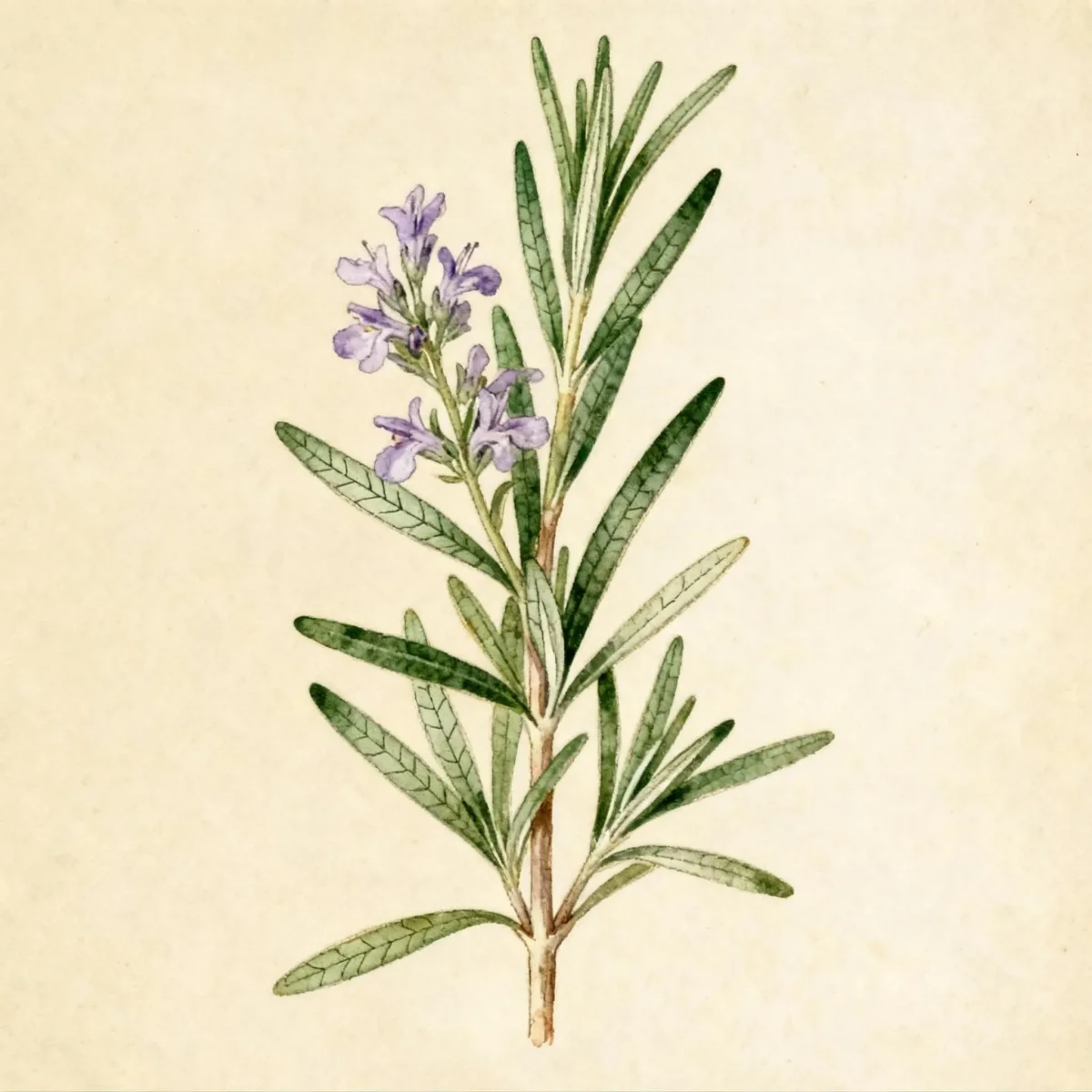
The species, Salvia rosmarinus, is generally an erect, rounded evergreen shrub recognized by its aromatic, gray-green, needle-like leaves. The cultivar ‘Renzels’, sold as IRENE, is a distinct prostrate type, growing only 12-18 inches tall but spreading widely up to 36 inches wide, making it a superb ground cover. It produces attractive, two-lipped, deep blue-violet flowers in axillary clusters during early to mid-summer.
Tolerances
- Deer
- Drought
Potential Problems
Rosemary, including the Salvia rosmarinus ‘Renzels’ IRENE variety, faces specific challenges, especially when grown in less-than-ideal conditions indoors. Powdery mildew is a significant concern when air circulation is poor, often occurring during humid indoor overwintering periods. Botrytis is another fungal pressure to watch for in damp conditions.
The most critical management issue for container Rosemary is overwatering; consistently saturated soil leads directly to fatal root rots. When keeping plants indoors, rigorously let the soil dry out between waterings to avoid this outcome. Outdoor plants are generally hardy, but always ensure sharp drainage.
Outdoor plants are largely resistant to browsing herbivores like deer, simplifying their placement in mixed borders. Indoor gardeners should regularly inspect for common pests such as spider mites, aphids, mealybugs, and whiteflies, treating them promptly with insecticidal soap if outbreaks occur.
Frequently Asked Questions
What hardiness zones is Rosemary suitable for?
Rosemary, specifically Salvia rosmarinus ‘Renzels’ IRENE, is winter hardy in USDA Zones 7 through 10, although zone 7 cultivation may require extra winter protection.
How large does Rosemary grow?
This specific cultivar reaches a modest height of 1 to 1.5 feet, but it spreads significantly, typically achieving a spread between 1 and 3 feet wide.
What sun exposure does Rosemary need?
Rosemary requires full sun for optimal health and flower production, though it can tolerate light shade; maximum performance is always achieved with ample direct sunlight.
When does Rosemary bloom?
You can expect Salvia rosmarinus ‘Renzels’ IRENE to produce its violet blue flowers primarily from June to July.
Conclusion
The Salvia rosmarinus ‘Renzels’ IRENE cultivar offers exceptional landscape value through its low, spreading habit and the strong, appealing fragrance characteristic of Rosemary. Its high drought tolerance and deer resistance make it a low-fuss addition to sunny garden spots where excellent drainage is provided. Before planting, always verify your local hardiness zone compatibility to ensure this spreading Rosemary thrives throughout the year.
Propagation Tips
Propagation of Rosemary is most reliably achieved through cuttings rather than seed, especially when seeking to maintain the specific traits of a known cultivar like Salvia rosmarinus ‘Renzels’ IRENE. Hardwood cuttings taken in the fall or softwood cuttings taken in the spring root well, provided they are given consistent moisture and warmth.
Prepare cuttings by selecting healthy, non-flowering stems about 4 to 6 inches long, removing the lower leaves, and dipping the base in rooting hormone to encourage success. Planting them in a light, sandy soil mix or perlite under humid conditions will yield the best rooting success rate for your new Rosemary plants.
Rooted cuttings can be treated similarly to established plants regarding sun and water needs, though newly rooted specimens will require slightly more attention until their roots establish themselves firmly in the growing medium.
Design Ideas
Salvia rosmarinus ‘Renzels’ IRENE excels as edge planting due to its controlled height and spreading habit, effectively softening the transition between hardscaping and lawn. Consider planting it along pathways where brushing against the foliage releases its signature aromatic oils, creating a sensory experience.
This cultivar is an outstanding container plant, perfect for placement on sunny patios or decks. Pairing it with drought-tolerant flowering annuals or perennials that appreciate sharp drainage, such as Lavender or Thyme, creates a unified Mediterranean planting scheme.
For retaining walls or raised beds, utilize the cascading nature of this Rosemary cultivar. Let it spill over the edge; the visual contrast between the linear, gray-green leaves and the violet-blue summer blooms is highly effective in sunny borders.