
Hellebore (Helleborus 'Coseh 710' PINK FROST)
Discover Helleborus 'Coseh 710' PINK FROST, a low-maintenance Hellebore blooming pink and white Feb-Apr in zones 4-9.
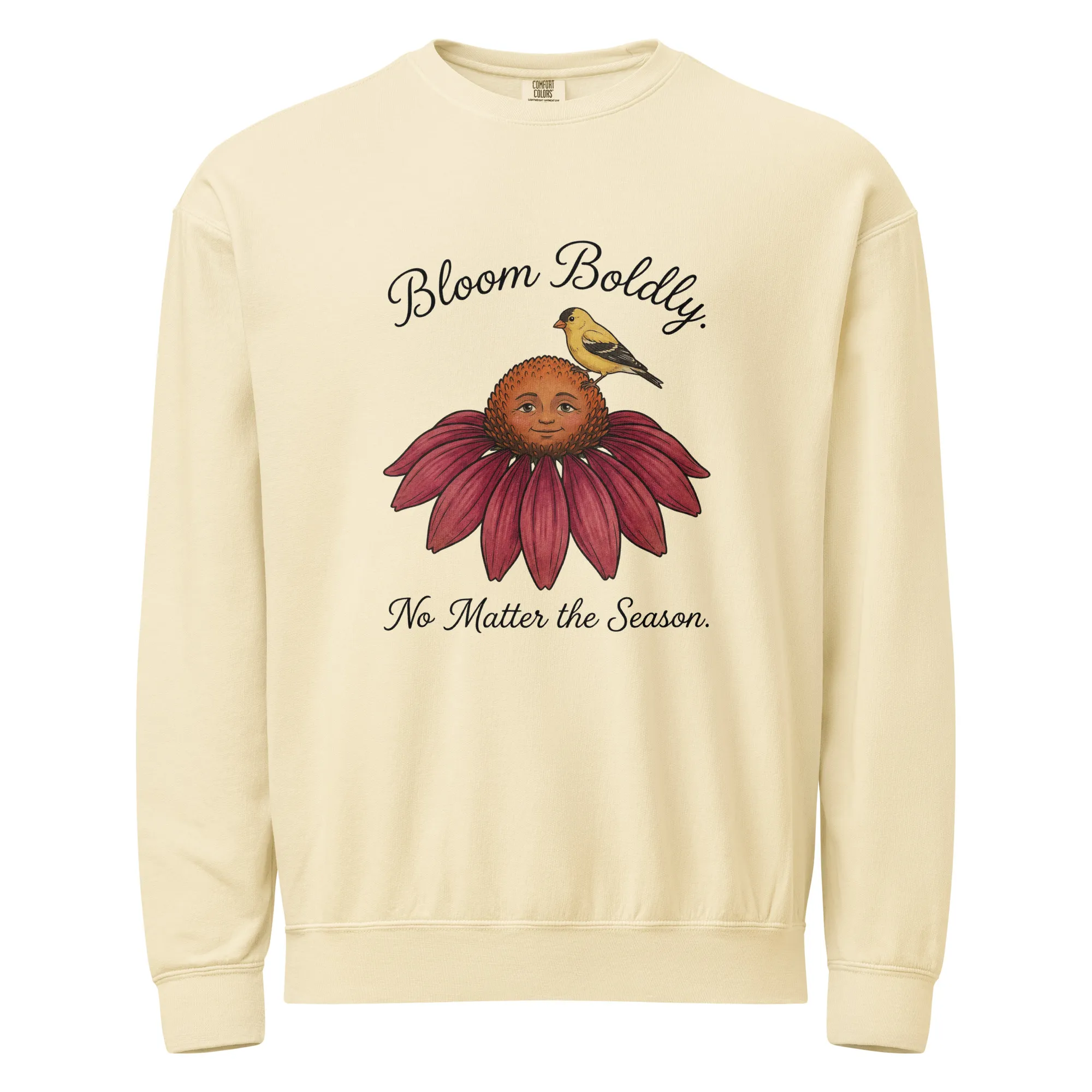
Bloom Boldly, No Matter the Season - Sweatshirt
Cozy organic cotton sweatshirt featuring our exclusive Purple Coneflower design. Perfect for gardeners who bloom year-round.
Inspired by the beautiful Hellebore
Limited first batch (50) — join the waitlist for early access
Waitlist closes Feb 15, 2026.
Complete Plant Information
Field Guide Continues
Ready for care notes, companion picks, and planting tips?
The map is just the start. The full guide below covers growth habits, seasonal performance, and landscape uses.
Overview
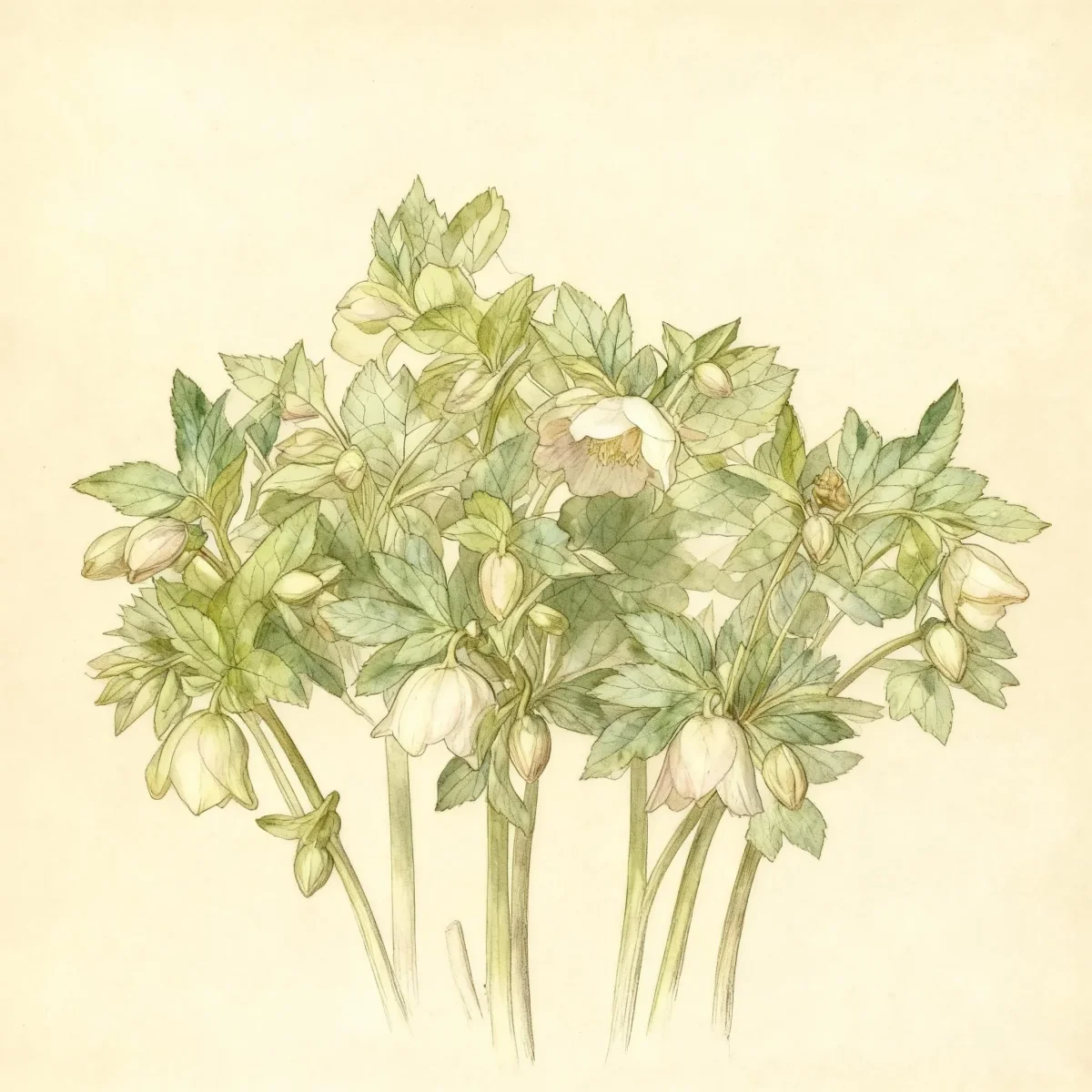
The Helleborus ‘Coseh 710’ PINK FROST is a prized herbaceous perennial, highly valued for its ability to introduce color during the late winter and early spring when few other plants are active. This specific Hellebore selection offers striking creamy white flowers beautifully blushed with rich rose-pink, providing essential early-season visual interest. Its evergreen, leathery foliage ensures excellent garden structure year-round, making the Helleborus ‘Coseh 710’ PINK FROST a dependable foundation plant for shady borders.
As a hardy hybrid Lenten rose, this variety thrives in conditions that challenge many other ornamentals—namely, consistent shade and cooler temperatures. It requires minimal effort once established, fitting perfectly into low-maintenance gardens seeking reliable seasonal performance. Plant this beautiful Hellebore near walkways or windows to fully appreciate its bloom initiation, often starting as early as February.
Fast Facts
- Plant Family: Ranunculaceae
- Plant Type: Herbaceous perennial
- Hardiness Zones: USDA Zones 4-9
- Size at Maturity:
- Height: 1-1.5 ft
- Spread: 1.5-2 ft
- Bloom Time: February to April
- Bloom Description: Creamy white and rose-pink
- Sun Exposure: Part shade to full shade
- Water Needs: Medium
- Maintenance Level: Low
How to Grow
Planting Helleborus ‘Coseh 710’ PINK FROST is best done in the fall or early spring when the soil is workable. Select a site receiving part shade to full shade, prioritizing locations protected from harsh winter winds which can scorch the evergreen foliage. This variety demands organically rich, fertile, and humusy soil that must drain exceptionally well, ideally leaning toward alkaline.
Care for your Hellebore is generally straightforward due to its low maintenance requirements. Water consistently to maintain medium soil moisture, especially during dry spells, but never allow the soil to become sodden, which invites crown rot. While established plants are quite tough, cutting back the old flowering stems immediately after they finish blooming encourages the production of fresh, healthy new foliage throughout the summer.
Established clumps may become congested over time and benefit from division, which should be performed in late summer or early fall. Be patient if starting these hybrid hellebores from seed, as they can take up to two full years before producing their magnificent blooms. Remember that while the foliage persists, it can look tattered after severe winters; protecting the plant from extreme cold exposure enhances its aesthetic appeal.
Landscape Uses
The Helleborus ‘Coseh 710’ PINK FROST excels in creating attractive, year-round ground cover, particularly under the canopy of deciduous trees or large shrubs where light is dappled. Its early flowering habit makes it an ideal candidate to naturalize beneath woodland plantings, where the clumps can slowly spread and multiply over time, creating drifts of winter color.
For maximum enjoyment, use this Hellebore near areas of frequent viewing, such as patios or along shaded entry paths. Grouping these plants provides the greatest visual impact when their cup-shaped flowers appear against the dark green, glossy leaves. They pair well with other shade-lovers such as Hosta, Epimedium, or Helleborus varieties featuring deep purple or true red blooms for contrast.
Standout Features
Flower Qualities
- Showy
Noteworthy Characteristics
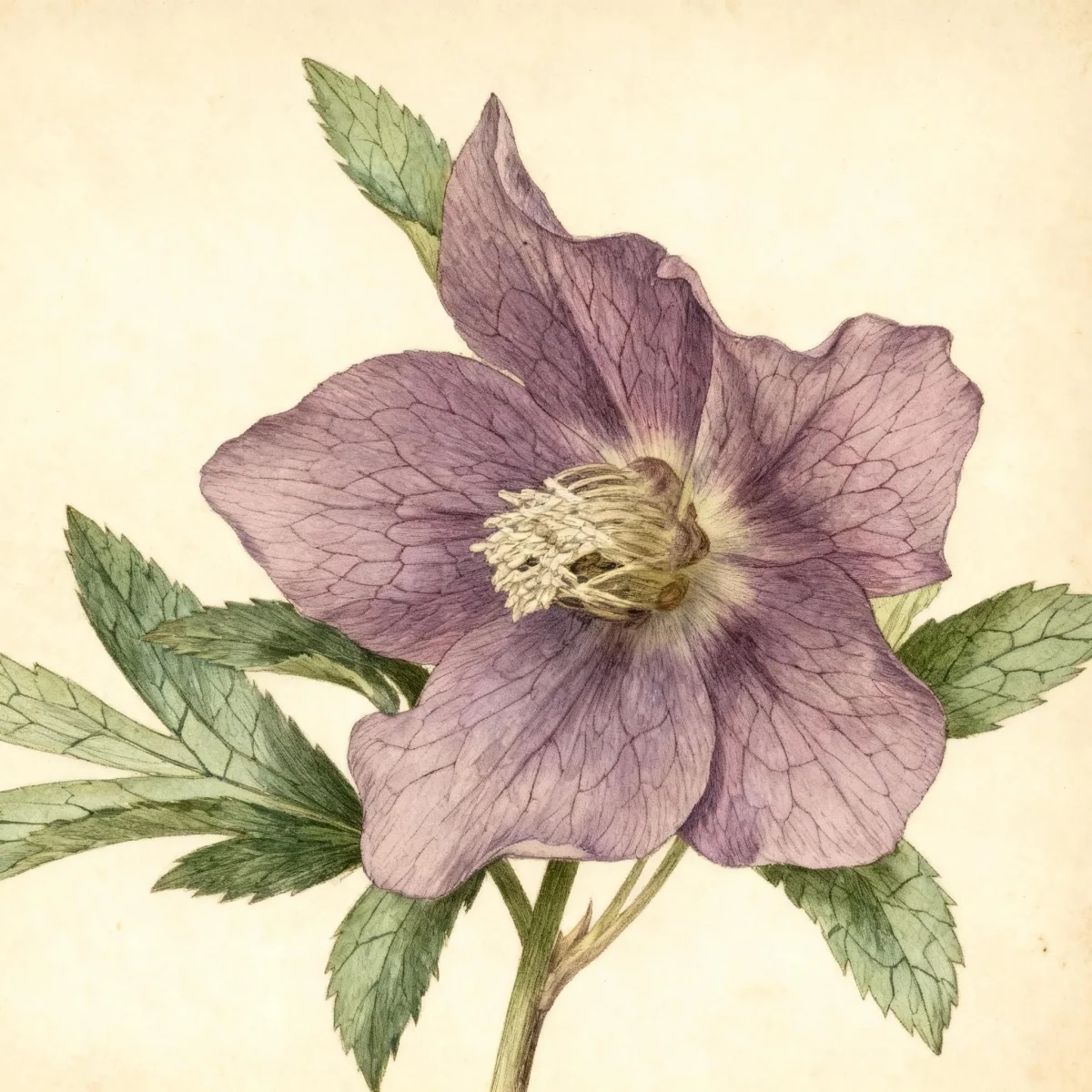
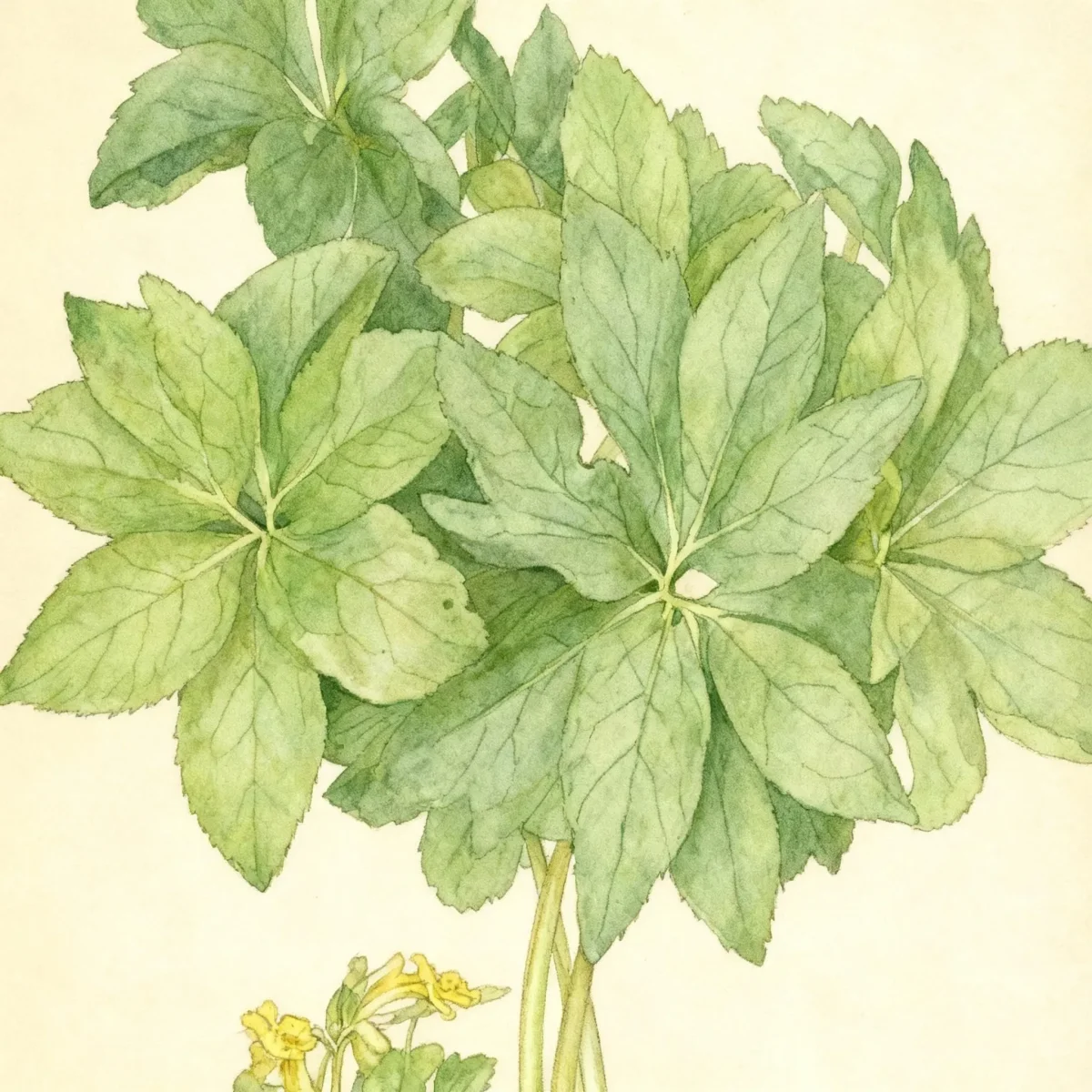
Hybrid hellebores, sometimes commonly called hybrid Lenten roses or hybrid winter roses, are bushy, clump-forming perennials which typically grow to 12-15” tall. They are noted for producing single, cup-shaped flowers (typically 2-3” diameter) with five showy, usually overlapping petals (technically sepals), but sometimes come in a double flowered form. Flowers bloom in a large variety of colors, including various shades and tints of white, pink, red, purple, and yellow, and sometimes have inside spotting. Bloom typically commences in late winter extending into early spring. Flowers appear at the tips of branched stems clad with evergreen dark green leaves which are divided into glossy, leathery, deeply-lobed, often toothed, lanceolate to elliptic segments.Genus name comes from the Greek words bora meaning “food” and helein meaning “injures/destroys” in reference to the plant’s toxic leaves, stems and roots which are poisonous to humans if ingested.Hellebores is the old Greek name for H. Orientalis.‘Coseh 710’ is an upright, freely-flowering selection of hellebore that features dark green foliage and pink and white bicolor flowers. The buds are dark pink and open to reveal 3” wide, outward-facing, single, creamy white blooms blushed with pale rose-pink. Mature plants will reach up to 1.5’ tall and spread to fill a 2’ area. Commonly sold at nurseries and garden centers under the name PINK FROST. Plant patent number PP21063 applies to this cultivar
Tolerances
- Rabbit
- Deer
- Heavy Shade
Potential Problems
This Hellebore generally exhibits strong resistance to pests and diseases, boasting “no serious insect or disease problems.” However, gardeners should watch for occasional issues like crown rot, which is usually a symptom of overly wet soil, and potentially leaf spot. Critically, all parts of the plant—leaves, stems, and roots—are toxic if ingested by humans or pets, so site selection should mitigate access for curious creatures. Deer and rabbits usually avoid this plant due to its toxicity, offering a reliable choice in areas with browsing pressure.
Frequently Asked Questions
What hardiness zones is Hellebore suitable for?
This reliable Hellebore variety is suitable for USDA Hardiness Zones 4 through 9, providing long-term coverage across a wide climatic range.
How large does Helleborus ‘Coseh 710’ PINK FROST grow?
Helleborus ‘Coseh 710’ PINK FROST matures to a height between 1 and 1.5 feet tall, spreading out to cover an area between 1.5 to 2 feet wide.
When does Hellebore bloom?
This specific cultivar typically begins flowering in late winter, blooming robustly from February through April, showcasing creamy white and rose-pink coloration.
What sun exposure does Hellebore need?
Helleborus ‘Coseh 710’ PINK FROST prefers part shade to full shade conditions and should be sited away from intense afternoon sun, especially in warmer zones.
Conclusion
The Helleborus ‘Coseh 710’ PINK FROST remains an essential offering for gardeners seeking reliable, low-maintenance beauty during the dormant season. Its unique combination of evergreen texture and early, colorful blooms ensures that this Hellebore delivers consistent value year after year. Before planting, confirm that your garden provides the well-drained, fertile soil and part-shade conditions necessary for this beautiful plant to thrive.
Companion Planting in Shade
Successful companions for Helleborus ‘Coseh 710’ PINK FROST should share its preference for moist, humus-rich, well-drained soils and shade exposure. Consider grouping it with early spring bulbs like Snowdrops (Galanthus) or Daffodils (Narcissus), which often bloom concurrently or slightly before the Hellebore. Later in the season, Japanese Forest Grass (Hakonechloa macra) offers fine texture contrast to the leathery Hellebore leaves, creating visual depth in woodland settings.
Propagation Tips
While hybrid Hellebores are often purchased as nursery stock, propagation is possible through division or seed. Division, best performed in late summer to early fall when the plants are dormant or slowing down, should be done carefully since Hellebores dislike root disturbance. When dividing established clumps of Helleborus ‘Coseh 710’ PINK FROST, ensure each division has a substantial amount of root mass and foliage to successfully re-establish itself in its new location.