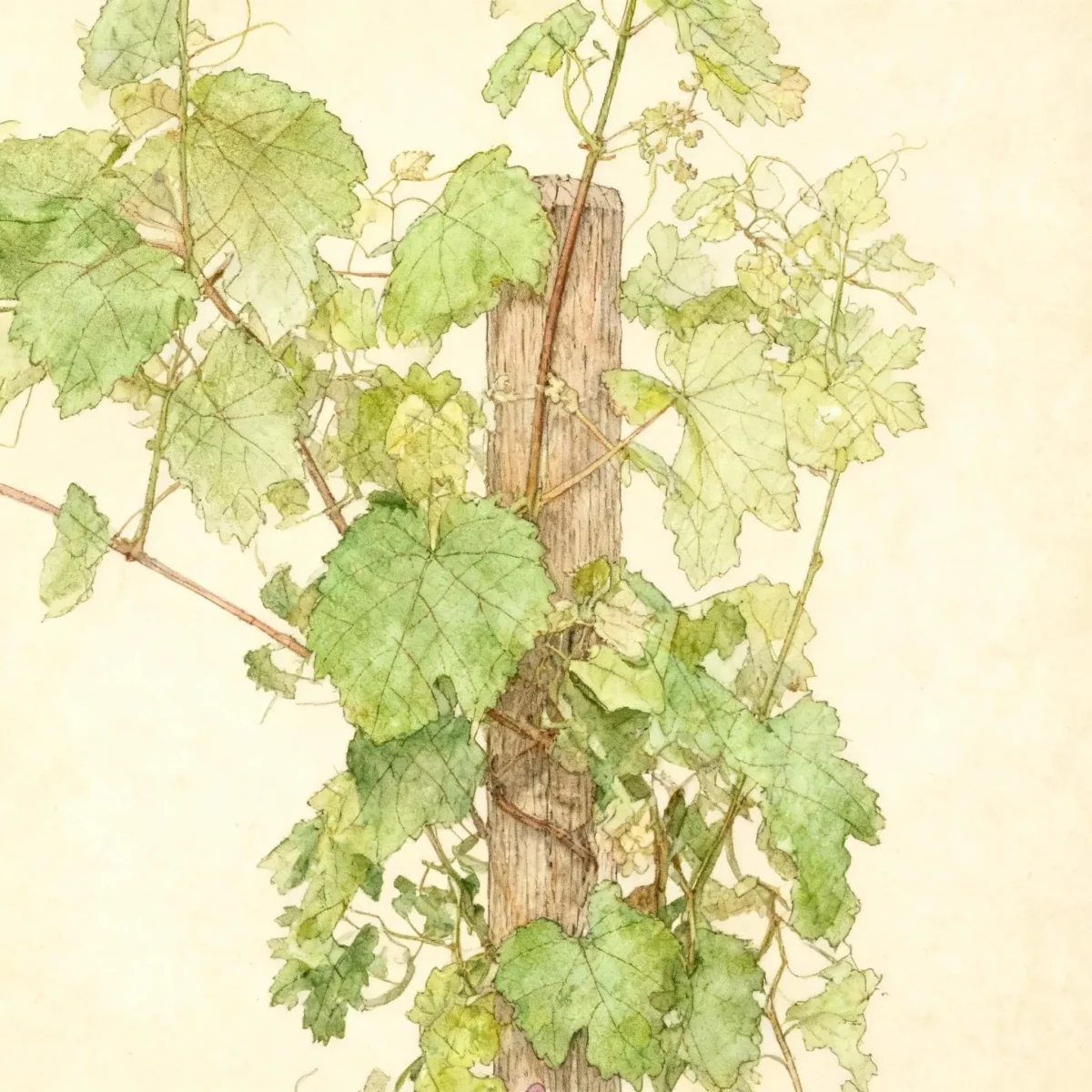
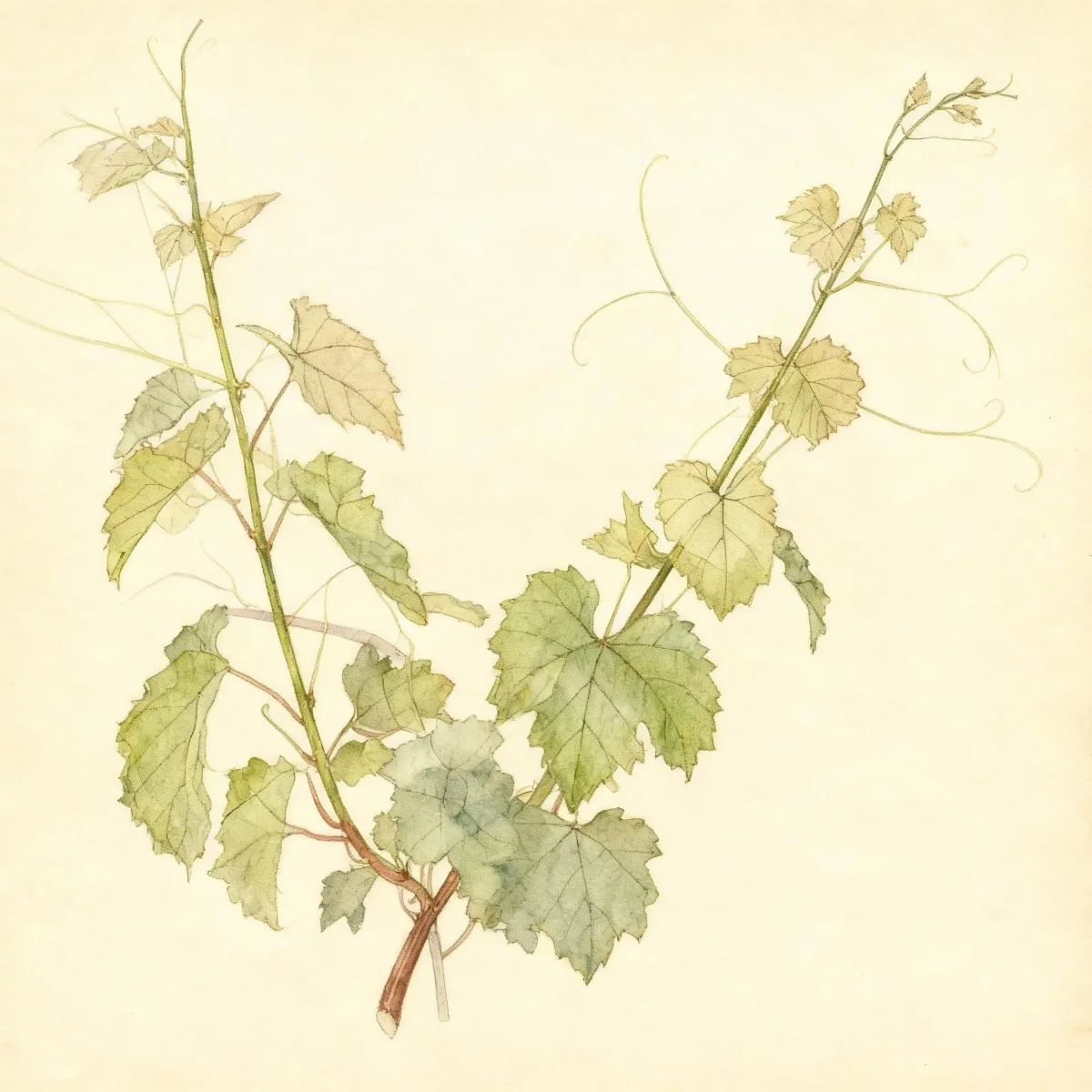
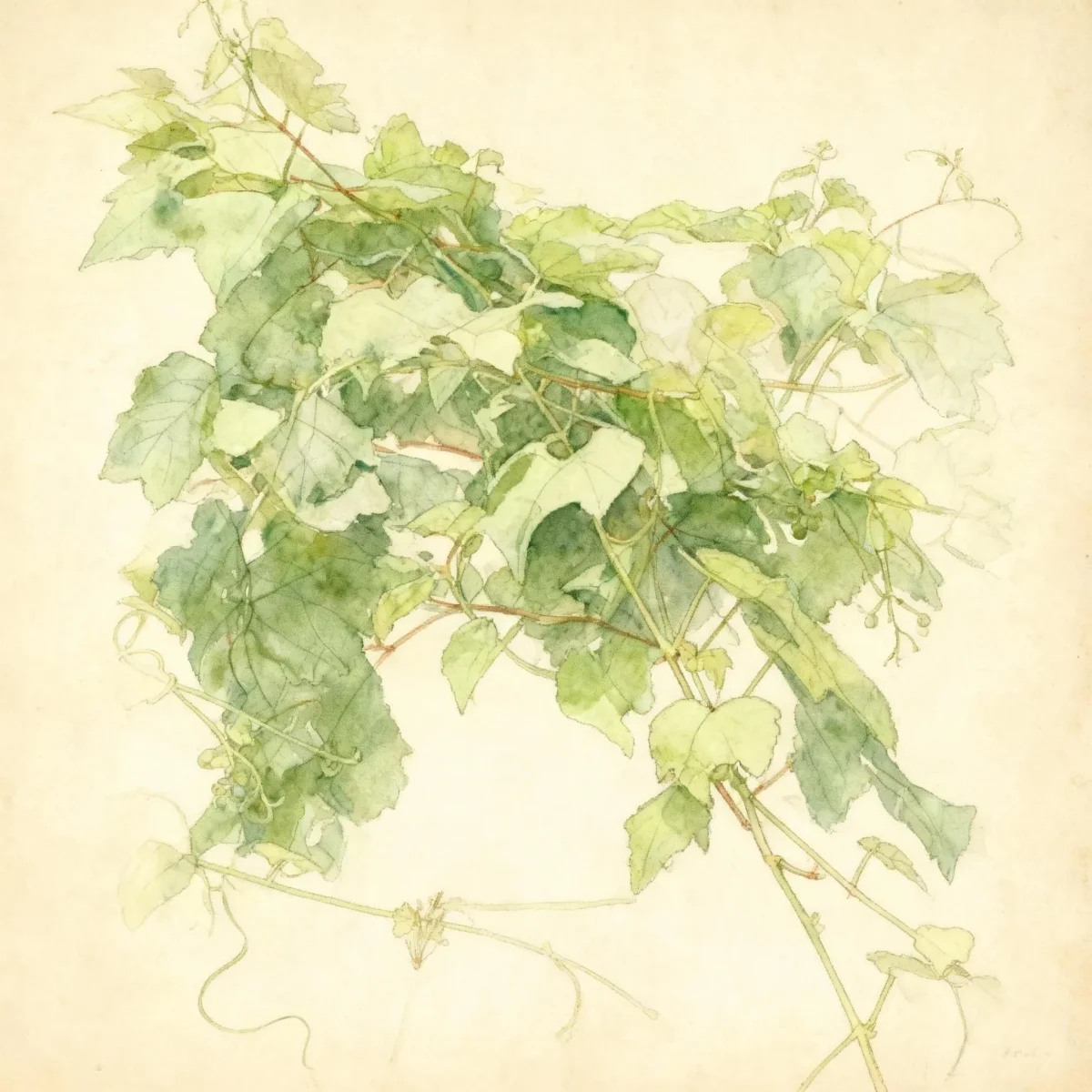
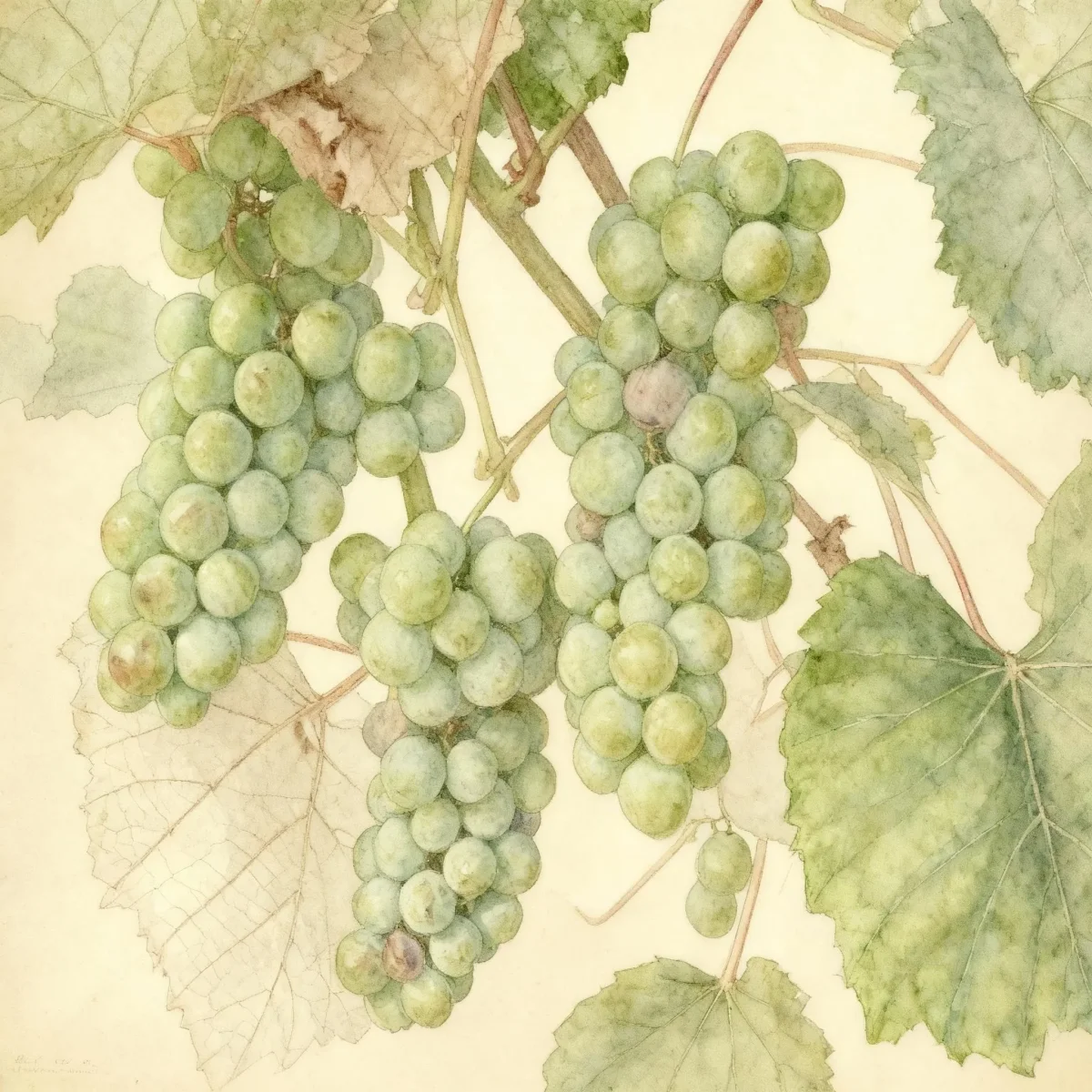
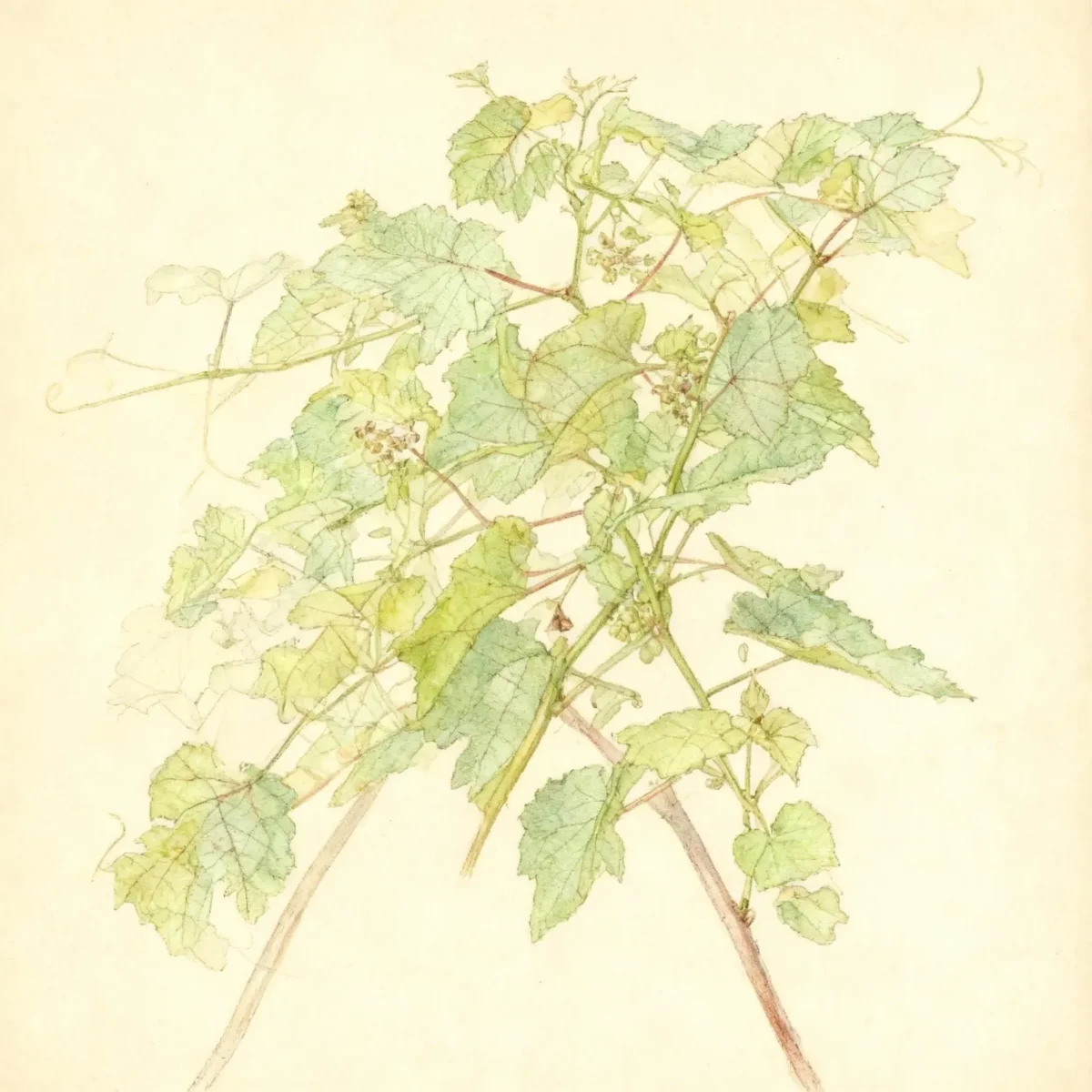
Grape (Vitis 'Itasca')
Vitis 'Itasca' Grape is a high-maintenance hybrid suitable for Zones 4-7, offering edible fruit and mildew resistance.

Bloom Boldly, No Matter the Season - Sweatshirt
Cozy organic cotton sweatshirt featuring our exclusive Purple Coneflower design. Perfect for gardeners who bloom year-round.
Inspired by the beautiful Grape
Limited first batch (50) — join the waitlist for early access
Waitlist closes Feb 15, 2026.
Complete Plant Information
Field Guide Continues
Ready for care notes, companion picks, and planting tips?
The map is just the start. The full guide below covers growth habits, seasonal performance, and landscape uses.
Overview
Vitis ‘Itasca’ is a valuable hybrid Grape cultivar, specifically developed by the University of Minnesota to thrive in climates featuring cooler summers. Gardeners prize this woody vine for its production of sweet, round berries suitable for making dry to off-dry white wines, balancing fruit quality with reliable performance. While requiring significant commitment, this vigorous vine provides both functional fruit yields and substantial ornamental appeal throughout the year.
This Grape cultivar requires dedication, falling into the high maintenance category due to necessary structural support, aggressive pruning, and disease management schedules. However, Vitis ‘Itasca’ offers inherent advantages, demonstrating notable resistance to several common fungal threats, including downy mildew, powdery mildew, and black rot. Successful cultivation hinges on proper site selection and diligent cultural practice to maximize the harvest of these attractive, greenish-yellow to red-blushed berries.
Reaching mature heights between 15 to 20 feet, the Vitis ‘Itasca’ vine needs robust infrastructure to support its growth habit. Whether focused purely on fruit production or incorporating its dense foliage for screening, understanding the specific needs of this hybrid Grape is key to ensuring a productive and healthy vine.
Fast Facts
- Plant Family: Vitaceae
- Plant Type: Fruit
- Hardiness Zones: USDA Zones 4-7
- Size at Maturity:
- Height: 15-20 ft
- Spread: 8-15 ft
- Bloom Time: May to June
- Bloom Description: Green
- Sun Exposure: Full sun
- Water Needs: Medium
- Maintenance Level: High
How to Grow
Planting Vitis ‘Itasca’ should occur when the danger of hard frost has passed, ensuring the vine is established before intense summer heat. The ideal location must receive full sun exposure throughout the day and feature deep, loamy, well-drained soil. This cultivar particularly benefits from being situated in a spot sheltered from harsh winter winds, such as against a south-facing slope, and kept well away from low areas prone to frost pockets.
Consistent care is essential for this High maintenance Grape. While tolerating average garden soils, excellent drainage remains non-negotiable for preventing root issues. Watering should be kept at a medium level, aiming for consistent moisture without waterlogging the root zone. As a self-pollinating variety, you only need one plant for fruit set.
Maximizing fruit yield from Vitis ‘Itasca’ requires an unwavering commitment to training and pruning. Grapes demand a sturdy support system—trellis, arbor, or pergola—to manage their vigorous, woody growth. Furthermore, regular spraying treatments are necessary to combat potential insect pests and opportunistic diseases, even with the inherent mildew resistance of this variety. Prepare vines for winter dormancy by ensuring they are properly prepared, although their Zone 4 tolerance assists greatly in cold survival.
Landscape Uses
While primarily cultivated for its edible fruit, the Grape vine, including Vitis ‘Itasca’, offers significant aesthetic value when integrated into the landscape design. The broad, bold foliage provides excellent summer shade when grown over an arbor or pergola, creating cool retreats near patios or entryways. The developing fruit clusters are naturally showy, adding seasonal interest before the leaves yield to attractive fall color.
Utilize this vigorous climber on strong fences, retaining walls, or decorative metal structures to maximize vertical interest. The shaggy, twisted trunks and branching of mature vines provide excellent architectural texture during the winter months when deciduous foliage is absent. Growing Vitis ‘Itasca’ on a sturdy trellis allows it to function as effective screening or cover, integrating softscaping into hardscape elements around the property.
Standout Features
Flower Qualities
- Fragrant
- Insignificant
Fruit Qualities
- Showy
- Edible
Noteworthy Characteristics
Vitis is a genus of about 65 species of woody vines, with hybrid grapes like ‘Itasca’ cultivated globally for wine or fresh eating. This specific cultivar, Vitis ‘Itasca’, was developed at the University of Minnesota and is noted for its sweet berries with lower acid levels, perfect for dry to off-dry white wines. The fruit attracts various wildlife, but the vine possesses valuable resistance to several widespread grape diseases.
Tolerances
- Rabbit
- Deer
Potential Problems
Grapes, including Vitis ‘Itasca’, are classified as high-maintenance plants necessitating diligent management to achieve productive yields. Potential issues usually stem from fungal diseases, especially if summer humidity is high; look out for anthracnose, black rot, and various mildews, although ‘Itasca’ shows strong resistance to the latter two and black rot. Insect pests like leafhoppers, berry moths, and Japanese beetles can damage foliage and fruit clusters, requiring preventative pesticide treatments. Birds are often the most destructive vertebrate pest to ripening fruit, necessitating netting near harvest time.
Management requires rigorous annual pruning to ensure good air circulation, which naturally deters many fungal issues. Establishing a proactive disease and pest management spray schedule, tailored to local pressures, is crucial for successful fruit production of this hybrid Grape.
Frequently Asked Questions
What hardiness zones is Grape suitable for?
The Vitis ‘Itasca’ Grape cultivar is generally hardy and performs best in USDA Zones 4 through 7, making it adaptable to many cooler temperate climates.
How large does Grape grow?
This woody vine typically reaches a mature height between 15 and 20 feet, with a spread ranging from 8 to 15 feet, requiring substantial vertical support.
What sun exposure does Grape need?
For optimal growth and fruit production, Vitis ‘Itasca’ requires a location that receives full sun exposure every day.
When does Grape bloom?
The panicles of small, greenish flowers on the Vitis ‘Itasca’ vine appear relatively late, blooming between May and June.
Conclusion
Vitis ‘Itasca’ offers dedicated home gardeners the unique opportunity to cultivate a reliable, disease-resistant hybrid Grape suitable for making quality white wine. While the high maintenance commitment involving pruning and vineyard management cannot be overstated, the reward is sweet, edible fruit and an attractive, vigorous woody vine. Ensure you verify your planting site aligns with USDA Zones 4-7 and plan for robust trellis construction before putting this valuable Grape into the ground.
Companion Planting
Selecting the right companions for Vitis ‘Itasca’ can enhance overall garden health and management efficiency. Avoid planting other susceptible members of the Vitaceae family immediately nearby to reduce the inoculum load for potential cross-contamination of diseases that ‘Itasca’ is not resistant to. Consider planting herbaceous perennials around the base of the vine structure that enjoy similar conditions—full sun, well-drained soil, and medium water. Low-growing herbs like thyme or oregano can serve as functional ground covers that discourage weed growth without competing heavily for nutrients with the deep-rooted Grape vine.
Seasonal Care Calendar
Early spring, before bud break, is the most critical time for structural management of Vitis ‘Itasca’. This is when the primary dormant pruning must occur to shape the vine and remove older, unproductive wood, setting the stage for fruit development. As the growing season progresses into late spring and summer, focus shifts to pest and disease monitoring and applying necessary sprays according to a preventative schedule rather than reactively treating outbreaks. In autumn, after leaf drop, clear fallen debris from beneath the vine canopy to remove overwintering fungal spores, minimizing risk for the next year before the cold sets in.