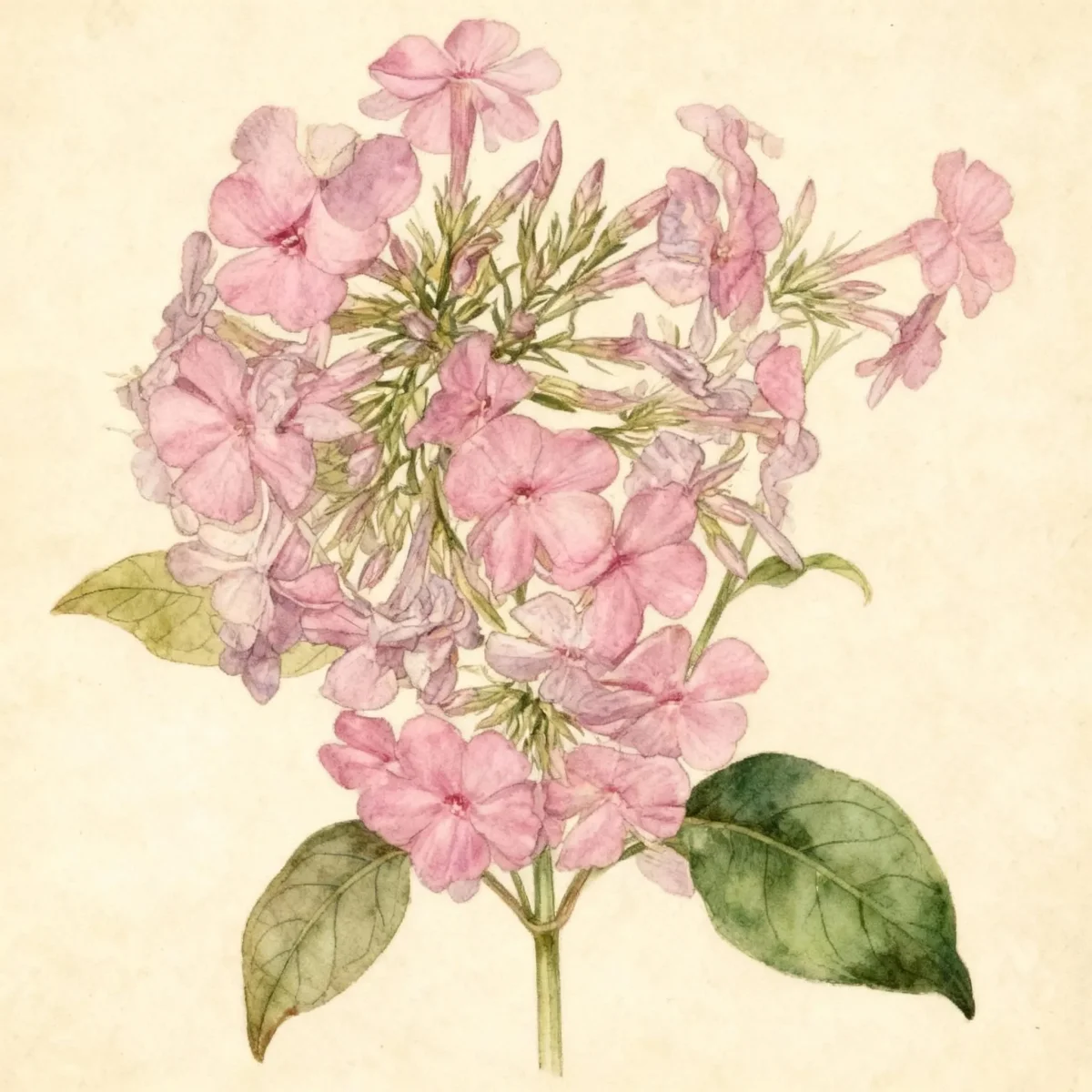

Garden phlox (Phlox paniculata 'Balsukafus' SUPER KA-POW FUCHSIA)
Phlox paniculata 'Balsukafus' SUPER KA-POW FUCHSIA offers vibrant fuchsia blooms. This Garden phlox is deer tolerant and ideal for mid-summer perennial borders.

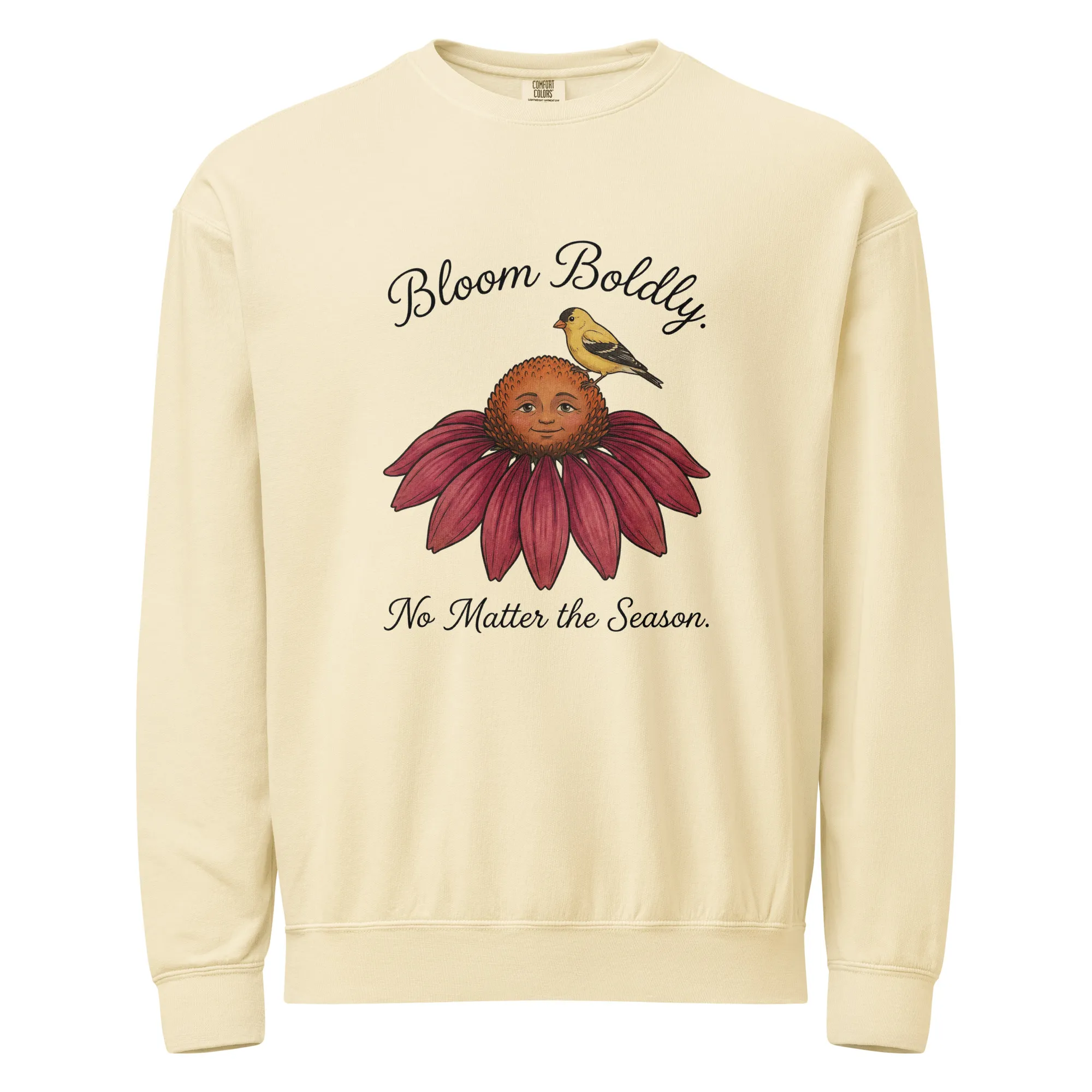
Bloom Boldly, No Matter the Season - Sweatshirt
Cozy organic cotton sweatshirt featuring our exclusive Purple Coneflower design. Perfect for gardeners who bloom year-round.
Inspired by the beautiful Garden phlox
Limited first batch (50) — join the waitlist for early access
Waitlist closes Feb 15, 2026.
Complete Plant Information
Field Guide Continues
Ready for care notes, companion picks, and planting tips?
The map is just the start. The full guide below covers growth habits, seasonal performance, and landscape uses.
Overview
Phlox paniculata ‘Balsukafus’ SUPER KA-POW FUCHSIA is a standout selection of Garden phlox, celebrated for its intense, fragrant, fuchsia-pink flower clusters that provide excellent seasonal color. This robust perennial forms an upright clump, making it a reliable backbone plant in mixed borders throughout the warmer months. Garden phlox, in general, is highly valued for attracting pollinators and its long bloom window.
This specific cultivar, Phlox paniculata ‘Balsukafus’ SUPER KA-POW FUCHSIA, exhibits improved strength and resistance, though general cultural care—especially ensuring good air circulation—remains important for disease prevention. Expect mature plants to reach about 1.5 to 1.75 feet tall, adding reliable vertical interest from mid-summer well into autumn.
Its versatility allows it to thrive in various garden settings, offering visual impact and fragrance missing from many annual displays. Incorporating Phlox paniculata ‘Balsukafus’ SUPER KA-POW FUCHSIA ensures consistent late-season color well after many spring bloomers have faded.
Fast Facts
- Plant Family: Polemoniaceae
- Plant Type: Herbaceous perennial
- Hardiness Zones: USDA Zones 4-9
- Size at Maturity:
- Height: 1.5-1.75 ft
- Spread: 1.25-1.5 ft
- Bloom Time: July to September
- Bloom Description: Pink
- Sun Exposure: Full sun to part shade
- Water Needs: Medium
- Maintenance Level: Medium
How to Grow
Plant Garden phlox during cool weather, ideally spring or early fall, ensuring the location receives full sun for the best performance, though light afternoon shade is tolerated. Phlox paniculata ‘Balsukafus’ SUPER KA-POW FUCHSIA thrives in moderately fertile, medium moisture, well-drained soil, preferring rich, organic conditions. Proper spacing is crucial to maximize air circulation around the foliage, significantly mitigating risks associated with powdery mildew.
Maintain medium moisture levels by providing consistent water, especially during dry spells; this plant is intolerant of drought. Avoid overhead watering, instead aiming streams directly for the base of the plant. An application of summer mulch will help keep the root zone cool while conserving that necessary moisture.
For optimal reblooming and a tidier appearance, promptly deadhead faded flower panicles, which also prevents unwanted self-seeding. Prepare the plants for dormancy by cutting them to the ground in winter and thoroughly cleaning up all plant debris from the area to minimize carryover disease spores for the next season.
Landscape Uses
Garden phlox is fundamentally a staple plant for the classic perennial border, bridging the gap between early and late-season displays. Its upright, steady habit makes it excellent for the middle to back of a border, mixing beautifully with shorter perennials or accentuating taller shrubs. The vibrant fuchsia tones of Phlox paniculata ‘Balsukafus’ SUPER KA-POW FUCHSIA harmonize well with blues, whites, and contrasting yellows.
Furthermore, since garden phlox flowers are so attractive to hummingbirds, this variety is a superb selection for inclusion in any intentional bird garden design. Use it where fragrance can be appreciated, such as near a patio or walkway. Its consistent height and reliable bloom mean it partners effectively with late-blooming asters or tall ornamental grasses that offer contrasting textures.
Standout Features
Flower Qualities
- Showy
Noteworthy Characteristics
Phlox paniculata, commonly known as garden phlox, is native from New York to Iowa south to Georgia, Mississippi and Arkansas, though it has naturalized widely. This is an upright perennial that grows in a clump on stiff stems clad with conspicuously veined, deep green leaves. Fragrant, tubular florets are densely packed in large, tiered, domed terminal clusters blooming over a long July to September period, attracting butterflies and hummingbirds. The genus name derives from the Greek word phlox meaning flame. ‘Balsukafus’ is a robust selection of garden phlox that features clusters of fragrant, fuchsia-pink flowers and a well-branched growth habit, often sold as SUPER KA-POW FUCHSIA.
Tolerances
- Deer
- Clay Soil
- Black Walnut
Potential Problems
Phlox requires attention, as pests like phlox bugs and diseases such as powdery mildew and root rot can pose serious threats to its health. Spider mites may also become problematic, especially when the plant experiences hot, dry conditions. The ‘Balsukafus’ cultivar specifically offers improved resistance to powdery mildew, making it a better choice than many older varieties. To manage potential issues, ensure excellent air circulation by spacing plants appropriately and thinning dense stems. Remove or destroy fallen debris in autumn to reduce overwintering fungal spores.
Frequently Asked Questions
What hardiness zones is Garden phlox suitable for?
Phlox paniculata ‘Balsukafus’ SUPER KA-POW FUCHSIA is suitable for USDA Hardiness Zones 4 through 9.
How large does Phlox paniculata ‘Balsukafus’ SUPER KA-POW FUCHSIA grow?
This cultivar typically reaches a mature height between 1.5 and 1.75 feet tall, spreading between 1.25 and 1.5 feet wide.
What sun exposure does Garden phlox need?
Garden phlox performs best in full sun but will tolerate part shade conditions.
When does Phlox paniculata ‘Balsukafus’ SUPER KA-POW FUCHSIA bloom?
This variety blooms reliably from July through September, displaying bright pink flowers.
Conclusion
Phlox paniculata ‘Balsukafus’ SUPER KA-POW FUCHSIA delivers reliable, fragrant, fuchsia color exactly when many summer borders begin to fade. Its drought tolerance in clay soil and deer resistance add significant practical value to the landscape equation. Before planting, verify your local USDA zone aligns with zones 4-9 to ensure this stunning Garden phlox performs optimally next season.
Companion Planting
Selecting companions for Garden phlox involves choosing plants that share similar light and moisture needs—full sun to light shade and medium water. Companion plants that thrive in rich, moist soils and offer contrasting foliage texture work best alongside the flat leaves of Phlox paniculata. Good partners include plants that bloom before or after the phlox, such as Salvia nemorosa or Nepeta, which provide cleaner foreground definition.
Consider pairing Phlox paniculata ‘Balsukafus’ SUPER KA-POW FUCHSIA with plants that have different flower shapes to maximize visual interest, such as tall Coneflowers (Echinacea) or sturdy ornamental grasses. Since mildew can be an issue, avoid overcrowding; ensure adequate space between companions so that air can move freely around the base of the phlox stems.
Wildlife Benefits
The tubular flower structure of the Garden phlox is perfectly adapted for long-tongued pollinators. Butterflies are strongly attracted to the dense clusters of flowers produced by Phlox paniculata ‘Balsukafus’ SUPER KA-POW FUCHSIA throughout the mid-to-late summer season. In addition to butterflies, hummingbirds frequently visit these upright bloom spikes searching for nectar.
Planting a mass of these vibrant pink blossoms creates an excellent landing beacon for beneficial insects. While primarily valued for butterflies, any plant that offers frequent nectar rewards throughout a long bloom period supports local insect populations necessary for a healthy garden ecosystem.