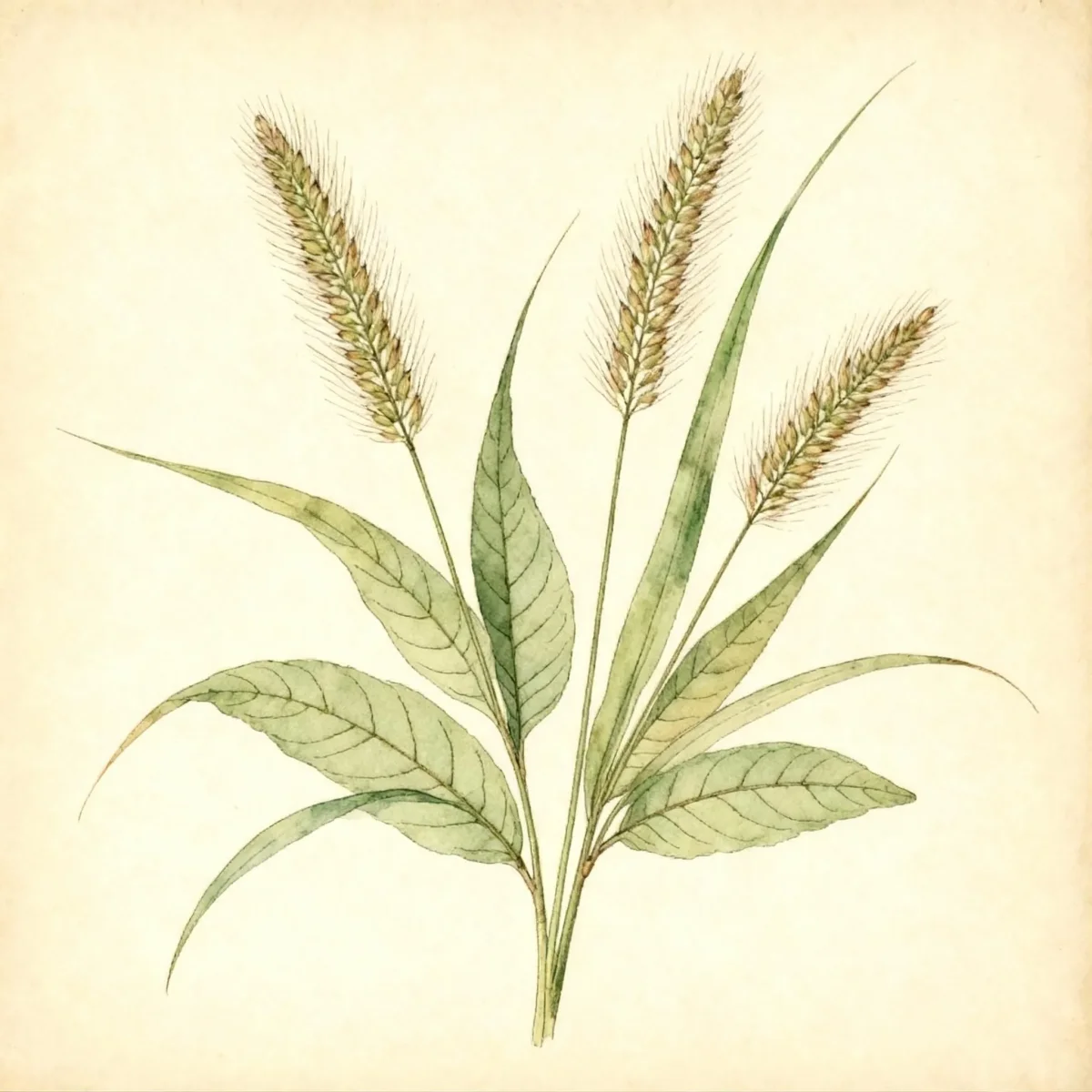
Fountain grass(Pennisetum alopecuroides 'Red Head')
Grow Red Head fountain grass (Pennisetum alopecuroides 'Red Head'): giant 10-inch smoky red bottlebrush plumes, early bloom, rain garden care, USDA zones 5–9.
Complete Plant Information
- Hardiness zones
- USDA 5–9
- Plant type
- Ornamental grass
- Plant family
- Poaceae
- Sun exposure
- Full sun
- Water needs
- Medium to wet
- Maintenance
- Low
- Height
- 3–4 ft (91–122 cm)
- Spread
- 3–4 ft (91–122 cm)
- Bloom time
- July to October
- Flower color
- Immense, cylindrical, smoky deep red-purple bottlebrush plumes (8-10 inches long) aging to purple-tan
- Flower qualities
- Showy, Good Cut, Good Dried
- Fruit qualities
- Not recorded
- Tolerances
- Deer, Drought, Erosion, Clay Soil, Wet Soil, Black Walnut
- Garden uses
- Perennial border anchor, rain garden margin, massed drift, autumn cut flower
- Native range
- East Asia, Australia (cultivar selected by Brent Horvath)
Field Guide Continues
Ready for care notes, companion picks, and planting tips?
The map is just the start. The full guide below covers growth habits, seasonal performance, and landscape uses.
Overview
Red Head fountain grass (Pennisetum alopecuroides ‘Red Head’, also classified botanically under Cenchrus alopecuroides) is an exceptionally large-plumed, early-flowering warm-season ornamental grass hardy in USDA Zones 5 through 9. Selected in Illinois by Brent Horvath of Intrinsic Perennial Gardens, it is celebrated for producing the largest, most dramatically colored flowerheads in the genus: starting in late July—nearly a month ahead of standard fountain grasses—it covers its cascading, 3- to 4-foot arching green mound in giant, cylindrical bottlebrush plumes up to 10 inches long and 3 inches thick in deep, smoky purple-red.
Its dense green foliar mound arches gracefully, shifting in late October to glowing shades of butter-gold and bronze that persist into winter.
How to Grow
- Sunlight: Full sun is essential (minimum 6 hours of direct daily sunlight). In partial shade, plants become loose and arching with significantly fewer plumes.
- Soil & Moisture Adaptability: Highly adaptable across diverse soil conditions:
- Moist & Wet Soils: Exceptionally tolerant of wet ground and heavy clay, making it a standout structural selection for rain garden retention swales and pond banks.
- Drought Tolerance: Once rooted after the first growing season, it demonstrates high drought tolerance in typical garden beds.
- Late Winter Cutback: Leave the dried amber foliage and plumes intact through winter to insulate the crown and provide wildlife food. In late winter or early spring (March), shear stems back to 3 to 4 inches above the soil line before green spring shoots appear.
- Fertilization: Avoid excess nitrogen fertilizers, which cause floppy growth.
Landscape Uses
- Perennial Border Anchor: Midsummer ruby plumes provide vertical height and movement behind shorter perennials.
- Rain Garden & Pond Margin: Handles wet seasonal soil saturation gracefully, filtering runoff.
- Massed Drifts & Erosion Control: Planted in groups spaced 3 feet apart on center, fibrous roots anchor sloping ground against soil erosion.
Potential Problems
- Late Spring Awakening: As a warm-season grass, it remains dormant until soil warms in May; do not dig up crowns thinking they died.
- Flopping in Shade: Lack of sunlight causes weak, weeping stems that collapse under rain.
- Crown Rot in Standing Winter Ice: Ensure planting beds drain away standing water during freezing winter months.
Frequently Asked Questions
When does ‘Red Head’ start blooming?
‘Red Head’ begins blooming in mid-to-late July, roughly 3 to 4 weeks earlier than most standard fountain grasses like ‘Hameln’.
How large are the flower plumes?
The cylindrical, smoky red-purple bottlebrush plumes measure 8 to 10 inches long and up to 3 inches thick, making them the largest in the species.
Do deer eat Red Head fountain grass?
No. The rough silica edges on the leaves make fountain grasses naturally resistant to deer and rabbit browsing.
Companion Plants
Pair Red Head fountain grass with late-summer blooming sun perennials:
- Flowering Sun Perennials: Plant alongside black-eyed Susans (Rudbeckia fulgida), purple coneflowers (Echinacea), and sedum ‘Autumn Joy’.
- Color Contrast Accents: Combine with Russian sage (Salvia yangii), blue aster, or goldenrod (Solidago).
- Rain Garden Partners: Interplant with swamp milkweed (Asclepias incarnata) or blue flag iris in wet areas.
Sources & Lineage
- Missouri Botanical Garden PlantFinder: Record taxon 445892 (Pennisetum alopecuroides ‘Red Head’) — Brent Horvath selection, plume dimensions, and hardiness.
- Kew Plants of the World Online (POWO): Pennisetum alopecuroides (L.) Spreng. (POWO: 414920-1) — species taxonomy, synonymy under Cenchrus, and native range.
- University of Illinois Extension: Ornamental Grasses: Pennisetum alopecuroides — landscape performance, rain garden use, and cutback guidelines.
Recommended Companion Plants
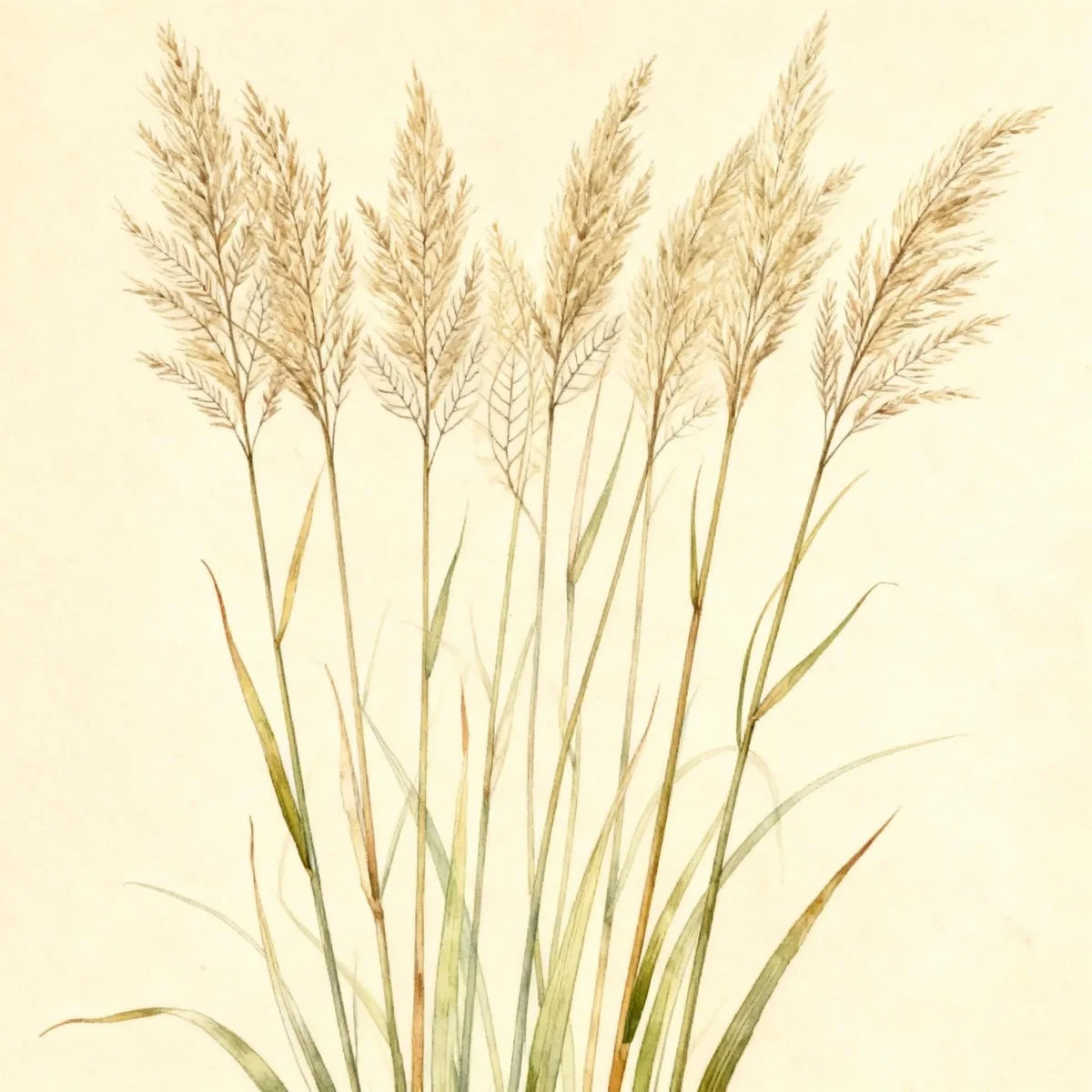
Feather reed grass
Calamagrostis × acutiflora 'Karl Foerster'
- USDA zones
- 5–9
- Light
- Full sun
- Water
- Medium to wet
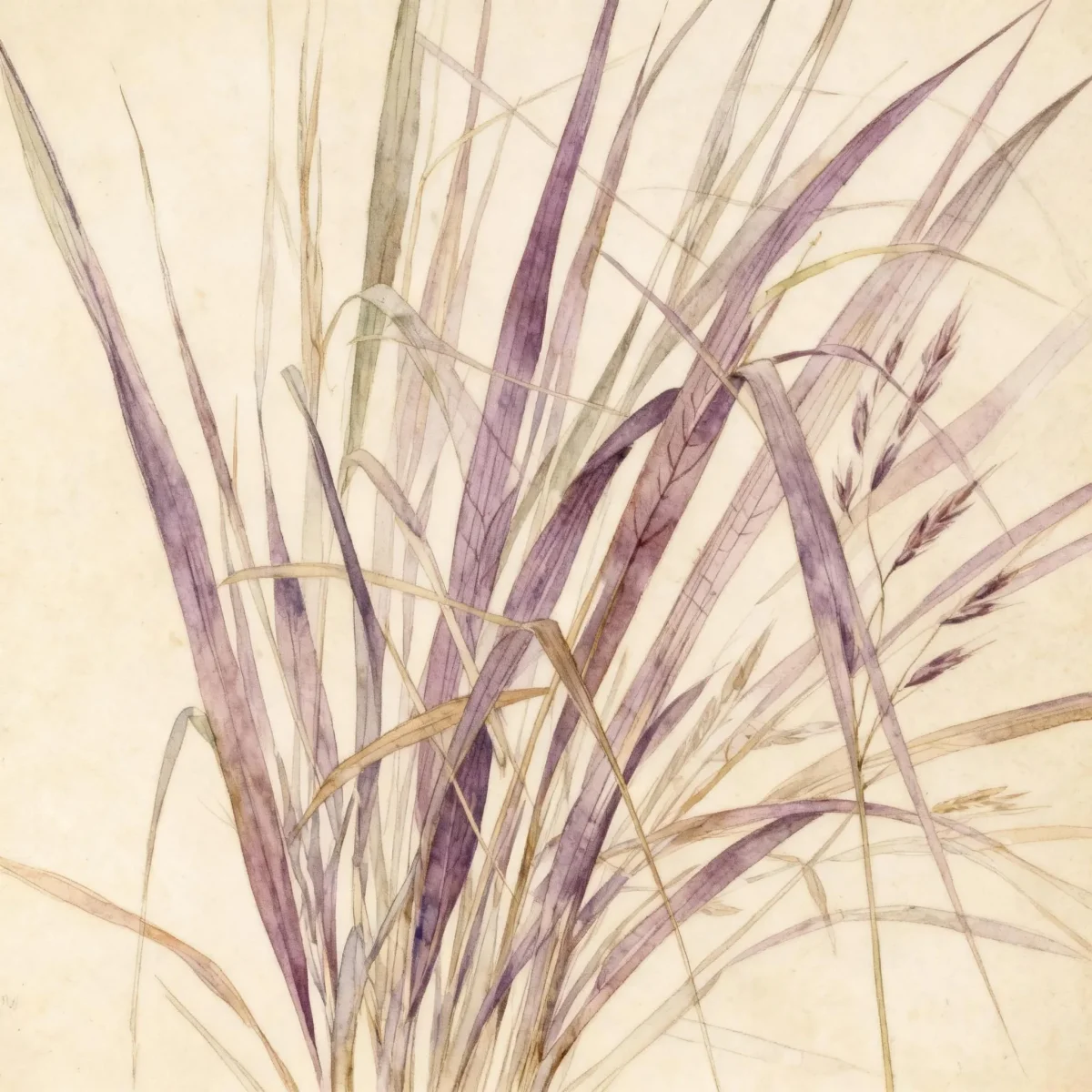
Purple moor grass
Molinia caerulea subsp. Arundinacea 'Skyracer'
- USDA zones
- 5–8
- Light
- Full sun
- Water
- Medium to wet
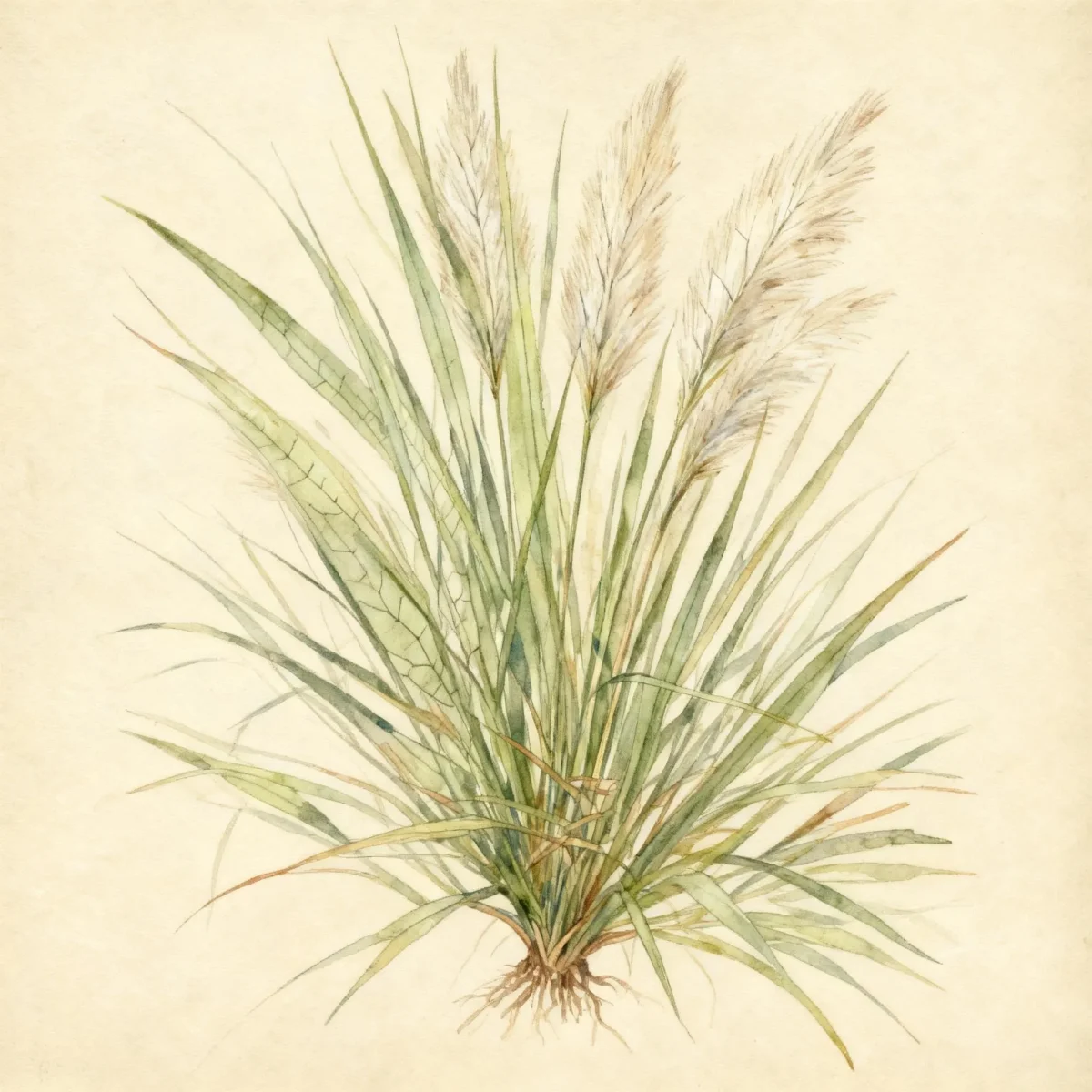
Feather reed grass
Calamagrostis × acutiflora 'Avalanche'
- USDA zones
- 5–9
- Light
- Full sun
- Water
- Medium to wet
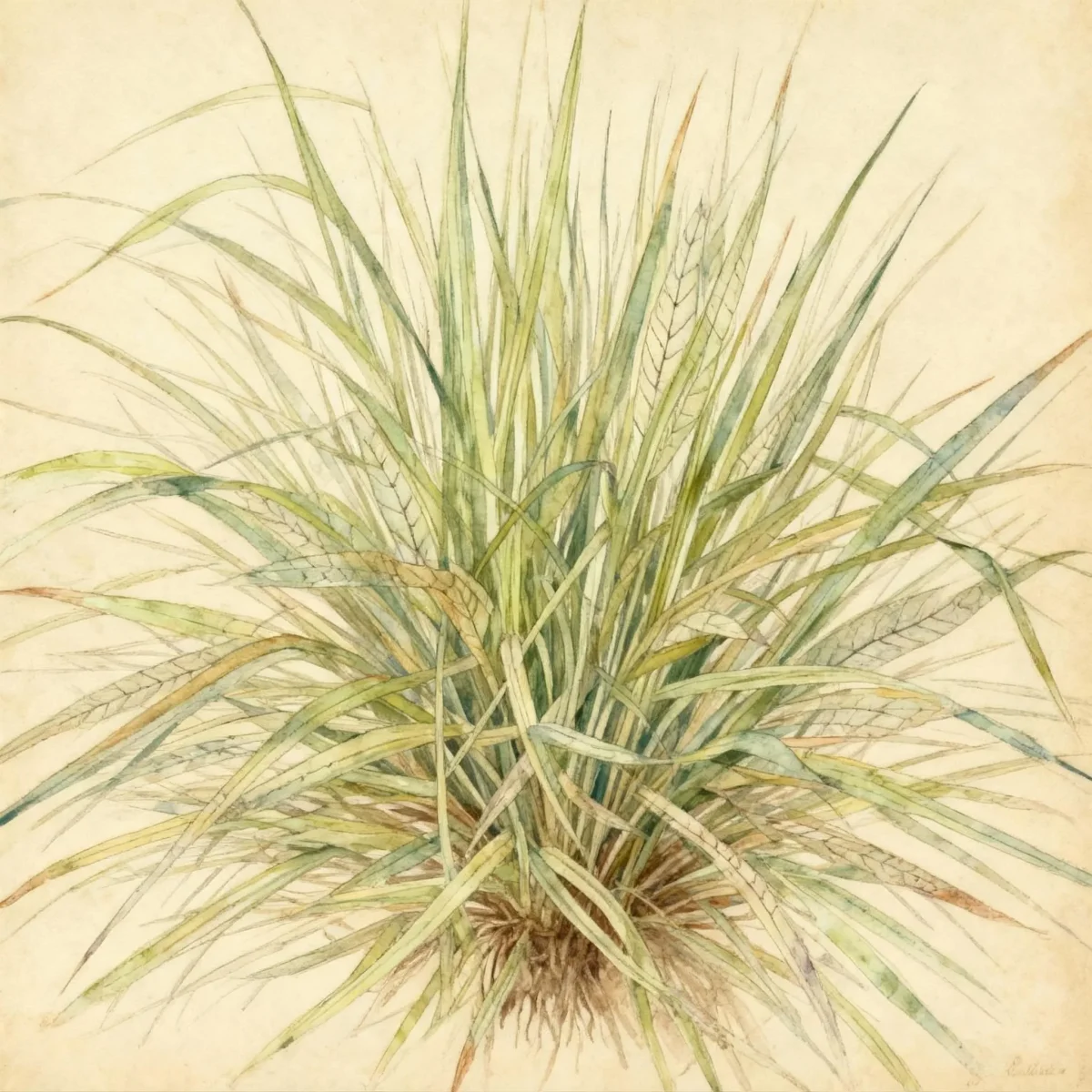
Purple moor grass
Molinia caerulea subsp. Caerulea 'Variegata'
- USDA zones
- 4–9
- Light
- Full sun
- Water
- Medium to wet
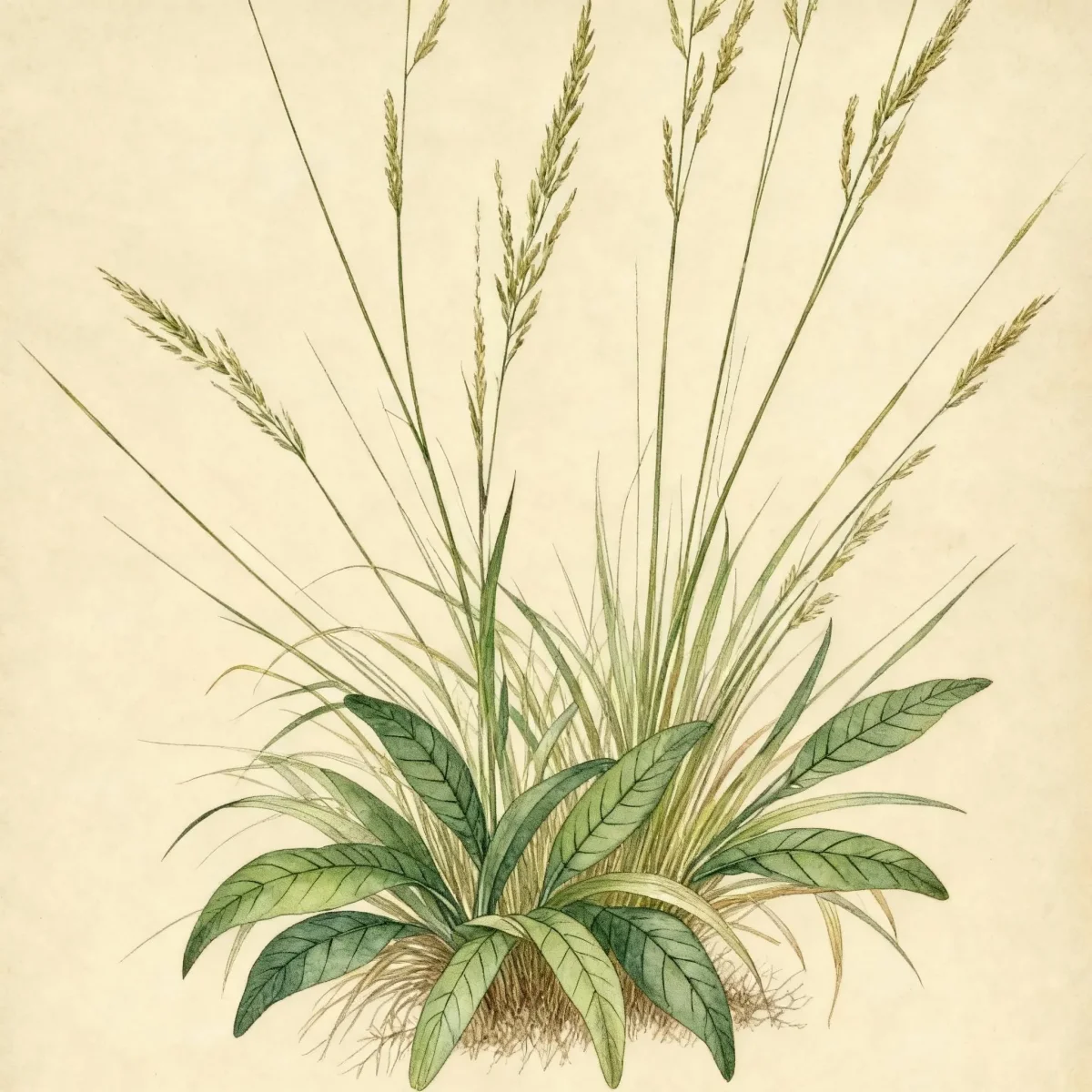
Purple moor grass
Molinia caerulea
- USDA zones
- 5–8
- Light
- Full sun
- Water
- Medium to wet
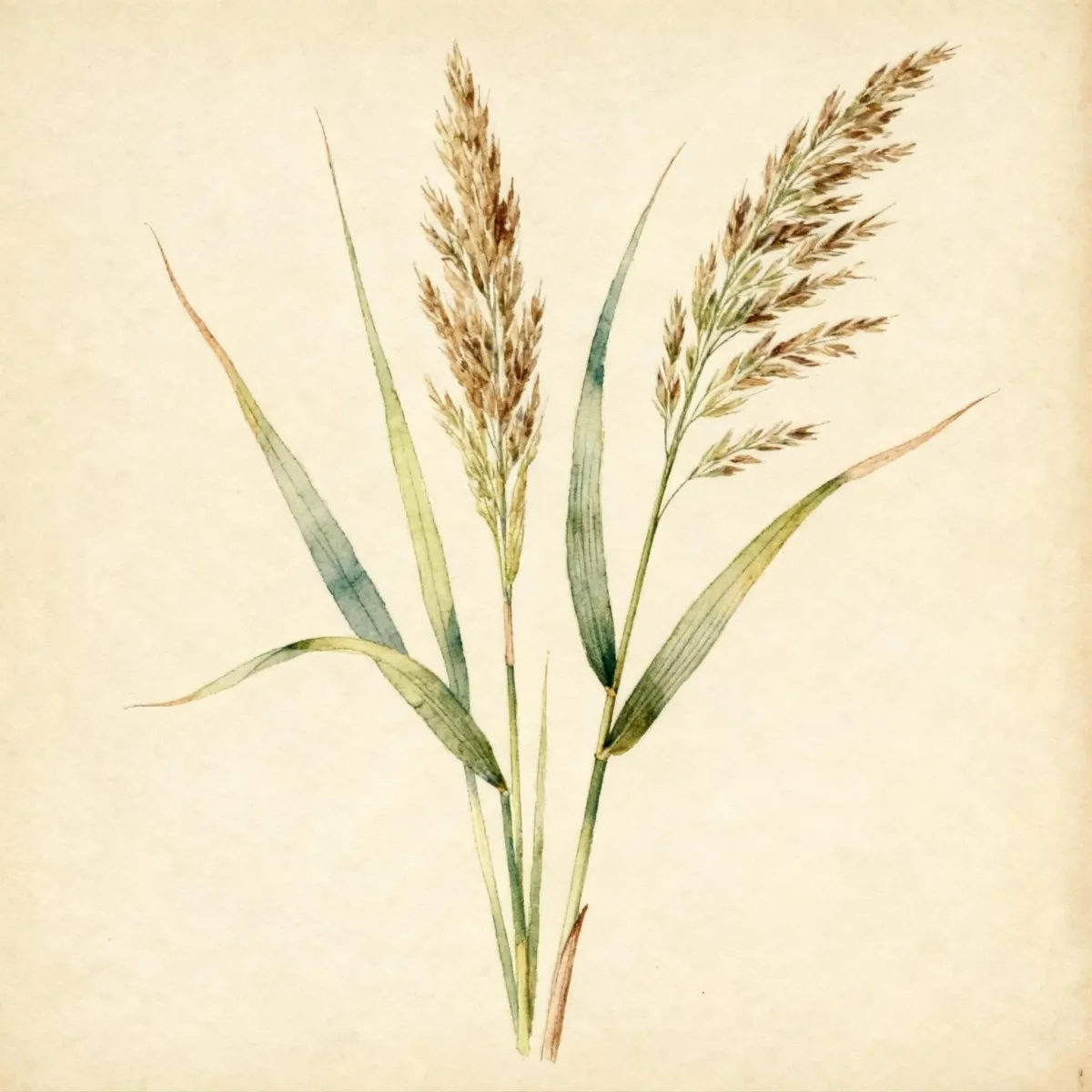
Reed grass
Calamagrostis brachytricha
- USDA zones
- 4–9
- Light
- Full sun
- Water
- Medium to wet
Keep Learning
Test what you know with a garden quiz
You have the plant facts and care notes. Continue with a related challenge, or browse the complete quiz library.

Can You Identify These Common Garden Plants? Test Your Plant Knowledge
Think you know your roses from your peonies? Test your plant identification skills with our comprehensive garden plant quiz featuring 10 challenging questions.
Start quiz
USDA Garden Zone Map Quiz
Use this USDA garden zone map quiz to check whether you can read hardiness zones and choose plants with more confidence.
Start quizBrowse the full quizzes section
Explore plant identification, zone strategy, and seasonal gardening challenges.
View all quizzes