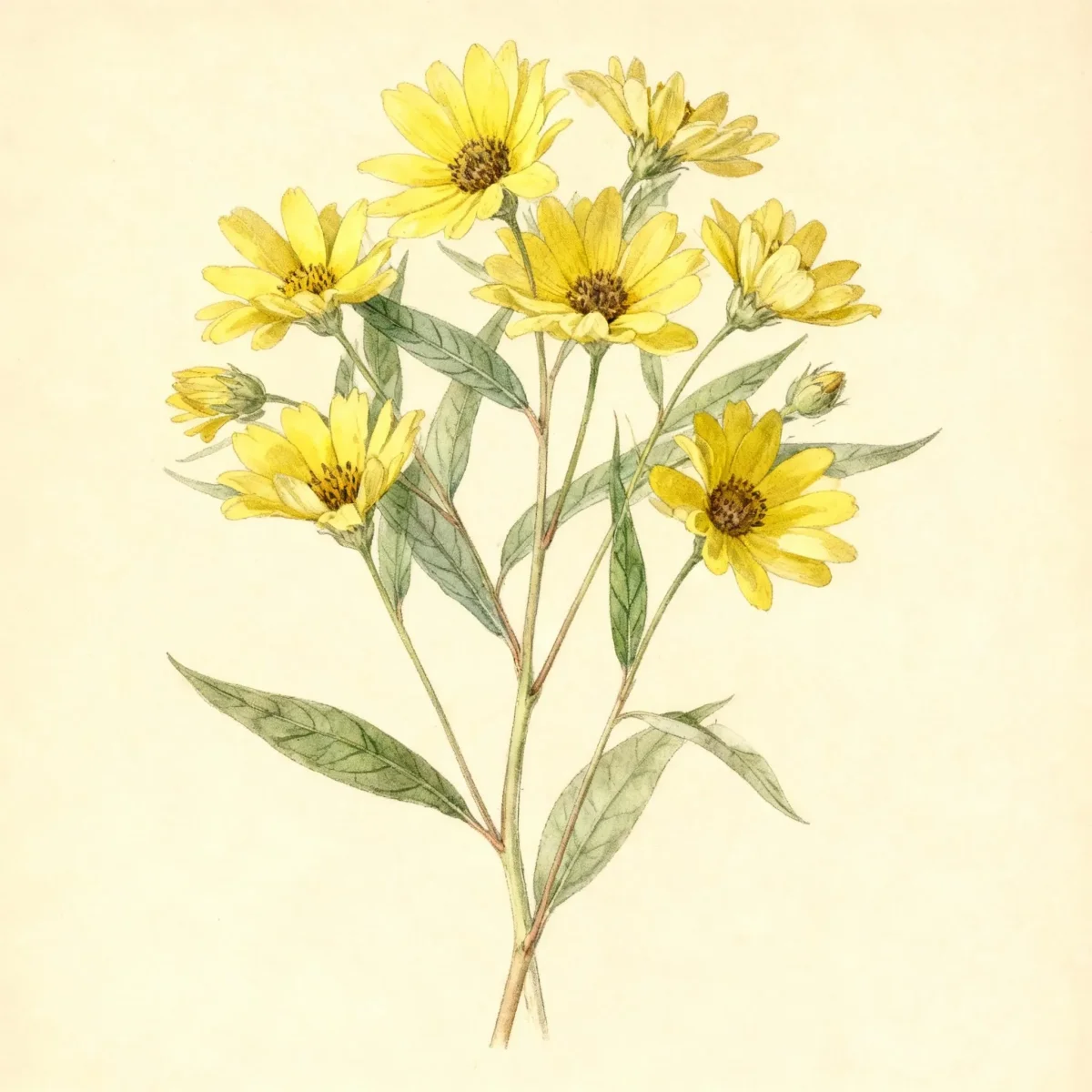
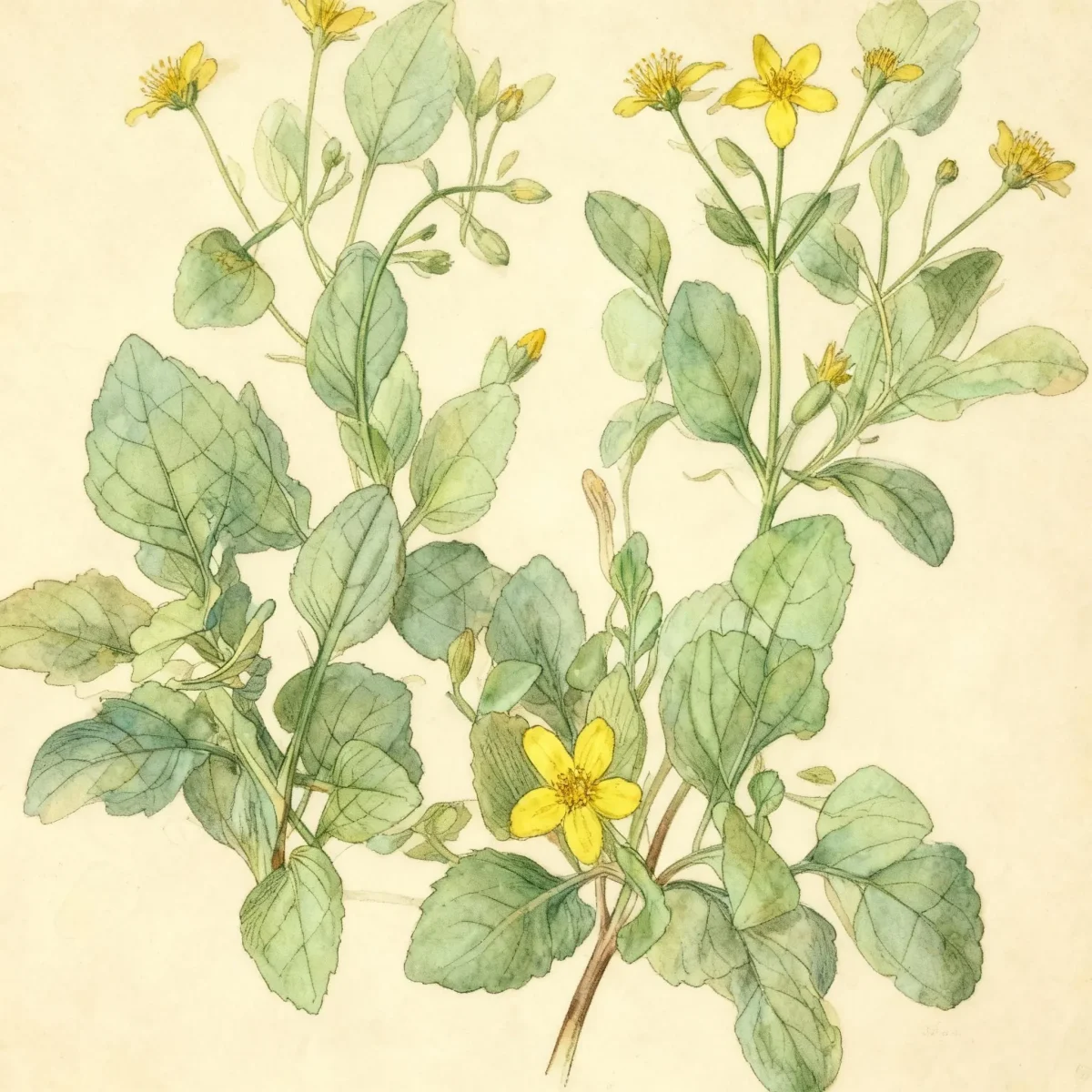
Leopard plant (Farfugium japonicum 'Wavy Gravy')
The Leopard plant, Farfugium japonicum 'Wavy Gravy', offers unique wavy, grey-green foliage perfect for deep shade gardens in Zones 7-10.

Bloom Boldly, No Matter the Season - Sweatshirt
Cozy organic cotton sweatshirt featuring our exclusive Purple Coneflower design. Perfect for gardeners who bloom year-round.
Inspired by the beautiful Leopard plant
Limited first batch (50) — join the waitlist for early access
Waitlist closes Feb 15, 2026.
Complete Plant Information
Field Guide Continues
Ready for care notes, companion picks, and planting tips?
The map is just the start. The full guide below covers growth habits, seasonal performance, and landscape uses.
Overview
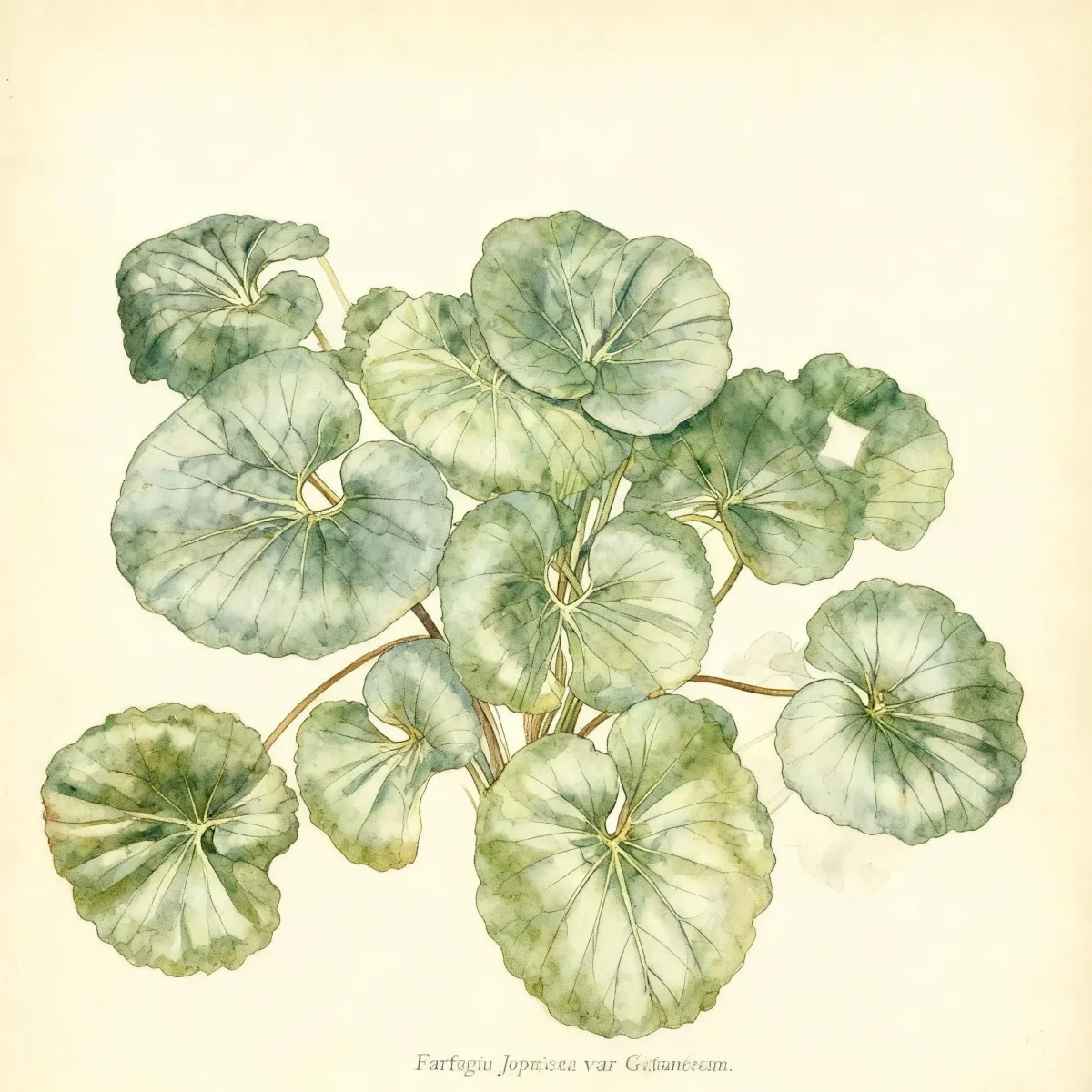
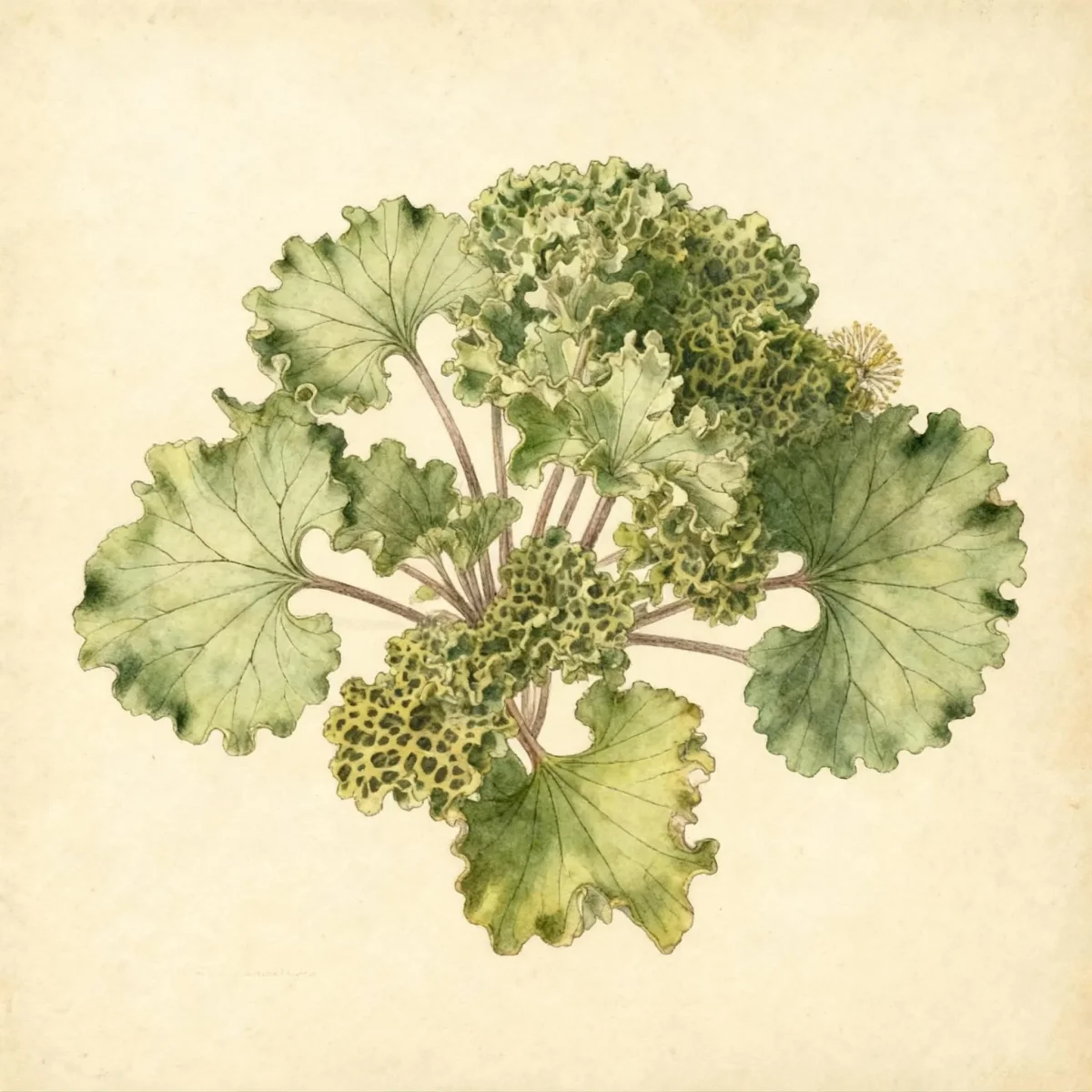
The Farfugium japonicum ‘Wavy Gravy’ is a highly sought-after herbaceous perennial prized primarily for its exceptional, highly textured foliage. Often known globally as the Leopard plant, this cultivar provides a dense, basal clump of grey-green, kidney-shaped leaves defined by tightly curled margins, offering visual interest where other plants struggle. It thrives best in the deep shade provided by woodlands or beneath dense tree canopies.
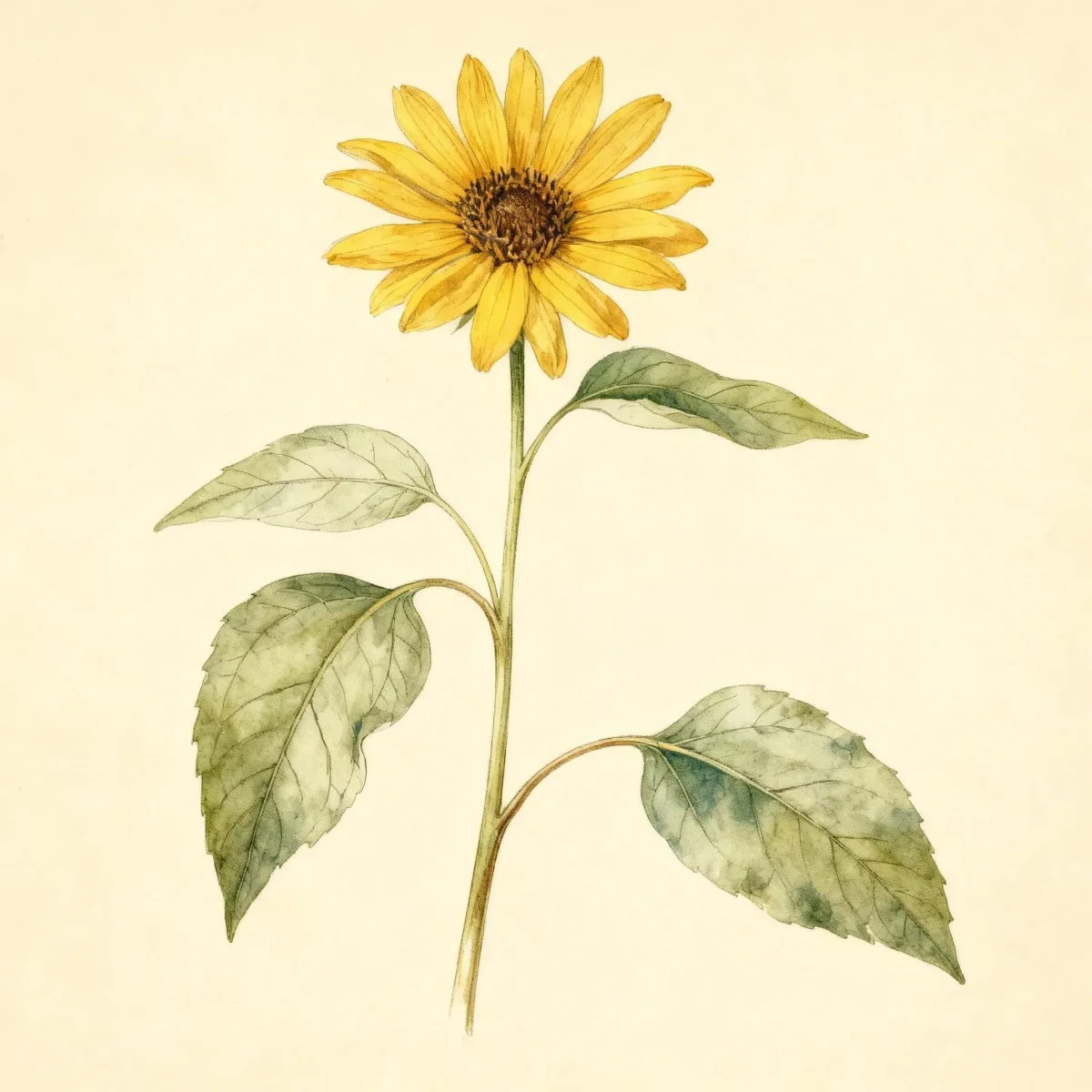
As a reliable autumn bloomer, the Leopard plant produces sprays of cheerful yellow, daisy-like flowers that rise above the mounding foliage late in the season. While the flowers add interest, the unique texture of Farfugium japonicum ‘Wavy Gravy’ remains its principal ornamental feature, making it an irreplaceable textural accent in shade gardens across USDA Zones 7 through 10.
This clump-forming perennial provides excellent coverage, reaching up to 2 feet tall and spreading to nearly 2 feet wide. It requires consistent moisture, mirroring its native habit in moist meadows, but offers a robust structure perfect for stabilizing damp, shady borders.
Fast Facts
- Plant Family: Asteraceae
- Plant Type: Herbaceous perennial
- Hardiness Zones: USDA Zones 7-10
- Size at Maturity:
- Height: 1.75-2 ft
- Spread: 1.5-1.75 ft
- Bloom Time: September to October
- Bloom Description: Yellow
- Sun Exposure: Part shade to full shade
- Water Needs: Medium
- Maintenance Level: Medium
How to Grow
Planting the Farfugium japonicum ‘Wavy Gravy’ is best done in the spring after the danger of hard frost has passed, ensuring it has time to establish before summer heat. The priority for successful cultural care is rich, humusy soil that retains constant, medium moisture. Locate your Leopard plant where it receives part shade to full shade; direct, intense afternoon sun will quickly scorch the decorative leaves.
Care involves maintaining consistent moisture levels. While Farfugium japonicum tolerates slightly drier conditions than some closely related plants, it performs best when soils never fully dry out. Deep watering during hot summers is crucial to prevent leaf wilting, which signals stress. Fertilization is usually unnecessary if the soil is enriched organically, but an annual light application of balanced fertilizer in spring can support robust leaf production.
Gardeners growing the Leopard plant specifically for its foliage often choose to deadhead the flowering stalks as soon as they emerge in late summer. This redirects the plant’s energy entirely into leaf growth and texture, maximizing the ornamental effect of the Farfugium japonicum ‘Wavy Gravy’. Prepare for foliage melt-back if winter temperatures consistently approach 20°F, although the leaves are evergreen in the milder end of its range.
Landscape Uses
The Farfugium japonicum ‘Wavy Gravy’ is perfectly suited for naturalistic or contemporary shade designs where texture contrast is desired. Its uniform, rounded habit makes it excellent for grouping or mass planting within moist woodland gardens or along the edges of water features like streams, ponds, or bog gardens. The unique, wavy leaf margins provide a powerful contrast against smooth-leaved hostas or ferns.
Use this perennial as an intriguing mid-border element or as a living groundcover in deep shade where lawn grasses fail. Because the foliage is so striking, Farfugium japonicum ‘Wavy Gravy’ also functions effectively as a specimen plant near entryways that feature consistent moisture and shade coverage. Ensure ample space is left for its 1.75-foot mature spread to allow the basal clumps to fully develop their impressive form.
Standout Features
Noteworthy Characteristics
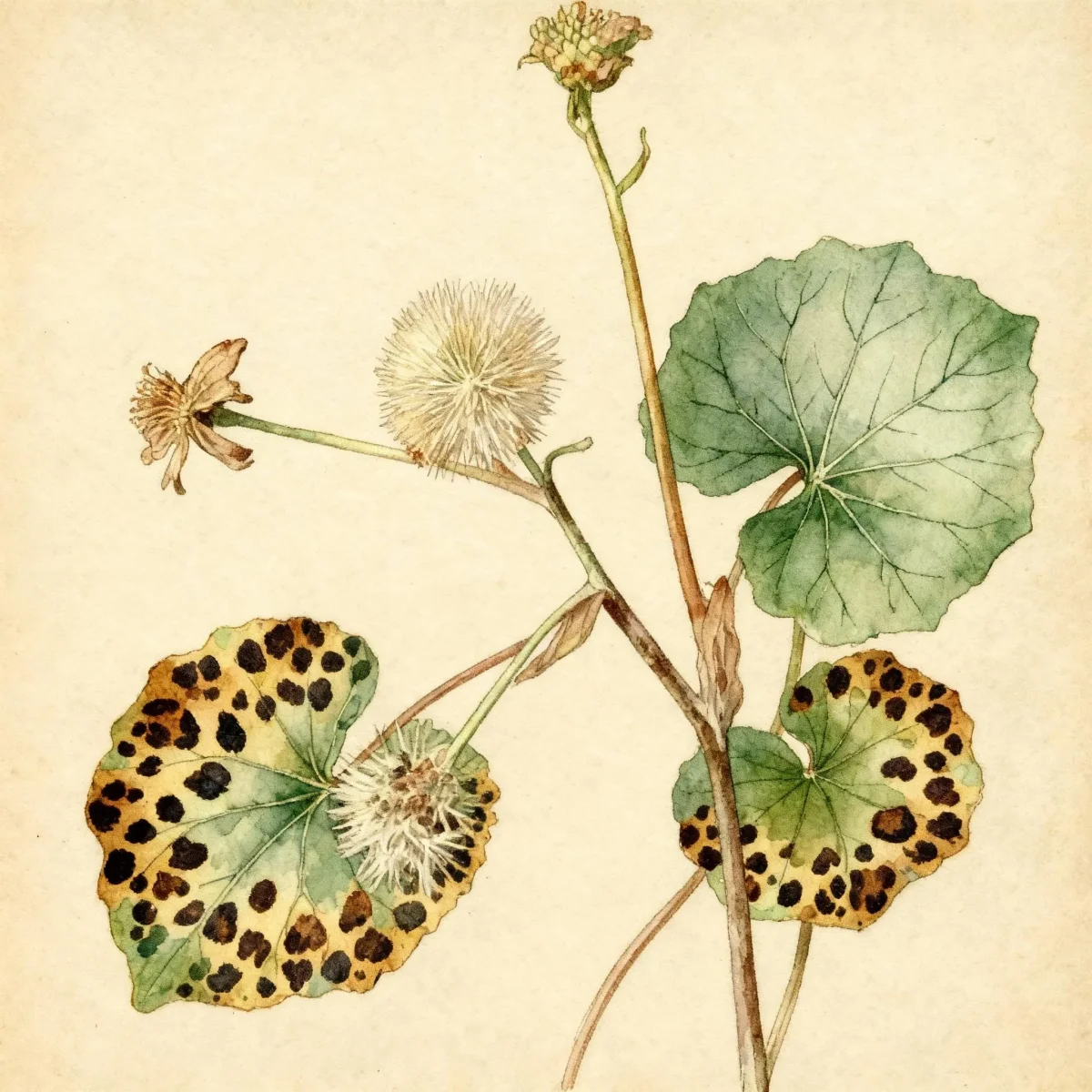
Farfugium japonicum, commonly called leopard plant, is a clump-forming perennial that is grown in gardens as much for its attractive foliage as for its autumn flowers. Its best ornamental feature is the foliage, consisting of huge, long-stalked, glossy, leathery, kidney-shaped leaves up to 12 inches across that form a basal clump. The ‘Wavy Gravy’ selection specifically features grey-green foliage with tightly curled margins and long, upright petioles. Daisy-like, yellow flowers appear in fall on upright scapes, though the leaves provide the main show.
Potential Problems
Slugs and snails are significant pests that can severely damage the attractive foliage of the Leopard plant, requiring diligent preventative monitoring. Additionally, temperature spikes demand attention; even with adequate moisture, leaf wilting can quickly occur in hot summer climates, particularly if the plant is subjected to too much sun exposure. Proactive pest control and proper siting are key to maintaining healthy leaves on your Farfugium japonicum ‘Wavy Gravy’.
Frequently Asked Questions
What hardiness zones is Leopard plant suitable for?
The Farfugium japonicum ‘Wavy Gravy’ is recommended for USDA Zones 7-10, offering excellent performance where reliable winter protection is present.
How large does Leopard plant grow?
This cultivar typically reaches a height between 1.75 and 2 feet tall, with a spread of 1.5 to 1.75 feet, forming a dense, compact mound.
What sun exposure does Leopard plant need?
Farfugium japonicum ‘Wavy Gravy’ requires part shade to full shade conditions; insufficient shade will cause the foliage to wilt and scorch during the heat of the day.
When does Leopard plant bloom?
The Leopard plant produces its yellow, daisy-type flowers in the late season, generally blooming from September to October.
Conclusion
The Farfugium japonicum ‘Wavy Gravy’ guarantees textural drama and reliable evergreen presence in the darkest corners of the garden. Its unique, wavy grey-green foliage ensures the Leopard plant stands out, even when flowers are absent. Before planting, confirm that your chosen site provides the humus-rich, consistently moist soil and shade structure necessary for this superb perennial to thrive.
Companion Planting
Choosing companions that share the moisture and shade needs of the Farfugium japonicum ‘Wavy Gravy’ will ensure cohesive planting success. Look for other bold-textured, shade-loving plants such as Matteuccia struthiopteris (Ostrich Fern) or Hakonechloa macra (Japanese Forest Grass), whose arching forms complement the upright petioles of the Leopard plant. Plants that require drier conditions, such as many ornamental grasses, should be avoided, as the Farfugium demands richer, wetter soil to maintain its lush appearance.
Design Ideas for Deep Shade
Utilizing the Leopard plant in shaded seating areas enhances relaxation by centering views around interesting textures. Consider planting en masse along shaded pathways where the morning dew catches the light on the curled foliage of Farfugium japonicum ‘Wavy Gravy’. For foundation plantings, use the plant as a permanent, low maintenance anchor, contrasting its robust form against vertical elements like ferns or narrow evergreen shrubs to create depth in the landscape plane.