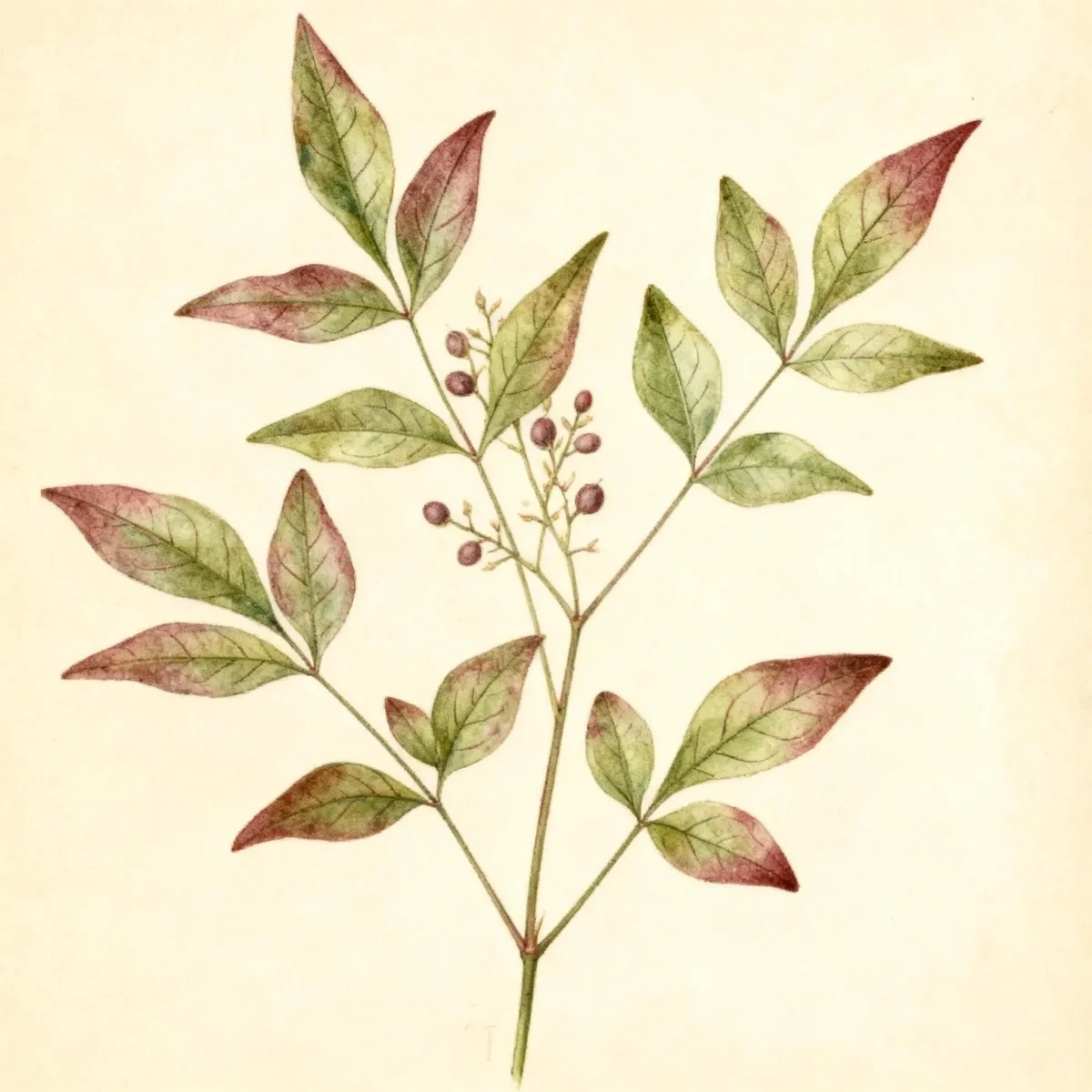

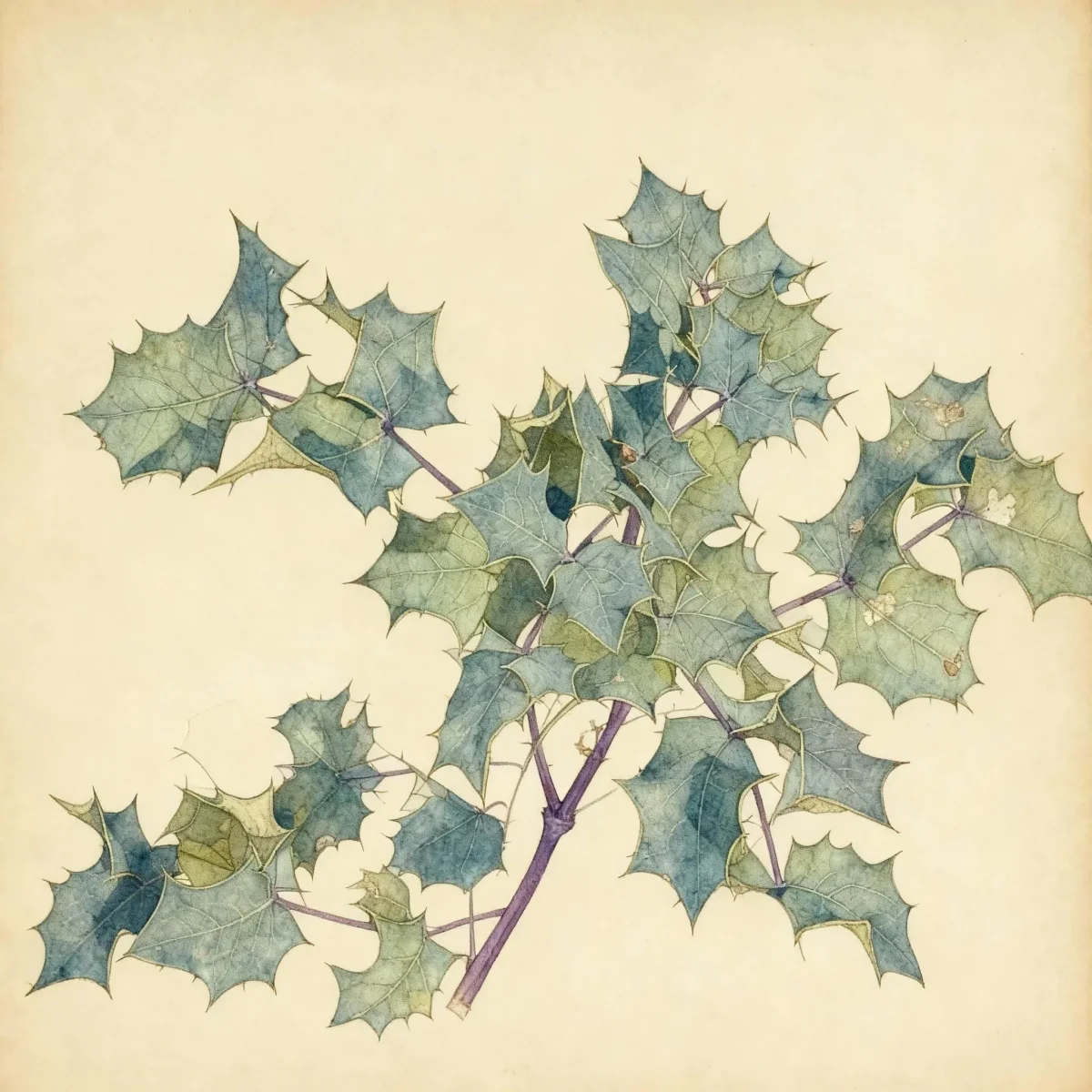
Jepson's Oregon-grape (Berberis dictyota)
Drought tolerant Berberis dictyota, Jepson's Oregon-grape, is a low-maintenance evergreen shrub perfect for xeriscaping.
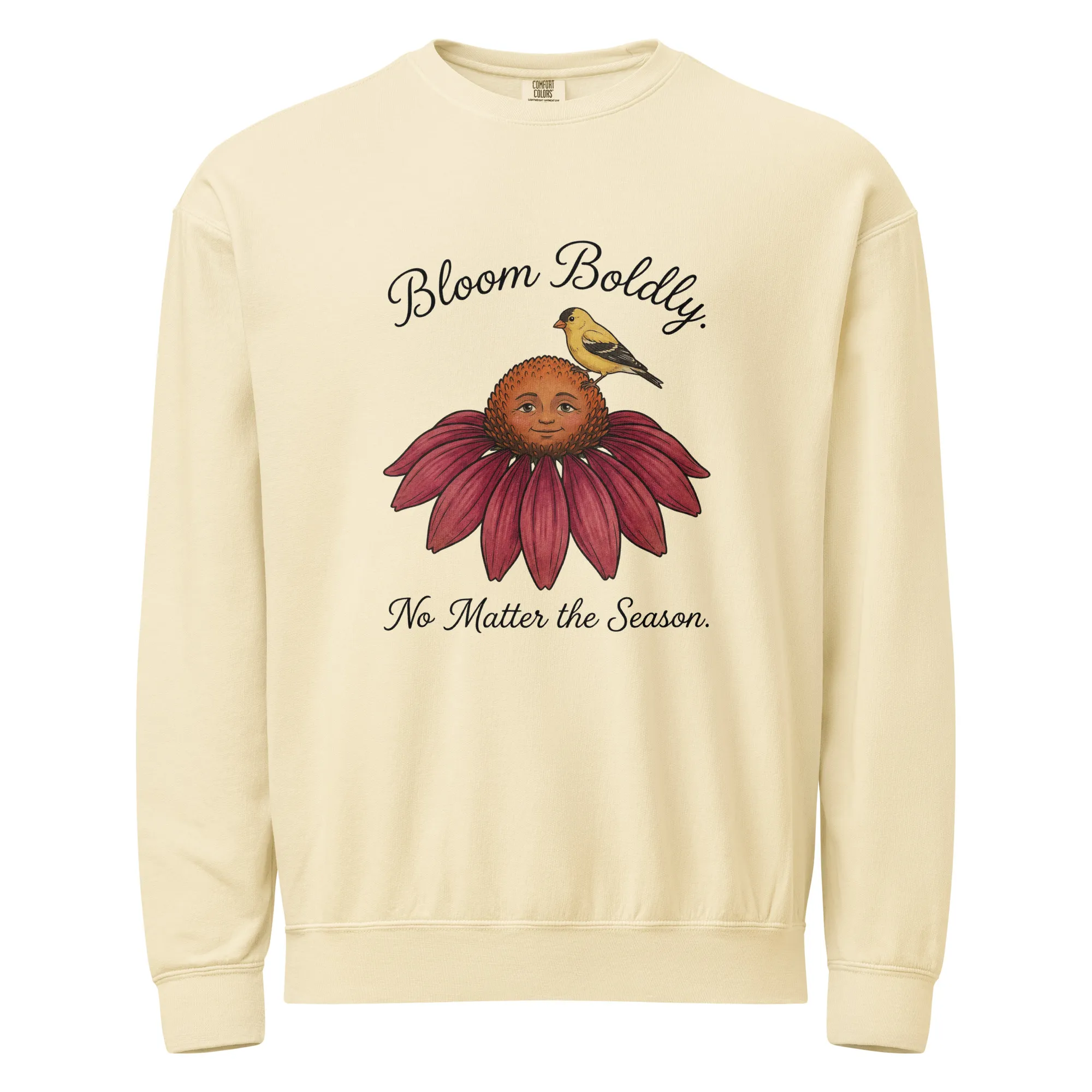
Bloom Boldly, No Matter the Season - Sweatshirt
Cozy organic cotton sweatshirt featuring our exclusive Purple Coneflower design. Perfect for gardeners who bloom year-round.
Inspired by the beautiful Jepson's Oregon-grape
Limited first batch (50) — join the waitlist for early access
Waitlist closes Feb 15, 2026.
Complete Plant Information
Field Guide Continues
Ready for care notes, companion picks, and planting tips?
The map is just the start. The full guide below covers growth habits, seasonal performance, and landscape uses.
Overview
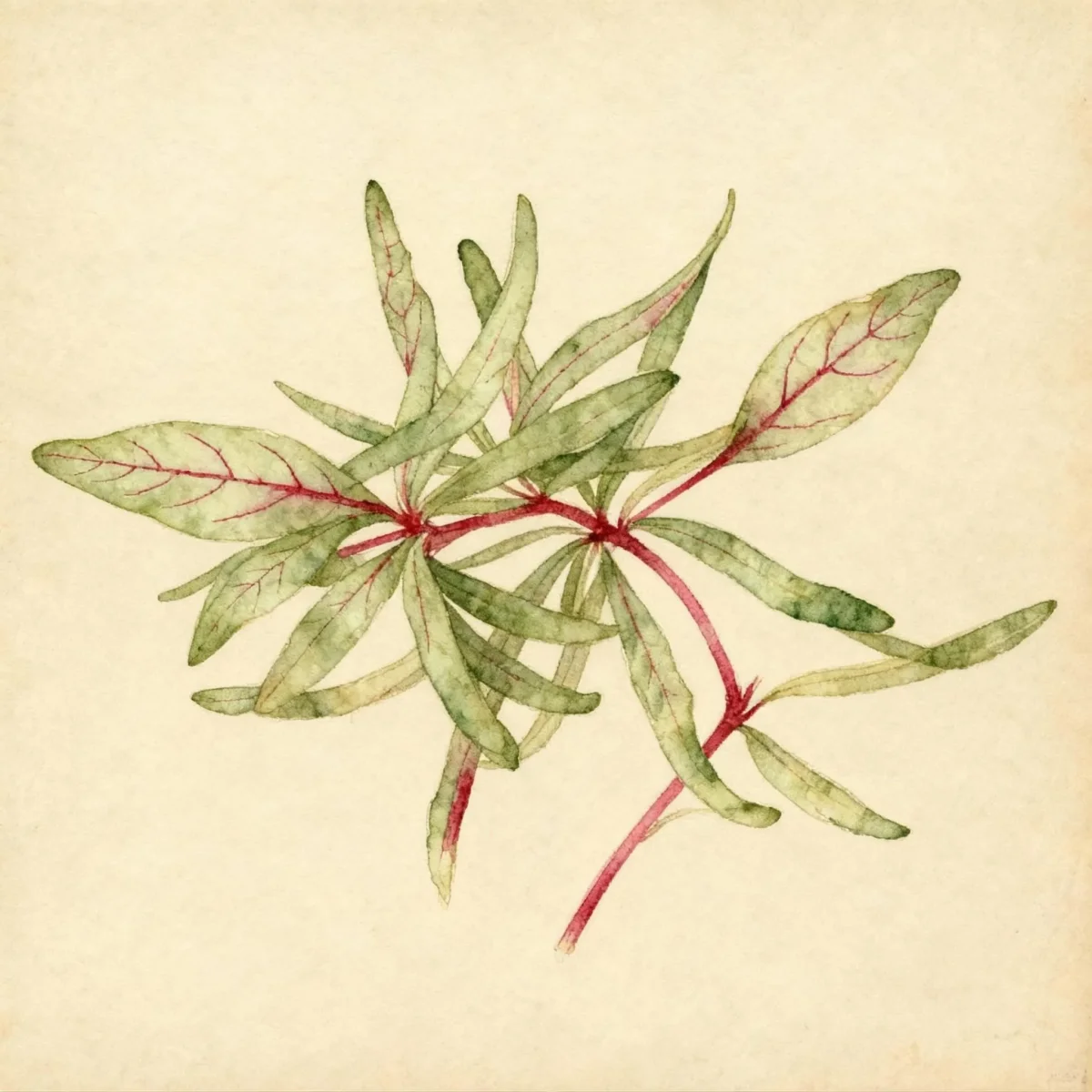
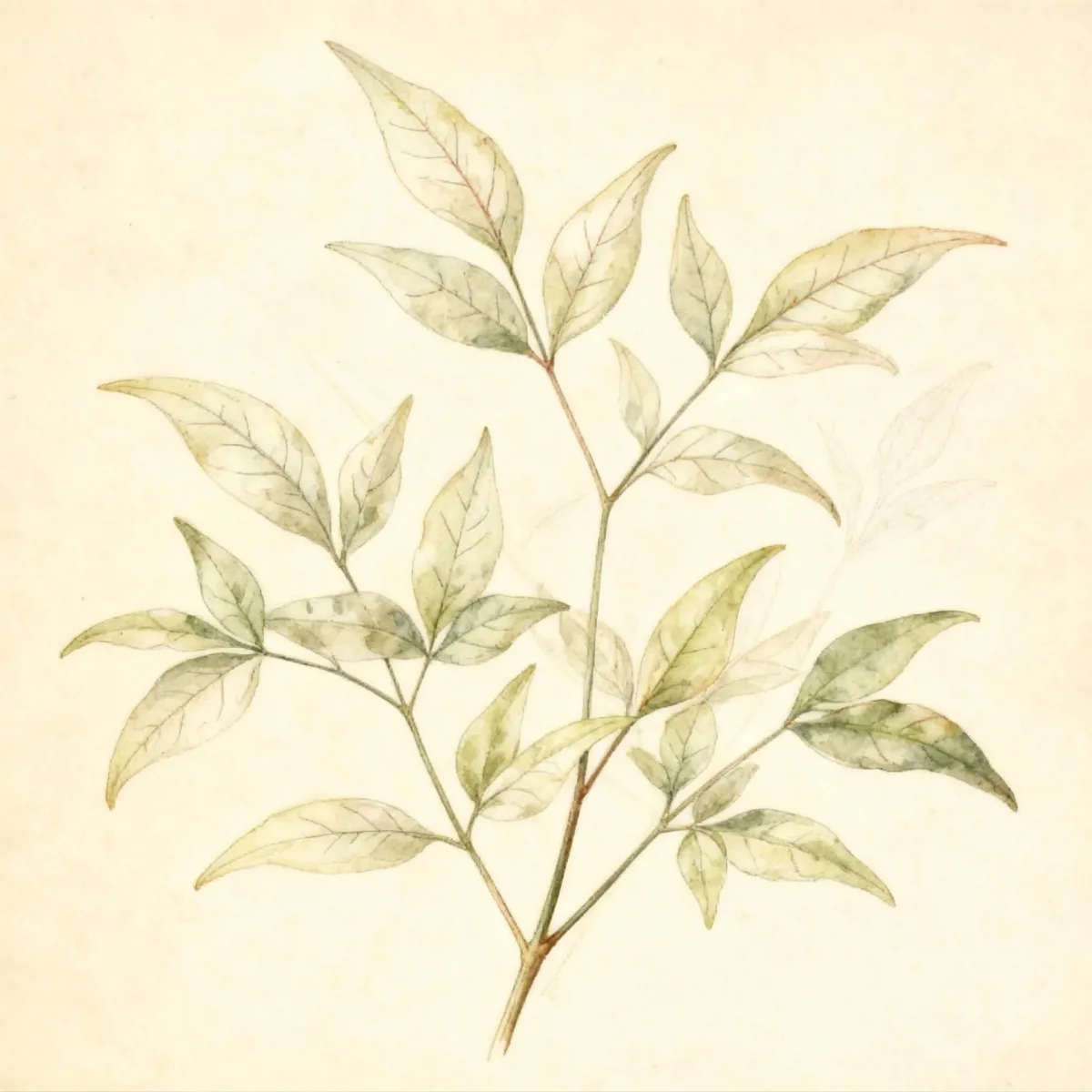
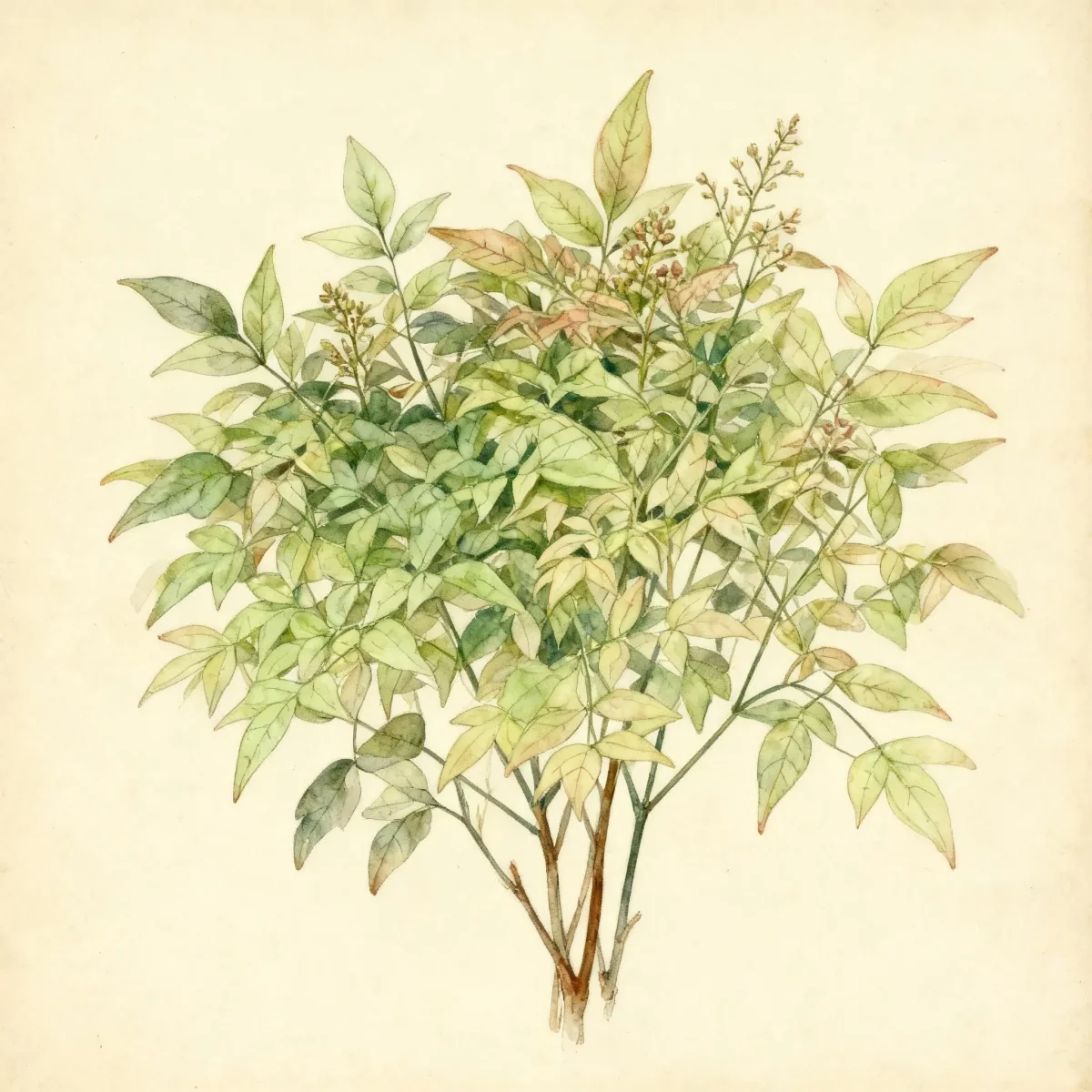
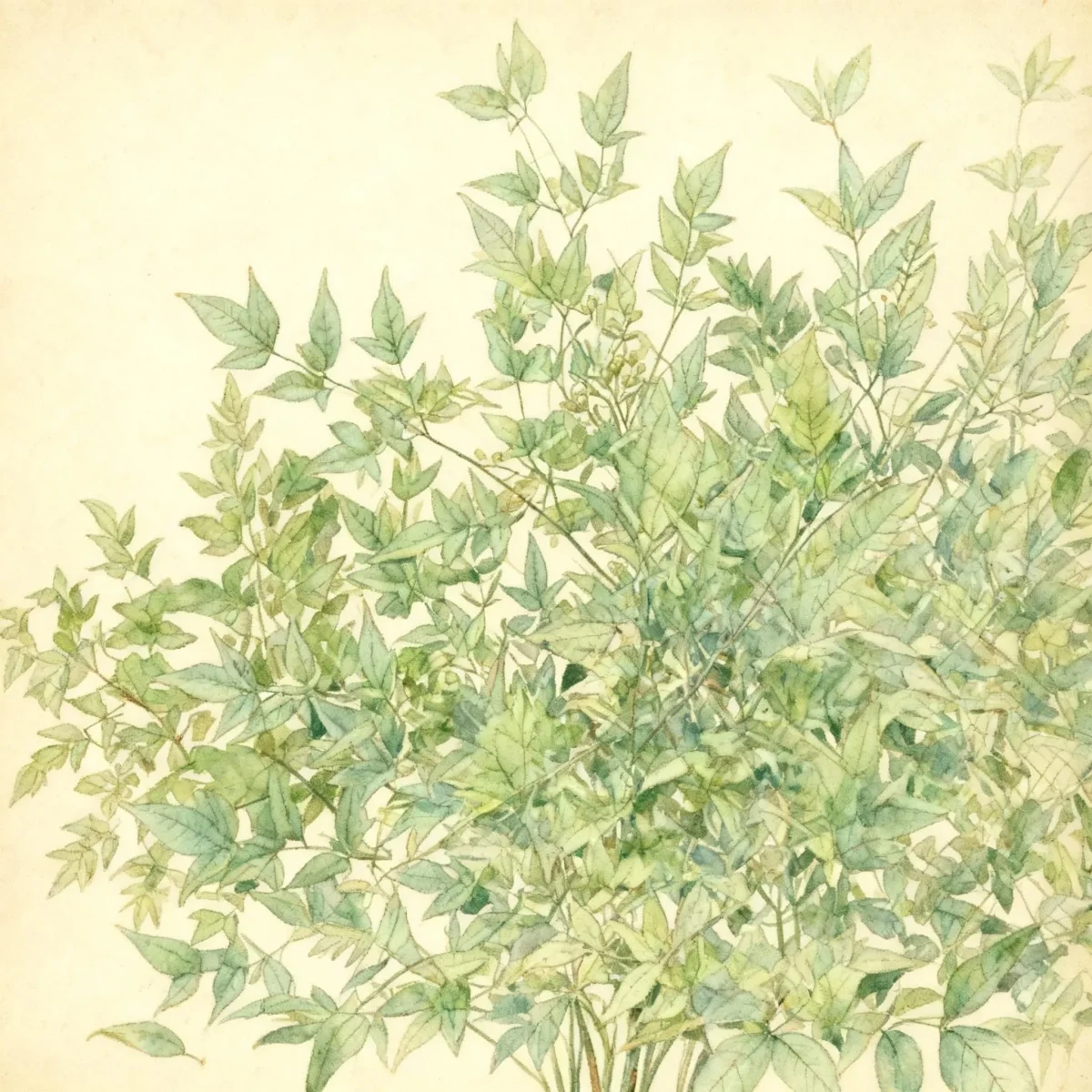
Jepson’s Oregon-grape, or Berberis dictyota, is a prized, small, broadleaf evergreen shrub native to the dry, rocky environments of California. Its dense, usually low-growing habit and striking, netted grey-green foliage make it a robust choice for structural planting where water conservation is key. Flowering occurs early, offering bright yellow blooms that precede attractive dark blue berries in the summer months.
This specimen is highly valued for its remarkable tolerance to tough conditions, thriving where many other shrubs fail. Its low maintenance requirements streamline garden upkeep, making Berberis dictyota an excellent solution for large-scale naturalizing or difficult slopes. Gardeners appreciate the textural contrast provided by its rigidly textured leaves.
Beyond drought resistance, Jepson’s Oregon-grape provides excellent habitat and visual interest throughout the year. Whether used as a screen or allowed to spread in its native habitat, this plant proves that durability does not preclude beauty, offering unique form and seasonal color.
Fast Facts
- Plant Family: Berberidaceae
- Plant Type: Broadleaf evergreen
- Native Range: California
- Hardiness Zones: USDA Zones 7-10
- Size at Maturity:
- Height: 2-6 ft
- Spread: 2-6 ft
- Bloom Time: February to April
- Bloom Description: Yellow
- Sun Exposure: Full sun to part shade
- Water Needs: Dry
- Maintenance Level: Low
How to Grow
Planting Berberis dictyota is best achieved in the cooler, moist months of fall or early spring, allowing roots to establish before summer heat arrives. This shrub demands dry, well-draining soils; avoid heavy clay that retains excessive moisture, as this can lead to root issues. While native to rocky slopes, it performs admirably in mixed landscapes so long as drainage is ensured.
Once established, maintenance is minimal due to the plant’s excellent drought tolerance. Supplemental irrigation should be provided only during prolonged, severe dry spells, especially in its first two years. Fertilization is rarely necessary, as richness in the soil can encourage weak, excessive, or sparse growth.
Prune only to shape or remove dead wood, which may be minimal given the species’ naturally sparse branching habit. Since established Berberis dictyota is highly adaptable, winter preparation focuses mainly on ensuring the planting site is free of weed competition that could steal precious water resources during dry periods.
Landscape Uses
The versatility of Jepson’s Oregon-grape lends itself well to functional and aesthetic landscape roles. It excels when allowed to naturalize across large, dry hillsides, effectively minimizing erosion thanks to its spreading habit. For borders, it creates a tough, low-form hedge, providing year-round structure due to its evergreen nature.
Consider incorporating Berberis dictyota into rock gardens where its rigid texture contrasts beautifully with softer succulents or gravel mulch. It is equally suited for bird or pollinator gardens; the late winter blooms attract early visitors, and the subsequent dark berries are highly sought after by native bird populations.
For true xeriscaping success, plant clusters of this species together to create a uniform groundcover effect. It pairs well with other tough California natives that prefer lean, dry soils, such as California Lilac (Ceanothus) varieties that can handle similar conditions.
Standout Features
Flower Qualities
- Showy
Fruit Qualities
- Showy
Noteworthy Characteristics
Berberis dictyota, commonly called Jepson’s Oregon-grape or shining netvein barberry, is a small, evergreen shrub endemic to dry, rocky slopes and canyons, chaparral, and open oak or pine woodlands in California. Mature plants will typically reach 2-6’ tall and will slowly form a thicket or spreading mat from suckers. The leaves feature prominent venation and wavy margins with pointed teeth, followed by dense racemes of small, yellow flowers blooming from late winter to spring.
Tolerances
- Deer
- Drought
- Erosion
- Dry Soil
- Shallow-Rocky Soil
Potential Problems
No major pest or disease problems of note are typically associated with Berberis dictyota. This species is noted for its resistance to common problems such as stem rust, which often affects other Berberis species. Furthermore, deer tend to avoid the foliage since it is spiny and leathery. The primary danger lies in over-watering; ensure the sites specified for Jepson’s Oregon-grape are genuinely well-draining to prevent root rot, especially in humid climates outside its native range.
Frequently Asked Questions
What hardiness zones is Jepson’s Oregon-grape suitable for?
Berberis dictyota is hardy in USDA Zones 7 through 10, making it suitable for milder winter climates across the US.
How large does Berberis dictyota grow?
Mature plants typically reach a height between 2 and 6 feet, with a similar spread of 2 to 6 feet, often forming a dense, low-spreading mat.
When does Jepson’s Oregon-grape bloom?
This shrub produces its characteristic yellow flowers relatively early in the season, blooming from February extending through April.
What sun exposure does Berberis dictyota need?
The ideal placement for this species is where it receives full sun, though it tolerates partial shade very well, especially in hotter regions.
Conclusion
Jepson’s Oregon-grape (Berberis dictyota) is an unparalleled choice when seeking a durable, evergreen shrub for low-water landscapes or stabilizing dry slopes. Its tolerance for drought and poor soils, combined with its early yellow flowers and bird-attractive berries, ensures year-round garden interest with minimal input. Check your local climate to ensure you fall within USDA Zones 7-10 before establishing this valuable California native.
Companion Planting
Selecting companions that share the dry, sun-loving requirements of Berberis dictyota will ensure successful, low-input gardening. Look toward other drought-tolerant natives such as various Manzanita (Arctostaphylos) species, which provide contrasting leaf texture and similar needs regarding soil drainage. Low-water sages (Salvia) also pair well, offering pops of color that complement the subtle yellow blooms of the Oregon-grape in early spring.
Wildlife Benefits
The structure and food sources provided by Jepson’s Oregon-grape are significant assets for supporting local fauna. The dense, evergreen foliage offers essential cover and shelter for small birds and beneficial insects throughout the winter months. Later in the year, the dark blue, fleshy berries are highly attractive to many fruit-eating bird species, serving as a valuable late-season food source before migratory birds move on or winter residents bulk up.