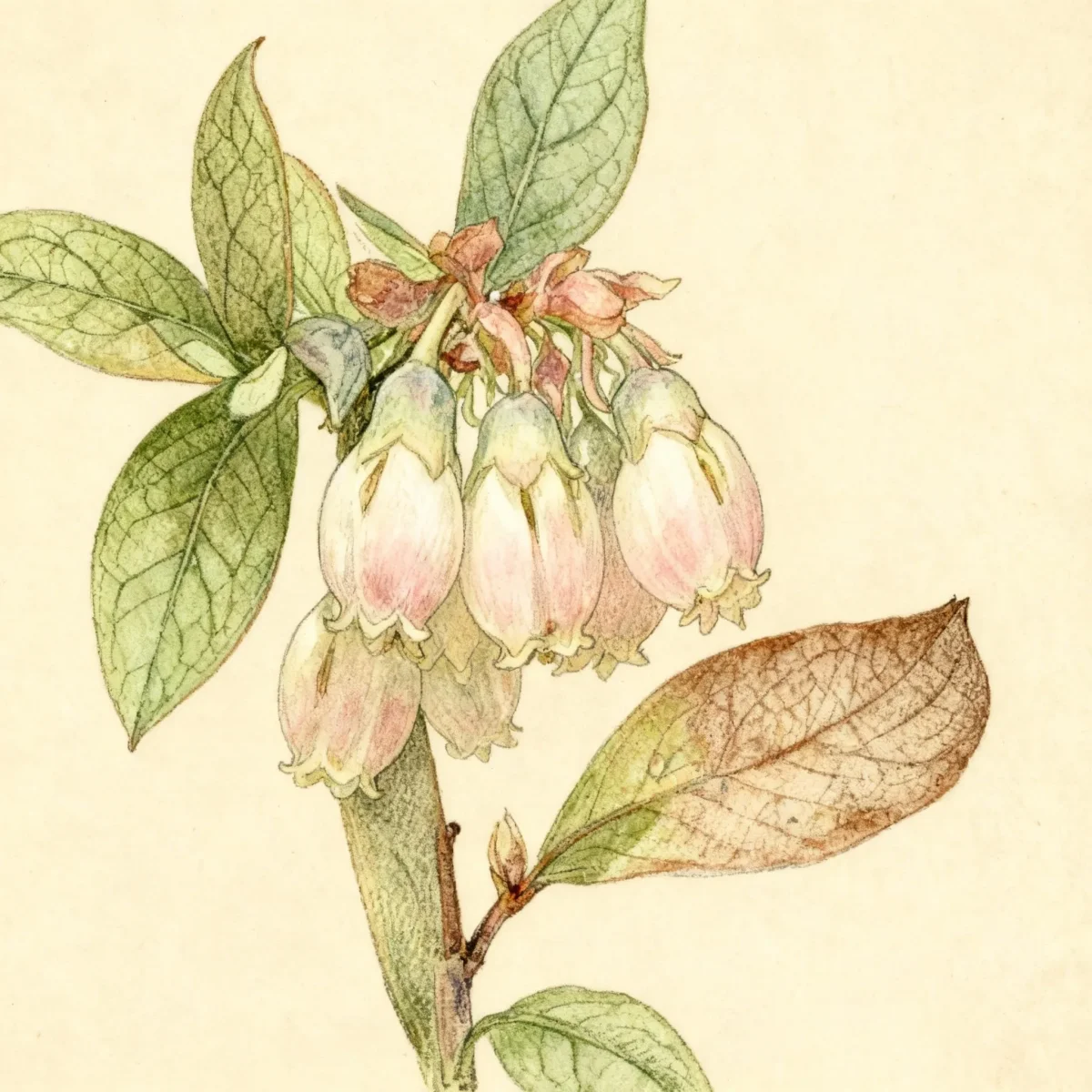
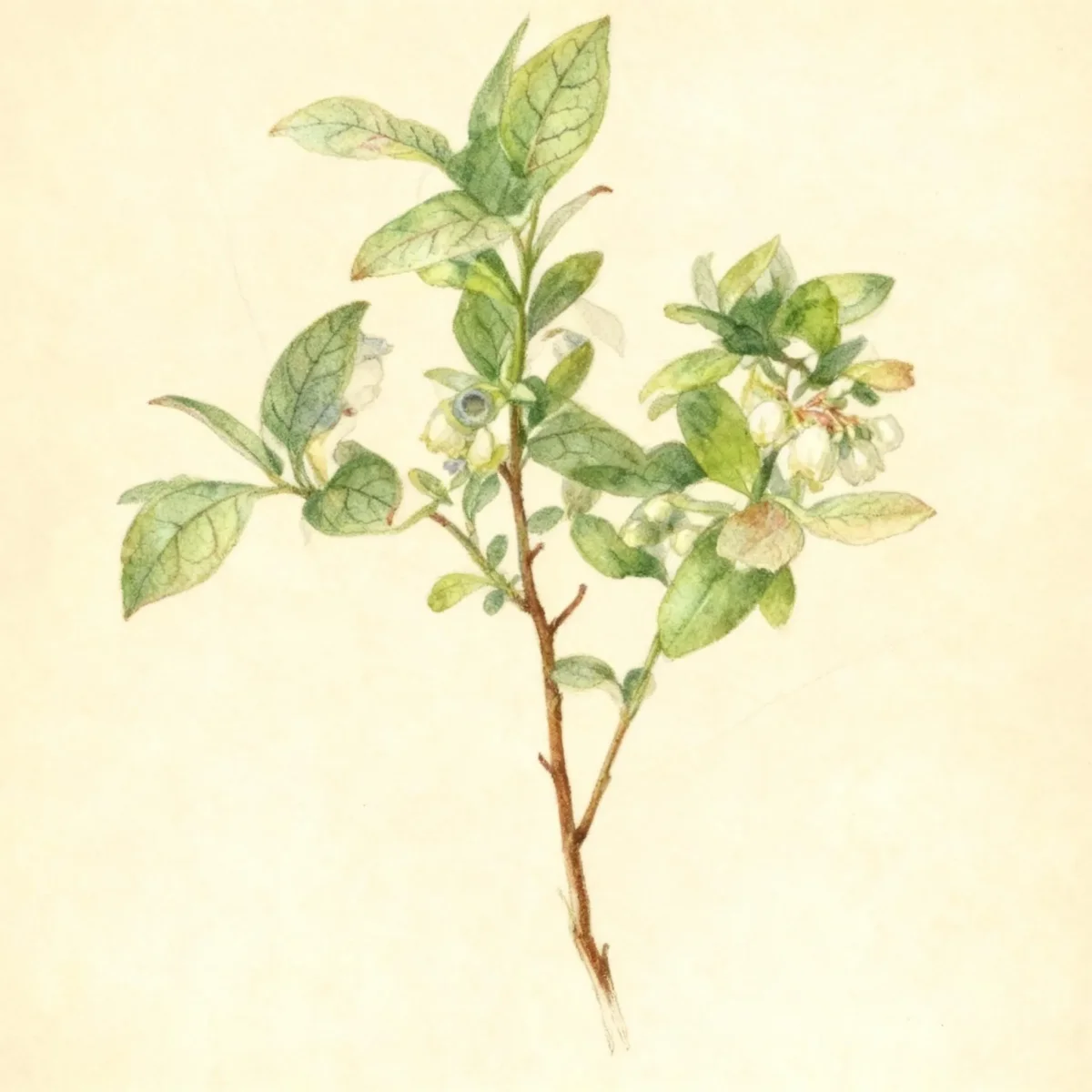
Highbush blueberry (Vaccinium corymbosum 'ZF06-079' PINK ICING)
Discover Vaccinium corymbosum 'ZF06-079' PINK ICING, a compact Highbush blueberry offering edible fruit, unique foliage color, and spring white blooms.
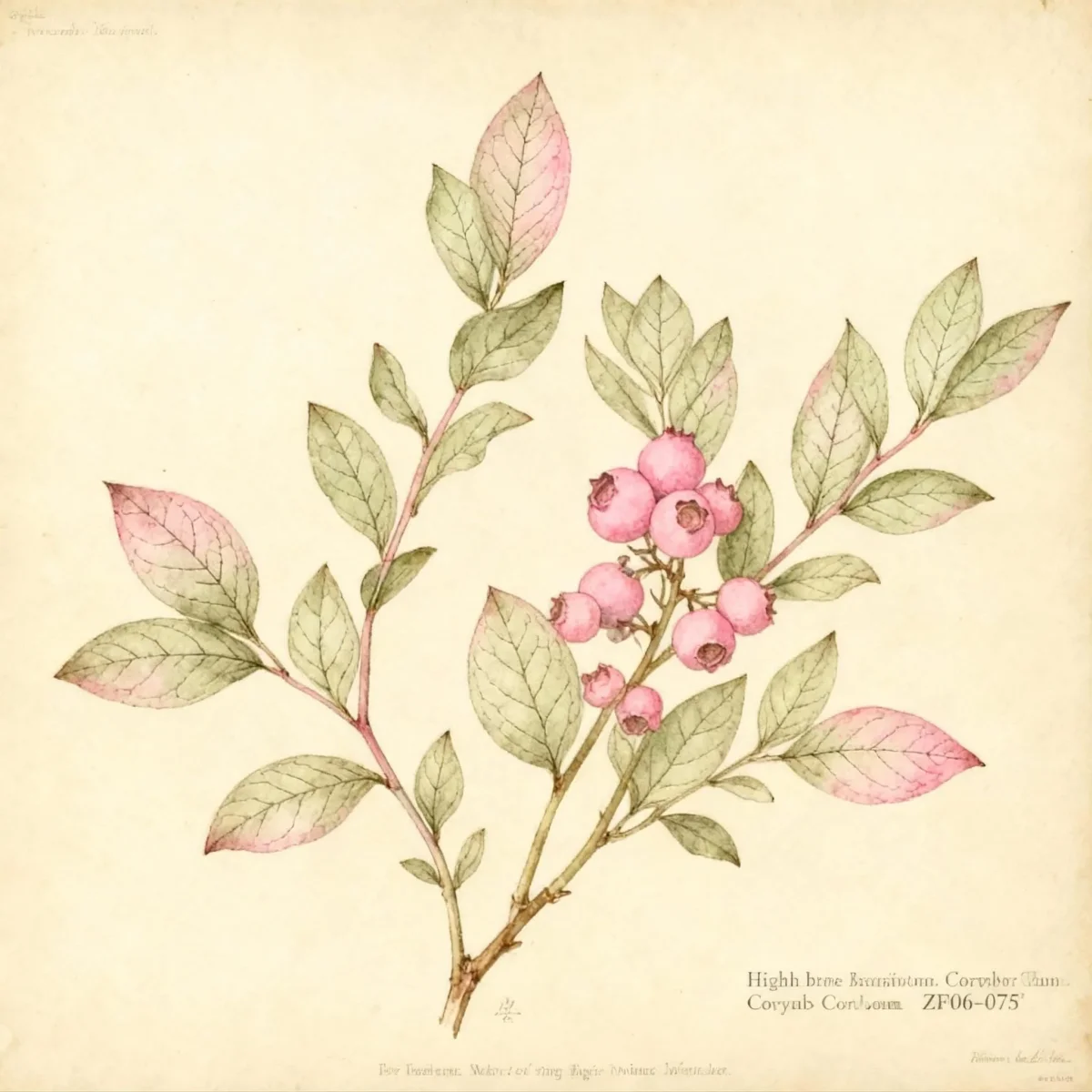

Bloom Boldly, No Matter the Season - Sweatshirt
Cozy organic cotton sweatshirt featuring our exclusive Purple Coneflower design. Perfect for gardeners who bloom year-round.
Inspired by the beautiful Highbush blueberry
Limited first batch (50) — join the waitlist for early access
Waitlist closes Feb 15, 2026.
Complete Plant Information
Field Guide Continues
Ready for care notes, companion picks, and planting tips?
The map is just the start. The full guide below covers growth habits, seasonal performance, and landscape uses.
Overview
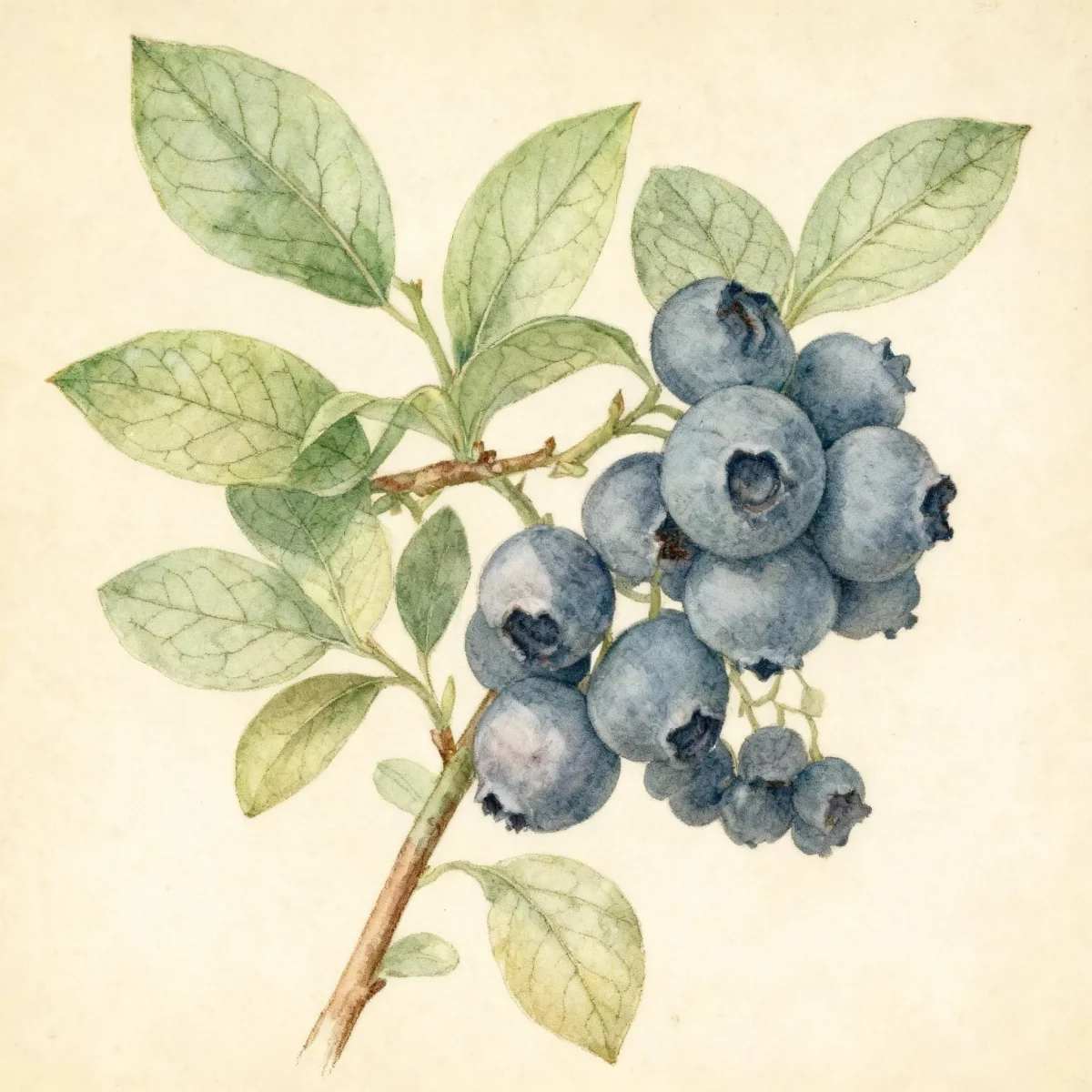
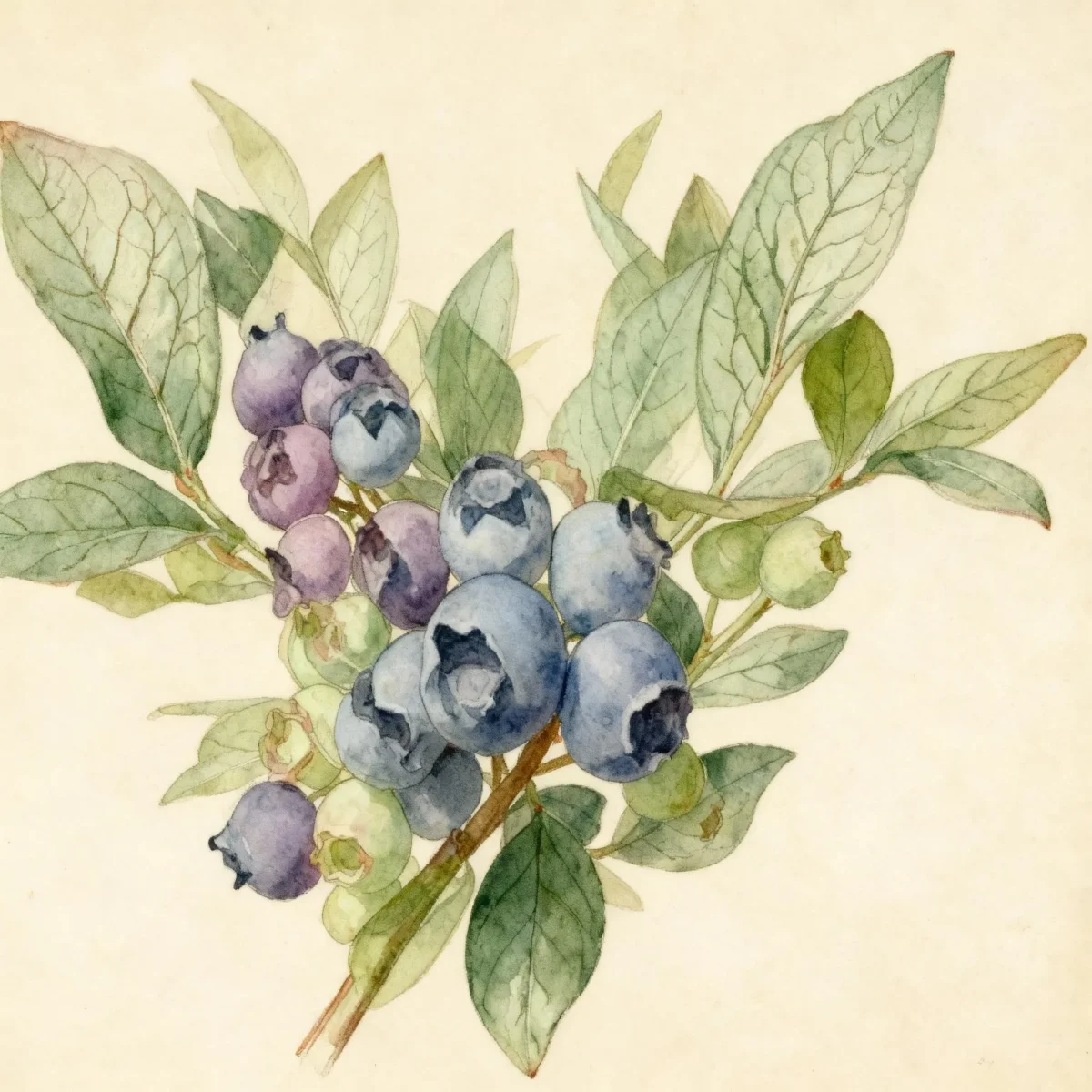
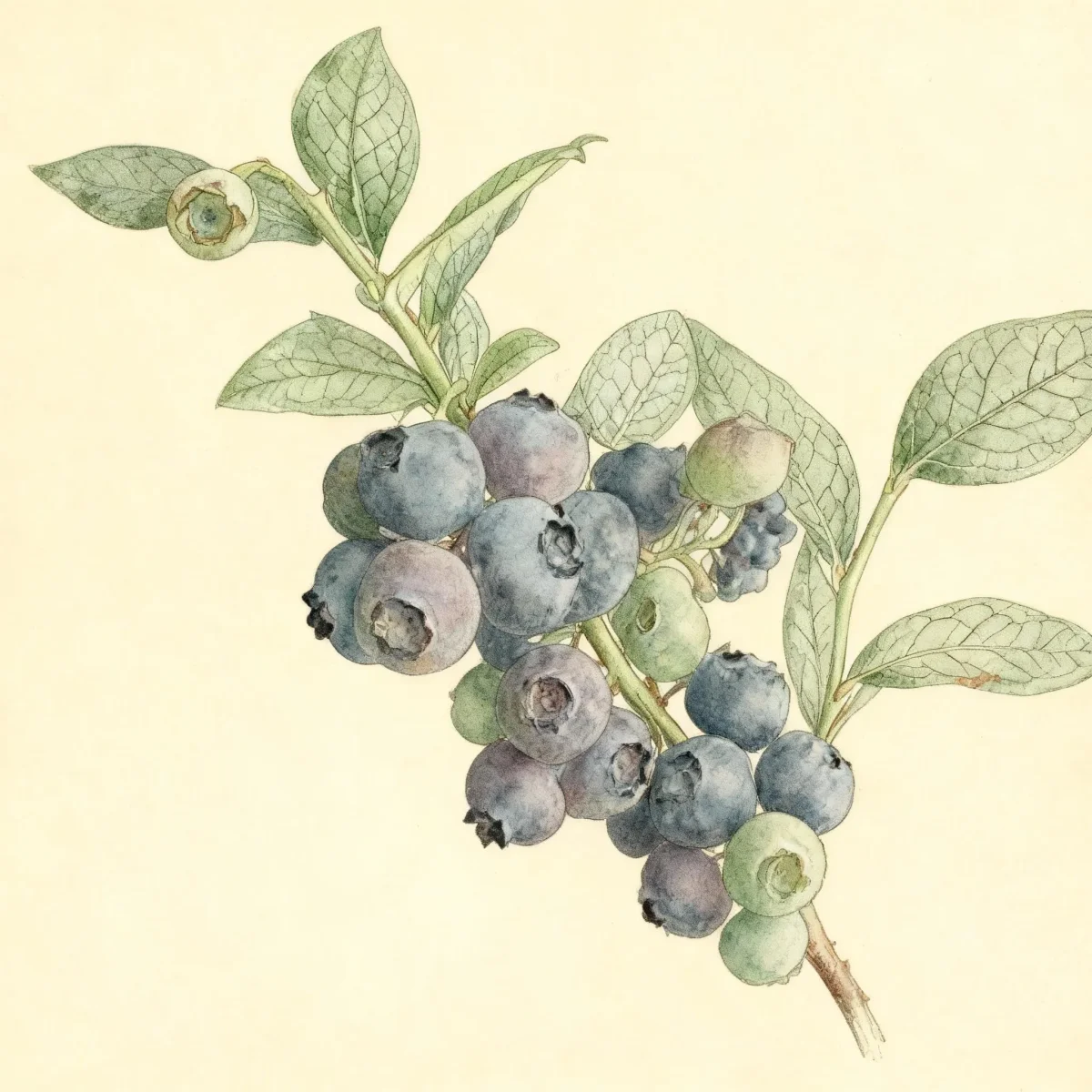
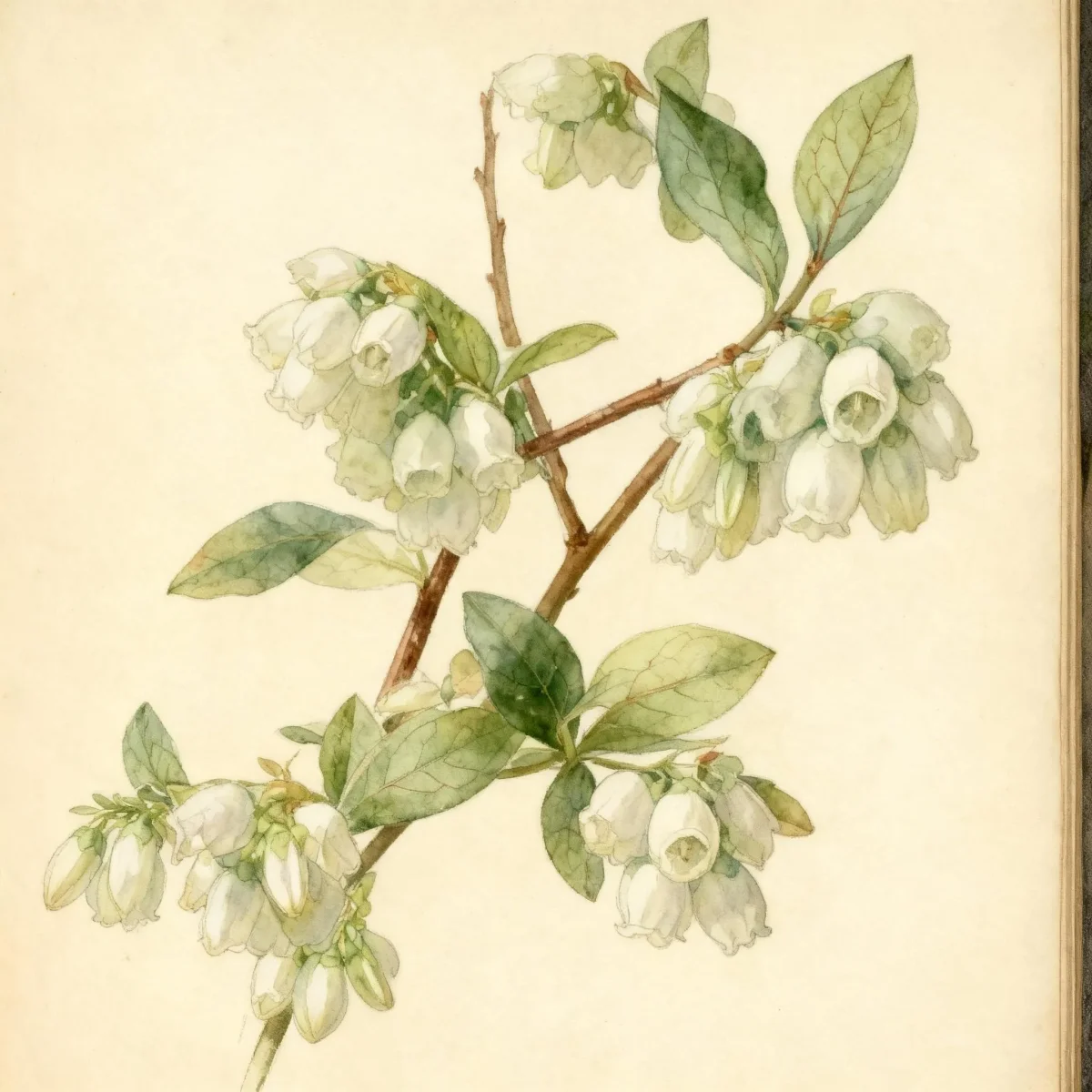
The Vaccinium corymbosum ‘ZF06-079’ PINK ICING offers gardeners a visually stunning and productive addition to the edible landscape. As a selection of the native Highbush blueberry, this cultivar provides significant ornamental appeal through its colorful emerging foliage and unique fall color, alongside the reward of mid-summer berries. This variety retains the characteristic urn-shaped flowers of the species but offers a compact, manageable size perfect for smaller gardens or defined borders.
This vigorous Highbush blueberry cultivar grows to a tidy height and spread, establishing itself as a reliable fruiting shrub for zones 5 through 8. It requires consistently acidic soil and ample moisture, making it a rewarding centerpiece when its specific cultural needs are met. The berries produced by Vaccinium corymbosum ‘ZF06-079’ PINK ICING are described as mildly sweet and juicy, ideal for fresh eating or preserves.
Gardeners utilizing Vaccinium corymbosum ‘ZF06-079’ PINK ICING benefit from its multi-seasonal interest, from pink-tinged spring growth to blue-purple fruit, culminating in iridescent lavender-blue fall foliage. For optimal productivity, ensure adequate cross-pollination by planting it alongside other compatible blueberry varieties.
Fast Facts
- Plant Family: Ericaceae
- Plant Type: Fruit
- Hardiness Zones: USDA Zones 5-8
- Size at Maturity:
- Height: 3-4 ft
- Spread: 3-4 ft
- Bloom Time: May
- Bloom Description: White
- Sun Exposure: Full sun to part shade
- Water Needs: Medium to wet
- Maintenance Level: Medium
How to Grow
Successful cultivation of Vaccinium corymbosum ‘ZF06-079’ PINK ICING hinges upon soil preparation, mimicking its native acidic environments. Plant in late winter or early spring when the ground is workable, ensuring the site receives full sun to light part shade. The most critical factor is the growing medium: aim for organically rich, well-drained soils with an acidic pH range between 4.8 and 5.2. Due to their shallow, fibrous root systems, blueberries require constant moisture but absolutely no standing water.
Watering should be consistent, particularly during dry spells and fruiting periods. Immediately after planting, apply a generous layer of organic mulch, such as pine needles or wood chips, to help retain soil moisture and regulate soil temperature. While self-fertile, cross-pollination drastically improves berry size and yield, so plant at least one other mid-season blooming blueberry nearby to extend your harvest window past mid-summer.
For young plants, remove all flowers in the first two years after planting. This directs the plant’s energy into developing a robust root system and strong vegetative growth rather than setting premature fruit. Pruning is a necessary medium-level maintenance task, best performed in late winter starting in the third year. Remove older, lower-producing canes to encourage new growth.
Landscape Uses
Vaccinium corymbosum ‘ZF06-079’ PINK ICING excels both ornamentally and functionally. Its compact structure and excellent season-long color interest make it an outstanding choice for use as an attractive, fruiting hedge, providing screening with edible benefits. It performs seamlessly in mixed shrub borders where a uniform soil need is present.
These Highbush blueberries thrive when planted alongside other acid-loving companions such as Rhododendrons and Azaleas, creating highly effective, colorful groupings. Consider incorporating them into native plant gardens or informal woodland borders, allowing their natural mounding habit to soften hard lines in the landscape.
The combination of flowers, colorful foliage, and harvestable fruit ensures this cultivar, commonly known as PINK ICING, is rarely boring. Whether harvested for personal use or left as a visual accent, this plant brings structure and seasonal change to foundation plantings.
Standout Features
Flower Qualities
- Showy
Fruit Qualities
- Showy
- Edible
Noteworthy Characteristics
Vaccinium corymbosum, commonly known as highbush blueberry, is an upright, deciduous shrub native to eastern North America where it typically grows in moist woods, bogs, swamps and low areas. The cultivar ‘ZF06-079’ is a vigorous selection resulting from a cross between V. corymbosum ‘Toro’ and V. Corymbosum ‘FLX-2’, maturing to a compact, mounding habit up to 4’ tall. Its foliage displays unique seasonal shifts, emerging pink/red, maturing to dark green, and settling into shades of dark lavender-blue with an iridescent sheen by fall. Small, white, pendent, urn-shaped flowers bloom in late spring, giving way to plump, round, 0.5” wide berries ripening mid-summer, popularily sold as PINK ICING.
Tolerances
Potential Problems
Birds are highly attracted to the ripening berries, necessitating the use of fine netting placed over the plants just as the fruit begins to develop its color to ensure a successful harvest. Soil pH management is crucial; if the soil pH rises above 5.2 (becoming alkaline), the plant will exhibit chlorosis, characterized by yellowing leaves due to nutrient lockout.
While generally hardy, potential fungal diseases include stem blight, root rot, anthracnose, cane cankers, mildew, and botrytis, which underscore the importance of good drainage and air circulation achieved through proper pruning. Pest management should also address fruit-specific threats like blueberry maggot, cherry fruit worm, and spotted wing drosophila, often requiring timely netting or targeted organic treatments. Look out for Mummy berry, a fungal issue that causes berries to shrivel and drop prematurely.
Frequently Asked Questions
What hardiness zones is Vaccinium corymbosum ‘ZF06-079’ PINK ICING suitable for?
This Highbush blueberry is reliably hardy in USDA Zones 5 through 8.
How large does Highbush blueberry grow?
The Vaccinium corymbosum ‘ZF06-079’ PINK ICING typically reaches a mature height between 3 and 4 feet, with a spread of 3 to 4 feet, maintaining a compact form.
What sun exposure does Vaccinium corymbosum ‘ZF06-079’ PINK ICING need?
It performs best when situated in an area receiving full sun to light part shade exposure.
When does Vaccinium corymbosum ‘ZF06-079’ PINK ICING bloom?
This variety typically blooms in May, producing attractive white flowers before setting fruit.
Conclusion
The Vaccinium corymbosum ‘ZF06-079’ PINK ICING is an exceptional, compact Highbush blueberry, valued for its colorful foliage transitions and its reliable mid-summer edible crop. By adhering strictly to the need for acidic soil and consistent moisture, gardeners can maximize both the ornamental beauty and the fruit yield of this unique selection. Be sure to check your local soil pH and plan for cross-pollination before planting this season.
Companion Planting
Companion planting for Vaccinium corymbosum ‘ZF06-079’ PINK ICING should focus on plants that share its preference for strongly acidic, moist, well-drained soils. This makes it an obvious partner for other members of the Heath family (Ericaceae). Large groupings of Rhododendrons and Azaleas make excellent neighbors, providing a textural contrast while sharing similar maintenance requirements.
Groundcovers that thrive in acidic conditions, such as wintergreen or certain types of ferns common to moist woodlands, can help shade the shallow roots of the blueberry plants, conserving moisture and keeping soil temperatures cool throughout the summer. Avoid planting high-pH loving vegetables or common lawn grasses directly adjacent to the root zone, as this can lead to nutrient competition that favors soil alkalinity.
Seasonal Care Calendar
Early spring, before bud break, is the ideal time for your initial application of fertilizer formulated specifically for acid-loving plants, and to perform necessary structural pruning. Post-flowering, focus heavily on consistent watering, as this is when the plant is developing its crop of promised edible berries.
As summer transitions to fall, monitor foliage closely for its dramatic color shift; reduce fertilizer application entirely during this period to encourage dormancy preparation. In late fall or early winter, apply a fresh, deep layer of organic mulch around the base of the Highbush blueberry, ensuring the mulch does not touch the main stems, which helps protect the shallow roots from winter freeze-thaw cycles.