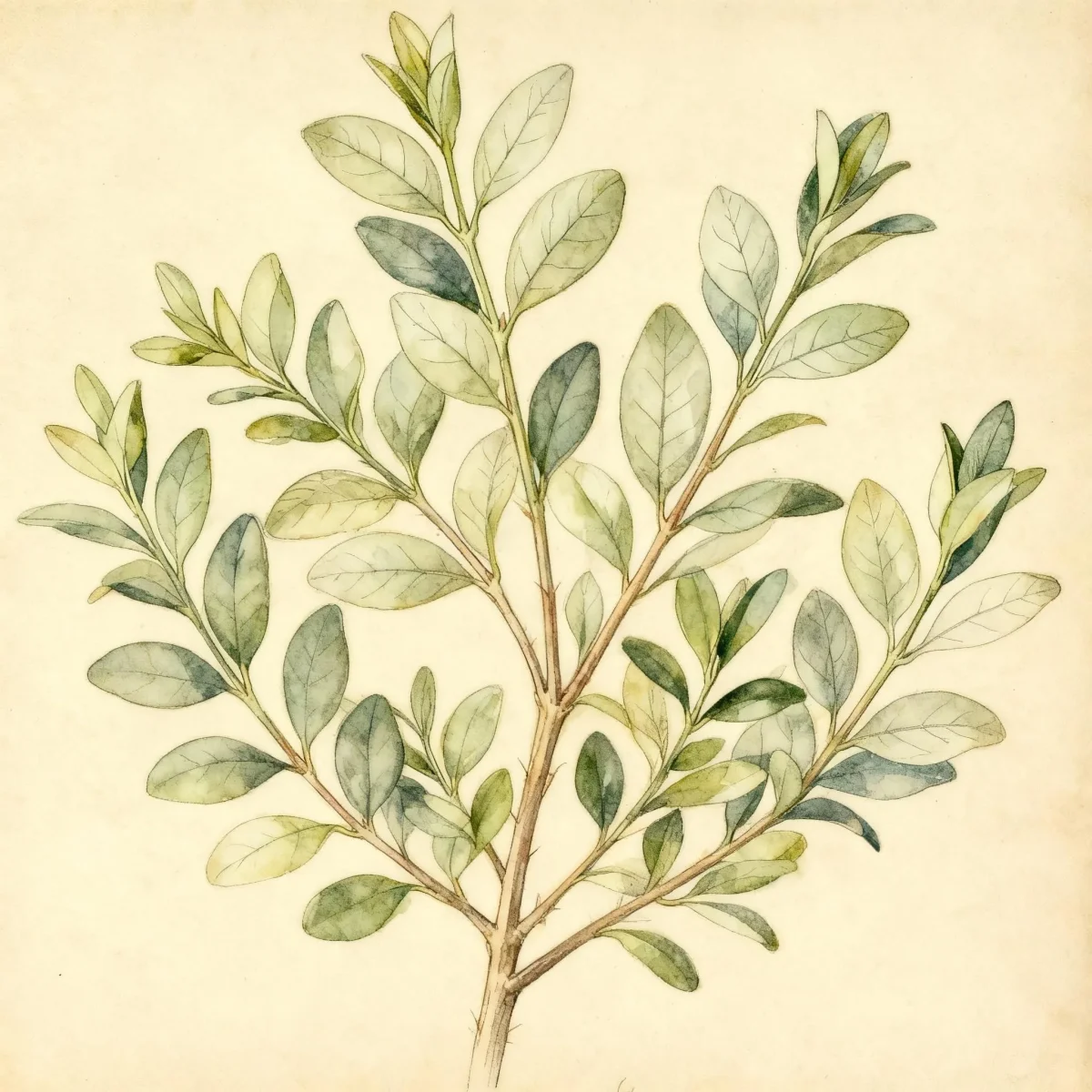
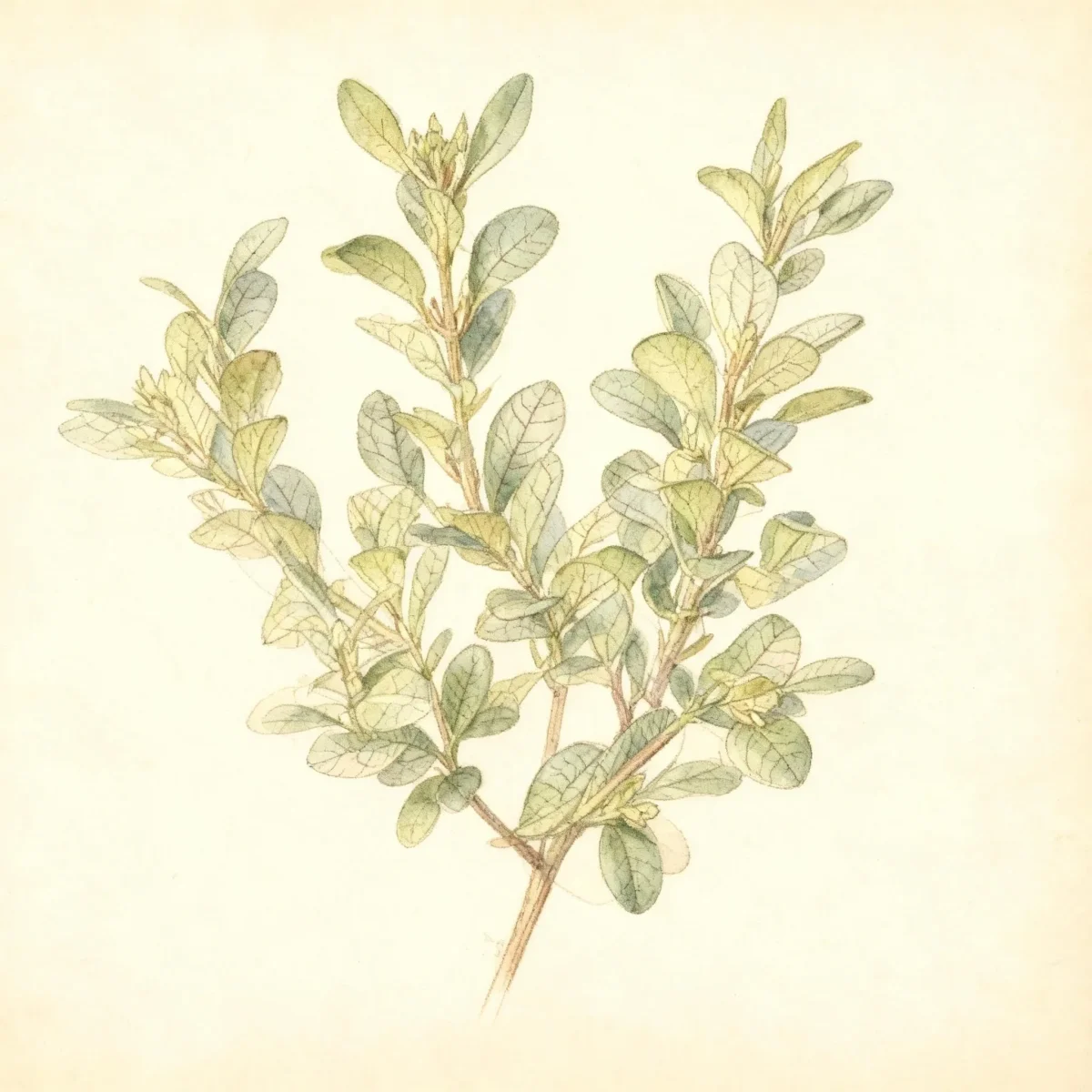
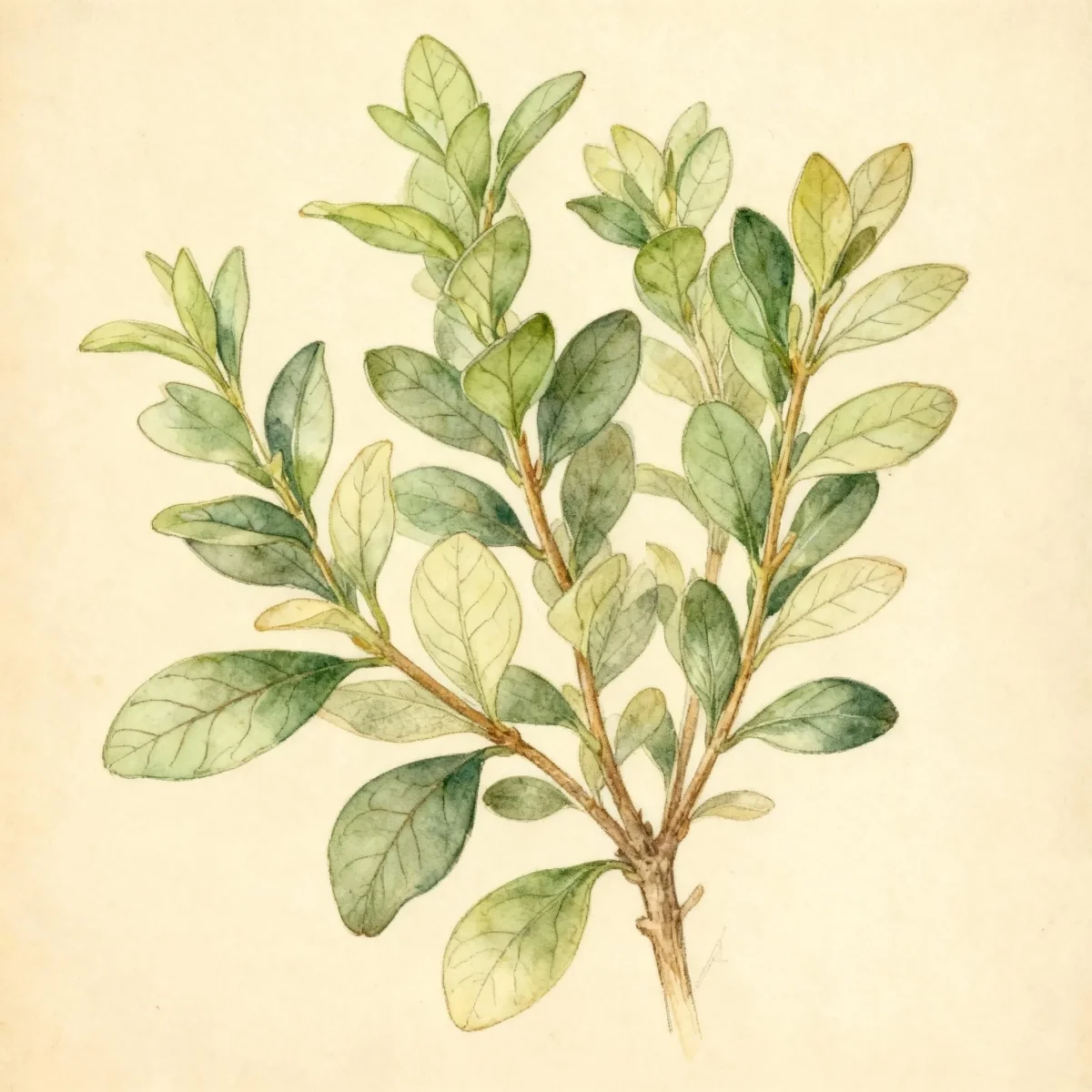
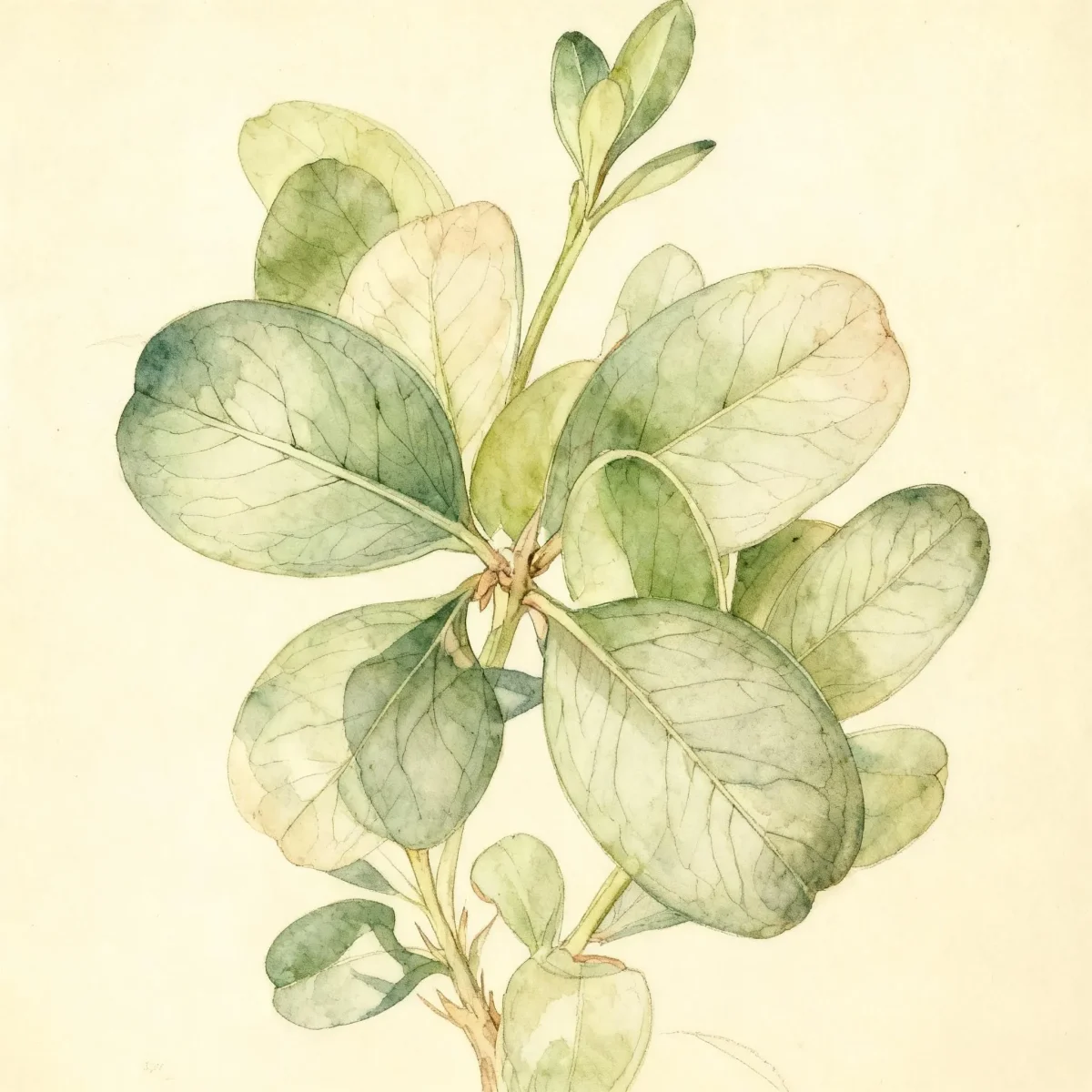
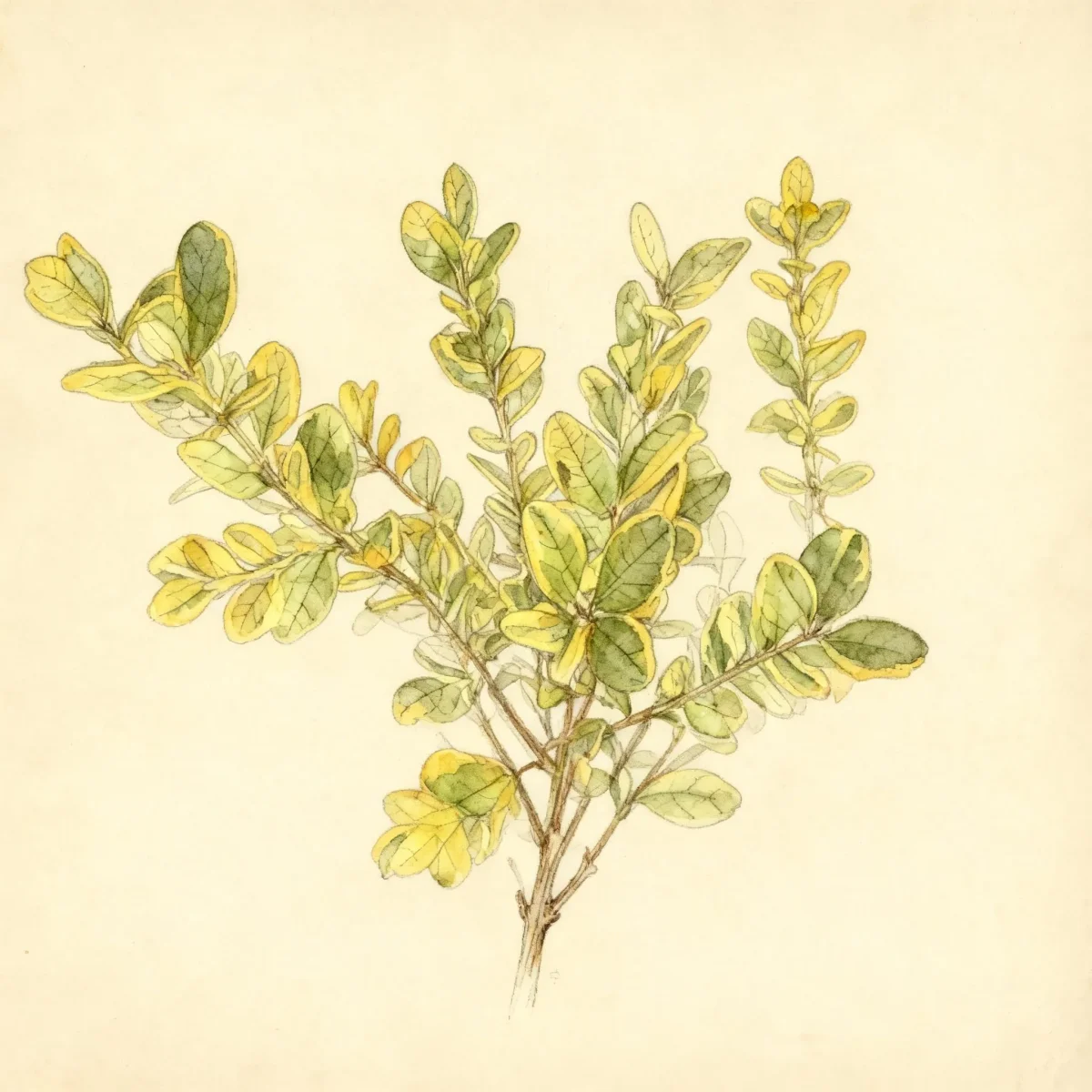
Japanese boxwood (Buxus microphylla var. Japonica 'Winter Gem')
Buxus microphylla var. japonica 'Winter Gem' is a low maintenance, compact Japanese boxwood perfect for low hedges in zones 5-9.

Bloom Boldly, No Matter the Season - Sweatshirt
Cozy organic cotton sweatshirt featuring our exclusive Purple Coneflower design. Perfect for gardeners who bloom year-round.
Inspired by the beautiful Japanese boxwood
Limited first batch (50) — join the waitlist for early access
Waitlist closes Feb 15, 2026.
Complete Plant Information
Field Guide Continues
Ready for care notes, companion picks, and planting tips?
The map is just the start. The full guide below covers growth habits, seasonal performance, and landscape uses.
Overview
The Buxus microphylla var. japonica ‘Winter Gem’, commonly known as the Japanese boxwood, is highly valued for its dense, compact, and naturally mounded habit, making it an outstanding choice for formal or informal low plantings. This evergreen shrub provides year-round texture and structure in the landscape, offering reliable performance with minimal effort from the gardener. As a Korean boxwood type, Buxus microphylla var. Japonica ‘Winter Gem’ is noted for superior hardiness compared to some less robust counterparts.
This variety typically reaches a manageable size of 2 to 3 feet tall and wide, ideal for foundation plantings or low border edging. Its slow growth rate means less frequent shearing is required to maintain shape. The leaves are small and ovate, offering a fine texture that contrasts well with coarser foliage plants.
Gardeners appreciate the low maintenance commitment of this shrub, which tolerates both full sun and partial shade, provided the soil conditions are managed correctly. The cultivar ‘Winter Gem’ is specifically recognized for minimizing the winter bronzing sometimes associated with other boxwoods, maintaining better color integrity across the cold season.
Fast Facts
- Plant Family: Buxaceae
- Plant Type: Broadleaf evergreen
- Hardiness Zones: USDA Zones 5-9
- Size at Maturity:
- Height: 2-3 ft
- Spread: 2-3 ft
- Bloom Time: April
- Bloom Description: Yellowish-green
- Sun Exposure: Full sun to part shade
- Water Needs: Medium
- Maintenance Level: Low
How to Grow
For best establishment, plant your Japanese boxwood in average, medium moisture, well-drained soil. Plant during cooler seasons if possible, ensuring the location receives full sun only if it gets some protection, otherwise, sun-dappled part shade is preferred. The soil pH range should ideally be slightly acidic to slightly alkaline, focusing mainly on ensuring excellent drainage.
Water needs for Buxus microphylla var. japonica ‘Winter Gem’ are medium; it prefers moist conditions, especially in sandy loam soils. Once established, water deeply but allow the soil surface to dry slightly between waterings. Avoid cultivating the soil close to the base of the plant, as these boxwoods have shallow roots that can be easily damaged. Always apply a 1- to 2-inch layer of mulch to conserve moisture and regulate soil temperature.
Maintenance is low, but formative pruning is beneficial. Annually thin plants gently and remove any dead or damaged branches to ensure good air circulation, which helps prevent fungal issues. Gardeners in colder regions, particularly USDA Zone 5, must site Buxus microphylla var. japonica ‘Winter Gem’ in truly sheltered spots protected from harsh winter winds and intense direct sun exposure during the dormant months.
Landscape Uses
The compact habit of the Japanese boxwood makes it exceptionally versatile, thriving when used as a definitive small hedge line along pathways or garden beds. Its formal structure lends itself well to creating crisp, defining edges in classical garden designs. Beyond hedging, consider using mass plantings of Buxus microphylla var. japonica ‘Winter Gem’ as a low ground cover replacement where traditional ground covers might struggle.
This shrub also excels as a specimen plant in small groups or incorporated into foundation plantings where low height is essential. Because of its slow growth and tolerance for shaping, it is a popular choice for bonsai enthusiasts seeking a hardy evergreen subject. When planning your composition, pair the fine texture of this boxwood with plants offering bold color or coarse foliage for maximum visual impact.
Standout Features
Flower Qualities
- Insignificant
Noteworthy Characteristics
Buxus sinica var. Insularis, often marketed as Korean littleleaf boxwood, forms a dense, compact, broad, mounded evergreen shrub characterized by its open habit. It is a notably slow grower, though it can eventually reach up to 5 feet if left unpruned over many years. This cultivar, known as ‘Winter Gem’, typically matures to a neat 2-3 feet tall specimen and is recognized for its excellent winter hardiness.
Tolerances
- Rabbit
- Deer
Potential Problems
Boxwood foliage can develop an unattractive brownish-yellow cast, known as bronzing, during hard winters, especially if the plants are exposed to constant winter winds or unrelenting full sun without adequate moisture protection. To mitigate this, ensure plants are sited where they receive winter shelter, particularly in Zone 5. Good drainage is critical; root rot is a significant issue in poorly drained soils.
Keep an eye out for pests like boxwood leafminer, boxwood mites, and the invasive box tree moth, although boxwood psyllid rarely causes significant damage to this type. Pruning annually to increase airflow helps prevent fungal issues like blights and leaf spots. If bronzing does occur, the plant will typically rebound with fresh green color once spring growth begins, and ‘Winter Gem’ is specifically bred to resist severe winter discoloration.
Frequently Asked Questions
What hardiness zones is Japanese boxwood suitable for?
Hardiness is excellent between USDA Zones 5 and 9, offering reliability across a broad range of climates.
How large does Buxus microphylla var. japonica ‘Winter Gem’ grow?
This compact Japanese boxwood typically matures to a height and spread between 2 and 3 feet tall and wide, though slow growth means it takes significant time to reach its maximum dimensions.
What sun exposure does Buxus microphylla var. japonica ‘Winter Gem’ need?
The ideal cultural condition is full sun to part shade, with preference leaning toward sun-dappled locations in warmer areas for stress reduction.
When does Buxus microphylla var. japonica ‘Winter Gem’ bloom?
Flowering occurs in April, presenting small, inconspicuous flowers described as yellowish-green.
Conclusion
The Buxus microphylla var. japonica ‘Winter Gem’ stands out as a dependable, low-maintenance broadleaf evergreen, perfectly suited for shaping into low hedges or using as foundation material. Its compact size and relative hardiness solidify its status as a go-to choice for structure throughout the year. Before planting, confirm your garden falls within USDA Zones 5-9 and ensure you provide the well-drained conditions this shallow-rooted shrub requires.
Companion Planting
When designing borders featuring your Japanese boxwood, consider partnering it with plants that offer year-round interest or seasonal contrast. Deciduous shrubs with brilliant fall color, such as certain varieties of Dwarf Fothergilla or certain Spireas, can look stunning against the deep green backdrop of the boxwood in autumn.
For texture contrast, pairing the fine leaves of ‘Winter Gem’ with plants featuring bold, coarse foliage, like Hosta varieties with large, blue blades, creates dynamic visual separation. Since both plants share a preference for medium moisture and acidic to neutral soil, ensuring good drainage will keep both your boxwood and its companion healthy.
Seasonal Care Calendar
Spring is the ideal time to apply fresh mulch (1-2 inches) around the shallow roots of your Buxus microphylla var. Japonica ‘Winter Gem’ and conduct annual clean-up pruning to remove damaged winter wood and improve air flow. In summer, monitor moisture closely, especially during dry spells, to ensure the medium water needs are met without over-saturation.
As autumn approaches, reduce nitrogen fertilizer applications to encourage hardening off before winter dormancy. In late fall or early winter, before the ground freezes solid, give the plant a final deep watering. This moisture reserve is crucial for preventing winter desiccation damage, which often leads to the bronzing experienced by unprotected plants.