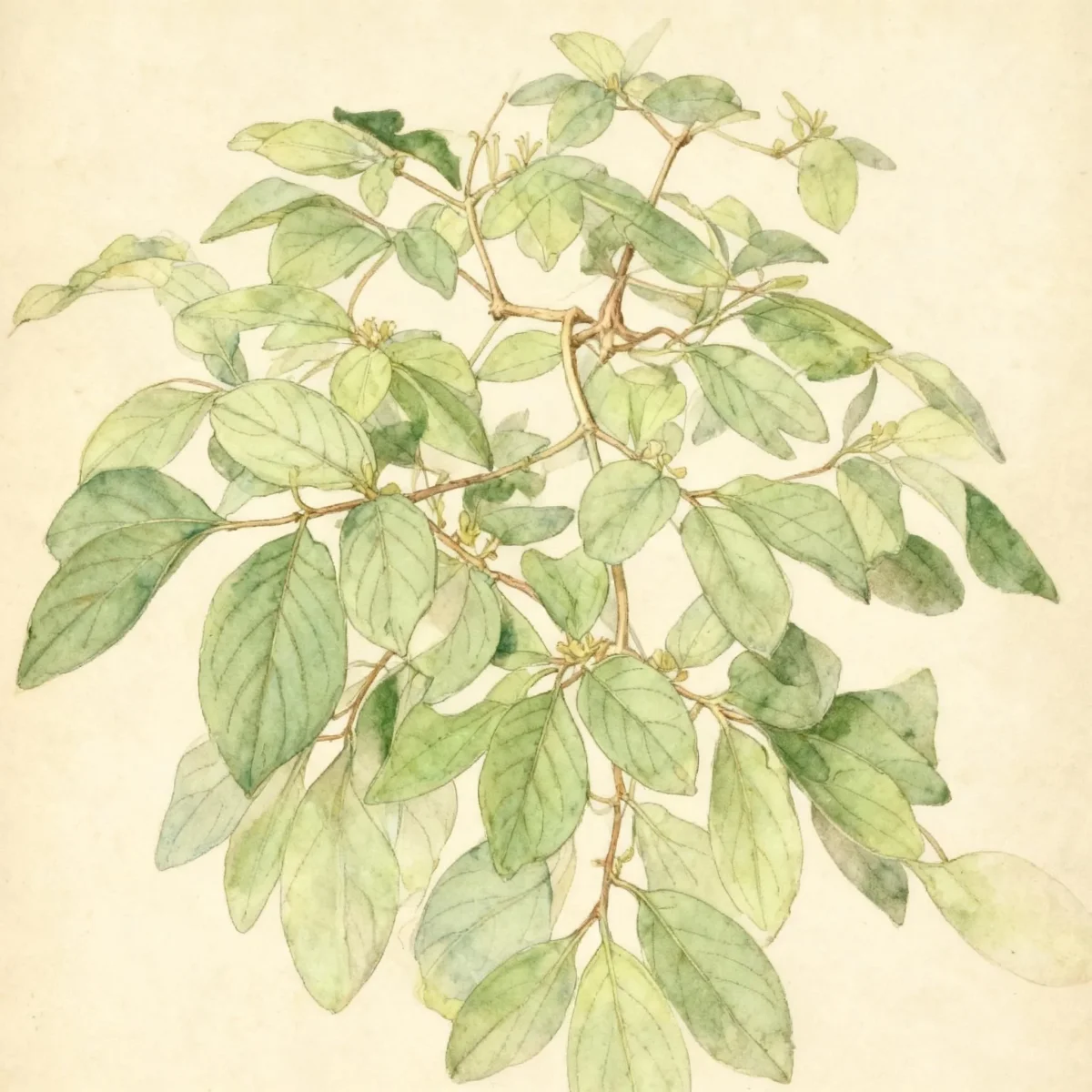
Glossy abelia (Abelia × grandiflora 'Sherwoodii')
Discover Abelia × grandiflora 'Sherwoodii', a low-maintenance deciduous shrub offering continuous white-pink blooms from May through September.
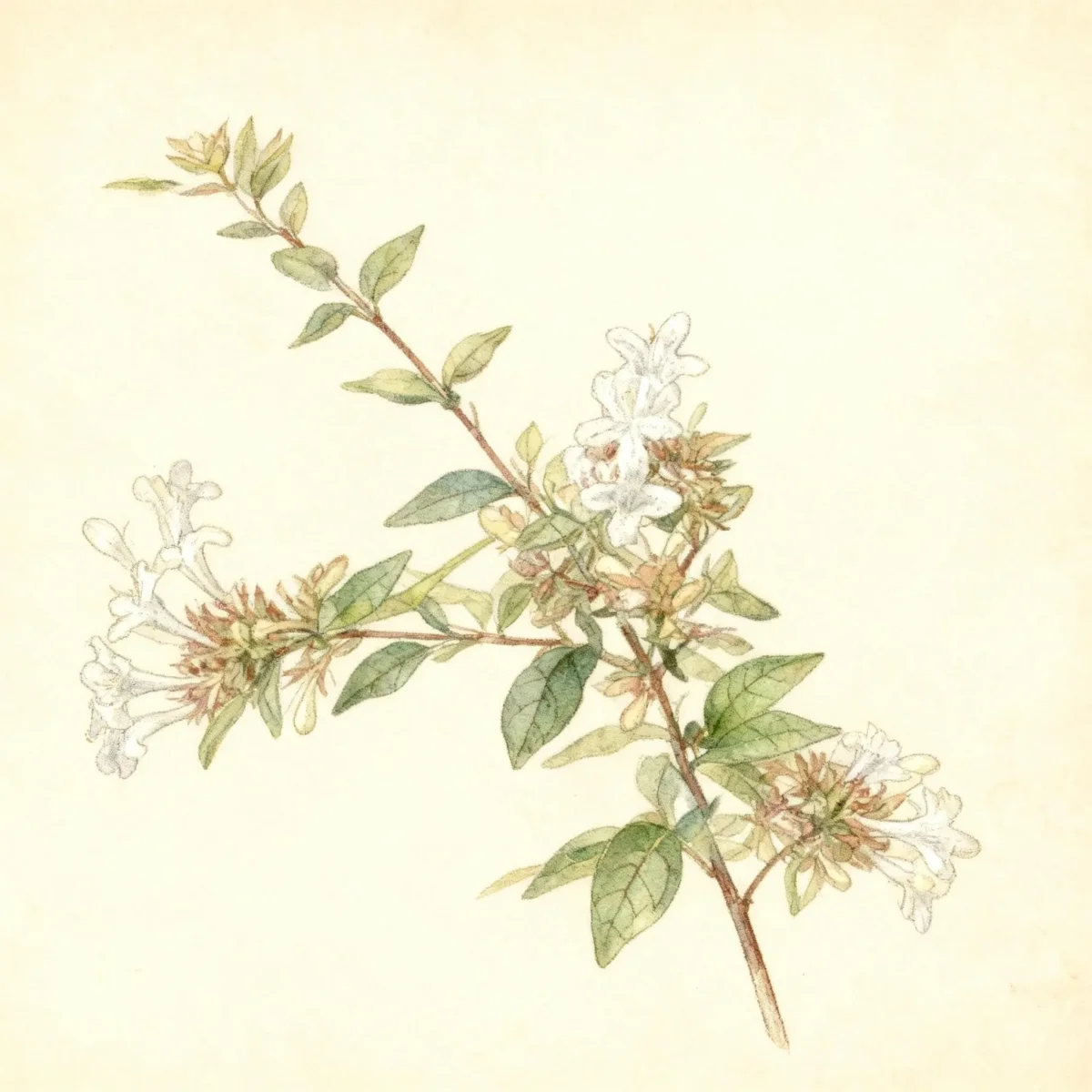

Bloom Boldly, No Matter the Season - Sweatshirt
Cozy organic cotton sweatshirt featuring our exclusive Purple Coneflower design. Perfect for gardeners who bloom year-round.
Inspired by the beautiful Glossy abelia
Limited first batch (50) — join the waitlist for early access
Waitlist closes Feb 15, 2026.
Complete Plant Information
Field Guide Continues
Ready for care notes, companion picks, and planting tips?
The map is just the start. The full guide below covers growth habits, seasonal performance, and landscape uses.
Overview
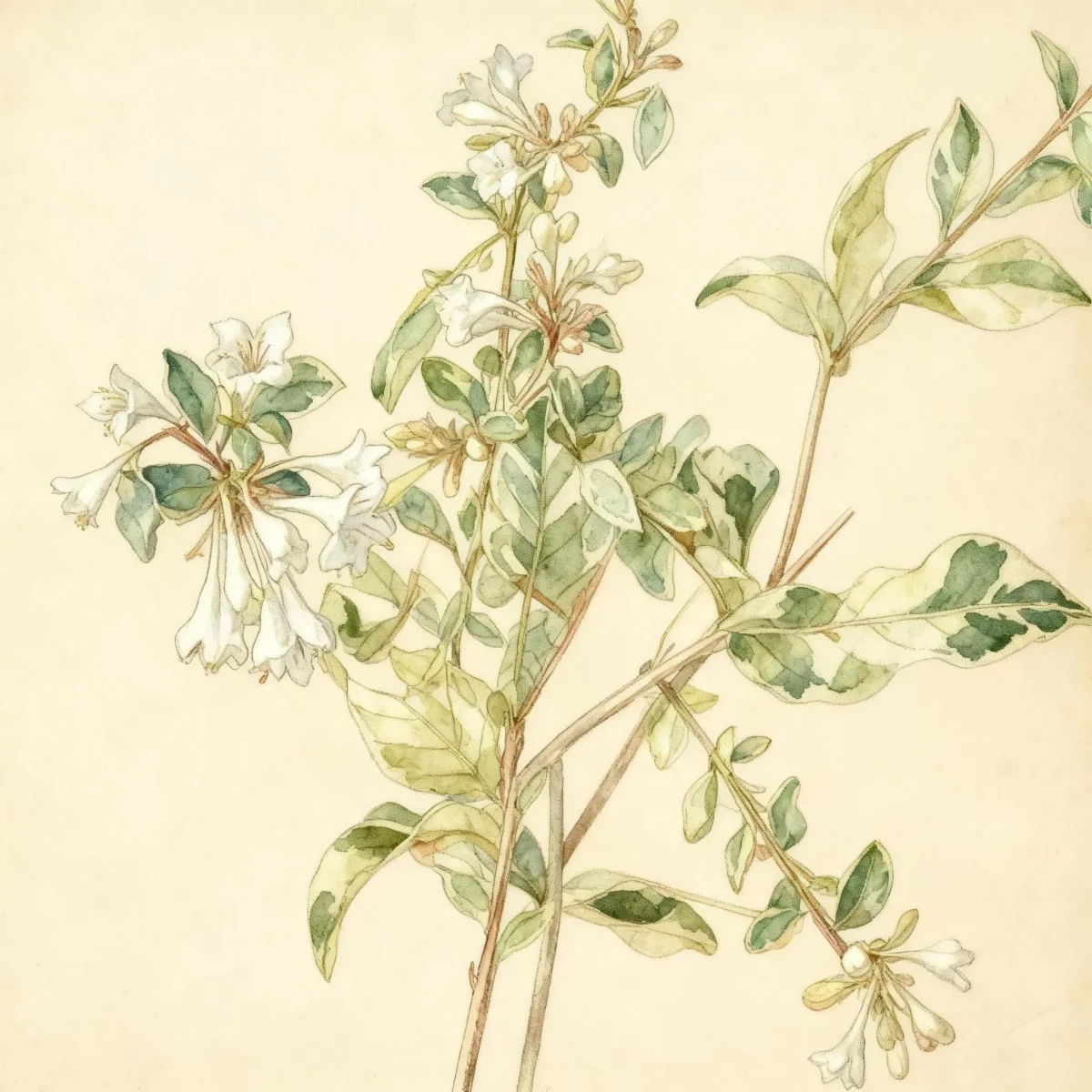
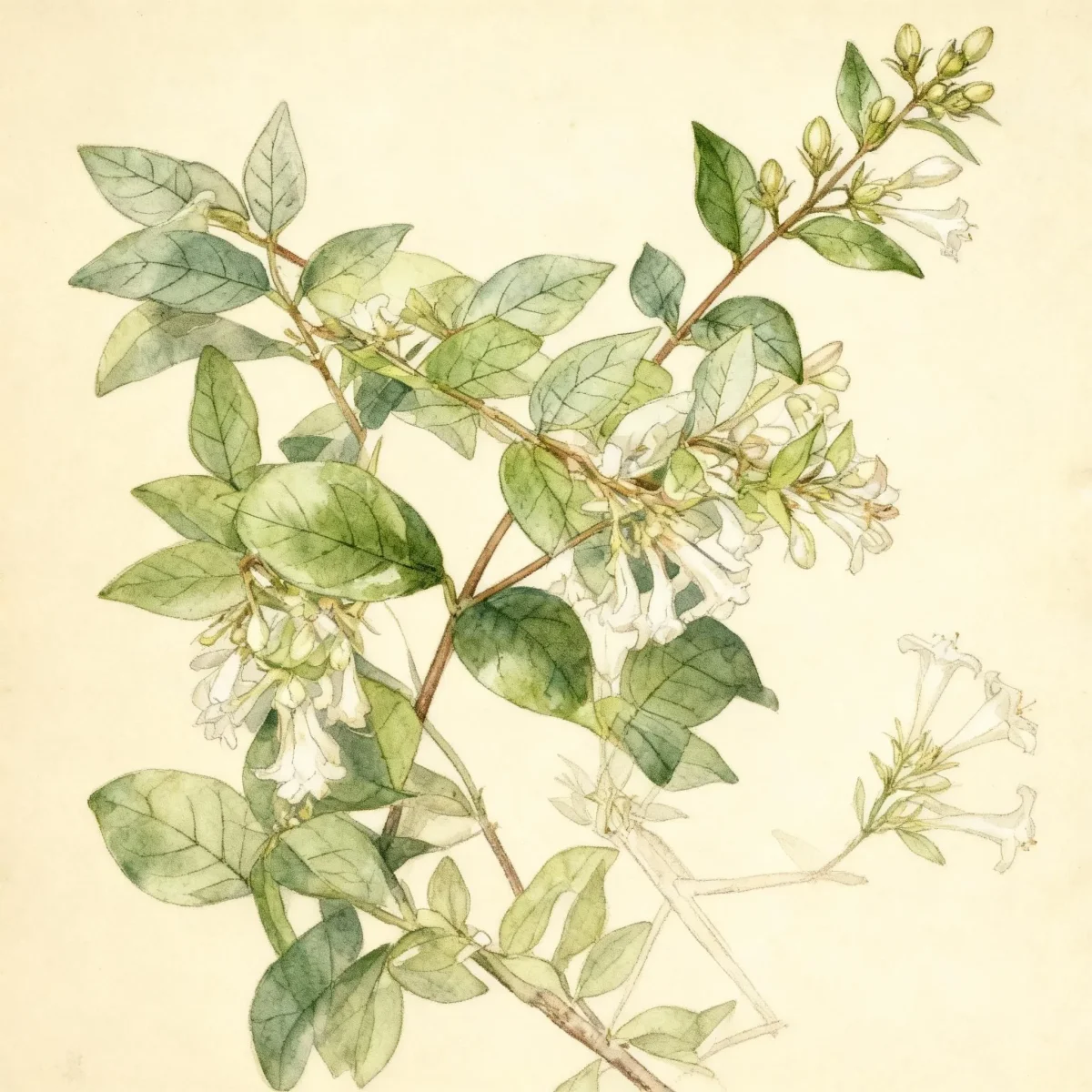
The Glossy abelia, scientifically known as Abelia × grandiflora ‘Sherwoodii’, is a highly valued compact shrub renowned for its extended flowering season and attractive foliage. This hybrid cultivar provides continuous interest, often displaying clusters of white flowers tinged with pink from late spring right through to early fall, making it a reliable performer in mixed borders. As a low-maintenance option, the Glossy abelia offers graceful, arching branches and good seasonal color, fulfilling roles from specimen planting to informal screening.
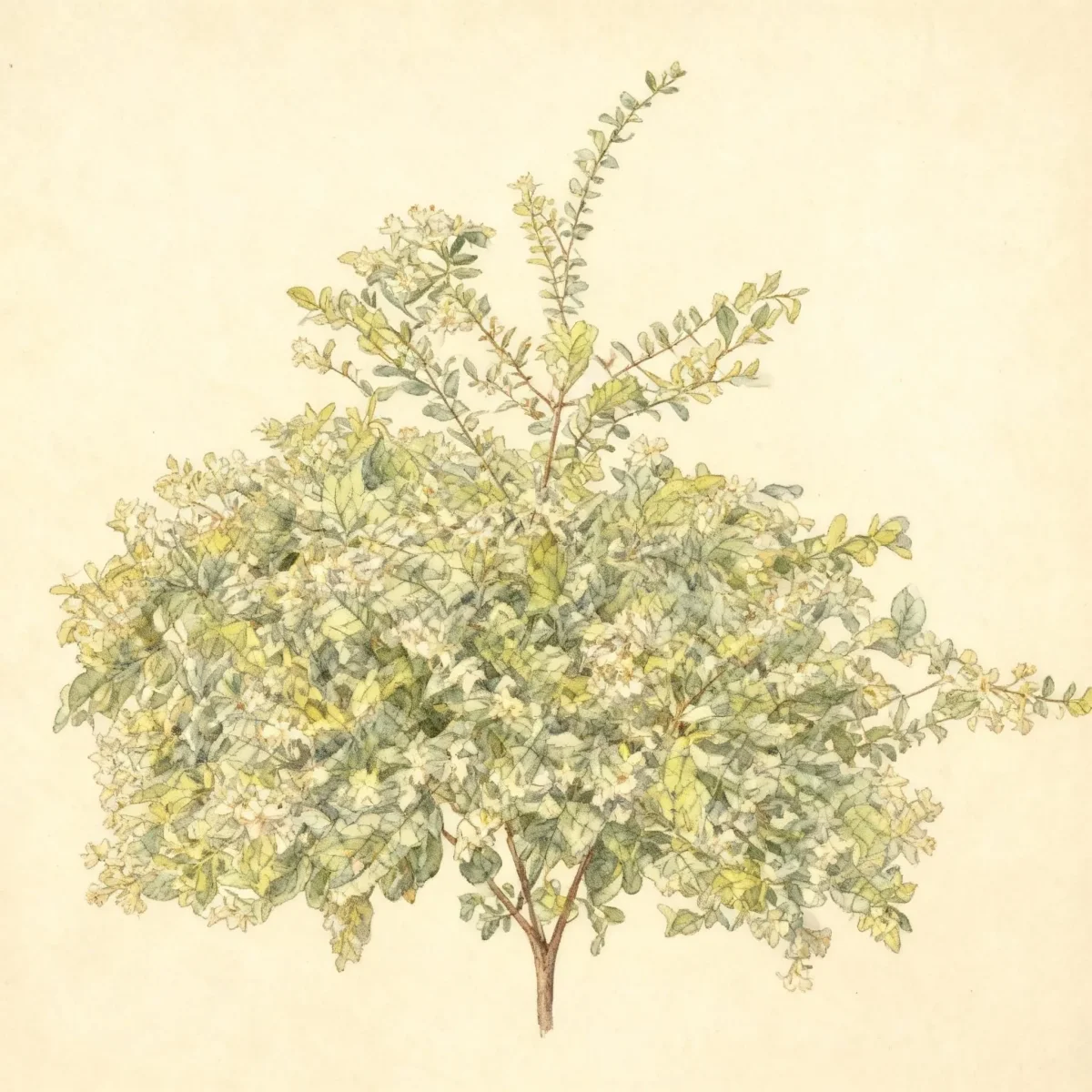
Specifically, Abelia × grandiflora ‘Sherwoodii’ is a dwarf variety, typically half the size of the standard Abelia x grandiflora, fitting beautifully into smaller garden spaces. While generally deciduous in colder zones like St. Louis, it often retains its leaves in warmer southern regions, providing nearly year-round visual structure. Gardeners appreciate its resilience and ease of care, provided it receives adequate drainage.
This versatile shrub brings a soft texture to the landscape and is particularly noted for the subtle fragrance of its prolific blooms. Whether massed on a bank or used as a low, informal hedge, the Glossy abelia offers significant ornamental value with minimal input required once established.
Fast Facts
- Plant Family: Caprifoliaceae
- Plant Type: Deciduous shrub
- Hardiness Zones: USDA Zones 5-9
- Size at Maturity:
- Height: 3-4 ft
- Spread: 3-4 ft
- Bloom Time: May to September
- Bloom Description: White - flushed pink
- Sun Exposure: Full sun to part shade
- Water Needs: Medium
- Maintenance Level: Low
How to Grow
Plant Abelia × grandiflora ‘Sherwoodii’ during the cooler periods of spring or fall to encourage strong root establishment before seasonal extremes. This shrub thrives in average, medium, well-drained soil. Optimal flowering performance is achieved when positioned in full sun, though it tolerates light afternoon shade. If your soil tends to be heavy, amend it generously with organic matter to ensure excellent drainage, which is crucial for the long-term health of the Glossy abelia.
General care involves maintaining a medium water schedule, particularly during dry spells, as the plant prefers moist, organically rich soils. Fertilization is generally unnecessary if the soil quality is adequate. Pruning for Abelia × grandiflora ‘Sherwoodii’ is best performed in late winter or early spring before new growth begins. Because it blooms prolifically on new wood, any pruning should focus on removing stems lost to winter die-back or thinning out up to one-third of the oldest stems to rejuvenate the structure.
In colder reaches of Zone 5, be prepared for potential die-back, as temperatures approaching 0°F can damage stems substantially. If significant die-back occurs, prune the dead wood back to the ground in spring; the plant will still flower, though perhaps on a smaller scale. Placing the shrub in a slightly protected location can mitigate severe winter exposure where cold is a concern.
Landscape Uses
The dimensional qualities of Abelia × grandiflora ‘Sherwoodii’ make it highly adaptable across various landscape designs. It functions excellently as a component in shrub borders, providing a reliable three-season presence with its foliage and blooms. For foundation plantings, its compact and rounded form softens hard architectural lines without overpowering the structure.
Due to its dense habit and medium stature, the Glossy abelia is effective when massed on slopes or banks, where its spreading nature aids significantly in erosion control. While it can be shaped into an informal hedge, shearing this shrub too frequently can diminish its naturally graceful, arching habit, which is one of its chief aesthetic appeals. In southern areas where winter kill is rare, it serves beautifully as a low screen.
For companion planting, pair the Glossy abelia with plants that share similar sun and water needs. Consider incorporating plants with contrasting foliage textures or deeper colors, such as dark-leaved Japanese maples or evergreen groundcovers, to highlight the bright white flowers and glossy green leaves of the Abelia × grandiflora ‘Sherwoodii’.
Standout Features
Flower Qualities
- Showy
Noteworthy Characteristics
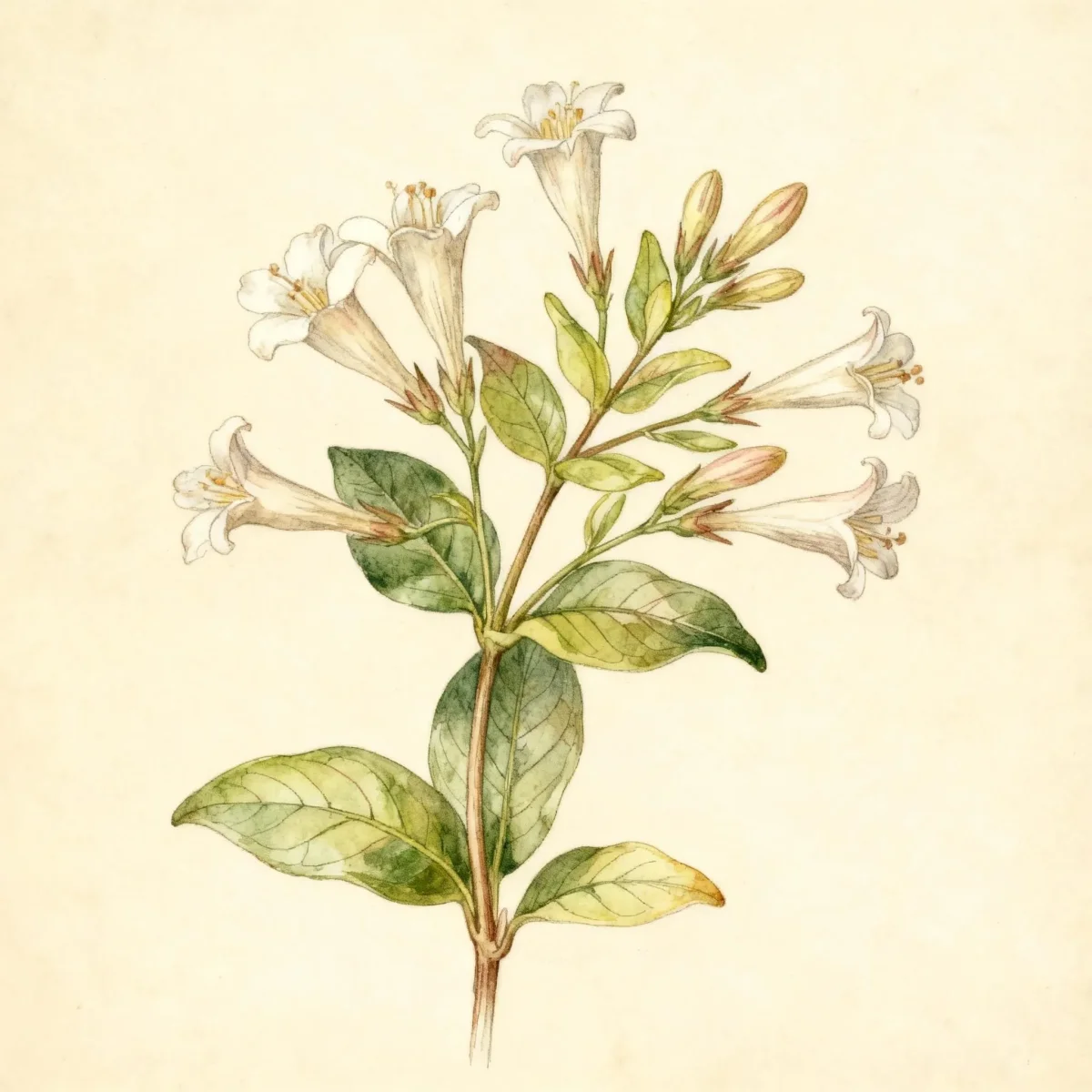
Abelia × grandiflora is a cross between A. Chinensis and A. Uniflora, resulting in this rounded, spreading, multi-stemmed shrub. It features clusters of bell-shaped flowers, often white-tinged-pink, that bloom continuously from late spring through autumn. Its ovate, glossy, dark green leaves provide excellent contrast and often develop attractive purplish-bronze tones in the fall. The ‘Sherwoodii’ cultivar maintains this beauty in a more compact package, roughly half the size of the standard introduction.
Tolerances
- Erosion
Potential Problems
This plant is generally recognized for having no serious insect or disease problems, making the Abelia × grandiflora ‘Sherwoodii’ a stress-free selection for many gardeners. The primary concern is related to cold weather in marginal zones. Significant stem damage or complete top kill can occur where winter temperatures drop near 0°F, especially in areas like the St. Louis region where it is often treated as a deciduous perennial. Ensure siting is protected from harsh winter winds to enhance survival rates.
Frequently Asked Questions
What hardiness zones is Glossy abelia suitable for?
The Abelia × grandiflora ‘Sherwoodii’ is reliably hardy in USDA Zones 5 through 9, though winter protection or die-back management may be necessary in the colder end of that range.
How large does Abelia × grandiflora ‘Sherwoodii’ grow?
This dwarf cultivar typically matures to a height between 3 to 4 feet, with a spread of 3 to 4 feet, maintaining a pleasingly rounded shape.
When does Glossy abelia bloom?
The flowers of the Glossy abelia appear over an extended period, typically starting in May and continuing through September, presenting a long season of bicolor blooms.
What sun exposure does Abelia × grandiflora ‘Sherwoodii’ need?
For the best flowering show, the Abelia × grandiflora ‘Sherwoodii’ should be planted where it receives full sun, although it will tolerate partial shade situations.
Conclusion
Selecting the Abelia × grandiflora ‘Sherwoodii’ guarantees a low-maintenance shrub that delivers exceptional, long-lasting blooms and attractive foliage across multiple seasons. Its compact size ensures it fits well into both formal and informal garden settings while offering valuable erosion control capabilities. Before planting, confirm your location falls within USDA Hardiness Zones 5-9 to ensure the best performance for your Glossy abelia.
Companion Planting
Companion planting with Abelia × grandiflora ‘Sherwoodii’ should focus on species that appreciate similar well-drained soil conditions and sun exposure. Consider pairing it with low-growing evergreen groundcovers whose dark green or variegated leaves will contrast nicely with the arching habit. Mid-sized perennials that bloom later in the summer, such as Coneflowers (Echinacea) or Russian Sage (Perovskia), can fill the space beneath the shrub as its flowering continues, creating layered visual interest throughout the season.
Seasonal Care Calendar
Spring care centers around clean-up and rejuvenation. After the threat of hard frost has passed in late winter to early spring, assess the shrub for winter damage and prune out any dead or damaged wood. This encourages vigorous new growth upon which the Glossy abelia sets its flowers. During summer, monitor moisture levels, providing medium water, especially during intense heat waves, to maintain soil moisture without waterlogging the roots. Fall maintenance is minimal; cleanup involves perhaps removing any dropped leaves if desired, though the plant remains attractive. Over winter, protect marginal zone plantings from severe temperature drops by applying a thick layer of mulch after the ground freezes.