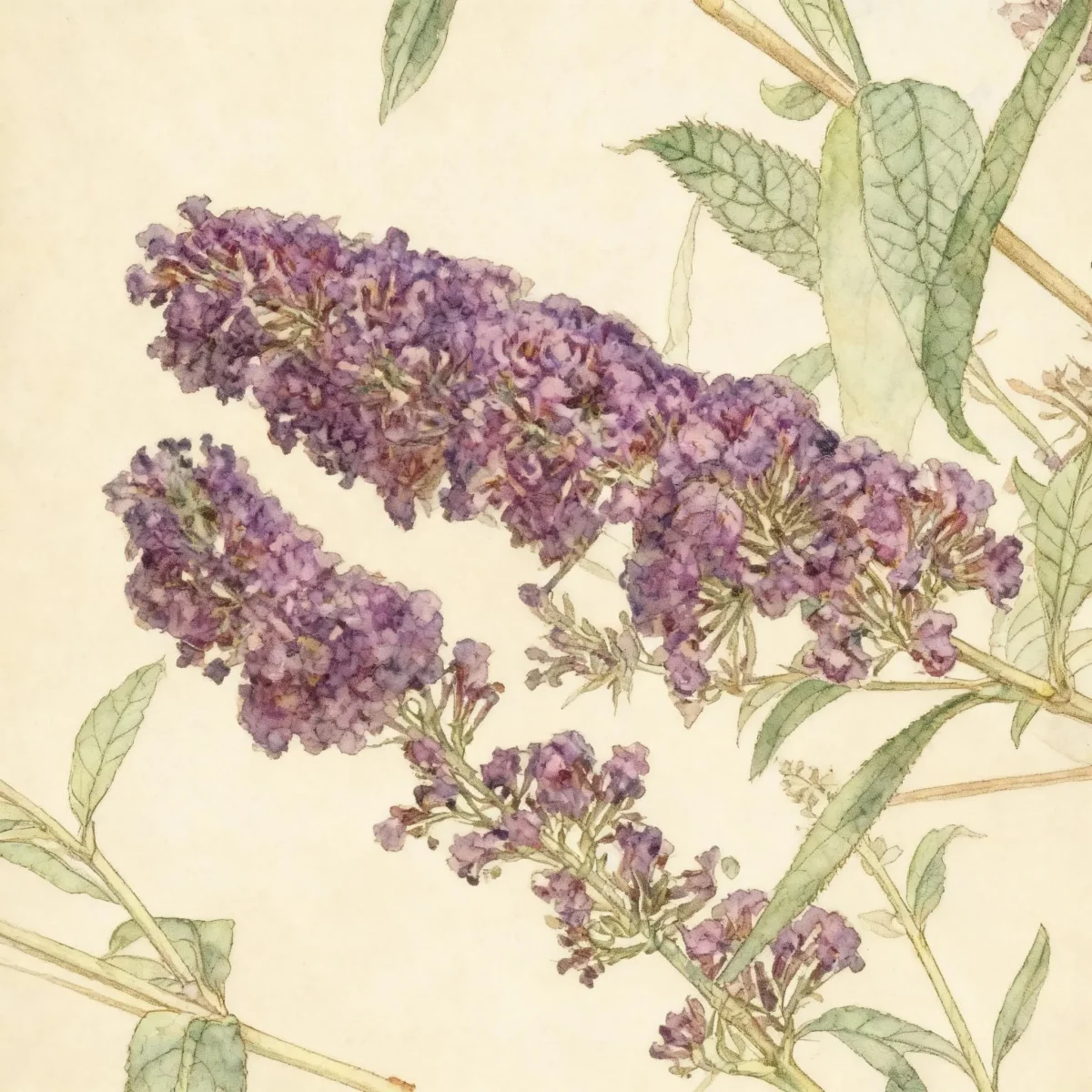
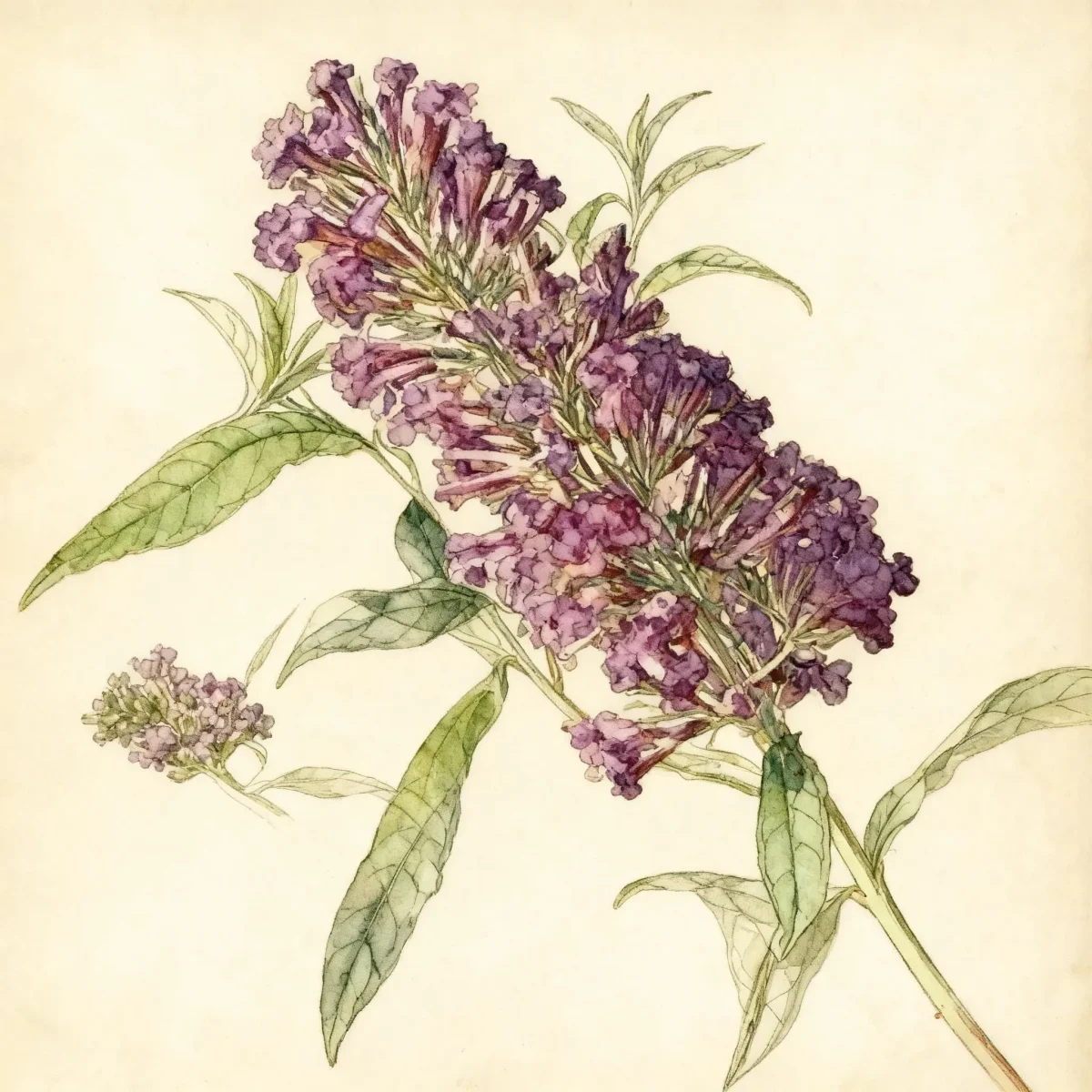
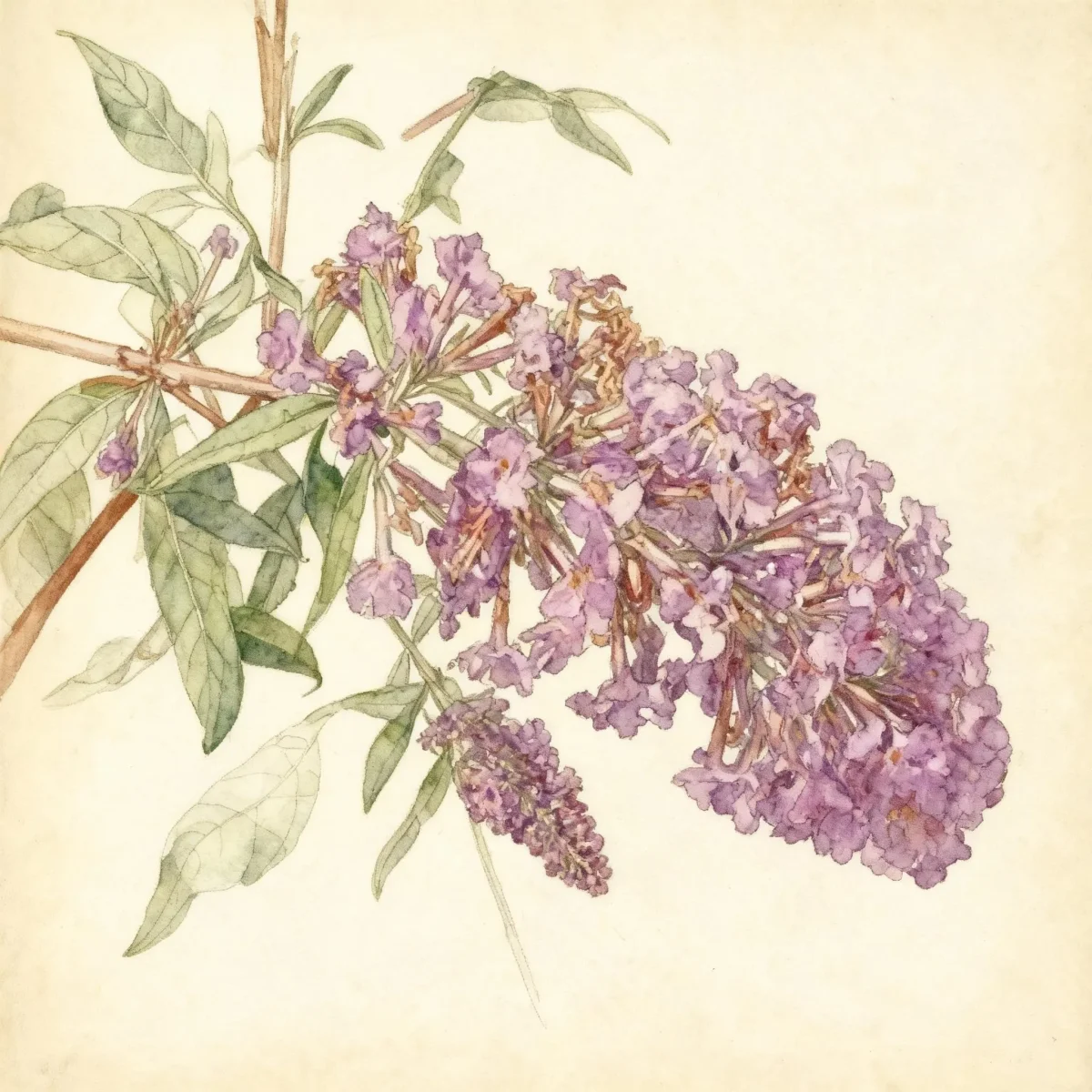
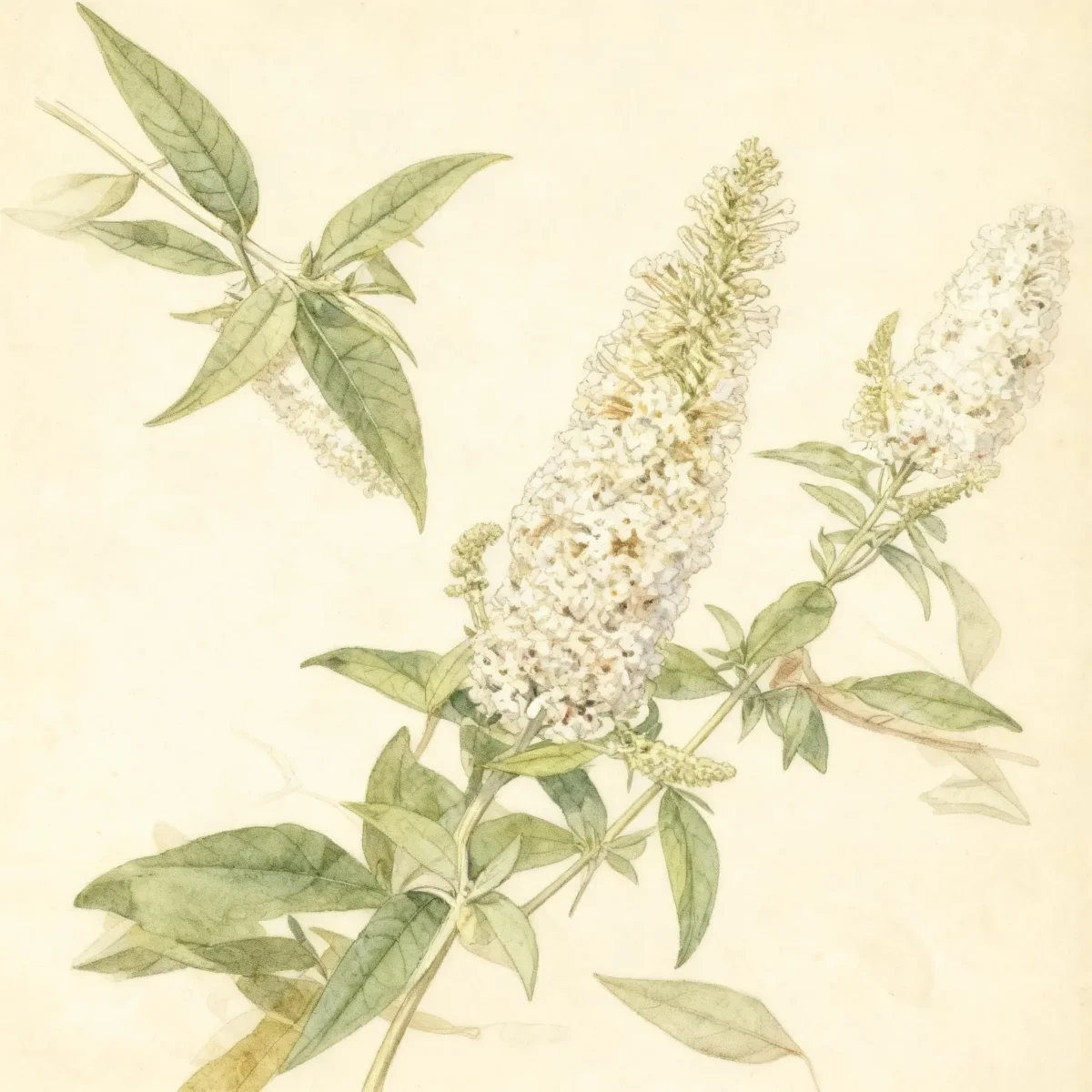
Butterfly bush (Buddleja × weyeriana 'Honeycomb')
Buddleja × weyeriana 'Honeycomb' is a fragrant yellow Butterfly bush offering striking color from June to October. Requires high maintenance and full sun.


Bloom Boldly, No Matter the Season - Sweatshirt
Cozy organic cotton sweatshirt featuring our exclusive Purple Coneflower design. Perfect for gardeners who bloom year-round.
Inspired by the beautiful Butterfly bush
Limited first batch (50) — join the waitlist for early access
Waitlist closes Feb 15, 2026.
Complete Plant Information
Field Guide Continues
Ready for care notes, companion picks, and planting tips?
The map is just the start. The full guide below covers growth habits, seasonal performance, and landscape uses.
Overview
The Buddleja × weyeriana ‘Honeycomb’, commonly known as Butterfly bush, is a distinctive hybrid prized for its unique, globe-shaped panicles of yellow flowers accented by orange eyes. This flowering shrub offers significant visual impact and is highly attractive to pollinators throughout the summer months. While rewarding, the ‘Honeycomb’ variety demands diligent care, especially regarding winter protection and yearly pruning, to maintain its best form and flowering capacity.
This deciduous shrub typically matures between 5 to 12 feet tall, boasting an upright-arching habit. It is a hybrid noted for having stronger branching than some B. davidii relatives, though this specific Butterfly bush is also recognized as one of the least winter-hardy among its peers. Gardeners must carefully consider their site conditions when selecting Buddleja × weyeriana ‘Honeycomb’ for planting success.
Its value lies not only in the showy, fragrant blooms that last from June well into October but also in its ability to anchor a cottage garden design or serve as a vibrant border focal point. Successful cultivation of Buddleja × weyeriana ‘Honeycomb’ hinges on providing consistent full sun and rigorous annual pruning.
Fast Facts
- Plant Family: Scrophulariaceae
- Plant Type: Deciduous shrub
- Hardiness Zones: USDA Zones 5-9
- Size at Maturity:
- Height: 5-12 ft
- Spread: 4-8 ft
- Bloom Time: June to October
- Bloom Description: Yellow with orange eyes
- Sun Exposure: Full sun
- Water Needs: Medium
- Maintenance Level: High
How to Grow
Planting the Buddleja × weyeriana ‘Honeycomb’ should occur when danger of frost has passed, ideally in spring or early fall. Select a location that guarantees full sun exposure; this plant becomes sparse and flowers poorly almost anywhere else. While it prefers average, medium moisture, well-drained soil, this hybrid will adapt to clay soil provided the soil receives necessary amendments to improve drainage.
Water needs are medium during the growing season. Ensure the soil never remains wet or poorly draining, as this condition causes the plant doing poorly. The maintenance level is rated high, largely due to pruning requirements. To maximize bloom production, routinely remove spent flower spikes throughout the growing season.
Annual pruning is crucial for vigor and shape. In late winter or very early spring, cut the framework back severely, similar to pruning a crepe myrtle, keeping only a framework close to the ground. Blooms appear on both old and new wood, so winter dieback or this heavy pruning will not eliminate flowering. For gardeners in colder marginal areas, like Zone 5b, the plant requires protection; place it in a sheltered location and apply a heavy winter mulch.
Landscape Uses
The Butterfly bush is perfectly suited for beds where its vibrant color can be easily admired. Buddleja × weyeriana ‘Honeycomb’ performs exceptionally well when planted in small groups or incorporated into massed plantings, creating a significant visual statement.
It is a staple in borders where height (up to 12 feet if left unpruned) can provide a colorful backdrop. The fragrant yellow blooms make it an excellent choice for cottage gardens or specifically designed butterfly gardens. Plant it where you can enjoy its strong seasonal display and pollinator activity.
Standout Features
Flower Qualities
- Showy
- Fragrant
Noteworthy Characteristics
The genus name Buddleja honors the Reverend Adam Buddle, though it is often misspelled as Buddleia. ‘Honeycomb’ is specifically a hybrid noted for producing yellow flowers with orange eyes clustered in globe-shaped panicles. Compared to many other Butterfly bush varieties, this one features stronger branching that resists sprawling, and its fragrant flowers are highly effective at attracting butterflies.
Tolerances
- Clay Soil
Potential Problems
Generally, the Butterfly bush does not suffer from serious insect or disease issues, making it relatively simple to manage concerning pests. However, gardeners in the Southern US (warmer zones) should be aware that nematodes can sometimes prove troublesome to the root system. Proactive soil health management and rotating planting locations can help mitigate nematode issues over time.
Frequently Asked Questions
What hardiness zones is Butterfly bush suitable for?
The Buddleja × weyeriana ‘Honeycomb’ is reliably hardy in USDA Zones 6 through 9, though it may survive in Zone 5 if provided adequate winter protection and grown in a sheltered location.
When does Butterfly bush bloom?
This variety displays its showy flowers from June all the way through October, featuring characteristic yellow blooms with orange eyes.
How large does Buddleja × weyeriana ‘Honeycomb’ grow?
If left unpruned, this deciduous shrub can reach heights of 5 to 12 feet, with a spread between 4 and 8 feet. Routine hard pruning keeps it smaller and more vigorously flowering.
What sun exposure does Butterfly bush need?
This plant absolutely requires full sun exposure to maintain dense growth and robust flowering performance throughout the season.
Conclusion
The Buddleja × weyeriana ‘Honeycomb’ offers a long season of fragrant, striking yellow color that is irresistible to butterflies, making it a valuable addition to sunny landscapes. Remember that this Butterfly bush requires high maintenance, particularly consistent pruning, to thrive across its full range of USDA zones 5-9. Check your local cold tolerance before planting the impressive Buddleja × weyeriana ‘Honeycomb’ this season.
Wildlife Benefits
As the common name suggests, this plant is a magnet for local fauna. The globe-shaped flower clusters provide an accessible landing pad for numerous species of butterflies seeking nectar throughout the summer and early fall. Planting Buddleja × weyeriana ‘Honeycomb’ is an excellent strategy for encouraging biodiversity.
Its mid-to-late season bloom window fills a critical gap in nectar availability when earlier flowers have faded. To maximize its ecological benefit, ensure you resist the urge to deadhead every single flower and allow some spent blooms to mature naturally where appropriate, though consistent deadheading yields more flowers overall.
Design Pairing: Companion Planting
Because Buddleja × weyeriana ‘Honeycomb’ requires full sun and medium water, pair it with other drought-tolerant, sun-loving perennials. Good companions include Coneflower (Echinacea), Russian Sage (Perovskia atriplicifolia), or ornamental grasses like Feather Reed Grass (Calamagrostis). These partners offer textural contrast and bloom at different times, ensuring interest throughout the season. Avoid planting near moisture-loving plants, as the Butterfly bush dislikes wet feet, especially in poorly draining soils.