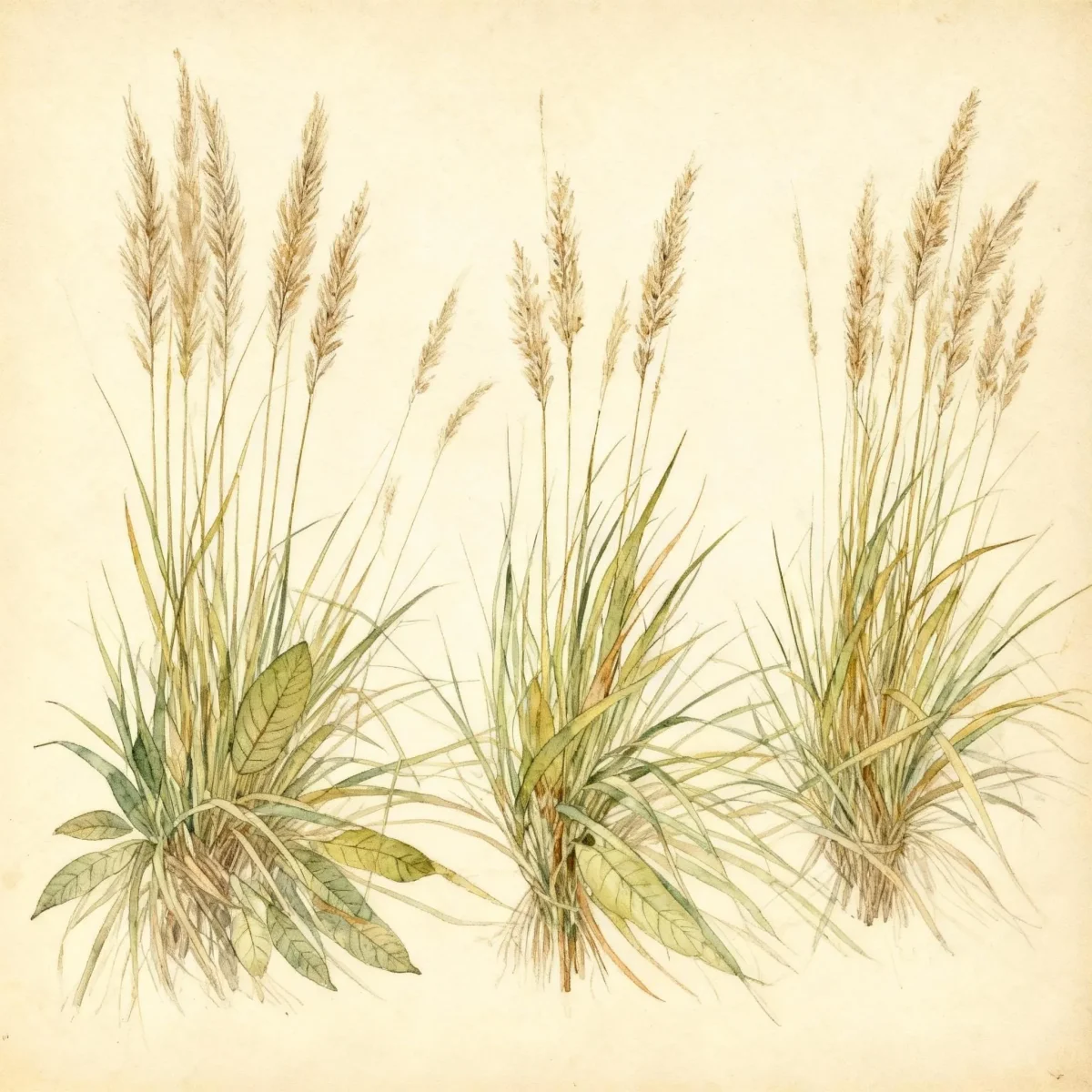
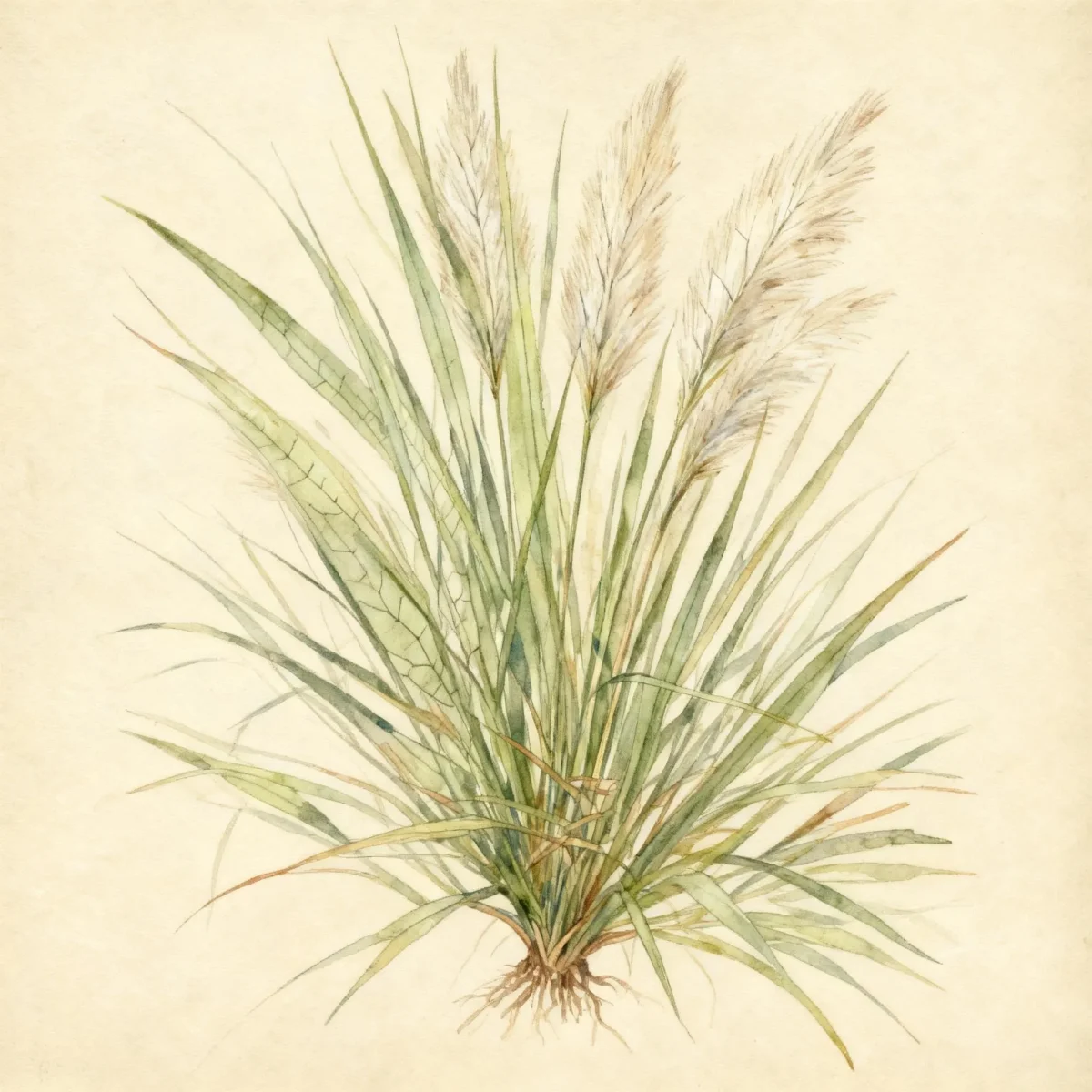
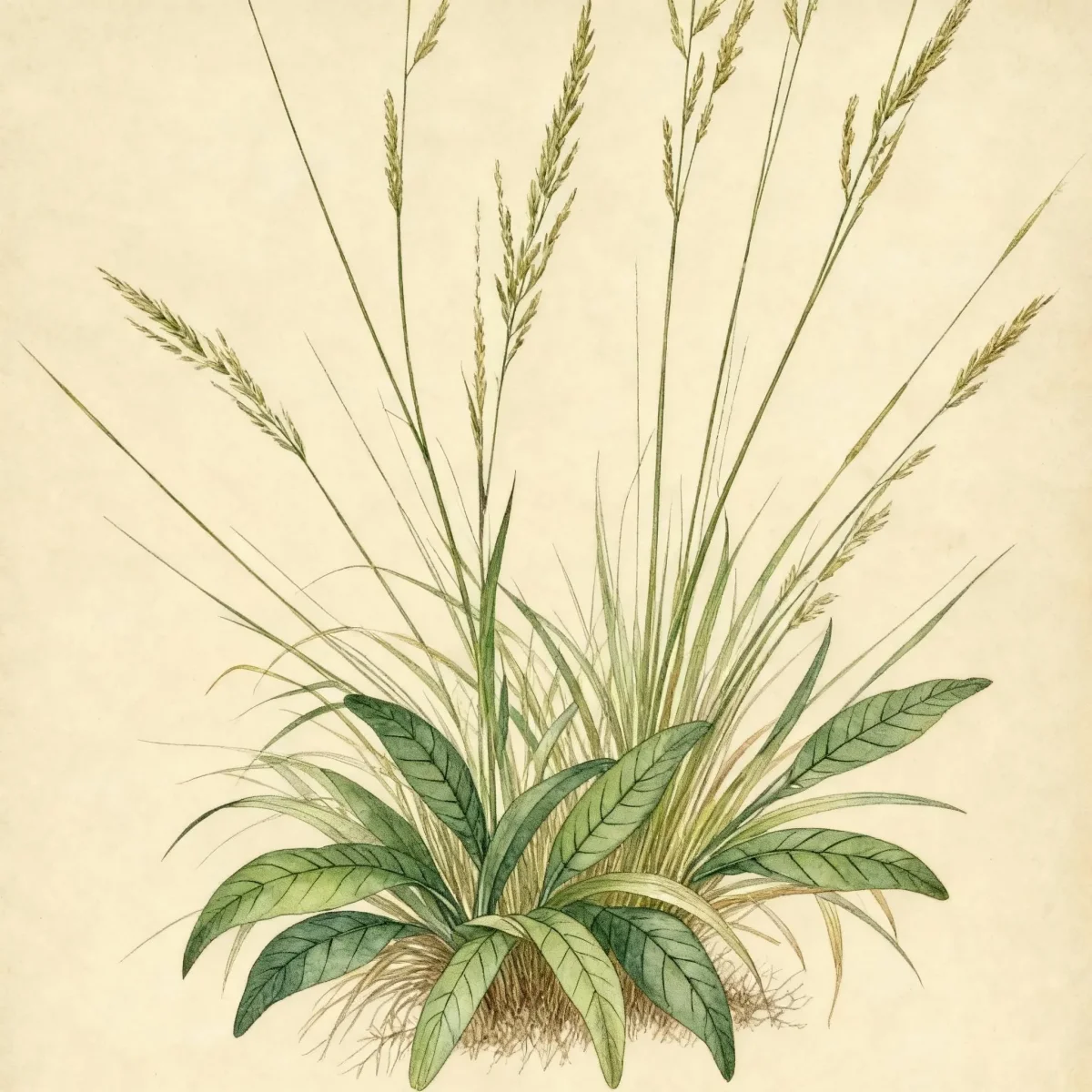
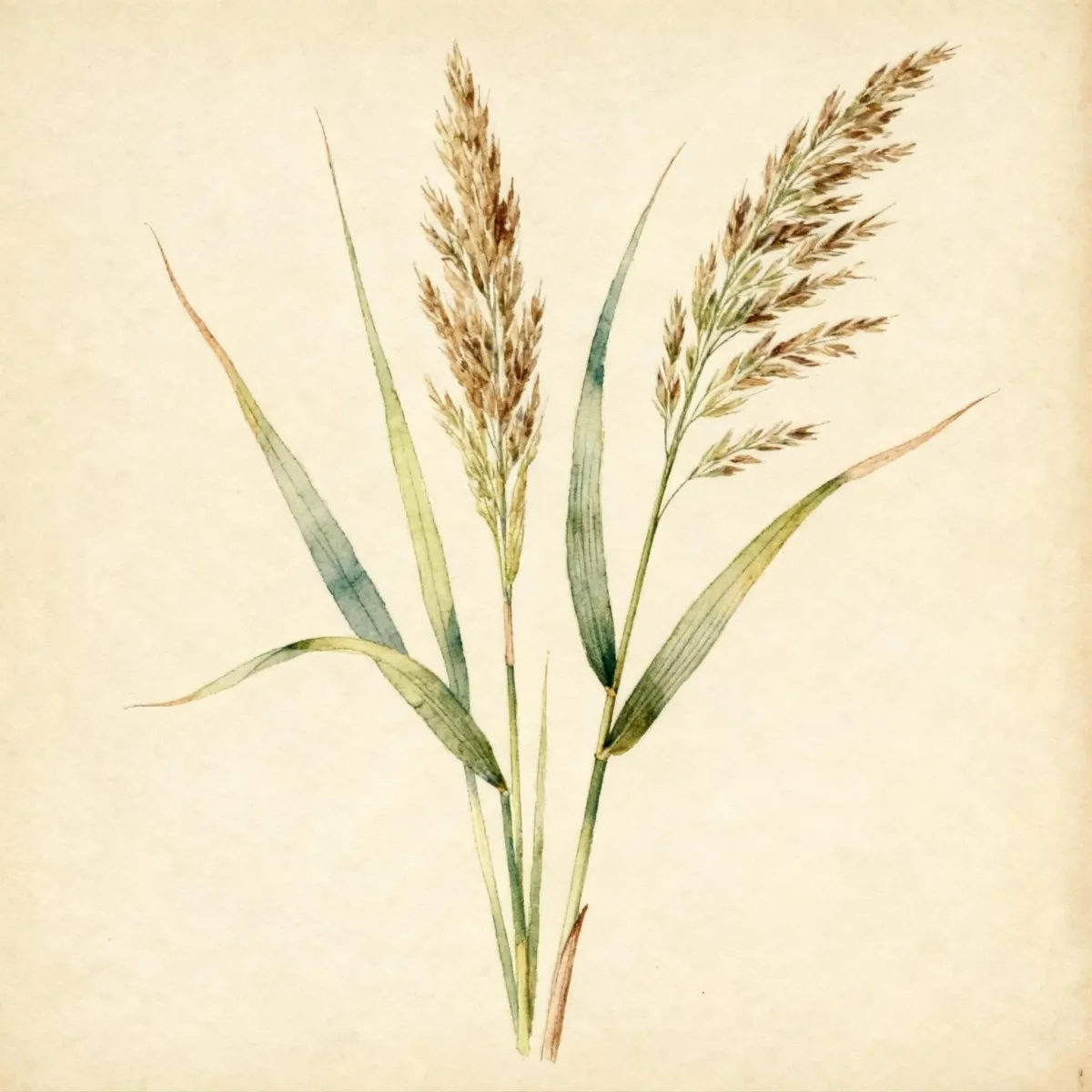
Feather reed grass (Calamagrostis × acutiflora 'Karl Foerster')
Vertical, low-maintenance Feather reed grass, Calamagrostis × acutiflora 'Karl Foerster', offers showy plumes from May through winter in zones 5-9.

Bloom Boldly, No Matter the Season - Sweatshirt
Cozy organic cotton sweatshirt featuring our exclusive Purple Coneflower design. Perfect for gardeners who bloom year-round.
Inspired by the beautiful Feather reed grass
Limited first batch (50) — join the waitlist for early access
Waitlist closes Feb 15, 2026.
Complete Plant Information
Field Guide Continues
Ready for care notes, companion picks, and planting tips?
The map is just the start. The full guide below covers growth habits, seasonal performance, and landscape uses.
Overview
Calamagrostis × acutiflora ‘Karl Foerster’, commonly known as Feather reed grass, stands out in the landscape due to its remarkably narrow and strictly upright growth habit. This cool-season grass forms dense clumps of bright green foliage, punctuated by stiff, vertical flower stalks that provide season-long interest from summer well into the following year. It is celebrated for its minimal maintenance requirements and strong architectural presence, making it a reliable choice for modern and traditional garden designs alike.
The structure of Calamagrostis × acutiflora ‘Karl Foerster’ creates excellent contrast against softer, mounding perennials. Its plumes, which emerge pinkish-purple and mature to tan, offer excellent texture and movement throughout the growing season. For gardeners seeking vertical accents or screening that remains tidy, this cultivar is highly recommended.
Known for its resilience, Feather reed grass establishes quickly and handles various soil conditions, provided moisture levels are adequate for promoting its best display. This award-winning cultivar remains a staple, offering consistent yearly performance unmatched by many common ornamental grasses.
Fast Facts
- Plant Family: Poaceae
- Plant Type: Ornamental grass
- Hardiness Zones: USDA Zones 5-9
- Size at Maturity:
- Height: 3-5 ft
- Spread: 1.5-2.5 ft
- Bloom Time: May to February
- Bloom Description: Pinkish-purple
- Sun Exposure: Full sun
- Water Needs: Medium to wet
- Maintenance Level: Low
How to Grow
Planting Calamagrostis × acutiflora ‘Karl Foerster’ is best achieved in spring or autumn after the danger of hard frost has passed. This ornamental grass thrives when placed in full sun, though it tolerates light shade. It is an adaptable plant that performs exceptionally well in average, medium to wet soils, and it is reportedly one of the few ornamental grasses that handles heavy clay effectively. Ensure the planting location does not dry out completely, as consistently moist soil is preferred for optimal growth.
Water needs for Feather reed grass are medium to wet. While established clumps are moderately tolerant of drought once rooted, consistent moisture encourages the robust vertical growth for which this variety is prized. Fertilization is generally unnecessary; rich soils may prompt floppier foliage, so aim for lean to average site conditions.
Maintenance for this variety is exceptionally low. The most significant task involves cleanup, which should be done in late winter just before new spring shoots begin to emerge. Cut all the previous season’s dead stalks and foliage back to the ground at this time. Do not prune too early, as the persistent plumes and tan seed heads provide vital winter interest.
Landscape Uses
The rigid, upright form of Calamagrostis × acutiflora ‘Karl Foerster’ makes it an indispensable tool for structure and verticality in the border. Use it as a specimen plant to draw the eye upward or massed together to create a formal, linear screen that remains attractive year-round. Its dependable height of 5 feet ensures it doesn’t overwhelm neighboring plants but provides significant stature.
Feather reed grass is particularly effective when situated near wetter areas of the landscape, such as rain gardens or along the edges of pond and stream banks, capitalizing on its preference for moist conditions. It also serves as an excellent vertical accent for narrow spaces where wider shrubs might crowd the area. The strong vertical lines contrast beautifully with rounded hostas, low sedums, or flowering perennials that offer horizontal mass.
For textural variety, pair the fine plumes of Calamagrostis × acutiflora ‘Karl Foerster’ with broad-leafed plants or those with darker foliage, allowing its bright green leaves and airy flower heads to stand out clearly. Its tolerance for wet soil also makes it a superb foundational element in naturalized wetland plantings.
Standout Features
Flower Qualities
- Showy
- Good Cut
- Good Dried
Noteworthy Characteristics
Calamagrostis, commonly known as reed grass, is a genus consisting of about 250 species of cool season grasses which are primarily native to moist to wet areas in temperate regions of the northern hemisphere. These grasses typically form large, dense, erect clumps of narrow, flattened, green leaves from which rise stiffly upright flowering stalks in summer bearing narrow flower plumes followed by often persistent seeds. C. × acutifolia, commonly known as feather reed grass, is a hybrid, and ‘Karl Foerster’ is the most popular cultivar, noted for its narrow-vertical growth and feathery plumes of summer-blooming pink to purple tinged flowers rising well above the foliage.
Tolerances
- Erosion
- Wet Soil
- Black Walnut
- Air Pollution
Potential Problems
Calamagrostis × acutiflora ‘Karl Foerster’ rarely suffers from serious insect or disease problems, making it a reliable garden choice. The primary concern, though infrequent, is the development of rust, which tends to appear particularly following prolonged periods of rainy or highly humid weather. To prevent fungal issues, ensure good air circulation around the clumps by spacing plants appropriately according to their 1.5 to 2.5 ft spread recommendations during planting.
Frequently Asked Questions
What hardiness zones is Feather reed grass suitable for?
Calamagrostis × acutiflora ‘Karl Foerster’ is reliably hardy across USDA Zones 5 through 9, offering excellent adaptability across a wide temperate range.
How large does Calamagrostis × acutiflora ‘Karl Foerster’ grow?
This ornamental grass typically reaches a height between 3 and 5 feet, with a manageable spread generally ranging from 1.5 to 2.5 feet wide.
What sun exposure does Feather reed grass need?
For the best, most upright growth and maximum flower production, Calamagrostis × acutiflora ‘Karl Foerster’ requires full sun exposure.
When does Feather reed grass bloom?
This variety exhibits a long bloom period, with its pinkish-purple plumes appearing from May and persisting through the winter into February.
Conclusion
Calamagrostis × acutiflora ‘Karl Foerster’ is valued for its striking vertical architecture, low demands, and multi-season appeal, establishing it as a foundational plant in modern landscaping. If you are seeking reliable height and texture that thrives even in heavier, moist soils, this Feather reed grass is an outstanding selection. Before planting, confirm your landscape location falls within USDA Zones 5-9 and prepare the site with adequate moisture to ensure spectacular performance next season.
Companion Planting Ideas
Selecting companions that share the moisture and sun needs of Feather reed grass will ensure a cohesive, thriving planting scheme. Look for perennials that complement its strong vertical lines with softer, rounded forms. Nepeta (Catmint) or Salvia species are excellent choices, as they prefer full sun and medium moisture, offering contrasting silvery foliage and blue-purple flowers that harmonize well with the tan plumes of Calamagrostis.
Plants that appreciate consistently moist conditions, such as Rodgersia or certain Iris varieties, can be placed near the base of the grass, especially in rain garden settings. Avoid overly aggressive spreaders since the grass itself forms dense clumps and prefers not to have fine roots competing aggressively in excessively lean soil. The goal is to provide color and texture around its base without compromising the vertical integrity of the Calamagrostis × acutiflora ‘Karl Foerster’.
Seasonal Care Calendar
Spring preparation is brief but vital for Feather reed grass. Wait until late winter or very early spring, just as new green shoots begin to emerge from the crown, to brutally cut back all the old, brown foliage and stems to about 4-6 inches above the ground. This pruning clears the way for the new vertical growth.
During the active summer months, monitor moisture levels, particularly during intense heat waves, to ensure young plants receive medium to wet watering. Since this grass establishes well and requires little fertility, avoid heavy fertilizing schedules which encourage floppy, weak stems. In the fall, resist the urge to cut back the flowering stalks; these provide excellent visual interest and structure throughout the winter months.