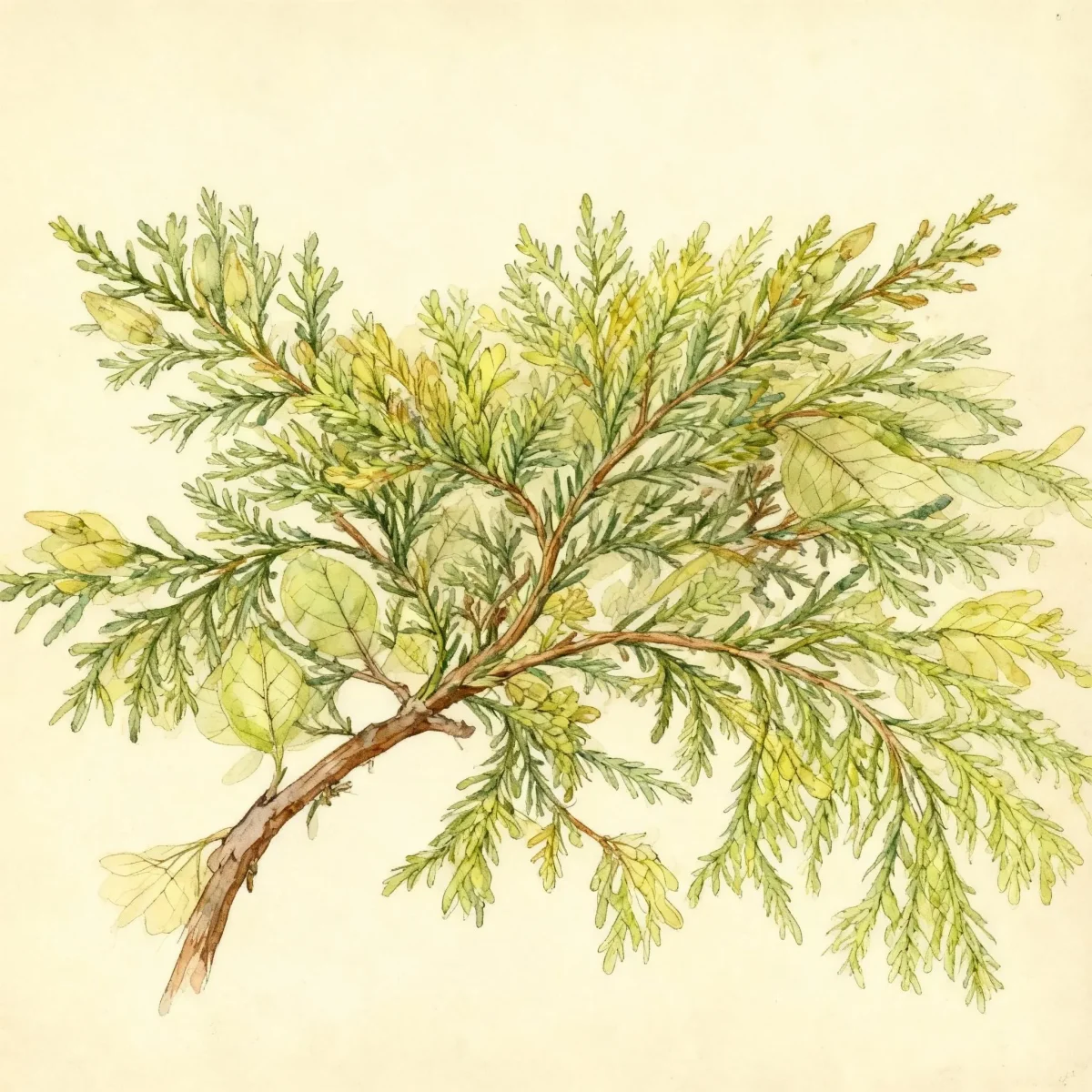
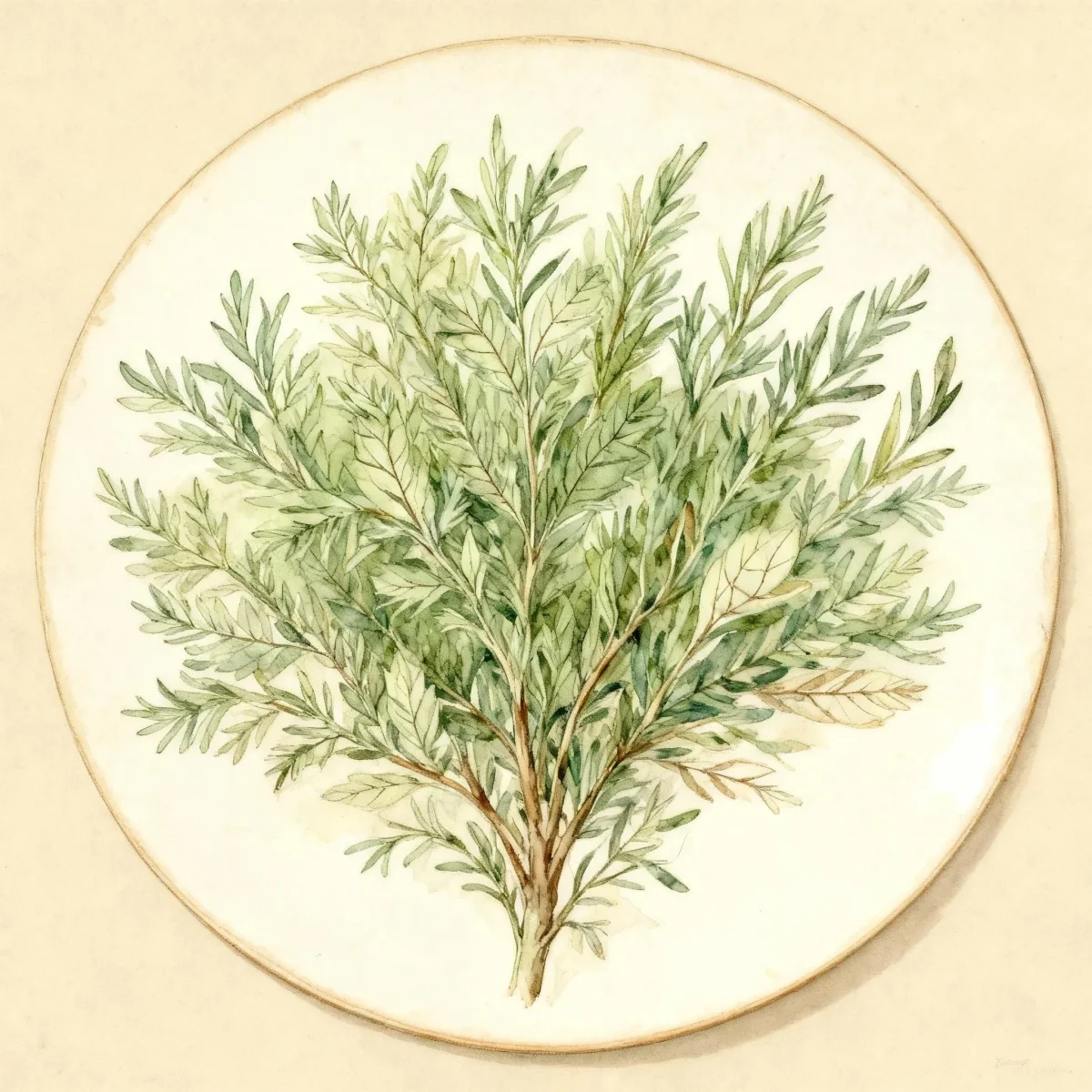
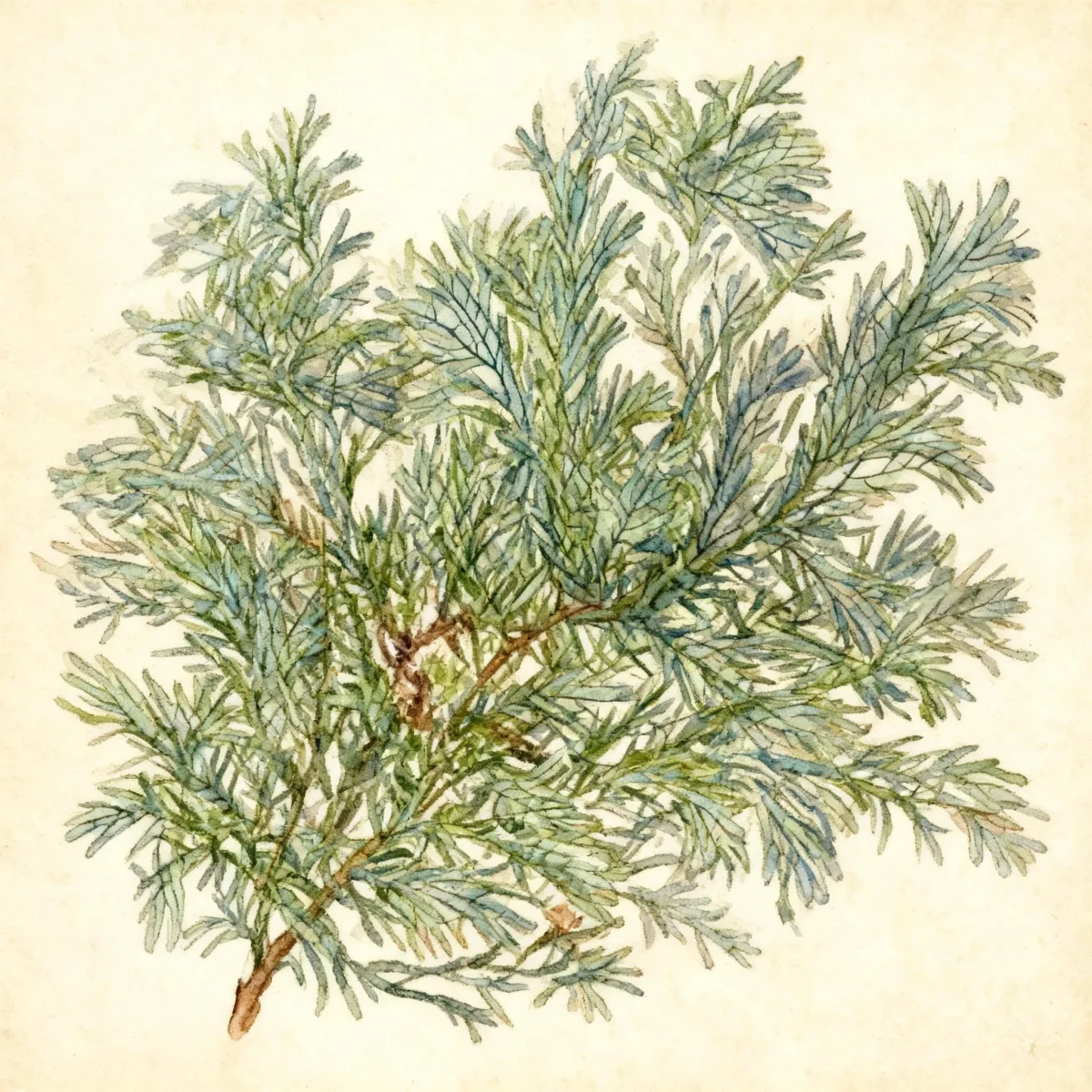
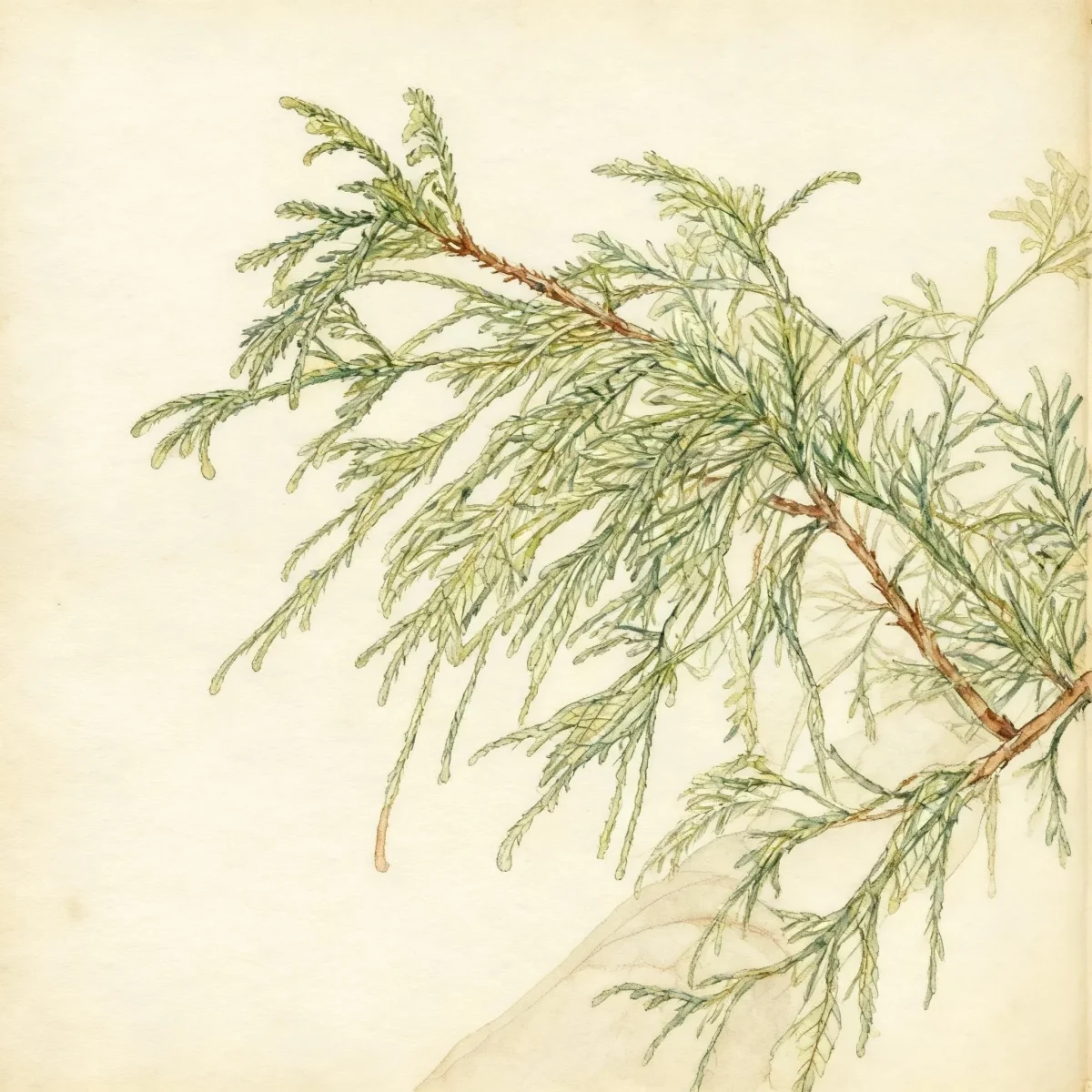
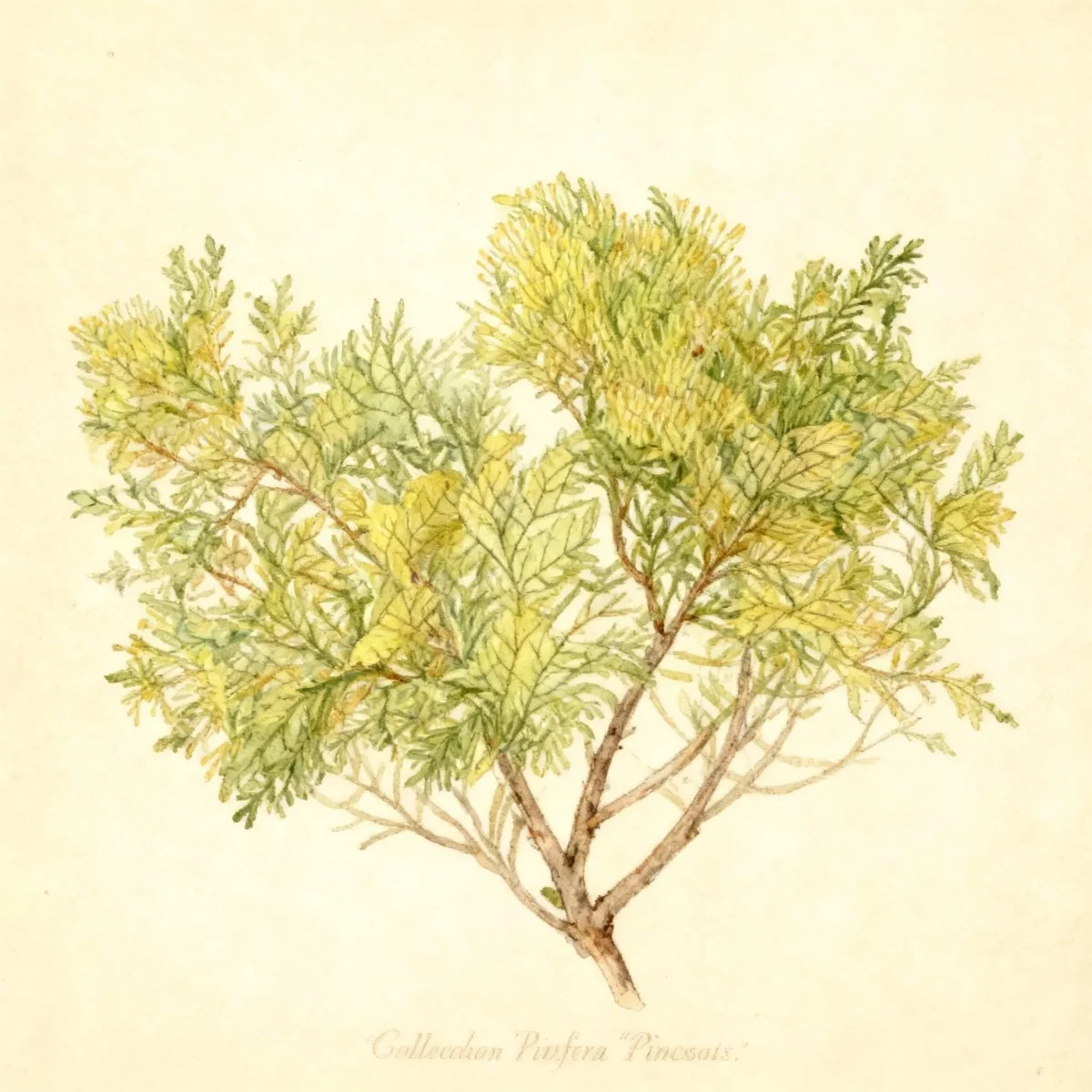
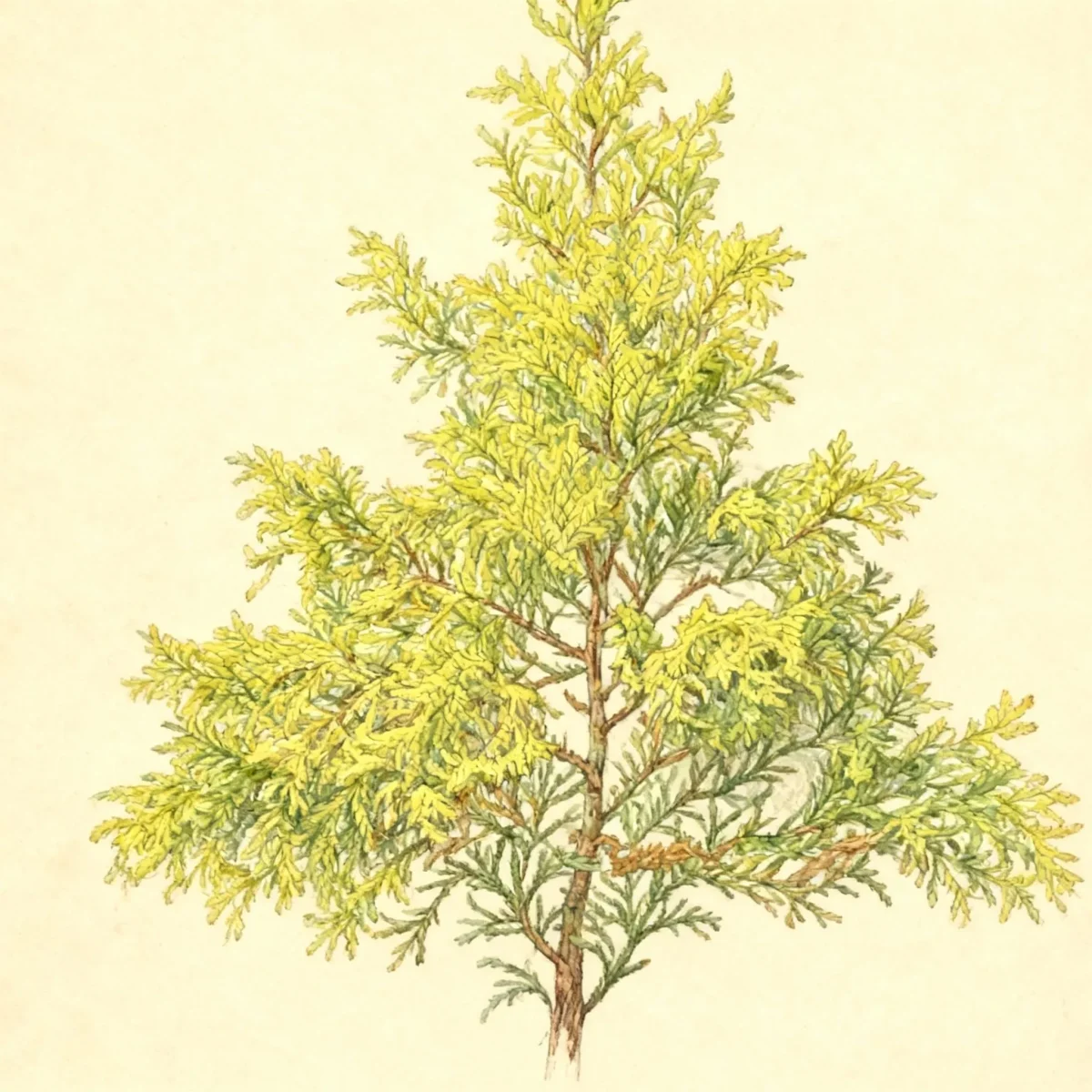
Japanese falsecypress (Chamaecyparis pisifera 'Aurea')
Chamaecyparis pisifera 'Aurea' is a low-maintenance needled evergreen known for its striking golden foliage, ideal for small gardens.

Bloom Boldly, No Matter the Season - Sweatshirt
Cozy organic cotton sweatshirt featuring our exclusive Purple Coneflower design. Perfect for gardeners who bloom year-round.
Inspired by the beautiful Japanese falsecypress
Limited first batch (50) — join the waitlist for early access
Waitlist closes Feb 15, 2026.
Complete Plant Information
Field Guide Continues
Ready for care notes, companion picks, and planting tips?
The map is just the start. The full guide below covers growth habits, seasonal performance, and landscape uses.
Overview
The Chamaecyparis pisifera ‘Aurea’, commonly known as Japanese falsecypress, offers exceptional year-round color with its distinctive golden needles. This compact, conical cultivar provides a bright focal point, contrasting beautifully against darker evergreens or mixed borders in the landscape. Gardeners value this conifer for its manageable size and low upkeep requirements.
As a needled evergreen, the Chamaecyparis pisifera ‘Aurea’ maintains its structure and golden hue through all seasons, although the intense yellow color can soften or acquire greener tones on inner, older growth. It thrives when provided a suitable growing environment that balances sunlight and moisture protection. Mature size typically falls between 8 to 15 feet tall, making it perfect for smaller properties.
This cultivar brings architectural interest to any garden setting. Its relatively low maintenance combined with its vibrant foliage makes the Japanese falsecypress an excellent choice for enhancing year-round structure and color, especially in foundation plantings or rock gardens where year-round impact is desired.
Fast Facts
- Plant Family: Cupressaceae
- Plant Type: Needled evergreen
- Hardiness Zones: USDA Zones 5-8
- Size at Maturity:
- Height: 8-15 ft
- Spread: 13-18 ft
- Bloom Time: Non-flowering
- Bloom Description: Non-flowering
- Sun Exposure: Full sun to part shade
- Water Needs: Medium
- Maintenance Level: Low
How to Grow
Planting your Chamaecyparis pisifera ‘Aurea’ is best achieved in spring or fall, ensuring the root ball establishes before extreme weather. Locate this Japanese falsecypress where it receives full sun to achieve the brightest golden color, though part shade is also tolerated. Excellent soil drainage is essential; this plant prefers average, medium moisture, well-drained soil, and struggles in perpetually wet spots.
Watering needs are medium; aim to keep the soil consistently moist, especially during the first few growing seasons after planting. While pruning is rarely needed due to its naturally pleasing conical shape, any necessary shaping should be done lightly. Shelter this specimen from strong, drying winter winds to prevent potential foliage scorch.
For optimal winter performance, ensure proper site selection away from harsh exposures. The golden foliage of the Chamaecyparis pisifera ‘Aurea’ can suffer from winterburn if exposed to too much direct winter sun combined with drying winds. Providing adequate moisture heading into winter can help mitigate this stress.
Landscape Uses
The manageable size and brilliant golden color make this cultivar highly versatile for landscape design. Chamaecyparis pisifera ‘Aurea’ is perfectly suited for rock gardens where its texture and color can be highlighted against stone elements. It also functions beautifully as an accent specimen or as part of layered foundation plantings near homes.
Consider using this Japanese falsecypress to brighten up darker green masses of shrubs or hedges. Its conical habit provides vertical interest without overwhelming smaller spaces compared to its larger species relatives. For formal or contemporary landscapes, its precise form offers excellent structure.
Standout Features
Noteworthy Characteristics
Chamaecyparis pisifera, commonly known as Sawara cypress, typically forms a large pyramidal conifer in the wild, often reaching 50-70 feet tall. In cultivation, however, this Japanese falsecypress is generally much smaller. The cultivar ‘Aurea’ translates this into a compact, conical, golden-leaved form maturing to 8-15 feet high. Its outer needles display a showy yellow color, contrasting with the greener inner foliage, but be aware that this bright color can fade toward green on older growth or lose intensity in winter.
Tolerances
- Some susceptibility to juniper blight
- Some susceptibility to root rot
- Some susceptibility to certain insect pests
Potential Problems
While generally hardy, gardeners should be mindful of conditions that stress the Chamaecyparis pisifera ‘Aurea’. The primary concern relates to potential foliage damage during winter. Yellow foliage may suffer from winterburn if the plant is not sheltered from intense winter sun and desiccating winds prevalent in exposed locations.
Disease or pest issues are usually minor, though susceptibility to juniper blight and root rot exists, usually stemming from poor drainage. To prevent root rot, always ensure the planting site is well-drained and avoid waterlogged soils when placing your Japanese falsecypress. Occasional inspection for pests like bagworms is wise.
Frequently Asked Questions
What hardiness zones is Japanese falsecypress suitable for?
Chamaecyparis pisifera ‘Aurea’ is reliably hardy in USDA Zones 5 through 8.
How large does Chamaecyparis pisifera ‘Aurea’ grow?
This compact cultivar generally reaches a mature height between 8 and 15 feet, with a spread of 13 to 18 feet wide.
What sun exposure does Chamaecyparis pisifera ‘Aurea’ need?
For the best golden coloration, this plant should receive full sun, though it adapts well to partial shade conditions.
When does Japanese falsecypress bloom?
This conifer is non-flowering; it does not produce noticeable or ornamentally significant flowers.
Conclusion
The Chamaecyparis pisifera ‘Aurea’ is an outstanding choice for gardeners seeking low-maintenance, year-round color and structure, particularly in smaller garden spaces. Its signature golden foliage beautifully distinguishes this Japanese falsecypress from traditional evergreens. Before planting, confirm your site offers well-drained soil and protection from harsh winter winds to enjoy this excellent specimen for years to come.
Companion Planting
Selecting appropriate neighbors is key to maximizing the visual appeal of this golden conifer. Pair the Chamaecyparis pisifera ‘Aurea’ with deep green or blue conifers, such as Dwarf Alberta Spruce or Blue Star Juniper, to emphasize its vibrant yellow foliage through contrast. Groundcovers that offer textural difference, like creeping sedums or low-growing hostas (where shade permits), also work well underneath the canopy.
When planning the surrounding elements, remember that Sawara cypress prefers consistently moist, fertile soil. Avoid companions that require extremely dry conditions, as the cultural needs may conflict. Focusing on plants with complementary, low-maintenance requirements will ensure the entire grouping thrives with minimal intervention.
Seasonal Care Calendar
Spring is the ideal time for a light application of a balanced, slow-release fertilizer, although maintenance is generally low. Focus on checking the soil moisture levels as temperatures rise, ensuring new plantings receive consistent water through the summer months. This is also the best time to observe the plant for any signs of winter damage that requires aesthetic pruning.
In the fall, ensure the plant has access to ample moisture before the ground freezes solid; this helps prevent winter desiccation. Protect established Chamaecyparis pisifera ‘Aurea’ from strong exposure by ensuring surrounding windbreaks are intact. Little to no cleanup is usually required, as evergreens do not drop all their foliage seasonally.