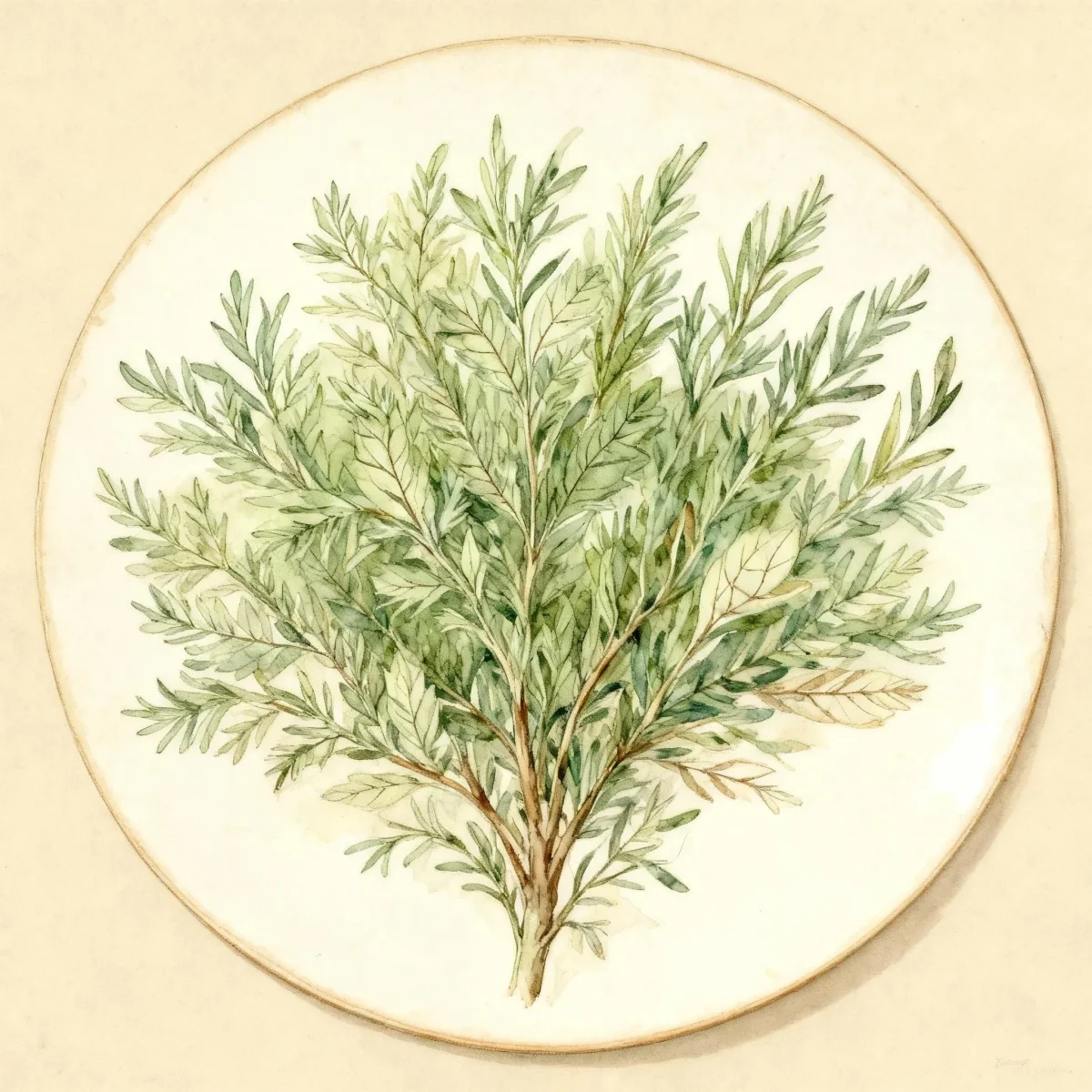
Japanese falsecypress(Chamaecyparis pisifera 'Filifera Aurea')
How to place and care for golden threadleaf falsecypress 'Filifera Aurea,' including mature size, drainage, winter burn, and light pruning.
Complete Plant Information
- Hardiness zones
- USDA 4–8
- Plant type
- Needled evergreen
- Plant family
- Cupressaceae
- Sun exposure
- Full sun to part shade
- Water needs
- Medium
- Maintenance
- Low
- Height
- 6–20 ft (183–610 cm)
- Spread
- 3–7 ft (91–213 cm)
- Bloom time
- Non-flowering
- Flower color
- Non-flowering
- Flower qualities
- Not recorded
- Fruit qualities
- Not recorded
- Tolerances
- Not recorded
- Garden uses
- Not recorded
- Native range
- Not recorded
Field Guide Continues
Ready for care notes, companion picks, and planting tips?
The map is just the start. The full guide below covers growth habits, seasonal performance, and landscape uses.
A golden conifer with a soft, trailing texture
‘Filifera Aurea’ is a threadleaf form of Japanese falsecypress. Instead of stiff, flat sprays, it carries slender golden branchlets that droop from a dense central framework. The effect is soft and fountain-like, but the plant eventually has real scale: the listed range is 6 to 20 feet tall and 3 to 7 feet wide.
Use it where the fine texture can be seen against a simple dark backdrop or beside broad-leaved shrubs. It can anchor a large foundation bed, mark an entrance from a respectful distance, or add permanent color to a mixed conifer planting. It should not be bought as a temporary “dwarf” for a narrow space. If a lower, wider mound would fit better, compare ‘Sungold’ Japanese falsecypress. If you prefer a broad conical plant without the same threadlike effect, ‘Aurea’ Japanese falsecypress is a distinct option.
Light determines color; exposure affects health
Full sun produces the brightest gold, while part shade softens the color toward green. In the colder part of its range, an exposed site can bring winter burn as sun and wind pull moisture from foliage while frozen roots cannot replace it. Look for a site with good light, drainage, and some shelter from prevailing winter wind rather than a dark, enclosed corner.
The plant is listed for USDA Zones 4 through 8. Use the interactive hardiness zone map to check the broad climate fit, then assess the actual planting pocket. Reflected heat, roof runoff, compacted construction soil, and wind tunnels beside buildings can matter as much as the zone.
Plant in spring or early fall. Set the root flare at grade and spread or correct circling roots before backfilling. Water the root ball and surrounding soil thoroughly, then apply a 2- to 3-inch mulch layer without covering the trunk. Do not add gravel to the bottom of a planting hole; if the site stays wet, choose another site or correct the broader drainage problem.
Establish slowly and keep the natural outline
Check moisture regularly through the first two growing seasons. Water deeply when the soil begins to dry, but allow excess water to drain. Both drought stress and saturated roots can brown foliage, so use the soil—not a fixed calendar—to decide when to irrigate. Water during dry autumn weather until the ground freezes.
Pruning should be selective and light. Remove broken, dead, or awkwardly crossing shoots and shorten a stray branch to a green side shoot. Avoid cutting into bare old wood, which may not fill back in. Shearing destroys the loose threadleaf texture that makes this cultivar worth growing. If mature height is a concern, choose a smaller cultivar at the outset.
Routine fertilizer is unnecessary when growth and color are normal. Yellow foliage is a cultivar trait, so do not treat it automatically as a nutrient deficiency. A soil test and examination of new versus old growth are better guides than guesswork.
Diagnose browning before treating
Winter burn usually affects exposed tips or the windward side. Root stress often appears with persistently wet soil or a buried trunk flare. Bagworms may hang from foliage in spindle-shaped cases, while blights can cause distinct patches of shoot dieback. The patterns call for different responses.
Improve drainage or watering where needed, remove confirmed dead material with clean tools, and seek a local diagnosis if dieback spreads. Good spacing and watering at soil level help foliage dry normally and reduce avoidable disease pressure.
Common questions
How fast does ‘Filifera Aurea’ reach full size?
It is generally slow growing, but growth rate varies with climate and care. Plan for the mature 6- to 20-foot height rather than relying on its nursery size.
Can it grow in shade?
Part shade is tolerated, but the foliage becomes less golden as light decreases. Deep shade is not a good site.
Should it be trimmed every year?
No. Its natural cascading form needs little pruning. Remove damage and occasional out-of-bounds shoots rather than shearing the surface.
Recommended Companion Plants
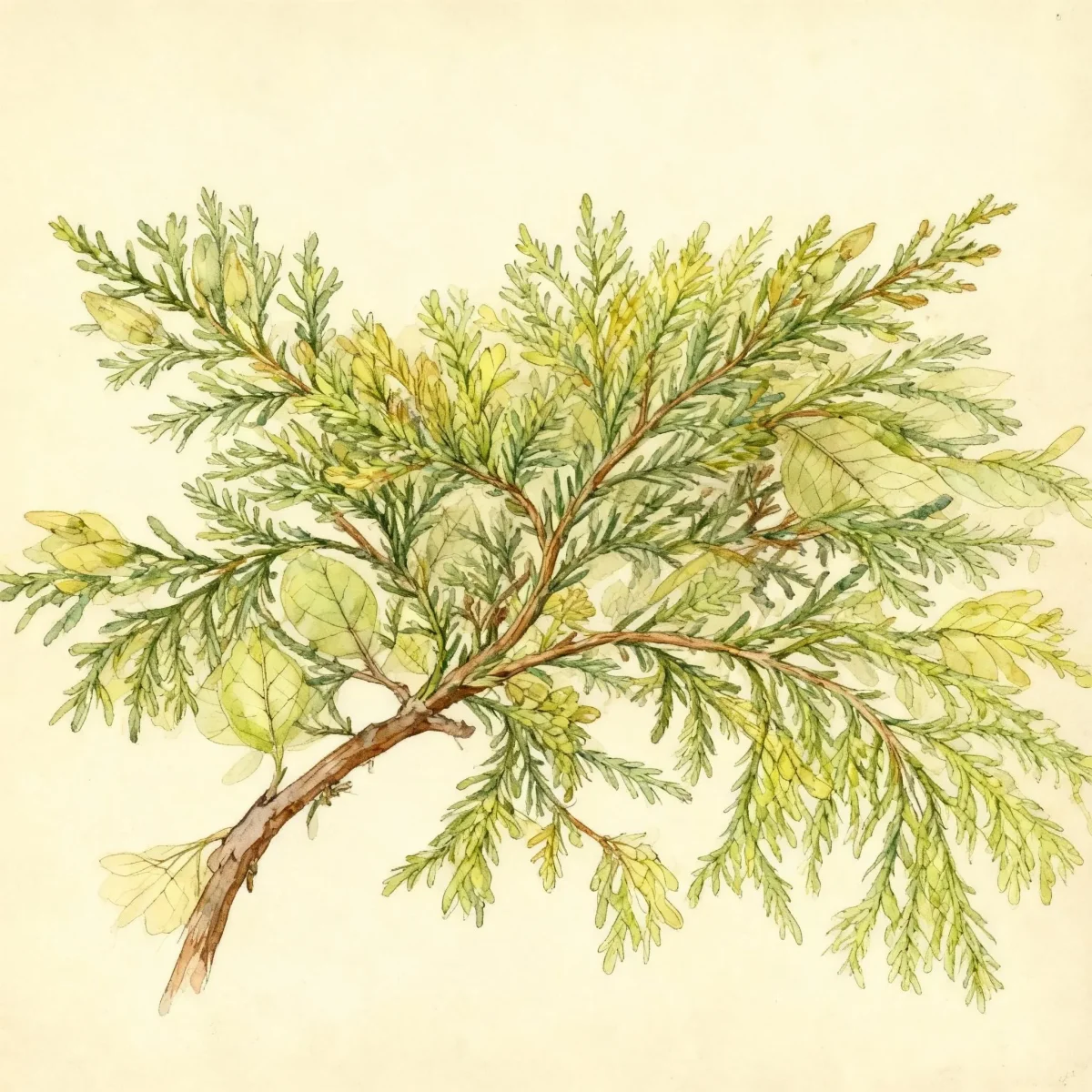
Japanese falsecypress
Chamaecyparis pisifera 'Aurea Pendula'
- USDA zones
- 4–8
- Light
- Full sun to part shade
- Water
- Medium
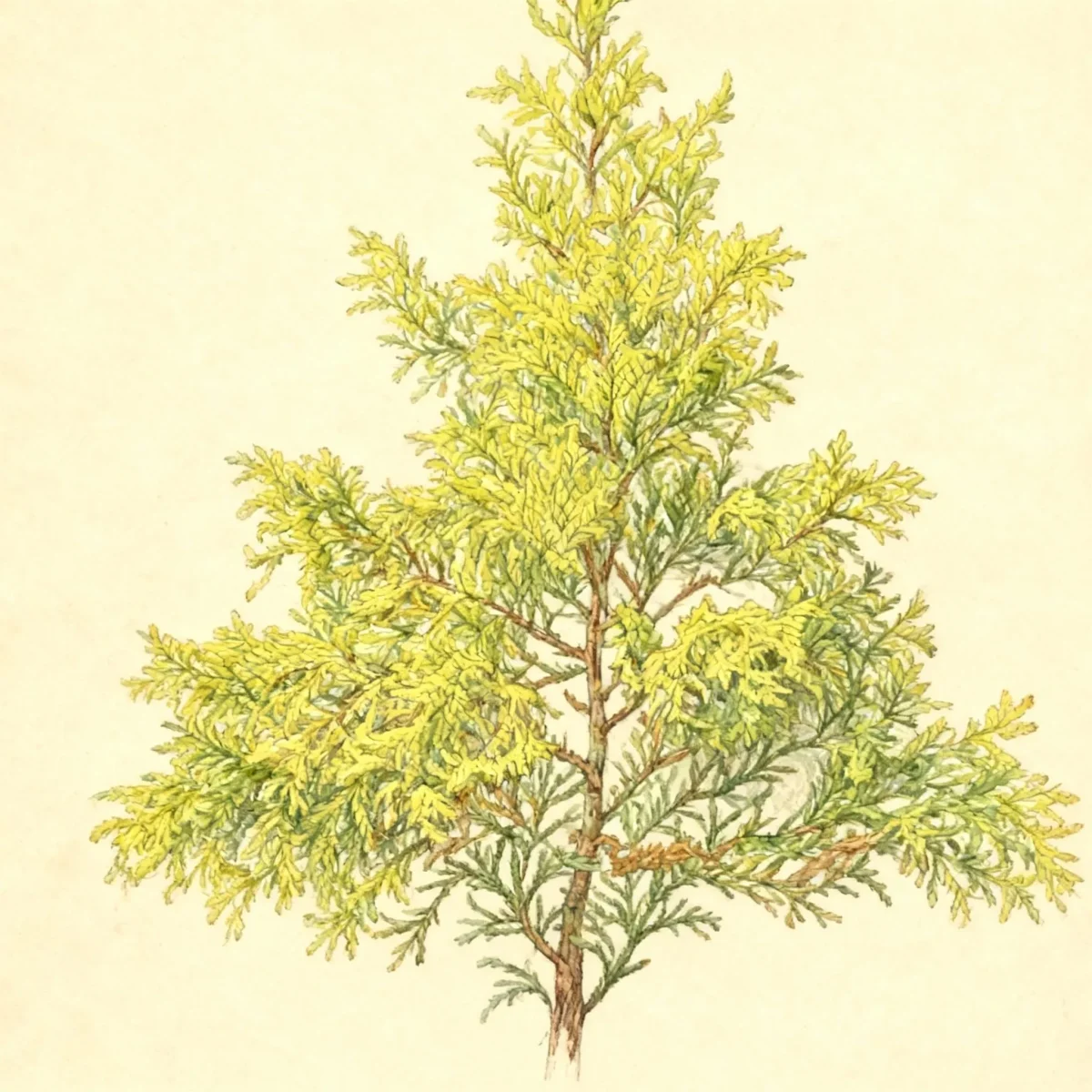
Japanese falsecypress
Chamaecyparis pisifera 'Aurea'
- USDA zones
- 5–8
- Light
- Full sun to part shade
- Water
- Medium
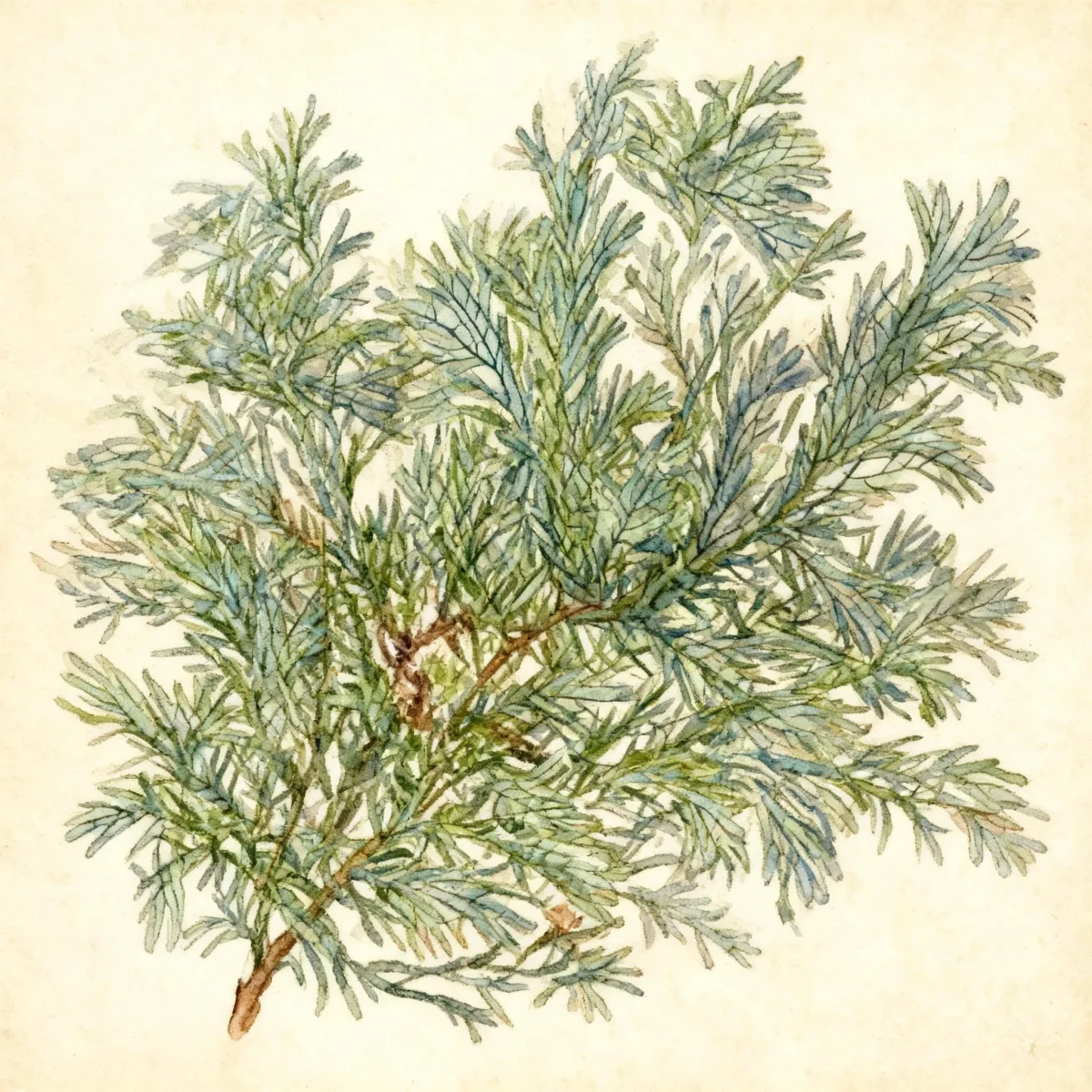
Japanese falsecypress
Chamaecyparis pisifera 'Boulevard'
- USDA zones
- 4–8
- Light
- Full sun to part shade
- Water
- Medium
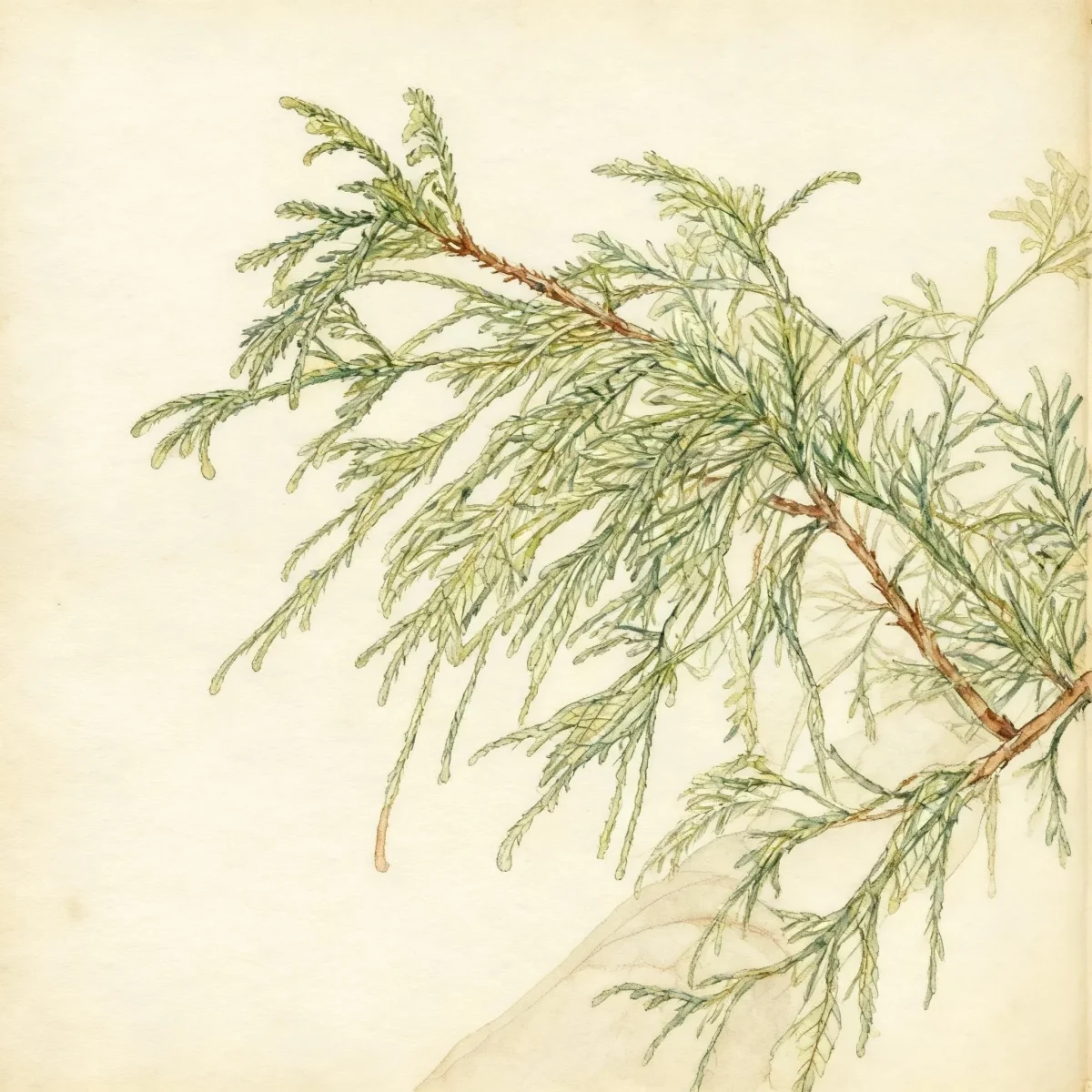
Japanese falsecypress
Chamaecyparis pisifera 'Filifera'
- USDA zones
- 4–8
- Light
- Full sun to part shade
- Water
- Medium
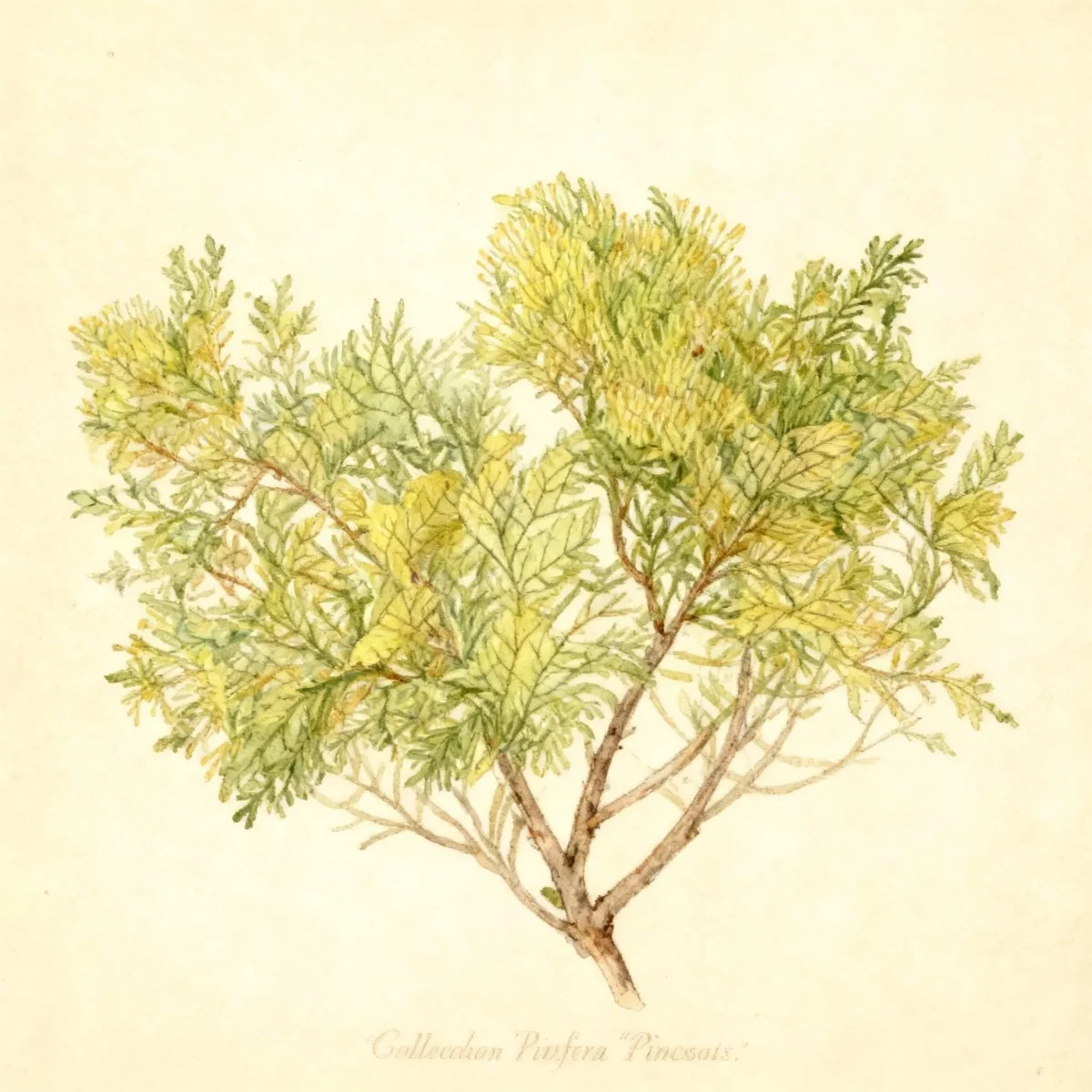
Japanese falsecypress
Chamaecyparis pisifera 'Golden Pincushion'
- USDA zones
- 4–8
- Light
- Full sun to part shade
- Water
- Medium

Japanese falsecypress
Chamaecyparis pisifera 'Squarrosa Intermedia'
- USDA zones
- 4–8
- Light
- Full sun to part shade
- Water
- Medium
Keep Learning
Test what you know with a garden quiz
You have the plant facts and care notes. Continue with a related challenge, or browse the complete quiz library.
Can You Identify These Common Garden Plants? Test Your Plant Knowledge
Think you know your roses from your peonies? Test your plant identification skills with our comprehensive garden plant quiz featuring 10 challenging questions.
Start quiz
USDA Garden Zone Map Quiz
Use this USDA garden zone map quiz to check whether you can read hardiness zones and choose plants with more confidence.
Start quizBrowse the full quizzes section
Explore plant identification, zone strategy, and seasonal gardening challenges.
View all quizzes