Japanese falsecypress(Chamaecyparis pisifera 'Aurea')
Plan for the true size of golden Japanese falsecypress 'Aurea' and learn how sun, drainage, winter exposure, and careful pruning affect it.
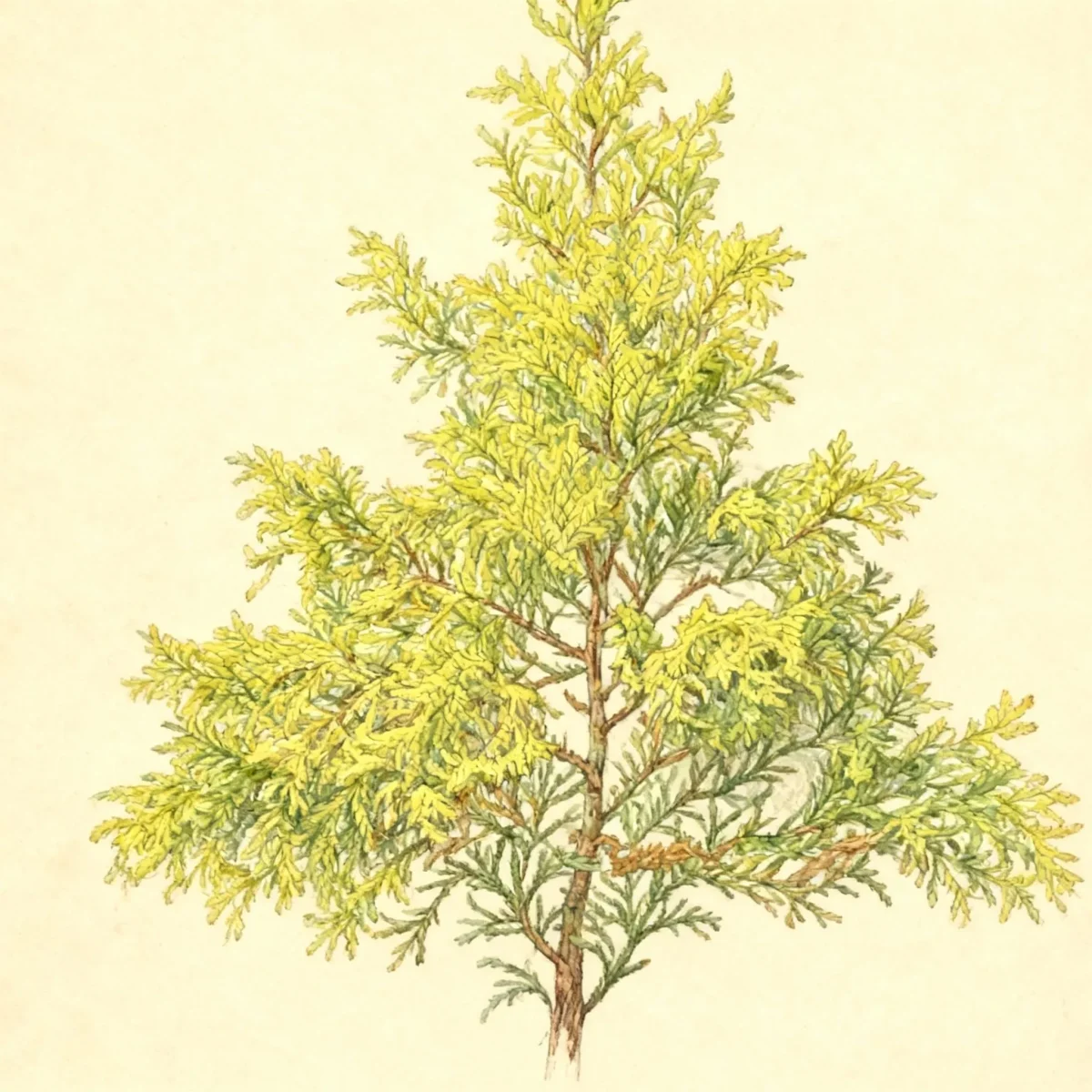
Complete Plant Information
- Hardiness zones
- USDA 5–8
- Plant type
- Needled evergreen
- Plant family
- Cupressaceae
- Sun exposure
- Full sun to part shade
- Water needs
- Medium
- Maintenance
- Low
- Height
- 8–15 ft (244–457 cm)
- Spread
- 13–18 ft (396–549 cm)
- Bloom time
- Non-flowering
- Flower color
- Non-flowering
- Flower qualities
- Not recorded
- Fruit qualities
- Not recorded
- Tolerances
- Not recorded
- Garden uses
- Not recorded
- Native range
- Not recorded
Field Guide Continues
Ready for care notes, companion picks, and planting tips?
The map is just the start. The full guide below covers growth habits, seasonal performance, and landscape uses.
Golden foliage needs more room than the label may suggest
Chamaecyparis pisifera ‘Aurea’ is a conical evergreen with yellow outer foliage and greener growth inside the plant. It gives a border color and structure in winter, but it is not a tiny rock-garden conifer. The listed mature range is 8 to 15 feet tall and 13 to 18 feet wide. That broad footprint matters more than its slow early growth when choosing a site.
Use it as a specimen or a large corner anchor where the full outline can develop. Do not tuck it beneath a window, against a walkway, or close to a wall on the assumption that annual shearing will keep it small forever. If you need a lower threadleaf form, compare the 3- to 8-foot ‘Sungold’ Japanese falsecypress. For a narrower plant with long, drooping golden sprays, see ‘Filifera Aurea’.
Balancing color and shelter
‘Aurea’ grows in full sun to part shade. Strong light supports golden color, while too much shade turns the plant greener and may loosen its habit. In cold or windy sites, however, exposed foliage can dry and brown in winter. A location with good light, open airflow, and some protection from prevailing winter wind offers a useful compromise.
The conifer is listed for USDA Zones 5 through 8. Check your location with the interactive hardiness zone map, then judge the microclimate. A south- or west-facing wall can be hotter and drier than the surrounding garden, while a low pocket may collect cold air and wet soil.
Plant in spring or early fall in fertile, well-drained soil. Dig the hole no deeper than the root ball and keep the root flare at finished grade. Backfill with the soil from the hole rather than creating a small pocket of radically different material. Water slowly after planting and mulch the root zone, leaving the trunk and lower branches clear.
Water deeply, prune lightly
New plants need dependable moisture while roots establish. Check the soil beneath the mulch and water deeply when it begins to dry; do not keep it continually saturated. Japanese falsecypress is vulnerable to root trouble in a poorly drained site, so correct drainage before planting rather than trying to solve standing water with fertilizer or surface mulch.
Its natural outline should do most of the design work. Remove dead or broken shoots and make only light selective cuts where needed. Avoid cutting far back into bare old wood, which may not replace foliage readily. If the plant blocks a path or window, the original site was too small.
Fertilize only when a soil test or weak growth points to a need. Overfeeding can push soft growth and will not correct shade, compacted soil, or damaged roots. Before winter, water during dry autumn weather until the ground freezes, especially on exposed sites.
Troubleshooting browning foliage
Brown tips after winter often point to drying wind, frozen soil, or an exposed root ball rather than a contagious disease. Browning that starts low in chronically wet soil may suggest root stress. Bagworms can resemble small hanging cones; inspect the foliage closely and remove bags early when practical. Blight can also cause localized dieback, particularly where plants are crowded and foliage stays wet.
Trace the pattern before acting. Correct irrigation and drainage, prune clearly dead material with clean tools, and seek a local diagnosis when dieback continues. Spraying without identifying the cause can waste time while the actual site problem remains.
Common questions
Is ‘Aurea’ suitable for a small garden?
Only if the garden can spare a circle up to 18 feet across. Its slow growth does not cancel its mature width.
Will it stay bright gold in shade?
Part shade is tolerated, but the foliage generally becomes greener as light decreases.
Can it be kept small by shearing?
Repeated shearing hides its natural form and eventually creates a maintenance problem. Choose a genuinely smaller cultivar when space is limited.
Recommended Companion Plants
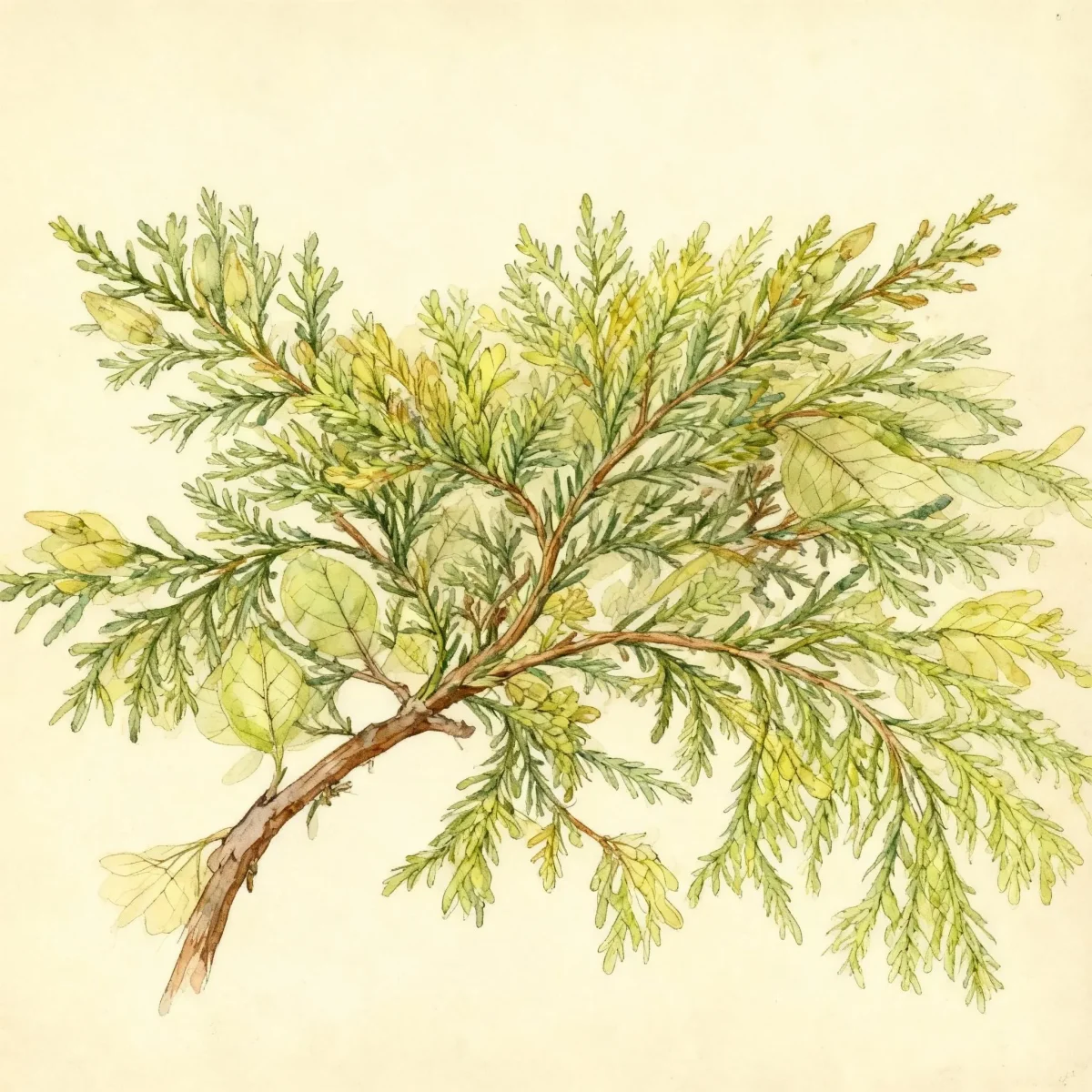
Japanese falsecypress
Chamaecyparis pisifera 'Aurea Pendula'
- USDA zones
- 4–8
- Light
- Full sun to part shade
- Water
- Medium
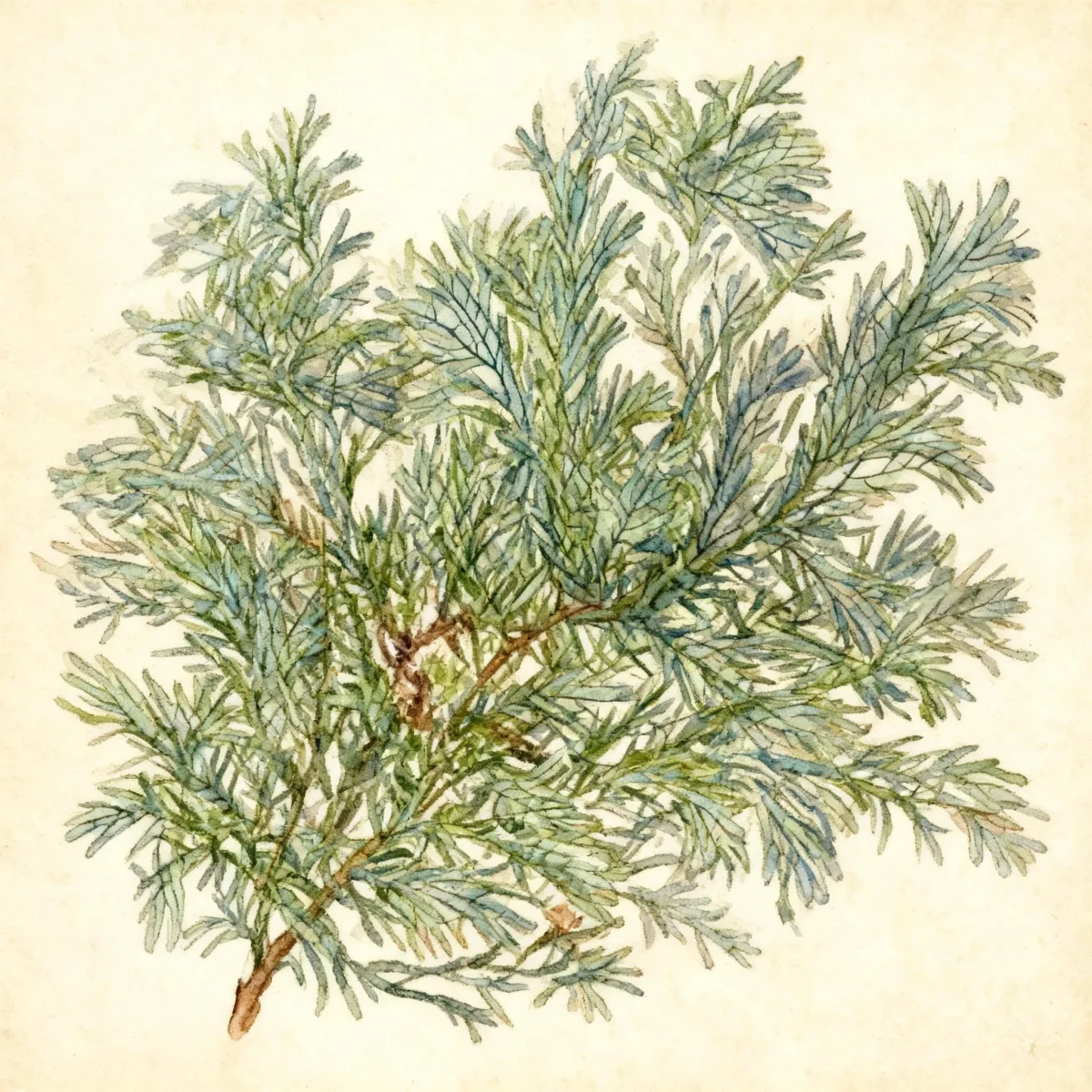
Japanese falsecypress
Chamaecyparis pisifera 'Boulevard'
- USDA zones
- 4–8
- Light
- Full sun to part shade
- Water
- Medium
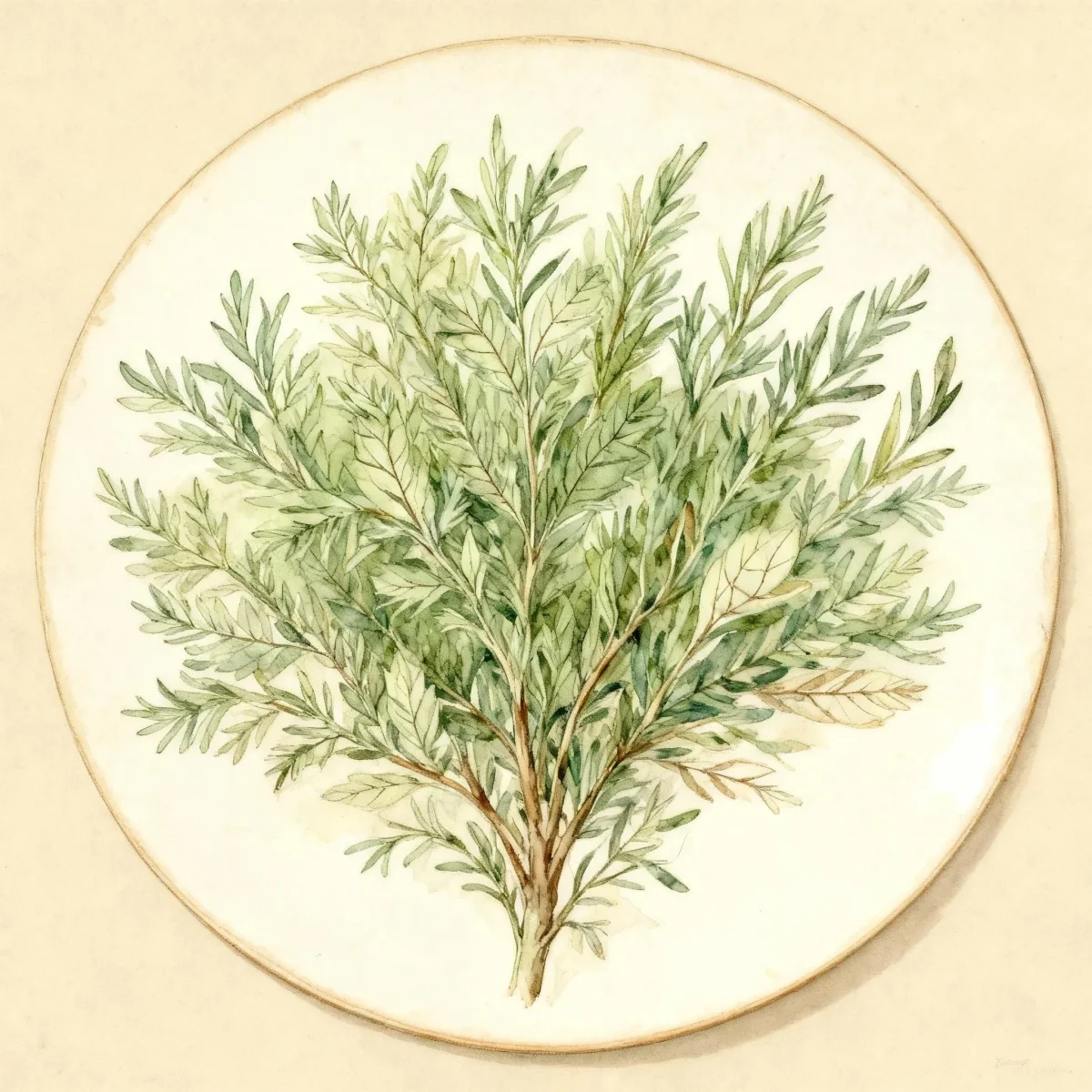
Japanese falsecypress
Chamaecyparis pisifera 'Filifera Aurea'
- USDA zones
- 4–8
- Light
- Full sun to part shade
- Water
- Medium
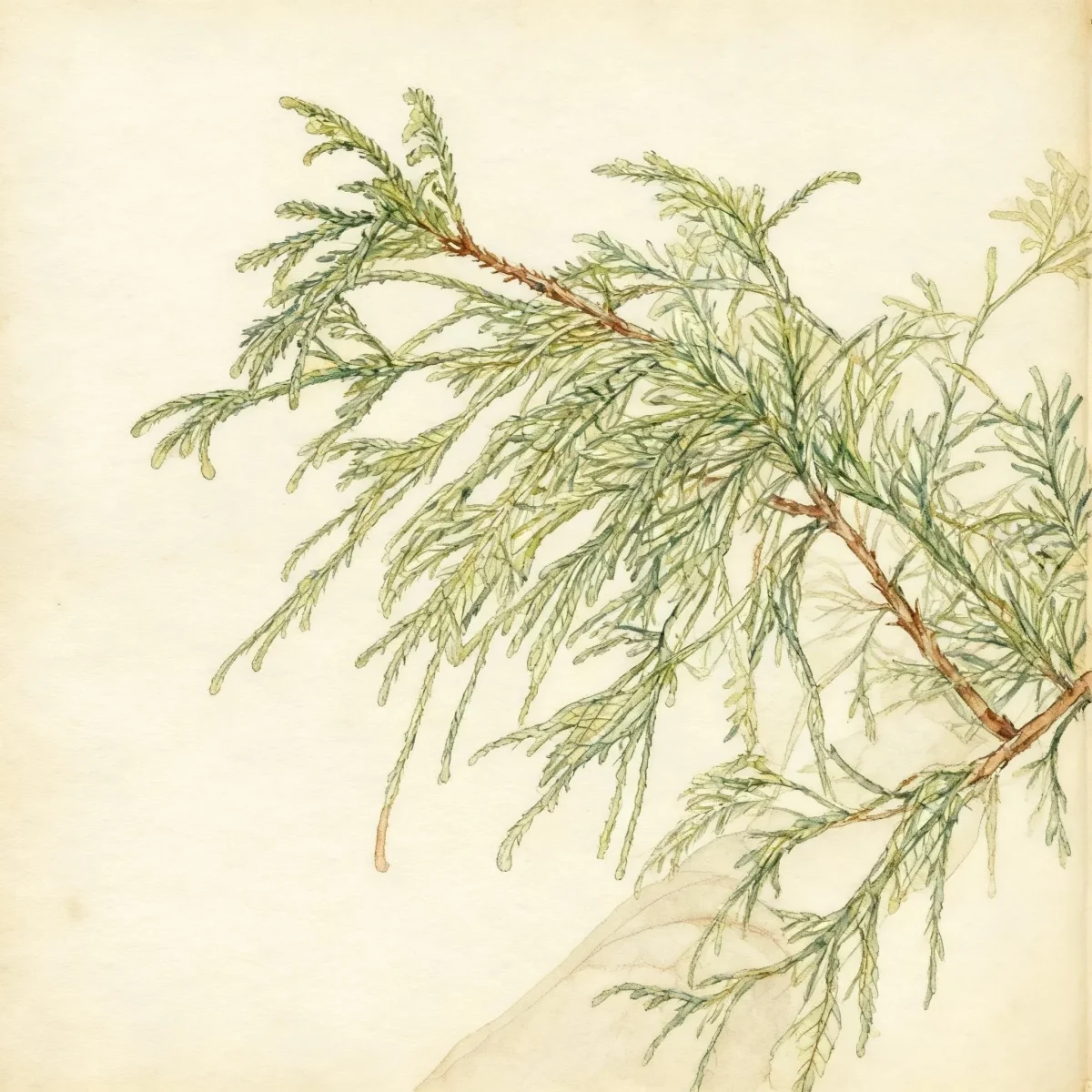
Japanese falsecypress
Chamaecyparis pisifera 'Filifera'
- USDA zones
- 4–8
- Light
- Full sun to part shade
- Water
- Medium
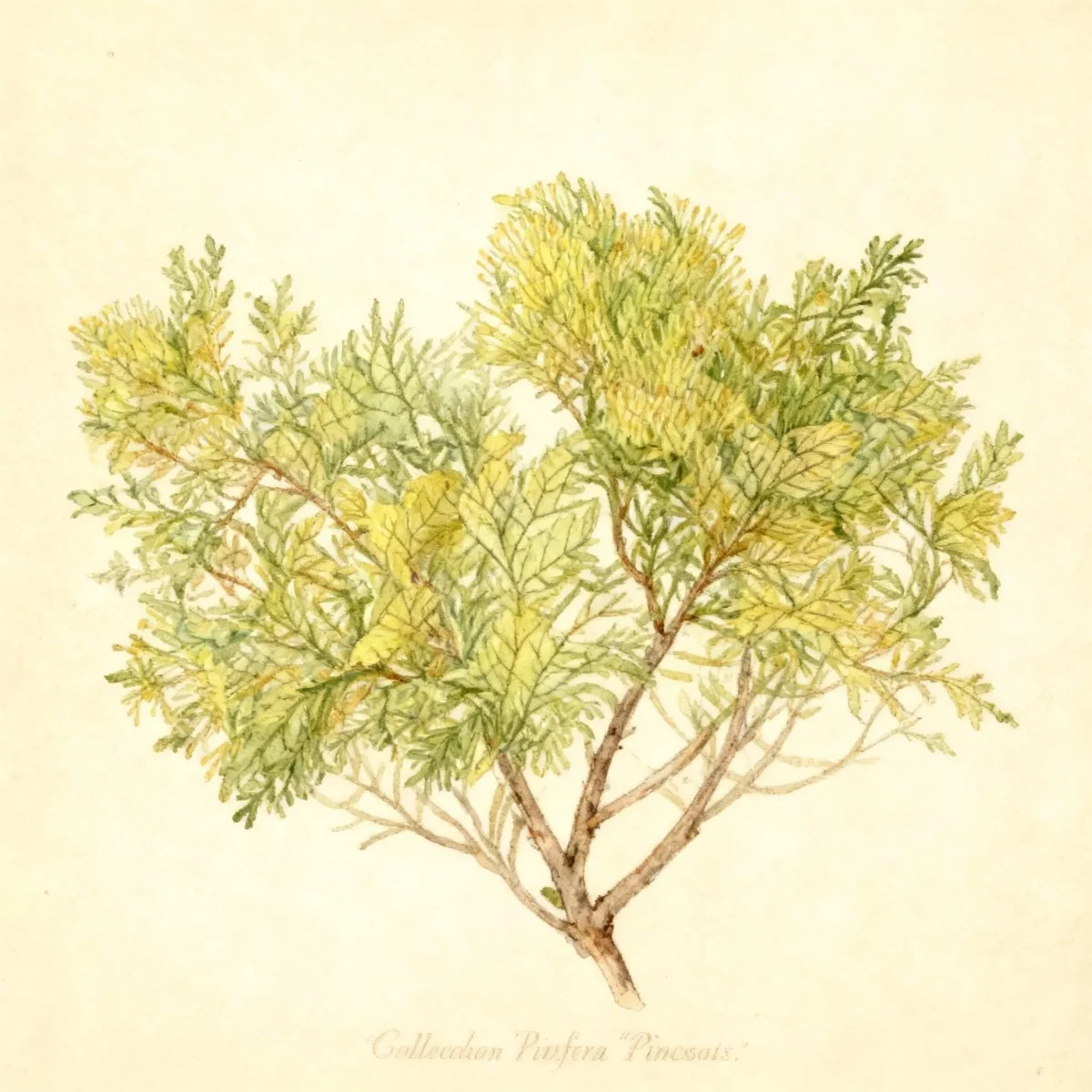
Japanese falsecypress
Chamaecyparis pisifera 'Golden Pincushion'
- USDA zones
- 4–8
- Light
- Full sun to part shade
- Water
- Medium

Japanese falsecypress
Chamaecyparis pisifera 'Squarrosa Intermedia'
- USDA zones
- 4–8
- Light
- Full sun to part shade
- Water
- Medium
Keep Learning
Test what you know with a garden quiz
You have the plant facts and care notes. Continue with a related challenge, or browse the complete quiz library.
Can You Identify These Common Garden Plants? Test Your Plant Knowledge
Think you know your roses from your peonies? Test your plant identification skills with our comprehensive garden plant quiz featuring 10 challenging questions.
Start quiz
USDA Garden Zone Map Quiz
Use this USDA garden zone map quiz to check whether you can read hardiness zones and choose plants with more confidence.
Start quizBrowse the full quizzes section
Explore plant identification, zone strategy, and seasonal gardening challenges.
View all quizzes