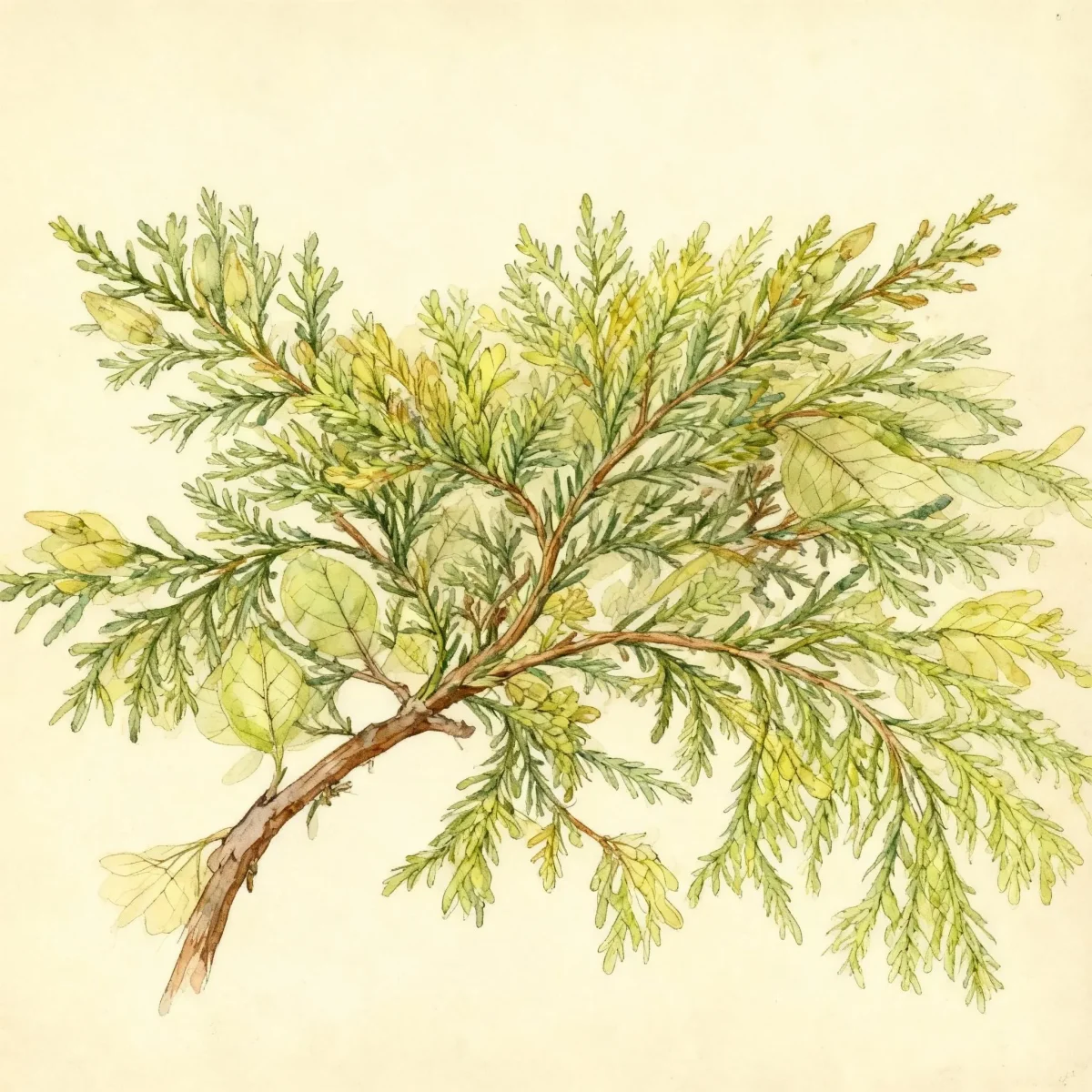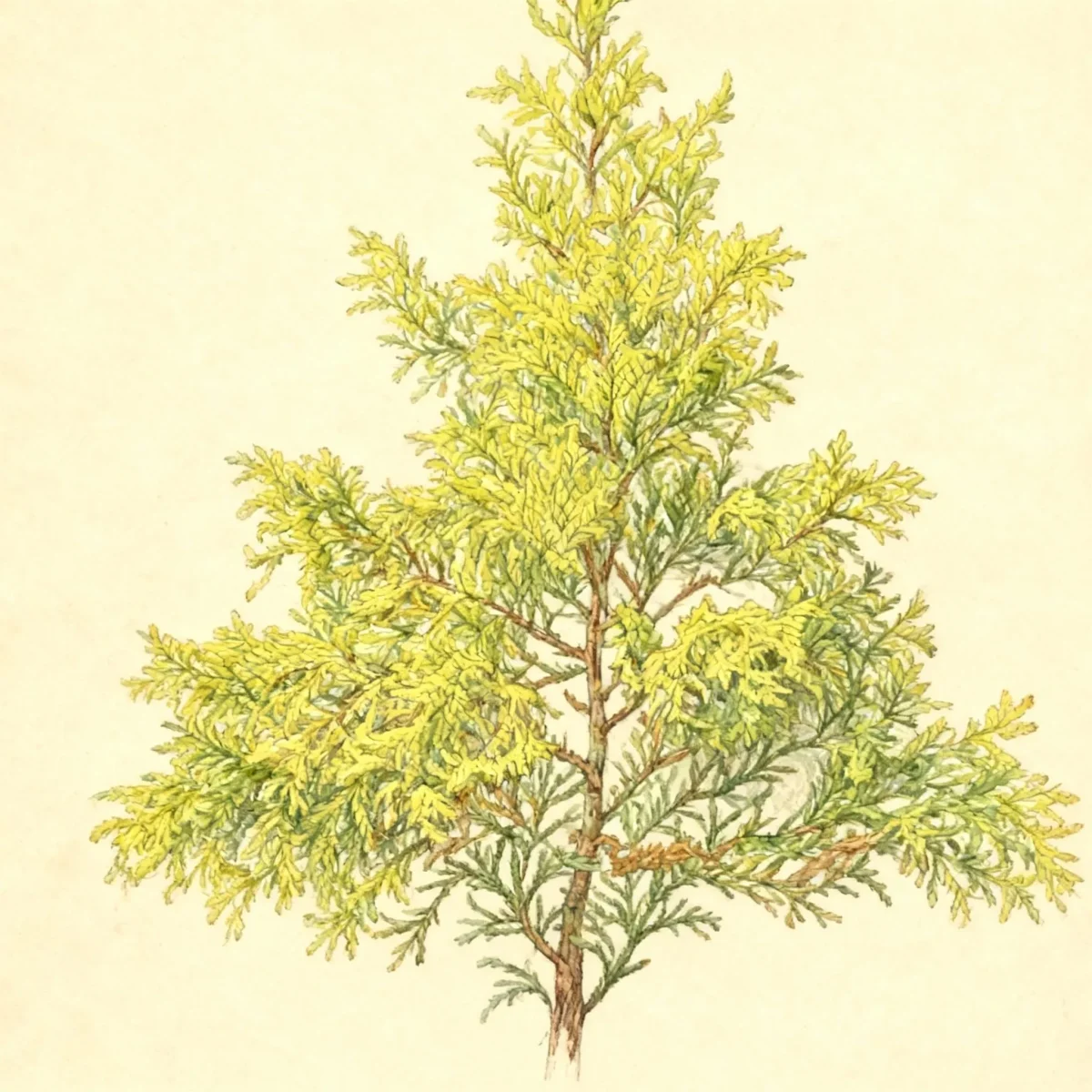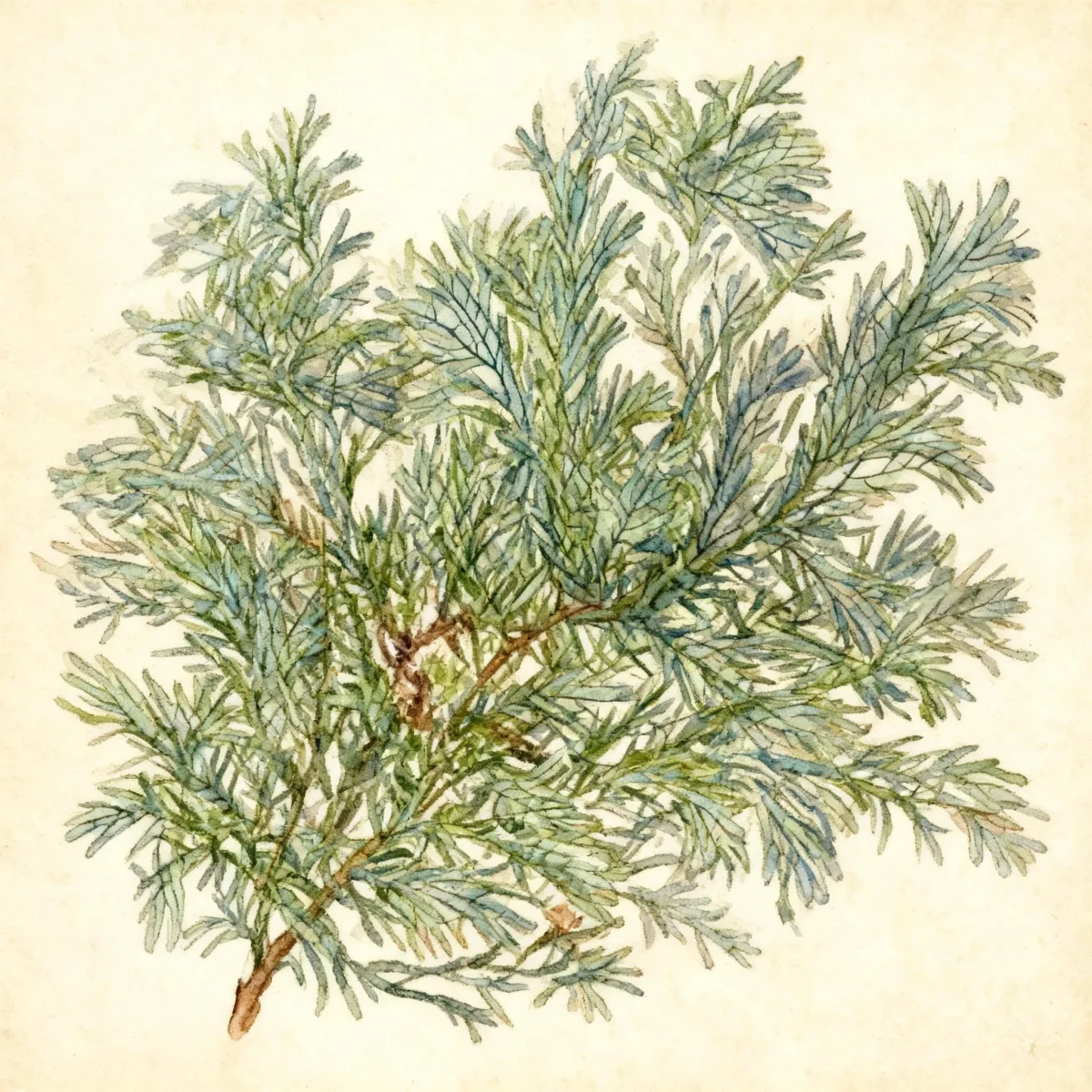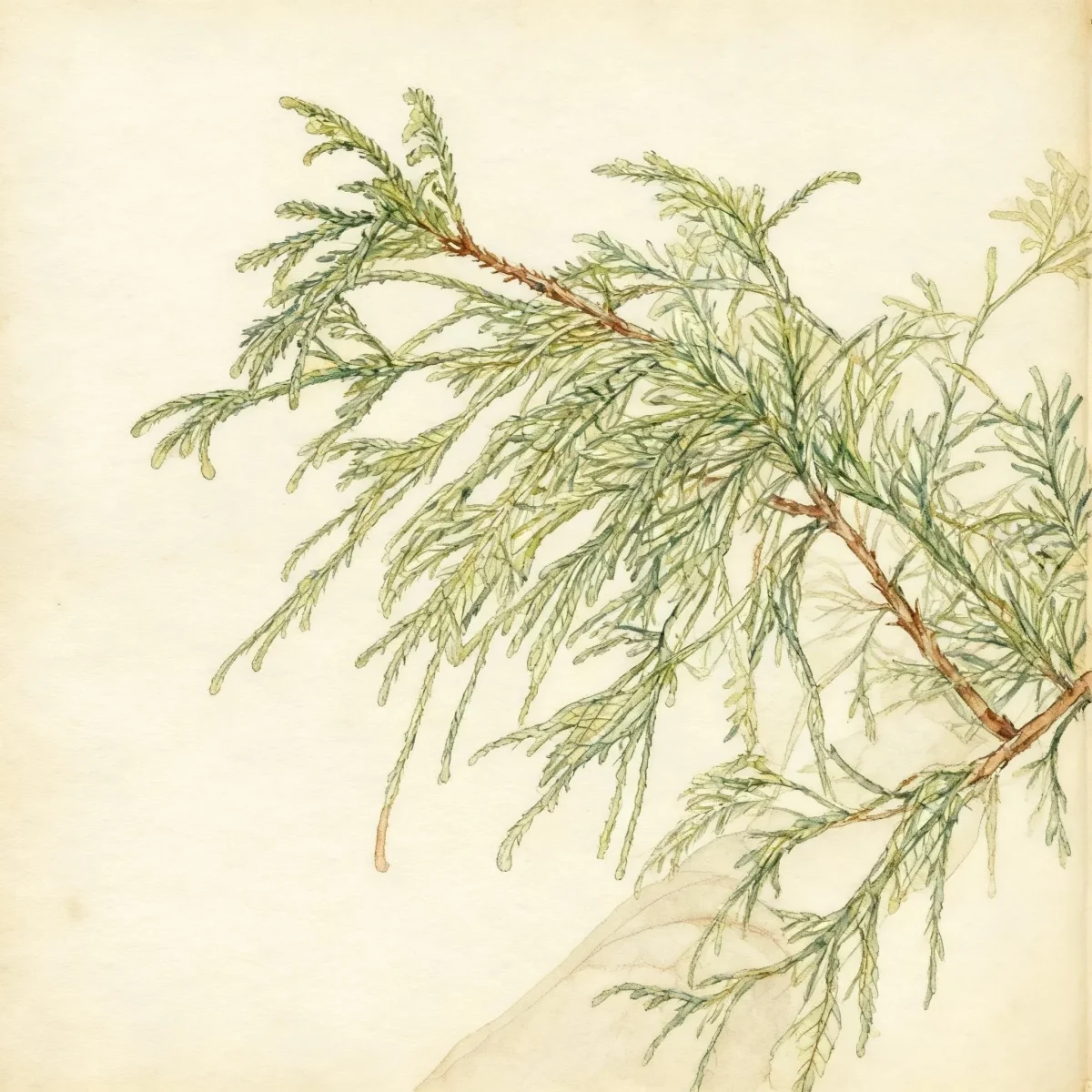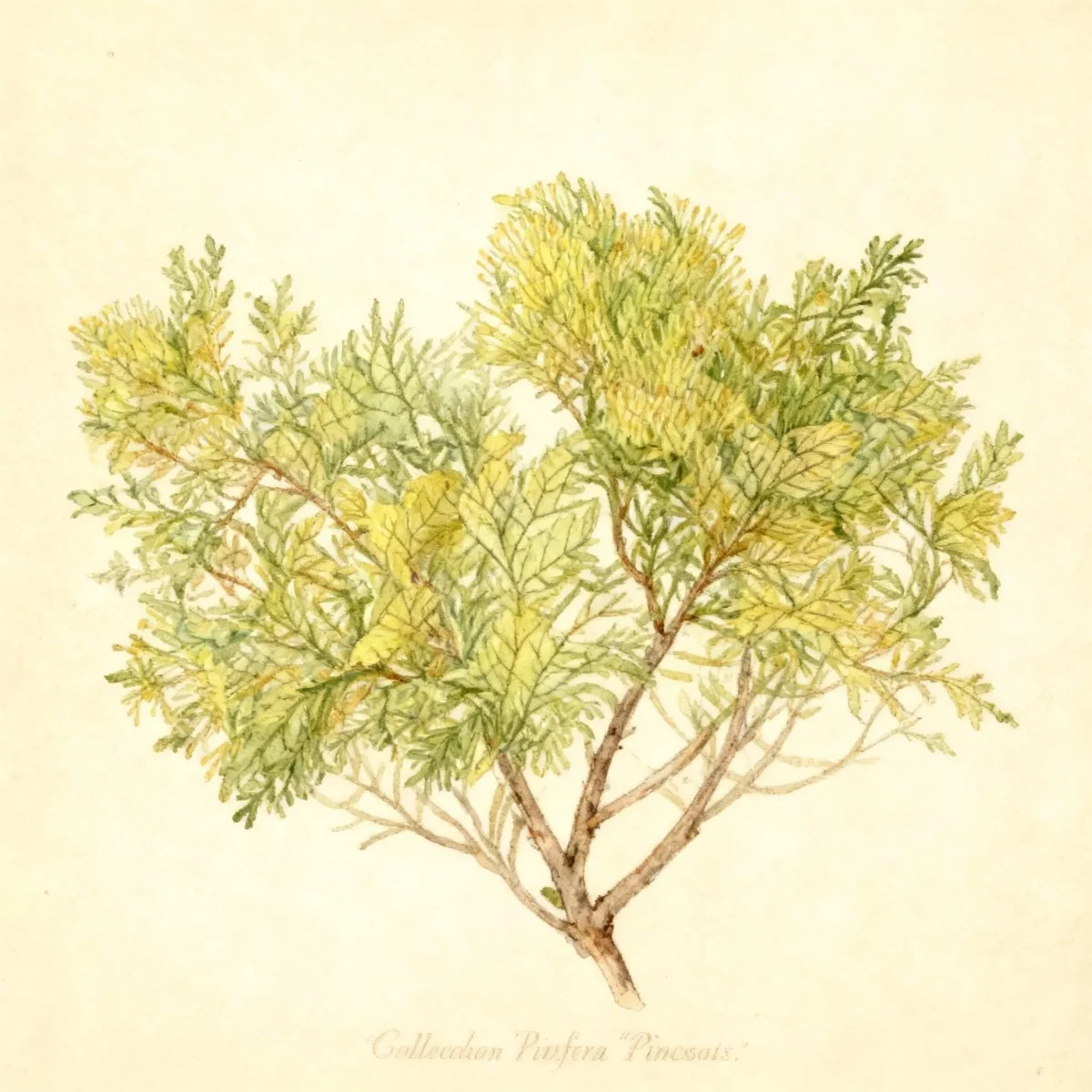

Japanese falsecypress (Chamaecyparis pisifera 'Filifera Aurea')
Chamaecyparis pisifera 'Filifera Aurea', the Japanese falsecypress, features unique golden, thread-like foliage with low maintenance needs.
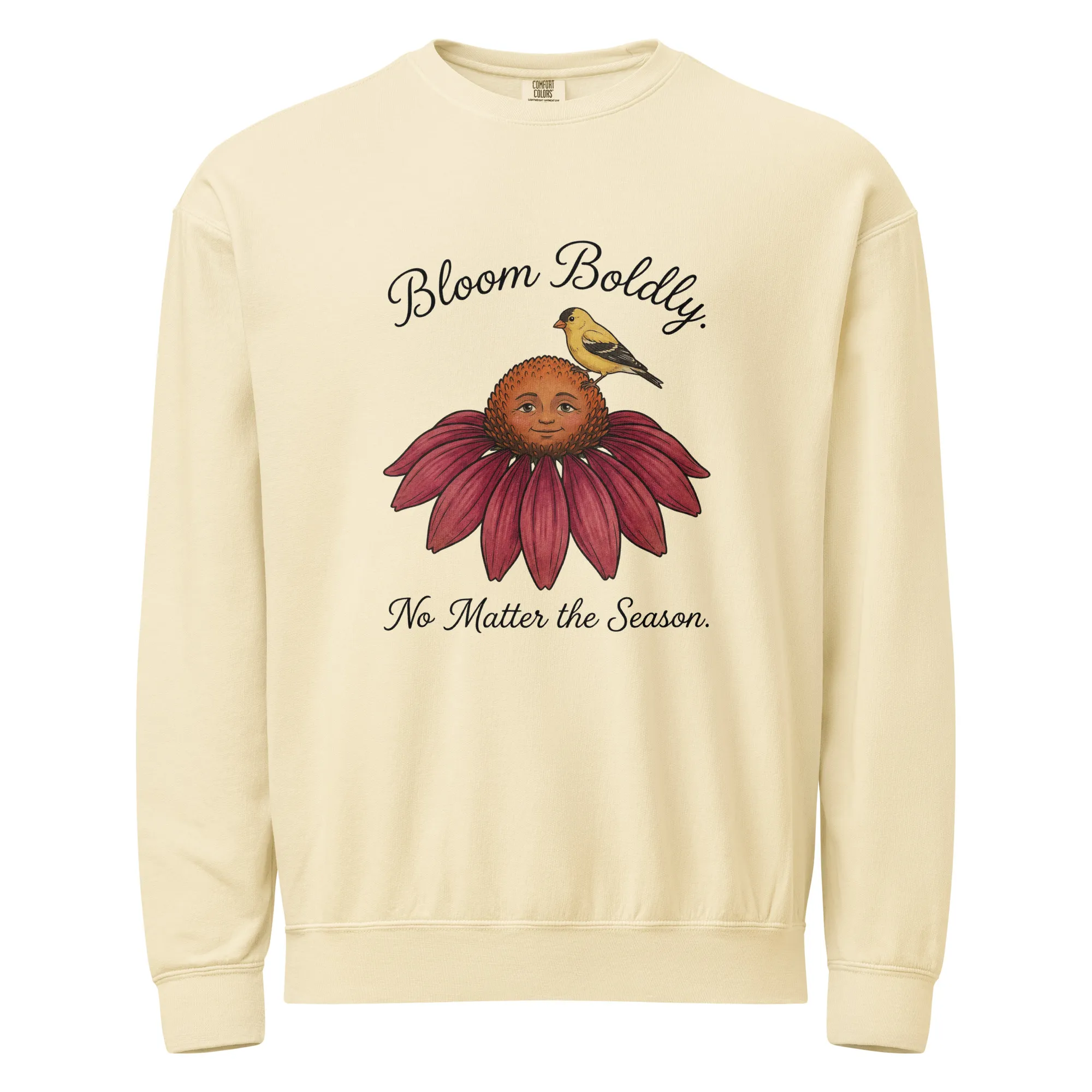
Bloom Boldly, No Matter the Season - Sweatshirt
Cozy organic cotton sweatshirt featuring our exclusive Purple Coneflower design. Perfect for gardeners who bloom year-round.
Inspired by the beautiful Japanese falsecypress
Limited first batch (50) — join the waitlist for early access
Waitlist closes Feb 15, 2026.
Complete Plant Information
Field Guide Continues
Ready for care notes, companion picks, and planting tips?
The map is just the start. The full guide below covers growth habits, seasonal performance, and landscape uses.
Overview
The Chamaecyparis pisifera ‘Filifera Aurea’, commonly known as Japanese falsecypress, is a standout evergreen prized for its distinct texture and year-round color. This cultivar develops weeping, thread-like foliage that transitions to attractive golden hues, making it an excellent focal point in most garden settings. As a slow-growing, semi-dwarf shrub, it offers visual interest without the massive scale of many larger conifers.
This Japanese falsecypress thrives when provided average, well-drained soil conditions. While adaptable, keeping the soil consistently medium in moisture and protecting the plant from harsh, whipping winds will ensure the best performance and color saturation from the golden threads. Its generally low maintenance profile makes it an ideal choice for intermediate-sized foundation plantings or specimen displays.
Gardeners favor the structural contrast offered by Chamaecyparis pisifera ‘Filifera Aurea’ against broad-leafed plants or solid backdrops. The texture provided by the fine, drooping foliage offers a graceful element compared to the stiffer forms often seen in evergreen hedging. Ensure placement allows the golden color to truly shine, particularly in the winter when other colors fade.
Fast Facts
- Plant Family: Cupressaceae
- Plant Type: Needled evergreen
- Hardiness Zones: USDA Zones 4-8
- Size at Maturity:
- Height: 6-20 ft
- Spread: 3-7 ft
- Bloom Time: Non-flowering
- Bloom Description: Non-flowering
- Sun Exposure: Full sun to part shade
- Water Needs: Medium
- Maintenance Level: Low
How to Grow
The ideal time to establish your Chamaecyparis pisifera ‘Filifera Aurea’ is typically in the spring or early fall, allowing the root system time to anchor before temperature extremes. Select a location that receives full sun to light afternoon shade; while they tolerate full sun, partial shade often helps maintain the best gold color without scorching. Critically, ensure the soil drains well. This Japanese falsecypress dislikes wet feet, so amend heavy clay soils with compost or grit before planting.
Once established, watering should be consistent but not excessive, meeting its medium water needs. Thoroughly soak the root ball deeply when the top few inches of soil begin to dry, especially during extended dry spells in the first couple of years. Pruning the Chamaecyparis pisifera ‘Filifera Aurea’ is rarely necessary; the natural, broad-conical habit should be preserved. If trimming is required, only shear lightly in early spring to shape, avoiding deep cuts into old wood.
Protecting the specimen from severe winter winds is highly recommended, as strong desiccating winds can damage the delicate foliage tips. While it is hardy in its designated zones, siting it near a building or in a sheltered corner can help preserve the foliage luster through winter months, enhancing the appeal of the golden threadleaf character.
Landscape Uses
The versatile Chamaecyparis pisifera ‘Filifera Aurea’ is excellent for adding vertical accent and fine texture to any landscape composition. Larger specimens or established plants serve beautifully as an informal screen or backdrop in shrub borders where their weeping habit can soften hard architectural lines. Consider using the species or large cultivars near a lawn specimen area to attract the eye.
Dwarf cultivars of the Japanese falsecypress shine in more intimate settings. They are well-suited for rock gardens, where their color contrasts starkly with grey stones, or as anchor plants in foundation plantings near entryways. The cultivar’s relatively slow growth rate means it remains manageable near structures for many years.
Due to the striking golden color of the thread-like foliage, this plant works wonderfully when paired with deep green or blue-toned evergreens, such as certain Juniperus varieties or blue spruce, for maximum color contrast. Its unique texture also makes it an excellent solitary specimen where it can be appreciated up close.
Standout Features
Noteworthy Characteristics
Chamaecyparis pisifera, commonly known as Sawara cypress, is typically a large, pyramidal evergreen conifer in the wild, though cultivated forms are usually much smaller. The cultivar ‘Filifera Aurea’ is specifically recognized for its dense, semi-dwarf growth habit and distinctive drooping yellow foliage that provides exceptional texture throughout the year. This threadleaf false cypress maintains good color retention even into the cooler winter months, offering reliable visual interest.
Tolerances
- None listed
Potential Problems
The Japanese falsecypress is generally lauded for having few serious insect or disease issues, making it a reliable selection for the home gardener. However, gardeners should monitor for potential susceptibility to juniper blight, which can cause needle discoloration and dieback, especially in humid conditions or when air circulation is poor. Root rot is another risk if the plant is situated in poorly drained, constantly wet soils.
Insect pests like bagworms, though infrequent, can appear and should be physically removed or treated promptly if infestation is detected. Good cultural practices—ensuring proper spacing for airflow and avoiding waterlogged soil—are the best preventative measures against most health issues affecting Chamaecyparis pisifera ‘Filifera Aurea’.
Frequently Asked Questions
What hardiness zones is Japanese falsecypress suitable for?
The Chamaecyparis pisifera ‘Filifera Aurea’ is suitable for planting in USDA Hardiness Zones 4 through 8.
How large does Japanese falsecypress grow?
This cultivar typically matures to a height between 6 and 20 feet, with a spread ranging from 3 to 7 feet wide, depending on local growing conditions.
What sun exposure does Japanese falsecypress need?
Chamaecyparis pisifera ‘Filifera Aurea’ performs best in conditions ranging from full sun to part shade, with partial shade being optimal for maintaining the richest color.
When does Japanese falsecypress bloom?
This conifer is non-flowering; it does not produce noticeable, decorative flowers.
Conclusion
The Chamaecyparis pisifera ‘Filifera Aurea’ offers unmatched textural appeal through its characteristic golden, weeping, thread-like foliage, requiring remarkably low upkeep for such a visually dynamic plant. This golden Japanese falsecypress provides structural beauty across three seasons. Before planting, always verify that your site conditions align with optimal sunlight and drainage to ensure the longevity of your Chamaecyparis pisifera ‘Filifera Aurea’.
Companion Planting
Selecting appropriate neighbors is key to maximizing the visual impact of the golden threads on this Japanese falsecypress. Pair Chamaecyparis pisifera ‘Filifera Aurea’ with plants that offer contrasting textures, such as broad-leaved shrubs like Rhododendron or Hydrangea, whose large leaves create a beautiful backdrop for the fine foliage. Consider placing it near deep green conifers, such as globe arborvitae or true cedars, to emphasize the bright yellow-gold hue of the cultivar.
When planning placement, remember its moderate water needs. Excellent companions are other resilient, low-maintenance evergreens or perennials that prefer average, well-drained soil and do not require excessive summer moisture. Avoid planting near aggressive spreaders which might outcompete the relatively slower-growing Chamaecyparis pisifera ‘Filifera Aurea’ for critical root space and nutrients.
Seasonal Care Calendar
For spring care, focus on checking the plant after winter dormancy breaks. Gently rake away any debris accumulated over winter and apply a slow-release, balanced fertilizer if soil tests indicate nutrient deficiencies, though this is often unnecessary for a low-maintenance plant like this Japanese falsecypress. Monitor closely for any signs of winter burn damage, trimming off dead tips with clean, sharp shears.
Summer maintenance revolves primarily around watering and observation. Since the Chamaecyparis pisifera ‘Filifera Aurea’ needs medium moisture, provide deep, slow watering during hot, dry spells, ensuring the water penetrates the root zone rather than just wetting the surface foliage. Avoid overhead watering late in the day, which can encourage fungal issues.
Tasks for autumn should focus on preparation for dormancy rather than heavy pruning. Avoid significant pruning late in the season, as this can stimulate new, tender growth that will be susceptible to freeze damage. Ensure adequate moisture is available going into winter, especially if the fall has been dry, to help the roots survive the transition.