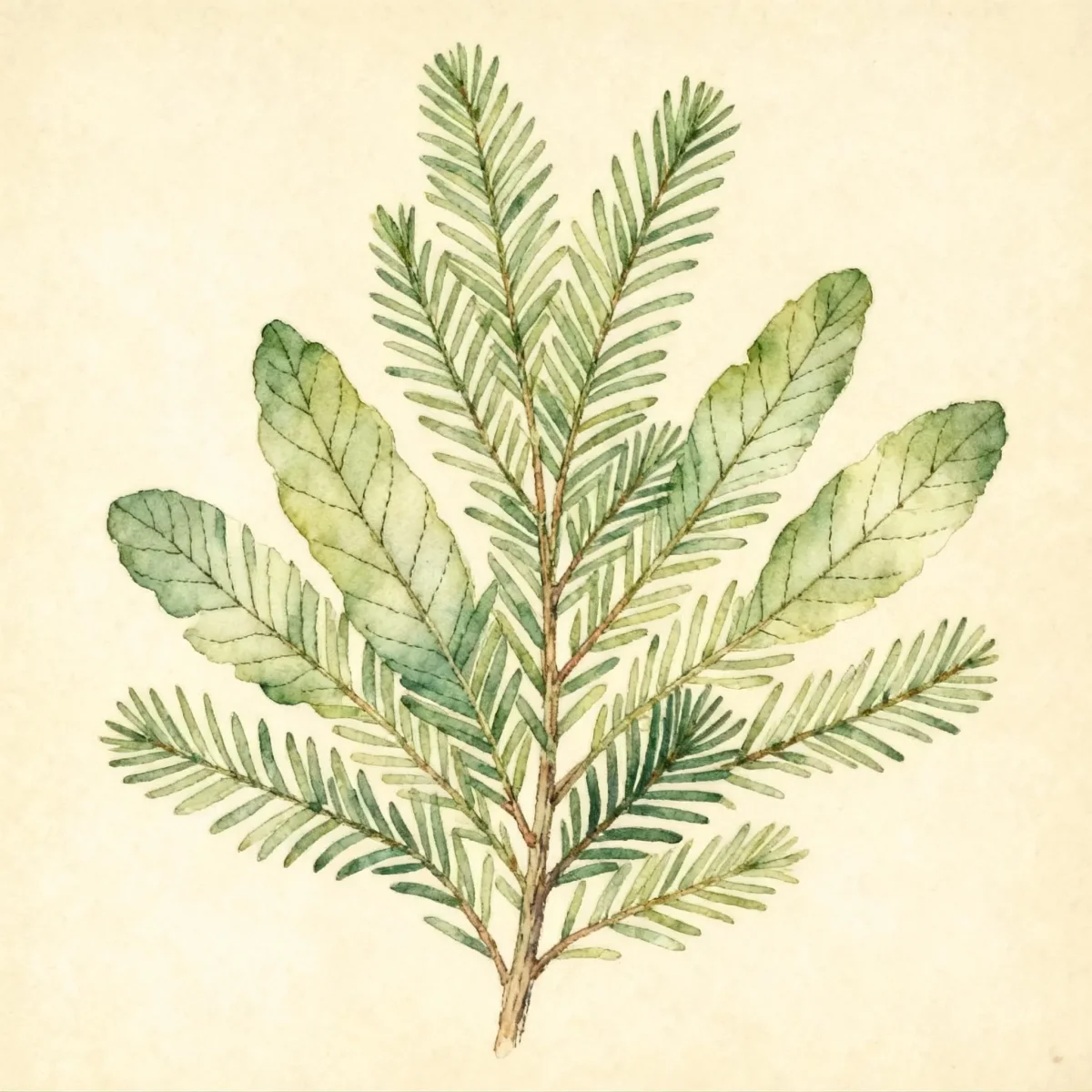
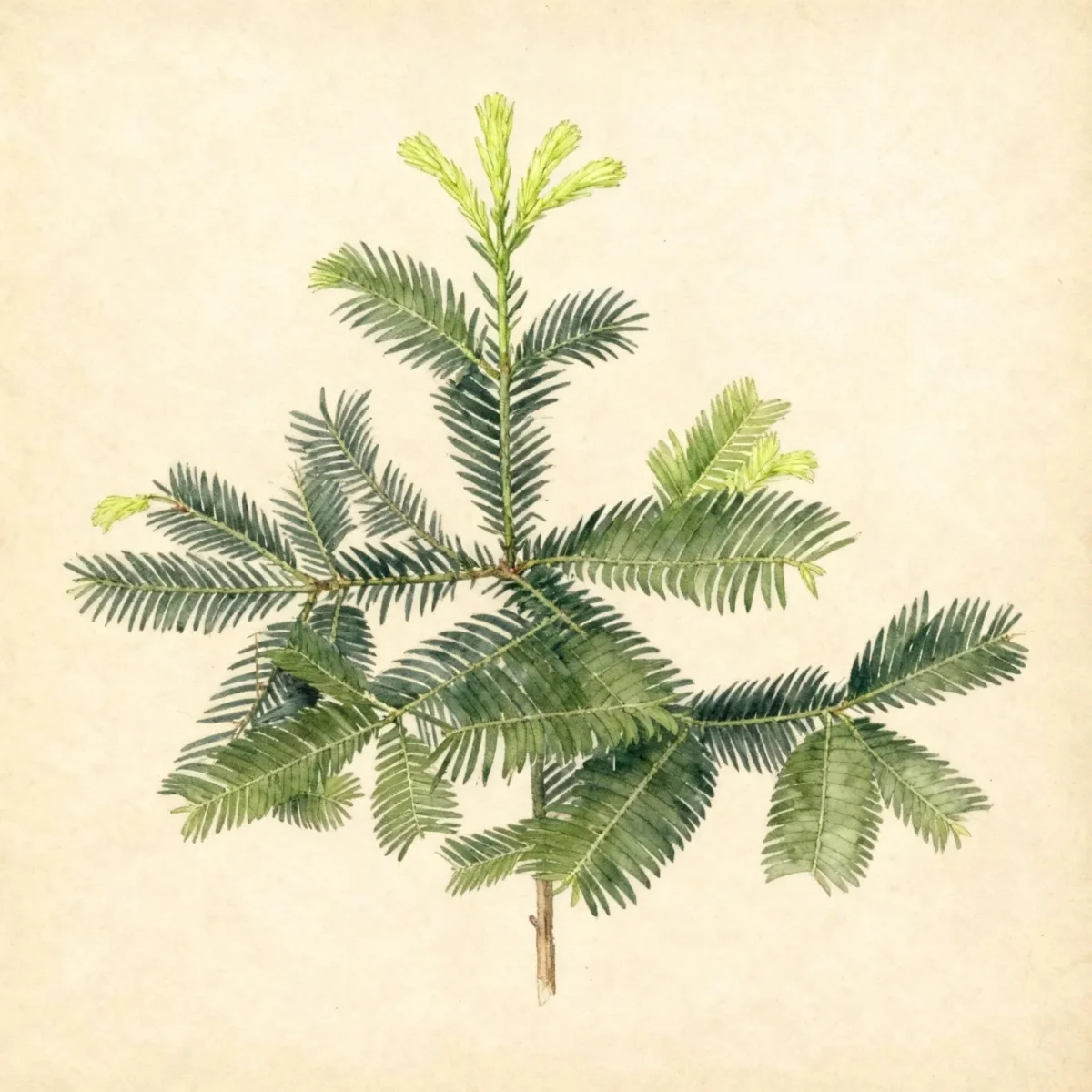
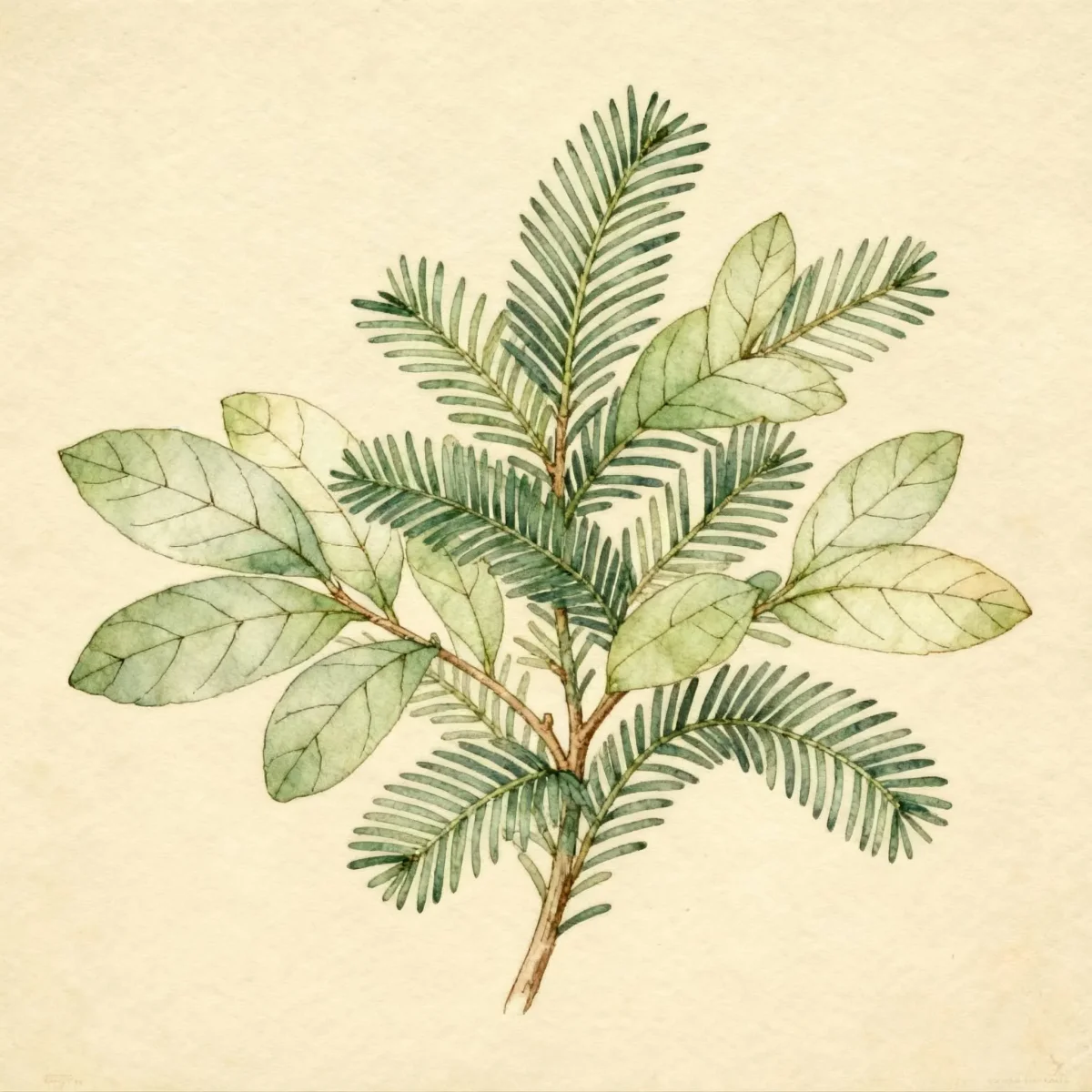
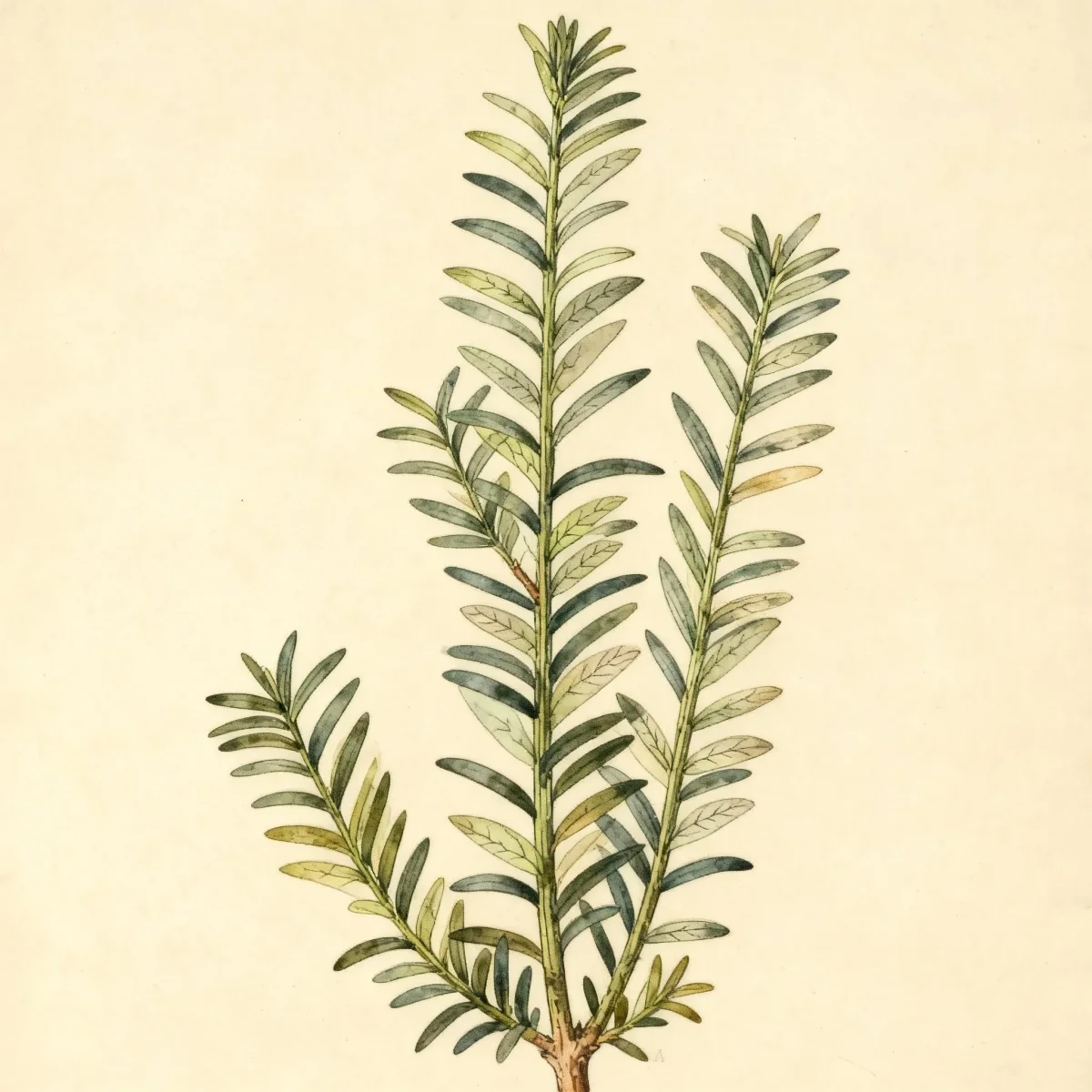
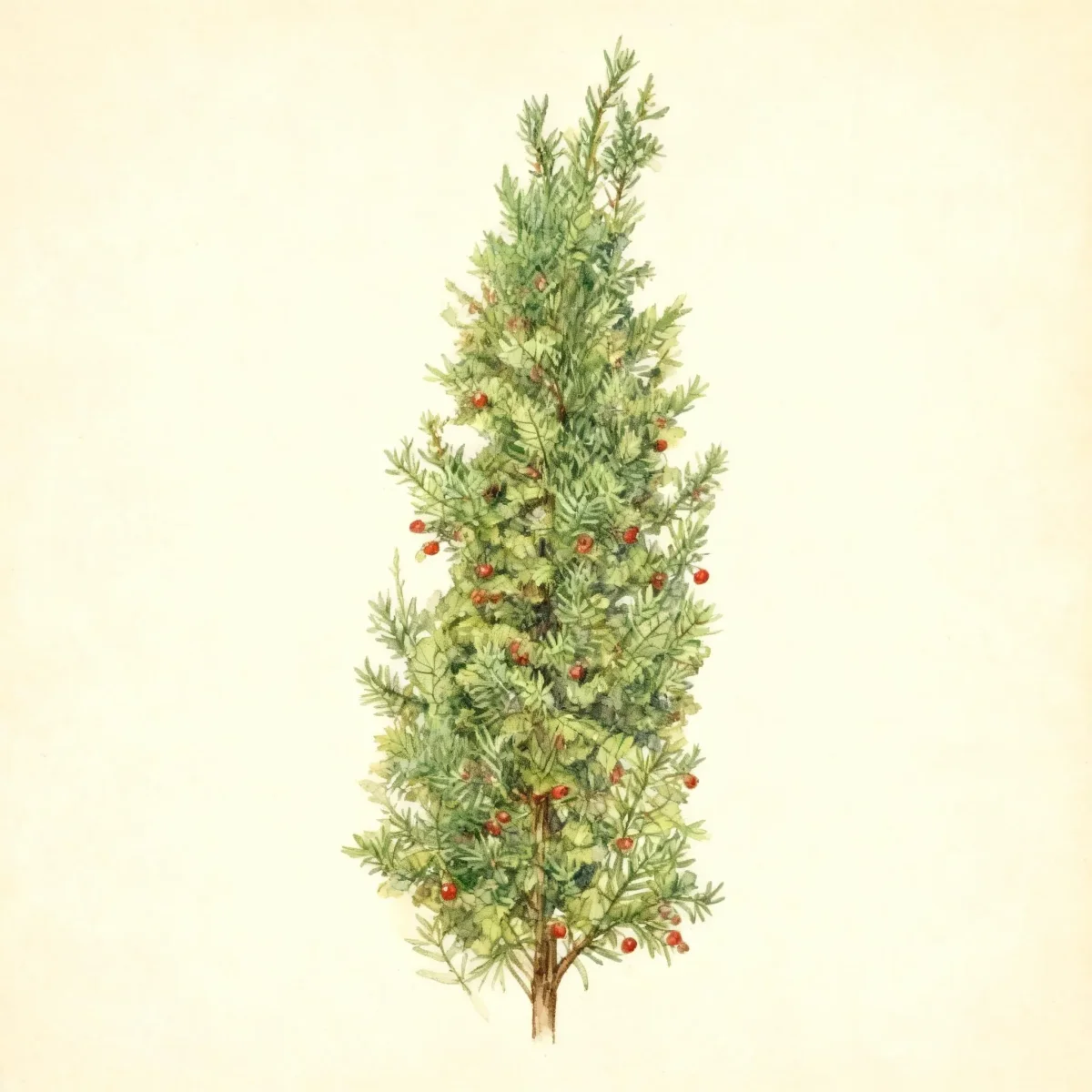
Cow's tail pine (Cephalotaxus harringtonia 'Duke Gardens')
Discover Cephalotaxus harringtonia 'Duke Gardens', the slow-growing Cow's tail pine. Ideal for deep shade, this evergreen offers unique texture and deer resistance.


Bloom Boldly, No Matter the Season - Sweatshirt
Cozy organic cotton sweatshirt featuring our exclusive Purple Coneflower design. Perfect for gardeners who bloom year-round.
Inspired by the beautiful Cow's tail pine
Limited first batch (50) — join the waitlist for early access
Waitlist closes Feb 15, 2026.
Complete Plant Information
Field Guide Continues
Ready for care notes, companion picks, and planting tips?
The map is just the start. The full guide below covers growth habits, seasonal performance, and landscape uses.
Overview
Cephalotaxus harringtonia ‘Duke Gardens’ provides stunning texture for the darkest corners of the garden where few other needled evergreens thrive. This compact cultivar, often known as Cow’s tail pine, is highly valued for its exceptional tolerance of heavy shade and moderate heat. Its slow growth rate ensures it remains a manageable foundation plant for decades.
This particular variety matures into an attractive vase-shaped form, staying relatively small at 2 to 4 feet tall and wide. Introduced after its discovery at Duke University, ‘Duke Gardens’ offers structure and deep green color year-round. It serves as an excellent architectural accent, providing visual interest even in the winter months.
For gardeners seeking a dependable conifer that resists deer pressure, Cephalotaxus harringtonia ‘Duke Gardens’ is a superb choice. While it is often grown solely for its foliage, female plants may produce unique, fleshy, edible arils if a male pollinator is present. Consideration of soil moisture and shade requirements are key to successfully incorporating the Cow’s tail pine into your shaded landscape design.
Fast Facts
- Plant Family: Taxaceae
- Plant Type: Needled evergreen
- Hardiness Zones: USDA Zones 6-9
- Size at Maturity:
- Height: 2-4 ft
- Spread: 2-4 ft
- Bloom Time: Non-flowering
- Bloom Description: Non-flowering
- Sun Exposure: Part shade to full shade
- Water Needs: Medium
- Maintenance Level: Medium
How to Grow
The best time to plant Cephalotaxus harringtonia ‘Duke Gardens’ is during the spring or fall when temperatures are mild. Ensure the planting site offers well-drained soil, ideally rich in sand and organic matter. While Cow’s tail pine tolerates heavy shade better than many conifers, it benefits from protection from intense afternoon sun, especially in hot climates.
Water medium is required, meaning consistent moisture is preferred, particularly while the plant is establishing its root system. Once established, this evergreen shows good drought tolerance, though regular supplemental watering during dry spells will maintain optimal health. Fertilization is rarely necessary in rich woodland soils, but a balanced, slow-release fertilizer applied in early spring can encourage modest growth.
Pruning is generally minimal for Cephalotaxus harringtonia ‘Duke Gardens’ due to its naturally compact habit. Only remove errant or damaged branches during late winter or early spring before new growth begins. Because this plant handles heat well, very little winter protection is needed outside the colder edges of Zone 6; however, siting plants away from drying winter winds improves cold hardiness.
Landscape Uses
Cow’s tail pine excels as an outstanding low hedge or as a formal accent beneath tall shade trees. Because of its excellent tolerance for deep shadow, it stands out in woodland garden settings where colorful groundcovers might otherwise dominate. Use the compact form of Cephalotaxus harringtonia ‘Duke Gardens’ to edge shaded walkways or frame shaded entryways.
This species pairs beautifully with other shade-loving, fine-textured plants. Consider grouping it with Japanese forest grass (Hakonechloa macra) for textural contrast or situating it near hostas for bold leaf shapes. Its upright, somewhat bushy habit allows it to function well as a foundational planting in areas receiving low light throughout the day.
For gardeners working in the US Southeast, its proven heat tolerance makes it a superior, low-maintenance evergreen option replacing true yews. Employ the Cow’s tail pine to unify large shaded beds, providing consistent dark green structure that offsets brighter seasonal blooms.
Standout Features
Fruit Qualities
- Showy
- Edible
Noteworthy Characteristics
Cephalotaxus harringtonia, commonly called plum yew, is prized for its distinctive yew-like needles arranged in a V-shape on the stems. The ‘Duke Gardens’ selection is a compact cultivar, typically maturing in a vase-shaped form to only 2-3 feet tall, discovered at Duke University in 1958. Its excellent tolerance for both shade and moderately hot weather makes it a uniquely valuable evergreen substitute in challenging environments.
Tolerances
- Deer
- Heavy Shade
Potential Problems
Cephalotaxus harringtonia ‘Duke Gardens’ exhibits remarkable resilience, suffering from no serious insect or disease problems under proper growing conditions. Its tolerance to heat and shade minimizes stress which often predisposes other evergreens to pests. Preventative care centers around proper soil drainage; waterlogged conditions can lead to root issues.
Over-fertilization should be avoided as rapid succulent growth is not characteristic of this slow-growing species. If pruning is necessary, ensure tools are clean to prevent introducing pathogens, though this is rare for the Cow’s tail pine.
Frequently Asked Questions
What hardiness zones is Cephalotaxus harringtonia ‘Duke Gardens’ suitable for?
Cow’s tail pine thrives reliably in USDA Zones 6 through 9, though it may survive in protected spots in Zone 5 with careful siting.
How large does Cow’s tail pine grow?
The ‘Duke Gardens’ cultivar is compact, generally reaching only 2 to 4 feet in height and spreading between 2 and 4 feet wide.
What sun exposure does Cephalotaxus harringtonia ‘Duke Gardens’ need?
This evergreen prefers part shade to full shade and handles shaded conditions significantly better than most other needled conifers.
When does Cephalotaxus harringtonia ‘Duke Gardens’ bloom?
This plant is non-flowering; it is grown for its year-round evergreen foliage texture.
Conclusion
The ‘Duke Gardens’ cultivar of Cow’s tail pine offers unmatched evergreen reliability in shaded, hostile garden areas. Its compact size, deer resistance, and tolerance for heat make Cephalotaxus harringtonia ‘Duke Gardens’ a superior perennial choice. Before installation, verify your site conditions align with its medium water needs and part-to-full shade preference for best long-term results.
Companion Planting
When designing around your Cow’s tail pine, focus on plants that share similar requirements for shade and consistent moisture. Ferns, such as Japanese Painted Ferns or Autumn Ferns, offer feathery texture contrasts to the flat needles of the conifer. Groundcovers like Mondo Grass provide a dark, fine mat that complements the upright habit of mature Cephalotaxus harringtonia ‘Duke Gardens’.
For seasonal color, consider planting shade-tolerant annuals or perennials near the front of the planting bed. Astilbes provide vibrant plume-like flowers above the evergreen base, while early spring bulbs ensure visual interest before the slow-growing shrub fully engages for the season.
Design Ideas
Utilize the formal yet relaxed shape of Cephalotaxus harringtonia ‘Duke Gardens’ in Asian-inspired garden designs. Planted singly or in small groupings, its clean lines provide necessary structure against the billowy forms of Japanese maples. For contemporary landscapes, use several specimens pruned identically to create repeating focal points along a shady retaining wall.
In foundation plantings, use the Cow’s tail pine as a lower, evergreen layer beneath larger, deciduous shrubs. Its unchanging presence means the structure of your planting scheme remains intact even when deciduous neighbors are leafless in winter. It is also an excellent choice for foundation planting visibility because of its low-to-the-ground growth habit.