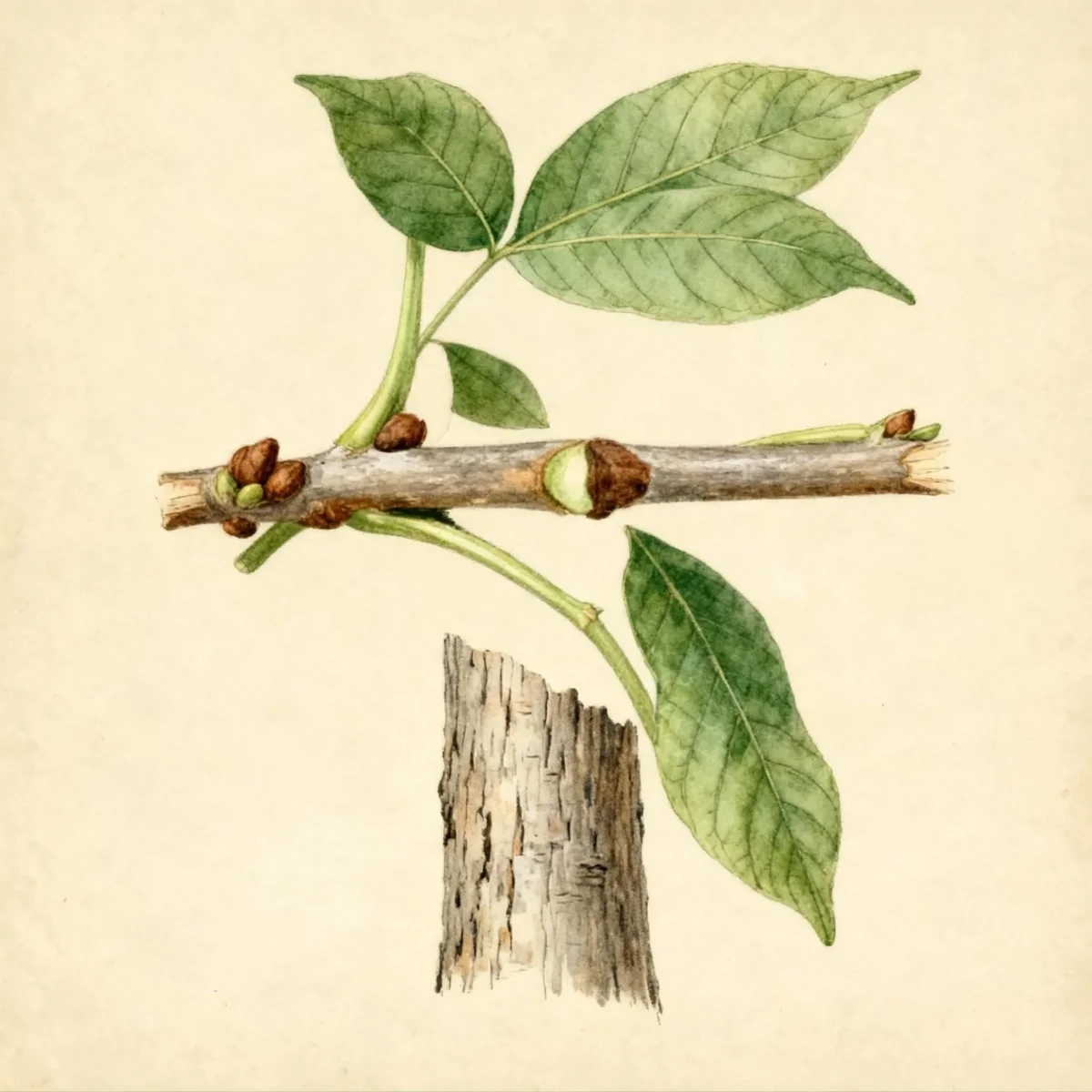
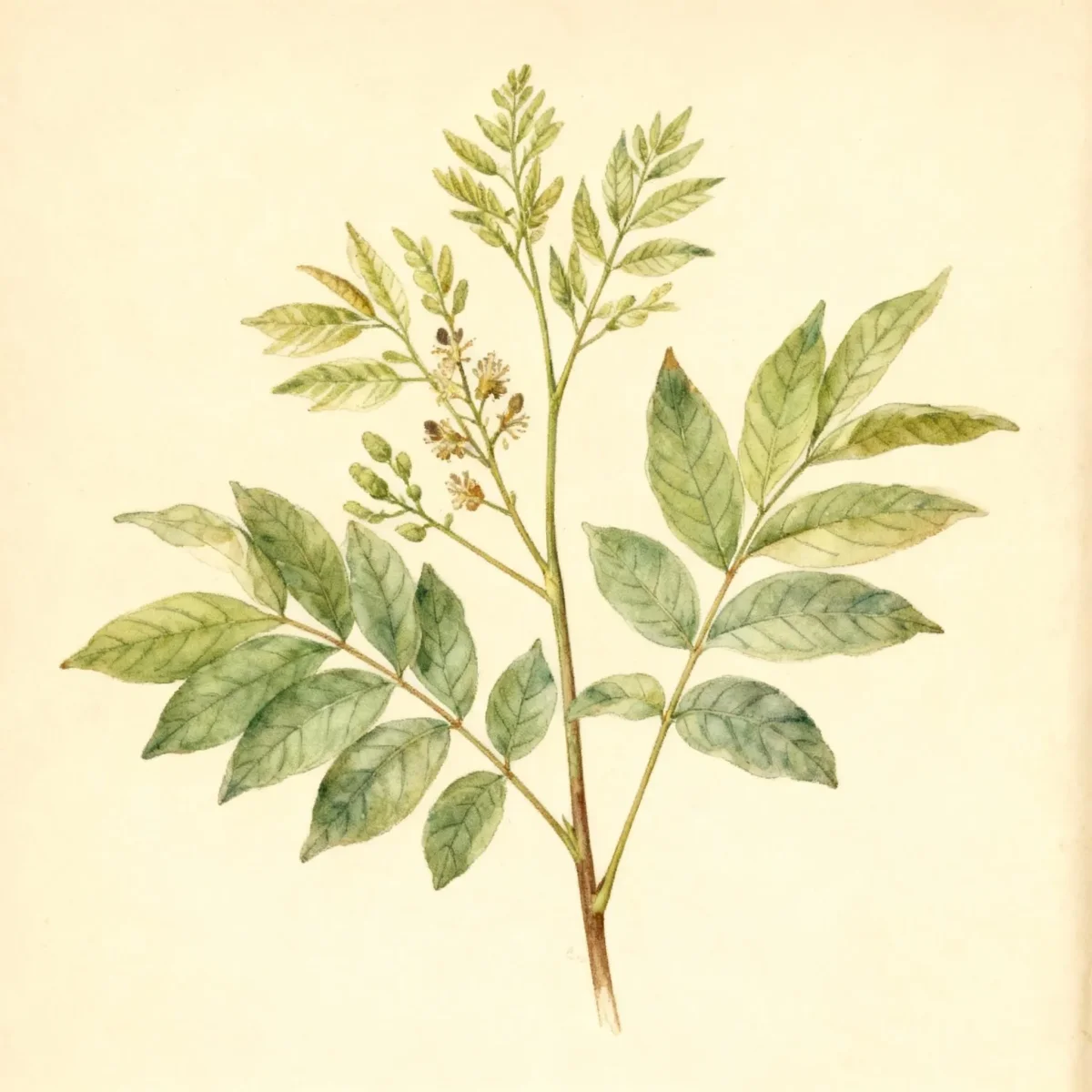
White ash (Fraxinus americana 'Rosehill')
The Fraxinus americana 'Rosehill' cultivar offers broad-conical structure to the White ash. Hardy in zones 3-9, requiring full sun and medium water.

Bloom Boldly, No Matter the Season - Sweatshirt
Cozy organic cotton sweatshirt featuring our exclusive Purple Coneflower design. Perfect for gardeners who bloom year-round.
Inspired by the beautiful White ash
Limited first batch (50) — join the waitlist for early access
Waitlist closes Feb 15, 2026.
Complete Plant Information
Field Guide Continues
Ready for care notes, companion picks, and planting tips?
The map is just the start. The full guide below covers growth habits, seasonal performance, and landscape uses.
Overview
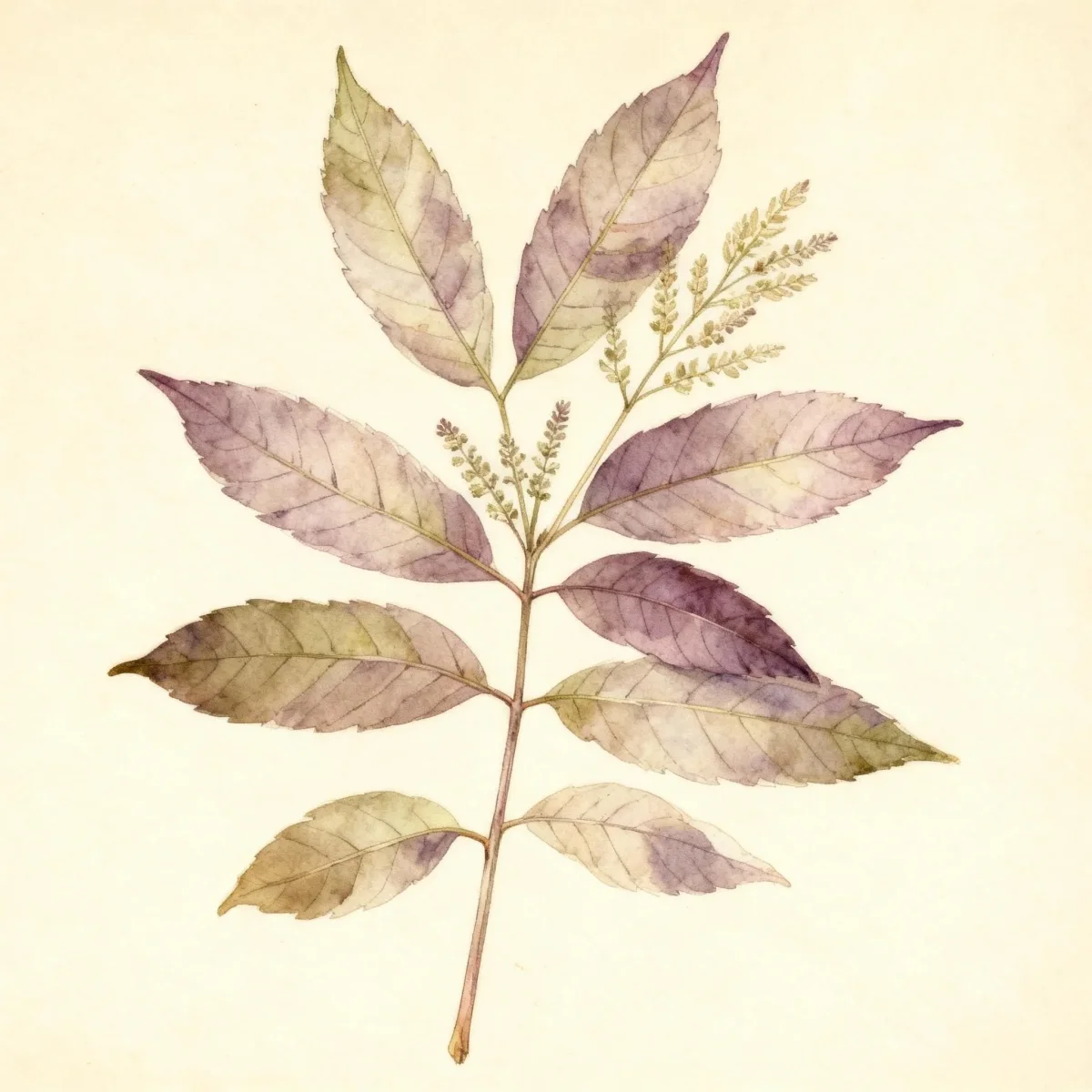
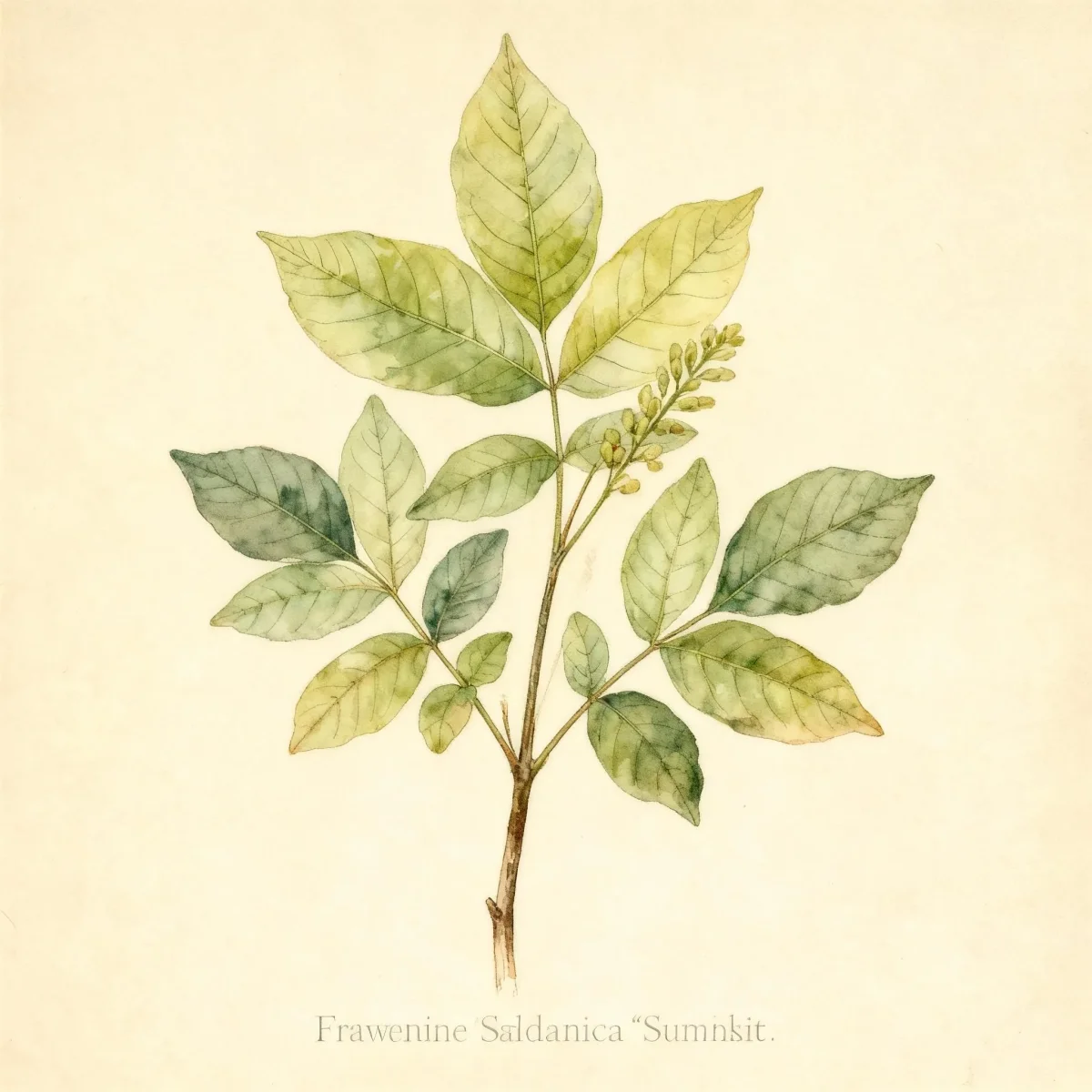
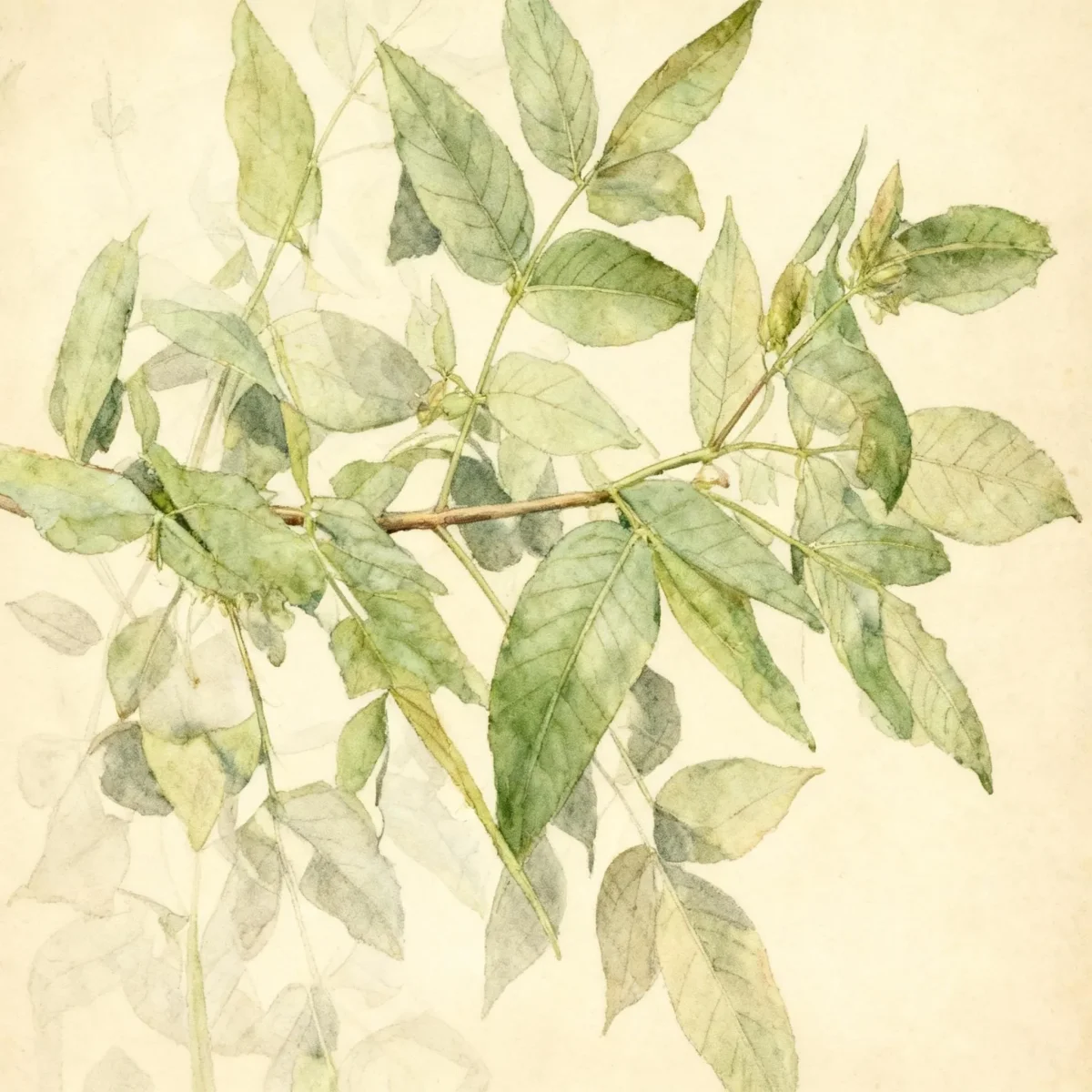
The Fraxinus americana ‘Rosehill’ is a notable cultivar of the White ash, historically prized for its substantial stature and symmetrical growth habit, making it an excellent specimen tree. While the species is native across much of Eastern North America, this selection was specifically bred for desired ornamental characteristics. Gardeners appreciated its pyramidal shape transitioning to a broad cone, historically used to provide significant shade in larger landscapes.
As with all ash species, management of $Fraxinus$ $americana$ ‘Rosehill’ requires awareness of current threats, particularly the devastating Emerald Ash Borer. Historically, this White ash provided dependable structure with distinctive compound leaves and emerging fall color that varied between bronze-red and bronze-yellow. It demands full sun exposure for optimal health and structure development.
This cultivar exhibits a manageable size range, typically reaching 35 to 50 feet tall with a spread between 25 and 35 feet at maturity. It establishes well in various soil types, provided drainage is adequate, offering robust performance across a wide range of temperate climates within USDA Zones 3 through 9.
Fast Facts
- Plant Family: Oleaceae
- Plant Type: Tree
- Hardiness Zones: USDA Zones 3-9
- Size at Maturity:
- Height: 35-50 ft
- Spread: 25-35 ft
- Bloom Time: April
- Bloom Description: Purplish green
- Sun Exposure: Full sun
- Water Needs: Medium
- Maintenance Level: Medium
How to Grow
Planting $Fraxinus$ $americana$ ‘Rosehill’ is best done in the spring or fall, allowing the substantial root system time to establish before summer heat or winter freezes. Choose a location that provides full sun exposure throughout the day, which is critical for achieving dense foliage and strong wood development. The established tree performs best when sited in moist, organically rich, well-drained loams, although it shows moderate drought tolerance once mature.
Routine care centers on consistent moisture, particularly during the establishment phase. While it has moderate drought tolerance, ensuring medium water access supports continued growth. Pruning should focus on removing dead, damaged, or crossing branches, though this tree generally requires minimal structural pruning once it develops its shape. Site the White ash away from areas prone to high winds when possible to minimize the risk of branch breakage.
Protecting the root zone is crucial for long-term vigor. Maintain a layer of organic mulch over the root area, keeping the mulch away from the trunk flare. The species is more tolerant of urban settings than many species, provided the soil pH is managed, as it tolerates neutral to slightly alkaline soil conditions.
Landscape Uses
Traditionally, the White ash, including cultivars like Fraxinus americana ‘Rosehill’, served as reliable large-scale structural plantings. Their broad, dense crowns made them indispensable as shade trees for large lawns or parks where maximizing canopy coverage was the goal. Moreover, their hardiness made them suitable candidates for street tree applications where they could tolerate reflected heat and compacted soils.
Due to overwhelming threats from the Emerald Ash Borer, current landscape recommendations strongly advise against planting new ash trees. If an established $Fraxinus$ $americana$ ‘Rosehill’ is present, it should be monitored closely for vitality. When designing near mature specimens, consider companion plants that thrive in full sun and medium moisture, perhaps focusing on sturdy understory shrubs that will not compete heavily for resources near the trunk.
The strong, upright, broad-conical shape of the ‘Rosehill’ cultivar made it excellent for framing entryways or defining property lines where height and scale were necessary design elements. For replacement purposes, consider species like oaks or maples that offer similar architectural presence without the Ash Borer vulnerability.
Standout Features
Flower Qualities
- Insignificant
Noteworthy Characteristics
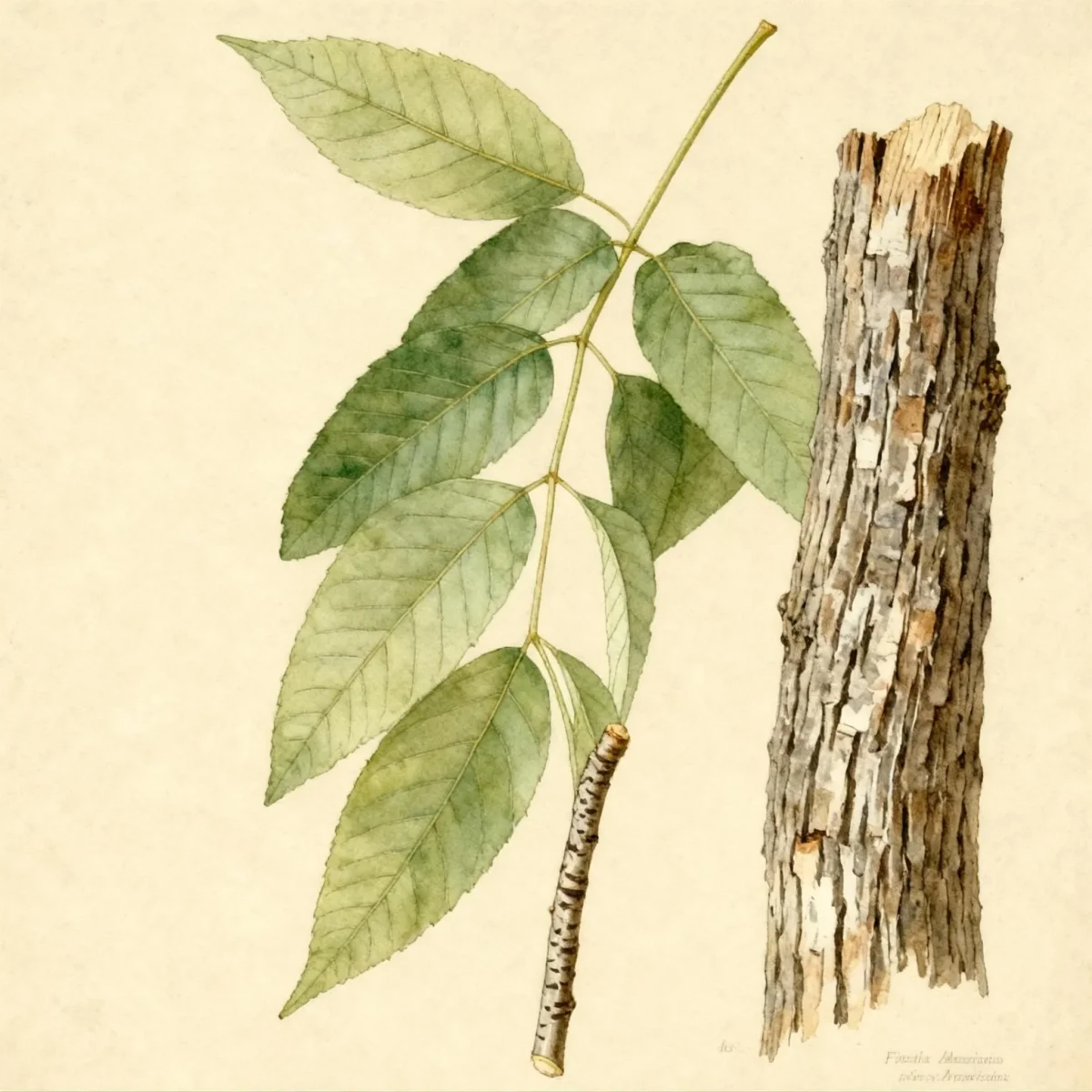
Fraxinus americana, commonly called white ash, is native to eastern North America. ‘Rosehill’ is a seedless, broad-conical cultivar that typically grows 35-50’ tall with smaller leaflets than the species, exhibiting variable fall color ranging from attractive bronze-red to drab bronze-yellow. Gray bark develops distinctive diamond-shaped ridging on mature trees, continuing a stately profile throughout its life.
Tolerances
- Deer
Potential Problems
The primary and overwhelming threat to all North American ash trees, including White ash and the cultivated Fraxinus americana ‘Rosehill’, is the invasive Emerald Ash Borer (EAB). This Asian pest tunnels beneath the bark, effectively girdling and killing trees, usually within three to five years after infestation. Management for EAB requires proactive, often costly, systemic insecticide treatments applied by certified arborists; chemical control is extremely difficult once heavy infestation is visible.
In addition to EAB, the White ash is susceptible to several secondary insect pests, such as the lilac borer and various leaf miners/aphids, though these rarely cause significant mortality on their own. Fungal issues like leaf spots, rust, and anthracnose can occasionally lead to minor defoliation, especially in humid years. Brittle wood structures can also lead to breakage during severe ice or snow storms, requiring diligent preemptive deadwood removal.
Frequently Asked Questions
What hardiness zones is White ash suitable for?
The Fraxinus americana ‘Rosehill’ cultivar is suitable for growth within USDA Hardiness Zones 3 through 9.
How large does White ash grow?
This White ash cultivar typically reaches a mature height between 35 and 50 feet, with a spread generally ranging from 25 to 35 feet wide.
When does White ash bloom?
The inconspicuous flowers of Fraxinus americana ‘Rosehill’ appear in April, described as purplish green.
What sun exposure does White ash need?
This tree requires full sun exposure to develop its best structure and foliage density.
Conclusion
The Fraxinus americana ‘Rosehill’ offers the classic, reliable structure of the native White ash, defined by its manageable size and broad canopy, even though planting new specimens is currently inadvisable due to pest pressure. For existing trees, prioritizing vigilant monitoring and cultural care that supports tree health is paramount. Before purchasing or establishing any ash, confirm the current EAB threat level in your specific locale and consult an arborist.
Companion Planting
When establishing compatible plantings near an existing Fraxinus americana ‘Rosehill’, focus on species that share a preference for full sun and medium water requirements. Consider placing robust understory shrubs that add seasonal interest without becoming spindly in the deep shade cast beneath the mature ash canopy. Good choices might include Witchhazel ($Hamamelis$ $virginiana$) for late-season color or various Dogwoods ($Cornus$ species) noted for appealing bark textures in winter.
Selecting groundcovers that can handle the drying shade cast by a mature White ash is also important for landscape aesthetics. Native sedges that thrive in dry shade, perhaps combined with hardy perennials like Hostas (if the light filtering through is adequate) or Columbine ($Aquilegia$), provide textural contrast beneath the broad leaves of the overhead tree. Ensure all companion plants are suited to neutral or slightly alkaline soil conditions commonly tolerated by the ash.
Seasonal Care Calendar
Spring preparation for $Fraxinus$ $americana$ ‘Rosehill’ involves inspecting the tree for winter damage and applying preventative insect treatments targeting early-season pests or the EAB, if treatment is currently authorized for your tree. Early canopy emergence follows flowering in April. Summer is the primary growing season, requiring consistent medium watering, especially during dry spells, and avoiding intensive nitrogen fertilization which can stimulate overly rapid, vulnerable growth.
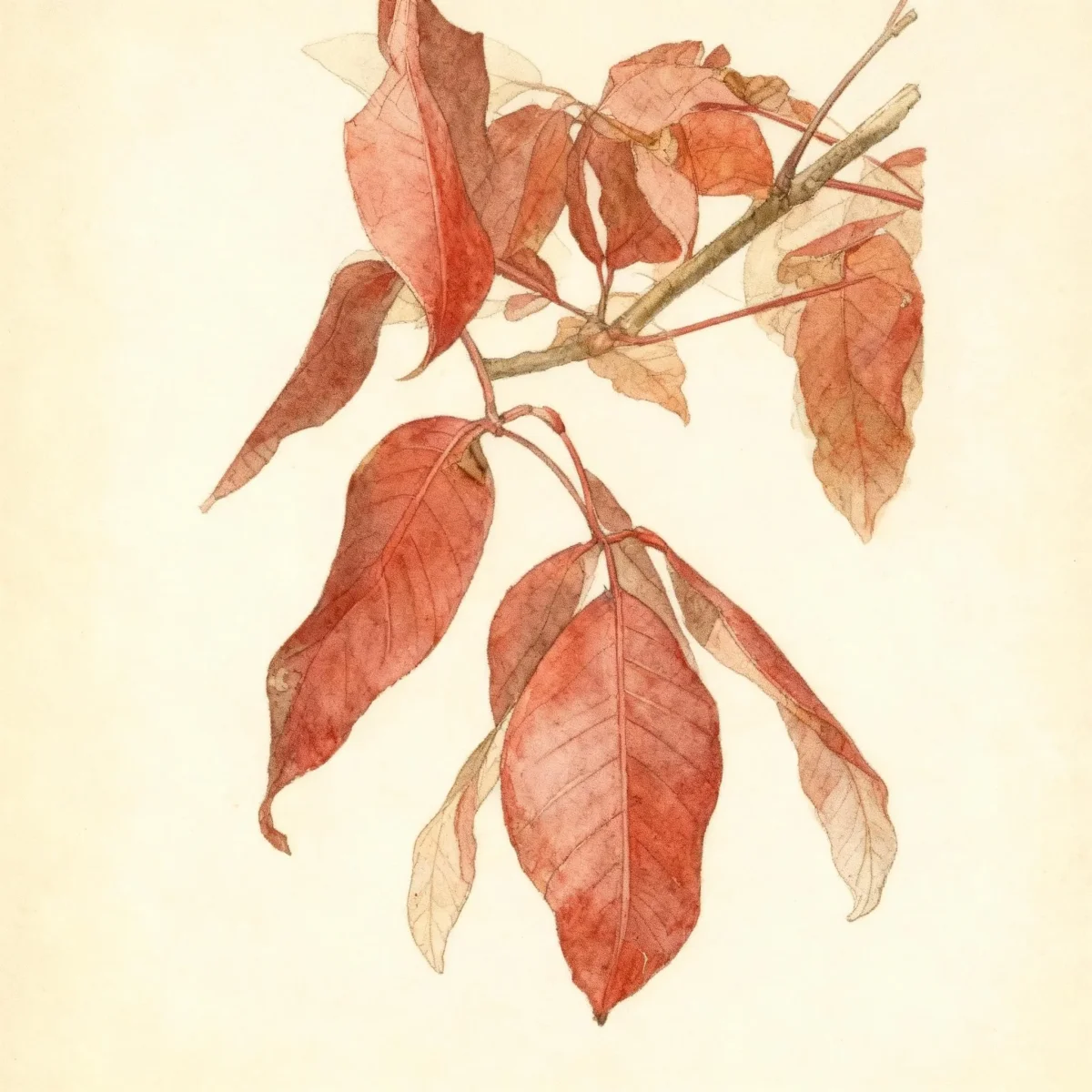
Fall is an excellent time to observe the variable autumn color of the ‘Rosehill’ foliage, ranging from bronze-yellow to attractive reddish hues. After leaf drop, conduct a thorough inspection of the lower trunk and bark for signs of insect activity, such as D-shaped exit holes characteristic of EAB. In late fall or early winter, prune any brittle or dead branches to reduce the risk of storm damage when heavy snow or ice accumulates on the crown.