Hosta(Hosta 'August Moon')
Grow Hosta 'August Moon': sun-tolerant gold foliage, corrugated heart-shaped leaves, pale lavender summer flowers, and USDA zones 3–8 shade gardening care.
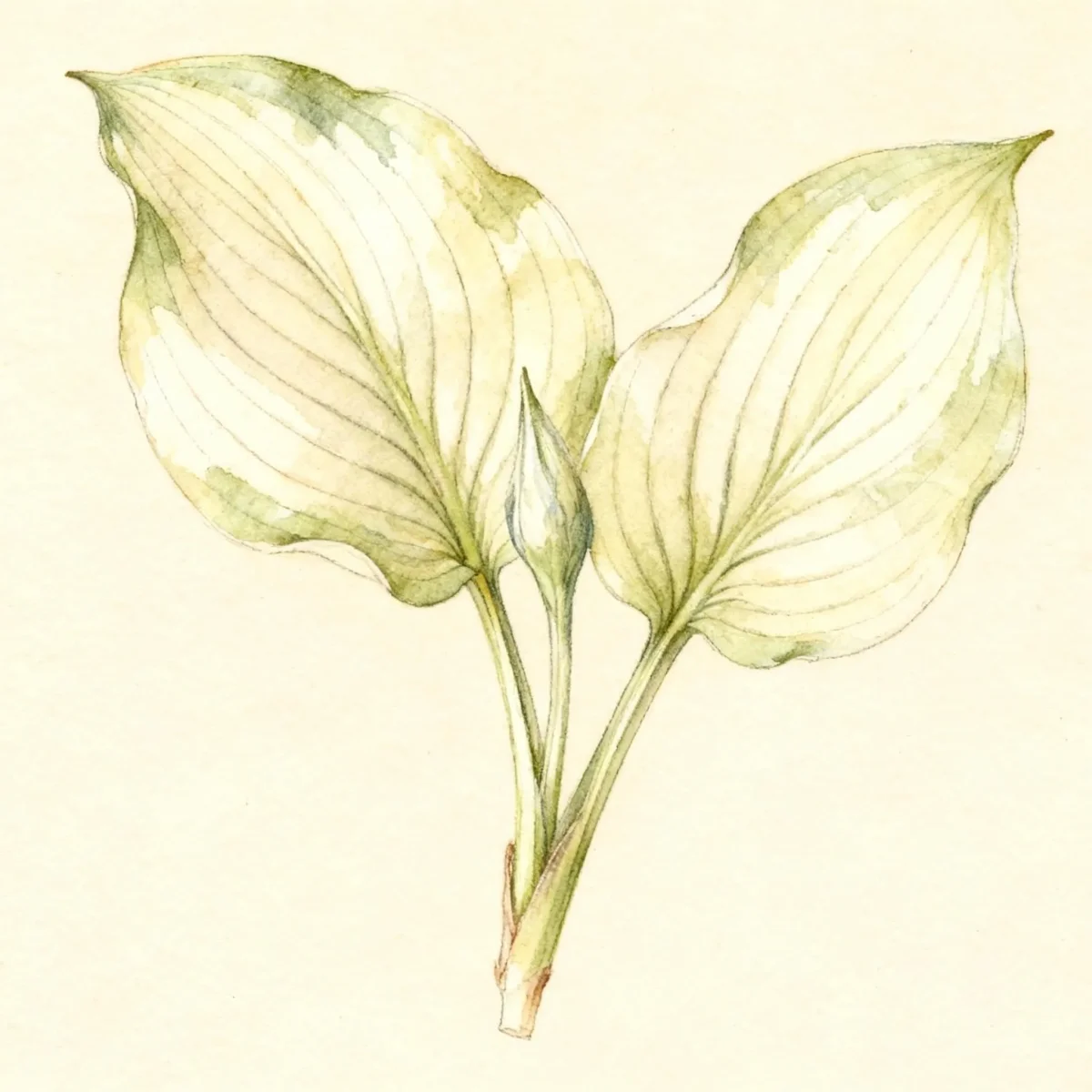
Complete Plant Information
- Hardiness zones
- USDA 3–8
- Plant type
- Herbaceous perennial
- Plant family
- Asparagaceae
- Sun exposure
- Part shade to dappled shade
- Water needs
- Medium
- Maintenance
- Low
- Height
- 1.5–2 ft (46–61 cm)
- Spread
- 2.5–3.5 ft (76–107 cm)
- Bloom time
- July to August
- Flower color
- Funnel-shaped pale lavender to near-white flowers on 24-30 inch scapes
- Flower qualities
- Showy, Attracts Hummingbirds
- Fruit qualities
- Not recorded
- Tolerances
- Heavy Shade, Black Walnut
- Garden uses
- Not recorded
- Native range
- Horticultural hybrid (genus native to East Asia)
Field Guide Continues
Ready for care notes, companion picks, and planting tips?
The map is just the start. The full guide below covers growth habits, seasonal performance, and landscape uses.
Overview
Hosta ‘August Moon’ is a classic, gold-leaved perennial plantain lily admired for its vigorous growth, corrugated foliage, and superior sun tolerance compared to most chartreuse and yellow hostas. Winter-hardy across USDA Zones 3 through 8, it forms an architectural, dense mound 18 to 24 inches tall and up to 3.5 feet wide. Broad, cordate (heart-shaped) leaves emerge soft chartreuse in spring and transition to luminous golden-yellow by midsummer. In July and August, tall scapes elevate pale lavender-to-white trumpet flowers above the golden foliage canopy, attracting hummingbirds and bees.
Unlike thin-leaved yellow cultivars that scorch easily in sunlight, ‘August Moon’ features heavy leaf substance with a puckered, seersucker texture that resists heat stress and physical slug feeding. It provides dependable, low-maintenance structural color that illuminates shady corners, woodland borders, and foundation plantings throughout the growing season.
How to Grow
- Light & Sun Tolerance: Best sited in partial shade receiving 2 to 4 hours of gentle morning sun or high, dappled canopy shade. Morning sun triggers the chemical shift from spring chartreuse to rich summer gold. Avoid direct, harsh afternoon sun in southern zones (Zones 7 and 8), which can scorch leaf centers. In full dense shade without morning rays, foliage stays lime-chartreuse.
- Soil & Planting: Thrives in rich, loamy, organically amended soils with consistent moisture and good drainage. Plant bare-root or container-grown crowns in spring or early autumn, setting the crown level with the surrounding soil surface. Tolerates heavy clay soils well when generously amended with compost or leaf mold.
- Watering: Provide roughly 1 inch of water per week during active growth. Apply water directly to the soil beneath the leaves rather than overhead to prevent foliar fungal leaf spots. While established clumps show moderate resilience to dry shade, consistent moisture produces the largest leaves and fastest clump expansion.
- Winter Dormancy: Hostas require several weeks of winter dormancy below 40°F (4°C) to reset their annual growth cycle. In late autumn after hard frost collapses the foliage, cut back dead leaves to the ground to eliminate overwintering slug habitat.
Landscape Uses
- Shade Border Illumination: The bright golden foliage creates an eye-catching focal point and visual contrast against dark green conifers, stone walls, and shaded building foundations.
- Mass Groundcover Drifts: Planted in groupings spaced 2.5 to 3 feet apart on center, ‘August Moon’ forms an overlapping, weed-suppressing golden carpet under mature deciduous trees.
- Container Gardening: Excellent as an architectural centerpiece in large, frost-proof patio containers paired with trailing dark purple sweet potato vines or delicate woodland ferns.
Potential Problems
- Pest Management: Slugs and snails frequently target emerging spring shoots. Apply pet-safe iron phosphate bait granules around emerging crowns in early spring. In areas with high deer browsing pressure, spray foliar repellents early in the season before flower scapes emerge.
- Disease & Viruses: Avoid overhead watering to minimize anthracnose leaf spot and petiole rot. Be vigilant for Hosta Virus X (HVX), which causes mottled, sunken, ink-bled foliage patterns; infected plants cannot be cured and must be dug up and destroyed.
- Pet Safety Warning: All hostas contain toxic steroidal saponins. Ingestion of foliage or roots by dogs, cats, or horses can cause vomiting, diarrhea, abdominal cramping, and depression. Plant in areas protected from grazing household pets.
Frequently Asked Questions
Does Hosta ‘August Moon’ need full sun to turn yellow?
No. ‘August Moon’ needs only 2 to 4 hours of cool morning sun or bright dappled canopy shade to develop its rich golden-yellow color. Harsh midday or afternoon sun will scorch the leaves, while deep, dark shade keeps the foliage chartreuse-green.
How big does Hosta ‘August Moon’ get at maturity?
Mature clumps reach 18 to 24 inches (1.5 to 2 feet) in foliage height with flower scapes rising to 30 inches, spreading 2.5 to 3.5 feet wide over 3 to 5 years.
How do I protect ‘August Moon’ from slugs?
The puckered, seersucker leaf texture provides natural mechanical resistance against slugs compared to smooth, thin-leaved hostas. Apply iron phosphate bait or beer traps around the crowns in early spring as new shoots (“eyes”) unfurl.
Companion Plants
Pair Hosta ‘August Moon’ with shade-loving perennials that share similar moisture needs while providing contrasting foliage colors and textures:
- Contrasting Foliage Textures: Combine with fine-textured Japanese painted ferns (Athyrium niponicum), maidenhair ferns, or cascading Japanese forest grass (Hakonechloa macra ‘Aureola’).
- Deep Purple & Blue Partners: Pair against blue-leaved hostas (such as ‘Halcyon’) or deep purple coral bells (Heuchera) to amplify the glowing golden leaves.
- Flowering Companions: Interplant with early-spring bleeding hearts (Dicentra spectabilis), red or pink astilbes (Astilbe × arendsii), and late-season woodland phlox for continuous color.
Sources & Lineage
- Missouri Botanical Garden PlantFinder: Record taxon 248603 (Hosta ‘August Moon’) — cultivar history, morphological baseline, and cultural traits.
- American Hosta Society (AHS): Cultivar Registry: Hosta ‘August Moon’ — registration details, parentage (H. sieboldiana background), and dimensions.
- ASPCA Animal Poison Control: Hosta Saponin Profile — pet toxicity documentation for dogs, cats, and horses.
Recommended Companion Plants
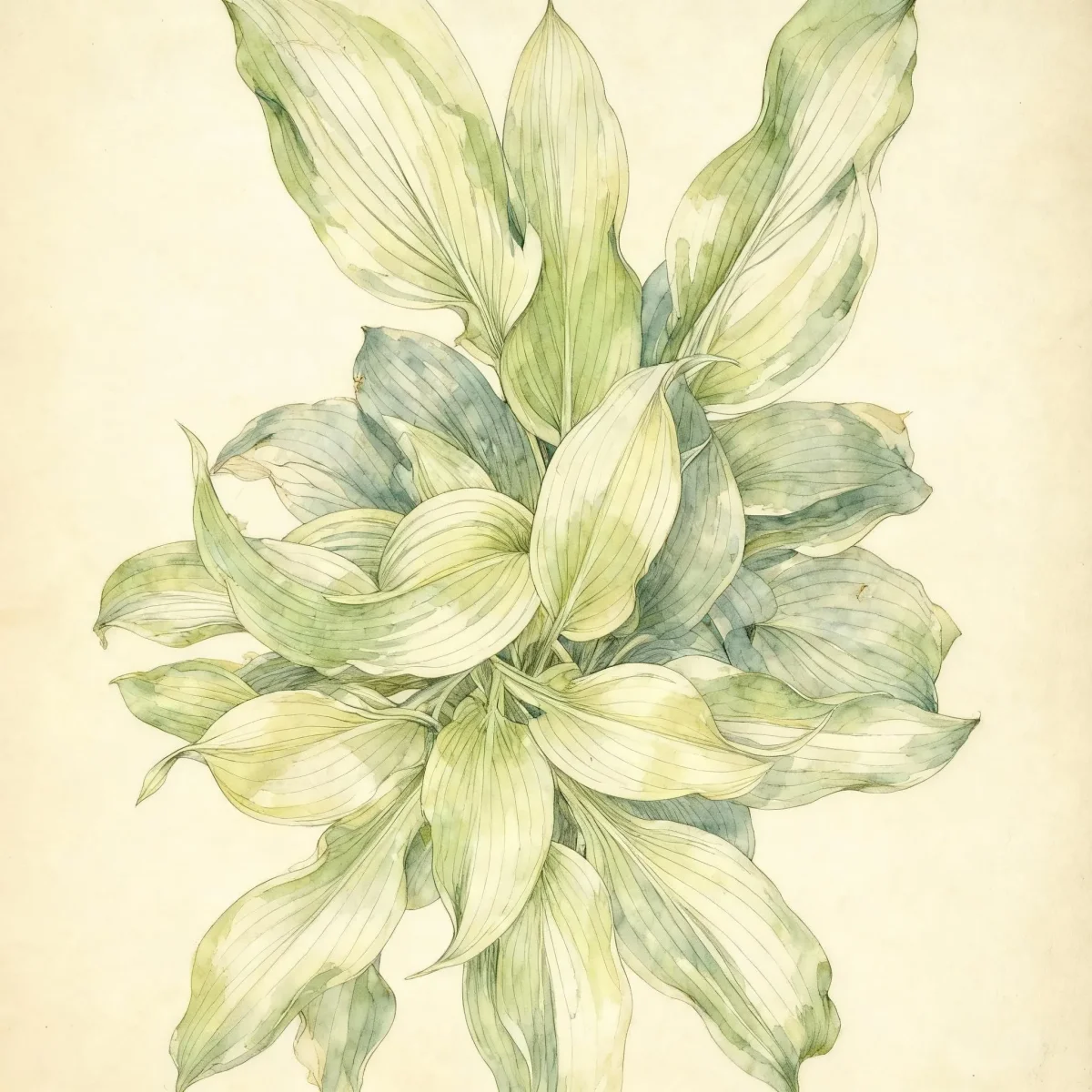
Hosta
Hosta 'Dancing Queen'
- USDA zones
- 3–8
- Light
- Part shade to dappled shade
- Water
- Medium
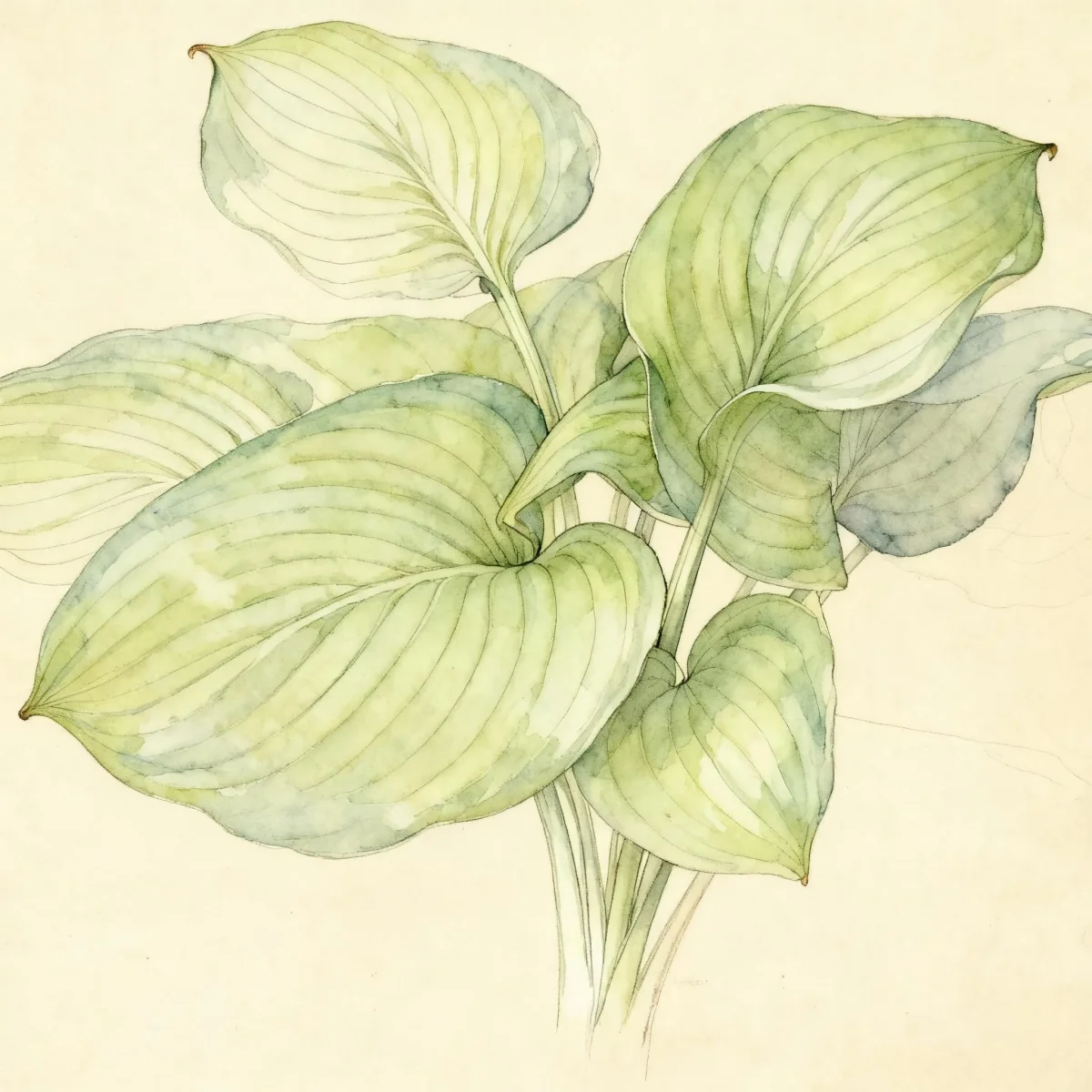
Hosta
Hosta 'Guacamole'
- USDA zones
- 3–8
- Light
- Part shade to full shade
- Water
- Medium
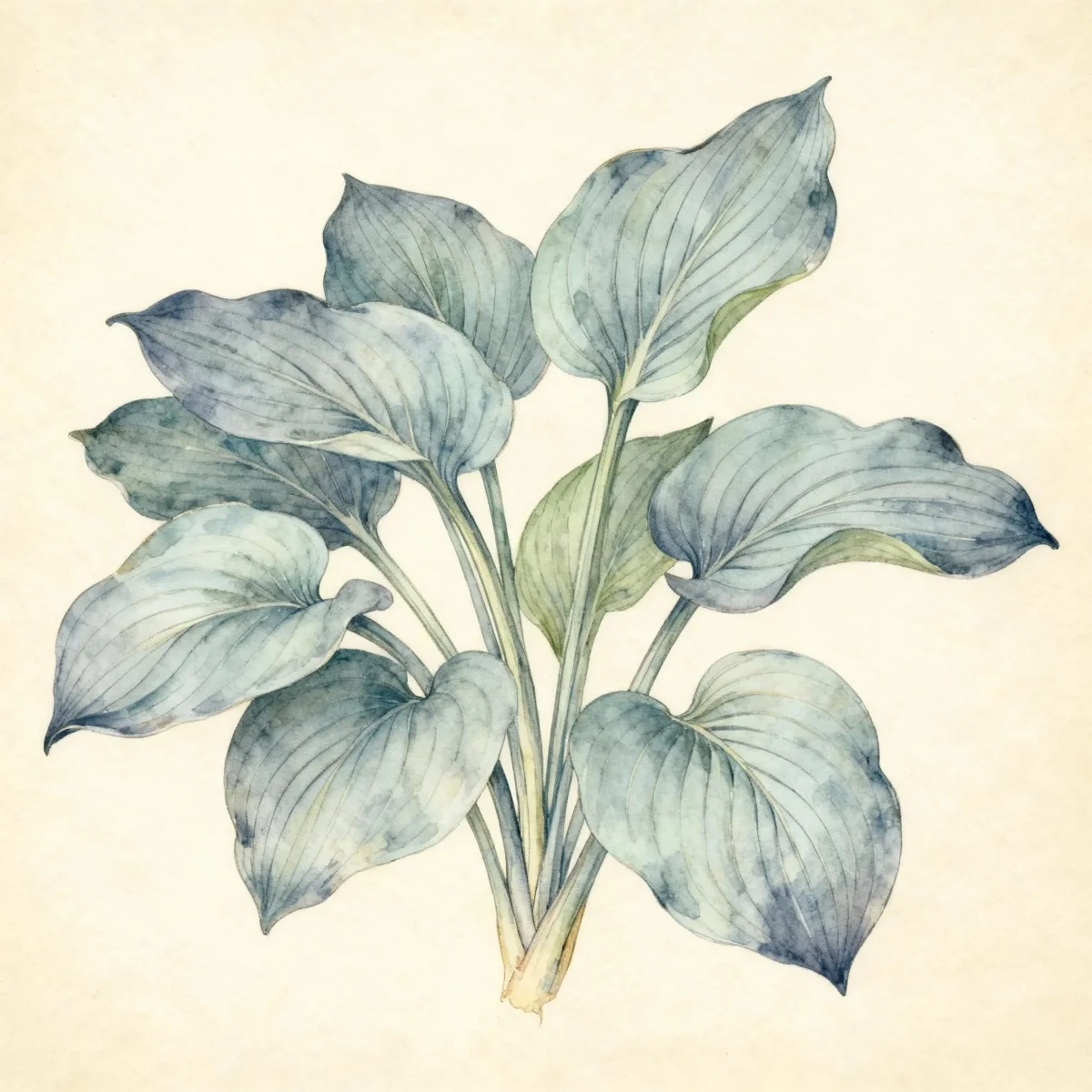
Hosta
Hosta 'Hadspen Blue'
- USDA zones
- 3–8
- Light
- Part shade to full shade
- Water
- Medium
Hosta
Hosta (Tardiana Group) 'Hadspen Hawk'
- USDA zones
- 3–8
- Light
- Part shade to full shade
- Water
- Medium
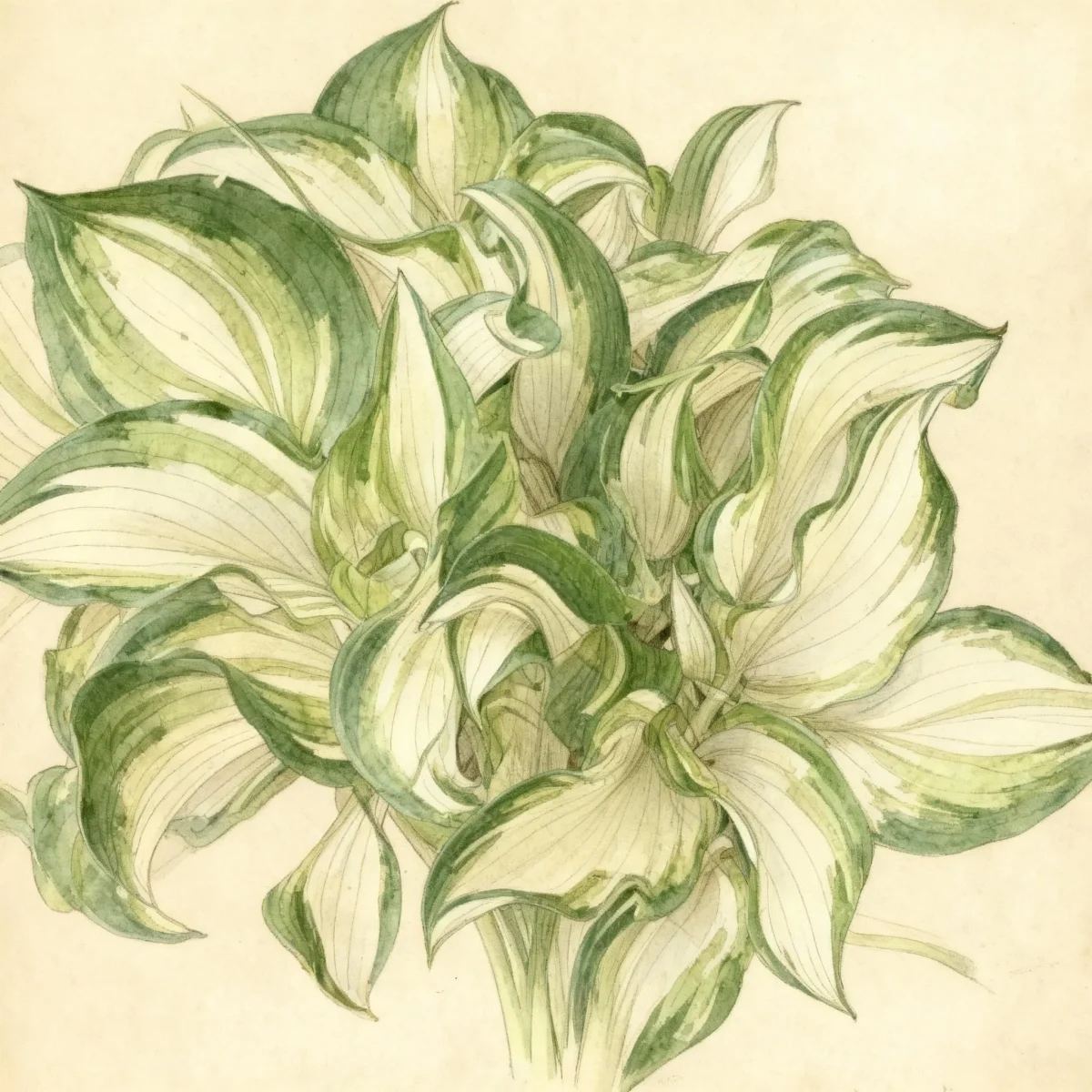
Hosta
Hosta 'Haku Chu Han'
- USDA zones
- 3–8
- Light
- Part shade to full shade
- Water
- Medium
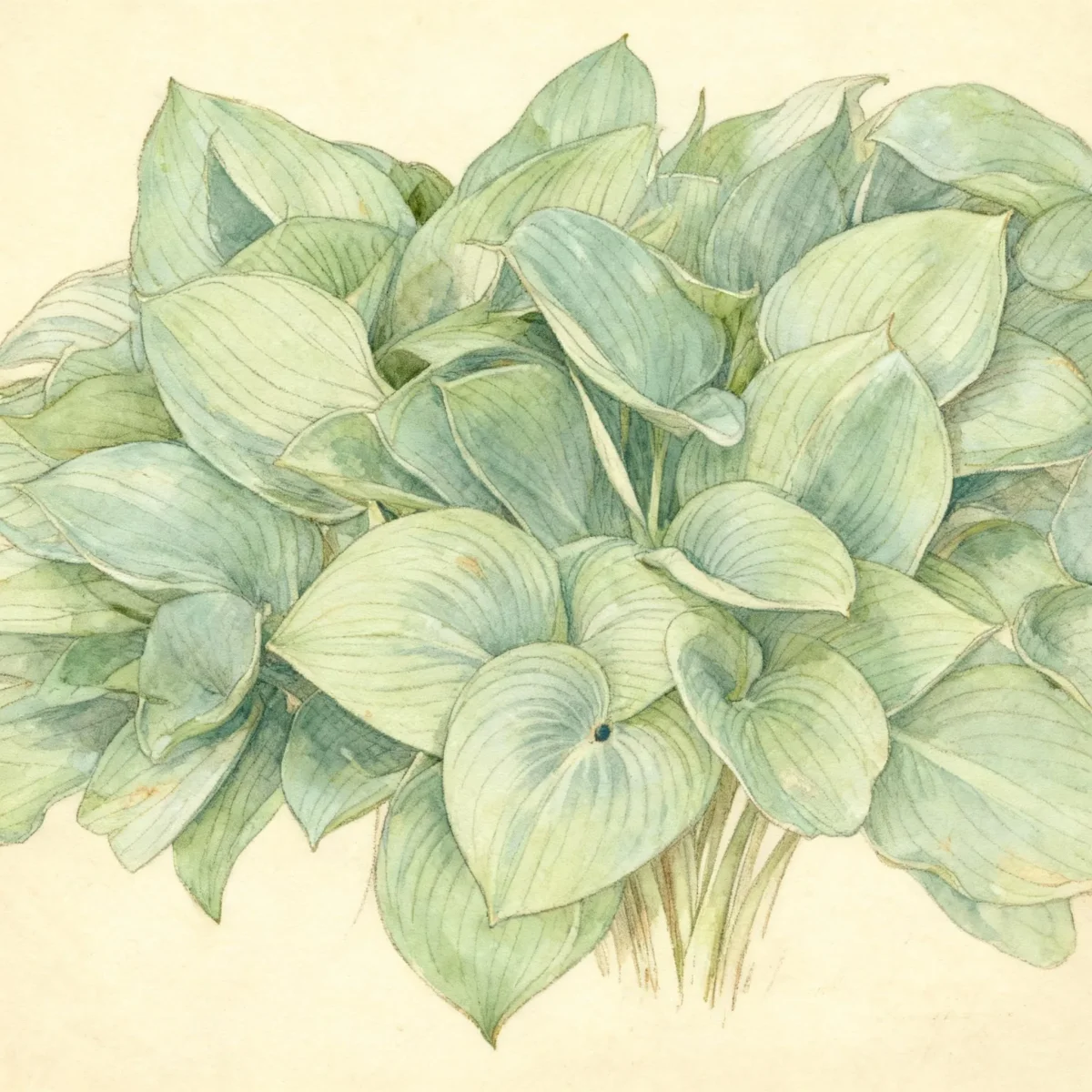
Hosta
Hosta (Tardiana Group) 'Halcyon'
- USDA zones
- 3–8
- Light
- Part shade to full shade
- Water
- Medium
Keep Learning
Test what you know with a garden quiz
You have the plant facts and care notes. Continue with a related challenge, or browse the complete quiz library.

Can You Identify These Common Garden Plants? Test Your Plant Knowledge
Think you know your roses from your peonies? Test your plant identification skills with our comprehensive garden plant quiz featuring 10 challenging questions.
Start quiz
Wild Garlic Quiz: Foraging & Facts
Think you know your wild garlic? Take this quiz to test your foraging knowledge and learn safe identification tips.
Start quizBrowse the full quizzes section
Explore plant identification, zone strategy, and seasonal gardening challenges.
View all quizzes