Hosta(Hosta 'Dancing Queen')
Grow Hosta 'Dancing Queen': unique piecrust-edged hosta that emerges bright yellow and stays yellow all season, shade siting, and USDA zones 3–8 care.
Complete Plant Information
- Hardiness zones
- USDA 3–8
- Plant type
- Herbaceous perennial
- Plant family
- Asparagaceae
- Sun exposure
- Part shade to dappled shade
- Water needs
- Medium
- Maintenance
- Low
- Height
- 1.3–1.7 ft (40–52 cm)
- Spread
- 2.5–3 ft (76–91 cm)
- Bloom time
- July to August
- Flower color
- Funnel-shaped pale lavender flowers on graceful scapes to 30 inches
- Flower qualities
- Showy, Attracts Hummingbirds
- Fruit qualities
- Not recorded
- Tolerances
- Heavy Shade, Black Walnut
- Garden uses
- Shaded border focal point, glowing woodland drift, dark corner illuminator
- Native range
- Horticultural hybrid (genus native to East Asia; Kent Terpening registration, 2005)
Field Guide Continues
Ready for care notes, companion picks, and planting tips?
The map is just the start. The full guide below covers growth habits, seasonal performance, and landscape uses.
Overview
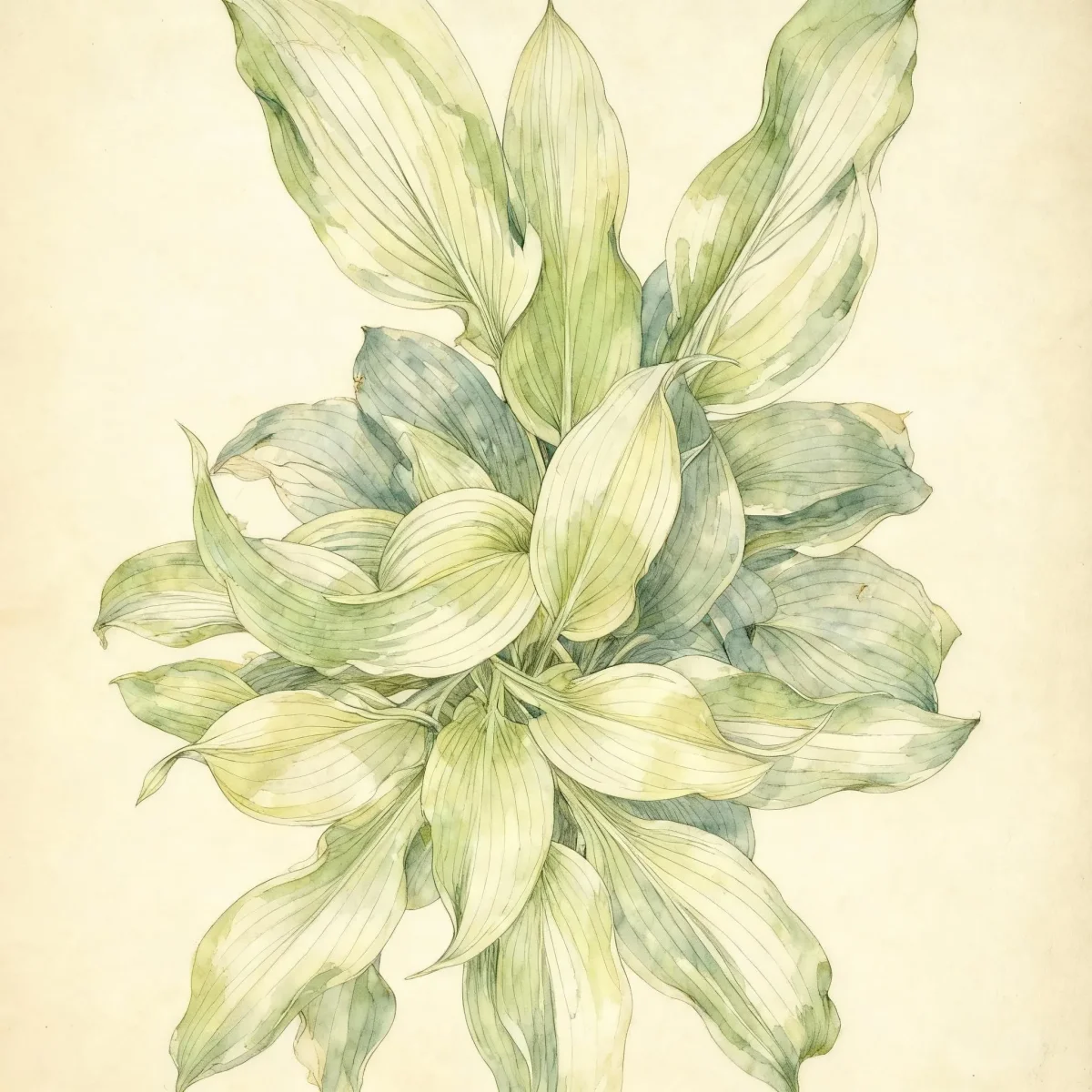
Hosta ‘Dancing Queen’ (introduced in 2005 by hybridizer Kent Terpening) is a landmark herbaceous perennial plantain lily hardy across USDA Zones 3 through 8. Within the world of hostas, it achieved legendary status by solving a long-standing genetic limitation: while older yellow hostas emerge chartreuse and bleach out, or emerge yellow and turn green by July, ‘Dancing Queen’ was the first large hosta to emerge bright canary-yellow in spring and hold that vibrant golden-yellow hue all summer until frost.
Forming an arching, fluid mound 16 to 20 inches tall and up to 3 feet wide with ruffled, piecrust-edged foliage, it acts as a permanent spotlight in shady gardens. In July and August, graceful scapes elevate pale lavender flowers that attract hummingbirds.
How to Grow
- Sunlight & Sun-Scorch Protection: Dappled canopy shade or gentle early morning sun only. While its unique chemistry holds yellow pigment without sun exposure, direct midday or harsh afternoon summer sun will scorch the tender yellow leaf tissue. Siting beneath deciduous shade trees delivers ideal conditions.
- Soil & Moisture: Prefers deep, fertile, organically rich, moist, well-draining loamy soil. Apply 1 inch of water weekly during the spring leaf-flushing window. Water directly at the root zone to avoid wetting the foliage.
- Hardiness & Winter Chill: USDA Zones 3 through 8. Requires several weeks of winter temperatures below 40°F (4°C) to satisfy winter dormancy.
- Slug Management: Thinner, softer leaf tissue than blue or seersuckered hostas makes spring shoots appealing to slugs and snails. Apply pet-safe iron phosphate bait around emerging crowns in early spring.
Landscape Uses
- Shady Focal Point: Bright canary-yellow foliage illuminates dark corners beneath heavy tree canopies where darker plants disappear.
- Woodland Border Edging: Ruffled “piecrust” leaf margins provide textural movement along shaded pathways.
- Patio Container Anchor: Thrives in large decorative pots placed in sheltered, dappled courtyard settings.
Potential Problems
- Leaf Scorch in Afternoon Sun: Direct hot sun burns thin yellow leaf margins; provide afternoon canopy shade.
- Slugs & Snails: Soft spring foliage is vulnerable to slug feeding; monitor crowns in April and May.
- Pet Safety Warning: Contains toxic saponins harmful to dogs, cats, and horses; ingestion causes vomiting, diarrhea, and lethargy.
Frequently Asked Questions
Does Hosta ‘Dancing Queen’ fade to green in summer?
No. ‘Dancing Queen’ is famous as the first hosta that emerges bright yellow in spring and retains that brilliant yellow color all summer long without fading to green.
How big does ‘Dancing Queen’ get?
It matures into an arching mound 16 to 20 inches tall and spreads 2.5 to 3 feet wide over several growing seasons.
When does ‘Dancing Queen’ bloom?
Pale lavender, funnel-shaped flowers appear on tall scapes in July and August, attracting hummingbirds and bees.
Companion Plants
Pair Hosta ‘Dancing Queen’ with shade-loving perennials that contrast with its bright yellow, ruffled foliage:
- Contrasting Blue Hostas: Plant near frosty blue-leaved hostas (like ‘Halcyon’) for dramatic color contrast.
- Ferns & Textural Grasses: Combine with Japanese painted ferns (Athyrium niponicum) or Japanese forest grass (Hakonechloa macra).
- Flowering Shade Companions: Interplant with bleeding hearts (Dicentra spectabilis), columbines (Aquilegia), or red astilbes.
Sources & Lineage
- Missouri Botanical Garden PlantFinder: Record taxon 273043 (Hosta ‘Dancing Queen’) — cultivar introduction (Terpening 2005), dimensions, and culture.
- American Hosta Society (AHS): Cultivar Registry: Hosta ‘Dancing Queen’ — registration data, Terpening hybrid background, and true-yellow evaluation.
- ASPCA Animal Poison Control: Hosta Saponin Profile — pet toxicity and clinical signs.
Recommended Companion Plants
Hosta
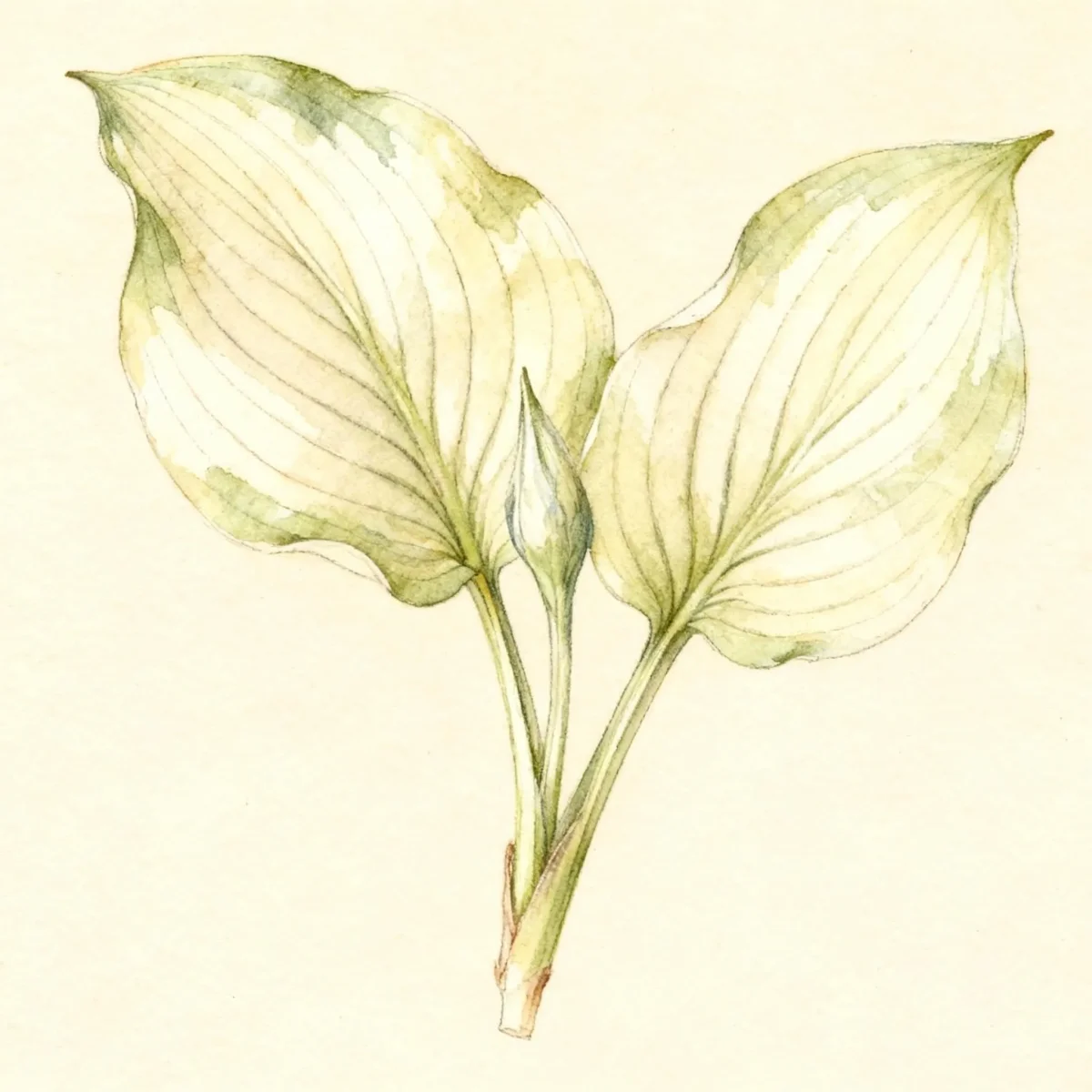
Hosta 'August Moon'
- USDA zones
- 3–8
- Light
- Part shade to dappled shade
- Water
- Medium
Hosta
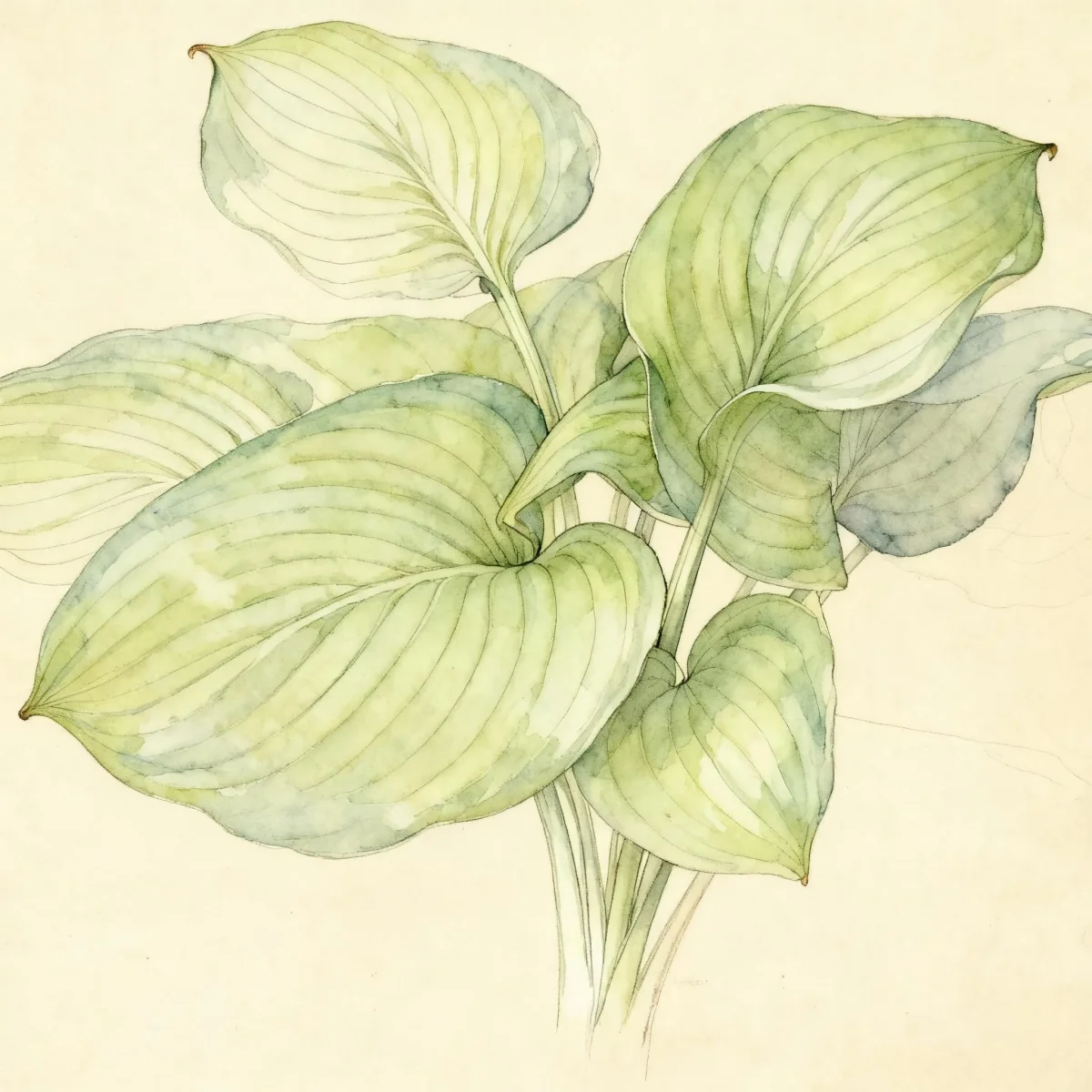
Hosta 'Guacamole'
- USDA zones
- 3–8
- Light
- Part shade to full shade
- Water
- Medium
Hosta
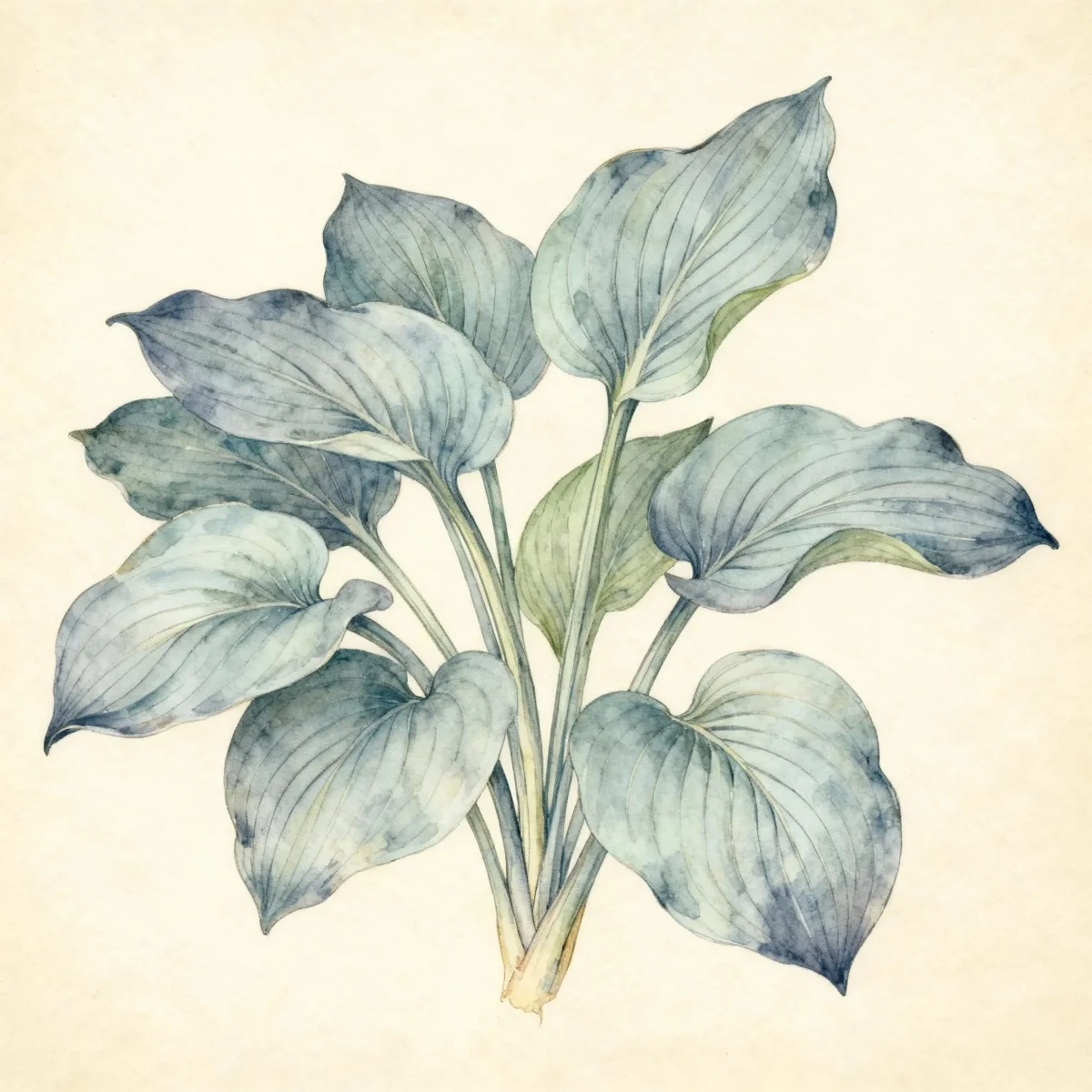
Hosta 'Hadspen Blue'
- USDA zones
- 3–8
- Light
- Part shade to full shade
- Water
- Medium
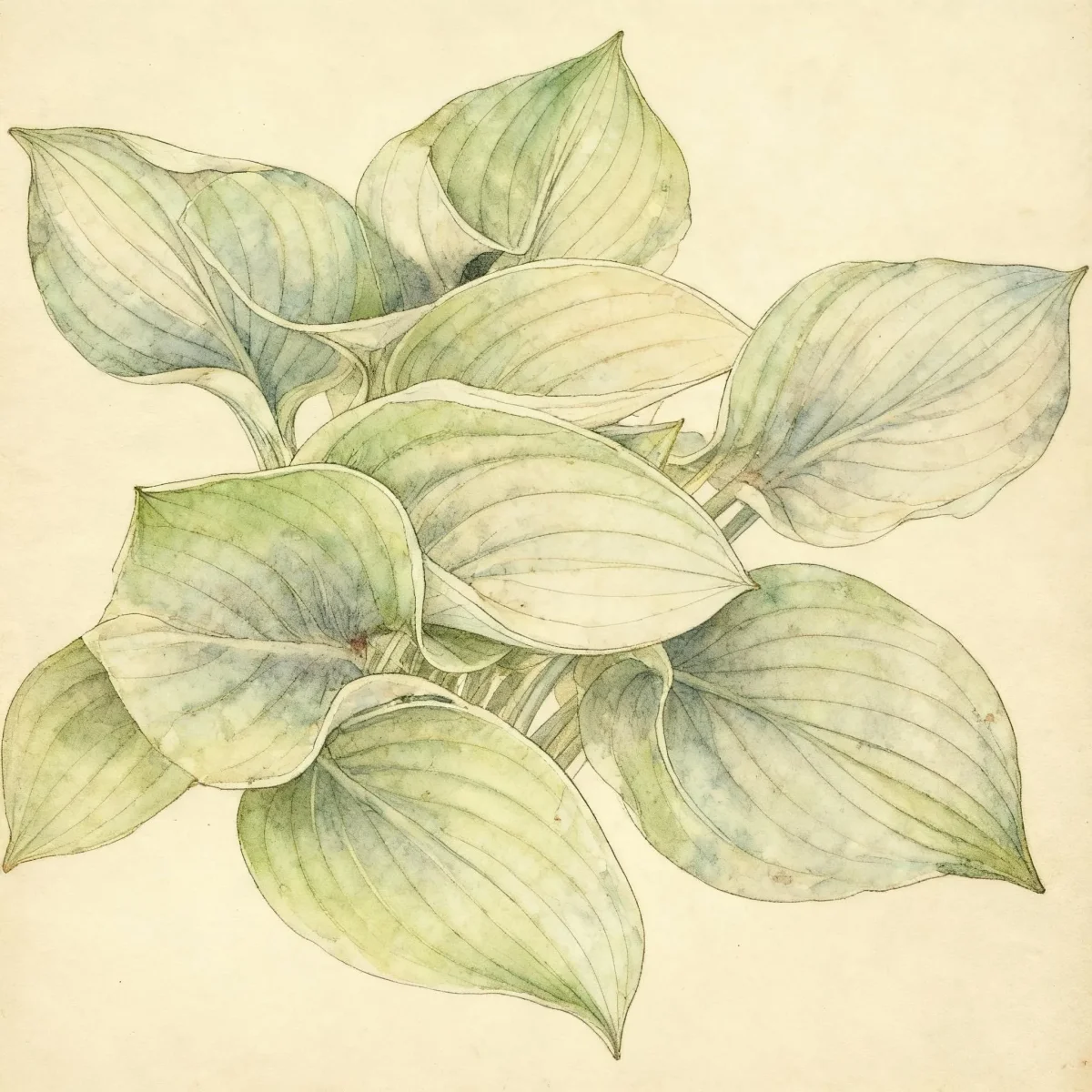
Hosta
Hosta (Tardiana Group) 'Hadspen Hawk'
- USDA zones
- 3–8
- Light
- Part shade to full shade
- Water
- Medium
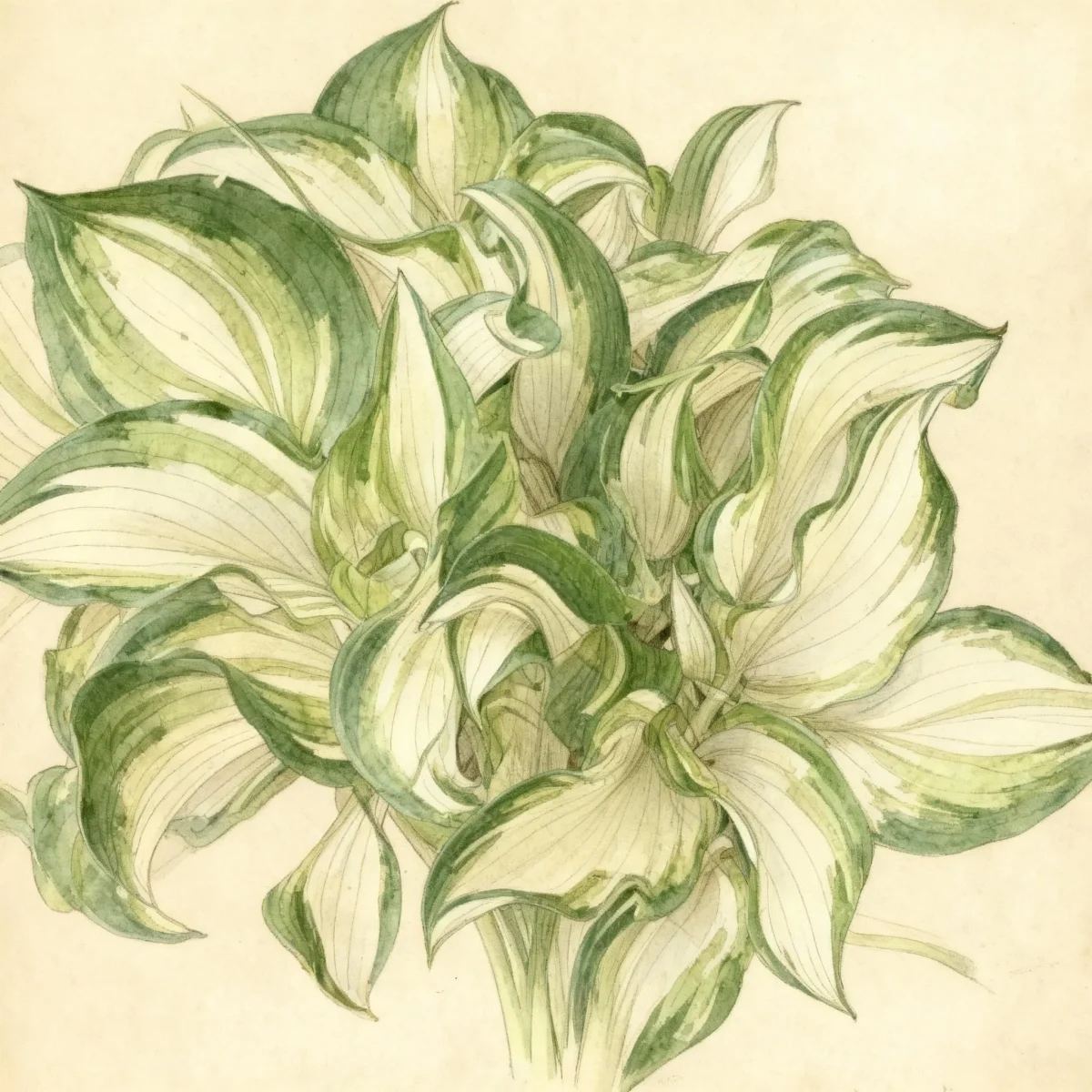
Hosta
Hosta 'Haku Chu Han'
- USDA zones
- 3–8
- Light
- Part shade to full shade
- Water
- Medium
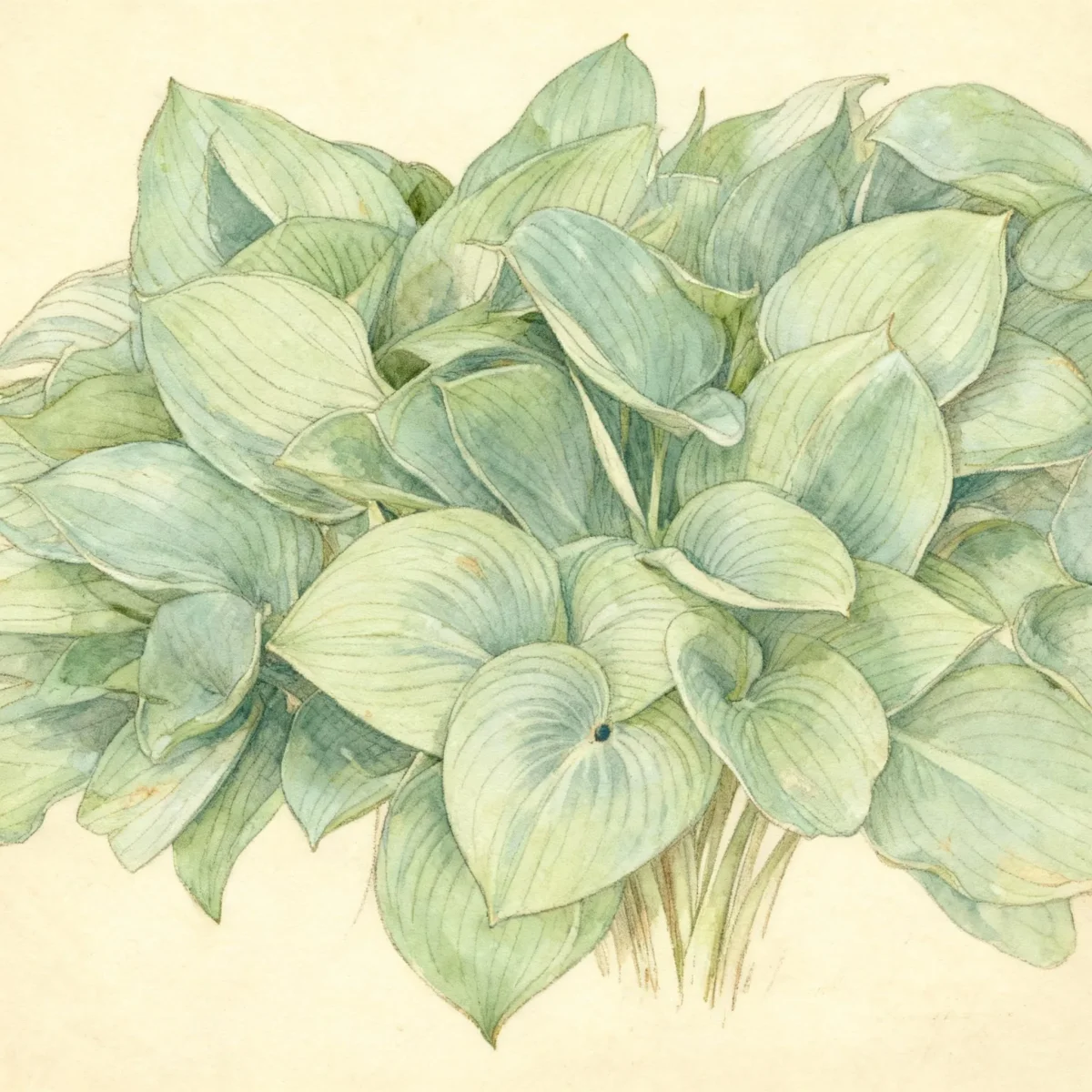
Hosta
Hosta (Tardiana Group) 'Halcyon'
- USDA zones
- 3–8
- Light
- Part shade to full shade
- Water
- Medium
Keep Learning
Test what you know with a garden quiz
You have the plant facts and care notes. Continue with a related challenge, or browse the complete quiz library.
Spring Garden Basics
Ready for spring? Test your gardening knowledge!
Start quiz
Can You Identify These Common Garden Plants? Test Your Plant Knowledge
Think you know your roses from your peonies? Test your plant identification skills with our comprehensive garden plant quiz featuring 10 challenging questions.
Start quizBrowse the full quizzes section
Explore plant identification, zone strategy, and seasonal gardening challenges.
View all quizzes