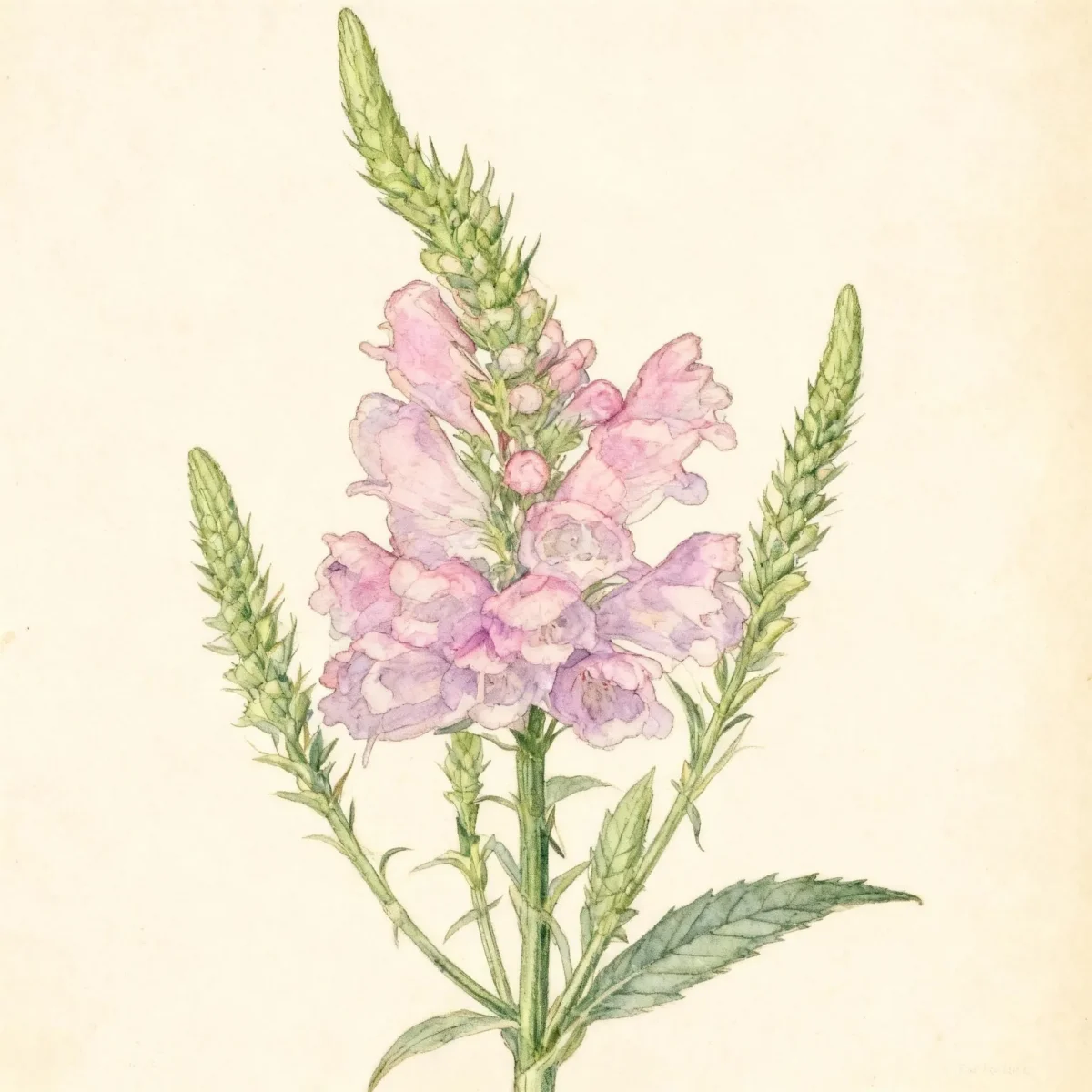
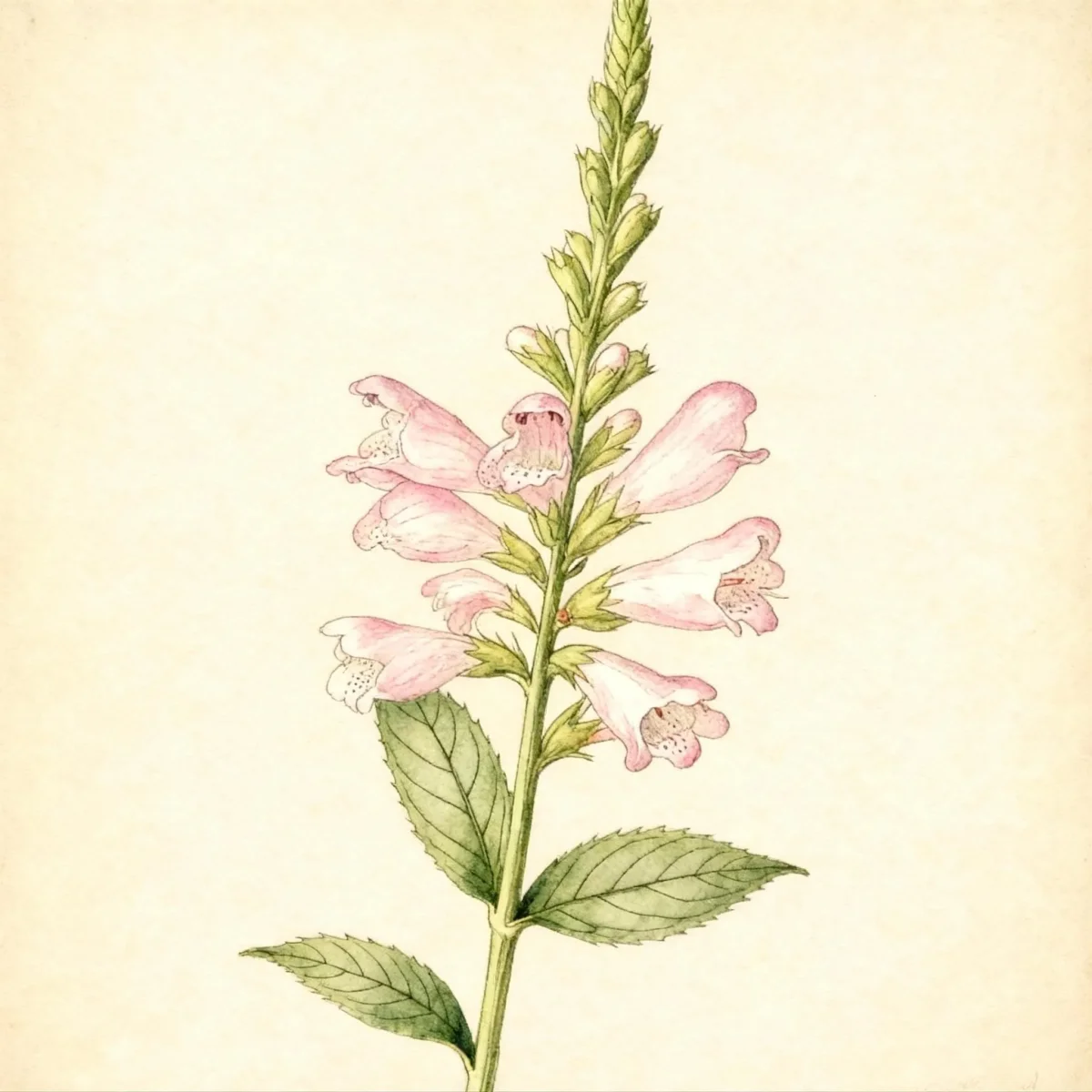
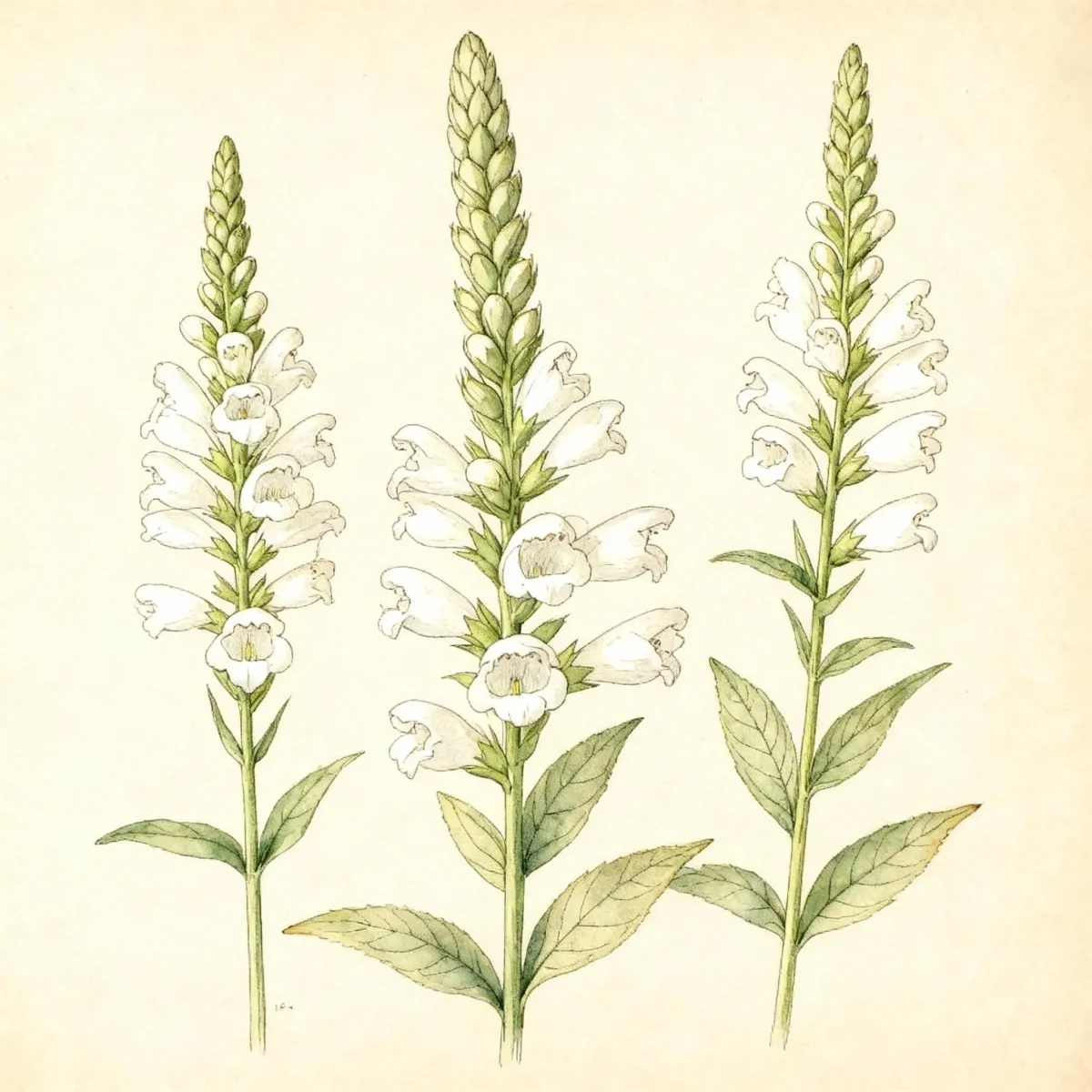
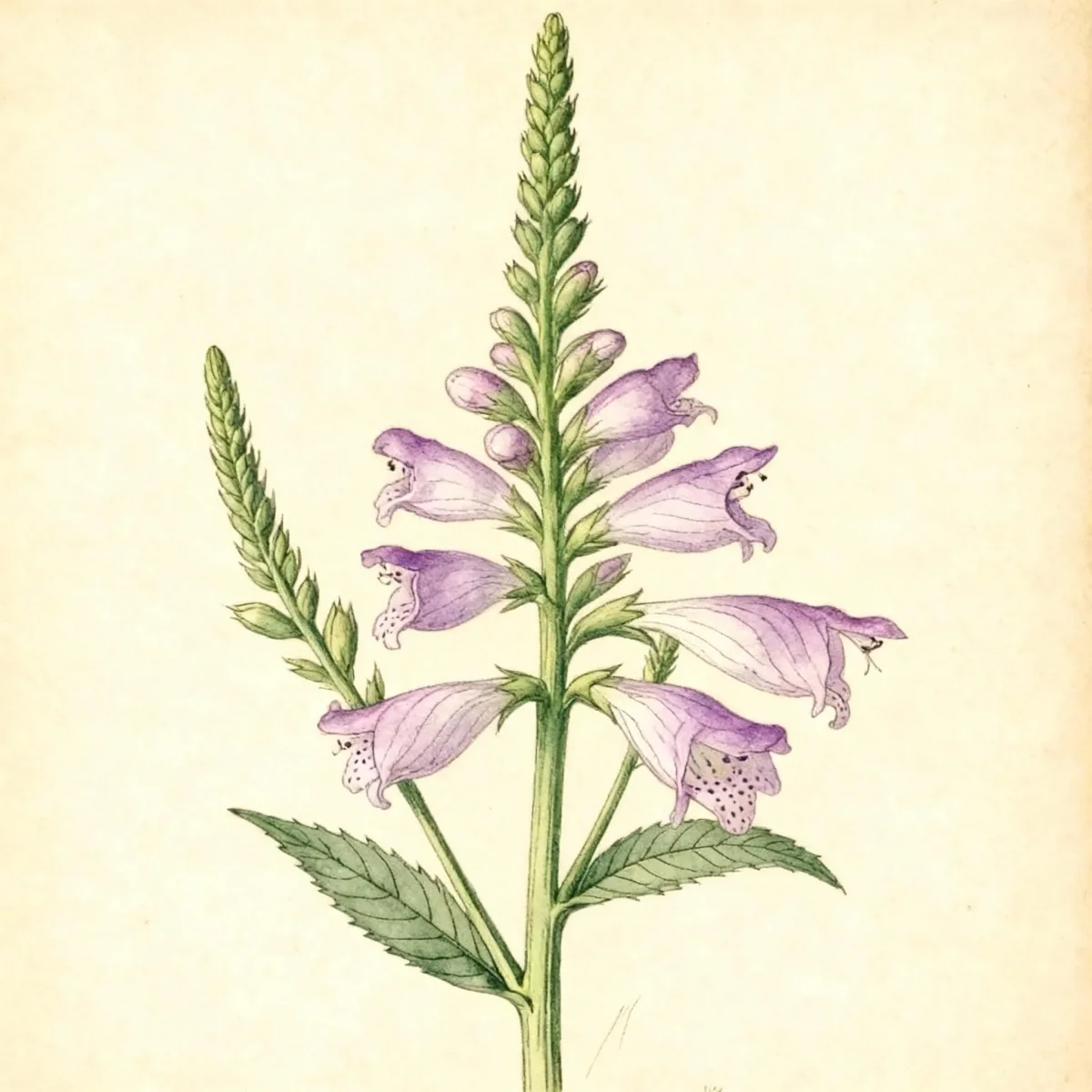
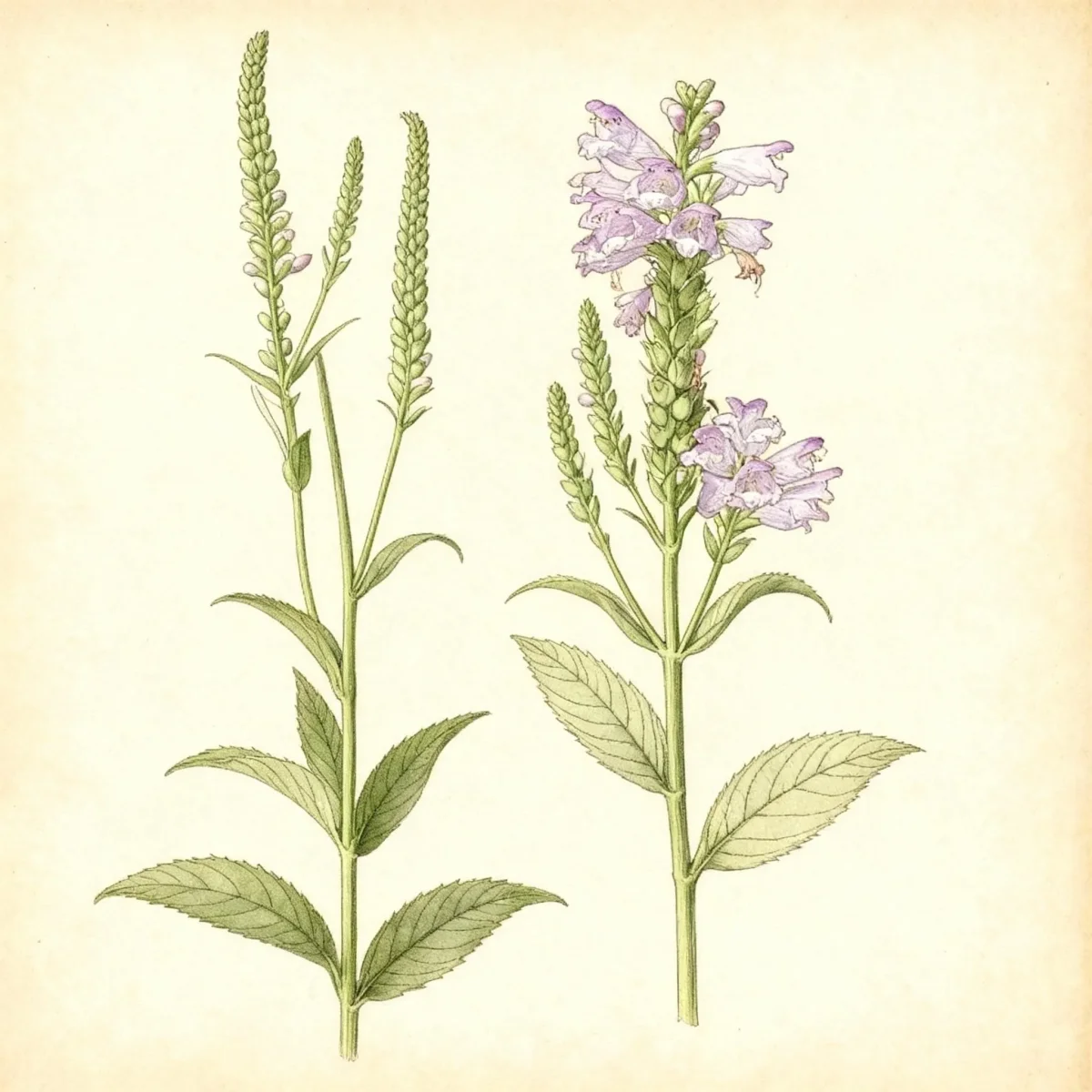
Obedient plant (Physostegia virginiana 'Alba')
Discover Physostegia virginiana 'Alba', the white-flowering Obedient plant. Hardy in Zones 3-9, known for medium water needs and summer blooms.
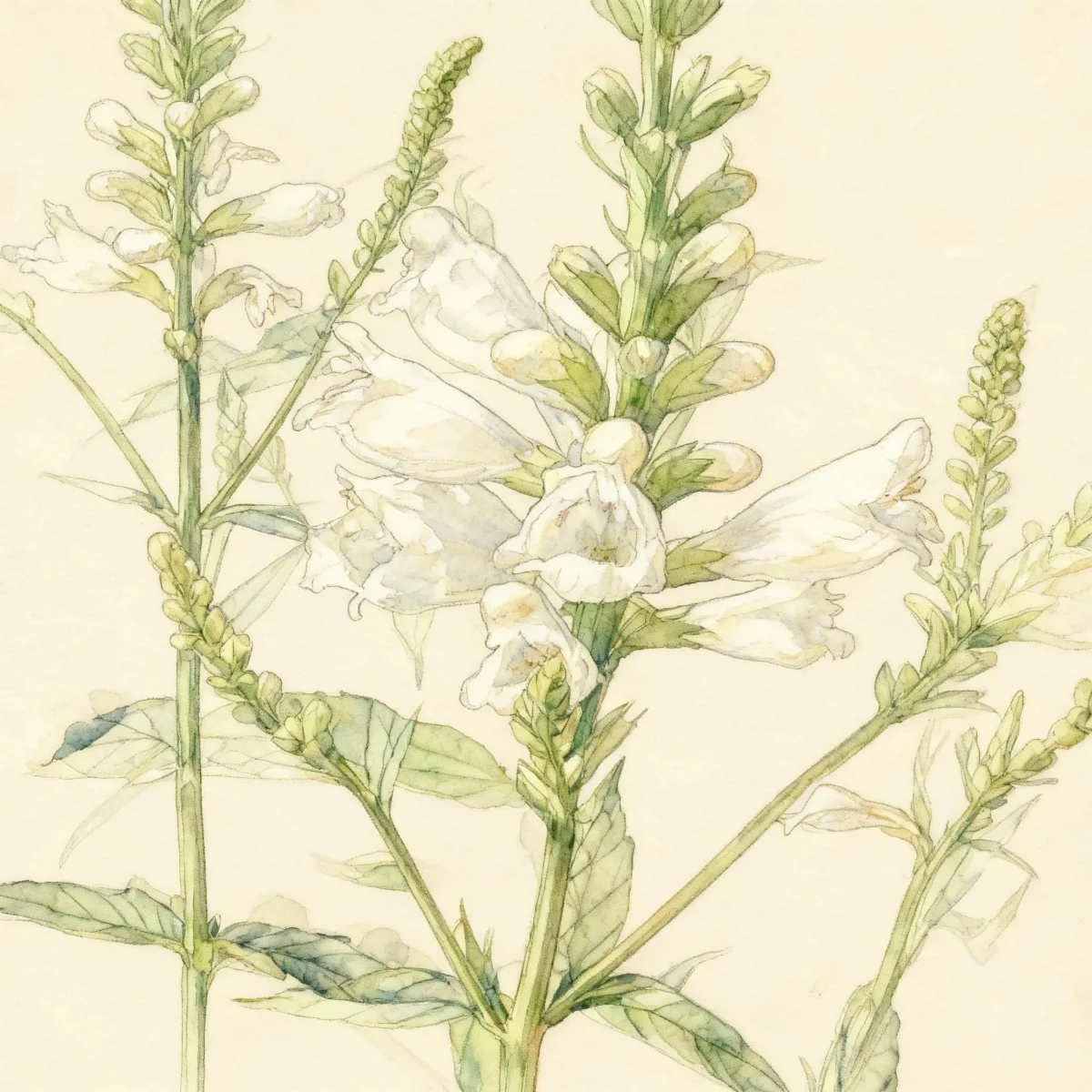

Bloom Boldly, No Matter the Season - Sweatshirt
Cozy organic cotton sweatshirt featuring our exclusive Purple Coneflower design. Perfect for gardeners who bloom year-round.
Inspired by the beautiful Obedient plant
Limited first batch (50) — join the waitlist for early access
Waitlist closes Feb 15, 2026.
Complete Plant Information
Field Guide Continues
Ready for care notes, companion picks, and planting tips?
The map is just the start. The full guide below covers growth habits, seasonal performance, and landscape uses.
Overview
Physostegia virginiana ‘Alba’, commonly known as the Obedient plant, offers vertical interest in the garden with its dense spikes of pure white, tubular flowers. This North American native perennial is prized not only for its late-season color but also for the unique quality that lends it its common name, as individual flowers temporarily hold their position when touched. Growing to a manageable height of 1.5 to 2 feet, Physostegia virginiana ‘Alba’ fits well into many perennial borders, providing structure from mid-summer into the fall months. Gardeners appreciate this cultivar for its reliable performance across a wide range of hardiness zones, provided its moisture needs are met.
This rhizomatous perennial is best known for thriving in moist conditions, making it an excellent choice for rain gardens or near water features where other plants might struggle. While it prefers full sun for the best bloom density, it can tolerate some partial shade, though excessive shade can lead to flopping stems. Cultivating the Obedient plant ensures you have consistent white blooms during June through September, attracting attention until true autumn color arrives.
A key consideration for maximizing the visual impact of Physostegia virginiana ‘Alba’ is managing its spread and potential for legginess. Due to its rhizomatous nature, it can naturalize enthusiastically, quickly filling in larger areas, which is beneficial for mass plantings or meadow designs. By providing proper support, especially in richer soils, you can maintain the upright habit of this handsome white-flowering perennial.
Fast Facts
- Plant Family: Lamiaceae
- Plant Type: Herbaceous perennial
- Hardiness Zones: USDA Zones 3-9
- Size at Maturity:
- Height: 1.5-2 ft
- Spread: 1.5-2 ft
- Bloom Time: June to September
- Bloom Description: White
- Sun Exposure: Full sun
- Water Needs: Medium
- Maintenance Level: Medium
How to Grow
The optimal planting time for Physostegia virginiana ‘Alba’ is typically in the spring after the danger of hard frost has passed, or in the fall before the ground freezes. Locate your Obedient plant where the soil is consistently moist, as they thrive in wet conditions, making them excellent candidates for rain gardens. The soil should be average to moist, acidic, and reasonably well-drained, although this variety tolerates clay soil surprisingly well.
Ongoing care centers around moisture management and addressing the plant’s tendency to lean. Ensure the area receives medium water, especially during dry spells, to keep the soil consistently damp. While generally easygoing, fertilizer should be used sparingly in rich soils, as excessive nutrients are a primary cause of weak, flopping stems. Taller specimens may benefit from staking early in the season, or you can site them where they receive some protection from strong winds or afternoon heat.
Maintenance is fairly low once established. Cleanup involves cutting back the dead stems in late winter or early spring before new growth emerges. Be aware that the species can aggressively spread via rhizomes and self-seeding, so plan for division every few years if you wish to control its footprint or prevent overcrowding in tight borders. This plant is quite tolerant of some competition and slight shade variation.
Landscape Uses
The recommended uses for Physostegia virginiana ‘Alba’ are broad, particularly in designs aiming for a softer, more natural appearance. Its height and moisture tolerance make it superb for naturalizing in wild gardens or prairies where it can mingle with native grasses and other moisture-loving perennials, creating sweeping drifts of white color from June through September. In wetter areas, it is an indispensable component for developing a structured, yet ecologically functional, rain garden display.
For more formal settings, the upright habit of the Obedient plant lends itself well to the back or middle of mixed perennial borders, where its sturdy stems anchor taller plants or provide contrast against low, mounding groundcovers. Use it to create linear accents or repeating patterns along paths or near pond edges. White flowers are inherently versatile, pairing beautifully with blues, purples, and deep greens, ensuring your Physostegia virginiana ‘Alba’ adds elegance without clashing with surrounding colors.
Standout Features
Flower Qualities
- Showy
Noteworthy Characteristics
Physostegia virginiana, commonly called obedient plant or false dragonhead, is a rhizomatous perennial that is native to North America from Quebec to Manitoba south to Florida and New Mexico. In Missouri, it is commonly found in a variety of habitats including open meadows, prairies, stream banks, gravel bars, wooded bluff bases and railroad track right-of-ways (Steyermark). Tubular, two-lipped, snapdragon-like, pink to pale lilac flowers in upright terminal spikes (each to 12-18”) bloom throughout summer (late June-September) atop square stems rising to 2-4’ tall. Flowers bloom bottom to top on each spike, with each flower being subtended by a small leaf-like bract. Stems are clad with opposite, narrow-lanceolate, sharply-toothed leaves (to 3-6” long). Genus members are commonly called obedient plants because each individual flower will, upon being pushed in any one direction, temporarily remain in the new position as if it were hinged. ‘Alba’ features dense spikes of pure white flowers.
Tolerances
- Deer
- Clay Soil
Potential Problems
Rust is an occasional problem for the Obedient plant, particularly when air circulation is poor or humidity is high. Inspect foliage regularly, especially as summer progresses, for signs of rusty orange or brown pustules on the undersides of leaves. If rust appears, promptly remove infected foliage and ensure you provide adequate spacing when planting to promote airflow around the stems of Physostegia virginiana ‘Alba’.
Aphids and spider mites can also pose threats, though usually minor unless the plant is under stress from drought or extreme heat. Maintaining consistent moisture levels is crucial for keeping the plant vigorous enough to resist pest outbreaks. Should infestations occur, treatment often involves a strong spray of water to dislodge pests or the application of insecticidal soap, following label directions carefully.
Gardeners must specifically watch out for the aggressive spreading habit of the species plants, which can lead to domination in smaller beds. While ‘Alba’ is generally manageable, monitoring rhizome expansion is prudent. Containment through edging or regular division is the best preventative measure against this enthusiastic colonization.
Frequently Asked Questions
What hardiness zones is Obedient plant suitable for?
Physostegia virginiana ‘Alba’ is hardy across a wide range, thriving reliably in USDA Zones 3 through 9.
How large does Obedient plant grow?
This perennial typically reaches a height between 1.5 to 2 feet, with a similar spread of 1.5 to 2 feet at maturity.
What sun exposure does Obedient plant need?
For best results, ensure your Physostegia virginiana ‘Alba’ receives full sun, although it will tolerate some part shade.
When does Obedient plant bloom?
The flowers bloom from June right through September, offering masses of attractive white blossoms.
Conclusion
The presence of pure white, upright flower spikes makes Physostegia virginiana ‘Alba’ an essential vertical element late in the growing season. Its tolerance for moisture and clay soil adds significant functional value to diverse garden situations, from manicured borders to naturalized areas. Plan your planting now and ensure consistent moisture to enjoy the unique appeal of the Obedient plant for years to come.
Companion Planting
When incorporating Physostegia virginiana ‘Alba’ into a border, pairing it with plants that appreciate similar moist soil conditions enhances the overall display. Consider complementary textures and bloom times. Yellow-flowering plants, such as certain cultivars of Rudbeckia (Black-eyed Susan) or taller daylilies, offer a stunning contrast against the crisp white spikes of the Obedient plant.
For a true rain garden design, group Physostegia virginiana ‘Alba’ with other moisture-lovers like cardinal flower (Lobelia cardinalis) or Joe Pye Weed (Eutrochium species). These companions share cultural needs and create a layered, lush look that slows and absorbs runoff effectively. The late summer bloom time overlaps perfectly, ensuring continuous visual interest through early autumn.
If seeking contrasting foliage, consider pairing this upright perennial with hostas, particularly those with deep green or blue-green leaves, placed slightly away where the hosta benefits from some shade while the Obedient plant enjoys its preferred sunlit position. This combination provides structural interest even when the flowers are not present.
Wildlife Benefits
The tubular structure of the Obedient plant’s flowers is highly attractive to long-tongued pollinators, making Physostegia virginiana ‘Alba’ a valuable addition for supporting local insect populations. Hummingbirds are frequently drawn to the nectar concealed deep within the white blossoms during the middle to late summer peak.
While the primary aesthetic benefit is floral, the persistent seed heads left standing post-bloom can offer residual interest and minor foraging opportunities for small birds transitioning into winter months. Proper placement ensures this plant contributes to the ecological complexity of a native or wild garden space.
Planting masses of this native perennial, rather than solitary specimens, significantly increases its attractiveness to foraging bees and butterflies moving through the garden during its long bloom window from June well into September.