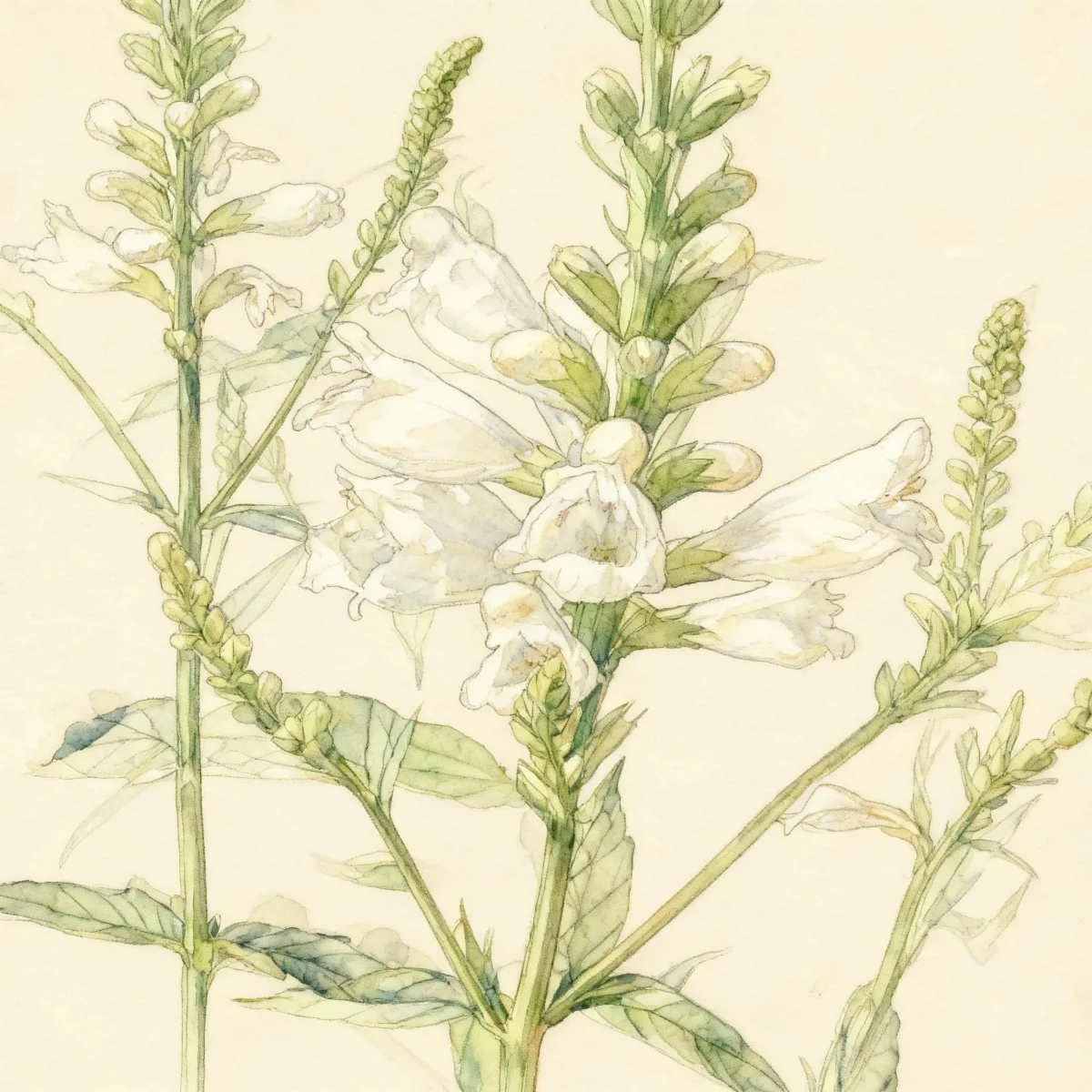
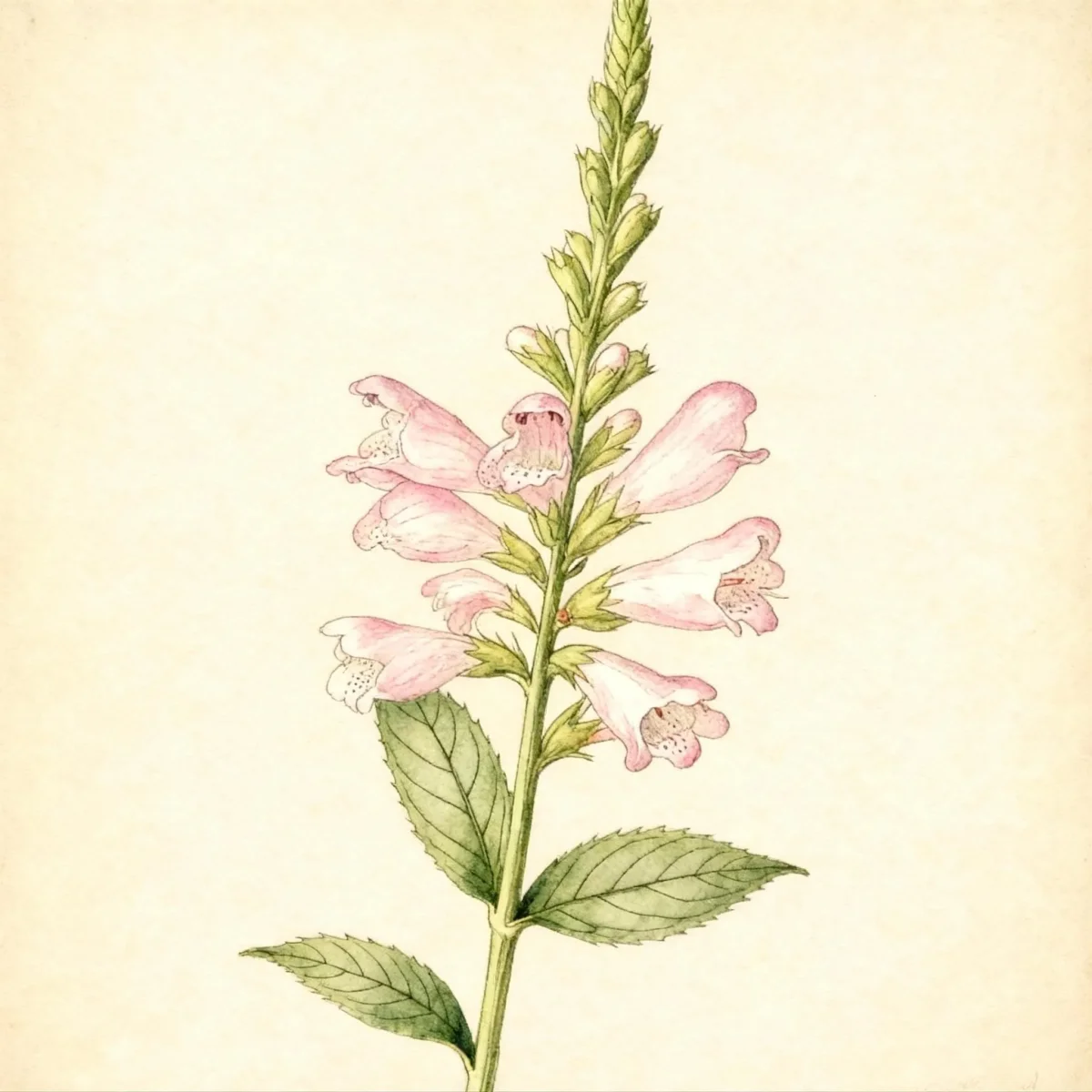
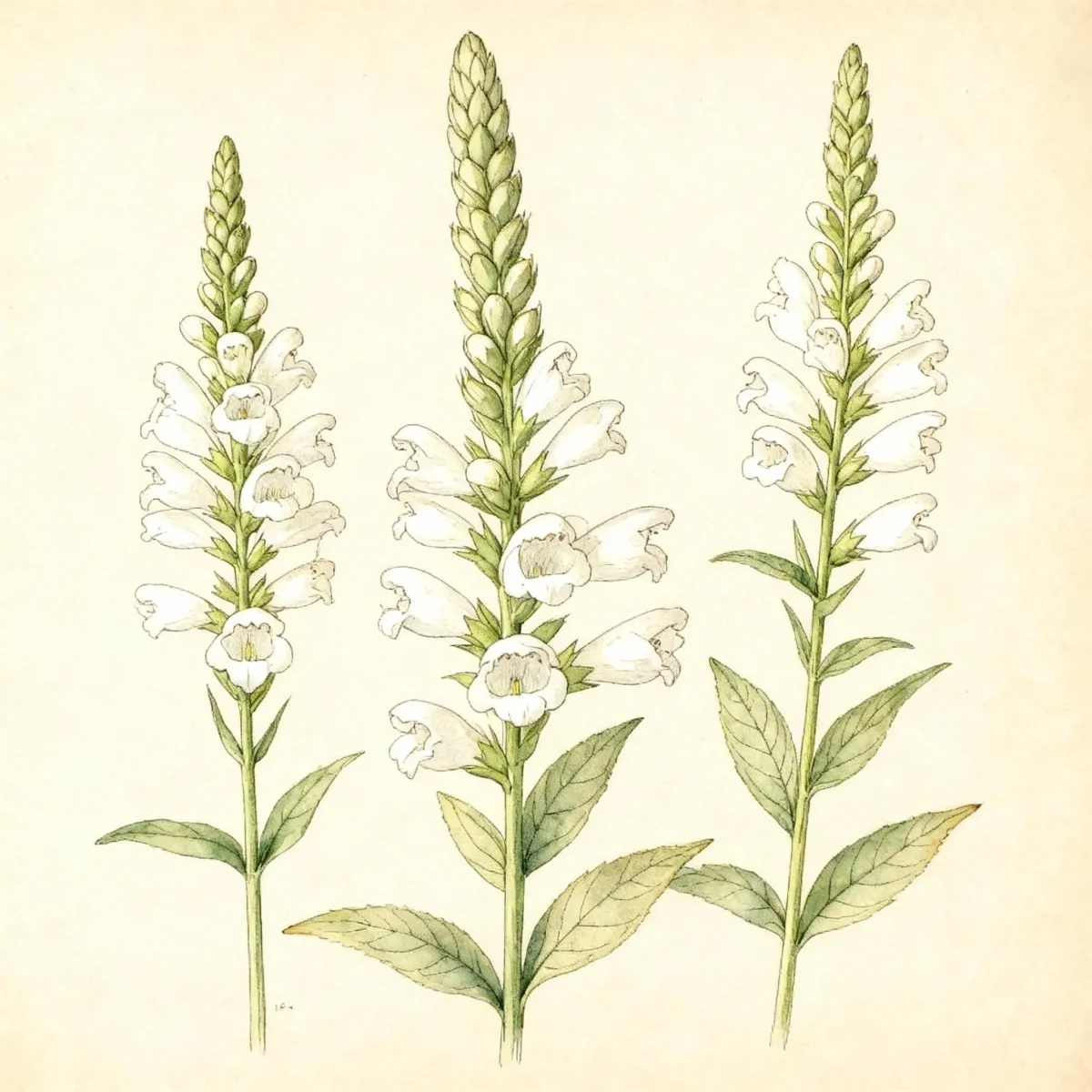
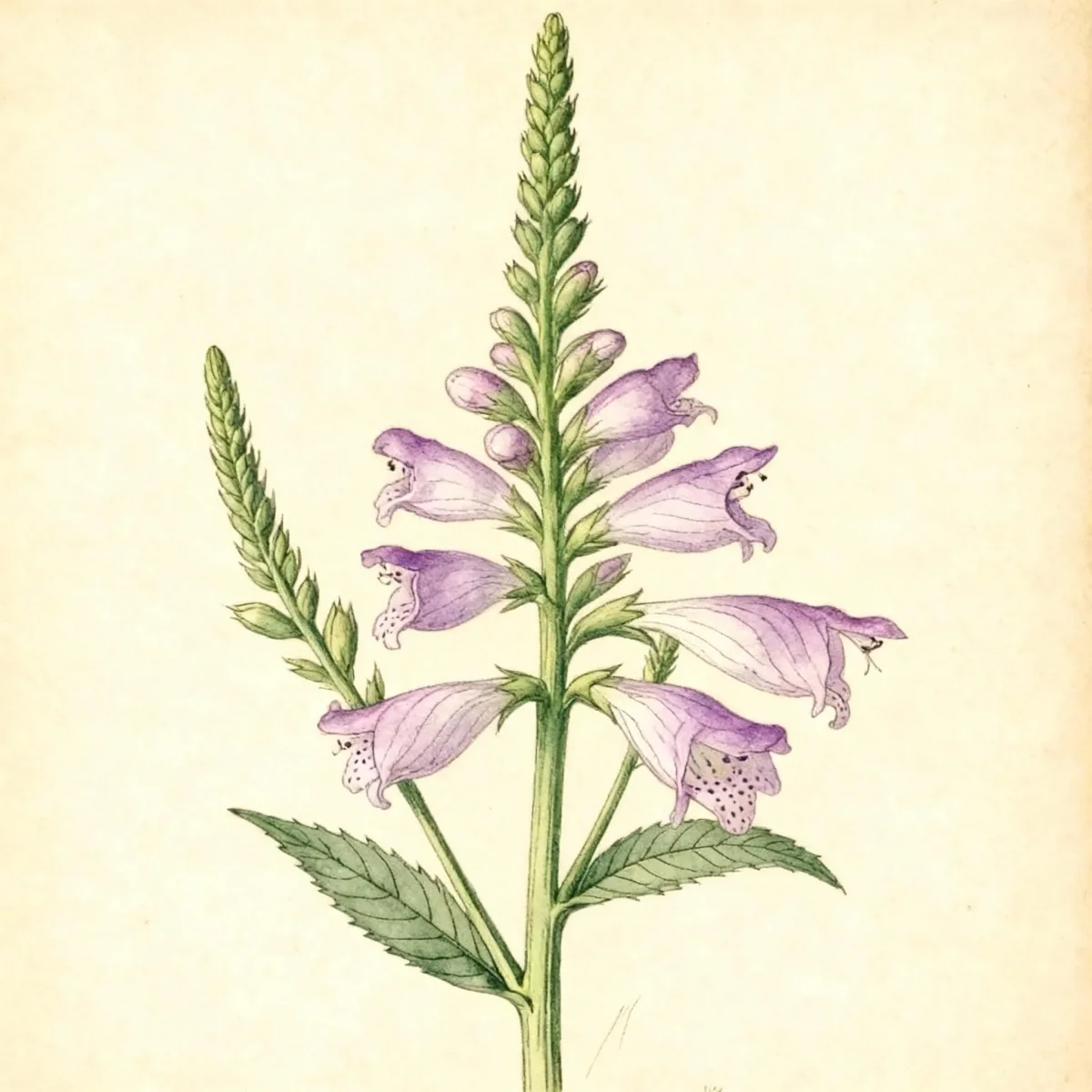
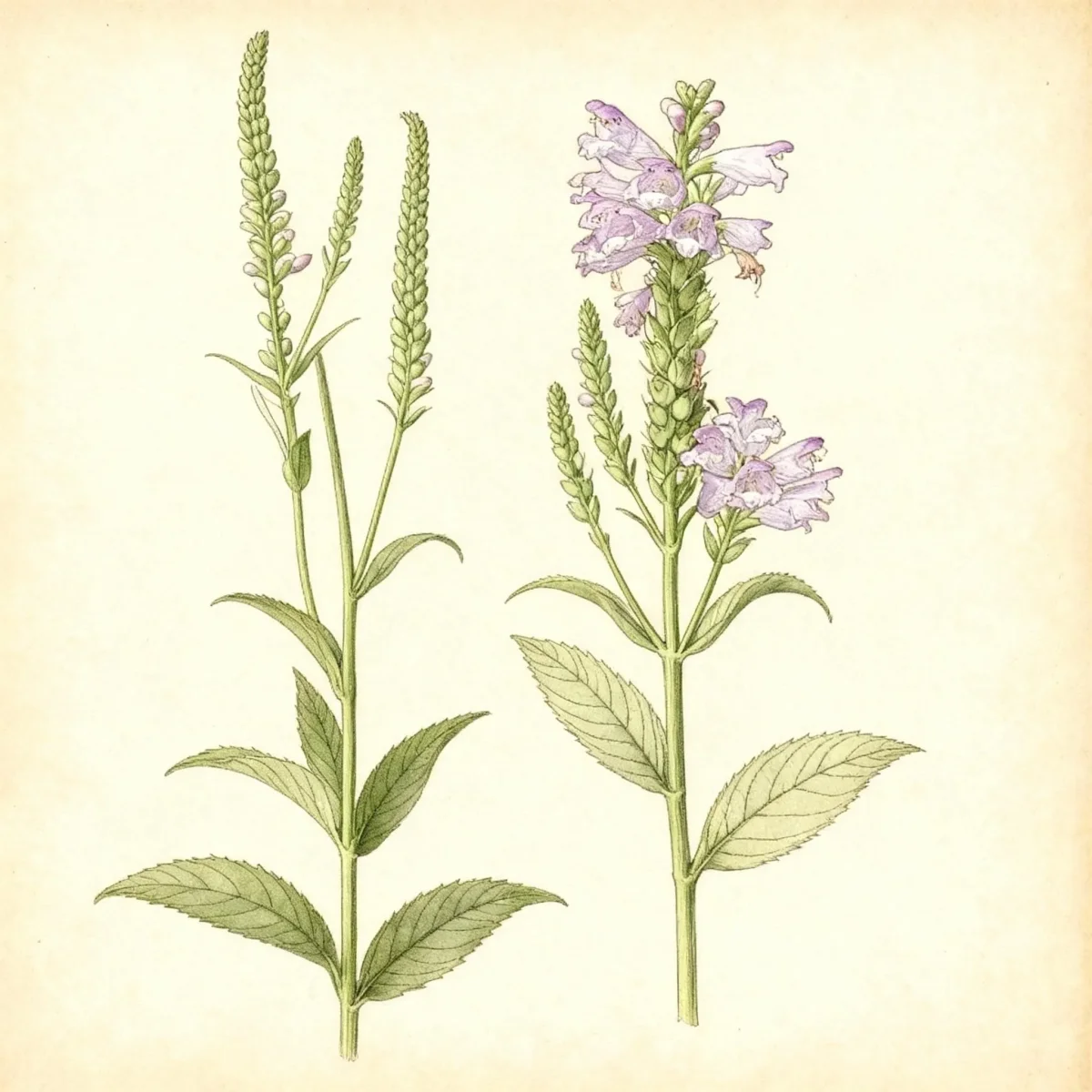
Obedient plant (Physostegia virginiana 'Vivid')
The compact Physostegia virginiana 'Vivid' (Obedient plant) offers dense spikes of rich pink flowers from June to September. Ideal for moist areas in full sun.
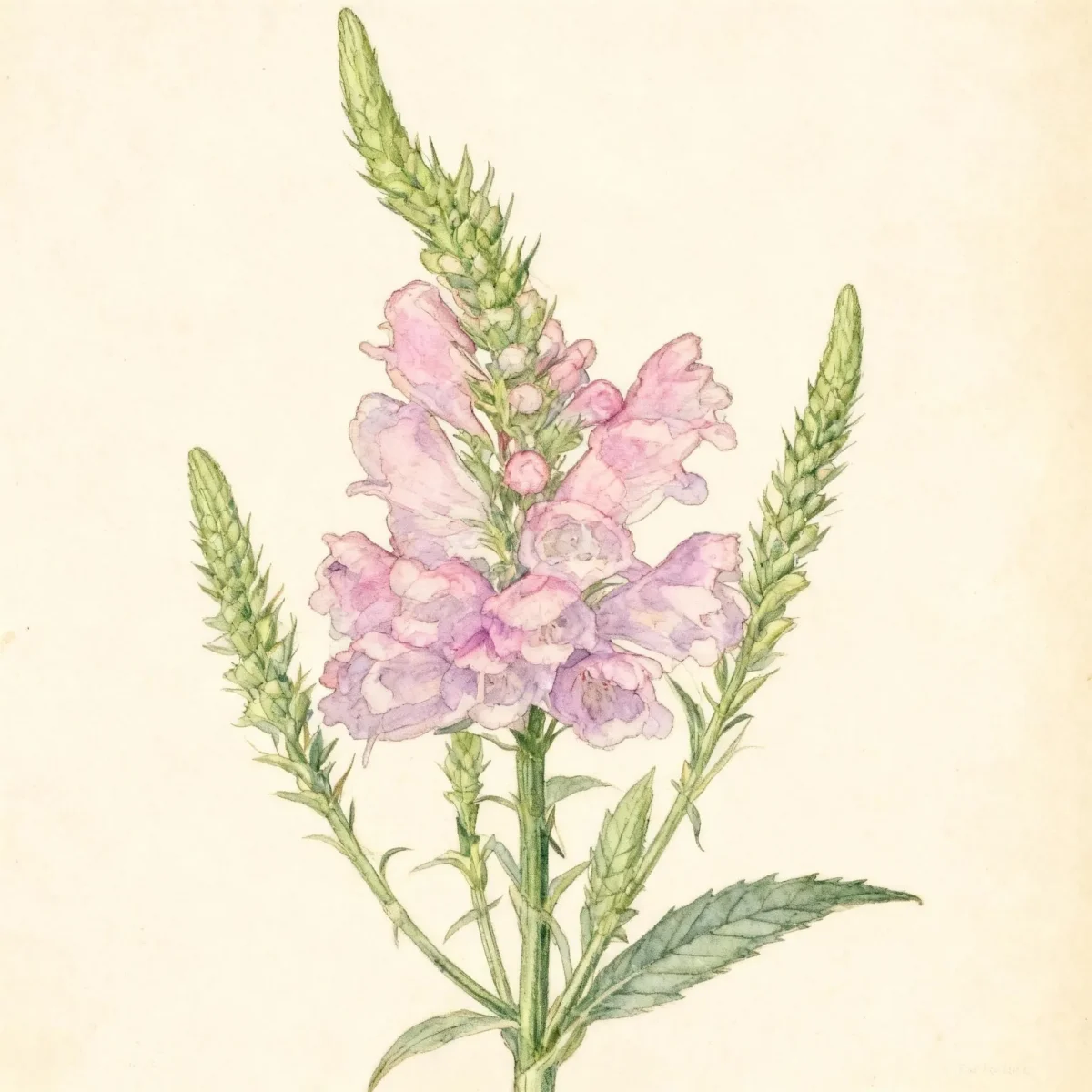

Bloom Boldly, No Matter the Season - Sweatshirt
Cozy organic cotton sweatshirt featuring our exclusive Purple Coneflower design. Perfect for gardeners who bloom year-round.
Inspired by the beautiful Obedient plant
Limited first batch (50) — join the waitlist for early access
Waitlist closes Feb 15, 2026.
Complete Plant Information
Field Guide Continues
Ready for care notes, companion picks, and planting tips?
The map is just the start. The full guide below covers growth habits, seasonal performance, and landscape uses.
Overview
The compact Physostegia virginiana ‘Vivid’ is a favorite amongst gardeners for providing reliable late-season color when many other perennials begin to fade. Known commonly as the Obedient plant, this cultivar offers dense spikes of vibrant, snapdragon-like pink flowers that bloom continuously from early summer into early autumn. Its upright, stiff stems provide excellent vertical structure in the garden bed.
This rhizomatous perennial is valued for its ability to thrive in moist conditions, making it a crucial component for rain gardens and waterside plantings. While the standard Physostegia virginiana can be an aggressive spreader, the Physostegia virginiana ‘Vivid’ cultivar tends to form a more manageable clump, although rhizomes will still expand over time.
For gardeners seeking long-lasting mid to late-summer interest, the Obedient plant delivers consistent performance. Its bright pink blooms attract pollinators, and its neat stature (typically 1 to 2 feet tall) keeps borders tidy throughout the growing season, requiring minimal fuss once established.
Fast Facts
- Plant Family: Lamiaceae
- Plant Type: Herbaceous perennial
- Hardiness Zones: USDA Zones 3-9
- Size at Maturity:
- Height: 1-2 ft
- Spread: 1-1.5 ft
- Bloom Time: June to September
- Bloom Description: Pink
- Sun Exposure: Full sun
- Water Needs: Medium
- Maintenance Level: Medium
How to Grow
Planting should ideally occur in spring or early fall. Site your Physostegia virginiana ‘Vivid’ where it receives full sun for the best flower production, although it tolerates some part shade. This plant thrives in average soils that are kept consistently moist and ideally acidic.
Proper care involves ensuring adequate water, especially during hot, dry spells, as it requires medium moisture levels. A critical cultural note: stems tend to flop if planted in overly rich soils, too much shade, or during intense summer heat. If you have very tall specimens or anticipate heavy rain, staking may be necessary proactively.
Maintenance for the Obedient plant is generally moderate. Fertilization is usually unnecessary unless the soil is extremely poor. Deadheading spent flower spikes can encourage further blooming, although the plant will still fade naturally by late season.
In preparation for winter, cut the spent stems back close to the ground in the fall or early spring before new growth emerges. Because this plant tolerates wet soils well, ensure excellent drainage is available if planting in heavy clay, although the cultivar is generally noted for handling clay better than many other perennials.
Landscape Uses
The upright habit and humidity tolerance of Physostegia virginiana ‘Vivid’ make it an exceptional choice for naturalized areas, wild gardens, and meadow plantings where it can mingle with taller grasses and other moisture-loving specimens. Its late-season color is especially valuable when designing cottage gardens that require structure deep into the season.
This plant is perfectly suited for Rain Garden installations. Its requirement for consistent moisture means it performs reliably in areas where water tends to collect briefly after heavy rains. Combine the pink spikes of the Obedient plant with moisture-tolerant companions like Astilbe (in shadier spots) or Joe Pye Weed for layered texture.
Use this variety along borders where you need a splash of vertical, non-spreading pink color that resists most common browsing by deer. The fact that it naturalizes means it can fill space gradually, offering excellent visual impact year after year without becoming overly aggressive like some related species forms.
Standout Features
Flower Qualities
- Showy
Noteworthy Characteristics
The Obedient plant, Physostegia virginiana, is a North American native perennial known for its rhizomatous spreading habit. Its defining feature is the tubular, two-lipped, snapdragon-like flowers arranged in upright spikes; the genus name refers to the flower calyces which inflate over time. The ‘Vivid’ cultivar, in particular, is valued for being compact and erect, featuring dense spikes of rich pink flowers that bloom continuously from the bottom upward on each spike throughout the summer provided it receives sufficient moisture.
Tolerances
- Deer
- Clay Soil
Potential Problems
Rust is an occasional fungal problem for Physostegia, manifesting as powdery or rust-colored pustules on the leaves. To minimize risk, ensure good air circulation around the Obedient plant by providing adequate spacing and avoiding overhead watering late in the day. If rust appears, treat with an appropriate fungicide and remove heavily infected foliage.
Be aware that aphids and spider mites can sometimes infest the foliage, particularly during hot, dry periods. Inspect new growth regularly; small infestations can often be managed with a strong spray of water or insecticidal soap. Be cautious when managing spread, as species plants can be aggressive spreaders via rhizomes; select the ‘Vivid’ cultivar for a more restrained growth habit.
Frequently Asked Questions
What hardiness zones is Obedient plant suitable for?
The Obedient plant, Physostegia virginiana ‘Vivid’, is rated for wide adaptability across USDA Hardiness Zones 3 through 9.
How large does Physostegia virginiana ‘Vivid’ grow?
This compact cultivar typically matures to a height between 1 and 2 feet tall, with a spread of 1 to 1.5 feet, making it manageable in standard perennial beds.
When does Physostegia virginiana ‘Vivid’ bloom?
This plant provides excellent late-season color, generally blooming the brightest pink from June through September.
What sun exposure does Obedient plant need?
For the best performance and strongest stems, site your Obedient plant in a location receiving full sun.
Conclusion
The Physostegia virginiana ‘Vivid’ is an indispensable perennial for providing substantial structure and vibrant pink color well into the late months of the gardening season. Its tolerance for moisture and relative resistance to deer make the Obedient plant a practical, reliable choice for wet areas or borders. Check your local USDA Hardiness Zone compatibility and plan your planting for spring to enjoy its easy-care beauty next summer.
Companion Planting
For successful cultural matching, pair Physostegia virginiana ‘Vivid’ with other perennials that enjoy consistent moisture and full sun to partial shade. Good companions include hardy water lovers like Ligularia (Leopard Plant), taller ornamental grasses such as Calamagrostis (Feather Reed Grass), or other late bloomers such as Eupatorium (Joe Pye Weed). Avoiding overly rich companion plantings is key to maintaining the upright stature of your Obedient plant.
Design Ideas for Mid-Season Color
Utilize the strong vertical lines of the Obedient plant to break up drifts of lower-growing flora in a mixed border. Since its bloom period aligns well with the decline of early summer saturation, place it near plants that finish early, like Peonies, allowing the pink spikes to take over the visual interest in August. Its unique flower shape also works well when contrasted against fine-textured foliage, providing an excellent focal point in cottage garden designs.