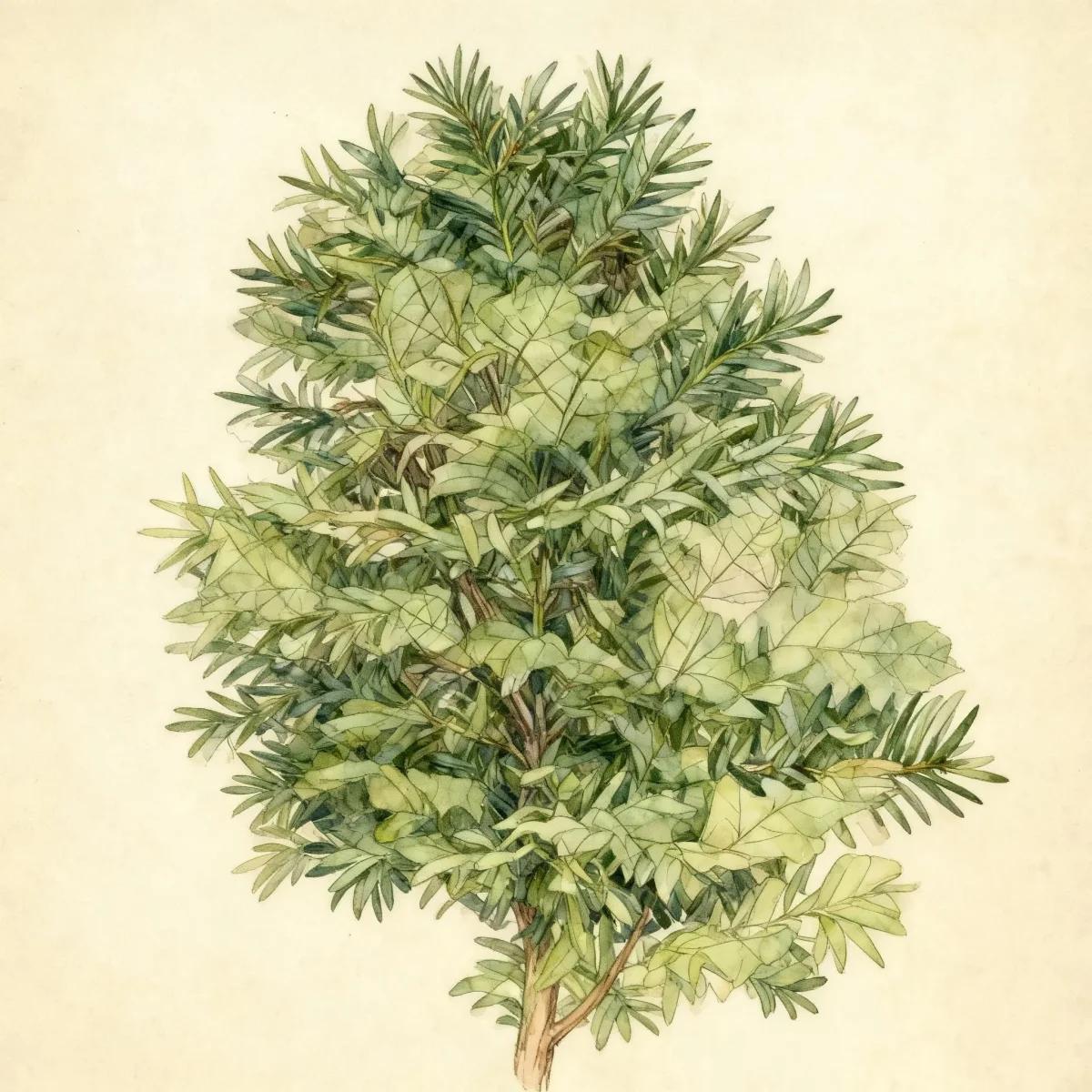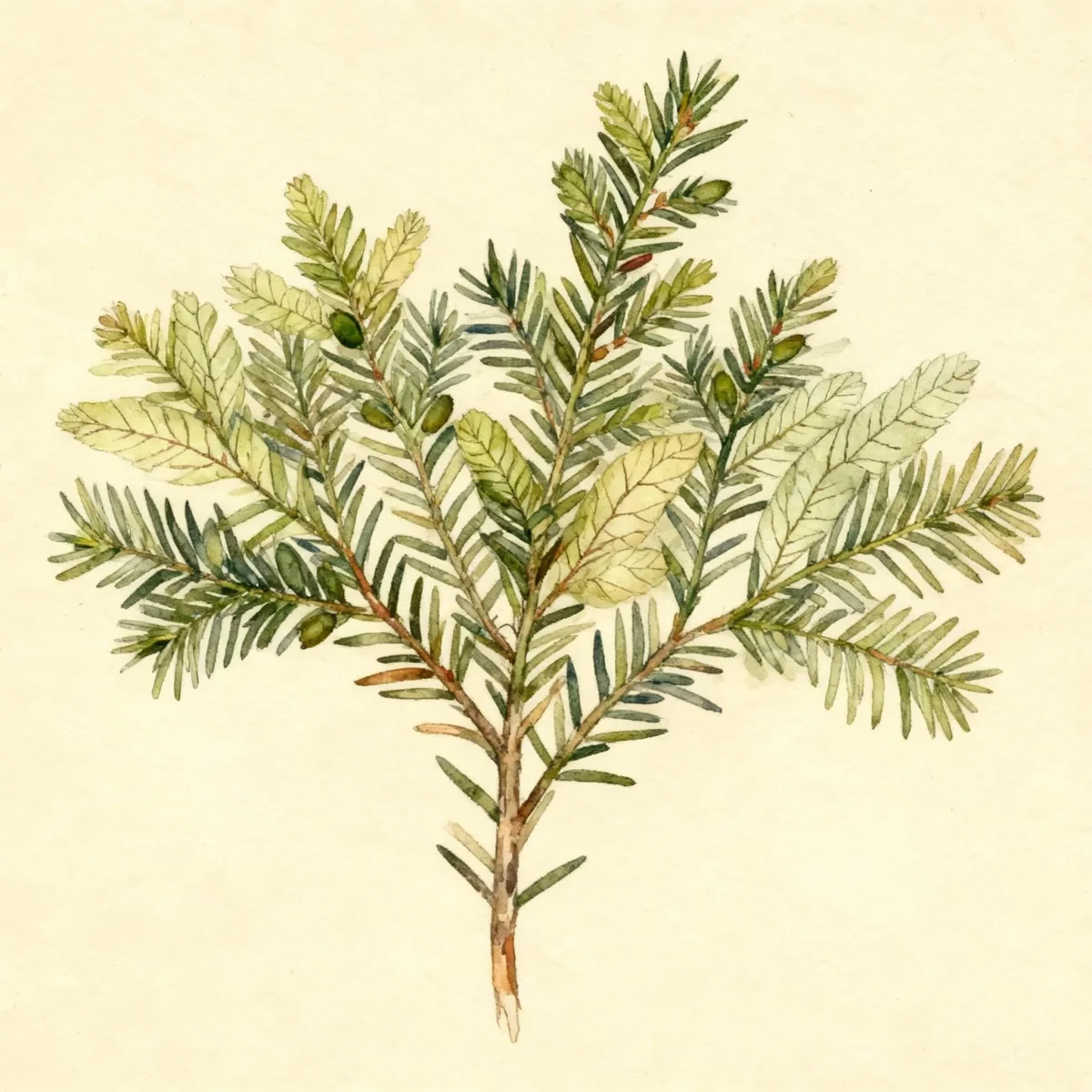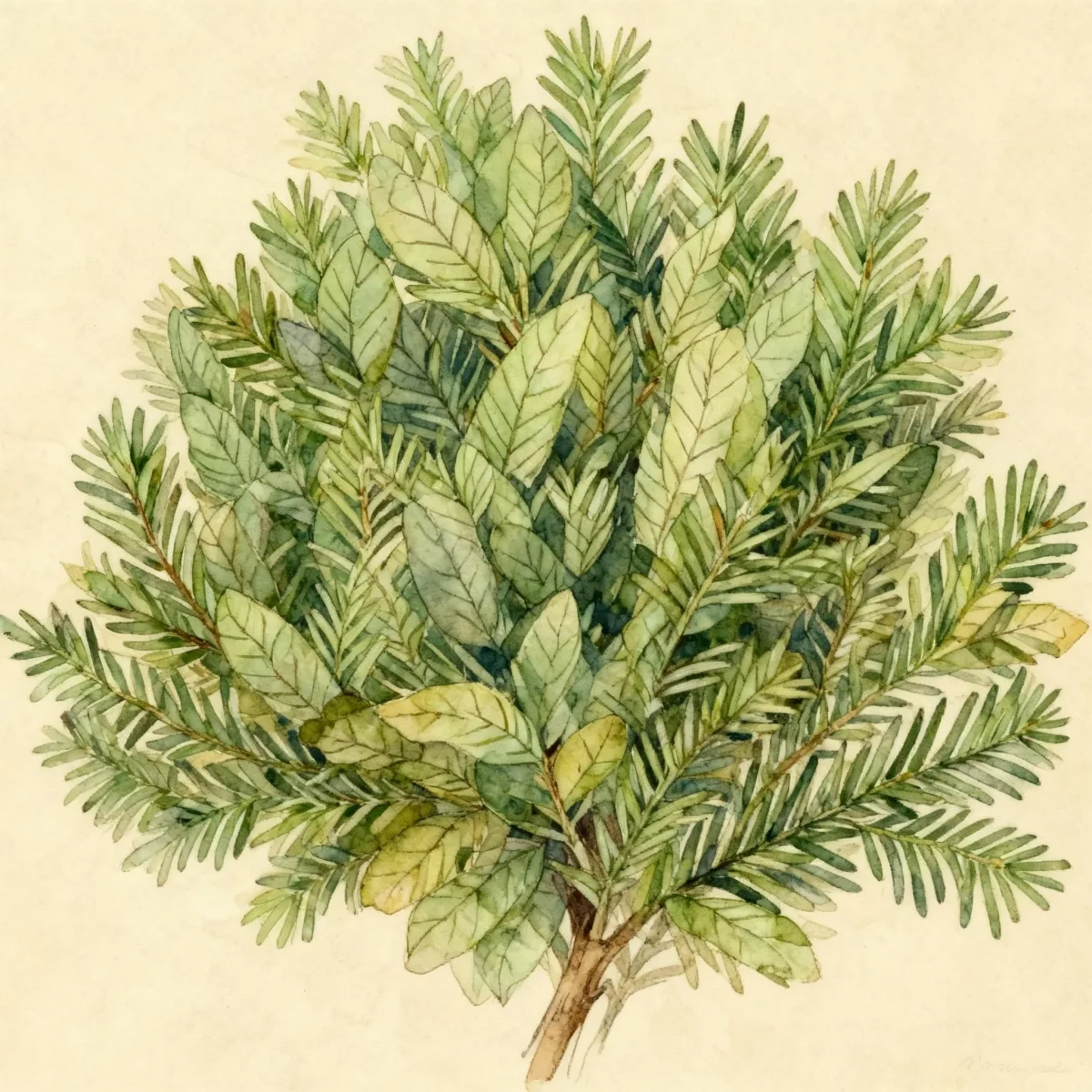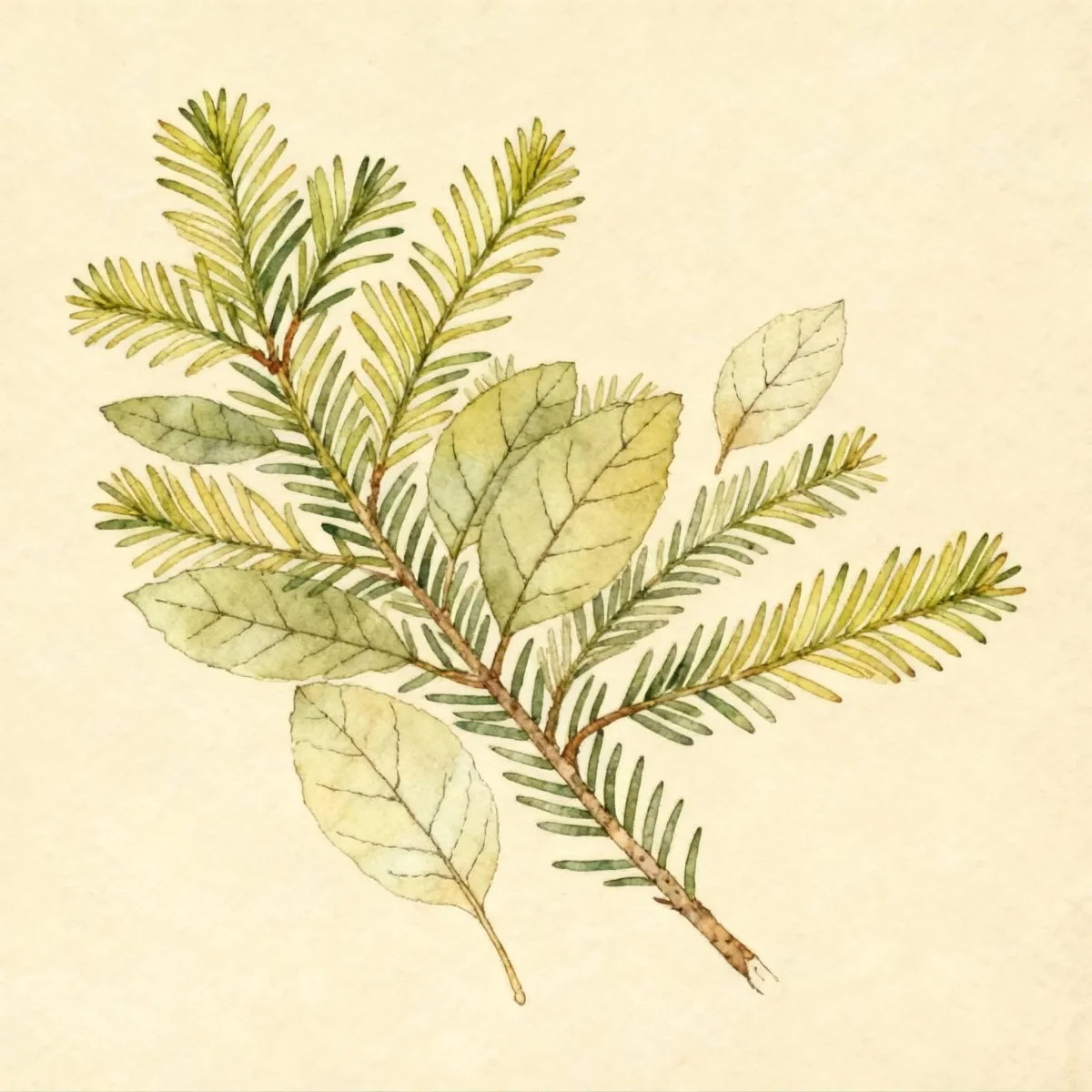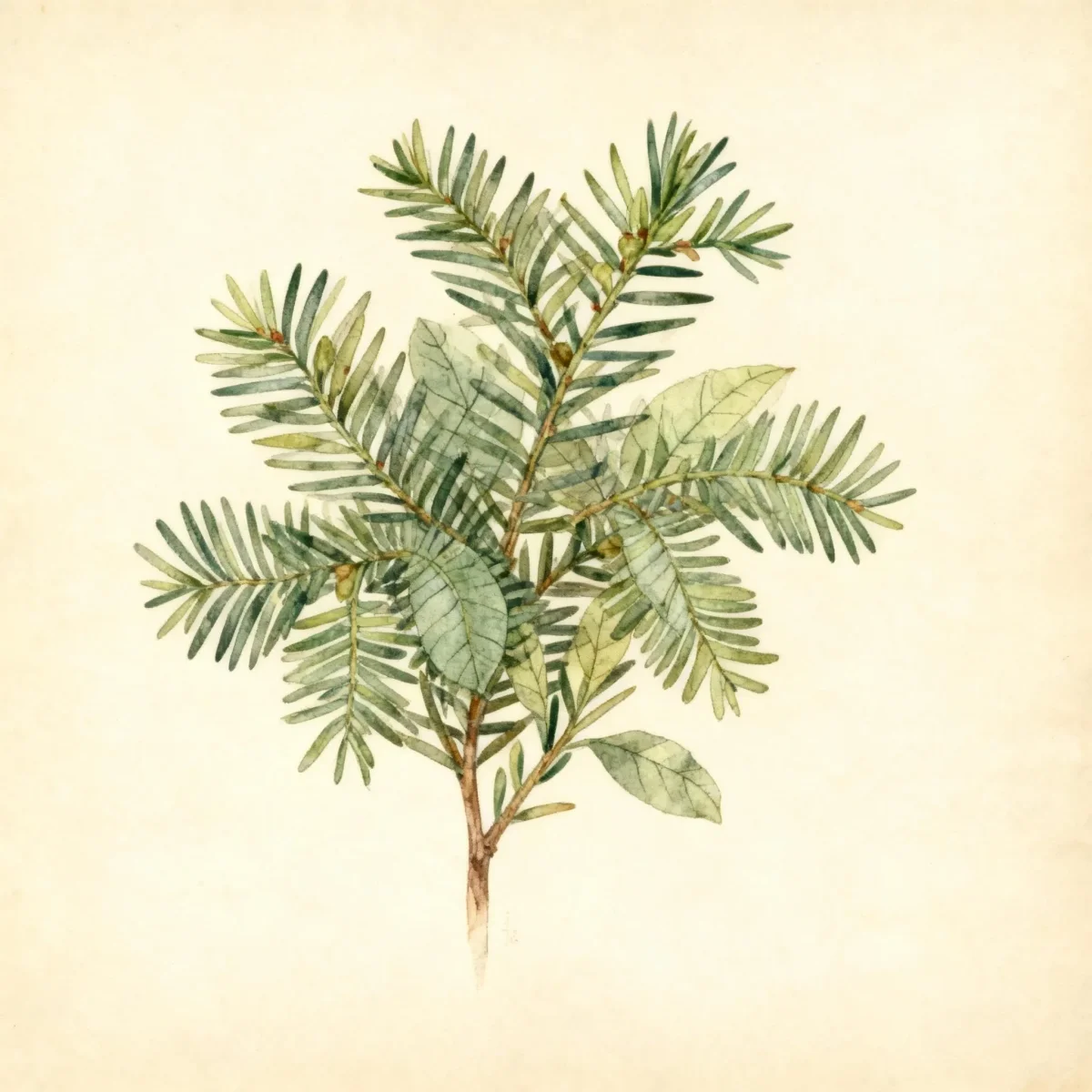

Japanese yew (Taxus cuspidata 'Nana Aurescens')
Taxus cuspidata 'Nana Aurescens' is a low-maintenance, dwarf Japanese yew, perfect for ground cover in sun to part shade.
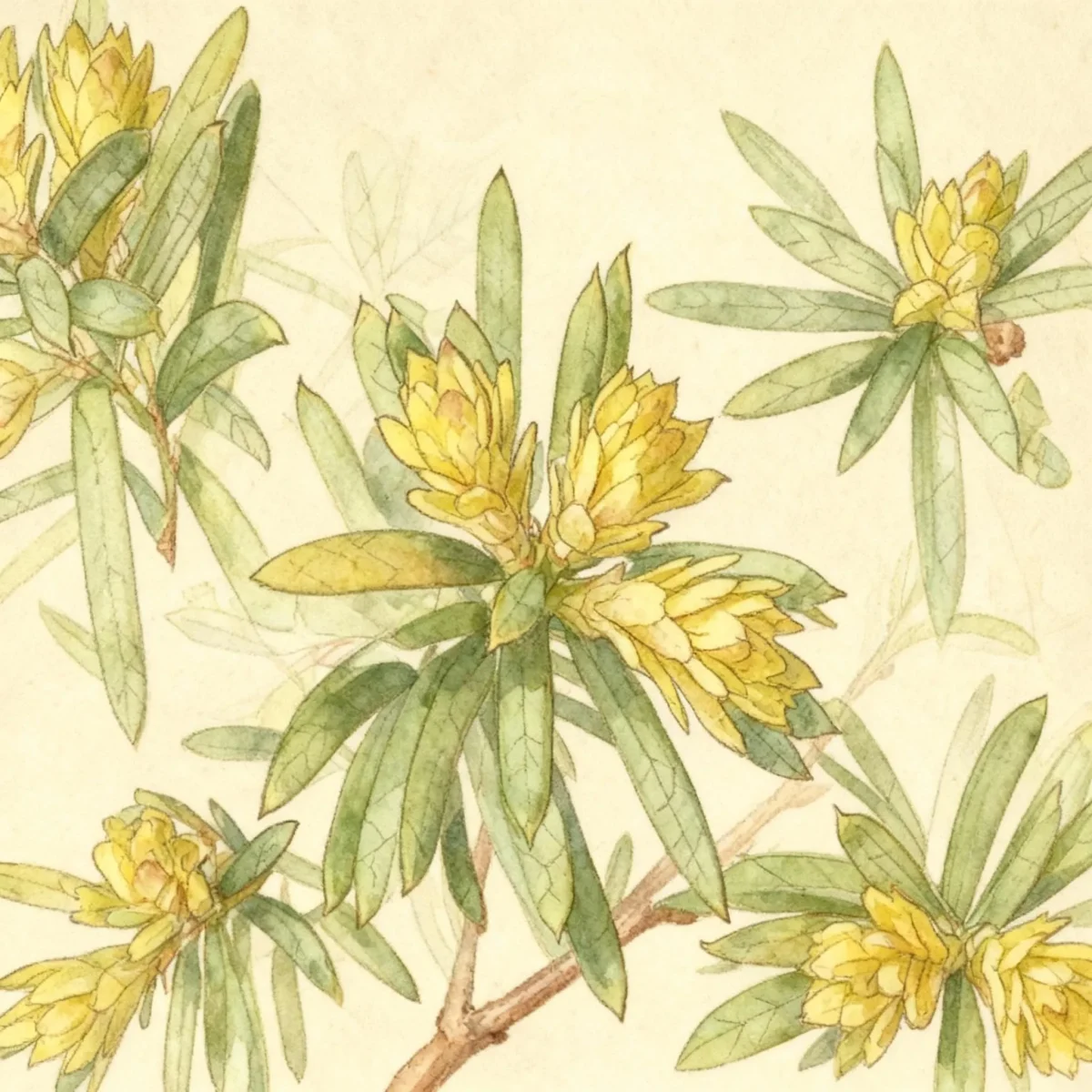

Bloom Boldly, No Matter the Season - Sweatshirt
Cozy organic cotton sweatshirt featuring our exclusive Purple Coneflower design. Perfect for gardeners who bloom year-round.
Inspired by the beautiful Japanese yew
Limited first batch (50) — join the waitlist for early access
Waitlist closes Feb 15, 2026.
Complete Plant Information
Field Guide Continues
Ready for care notes, companion picks, and planting tips?
The map is just the start. The full guide below covers growth habits, seasonal performance, and landscape uses.
Overview
The Taxus cuspidata ‘Nana Aurescens’, commonly known as the Japanese yew, is a highly valued dwarf cultivar prized for its dense, spreading habit and attractive golden-tinged foliage. Unlike its taller species counterparts, this slow-growing yew remains compact, offering year-round structure without constant pruning intervention. It provides reliable evergreen texture, making it an exceptional choice for low borders or cascading effects in the garden.
This particular cultivar offers excellent adaptability, performing well across a wide range of light conditions, from full sun to significant shade. While the initial growth displays golden hues, the needles mature to a resilient dark green, offering resistance to burning even in exposed, sunny sites—a valuable trait among golden conifers. Gardeners appreciate the Taxus cuspidata ‘Nana Aurescens’ for its low maintenance requirement and its ability to unify landscape designs.
As a male cultivar, the Japanese yew avoids the messy fruit production seen on female plants, maintaining a clean appearance throughout the season. Its natural spreading form lends itself perfectly to ground cover applications or softening the edges of hardscaping, proving that evergreen interest does not require large or fussy specimens.
Fast Facts
- Plant Family: Taxaceae
- Plant Type: Needled evergreen
- Hardiness Zones: USDA Zones 4-7
- Size at Maturity:
- Height: 2-3 ft
- Spread: 3-6 ft
- Bloom Time: Non-flowering
- Bloom Description: Non-flowering
- Sun Exposure: Full sun to part shade
- Water Needs: Medium
- Maintenance Level: Low
How to Grow
Planting the Japanese yew is best accomplished in spring or early fall, allowing the roots to establish before temperature extremes. Select a site providing average, medium moisture conditions, prioritizing soils that are well-drained. While this cultivar tolerates urban pollution reasonably well, ensure good drainage is present, as this plant has absolutely no tolerance for wet, soggy soils, which can quickly lead to root rot.
Ongoing care for Taxus cuspidata ‘Nana Aurescens’ is straightforward. Maintain consistent moisture, especially during establishment, but avoid overwatering. Fertilizing is rarely necessary if the soil is of reasonable quality. This yew tolerates pruning very well; perform any shaping or size reduction in early spring before new growth begins, though light shaping can be done almost any time.
Protecting the foliage from harsh, desiccating winter winds is recommended, as exposed placements can increase the risk of winter burn. Monitor for occasional pest issues like scale or weevils, treating promptly if necessary, though the overall structure of the Taxus cuspidata ‘Nana Aurescens’ requires minimal intervention for thriving health.
Landscape Uses
The diminutive stature and spreading habit of the Taxus cuspidata ‘Nana Aurescens’ make it an outstanding choice for ground cover, particularly in areas subject to heavy shade where many flowering groundcovers struggle. It excels when used in rock gardens, providing year-round color contrast against gray stone.
Use this dwarf Japanese yew as a specimen plant to provide year-round low-level accents in mixed perennial or shrub borders. Its dense form also works well for low, informal edging where a formal hedge is too formal or takes up too much space. The contrast between its golden new growth and dark mature needles adds dynamic texture to shaded borders.
Standout Features
Noteworthy Characteristics
Taxus cuspidata, commonly known as Japanese yew, is a broad-columnar needled evergreen tree or multistemmed shrub that is native to Korea, China, Russia and Japan. ‘Nana Aurescens’ is a slow-growing, dwarf-spreading cultivar that typically grows to only 2’ tall but spreads to 3-4’ wide over the first 10 years. Linear, spiny-tipped needles are golden yellow in the first year, but turn dark green by the second year, and this male cultivar does not produce fruit.
Tolerances
- Rabbit
- Drought
- Heavy Shade
Potential Problems
The primary concern for this, like many yews, is root rot if soil drainage is poor; always amend heavy soil to promote aeration and swift water runoff. Susceptibility to winter burn is another notable issue, particularly when the plant is sited in exposed locations where harsh winter winds desiccate the needles while the ground is frozen.
Occasionally, gardeners may observe twig blight or needle blight, often exacerbated by overly humid or crowded conditions; ensure good air circulation during planting. In some regions, persistent monitoring for common pests like scale or mealybugs is advised, although aggressive infestations are uncommon in healthy specimens situated in appropriate cultural conditions.
Frequently Asked Questions
What hardiness zones is Japanese yew suitable for?
The Taxus cuspidata ‘Nana Aurescens’ is reliably hardy across USDA Zones 4 through 7.
How large does Taxus cuspidata ‘Nana Aurescens’ grow?
This dwarf spreading cultivar typically reaches a height between 2 and 3 feet, spreading out to cover 3 to 6 feet wide.
What sun exposure does Japanese yew need?
This plant offers great flexibility, thriving in locations ranging from full sun to part shade conditions.
When does Taxus cuspidata ‘Nana Aurescens’ bloom?
This is a non-flowering needled evergreen; it does not produce conspicuous flowers.
Conclusion
The Taxus cuspidata ‘Nana Aurescens’ provides an excellent framework for low-maintenance, year-round structure in the landscape, offering golden accents that transition beautifully to deep green. Because of its adaptability across light and its resilience against grazing animals, this dwarf Japanese yew remains a top performer. Before planting, confirm your local hardiness zone compatibility and ensure your chosen spot drains thoroughly for optimal success with this spreading evergreen.
Companion Planting
The ideal companions for Taxus cuspidata ‘Nana Aurescens’ share similar cultural needs, favoring consistent moisture without becoming waterlogged, and appreciating the shelter offered by partial shade. Consider pairing this yew with shade-tolerant perennials like Hosta varieties, especially those with blue or strongly variegated foliage to enhance the textural contrast.
For evergreen pairings, low-growing Japanese forest grass (Hakonechloa macra) can look spectacular cascading over the spread of the yew, adding soft, flowing lines against the dense needles. If supplemental spring color is desired, early-flowering shade lovers such as Astilbe or bleeding heart (Dicentra spectabilis) complement the slow-growing nature of the Japanese yew.
Seasonal Care Calendar
Spring is the optimal time for structural pruning of the Taxus cuspidata ‘Nana Aurescens’, addressing any winter damage or shaping required to maintain its dense, low profile before active growth accelerates. Apply a balanced, slow-release fertilizer lightly around the drip line just as buds begin to swell, though this is often optional given its low nutritional demands.
During summer, focus strictly on monitoring for drought stress; even though it tolerates drought once established, consistent medium watering prevents needle browning during dry spells. In autumn, prepare the site by cleaning up leaf litter to improve air circulation around the dense foliage, which can help mitigate fungal risks over winter. Winter protection focuses on shielding the plant from direct exposure to cold, drying winds to minimize the risk of foliage burn.