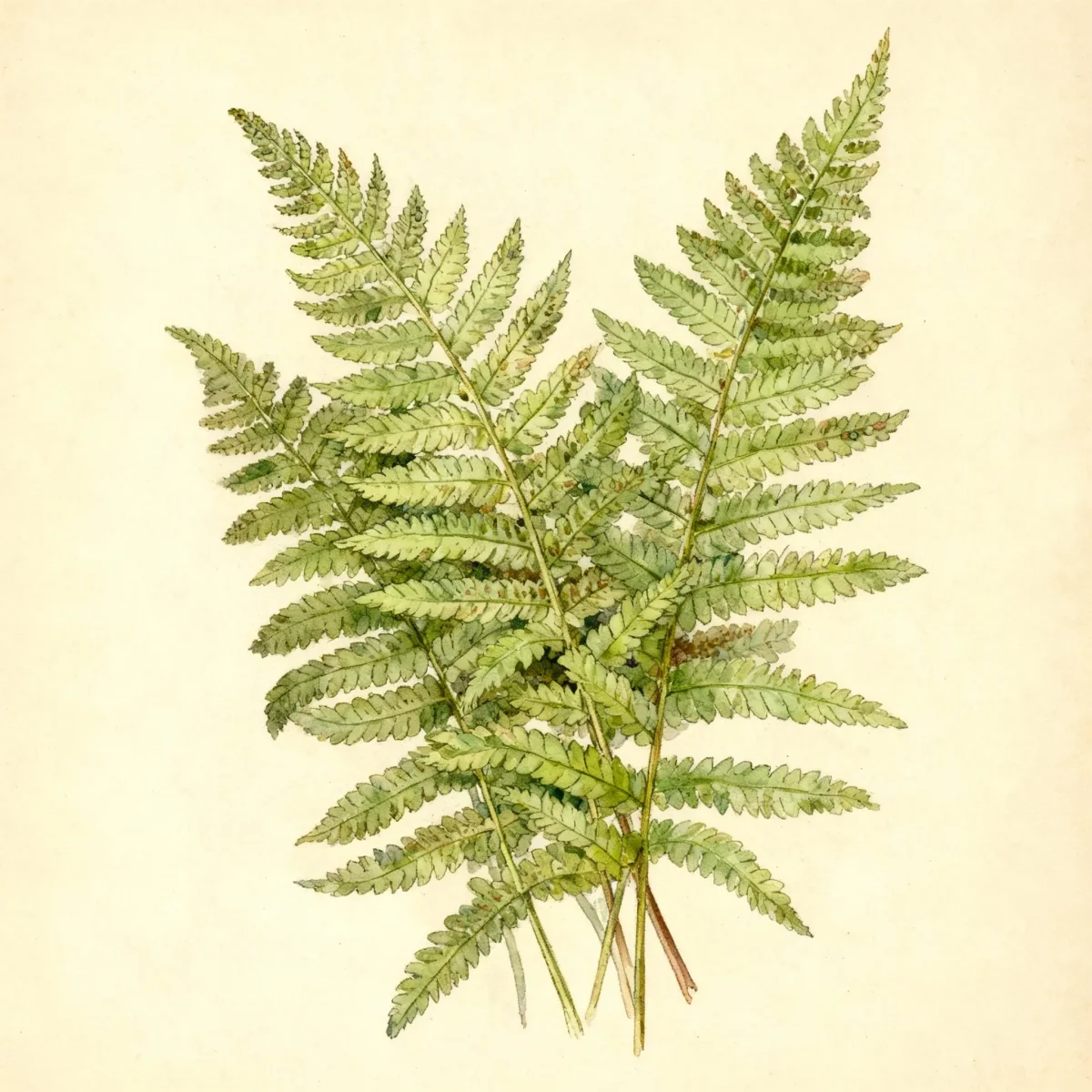
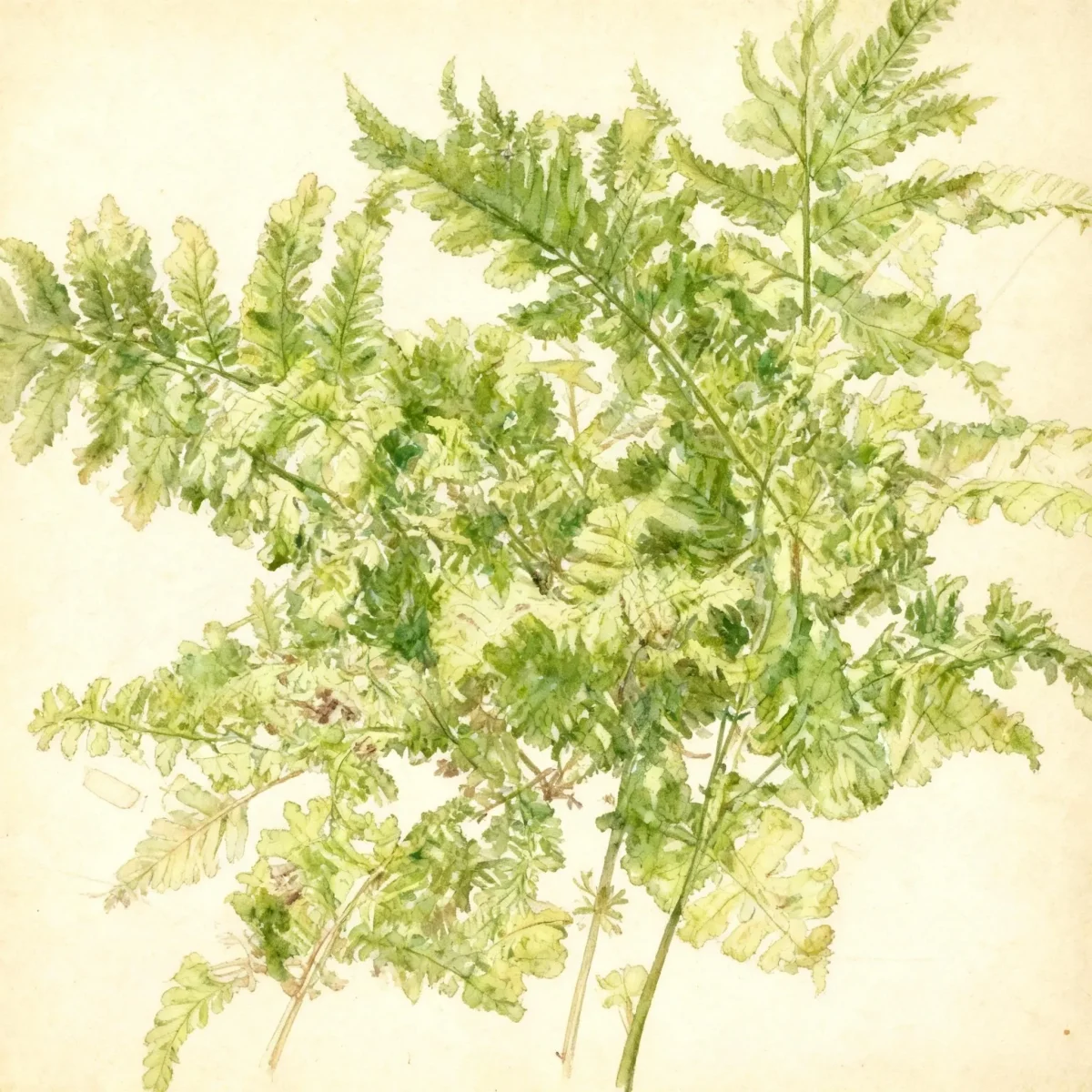
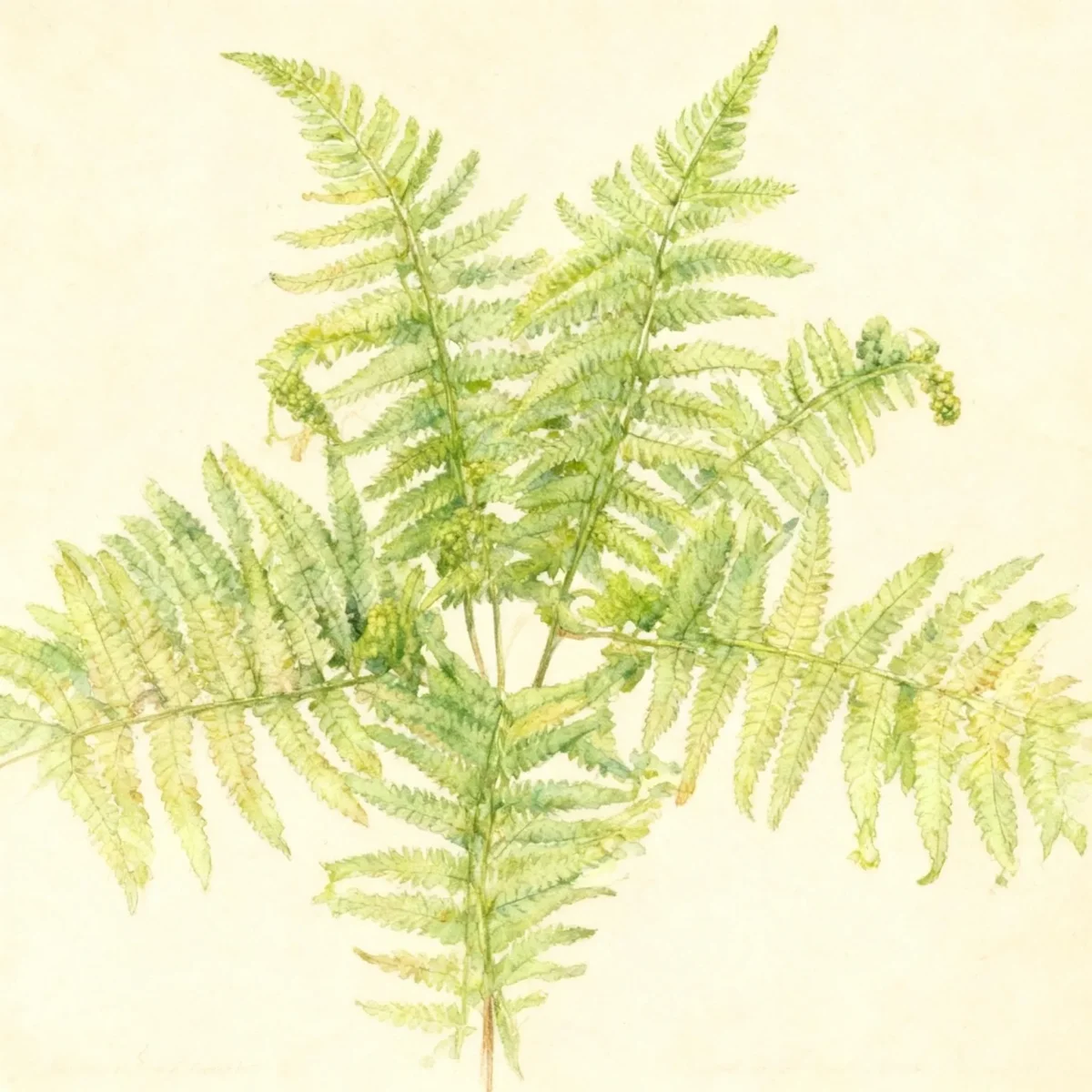
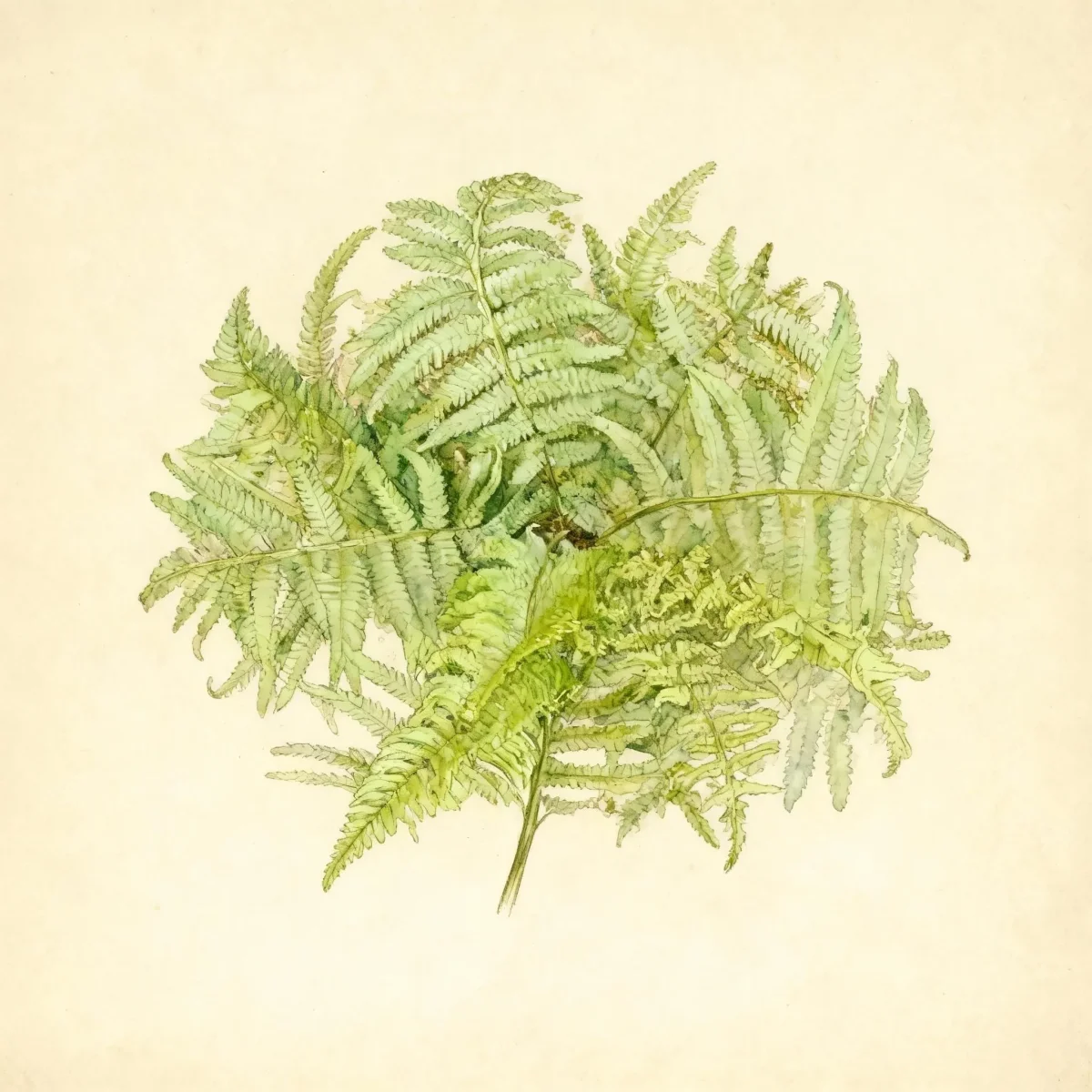
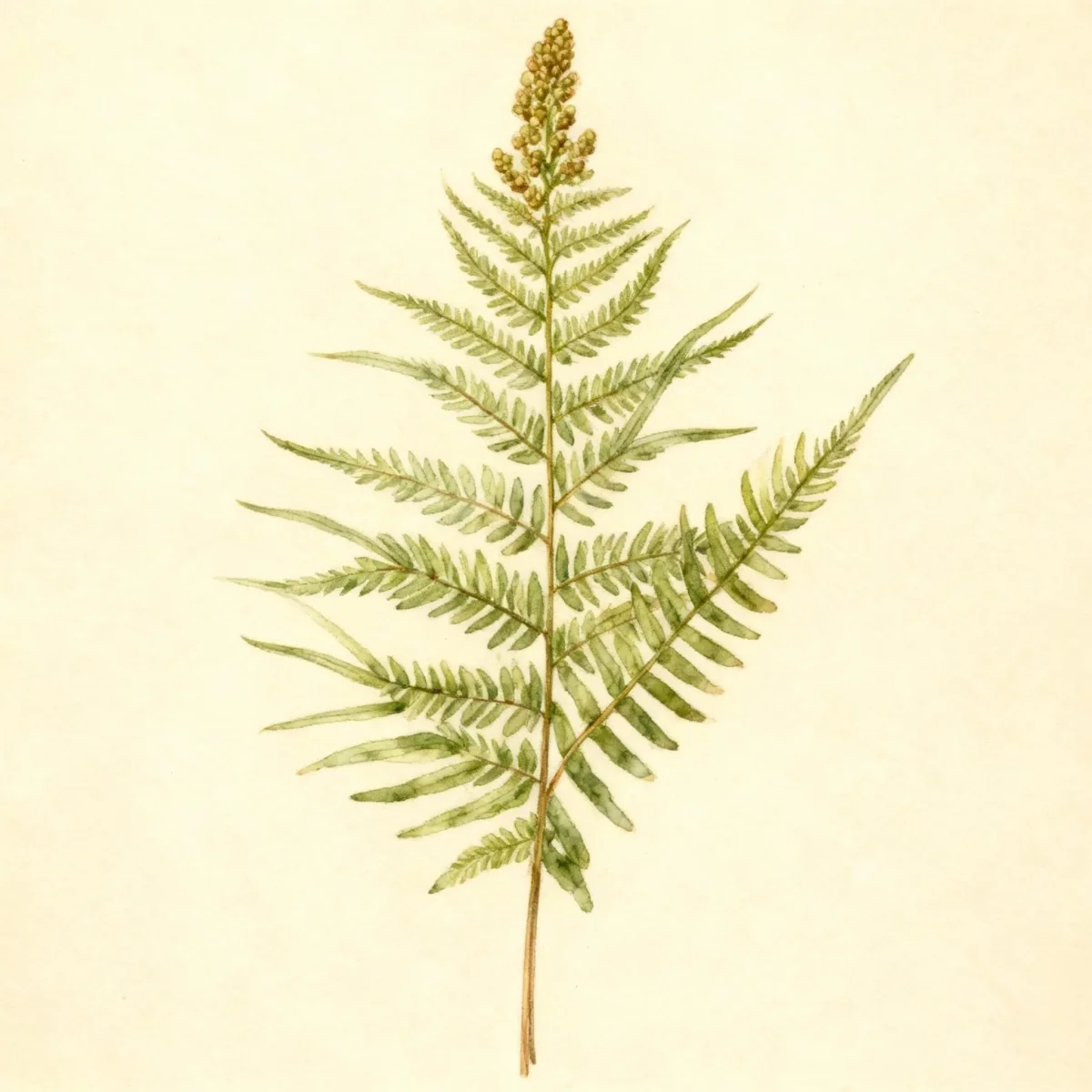
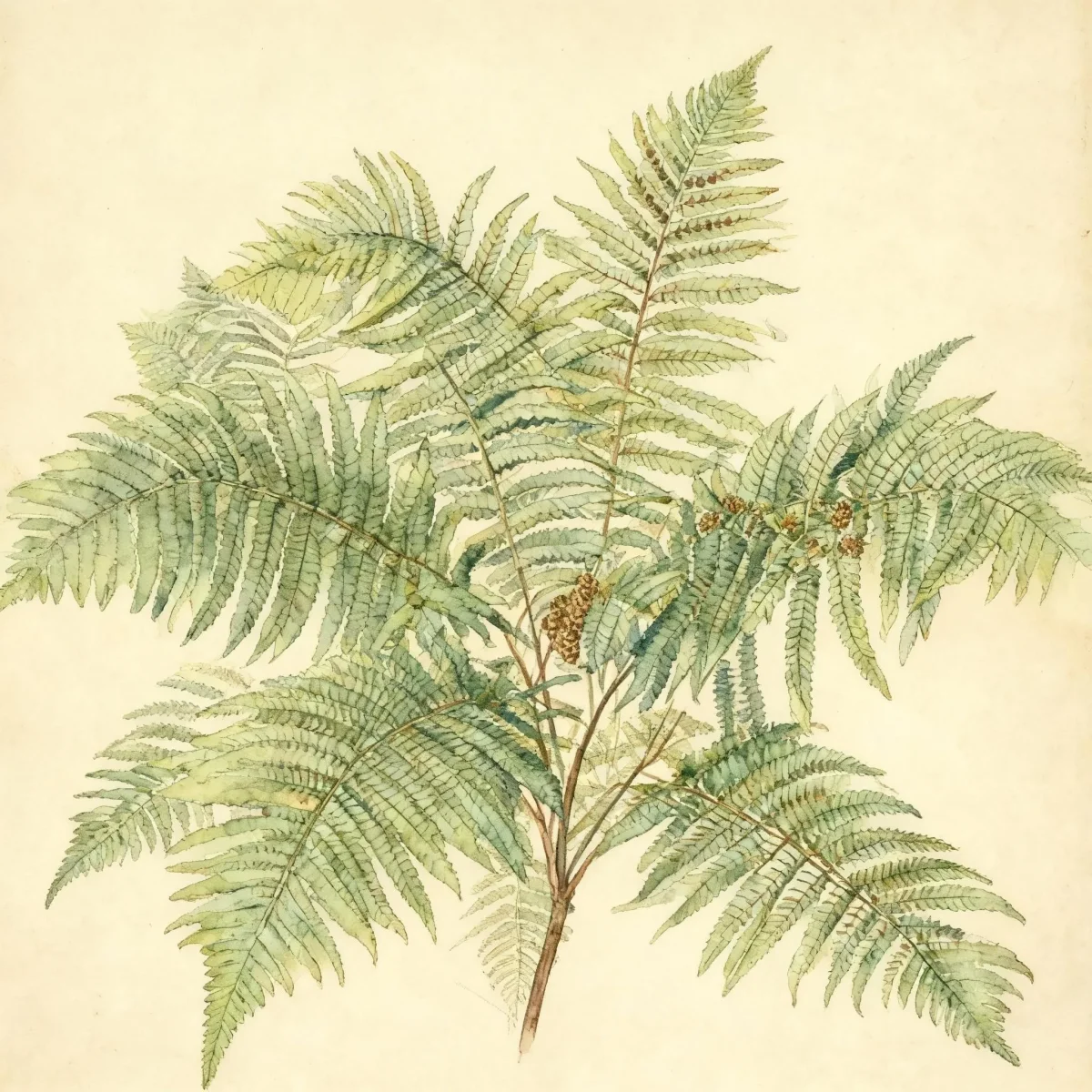
Male fern (Dryopteris filix-mas 'Linearis Polydactyla')
Discover Dryopteris filix-mas 'Linearis Polydactyla', a large, low-maintenance Male fern ideal for shady, moist woodland gardens.

Bloom Boldly, No Matter the Season - Sweatshirt
Cozy organic cotton sweatshirt featuring our exclusive Purple Coneflower design. Perfect for gardeners who bloom year-round.
Inspired by the beautiful Male fern
Limited first batch (50) — join the waitlist for early access
Waitlist closes Feb 15, 2026.
Complete Plant Information
Field Guide Continues
Ready for care notes, companion picks, and planting tips?
The map is just the start. The full guide below covers growth habits, seasonal performance, and landscape uses.
Overview
Dryopteris filix-mas ‘Linearis Polydactyla’ is a distinct cultivar prized for its unique foliage structure within the typically robust Male fern group. This variety displays notably narrow and well-spaced pinnae, often resulting in an airy appearance despite its substantial size. Gardeners value this specimen for providing strong vertical texture in deep shade environments where few other plants thrive.
As a large, arching, deciduous fern, Dryopteris filix-mas ‘Linearis Polydactyla’ establishes best in consistently moist, humus-rich soils. It handles heavy shade exceptionally well, making it a cornerstone plant for creating mature woodland garden designs. The low maintenance requirements further endear the Male fern to homeowners seeking impactful, yet easy-to-manage, shade accents.
The tips of the fronds and pinnae on this specific cultivar exhibit a fascinating multi-forked or finger-like characteristic, setting it apart from the straight growth habit of the species type. Planting Dryopteris filix-mas ‘Linearis Polydactyla’ ensures structural interest throughout the growing season in cool, protected, shaded areas of the landscape.
Fast Facts
- Plant Family: Dryopteridaceae
- Plant Type: Fern
- Hardiness Zones: USDA Zones 5-9
- Size at Maturity:
- Height: 3-4 ft
- Spread: 3-4 ft
- Bloom Time: Non-flowering
- Bloom Description: Non-flowering
- Sun Exposure: Part shade to full shade
- Water Needs: Medium
- Maintenance Level: Low
How to Grow
The best time to establish Dryopteris filix-mas ‘Linearis Polydactyla’ is in the spring or early fall, allowing the roots to settle before extreme summer heat or winter cold arrives. Ensure the chosen location receives part shade to full shade, protected from harsh winds which can tear the delicate fronds. This fern thrives in average, well-drained soils, but its preference leans toward humusy, medium-moisture substrates rich in organic matter; never allow the soil to completely dry out.
Watering should focus on consistency, maintaining even moisture levels, especially during establishment. While it requires medium water input, good drainage is essential to prevent crown rot. Fertilization is rarely necessary if the soil is organically rich; heavy feeding can sometimes stress shade-loving ferns.
Maintenance for this Male fern is generally low. Keep the area clear of debris, and in late winter or early spring, cut back any dead or damaged fronds before new growth emerges. A significant advantage of this handsome variety is that the crowns of Dryopteris filix-mas can be divided regularly when they become too crowded, typically every few years.
Landscape Uses
The imposing stature and airy texture of Dryopteris filix-mas ‘Linearis Polydactyla’ make it an excellent choice for woodland gardens, lending a naturalistic, layered effect. Use this large fern as an anchor plant or specimen display where its unique, forked fronds can be appreciated up close. Given its three to four-foot mature height, it works well toward the middle or back layer of a shade border.
Due to its tolerance for heavy shade and clay soil, it pairs beautifully with other moisture-loving shade perennials that offer contrasting leaf textures, such as Hosta varieties with solid green or blue foliage, or Astilbe for summer flower color. Avoid planting adjacent to tough, dry-loving plants, as the need for consistent moisture will differ dramatically.
For a dramatic effect, group several specimens of this Male fern together to create a lush, green ground plane or textural mass. Its ability to handle deep shade allows it to soften the base of large foundation plantings or mature deciduous trees.
Standout Features
Noteworthy Characteristics
Dryopteris filix-mas, commonly called male fern, is native to Europe and North America, providing the foundation for this stunning cultivar. This is a large, arching, deciduous male fern with erect, stout rhizomes and medium green blades (fronds) that grow to 3’ (less frequently to 4’) tall. The unique ‘Linearis Polydactyla’ selection features pinnae that are very narrow and well-spaced, and the tips of the pinnae and fronds are multi-forked and almost finger-like.
Tolerances
- Rabbit
- Heavy Shade
- Clay Soil
Potential Problems
The Male fern exhibits very few significant issues, with virtually no serious insect or disease problems reported when cultural requirements are met. The primary concern revolves around environmental stress. Ensure soils are consistently moist; allowing the crown to dry out, especially in hot or windy conditions, will scorch the otherwise durable fronds. Proper site selection away from high foot traffic or strong winds prevents incidental physical damage.
Frequently Asked Questions
What hardiness zones is Dryopteris filix-mas ‘Linearis Polydactyla’ suitable for?
This fern is hardy across USDA Zones 5 through 9, offering good adaptability in temperate regions.
How large does Male fern grow?
Dryopteris filix-mas ‘Linearis Polydactyla’ typically reaches a height of 3 to 4 feet, with an equal spread of 3 to 4 feet.
What sun exposure does Dryopteris filix-mas ‘Linearis Polydactyla’ need?
This plant performs best when situated in areas receiving part shade to full shade throughout the day.
When does Male fern bloom?
As a fern, this plant is non-flowering; its reproductive structure is the sori visible on the underside of the mature fronds.
Conclusion
Dryopteris filix-mas ‘Linearis Polydactyla’ offers exceptional structural beauty and architectural interest, making it an invaluable low-maintenance anchor for any shaded garden space. The distinct, narrow, and crested fronds of this Male fern cultivar provide textural contrast that elevates shade borders significantly. Before planting, confirm that your garden offers consistently moist, humus-rich soil within USDA Zones 5-9 to ensure the longevity and health of your new fern.
Companion Planting
When designing a woodland garden around your Male fern, select companions that share similar moderate water needs and thriving conditions in shaded environments. Hostas with variegated or blue foliage offer a strong contrast to the medium green of the Dryopteris filix-mas ‘Linearis Polydactyla’. Consider low-growing woodland Phlox or groundcovers like Ajuga to blanket the ground beneath the arching fronds, creating continuous coverage.
Propagation Tips
The easiest method for reproducing Dryopteris filix-mas ‘Linearis Polydactyla’ is by division, a process best performed in the spring before new fiddleheads emerge. Carefully dig up the established clump and gently tease apart the root mass, ensuring each new section retains a healthy amount of rhizome and several crowns. This division rejuvenates older clumps and allows you to share the unique form of this specific Male fern cultivar.