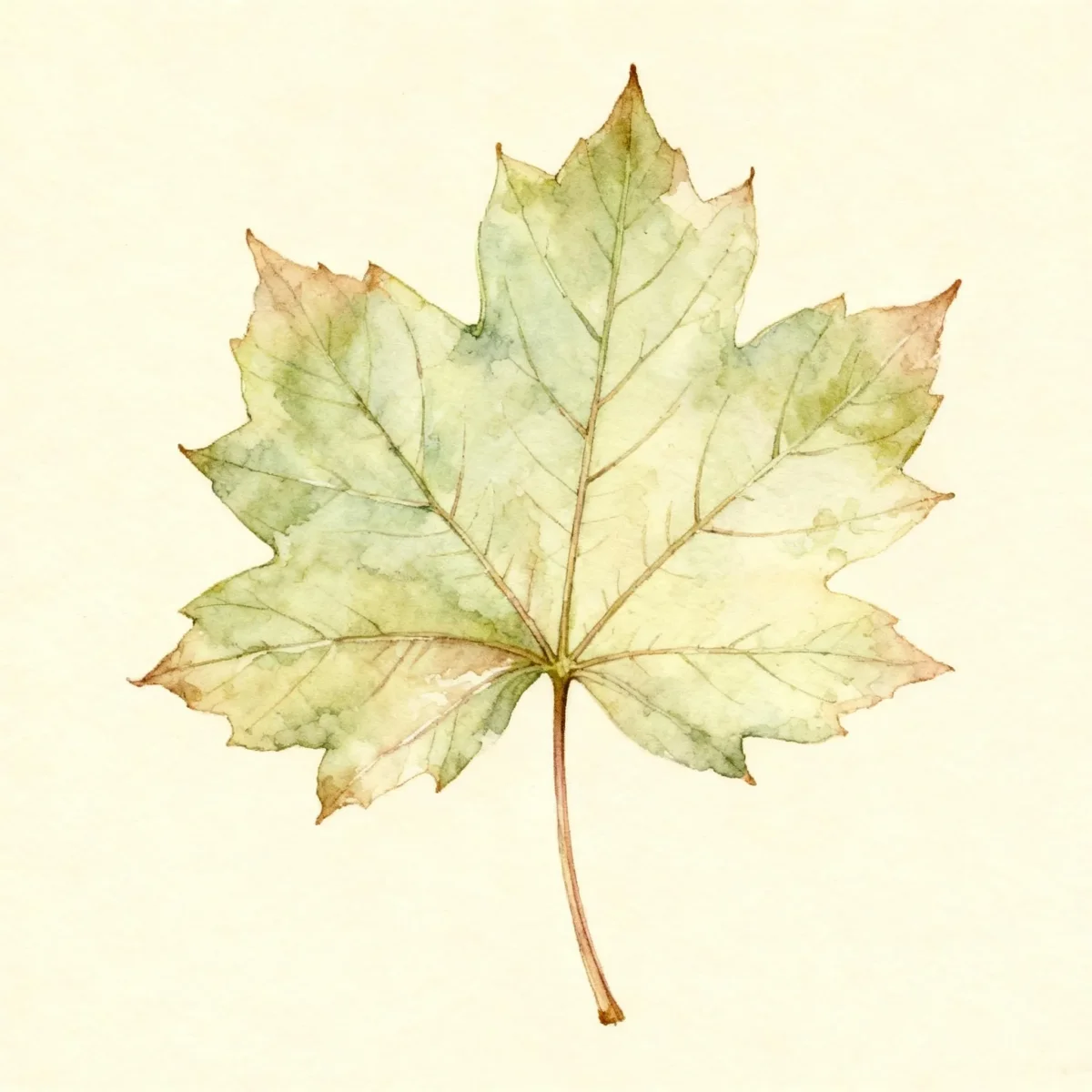
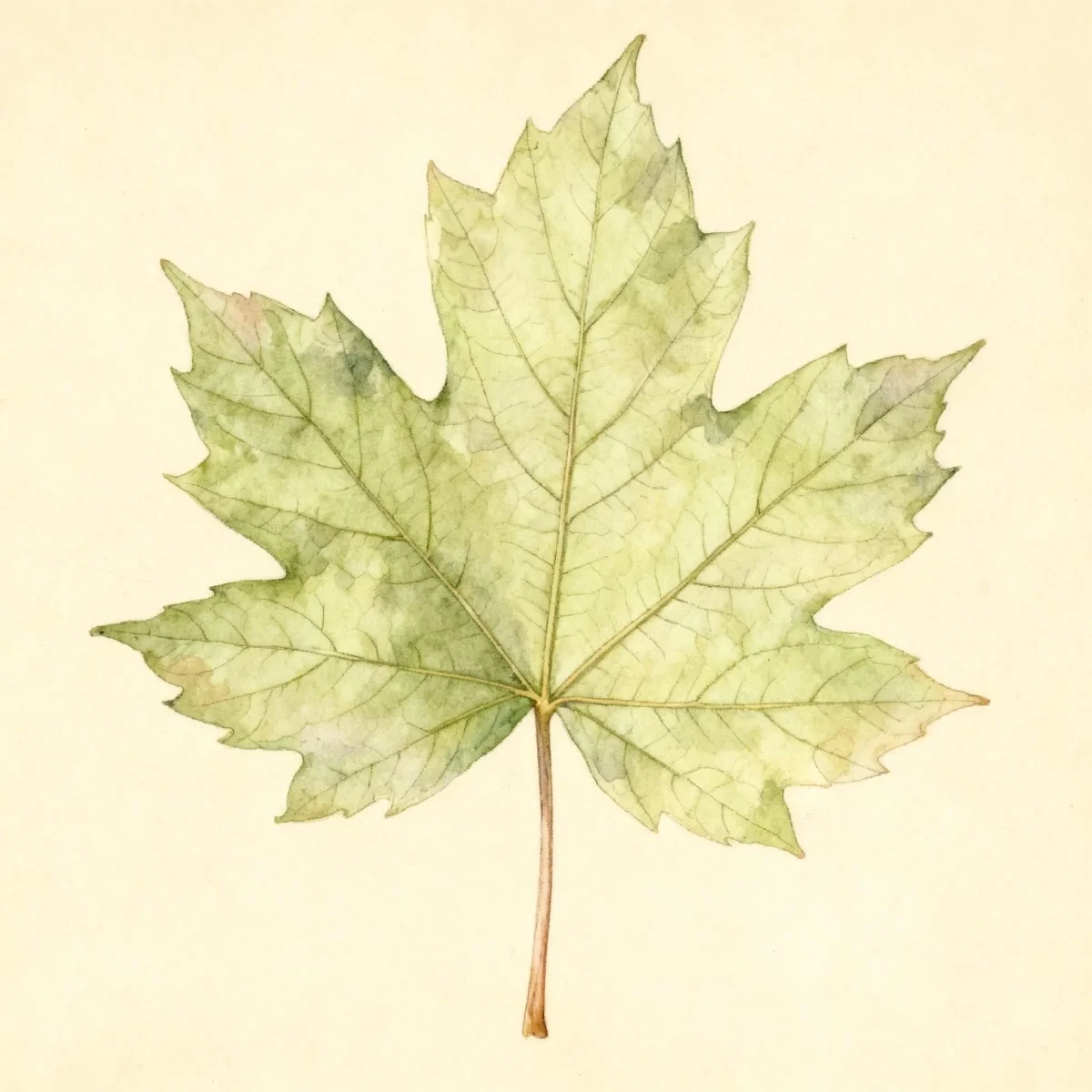
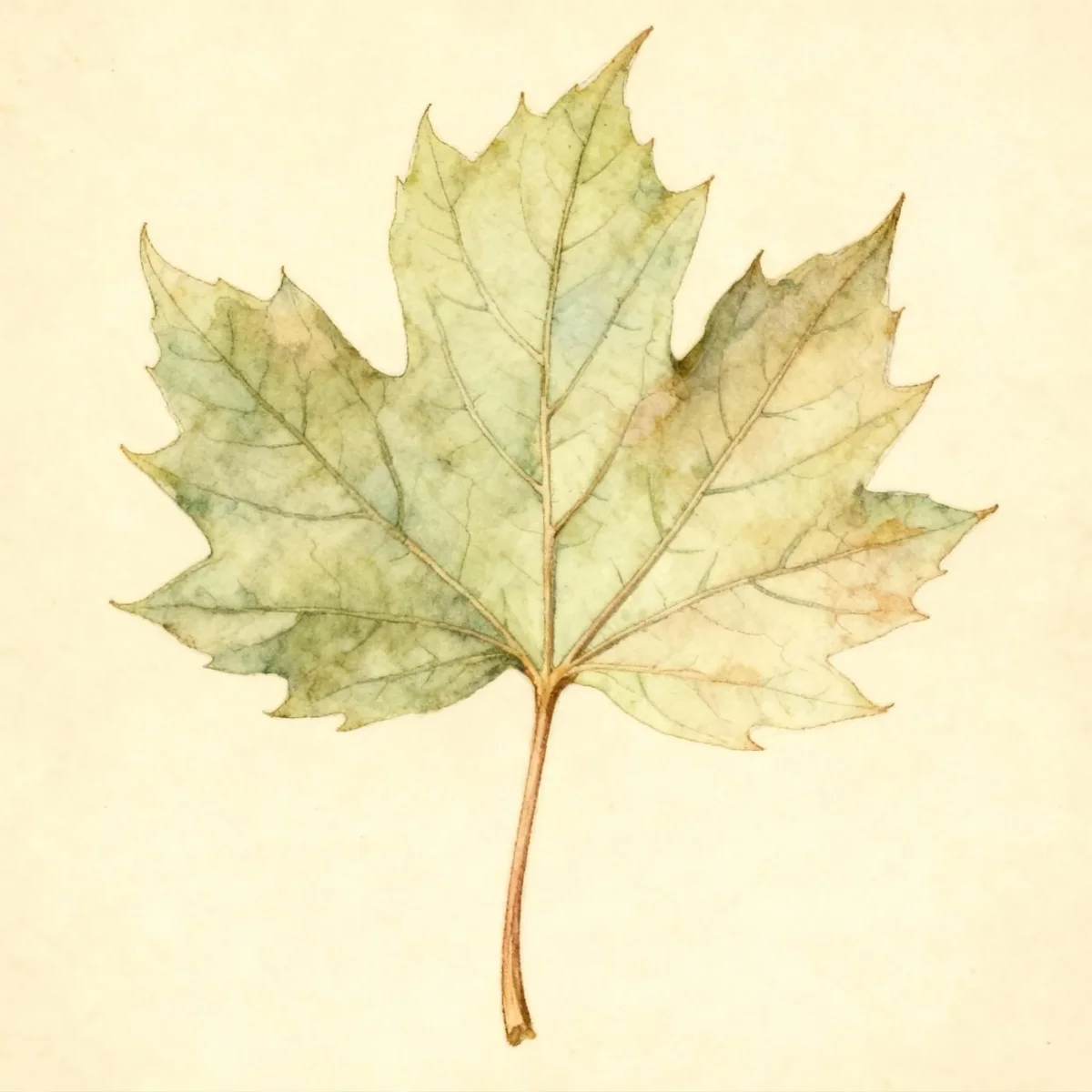
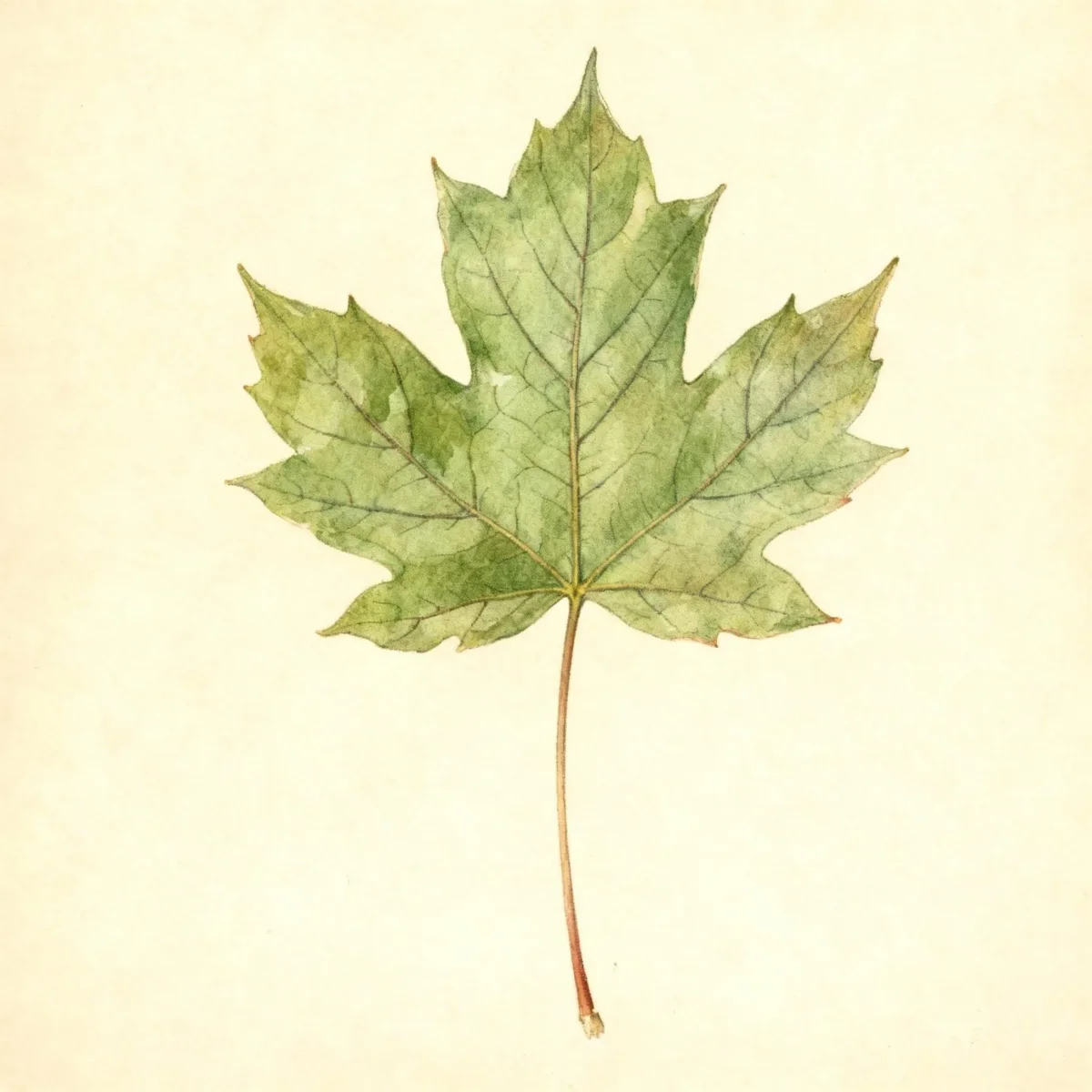
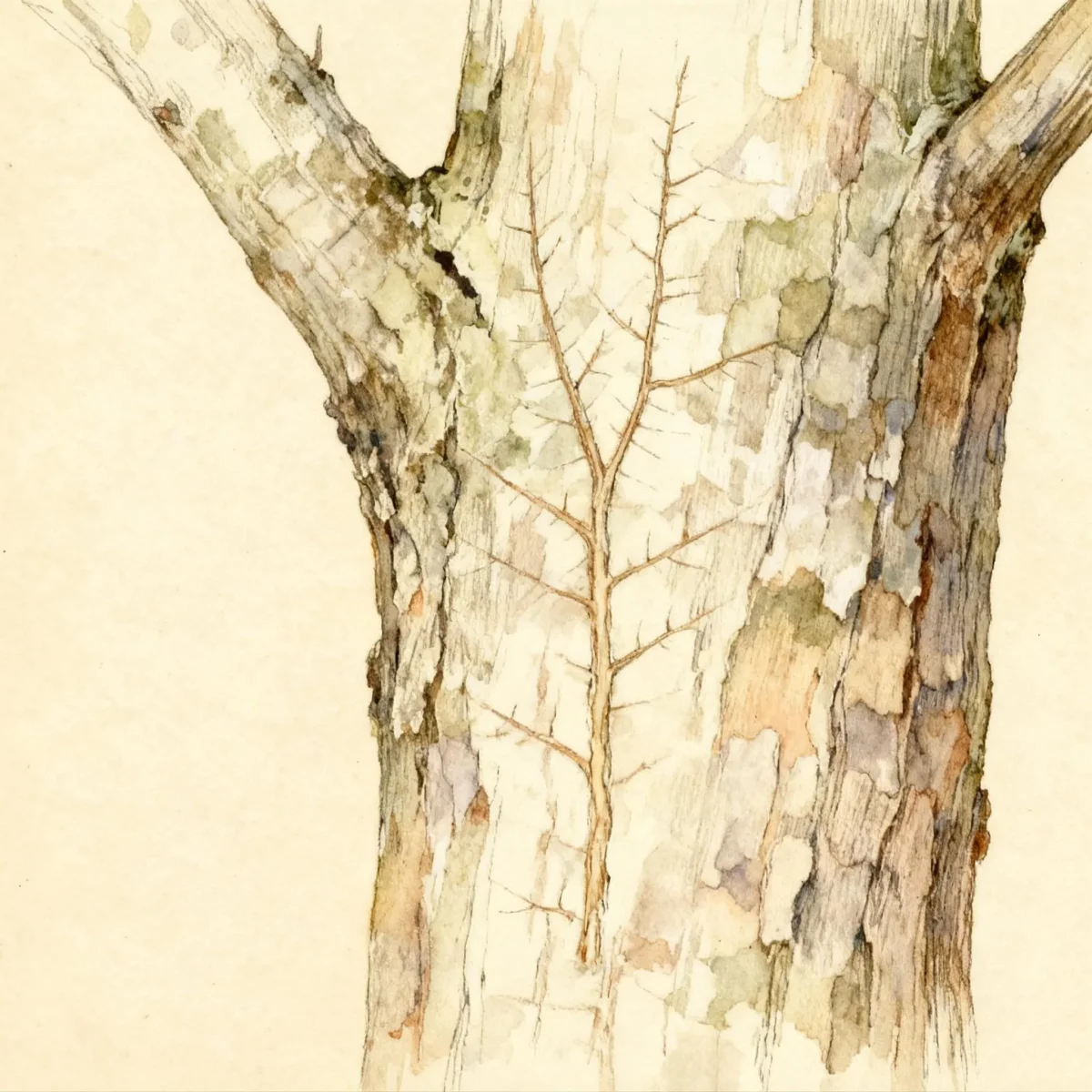
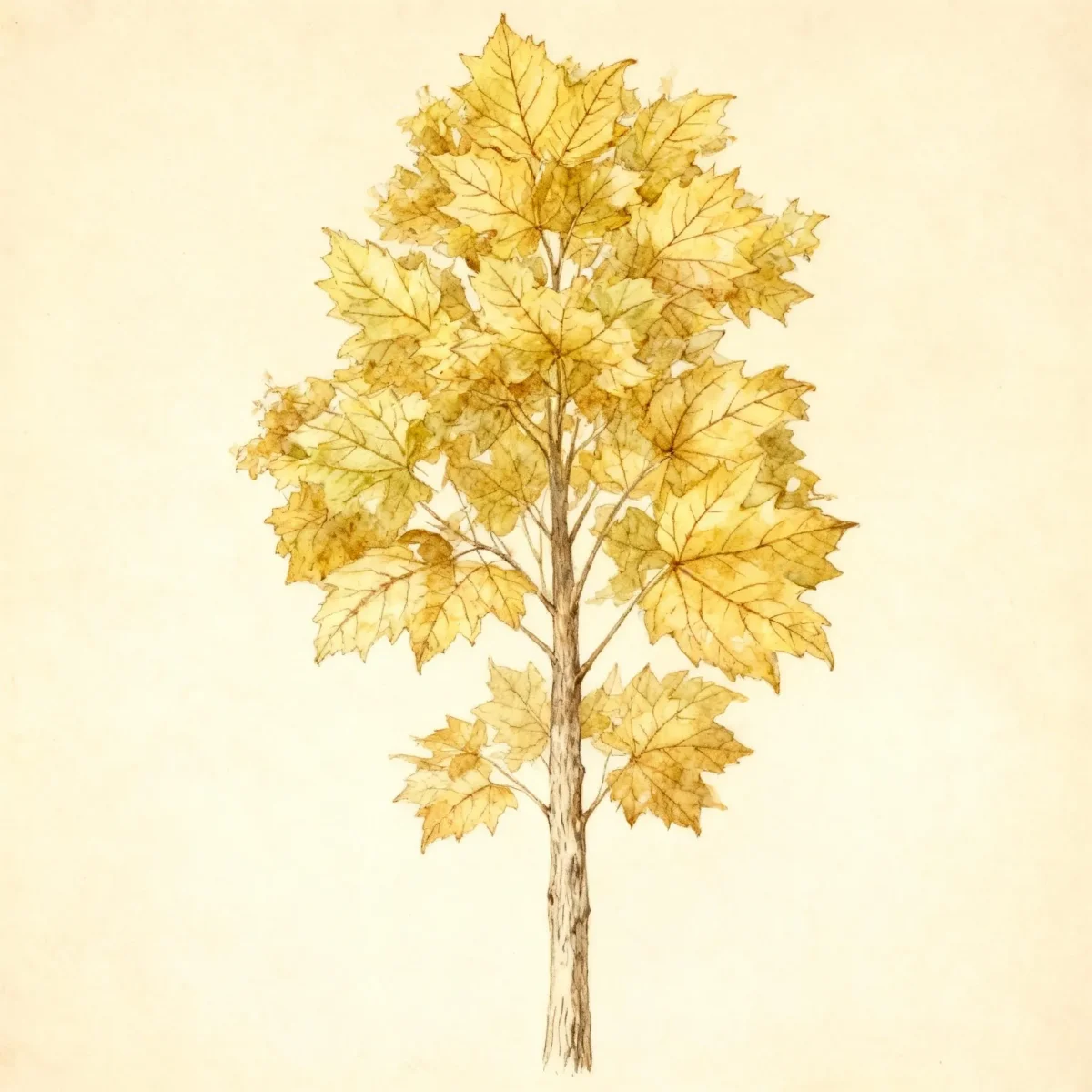
Norway maple (Acer platanoides 'Deborah')
Discover Acer platanoides 'Deborah', a striking Norway maple cultivar featuring vibrant red spring foliage and low maintenance needs for Zones 3-7.

Bloom Boldly, No Matter the Season - Sweatshirt
Cozy organic cotton sweatshirt featuring our exclusive Purple Coneflower design. Perfect for gardeners who bloom year-round.
Inspired by the beautiful Norway maple
Limited first batch (50) — join the waitlist for early access
Waitlist closes Feb 15, 2026.
Complete Plant Information
Field Guide Continues
Ready for care notes, companion picks, and planting tips?
The map is just the start. The full guide below covers growth habits, seasonal performance, and landscape uses.
Overview
Acer platanoides ‘Deborah’, a celebrated cultivar of the Norway maple, offers exceptional visual interest with its uniquely colored foliage that distinguishes it from the standard species. This medium-sized deciduous tree establishes a dense, symmetrical, rounded crown, making it an excellent focal point or specimen planting in larger landscapes. While inheriting the hardiness of the Norway maple, ‘Deborah’ provides superior ornamental appeal throughout the growing season.
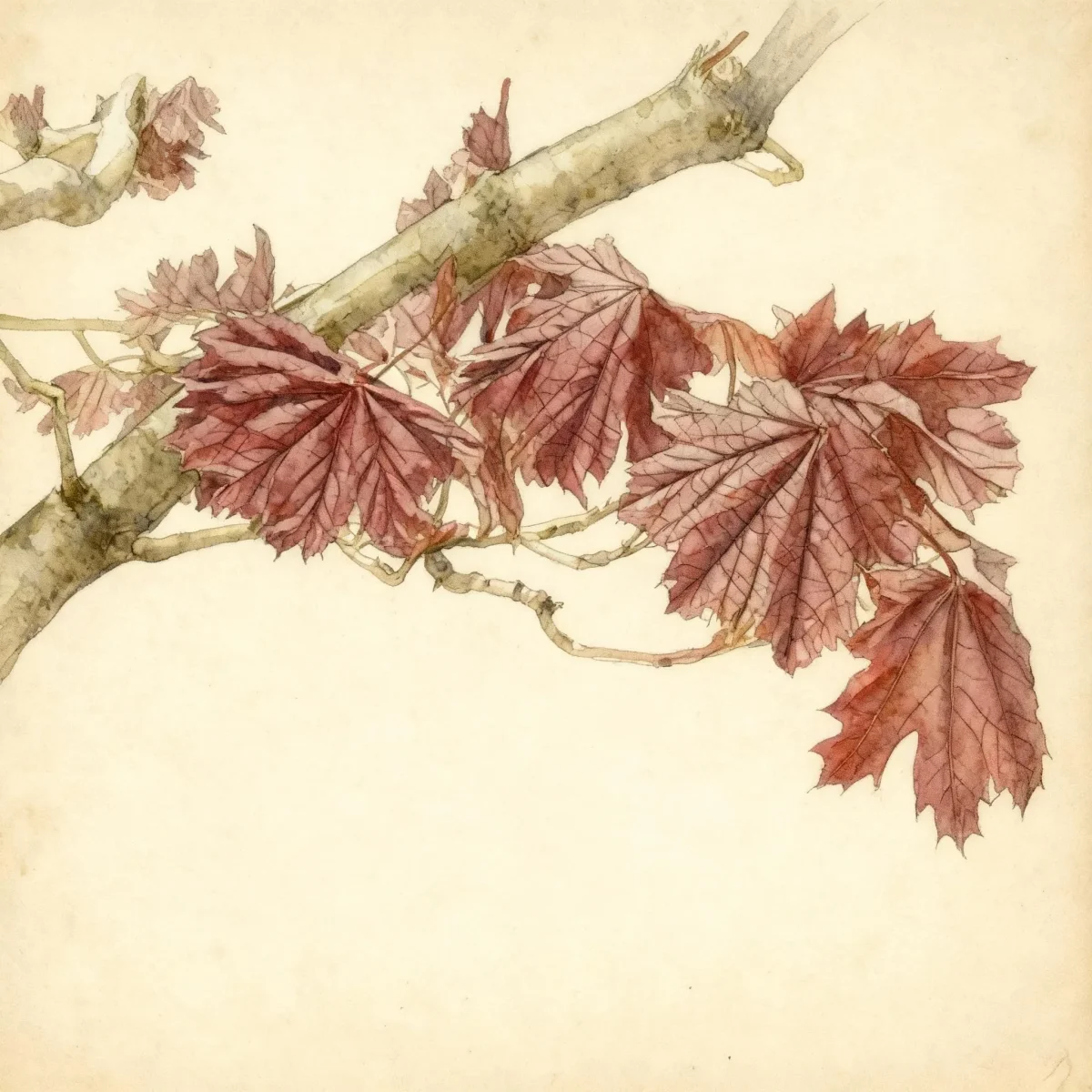
The value proposition of this cultivar lies in its dramatic seasonal color shift, beginning with bright red emergent leaves that mature to deep maroon before settling into dark green. This characteristic provides multi-week interest, a feature often lacking in many shade tree selections. As a low-maintenance choice, Acer platanoides ‘Deborah’ thrives in a variety of conditions.
Though originally planted widely, it is important to note that Norway maple, in general, has naturalized in many areas of the US. For the home gardener seeking reliable shade and structure, this tree provides significant screening capacity and drought tolerance once established.
Fast Facts
- Plant Family: Sapindaceae
- Plant Type: Tree
- Hardiness Zones: USDA Zones 3-7
- Size at Maturity:
- Height: 40-50 ft
- Spread: 30-50 ft
- Bloom Time: March to April
- Bloom Description: Yellow
- Sun Exposure: Full sun to part shade
- Water Needs: Medium
- Maintenance Level: Low
How to Grow
Planting Acer platanoides ‘Deborah’ is best accomplished in the spring or fall, allowing the roots to establish before intense heat or deep freezes occur. Ensure the site provides adequate room for its mature spread of 30 to 50 feet. This Norway maple is adaptable, tolerating a wide range of soils, but it performs best in average, medium-moisture, well-drained conditions, favoring full sun for the best leaf color development.
Water needs are medium; establish deep watering routines during the initial establishment phase. Once mature, the species exhibits good heat and drought tolerance, making supplemental irrigation necessary only during prolonged dry spells. Fertilization is rarely required unless the soil quality is exceptionally poor.
Pruning should focus primarily on removing crossing or damaged limbs, especially while the tree is young to help establish a strong structure. Be aware that the Norway maple has a noted shallow root system, which can interfere with turfgrass beneath the drip line. Avoid planting near sidewalks or driveways where root heave can become an issue.
While generally tolerant of urban pollutants, the bark on younger trees can suffer from sunscald or winter cracking, so monitoring these areas, particularly after harsh winters, is advisable for the health of your Acer platanoides ‘Deborah’.
Landscape Uses
The principal role for this tree is as a substantial shade provider due to its dense canopy and mature height reaching 50 feet. While the standard Norway maple was once ubiquitous as a street tree, this use is now often discouraged in many municipalities due to the shallow root structure. For residential properties, use Acer platanoides ‘Deborah’ as a specimen tree where its size will not overshadow smaller architectural features or utility lines.
When siting this tree, remember the competition for resources beneath its canopy. The thick leaf drop combined with shallow roots severely limits what can be successfully grown within the drip line. Consider using woody mulch or groundcovers tolerant of heavy shade and dry conditions rather than struggling turfgrass.
If you need high-impact seasonal color from a robust larger tree, this cultivar serves well toward the back of a border or as a screening element between neighboring properties. Its formal, rounded crown offers excellent structure even in winter.
Standout Features
Flower Qualities
- Showy
Noteworthy Characteristics
Acer platanoides, commonly called Norway maple, is native to Europe and has been widely planted across the U.S. as a medium-sized deciduous shade tree. ‘Deborah’ distinguishes itself with an oval-rounded habit, featuring bright red emerging leaves that transition over 4-6 weeks to deep maroon and finally dark green, often displaying wrinkled textures. Small yellow flowers appear in erect clusters before the foliage in spring, giving way to characteristic paired seeds (samaras) with horizontally spreading wings.
Tolerances
- Drought
- Air Pollution
Potential Problems
Verticillium wilt is a significant concern for Acer platanoides, as infection is often fatal to the tree. Prevention involves ensuring good air circulation and avoiding injury to the trunk during maintenance activities. Always source young stock from reputable nurseries to reduce initial risk.
The shallow root system presents a practical challenge, capable of cracking or heaving adjacent hardscapes like patios, driveways, and sidewalks. Furthermore, these surface roots create intense competition, preventing most turfgrasses from thriving beneath the crown.
The bark is susceptible to physical damage, sunscald, and winter cracking, especially on young specimens exposed to bright winter sun followed by sudden drops in temperature. Protecting young trunks with commercial tree wrap during the first few winters can mitigate this risk.
Frequently Asked Questions
What hardiness zones is Norway maple suitable for?
Acer platanoides ‘Deborah’ is typically suited for USDA Zones 3 through 7, offering wide adaptability across temperate climates.
How large does Acer platanoides ‘Deborah’ grow?
This cultivar generally reaches a mature height between 40 and 50 feet, with a corresponding spread of 30 to 50 feet, establishing a broad, rounded crown.
What sun exposure does Norway maple need?
For optimal performance and vibrant leaf color, this tree requires full sun to part shade, though it is highly tolerant of varying light conditions.
When does Acer platanoides ‘Deborah’ bloom?
The Norway maple blooms relatively early, typically from March to April, presenting small, ornamental yellow flowers before the leaves fully emerge.
Conclusion
The Acer platanoides ‘Deborah’ offers gardeners a stately, low-maintenance shade tree defined by its compelling, evolving foliage color throughout the season. For those needing structure, reliable growth, and drought tolerance in USDA Zones 3-7, this cultivar of the Norway maple is a superb choice. Before planting, carefully consider the soil drainage and proximity to hardscaping due to its shallow root habits.
Companion Planting
When planning the understory beneath your Acer platanoides ‘Deborah’, focus on plants that can tolerate dry shade and root competition. Consider spring ephemerals like Hostas (certain varieties) or shade-tolerant ferns such as the Japanese Painted Fern, provided they are not planted immediately adjacent to the main trunk. Groundcovers that spread aggressively and tolerate dryness are often the best functional solution to cover the soil surface under the canopy.
Seasonal Care Calendar
Spring is the crucial time for monitoring Norway maple health; look for the initial bright red emergence of the ‘Deborah’ leaves and check bark for any winter injury. Summer care centers on checking soil moisture during heatwaves, as established trees need deep watering rather than frequent shallow sprinkling. In autumn, while the fall color is yellow-orange to bronze, focus on cleaning up the dense leaf litter, which should be composted or mulched elsewhere due to the tree’s invasive potential in some regions. Winter preparation primarily involves protecting young trunks from sunscald.