European cranberrybush(Viburnum opulus 'Nanum')
A practical guide to growing dwarf European cranberrybush 'Nanum' as a low hedge, including its size, care, and lack of flowers and fruit.
Complete Plant Information
- Hardiness zones
- USDA 3–8
- Plant type
- Deciduous shrub
- Plant family
- Adoxaceae
- Sun exposure
- Full sun to part shade
- Water needs
- Medium
- Maintenance
- Low
- Height
- 1.5–2 ft (46–61 cm)
- Spread
- 2–3 ft (61–91 cm)
- Bloom time
- May
- Flower color
- Non-flowering
- Flower qualities
- Not recorded
- Fruit qualities
- Not recorded
- Tolerances
- Not recorded
- Garden uses
- Hedge
- Native range
- Not recorded
Field Guide Continues
Ready for care notes, companion picks, and planting tips?
The map is just the start. The full guide below covers growth habits, seasonal performance, and landscape uses.
A low hedge, not a miniature berry shrub
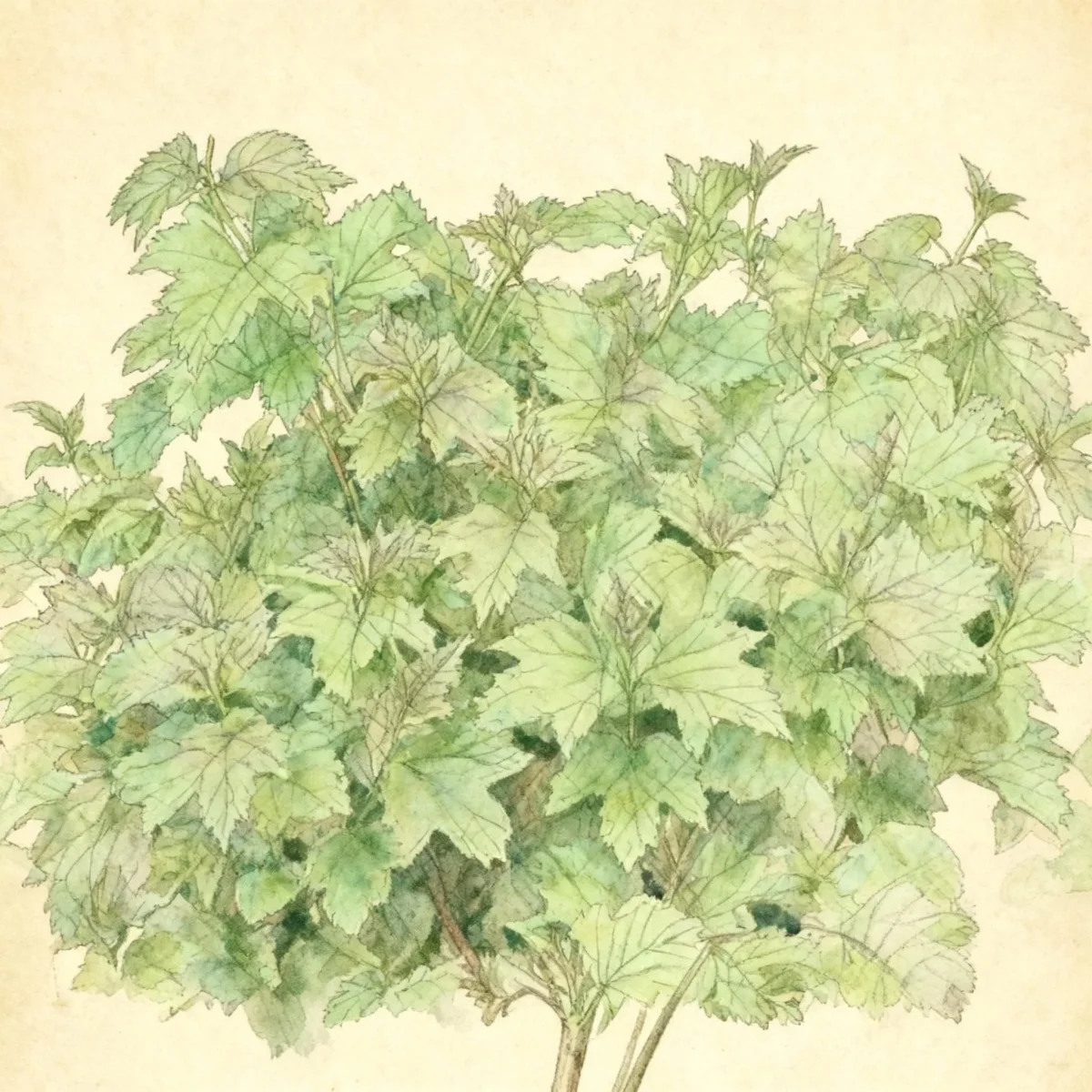
Viburnum opulus ‘Nanum’ is useful when a bed needs a low, rounded framework rather than flowers. It normally stays about 1.5 to 2 feet tall and spreads 2 to 3 feet, forming a dense mound of maple-shaped leaves. That compact habit suits walkway edges, the front of a foundation bed, and low dividers that should not block a window or view.
The name can cause confusion. Unlike full-size European cranberrybush, ‘Nanum’ is generally nonflowering and therefore does not produce the familiar red fruit. Choose it for green texture and a tidy outline, not for berries, fragrance, or a spring flower show. If flowers are the priority, compare it with the fragrant, 3.5- to 5-foot ‘Spice Baby’ Koreanspice viburnum. Gardeners who have room for a much larger, layered shrub may prefer doublefile viburnum.
Placement and planting
Give each shrub enough room to reach its natural width. For a continuous low hedge, space plants so their mature 2- to 3-foot spreads will meet without crowding; exact spacing depends on the size of the plants at purchase and how quickly you want the line to fill. Keep them back from pavement so the branches can arch naturally rather than requiring constant clipping.
‘Nanum’ grows in full sun to part shade in USDA Zones 3 through 8. More sun usually produces denser growth, while some afternoon shade can reduce stress in hot parts of its range. If you are unsure which zone applies to your garden, use the interactive USDA hardiness zone map before buying.
Plant in spring or fall in soil that drains after rain but does not become chronically dry. Dig no deeper than the root ball, set the root flare at soil level, and backfill with the native soil. Water thoroughly, then add a 2- to 3-inch layer of mulch over the root area while keeping mulch away from the stems. Deep watering during the first growing season is more useful than frequent surface sprinkling.
Care without overworking it
The shrub’s naturally compact form is the main reason to grow it, so routine shearing is unnecessary. Remove dead, damaged, or crossing stems when noticed. If a plant needs reshaping, make selective cuts to a side branch rather than trimming the whole surface into a tight shell. A shrub that repeatedly outgrows its allotted space is better moved than continually cut back.
Established plants appreciate even moisture during long dry periods but should not sit in waterlogged soil. Fertilizer is rarely needed when growth and leaf color look normal. Too much nitrogen can encourage soft growth without adding any floral benefit.
What to watch for
Aphids may gather on tender shoots, and stressed viburnums can develop leaf spots, mildew, or stem dieback. Start with spacing, drainage, and watering at soil level; these measures improve airflow and reduce leaf wetness. Inspect declining stems for damage rather than assuming the whole hedge needs treatment, and prune affected wood back to healthy tissue with clean tools.
This is a practical foliage shrub with modest seasonal change. It works best for gardeners who value restrained scale and a low-maintenance outline. It is a poor fit for anyone expecting wildlife fruit, conspicuous bloom, evergreen winter screening, or a hedge taller than knee height.
Common questions
Does ‘Nanum’ produce cranberry-like fruit?
No. This dwarf cultivar is normally nonflowering and nonfruiting. The “cranberrybush” name refers to the species, not to an edible cranberry crop.
Can it grow beneath windows?
Usually, provided the bed allows for a mature spread of up to 3 feet. Its 1.5- to 2-foot height makes it easier to place beneath low windows than most viburnums.
Is it evergreen?
No. It is deciduous and loses its leaves in fall, although the dense twig structure still gives a planting some winter definition.
Recommended Companion Plants
European cranberrybush
Viburnum opulus 'Roseum'
- USDA zones
- 3–8
- Light
- Full sun to part shade
- Water
- Medium
Arrowwood viburnum
Viburnum dentatum 'Ralph Senior' AUTUMN JAZZ
- USDA zones
- 3–8
- Light
- Full sun to part shade
- Water
- Medium
Koreanspice viburnum
Viburnum carlesii 'Aurora'
- USDA zones
- 4–7
- Light
- Full sun to part shade
- Water
- Medium

Koreanspice viburnum
Viburnum carlesii 'Compactum'
- USDA zones
- 4–7
- Light
- Full sun to part shade
- Water
- Medium
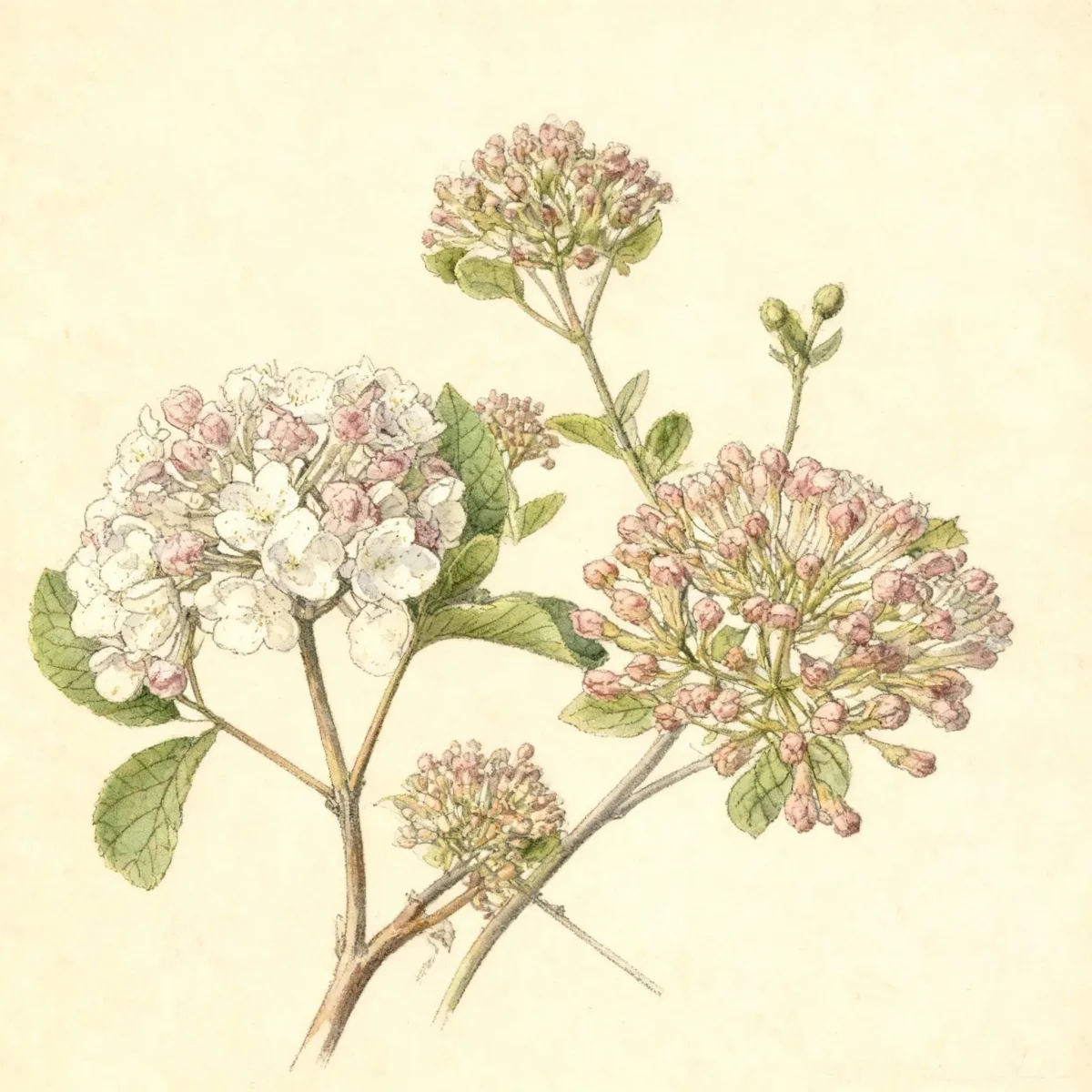
Judd viburnum
Viburnum × juddii
- USDA zones
- 4–8
- Light
- Full sun to part shade
- Water
- Medium
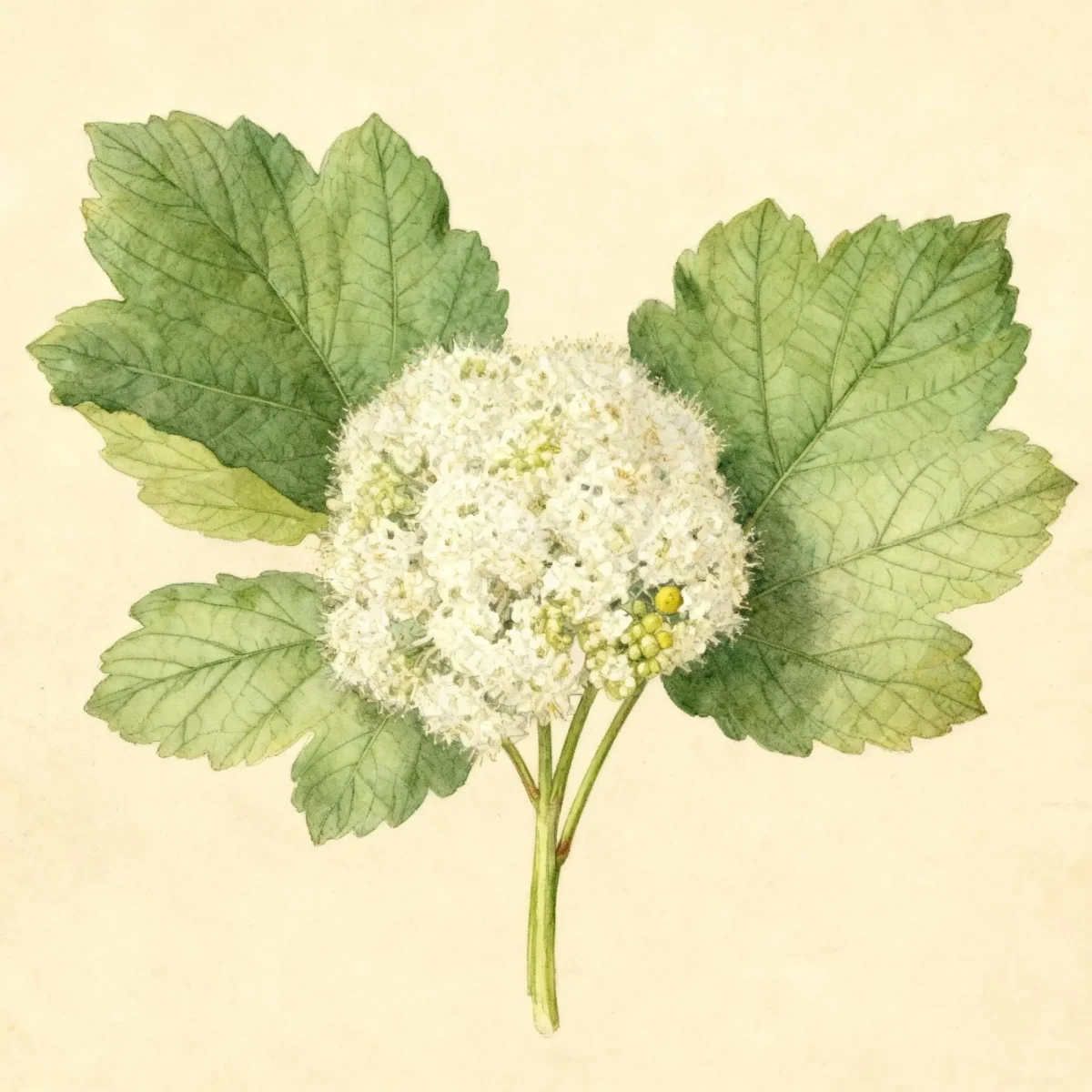
Linden viburnum
Viburnum dilatatum 'Asian Beauty'
- USDA zones
- 4–8
- Light
- Full sun to part shade
- Water
- Medium
Keep Learning
Test what you know with a garden quiz
You have the plant facts and care notes. Continue with a related challenge, or browse the complete quiz library.
Can You Identify These Common Garden Plants? Test Your Plant Knowledge
Think you know your roses from your peonies? Test your plant identification skills with our comprehensive garden plant quiz featuring 10 challenging questions.
Start quiz
USDA Garden Zone Map Quiz
Use this USDA garden zone map quiz to check whether you can read hardiness zones and choose plants with more confidence.
Start quizBrowse the full quizzes section
Explore plant identification, zone strategy, and seasonal gardening challenges.
View all quizzes