Doublefile viburnum(Viburnum plicatum f. Tomentosum)
Doublefile viburnum combines layered branches with white spring flowers. Learn how much room it needs and how to plant, prune, and care for it.

Complete Plant Information
- Hardiness zones
- USDA 5–8
- Plant type
- Deciduous shrub
- Plant family
- Adoxaceae
- Sun exposure
- Full sun to part shade
- Water needs
- Medium
- Maintenance
- Low
- Height
- 8–15 ft (244–457 cm)
- Spread
- 10–18 ft (305–549 cm)
- Bloom time
- April to May
- Flower color
- Snow-white
- Flower qualities
- Showy
- Fruit qualities
- Showy
- Tolerances
- Drought
- Garden uses
- Hedge
- Native range
- China, Japan
Field Guide Continues
Ready for care notes, companion picks, and planting tips?
The map is just the start. The full guide below covers growth habits, seasonal performance, and landscape uses.
A Wide Shrub with Layered Branches
Doublefile viburnum (Viburnum plicatum f. tomentosum) is known for horizontal branches lined with flat clusters of white flowers in spring. The tiered habit is the main event: when the shrub has enough room, its branches form distinct layers from the center outward. Red fruit may follow the flowers and darken as it ripens, while the leaves can develop red-purple fall color.
This is a substantial shrub, commonly 8 to 15 feet tall and 10 to 18 feet wide. It suits USDA Zones 5–8. Check your location with the hardiness zone map before making space for it.
Choose the Site for Its Mature Width
Plant in full sun to part shade in moist, well-drained soil. In hotter parts of its range, some afternoon shade can help protect foliage, but deep shade reduces flowering and produces a looser shape. Give the shrub good airflow and do not crowd it against a wall or narrow path.
Spring or fall planting allows roots to establish during moderate weather. Water deeply through the first growing season and mulch to keep the soil evenly moist. An established plant still benefits from water during prolonged drought, especially while developing flowers and fruit.
Gardeners at the colder edge of its range can find companions in the Zone 5 plant guide. Those in warmer climates can compare choices in the Zone 8 guide.
Pruning Without Losing the Shape
Doublefile viburnum needs little routine pruning when it has adequate room. Remove dead or crossing branches and shorten an awkward shoot just after flowering. Late-winter pruning removes some of the buds that would have opened in spring.
Avoid shearing it into a tight box. That treatment hides the layered branching and encourages a dense outer shell of foliage. If the shrub has outgrown its location, selective renewal pruning is more natural, but relocation or replacement may be better than forcing an 18-foot-wide plant into a small bed.
Using It in the Landscape
Give doublefile viburnum a place where it can be viewed from the front and side: the edge of a lawn, a broad woodland border, or the turn of a garden path. Underplant lightly so the lowest branches remain visible. Ferns, sedges, and low spring perennials can soften the ground without obscuring the architecture.
For a narrower screening shrub, compare Fontanesia, which has a more upright profile. You can also browse the plant collection by mature size before deciding.
Potential Problems
Aphids, scale insects, and viburnum leaf beetle may appear, depending on region. Leaf spots and powdery mildew are more likely where foliage stays damp and air movement is poor. Inspect plants periodically and identify a problem before treating it.
Common Questions
Does doublefile viburnum need a pollinator for fruit?
Fruit set can improve when a genetically different compatible viburnum flowers nearby. Flowering itself does not depend on a pollinator plant.
Can I keep it small with pruning?
Regular pruning can limit it temporarily, but it is naturally a broad, large shrub. Choosing a site for its mature spread produces a healthier, better-looking plant.
When should I prune?
Prune soon after spring flowering if needed. This preserves the natural form and gives the plant time to develop next year’s flower buds.
Is it suitable as a hedge?
It can form a broad informal screen, but its layered habit is more attractive when allowed to grow as an individual or loosely grouped shrub.
Recommended Companion Plants
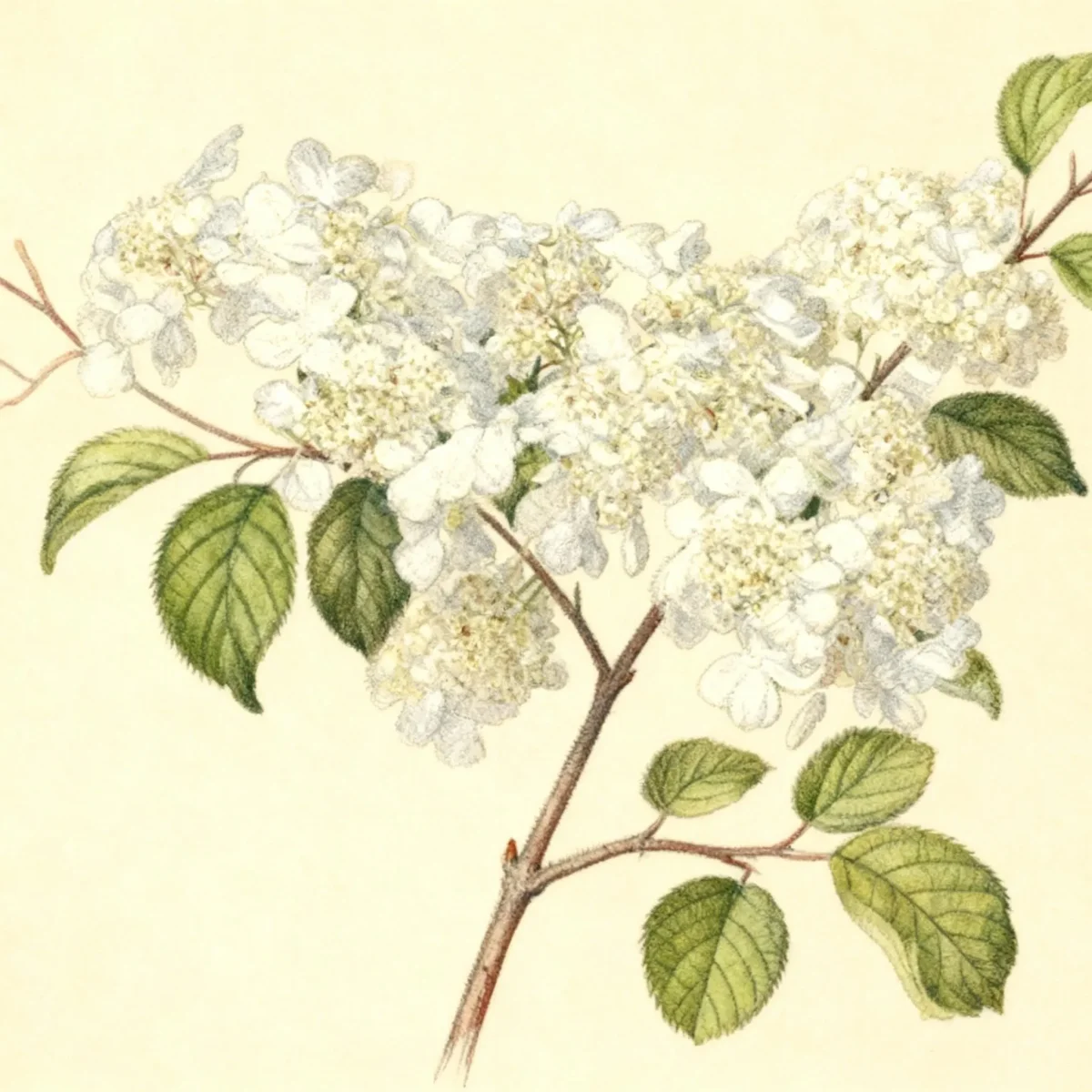
Doublefile viburnum
Viburnum plicatum f. Tomentosum 'Mariesii'
- USDA zones
- 5–8
- Light
- Full sun to part shade
- Water
- Medium
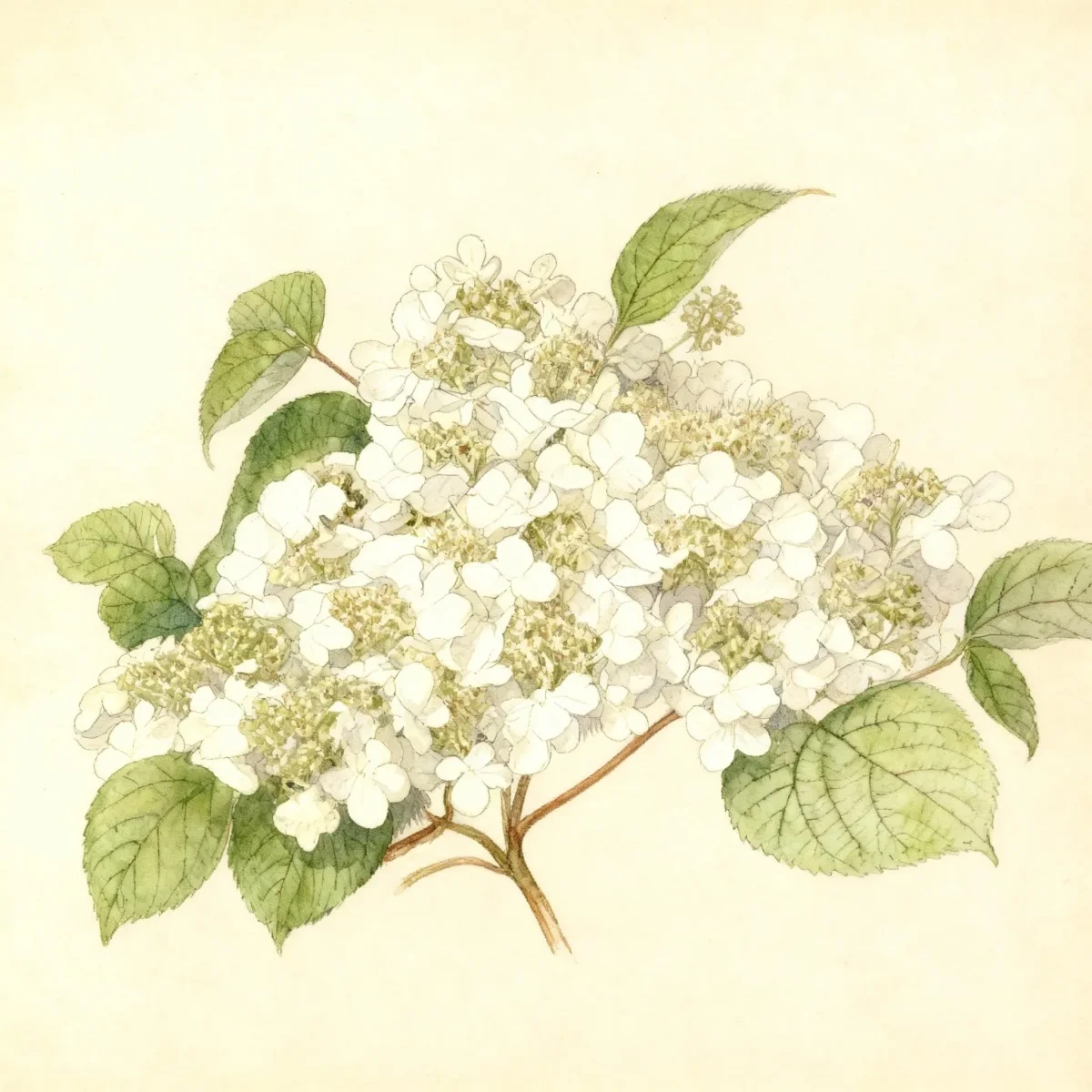
Doublefile viburnum
Viburnum plicatum f. Tomentosum 'Shasta'
- USDA zones
- 5–8
- Light
- Full sun to part shade
- Water
- Medium
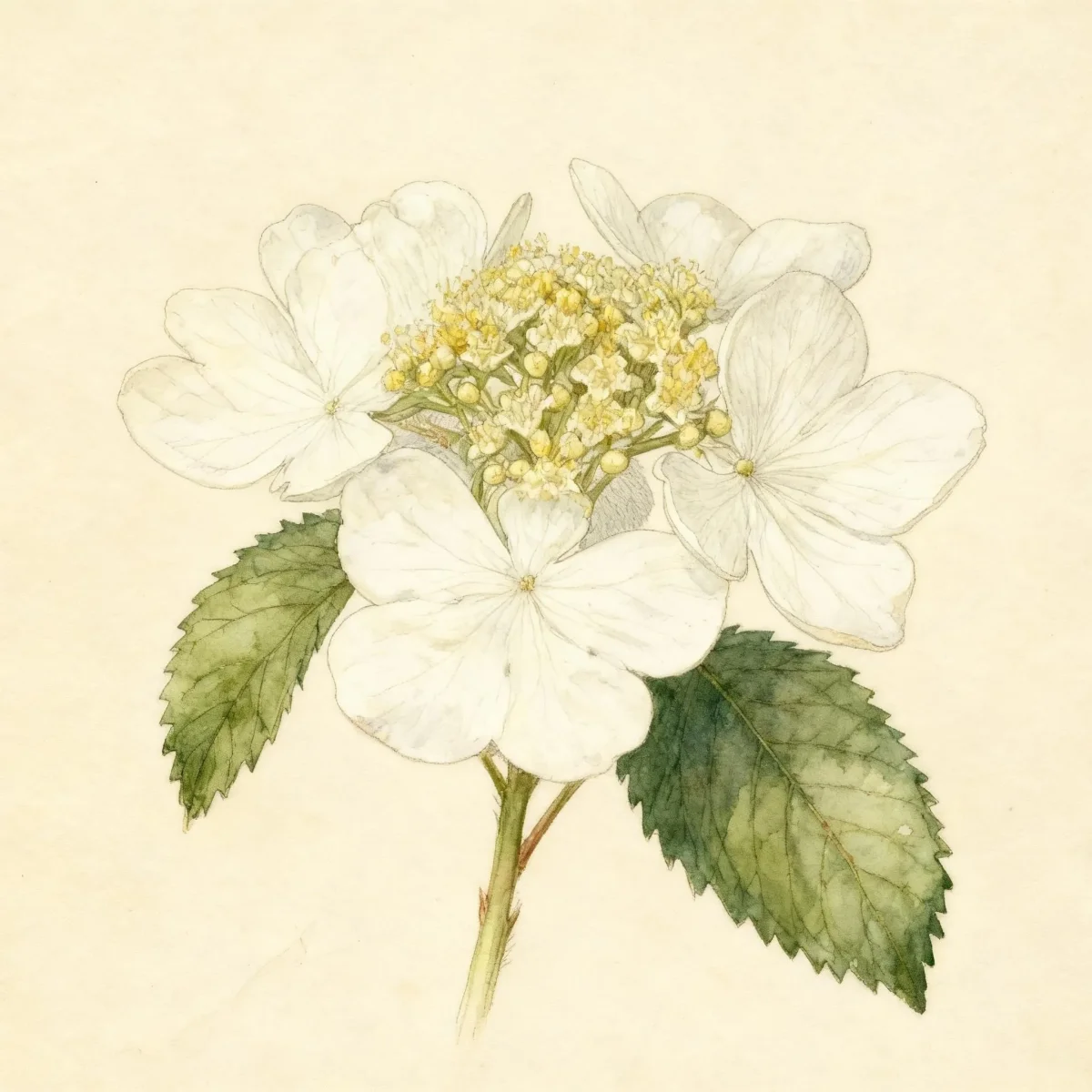
Doublefile viburnum
Viburnum plicatum f. Tomentosum 'Shoshoni'
- USDA zones
- 5–8
- Light
- Full sun to part shade
- Water
- Medium
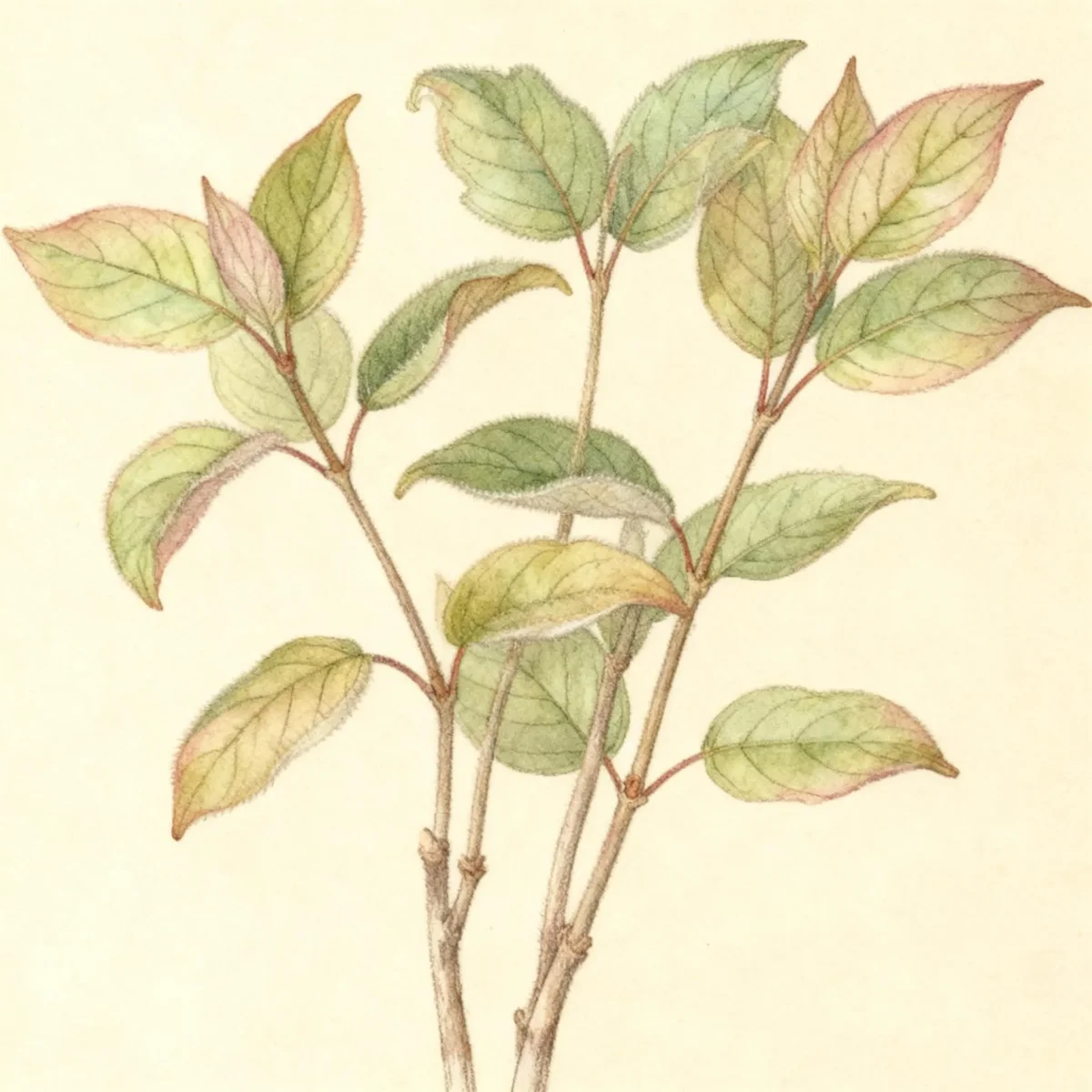
Doublefile viburnum
Viburnum plicatum f. Tomentosum 'Watanabei'
- USDA zones
- 5–8
- Light
- Full sun to part shade
- Water
- Medium

Doublefile viburnum
Viburnum plicatum f. Tomentosum 'Weeping Magic'
- USDA zones
- 5–8
- Light
- Full sun to part shade
- Water
- Medium

Doublefile viburnum
Viburnum plicatum f. Tomentosum 'Cascade'
- USDA zones
- 5–8
- Light
- Full sun to part shade
- Water
- Medium
Keep Learning
Test what you know with a garden quiz
You have the plant facts and care notes. Continue with a related challenge, or browse the complete quiz library.

Can You Identify These Common Garden Plants? Test Your Plant Knowledge
Think you know your roses from your peonies? Test your plant identification skills with our comprehensive garden plant quiz featuring 10 challenging questions.
Start quiz
USDA Garden Zone Map Quiz
Use this USDA garden zone map quiz to check whether you can read hardiness zones and choose plants with more confidence.
Start quizBrowse the full quizzes section
Explore plant identification, zone strategy, and seasonal gardening challenges.
View all quizzes