Viburnum(Viburnum × rhytidophylloides 'Alleghany')
Grow Alleghany viburnum (Viburnum × rhytidophylloides): tough leathery semi-evergreen foliage, creamy spring cymes, red-to-black autumn fruit, USDA zones 5–8.

Complete Plant Information
- Hardiness zones
- USDA 5–8
- Plant type
- Deciduous shrub
- Plant family
- Viburnaceae
- Sun exposure
- Full sun to part shade
- Water needs
- Medium
- Maintenance
- Low
- Height
- 8–10 ft (244–305 cm)
- Spread
- 8–10 ft (244–305 cm)
- Bloom time
- April to May
- Flower color
- Large flat-topped creamy-white cymes (4–8 inches wide) with a light, spicy aroma
- Flower qualities
- Showy
- Fruit qualities
- Showy, Attracts Birds
- Tolerances
- Erosion, Drought, Clay Soil, Air Pollution
- Garden uses
- Privacy screen, windbreak, wildlife hedge, shrub border anchor
- Native range
- Artificial hybrid origin (V. rhytidophyllum × V. lantana 'Mohican')
Field Guide Continues
Ready for care notes, companion picks, and planting tips?
The map is just the start. The full guide below covers growth habits, seasonal performance, and landscape uses.
Overview
Alleghany viburnum (Viburnum × rhytidophylloides ‘Alleghany’) is a tough, versatile semi-evergreen shrub developed by Donald Egolf at the U.S. National Arboretum in 1966. A cross between leatherleaf viburnum (V. rhytidophyllum) and wayfaring tree (V. lantana ‘Mohican’), it combines the handsome, wrinkled, leathery foliage of the former with the superior cold hardiness, compact branch structure, and dense fruit set of the latter. Hardy across USDA Zones 5 through 8, it matures into a dense, rounded, multi-stemmed screen 8 to 10 feet tall and wide, adorned with creamy spring flower cymes and multi-colored autumn berries.
Its heavy, deeply veined dark green leaves persist late into winter before dropping, providing dense privacy and sound dampening.
How to Grow
- Hardiness & Siting: USDA Zones 5 through 8. Superior winter cold tolerance compared to pure leatherleaf viburnum. In Zone 5, foliage is deciduous; in Zones 6 through 8, it is reliably semi-evergreen.
- Sunlight: Full sun to partial shade. Shrubs flower and fruit most heavily in full sun (at least 6 hours daily), but tolerate open canopy shade well.
- Soil & Adaptability: Highly adaptable to diverse soil types, including alkaline limestone soils, heavy clay, and gravelly ground. Requires reasonable drainage; avoids standing water.
- Drought & Pest Resistance: Demonstrates high resistance to bacterial leaf spot and crown rot. Highly drought-tolerant once roots anchor into native soil.
- Pruning Discipline: Blooms form on old wood. If size reduction or shaping is needed, prune immediately after spring flowering concludes. Never prune in late summer or autumn, which strips next year’s flower buds.
Landscape Uses
- Dense Evergreen Privacy Screen: Spaced 5 to 6 feet apart on center, it forms an impenetrable, thick living fence along property boundaries.
- Songbird Habitat Border: Heavy late-summer clusters of red-to-black berries provide essential fat and nutrients for migrating songbirds.
- Windbreak & Sound Barrier: Leathery, textured leaves absorb roadside traffic noise and block buffeting winter winds.
Potential Problems
- Cross-Pollination Required for Berries: While self-fertile to a degree, planting another V. × rhytidophylloides or V. lantana selection nearby vastly improves berry set and color display.
- Pruning at Wrong Time: Pruning in autumn or late winter removes all spring flower cymes.
- Root Rot in Standing Water: Intolerant of permanently boggy, flooded soils.
Frequently Asked Questions
Does Alleghany viburnum keep its leaves in winter?
Yes, in USDA Zones 6 through 8 it is reliably semi-evergreen, holding its thick, wrinkled dark green foliage until late winter. In colder Zone 5, it behaves as a deciduous shrub.
Do the berries change color?
Yes. Berries begin as bright green, turn brilliant fire-engine red in late summer, and finally mature into glossy blue-black fruits by autumn.
Can Alleghany viburnum grow in alkaline soil?
Yes. It inherits high alkaline tolerance from its Viburnum lantana parent, thriving in limestone soils with pH up to 7.8.
Companion Plants
Pair Alleghany viburnum with shrubs and perennials that highlight its coarse, leathery foliage:
- Fine-Textured Flowering Shrubs: Combine with panicle hydrangeas, spirea, or serviceberries (Amelanchier).
- Perennial Border Accents: Underplant with daylilies, hostas, and perennial geraniums along its sunny edges.
- Pollinator Partners: Plant near native purple coneflowers (Echinacea) and black-eyed Susans (Rudbeckia).
Sources & Lineage
- Missouri Botanical Garden PlantFinder: Record taxon 255732 (Viburnum × rhytidophylloides ‘Alleghany’) — U.S. National Arboretum parentage, hardiness, and ornamental characteristics.
- Kew Plants of the World Online (POWO): Viburnum × rhytidophylloides Suringar (POWO: 149901-1) — artificial hybrid botanical status and family (Viburnaceae).
- U.S. National Arboretum: Plant Introductions: Viburnum ‘Alleghany’ — breeding release notes (1966), parentage, and landscape adaptability.
Recommended Companion Plants
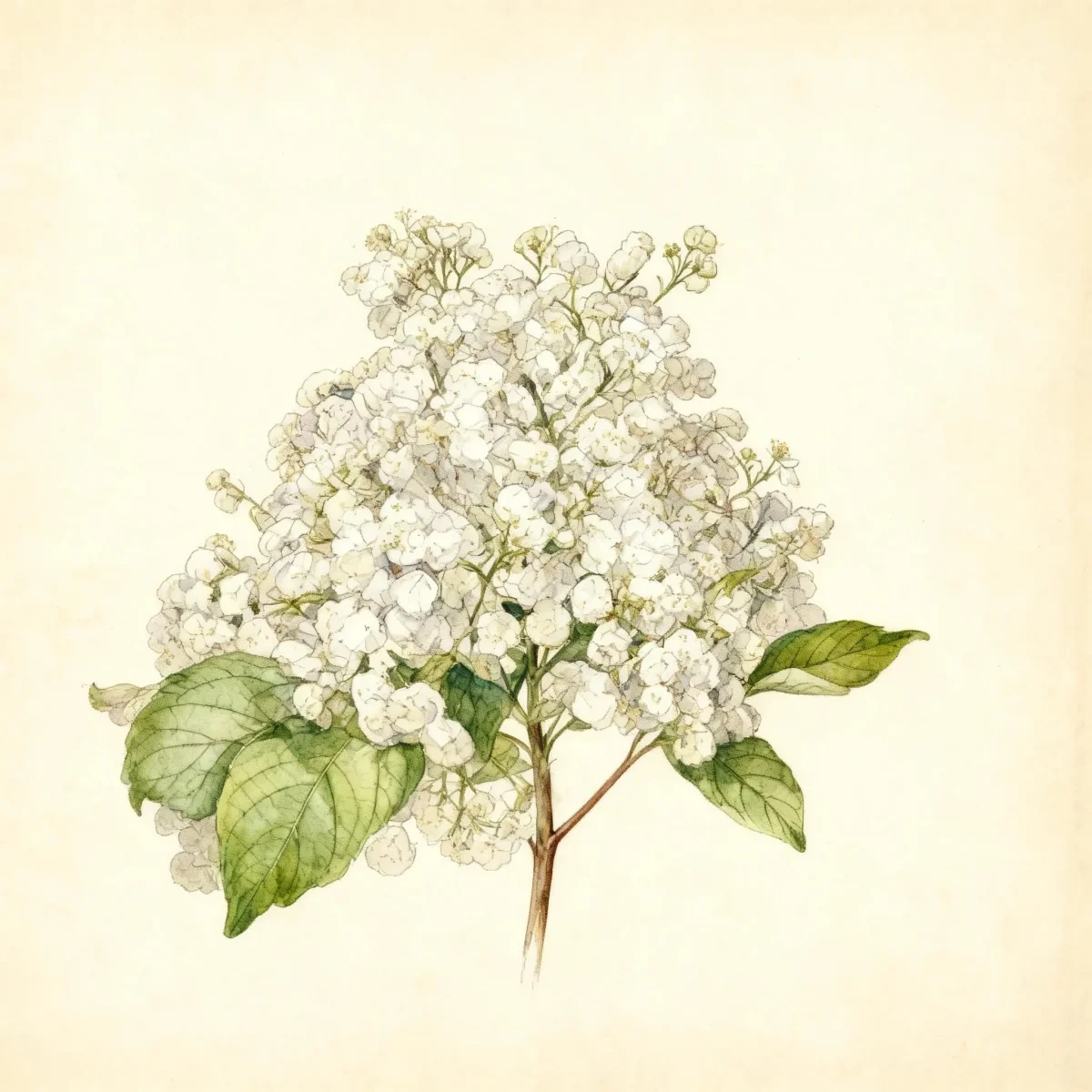
Viburnum
Viburnum 'Eskimo'
- USDA zones
- 6–8
- Light
- Full sun to part shade
- Water
- Medium

Viburnum
Viburnum × bodnantense
- USDA zones
- 5–7
- Light
- Full sun to part shade
- Water
- Medium

Viburnum
Viburnum × bodnantense 'Dawn'
- USDA zones
- 5–7
- Light
- Full sun to part shade
- Water
- Medium

Viburnum
Viburnum 'Emerald Triumph'
- USDA zones
- 4–7
- Light
- Full sun to part shade
- Water
- Medium

Viburnum
Viburnum bracteatum 'Smvdbl' ALL THAT GLOWS
- USDA zones
- 6–8
- Light
- Full sun to part shade
- Water
- Medium
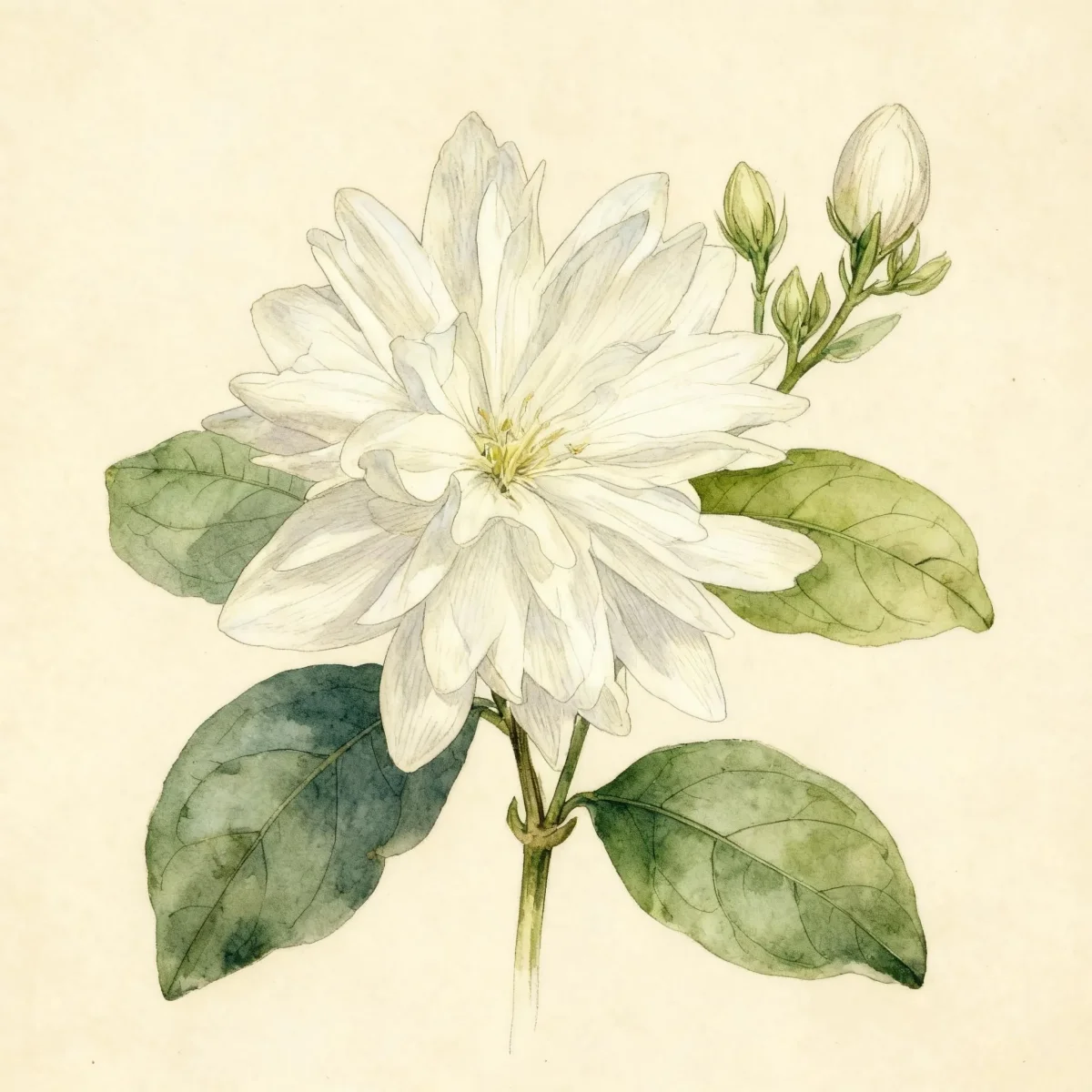
Mock orange
Philadelphus 'Miniature Snowflake'
- USDA zones
- 5–8
- Light
- Full sun to part shade
- Water
- Medium
Keep Learning
Test what you know with a garden quiz
You have the plant facts and care notes. Continue with a related challenge, or browse the complete quiz library.

Can You Identify These Common Garden Plants? Test Your Plant Knowledge
Think you know your roses from your peonies? Test your plant identification skills with our comprehensive garden plant quiz featuring 10 challenging questions.
Start quiz
USDA Garden Zone Map Quiz
Use this USDA garden zone map quiz to check whether you can read hardiness zones and choose plants with more confidence.
Start quizBrowse the full quizzes section
Explore plant identification, zone strategy, and seasonal gardening challenges.
View all quizzes