Viburnum(Viburnum bracteatum 'Smvdbl' ALL THAT GLOWS)
How to place and care for All That Glows viburnum, a 4- to 6-foot shrub with glossy foliage, white spring flowers, and potential fruit.

Complete Plant Information
- Hardiness zones
- USDA 6–8
- Plant type
- Deciduous shrub
- Plant family
- Adoxaceae
- Sun exposure
- Full sun to part shade
- Water needs
- Medium
- Maintenance
- Low
- Height
- 4–6 ft (122–183 cm)
- Spread
- 4–6 ft (122–183 cm)
- Bloom time
- May to June
- Flower color
- White
- Flower qualities
- Showy, Fragrant
- Fruit qualities
- Showy
- Tolerances
- Deer
- Garden uses
- Hedge
- Native range
- Not recorded
Field Guide Continues
Ready for care notes, companion picks, and planting tips?
The map is just the start. The full guide below covers growth habits, seasonal performance, and landscape uses.
Glossy leaves on a medium-size viburnum
All That Glows is a compact selection of bracted viburnum, Viburnum bracteatum. It grows about 4 to 6 feet tall and wide, carrying lustrous dark green leaves on a dense, rounded deciduous shrub. White flower clusters appear in May and June, and blue-black fruit may follow when flowers are successfully pollinated.
That size makes it useful for an informal hedge, mixed shrub border, or foundation bed with real depth. It is too broad for a narrow strip between a wall and walkway, and because it loses its leaves, it will not provide an opaque winter screen. Gardeners primarily seeking fragrance in a slightly smaller shrub should compare ‘Spice Baby’ Koreanspice viburnum. For a knee-high foliage hedge with no meaningful flowers or fruit, dwarf ‘Nanum’ European cranberrybush fills a different role.
Plan for flowers and fruit separately
A viburnum can flower well yet set little fruit if compatible pollen is unavailable when it blooms. If fruit is important, ask the nursery for a compatible, genetically distinct viburnum with an overlapping bloom period rather than assuming any nearby viburnum will work. Space both plants for their mature widths and make sure the pollinator is suited to the same site.
Full sun generally gives the densest growth and strongest flowering, while part shade is useful where afternoon heat is intense. Plant in medium-moisture soil that drains well. Avoid a low spot that stays saturated and a dry overhang where rainfall never reaches the roots.
Spring and fall are good planting windows. Set the root flare at soil level, loosen circling container roots where necessary, and water the backfilled soil thoroughly. Spread 2 to 3 inches of mulch over the root zone without touching the stems. Water deeply during the first growing season and during extended dry periods after establishment.
The listed range is USDA Zones 6 through 8. Use the USDA hardiness zone map to check winter fit, then consider reflected heat and exposure to drying wind around foundations.
Prune after bloom, and only when needed
All That Glows naturally forms a compact shrub, so annual shearing is unnecessary. Remove damaged and crossing branches first. If shaping is needed, prune soon after flowering; late-summer or winter pruning can remove buds that would have opened the following spring. Selective thinning preserves the foliage texture better than cutting every branch to one plane.
A crowded hedge traps moisture and loses its natural outline. Allow airflow between plants and accept the mature spread instead of packing young shrubs tightly for instant coverage. Fertilizer is not routinely needed. If leaves are pale or growth is weak, assess drainage, moisture, root competition, and soil nutrition before feeding.
Viburnums can attract aphids, scale, or leaf-feeding insects, and stressed foliage may develop spots or mildew. Inspect both leaf surfaces and stems before choosing a treatment. Deer tolerance does not mean deer-proof; protect young shrubs if browsing is persistent.
Using it in a mixed border
Place this viburnum behind perennials that stay below its lower branches. The glossy leaves contrast well with fine grasses, matte foliage, and upright flower spikes. A dark evergreen behind the shrub provides winter structure after its leaves fall. Keep high-water plants and drought specialists in separate irrigation zones rather than forcing either group into the viburnum’s medium-moisture routine.
Common questions
Does one shrub produce fruit by itself?
Fruit set may be limited without compatible pollen. If berries matter to the design, confirm a suitable pollinating partner before planting.
Can it be maintained as a formal hedge?
It can be clipped, but selective pruning better preserves its flowers and glossy, rounded form. It is most convincing as an informal hedge.
Is it evergreen?
No. It is deciduous, so plan for an open branch framework in winter.
Recommended Companion Plants
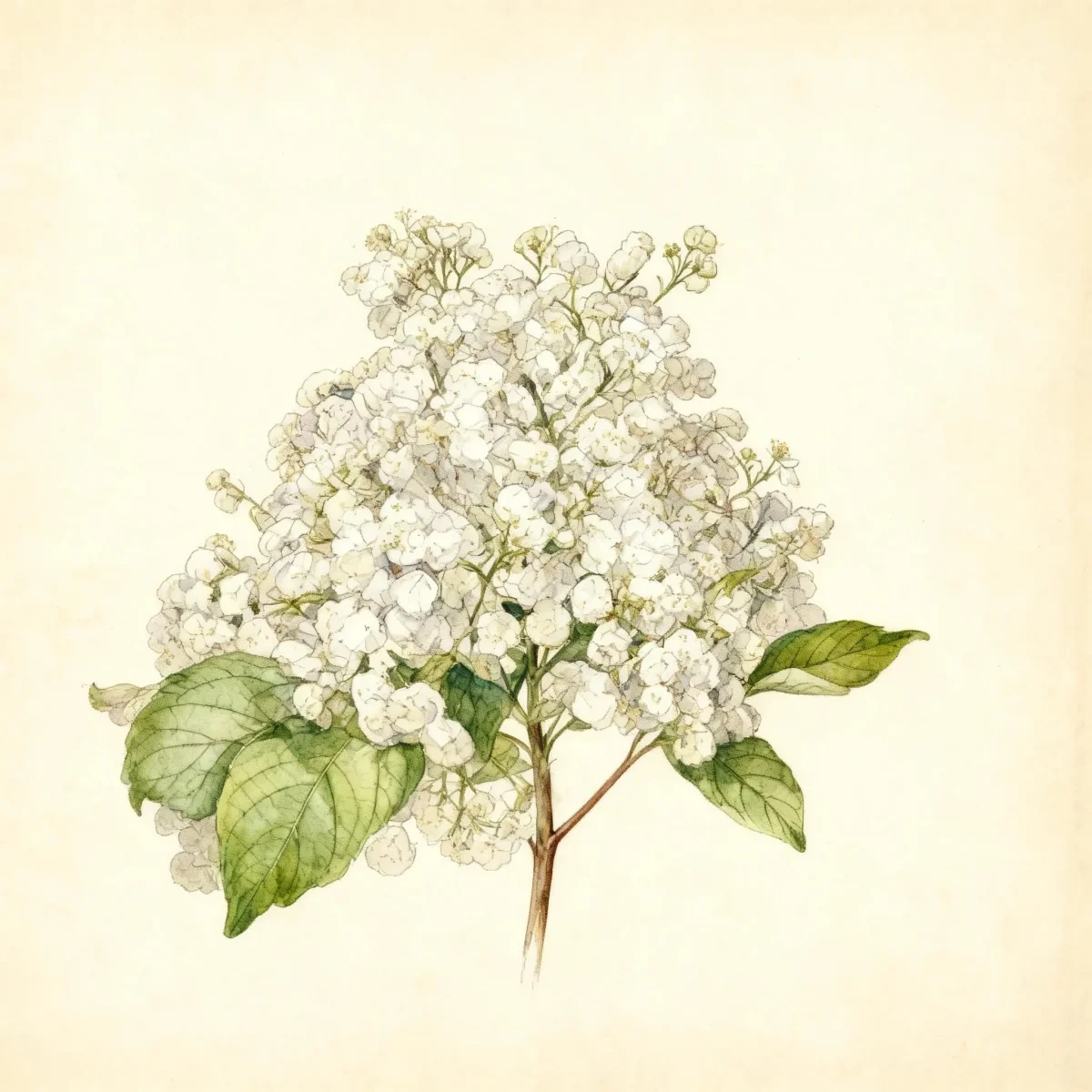
Viburnum
Viburnum 'Eskimo'
- USDA zones
- 6–8
- Light
- Full sun to part shade
- Water
- Medium

Viburnum
Viburnum × bodnantense
- USDA zones
- 5–7
- Light
- Full sun to part shade
- Water
- Medium

Viburnum
Viburnum × bodnantense 'Dawn'
- USDA zones
- 5–7
- Light
- Full sun to part shade
- Water
- Medium
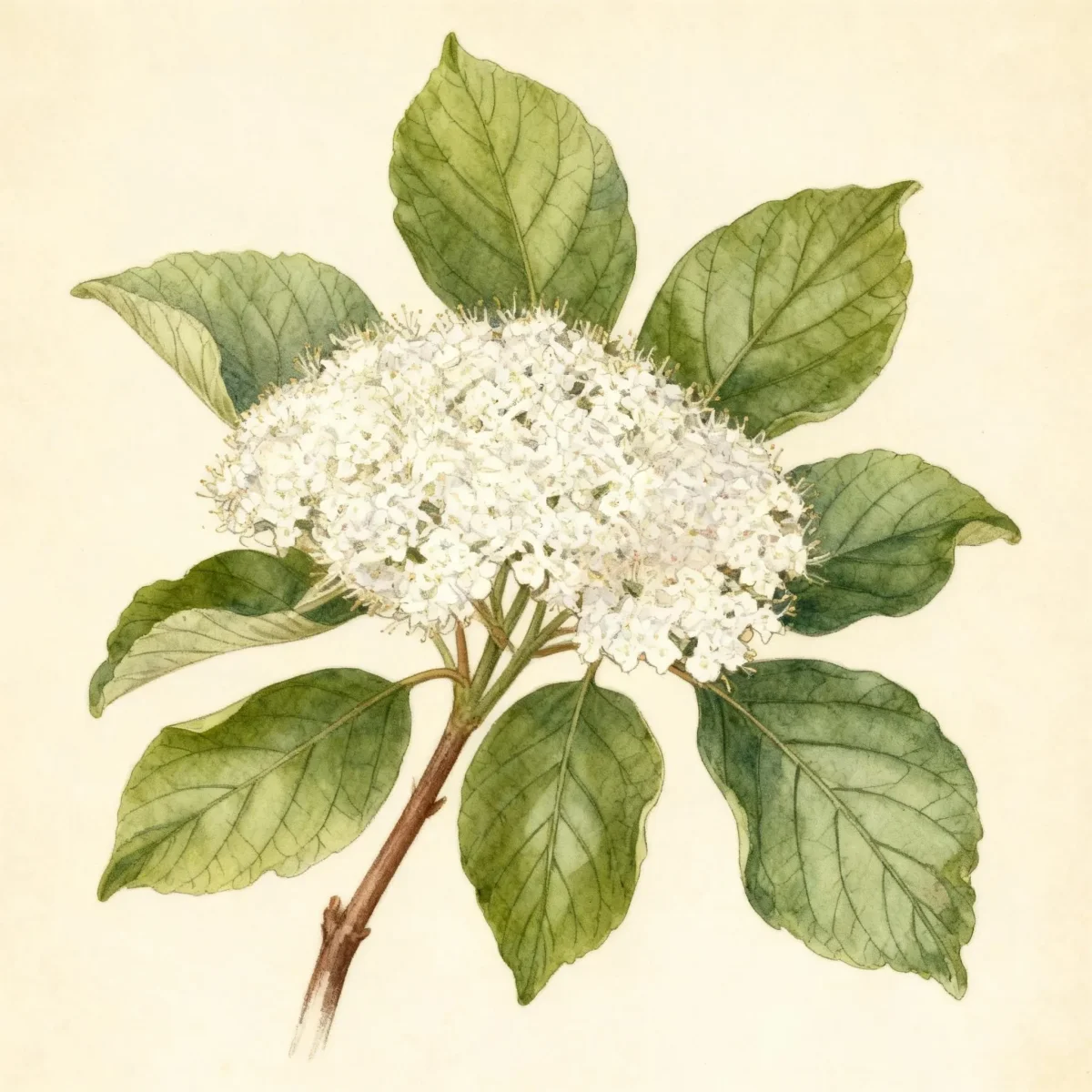
Linden viburnum
Viburnum dilatatum 'Erie'
- USDA zones
- 5–8
- Light
- Full sun to part shade
- Water
- Medium
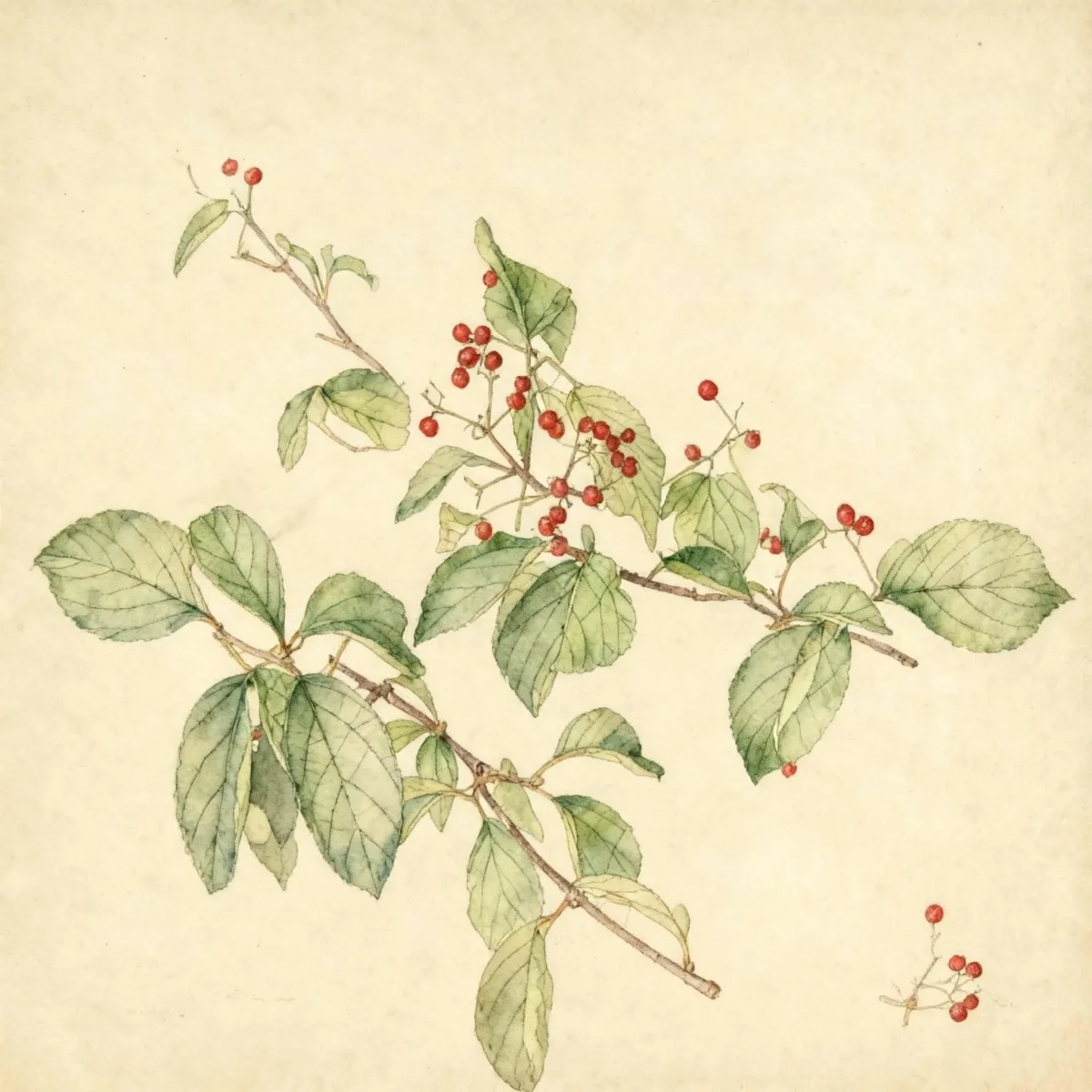
Linden viburnum
Viburnum 'Oneida'
- USDA zones
- 5–8
- Light
- Full sun to part shade
- Water
- Medium

Doublefile viburnum
Viburnum plicatum f. Tomentosum
- USDA zones
- 5–8
- Light
- Full sun to part shade
- Water
- Medium
Keep Learning
Test what you know with a garden quiz
You have the plant facts and care notes. Continue with a related challenge, or browse the complete quiz library.
Can You Identify These Common Garden Plants? Test Your Plant Knowledge
Think you know your roses from your peonies? Test your plant identification skills with our comprehensive garden plant quiz featuring 10 challenging questions.
Start quiz
USDA Garden Zone Map Quiz
Use this USDA garden zone map quiz to check whether you can read hardiness zones and choose plants with more confidence.
Start quizBrowse the full quizzes section
Explore plant identification, zone strategy, and seasonal gardening challenges.
View all quizzes