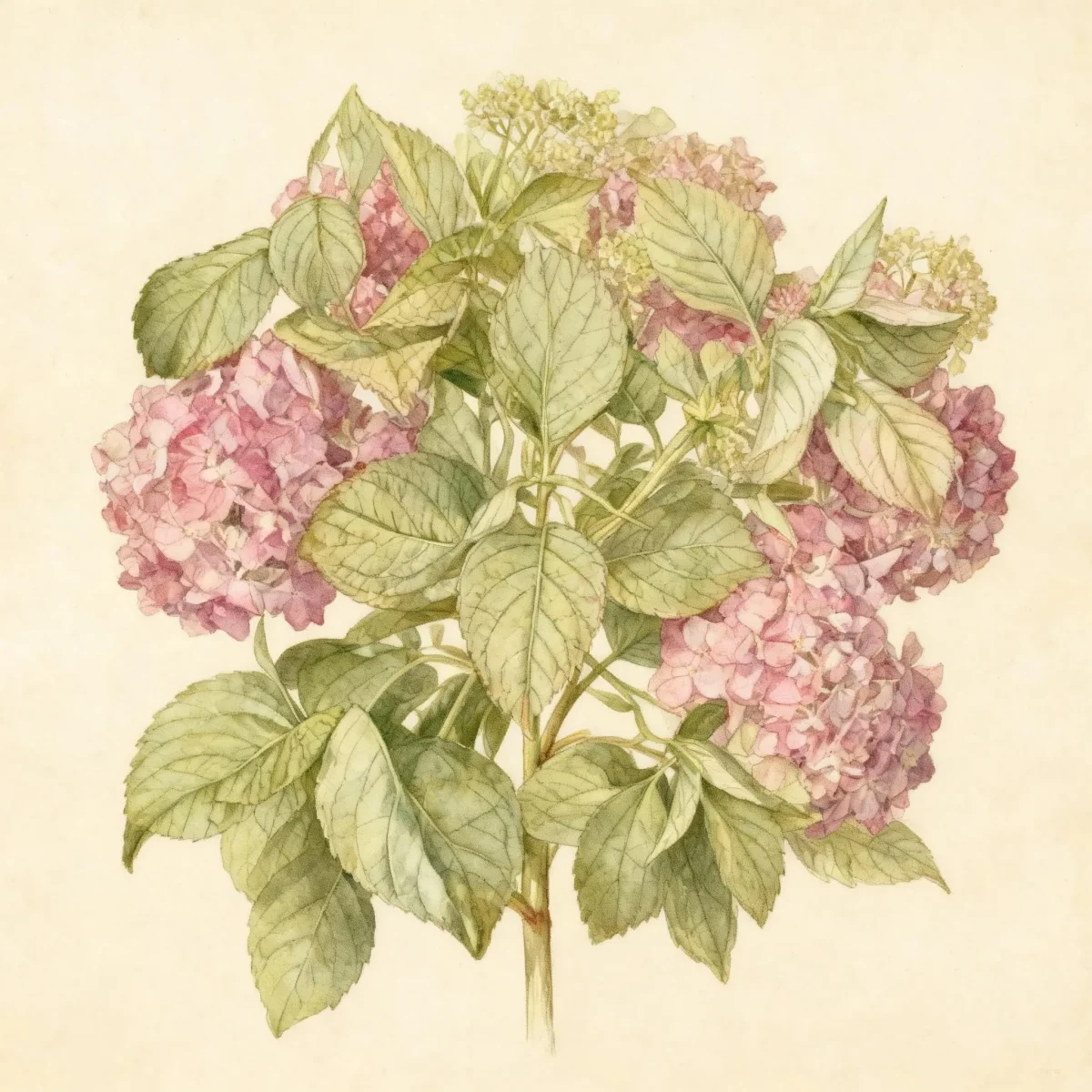
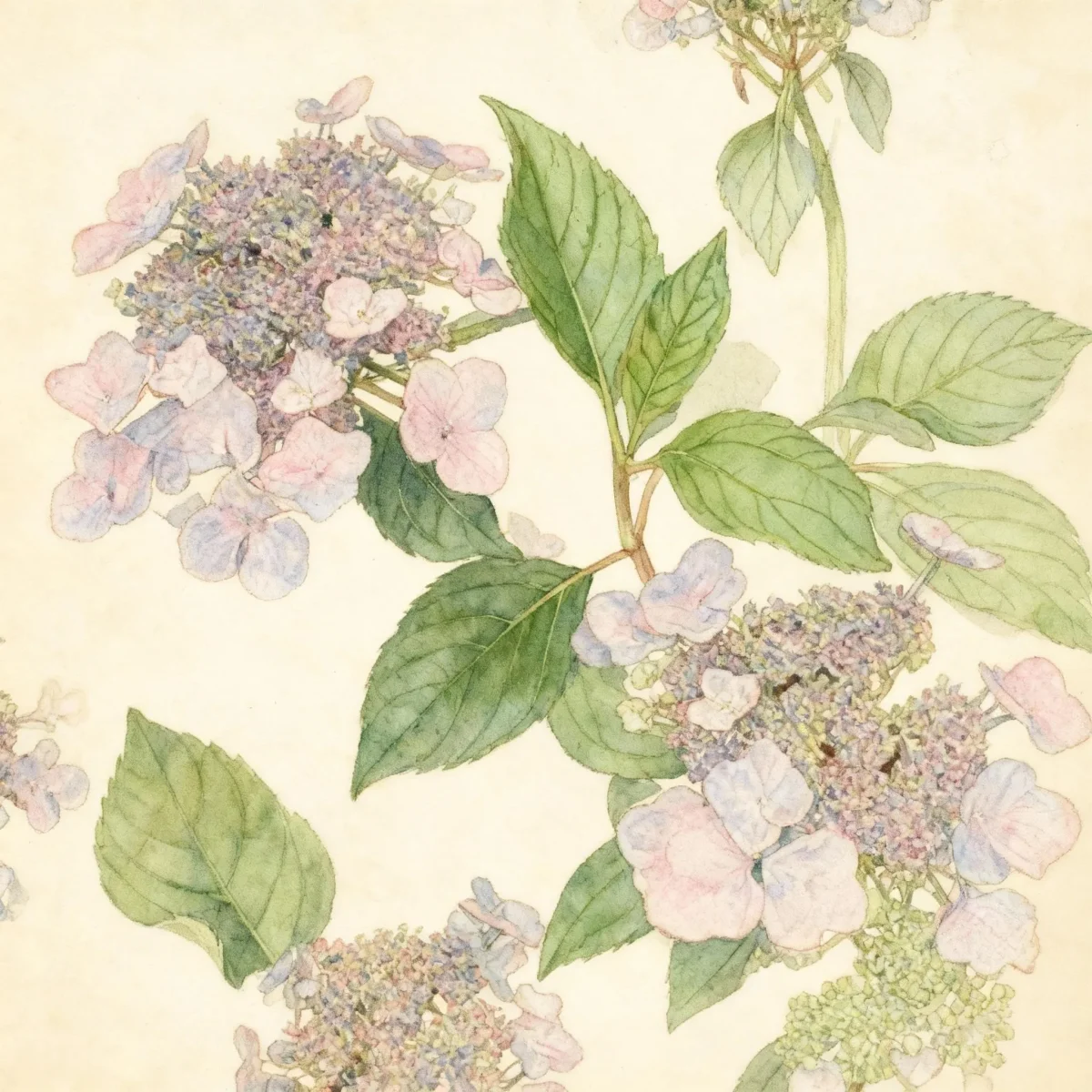
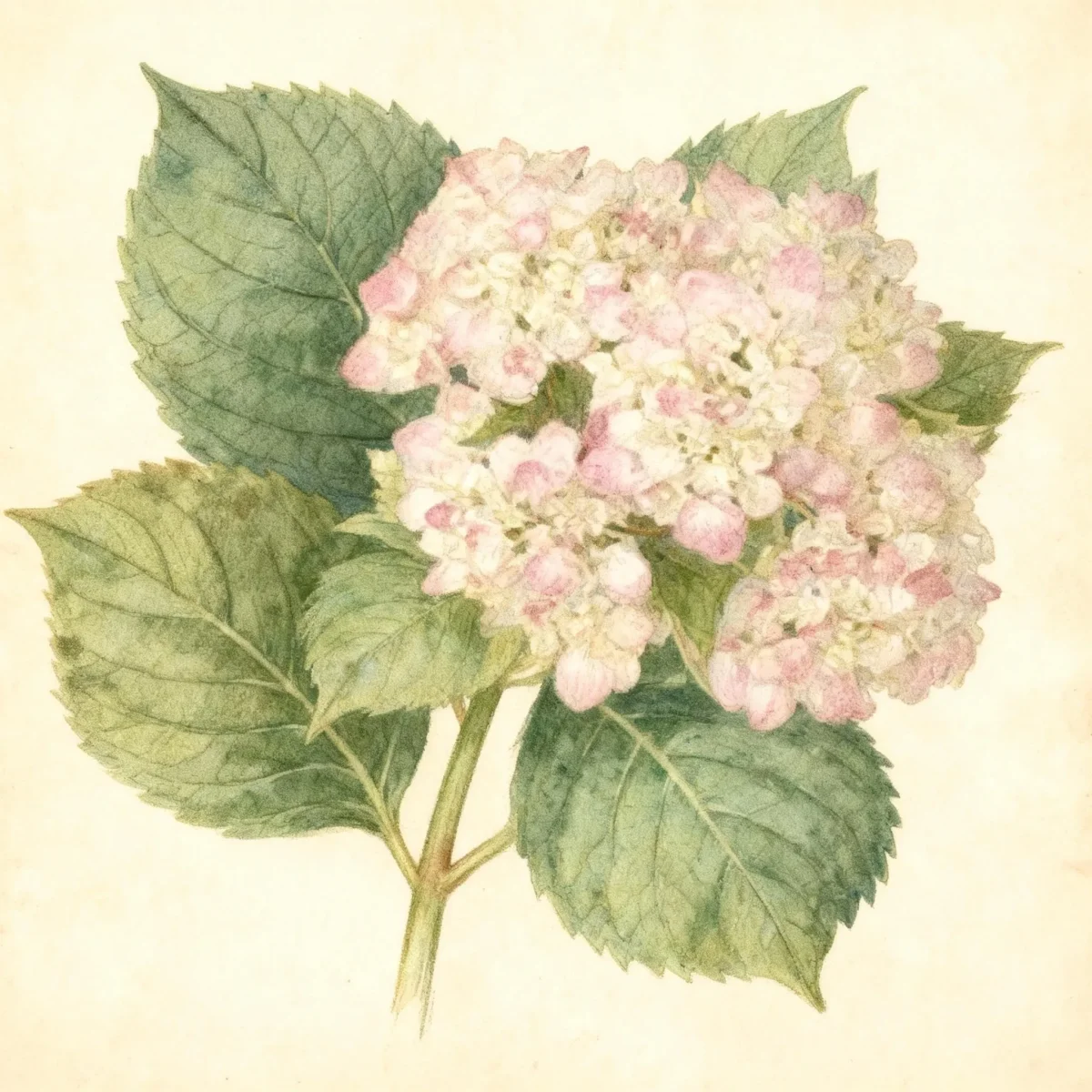
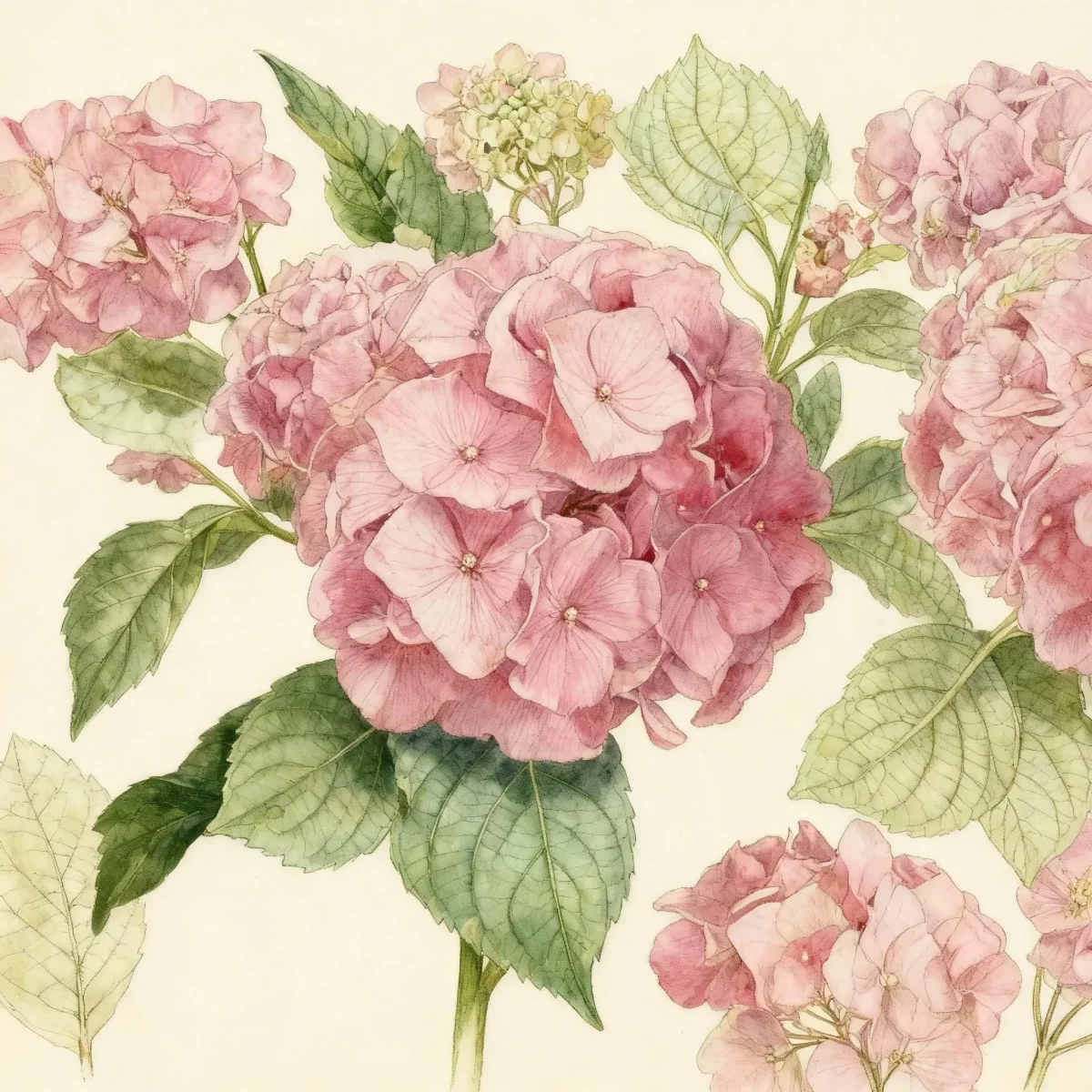
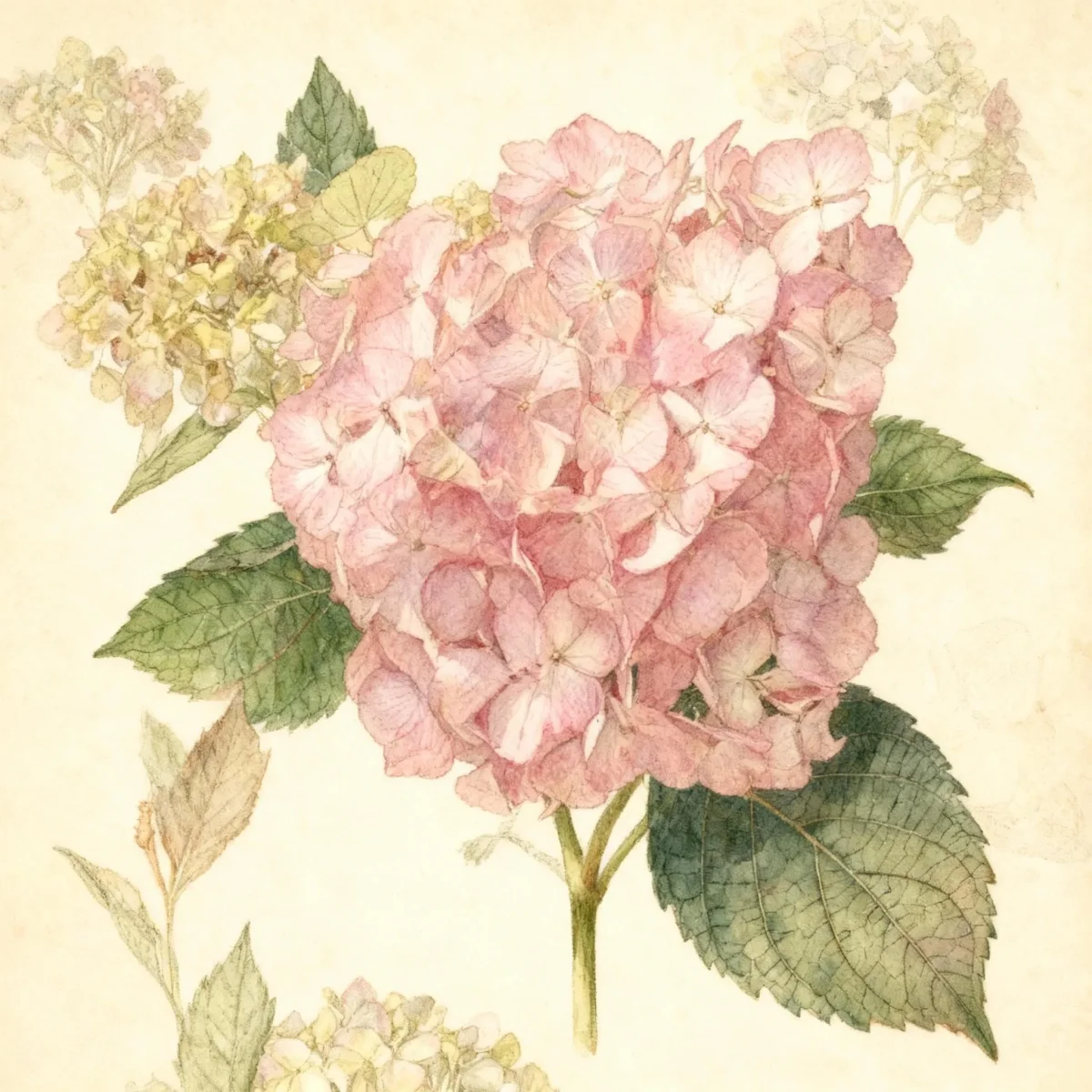
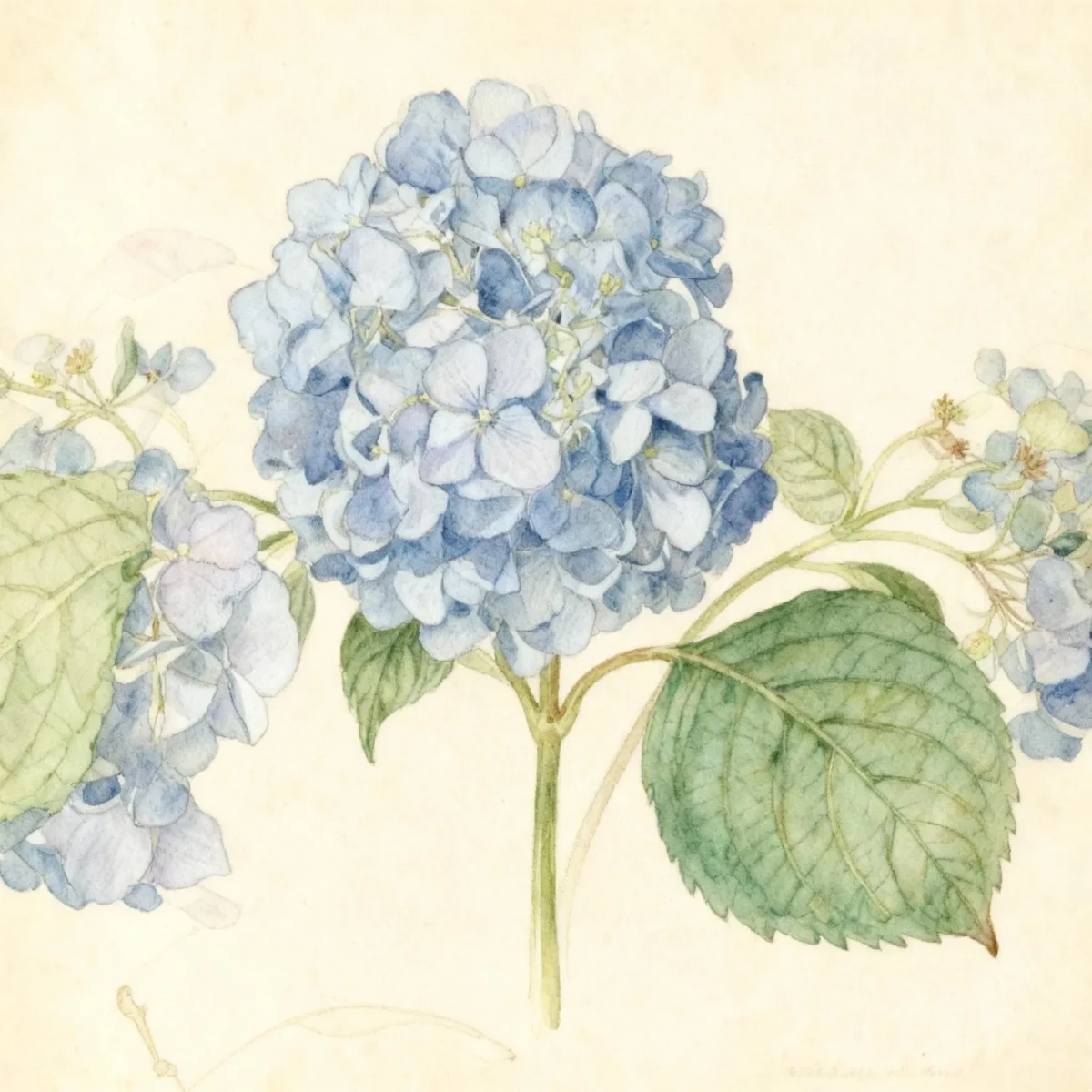
Bigleaf hydrangea (Hydrangea macrophylla 'Mousmee')
The Hydrangea macrophylla 'Mousmee' is a captivating Bigleaf hydrangea, offering magenta lacecap blooms in summer. This deciduous shrub thrives in part shade and requires medium maintenance.

Bloom Boldly, No Matter the Season - Sweatshirt
Cozy organic cotton sweatshirt featuring our exclusive Purple Coneflower design. Perfect for gardeners who bloom year-round.
Inspired by the beautiful Bigleaf hydrangea
Limited first batch (50) — join the waitlist for early access
Waitlist closes Feb 15, 2026.
Complete Plant Information
Field Guide Continues
Ready for care notes, companion picks, and planting tips?
The map is just the start. The full guide below covers growth habits, seasonal performance, and landscape uses.
Overview
The Hydrangea macrophylla ‘Mousmee’ is a distinct variety of Bigleaf hydrangea favored for its unique lacecap flower structure and vibrant coloration. This deciduous shrub typically forms a rounded habit, making it an excellent addition to semi-shaded garden spots where its foliage and flowers can provide textural contrast throughout the summer months. Gardeners appreciate the color-changing potential inherent in most Bigleaf hydrangeas, though the ‘Mousmee’ cultivar specifically features magenta sterile florets that transition beautifully.
This particular cultivar, Hydrangea macrophylla ‘Mousmee’, offers prolonged summer flowering, often blooming for up to two months starting in July. While generally considered medium maintenance, understanding its soil and winter needs is crucial for maximizing bud set and bloom quality. Its moderate size, spreading 3 to 6 feet high and wide, suits it well for incorporation into border plantings or use as a foundation specimen.
As a reliable summer bloomer, the Bigleaf hydrangea provides necessary visual interest when many spring perennials have finished. For gardeners seeking predictable color, the Hydrangea macrophylla ‘Mousmee’ delivers rich magenta shades that evolve into antique blues and purples as autumn approaches. Proper care ensures this attractive shrub remains a focal point in the landscape year after year.
Fast Facts
- Plant Family: Hydrangeaceae
- Plant Type: Deciduous shrub
- Hardiness Zones: USDA Zones 5-9
- Size at Maturity:
- Height: 3-6 ft
- Spread: 3-6 ft
- Bloom Time: July to August
- Bloom Description: Magenta
- Sun Exposure: Part shade
- Water Needs: Medium
- Maintenance Level: Medium
How to Grow
Bigleaf hydrangeas establish best when planted in rich, well-drained soils amended with organic matter. Aim for a location receiving afternoon shade, though it can tolerate full sun only if soil moisture is kept consistently high. Soil preparation is important, especially if you wish to influence flower color; planting in late autumn or early spring allows soil treatments like aluminum sulfate (for blue tones) or lime (for pink tones) time to work before the growing season.
Watering requirements for Hydrangea macrophylla ‘Mousmee’ are medium, but consistency is key; drought stress can diminish flower viability. Mulching annually with about 3 inches of shredded bark, compost, or peat helps retain the necessary medium moisture level and moderates soil temperatures. Pruning is generally minimal for this shrub. If pruning is necessary, only cut back flowering stems immediately after the bloom period concludes, targeting a pair of healthy buds.
Winter protection is a significant consideration, particularly for gardeners in Zone 5, where bud damage can prevent flowering entirely. While unsightly burlap wraps are effective, siting the plant in a protected area provides the best natural defense for overwintering buds of the Bigleaf hydrangea. Remember that flower loss can occur in harsh winters regardless of protection measures applied to this classic Hydrangea macrophylla.
Landscape Uses
The versatile growth habit of the Hydrangea macrophylla ‘Mousmee’—reaching 3 to 6 feet wide—makes it an excellent choice for several landscape applications. It performs strongly when used as a mass planting in a shrub border, creating a solid bank of summer color. Conversely, its structure allows it to function effectively as a specimen plant near patios or entryways, providing an accent where its unique lacecap blooms can be easily viewed.
This deciduous shrub integrates well into mixed borders alongside other shade-tolerant companions such as hostas, ferns, or azaleas, which share similar cultural requirements for moisture and filtered light. Furthermore, the mature size of the Bigleaf hydrangea is ideally suited for informal hedging along property lines or to screen less attractive views. If space is limited, Hydrangea macrophylla ‘Mousmee’ adapts well to cultivation in large containers, provided vigilant watering is maintained throughout the growing season.
Standout Features
Flower Qualities
- Showy
Noteworthy Characteristics
Hydrangea macrophylla, commonly called big leaf hydrangea, is a deciduous shrub with a rounded habit that, in the St. Louis area, typically grows 3-6’ tall and as wide unless damaged by harsh winters or pruned smaller. It generally features serrate, obovate to elliptic, dark green leaves (4-8” long) and large clusters of long-blooming summer flowers in either lacecap form (flattened flower clusters of small fertile florets with scattered showy sterile florets often forming a marginal ring) or mophead form (globose flower clusters of mostly showy sterile florets). The genus name Hydrangea comes from hydor meaning “water” and aggeion meaning “vessel,” in reference to the cup-like capsular fruit. Specific epithet comes from the Greek words makros meaning large and phyllon meaning leaf in reference to plant leaves. ‘Mousmee’ is a lacecap cultivar that features magenta sterile florets that mature to blue-purple, with contrasting bright blue fertile florets. Blooms in July for up to two months. Flowers fade to antique blue/purple shades in fall. ‘Mousmee’ means girl in Japanese.
Tolerances
Potential Problems
Bigleaf hydrangeas, including the Hydrangea macrophylla ‘Mousmee’, face common shrub ailments. Be aware of potential susceptibility to bud blight, bacterial wilt, leaf spot, and mildew. Regular monitoring helps catch these issues before they become widespread.
Aphids are occasional visitors that can sap the vitality of new growth, particularly in warmer, sheltered conditions. Managing pests usually involves inspecting the undersides of leaves regularly; a strong jet of water or insecticidal soap can generally manage minor infestations of aphids on your Bigleaf hydrangea. Maintaining excellent air circulation through proper pruning also reduces the risk of fungal issues like mildew.
Frequently Asked Questions
What hardiness zones is Bigleaf hydrangea suitable for?
The Hydrangea macrophylla ‘Mousmee’ is generally hardy in USDA Zones 5 through 9.
How large does Hydrangea macrophylla ‘Mousmee’ grow?
This shrub usually attains a height between 3 and 6 feet, with a similar spread of 3 to 6 feet at maturity, though harsh winters can reduce its size.
What sun exposure does Bigleaf hydrangea need?
This plant prefers part shade to thrive, although it can tolerate full sun if the soil remains consistently moist.
When does Hydrangea macrophylla ‘Mousmee’ bloom?
It blooms from July through August, displaying striking magenta flowers on its lacecap clusters.
Conclusion
The Hydrangea macrophylla ‘Mousmee’ stands out as a magnificent addition to any partial shade garden, offering reliable summer color with its unique magenta lacecap blooms. By respecting its need for medium moisture and understanding the nuances of cold weather protection, gardeners can ensure healthy growth for this beautiful Bigleaf hydrangea. Check your local USDA zone compatibility and plan your planting this fall for the best results next season.
Companion Planting
Choosing companions that appreciate similar growing conditions enhances the entire garden ecosystem around your Hydrangea macrophylla ‘Mousmee’. Plants that thrive in dappled light and require consistently moist, rich soil perform best adjacent to this Bigleaf hydrangea. Consider planting shade-loving perennials such as Astilbe, Hosta cultivars with blue or gold foliage for contrast, or woodland groundcovers like Japanese Forest Grass (Hakonechloa).
These companions not only coexist well culturally but also offer differing textures that highlight the large leaves and bold flowers of the hydrangea. For foundational plantings where filtered light is constant, ferns like the Japanese Painted Fern provide delicate structure beneath the shrub’s canopy. Proper spacing is essential to ensure adequate air circulation, which is vital for preventing potential mildew issues on the hydrangea foliage.
Seasonal Care Calendar
Late Winter/Early Spring is a crucial time for structural maintenance of your Hydrangea macrophylla ‘Mousmee’. Use this period to prune out any stems that show signs of winter damage or weakness from the preceding cold months. Begin planning any necessary soil amendments now, especially if you intend to shift the flower color towards blue or pink for the coming season.
As Summer progresses into peak bloom (July and August), focus heavily on consistent watering to support the medium water needs of the Bigleaf hydrangea, especially if the plant is exposed to any afternoon sun. Deadheading spent flowers is not strictly necessary but can improve the overall appearance. If you notice aphids, treat them immediately with simple methods like insecticidal soap.
In Autumn, allow the flowers to age naturally into their antique blue/purple shades before performing any major cleanup. Apply a fresh 3-inch layer of organic mulch around the base of the plant to insulate the roots before the first hard freeze. This insulating layer is the best defense against winter bud loss in colder areas of the hardiness range.