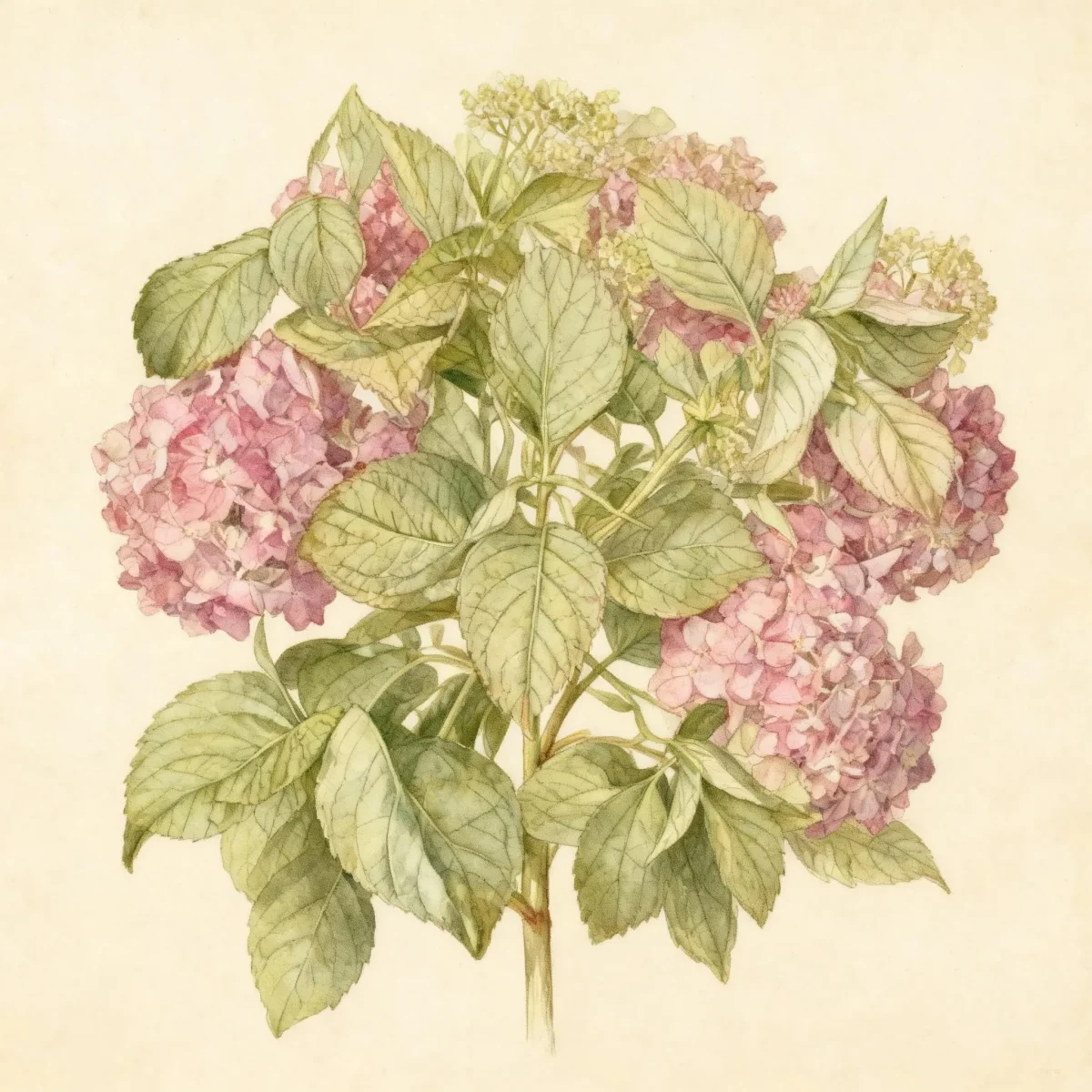
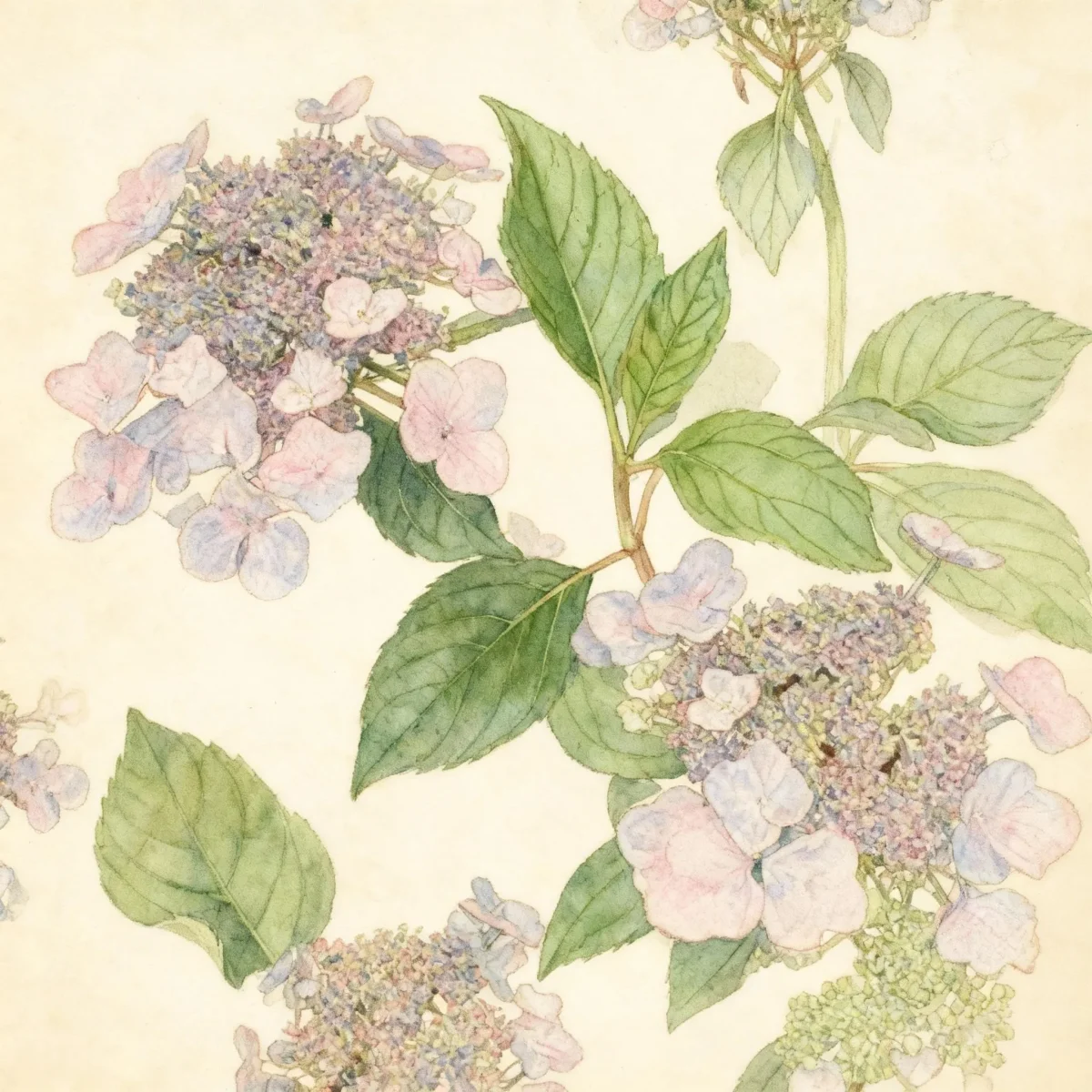
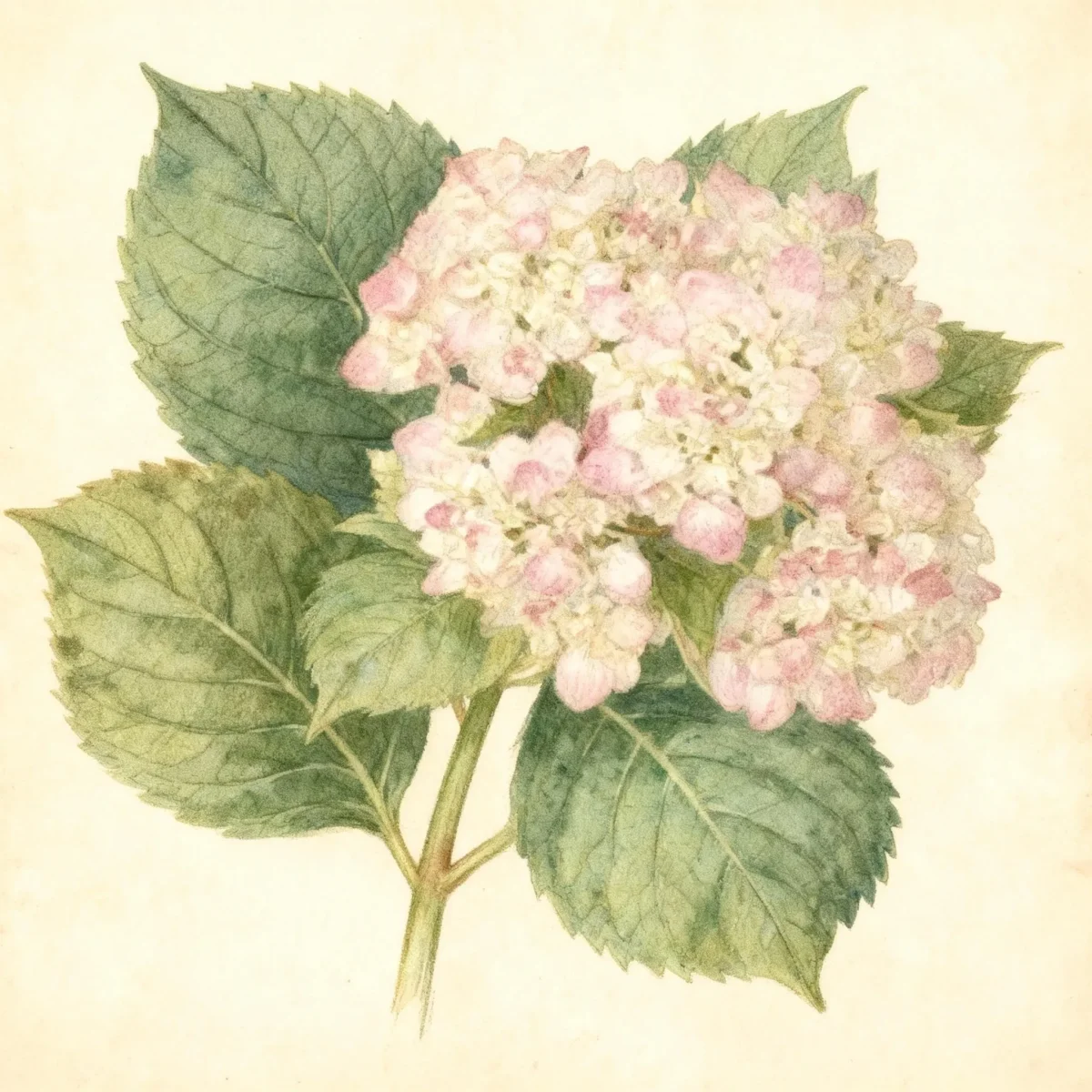
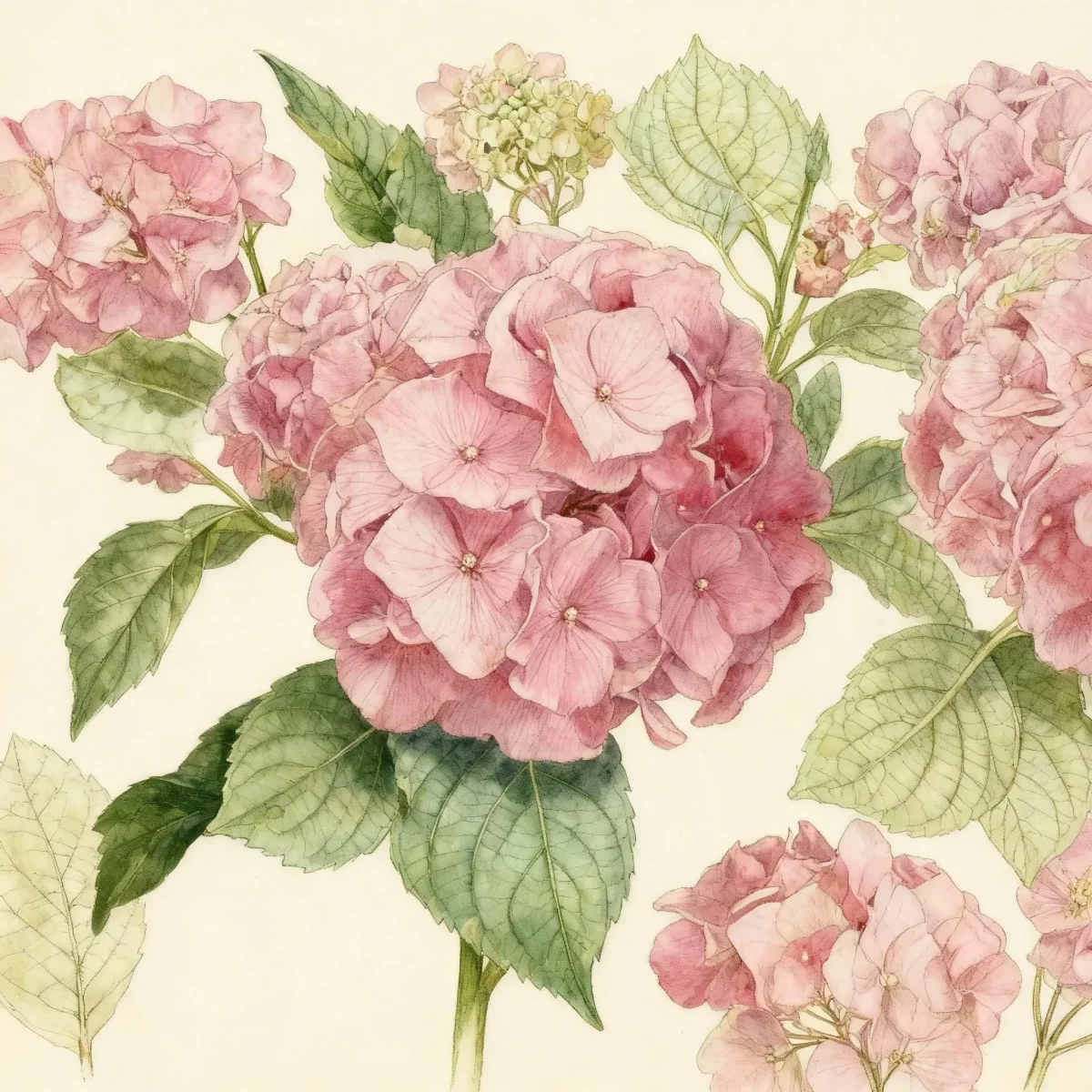
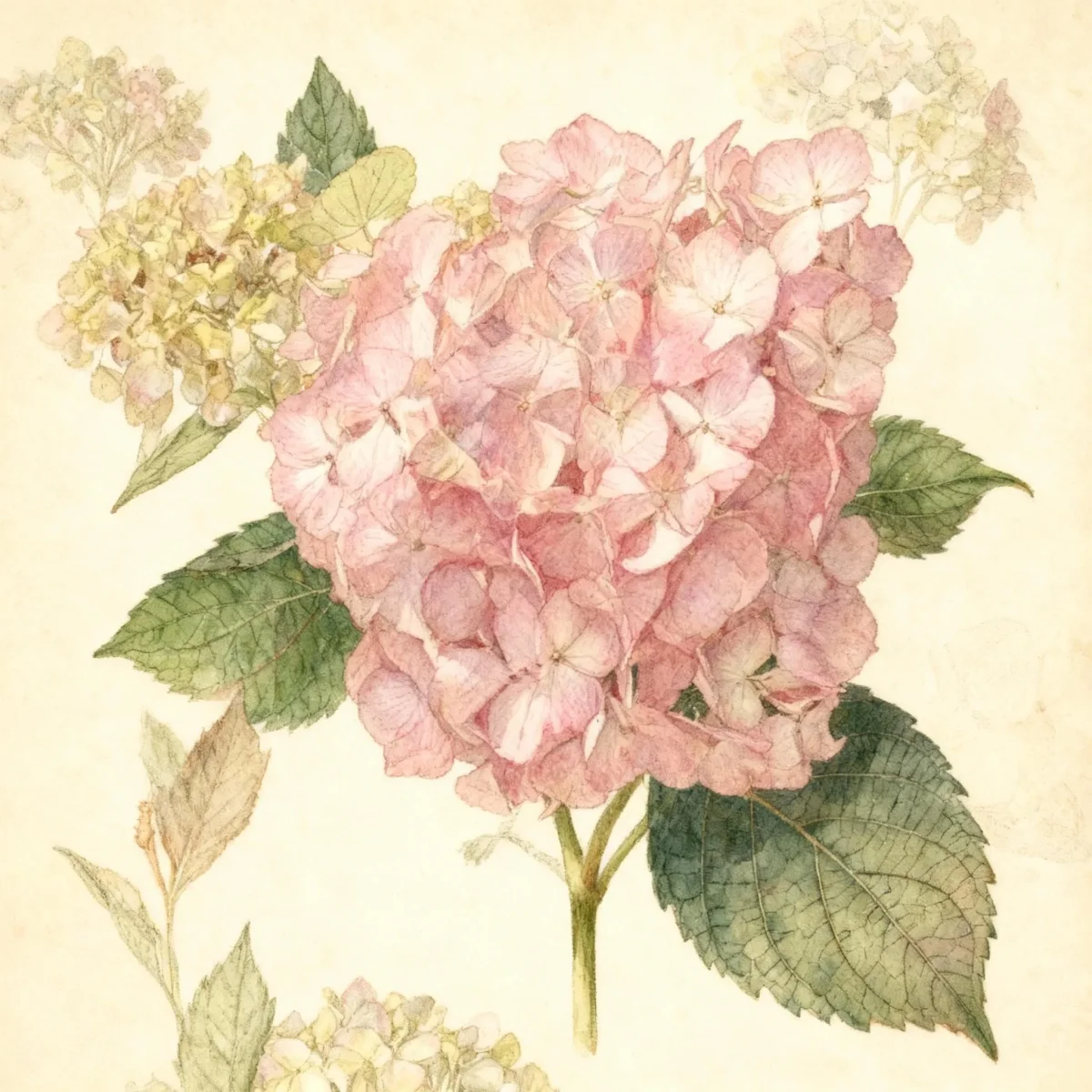
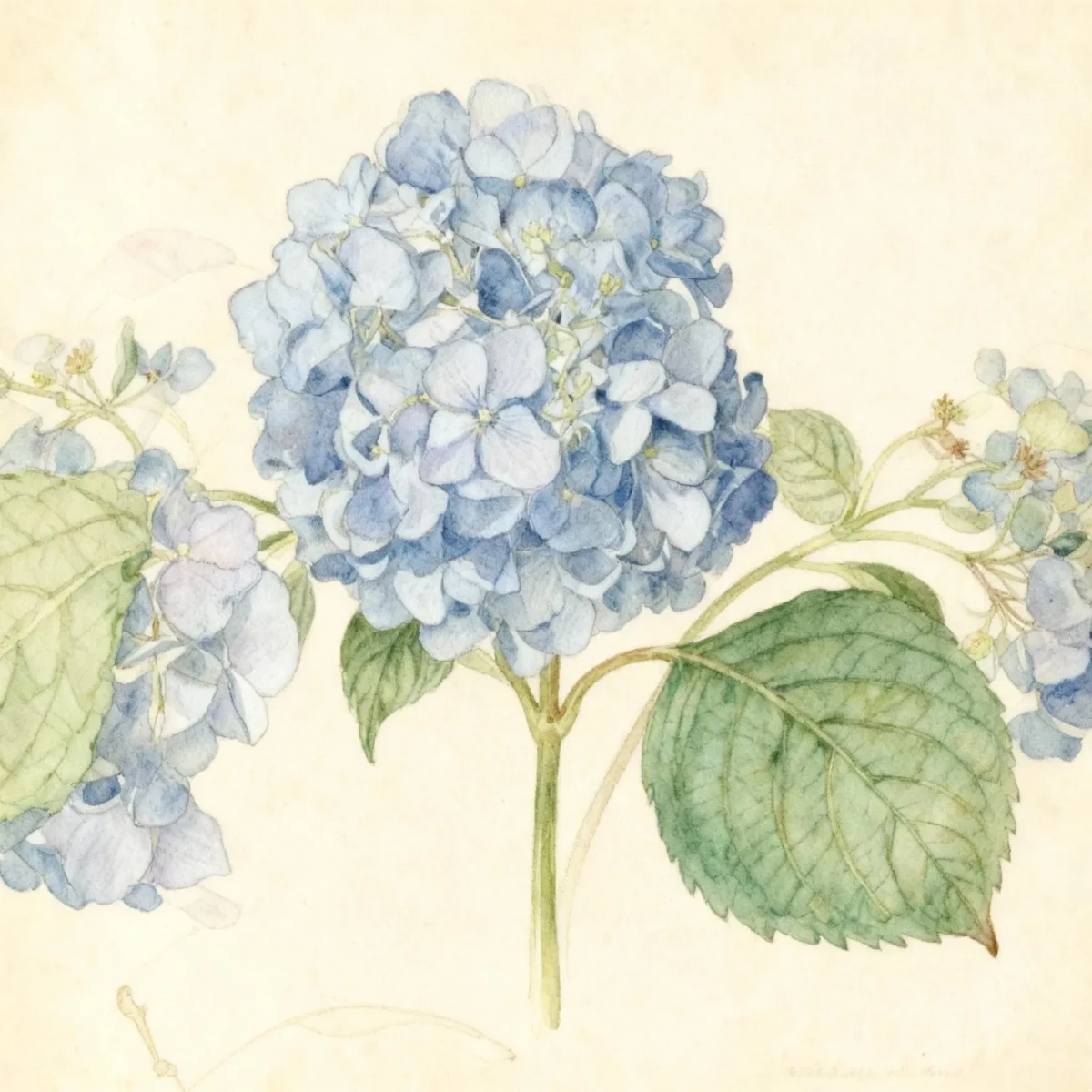
Bigleaf hydrangea (Hydrangea macrophylla 'Tokyo Delight')
Discover Hydrangea macrophylla 'Tokyo Delight', a delightful Bigleaf hydrangea offering lacecap blooms that mature from white to burgundy. Hardy in Zones 5-9.

Bloom Boldly, No Matter the Season - Sweatshirt
Cozy organic cotton sweatshirt featuring our exclusive Purple Coneflower design. Perfect for gardeners who bloom year-round.
Inspired by the beautiful Bigleaf hydrangea
Limited first batch (50) — join the waitlist for early access
Waitlist closes Feb 15, 2026.
Complete Plant Information
Field Guide Continues
Ready for care notes, companion picks, and planting tips?
The map is just the start. The full guide below covers growth habits, seasonal performance, and landscape uses.
Overview
Hydrangea macrophylla ‘Tokyo Delight’ is a superb selection within the Bigleaf hydrangea group, valued for its attractive lacecap flower form and shifting coloration. This deciduous shrub provides season-long interest, featuring large leaves that contrast beautifully with its unique blooms. Gardeners appreciate this cultivar for its refined habit, typically reaching 3 to 6 feet tall and wide.
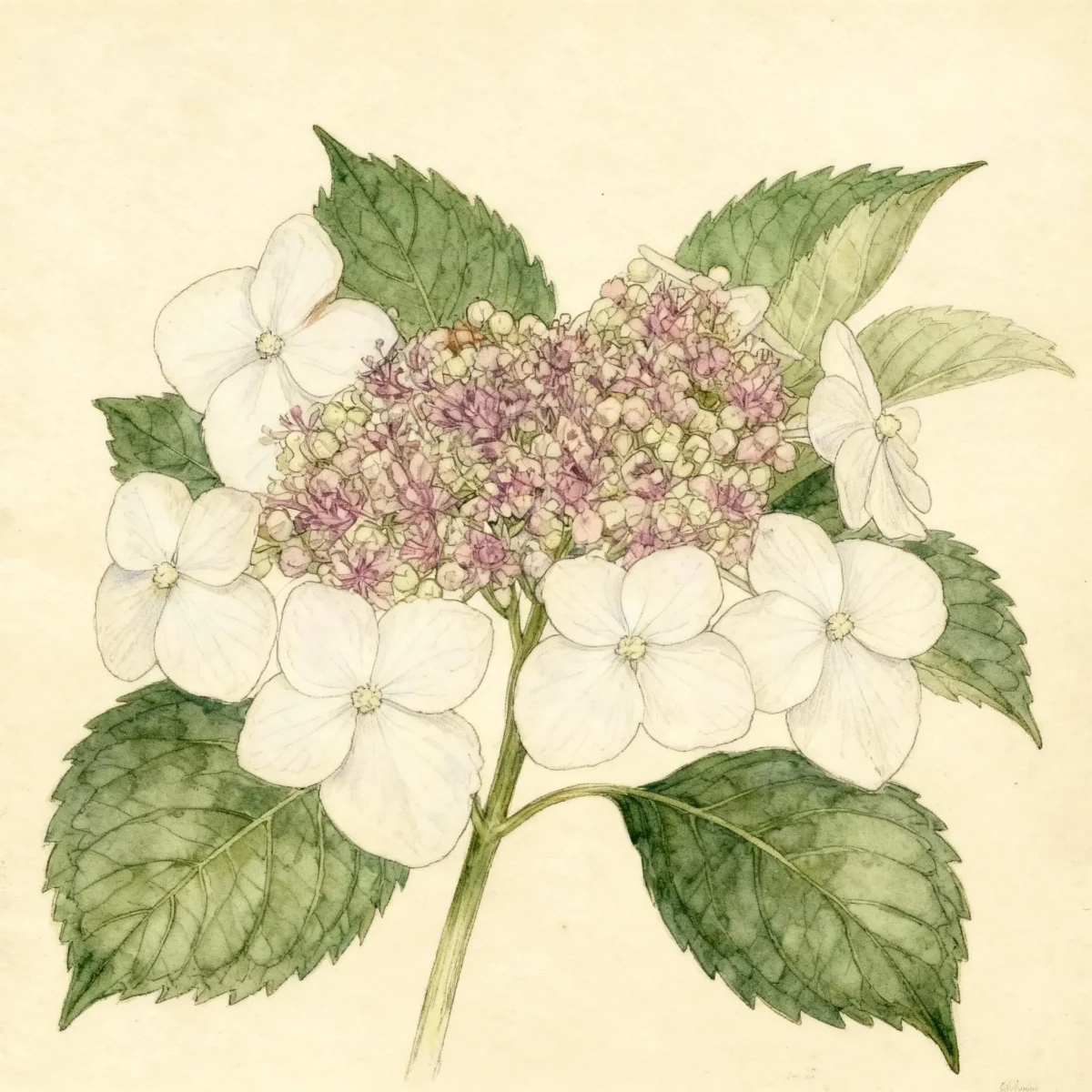
The flower structure of Hydrangea macrophylla ‘Tokyo Delight’ is particularly noteworthy, displaying sterile white florets that age to a light burgundy, interspersed with fertile pink florets. As a medium-maintenance plant, it thrives best when provided with rich, well-drained soil and protection from the harshest afternoon sun.
This variety offers significant aesthetic appeal, making the Bigleaf hydrangea an excellent choice for foundation plantings or near patios where its summer blooming period can be fully enjoyed. While it exhibits moderate vigor, gardeners in colder regions must pay attention to winter protection to ensure a full summer display of flowers from this distinctive Hydrangea macrophylla ‘Tokyo Delight’.
Fast Facts
- Plant Family: Hydrangeaceae
- Plant Type: Deciduous shrub
- Hardiness Zones: USDA Zones 5-9
- Size at Maturity:
- Height: 3-6 ft
- Spread: 3-6 ft
- Bloom Time: July to August
- Bloom Description: Pink (sterile florets) and white (fertile florets)
- Sun Exposure: Part shade
- Water Needs: Medium
- Maintenance Level: Medium
How to Grow
The ideal planting location for Hydrangea macrophylla ‘Tokyo Delight’ is where it receives dappled light or part shade. While it tolerates full sun, consistent moisture is crucial if planted in sunnier spots, as Bigleaf hydrangeas struggle with drying out. Ensure planting occurs in rich, well-drained soil amended with organic matter to support its medium water needs.
Watering should be consistent, aiming for medium moisture levels, especially during dry spells. Soil pH significantly impacts flower color in most Hydrangea macrophylla cultivars; highly acidic soil yields blue flowers, while alkaline soil promotes pinker tones. For this specific cultivar, soil treatments (using aluminum sulfate for blue or lime for pink) should be initiated in late autumn or early spring, well before the blooming cycle begins, although white florets are less affected.
Pruning for this lacecap variety requires a light touch. Generally, minimal pruning is needed. If reshaping is necessary, prune immediately after flowering finishes by cutting stems back to a pair of healthy buds. In late winter or early spring, focus only on removing stems damaged by winter cold or those that appear weak.
Protecting the plant against harsh winters is especially important in Zone 5. Mulching heavily with 3 inches of shredded bark or compost year-round helps moderate soil temperatures. Gardeners should be aware that even with protection, severe cold snaps can cause bud loss, potentially leading to a poor bloom year, regardless of the protective measures taken for any Bigleaf hydrangea.
Landscape Uses
The versatile size and shape of Hydrangea macrophylla ‘Tokyo Delight’ make it invaluable for layered landscape designs. It functions excellently when grouped or massed within a shrub border, providing substantial mid-border texture and color throughout the summer months. Its rounded habit also suits its use as an accent plant near foundations or flanking entryways where its unique blooms can be easily appreciated up close.
Consider using this variety in formal hedge settings, though regular clipping may be required to maintain a dense shape. In containers, Hydrangea macrophylla ‘Tokyo Delight’ creates a focal point on decks or patios, provided the container size accommodates its potential 6-foot spread and adequate winter protection is implemented for potted specimens in colder climates.
When selecting companions, look for plants that share similar part-shade requirements and medium moisture needs. Shade-tolerant hostas, ferns, or acid-loving azaleas make superb neighbors that won’t compete aggressively for resources or light, allowing the stunning flower display of this Bigleaf hydrangea to shine.
Standout Features
Flower Qualities
- Showy
Noteworthy Characteristics
Hydrangea macrophylla, commonly called big leaf hydrangea, is a deciduous shrub with a rounded habit that, in the St. Louis area, typically grows 3-6’ tall and as wide unless damaged by harsh winters or pruned smaller. It generally features serrate, obovate to elliptic, dark green leaves (4-8” long) and large clusters of long-blooming summer flowers in either lacecap form (flattened flower clusters of small fertile florets with scattered showy sterile florets often forming a marginal ring) or mophead form (globose flower clusters of mostly showy sterile florets). The genus name Hydrangea comes from hydor meaning “water” and aggeion meaning “vessel”, in reference to the cup-like capsular fruit. Specific epithet comes from the Greek words makros meaning large and phyllon meaning leaf in reference to plant leaves. ‘Tokyo Delight’ is a lacecap cultivar that features white sterile florets which gradually darken to light burgundy as they age. Fertile florets are pink. Noted author Michael Dirr lists this plant as a cultivar of H. Serrata.
Tolerances
Potential Problems
Bigleaf hydrangeas like Hydrangea macrophylla ‘Tokyo Delight’ face some susceptibility to common fungal and pest issues. Gardeners should monitor for signs of bud blight, leaf spot, and mildew, which usually indicate overhead watering or poor air circulation. Maintaining good cultural conditions, especially ensuring well-drained soil and moderate watering, helps build plant resilience against these issues.
Aphids are occasional visitors to these shrubs, usually appearing on new, tender growth. Minor infestations can often be managed by simply blasting the pests off with a strong jet of water or applying insecticidal soap if the problem persists. Avoiding high-nitrogen fertilizers late in the season can also help reduce the succulent new growth that attracts pests.
A major factor impacting the appearance of the Bigleaf hydrangea is winter damage, which isn’t technically a disease but a cultural problem. Low temperatures or sudden freezes after buds have broken can destroy the next year’s potential flower wood. Proper siting and winter mulching are the best preventative measures against these cyclical disappointments.
Frequently Asked Questions
What hardiness zones is Bigleaf hydrangea suitable for?
Hydrangea macrophylla ‘Tokyo Delight’ is suitable for USDA Hardiness Zones 5 through 9.
How large does Hydrangea macrophylla ‘Tokyo Delight’ grow?
This deciduous shrub typically matures to a height range of 3 to 6 feet tall and spreads between 3 and 6 feet wide under normal conditions.
When does Bigleaf hydrangea bloom?
This shrub offers extended blooming time from July through August, featuring an attractive combination of pink sterile florets and white fertile florets.
What sun exposure does Hydrangea macrophylla ‘Tokyo Delight’ need?
This plant performs best in conditions described as part shade, though it can tolerate more sun if soil moisture is kept consistently high.
Conclusion
The distinctive lacecap flowers that transition from white to burgundy make Hydrangea macrophylla ‘Tokyo Delight’ a standout choice for adding layered texture and shifting color to the summer garden. Cultivating this Bigleaf hydrangea requires attention to soil moisture and winter protection, especially in cooler zones. Before planting, confirm your local USDA zone compatibility and prepare rich, well-drained soil to support years of beautiful blooms.
Companion Planting
Selecting the right neighbors can greatly enhance the appeal and cultural success of Hydrangea macrophylla ‘Tokyo Delight’. Because this shrub prefers part shade, look for excellent shade-loving perennials that occupy different soil depths, preventing root competition. Hostas, Japanese Forest Grass (Hakonechloa macra), and Astilbes thrive in similar conditions and offer contrasting foliage textures—fine, grassy textures next to the broad leaves of the hydrangea provide exceptional visual depth.
For a classic woodland edge aesthetic, pair your Bigleaf hydrangea with shade-tolerant flowering shrubs that bloom at different times. Early bloomers like Rhododendrons or late-season bloomers like Oakleaf Hydrangeas (H. quercifolia) will ensure continuous color interest in the partial shade where Hydrangea macrophylla ‘Tokyo Delight’ is happiest.
Ensure that any chosen companion plant also requires medium to consistent moisture. Avoid drought-tolerant selections, as these will fail in the moist, rich soil preferred by this cultivar. Maintaining a consistent three-inch layer of mulch around all these plants will keep roots cool and soil consistently damp.
Seasonal Care Calendar
Spring preparation is crucial for maximizing blooms on your Hydrangea macrophylla ‘Tokyo Delight’. Once new leaf growth begins to emerge, prune out any obviously dead or damaged stems from the winter. Lightly apply a slow-release fertilizer formulated for acid-loving plants early in the season, followed by checking soil pH if color modification is desired.
Summer is primarily a maintenance period focused on hydration. While the water needs are medium, monitor heat waves closely; under these conditions, supplemental watering is usually necessary to keep the soil evenly moist, preventing the leaves from scorching or wilting mid-day. Avoid pruning any stems during summer, as this removes potential flower buds for the following year.
As autumn approaches and temperatures cool, begin preparing plants for dormancy, particularly in Zones 5 and 6. Halt fertilization programs by late summer. Apply a fresh layer of mulch around the base of the shrub to insulate the root zone against hard freezes that may threaten the following year’s emerging flower buds on this beautiful Bigleaf hydrangea.