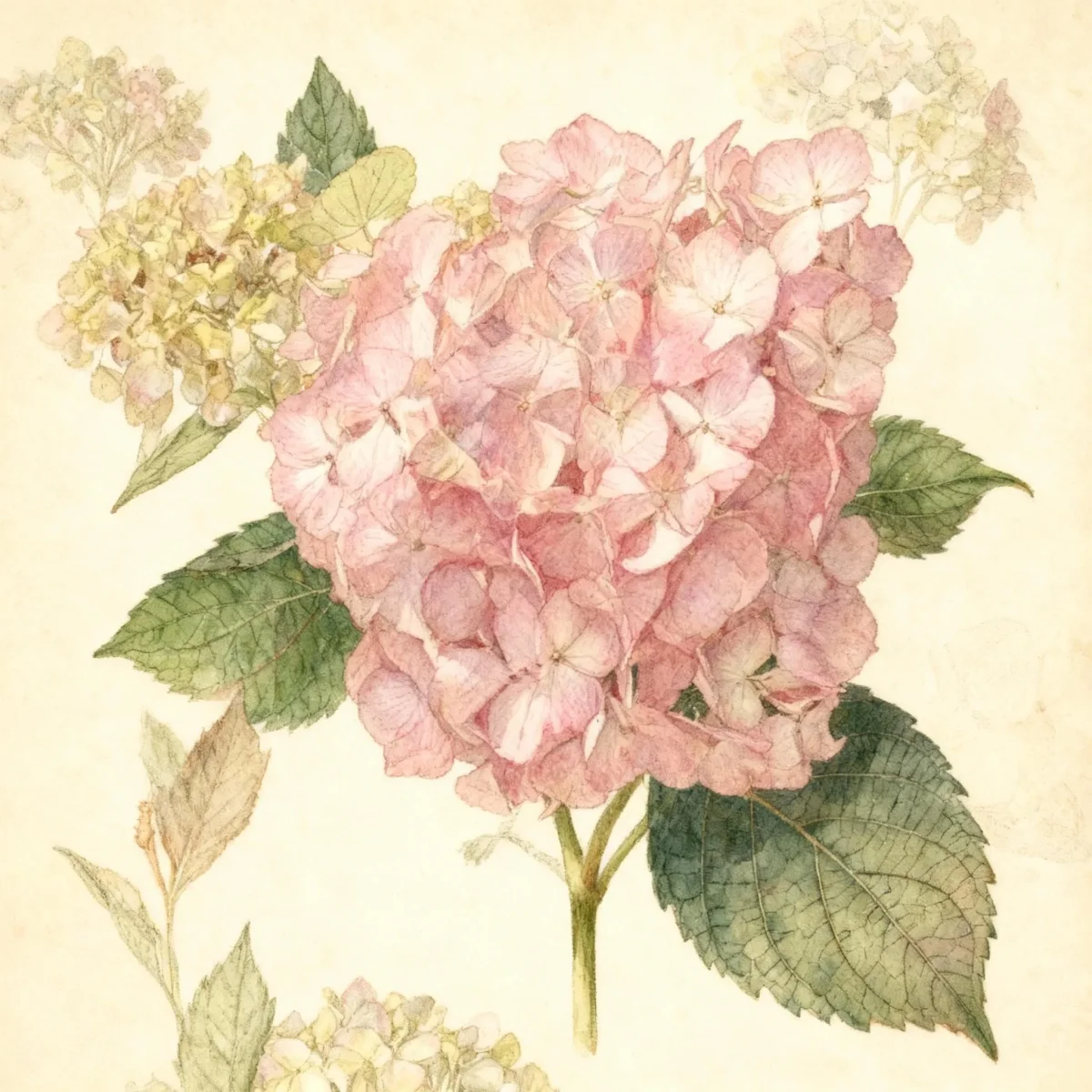
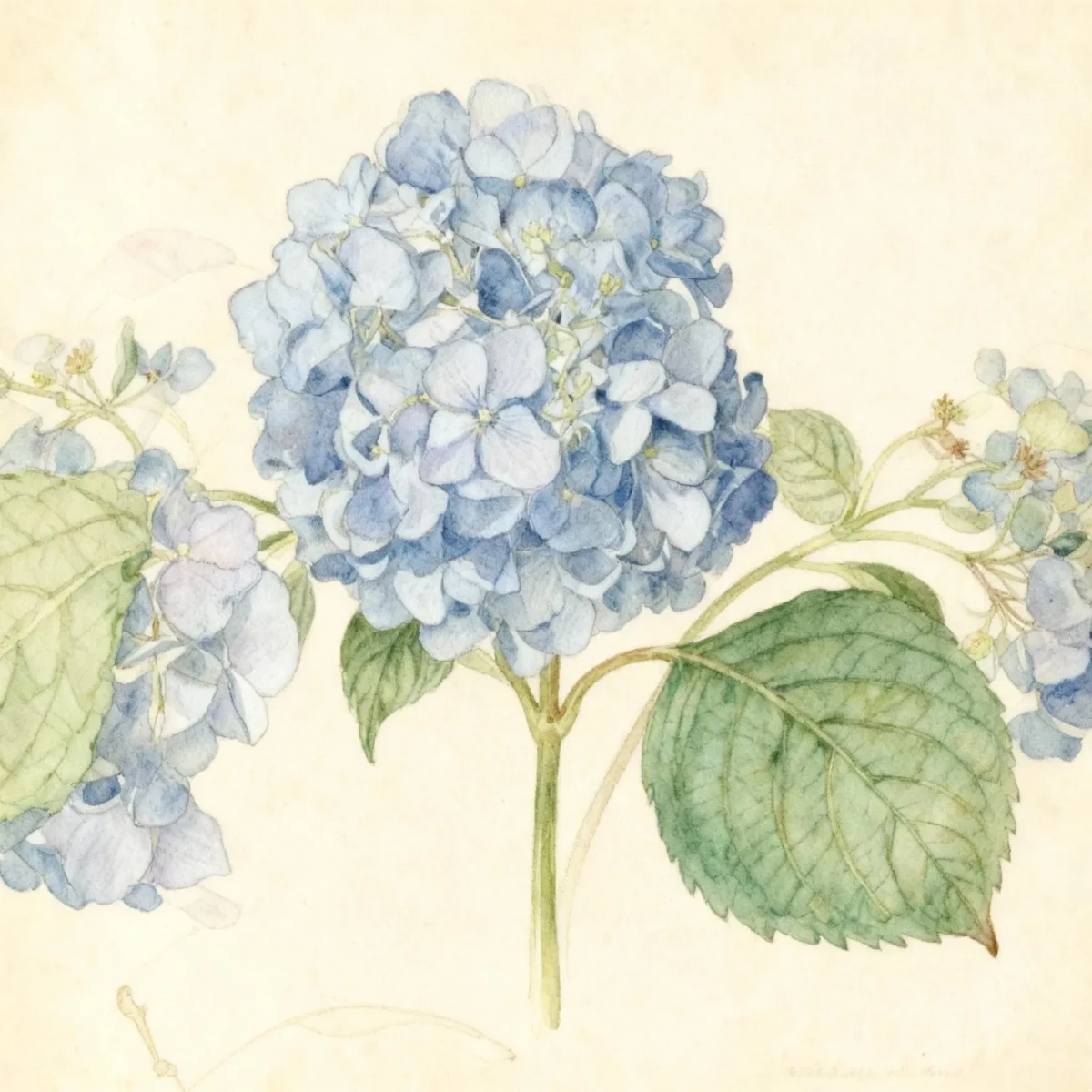
Bigleaf hydrangea (Hydrangea macrophylla 'Alpenglühen')
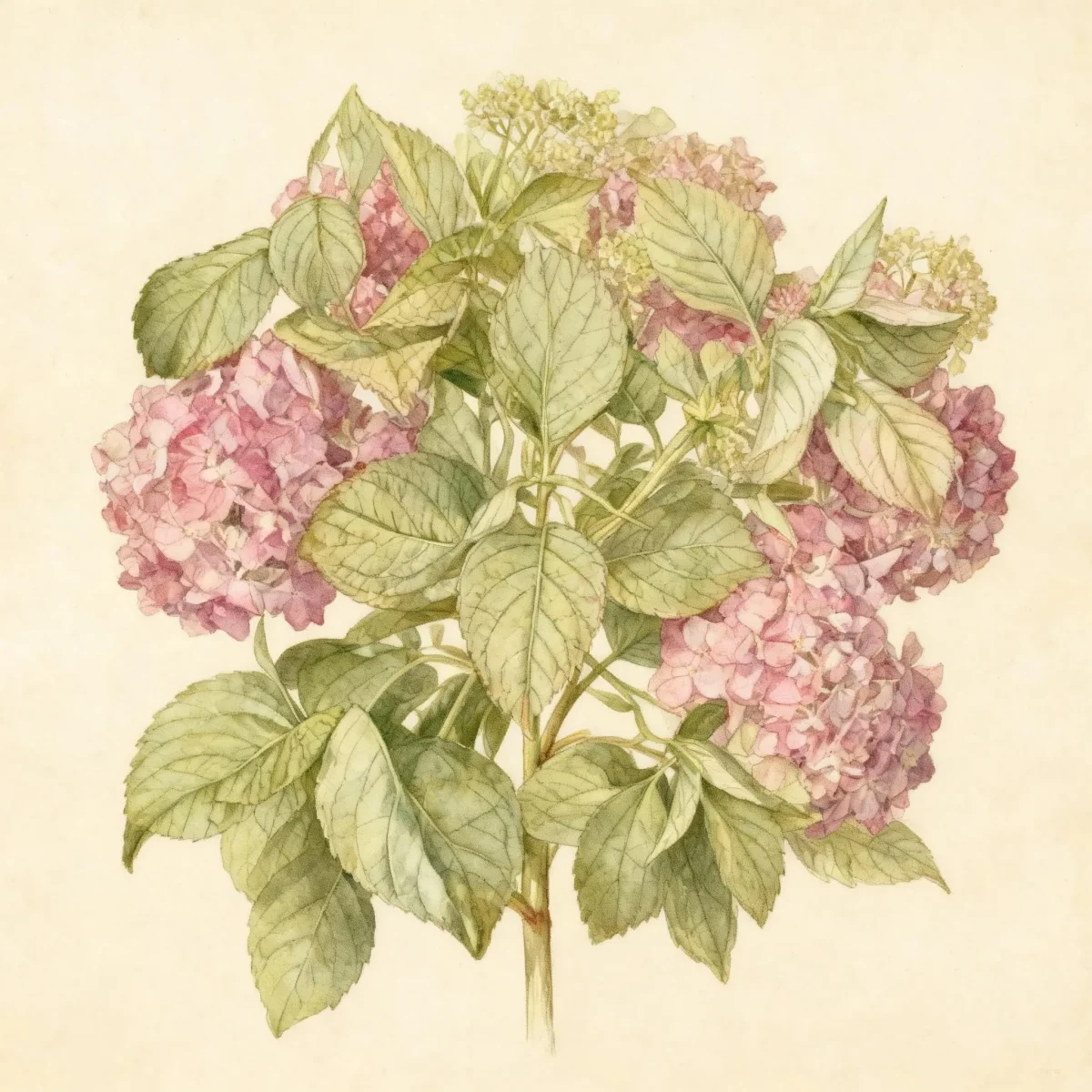
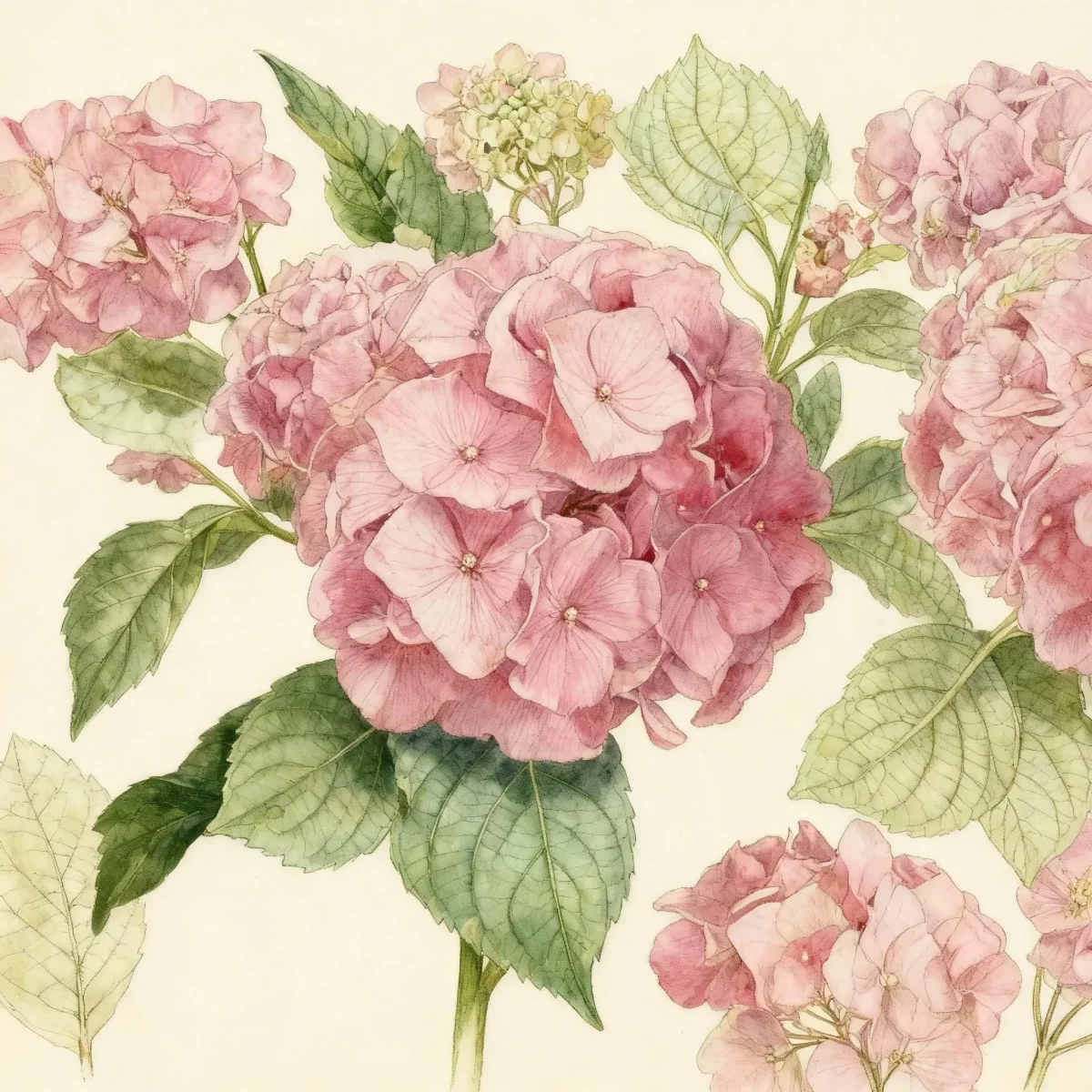
Hydrangea macrophylla 'Alpenglühen' offers showy, reddish-pink to crimson mophead flowers from July to August. This compact Bigleaf hydrangea thrives in part shade.

Bloom Boldly, No Matter the Season - Sweatshirt
Cozy organic cotton sweatshirt featuring our exclusive Purple Coneflower design. Perfect for gardeners who bloom year-round.
Inspired by the beautiful Bigleaf hydrangea
Limited first batch (50) — join the waitlist for early access
Waitlist closes Feb 15, 2026.
Complete Plant Information
Field Guide Continues
Ready for care notes, companion picks, and planting tips?
The map is just the start. The full guide below covers growth habits, seasonal performance, and landscape uses.
Overview
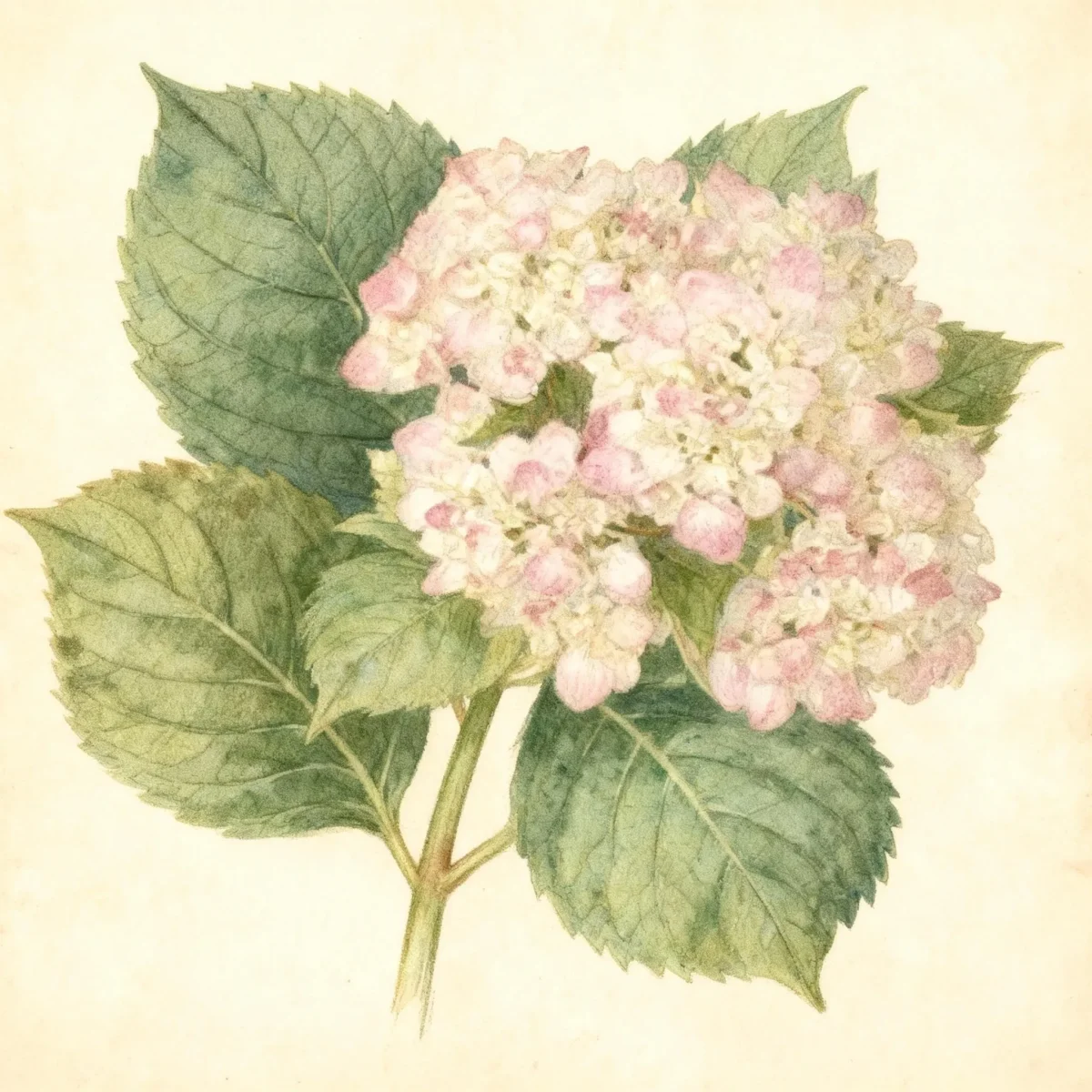
Hydrangea macrophylla ‘Alpenglühen’, a stunning variety of Bigleaf hydrangea, is prized for its large, globose mophead flower clusters that display rich reddish-pink to crimson hues mid-summer. This deciduous shrub offers a compact, rounded habit, making it highly versatile for various landscape placements. Gardeners value the structural interest and prolonged bloom period provided by this specific cultivar.
Cultivating a vibrant Hydrangea macrophylla ‘Alpenglühen’ requires attention to soil moisture and light conditions, as it prefers consistently rich, well-drained soil. While typically happy in part shade, it can manage full sun provided diligent watering is maintained throughout the hottest days. Knowledgeable gardeners can even manipulate the flower color of this Bigleaf hydrangea by adjusting soil pH levels near the roots.
Beyond its visual appeal, this shrub serves functional roles in borders and foundation plantings. Its robust foliage and substantial summer flowers ensure this Hydrangea macrophylla ‘Alpenglühen’ remains a focal point throughout the growing season. Ensure proper siting based on its 3-5 foot mature size for optimal performance.
Fast Facts
- Plant Family: Hydrangeaceae
- Plant Type: Deciduous shrub
- Hardiness Zones: USDA Zones 6-9
- Size at Maturity:
- Height: 3-5 ft
- Spread: 3-5 ft
- Bloom Time: July to August
- Bloom Description: Reddish pink to crimson
- Sun Exposure: Part shade
- Water Needs: Medium
- Maintenance Level: Medium
How to Grow
The ideal planting time for Hydrangea macrophylla ‘Alpenglühen’ is typically spring or early fall, allowing the roots to establish before extreme temperatures arrive. This Bigleaf hydrangea thrives in rich, well-drained soil with consistent moisture retention. Locate it where it receives morning sun or dappled afternoon shade; full sun is only tolerated if the soil is kept constantly moist.
Maintenance involves consistent watering, as the genus name implies a need for “water.” Apply a 3-inch layer of organic mulch, such as shredded bark or compost, year-round to regulate soil temperature and conserve moisture around the base of the shrub. Pruning for Hydrangea macrophylla ‘Alpenglühen’ should be minimal; if necessary, cut back stems immediately after flowering concludes, removing no more than one-third of the plant.
Protecting flower buds is critical, especially in colder sections of its range (Zone 6). While some newer cultivars are remontant, traditional Bigleaf hydrangeas risk bloom loss from hard freezes or late frosts. In Zone 5, gardeners should consider selecting a sheltered microclimate or providing winter protection, such as wrapping the stems, if bud loss is unacceptable. Soil treatments to alter color—adding aluminum sulfate for blue or lime for pink—should be initiated in late autumn or early spring ahead of the bloom cycle.
Landscape Uses
Hydrangea macrophylla ‘Alpenglühen’ excels when used structurally within the landscape. It is perfectly suited for defining hedges where its compact, dense structure provides a neat boundary without becoming overly tall. Grouping these Bigleaf hydrangeas creates a mass planting effect, emphasizing the voluminous summer color display.
This variety also functions splendidly as an accent plant near patios or entryways, where its large mophead flowers can be appreciated up close. Because of its moderate size, it fits well in foundation plantings situated beside homes, provided adequate light conditions are met. Consider companion plants that share similar medium water needs and a preference for part shade, such as hostas, astilbes, or Japanese maples, to create layered shade gardens.
For gardeners desiring portability, Hydrangea macrophylla ‘Alpenglühen’ performs well in large containers. Ensure the container provides excellent drainage and that potted plants receive extra vigilant watering during hot spells, as containers dry out much faster than in-ground plantings.
Standout Features
Flower Qualities
- Showy
- Good Cut
- Good Dried
Noteworthy Characteristics
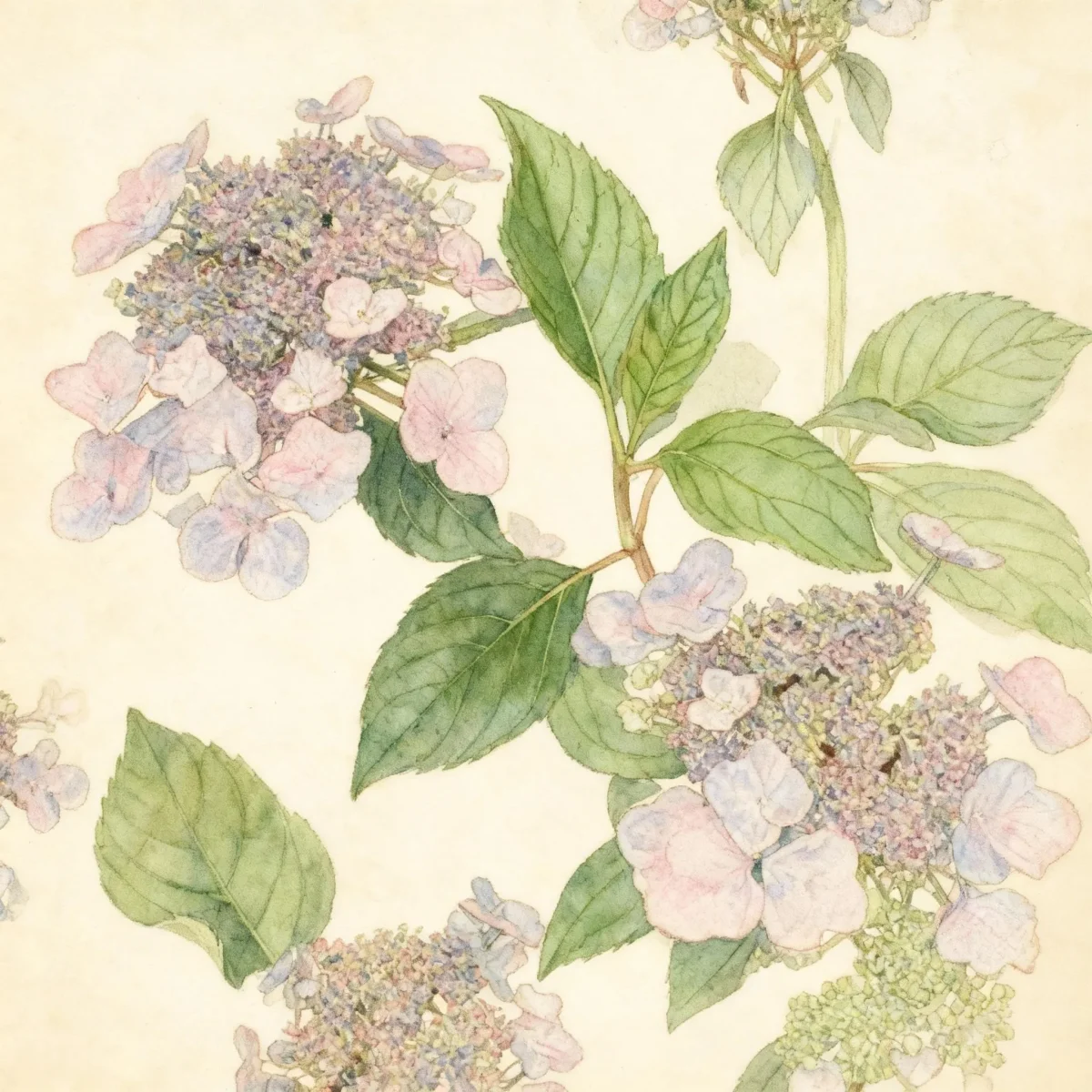
Hydrangea macrophylla, commonly called big leaf hydrangea, is a deciduous shrub with a rounded habit that, in the St. Louis area, typically grows 3-6’ tall and as wide unless damaged by harsh winters or pruned smaller. It generally features serrate, obovate to elliptic, dark green leaves (4-8” long) and large clusters of long-blooming summer flowers in either lacecap form (flattened flower clusters of small fertile florets with scattered showy sterile florets often forming a marginal ring) or mophead form (globose flower clusters of mostly showy sterile florets). ‘Alpenglühen’ is a compact shrub that grows 3 to 5 ft. Tall and wide and is known for its large mophead-type reddish pink to crimson flowers that can reach up to 8 inches in diameter.
Tolerances
Omit
Potential Problems
Bigleaf hydrangeas, including this Hydrangea macrophylla ‘Alpenglühen’, can occasionally suffer from certain fungal and pest issues. Be observant for signs of leaf spot or mildew, especially in humid locations or where air circulation is poor. A common issue specific to bud development can include bud blight, which may cause the emergent flowers to fail.
Management of these issues is largely preventative. Improving air circulation through strategic pruning of older, crowded wood can help mitigate fungal diseases like mildew. Monitor young foliage for common pests such as aphids, which are occasional visitors, and treat promptly with insecticidal soap if infestations become heavy.
Frequently Asked Questions
What hardiness zones is Bigleaf hydrangea suitable for?
Hydrangea macrophylla ‘Alpenglühen’ is winter hardy in USDA Zones 6 through 9. Gardeners in Zone 5 should provide additional winter protection to ensure successful flowering.
How large does Hydrangea macrophylla ‘Alpenglühen’ grow?
This compact variety achieves a height between 3 and 5 feet, with a similar spread of 3 to 5 feet at maturity when growing conditions are ideal.
What sun exposure does Bigleaf hydrangea need?
The preferred location for Hydrangea macrophylla ‘Alpenglühen’ is part shade, receiving protection from intense afternoon sun. It tolerates more sun only if soil moisture is consistently medium to high.
When does Hydrangea macrophylla ‘Alpenglühen’ bloom?
This Bigleaf hydrangea produces its showy mophead flowers during the peak of summer, typically blooming from July through August.
Conclusion
The Hydrangea macrophylla ‘Alpenglühen’ is a dependable and beautifully colored shrub, offering gardeners deep reddish-pink blooms throughout summer. Its compact size makes this Bigleaf hydrangea an excellent choice for structured borders or as a standout specimen in mixed plantings. Before planting, confirm that your local hardiness zone is supported (Zones 6-9) and plan your site location based on its part shade requirements for the best summer display.
Companion Planting
Selecting appropriate companions is key to managing the medium water and rich soil needs of Hydrangea macrophylla ‘Alpenglühen’. Shade-loving perennials that appreciate consistent moisture form excellent pairings. Consider planting lower-growing groundcovers like woodland phlox or sweet woodruff beneath the shrub canopy to suppress weeds and maintain cool soil temperatures.
For vertical contrast, shade-tolerant ferns, such as Japanese Painted Ferns or Ostrich Ferns, offer textural complexity against the broad leaves of the Bigleaf hydrangea. Combining the mounding form of ‘Alpenglühen’ with upright, contrasting foliage like tall Hakonechloa (Japanese forest grass) creates significant visual depth in a shaded border area.
Seasonal Care Calendar
Mid-to-late winter is the time to lightly prune Hydrangea macrophylla ‘Alpenglühen’ to remove stray stems that were damaged by ice or extreme cold, cutting them back to healthy woody buds. Avoid heavy pruning, as this encourages new growth that may be susceptible to later frosts. In early spring, apply fertilizer if you want to adjust the bloom color, as soil treatments (lime or aluminum sulfate) work best when absorbed before major growth begins.
As summer progresses into July and August, monitor moisture levels closely when the shrub is flowering. If the plant droops significantly, it signals immediate water stress; provide a deep, slow watering rather than a light sprinkle to encourage deep root growth. Immediately after the summer bloom fades, perform your necessary clean-up pruning, cutting back the exhausted flowering stems to green wood to prepare the plant for dormancy.