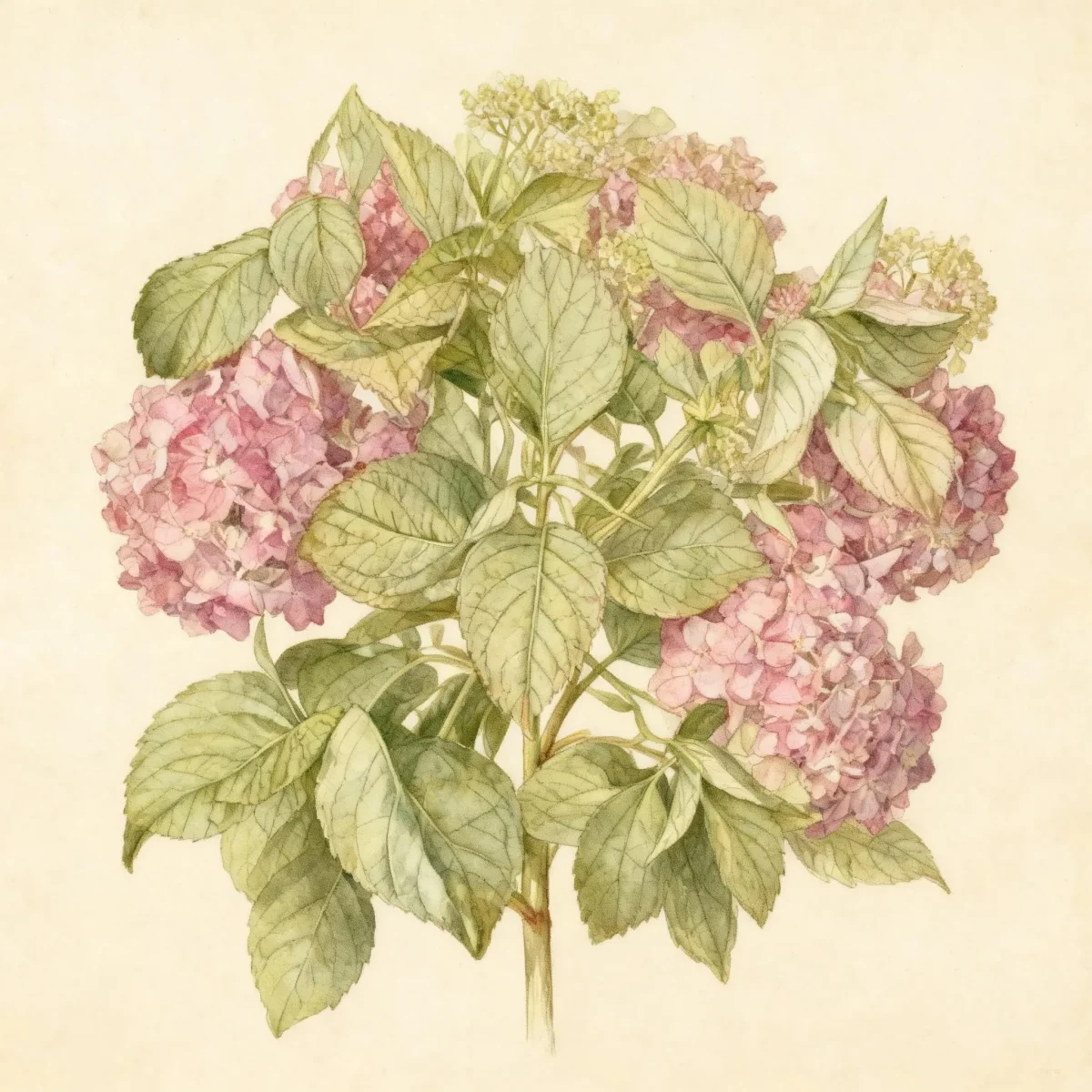
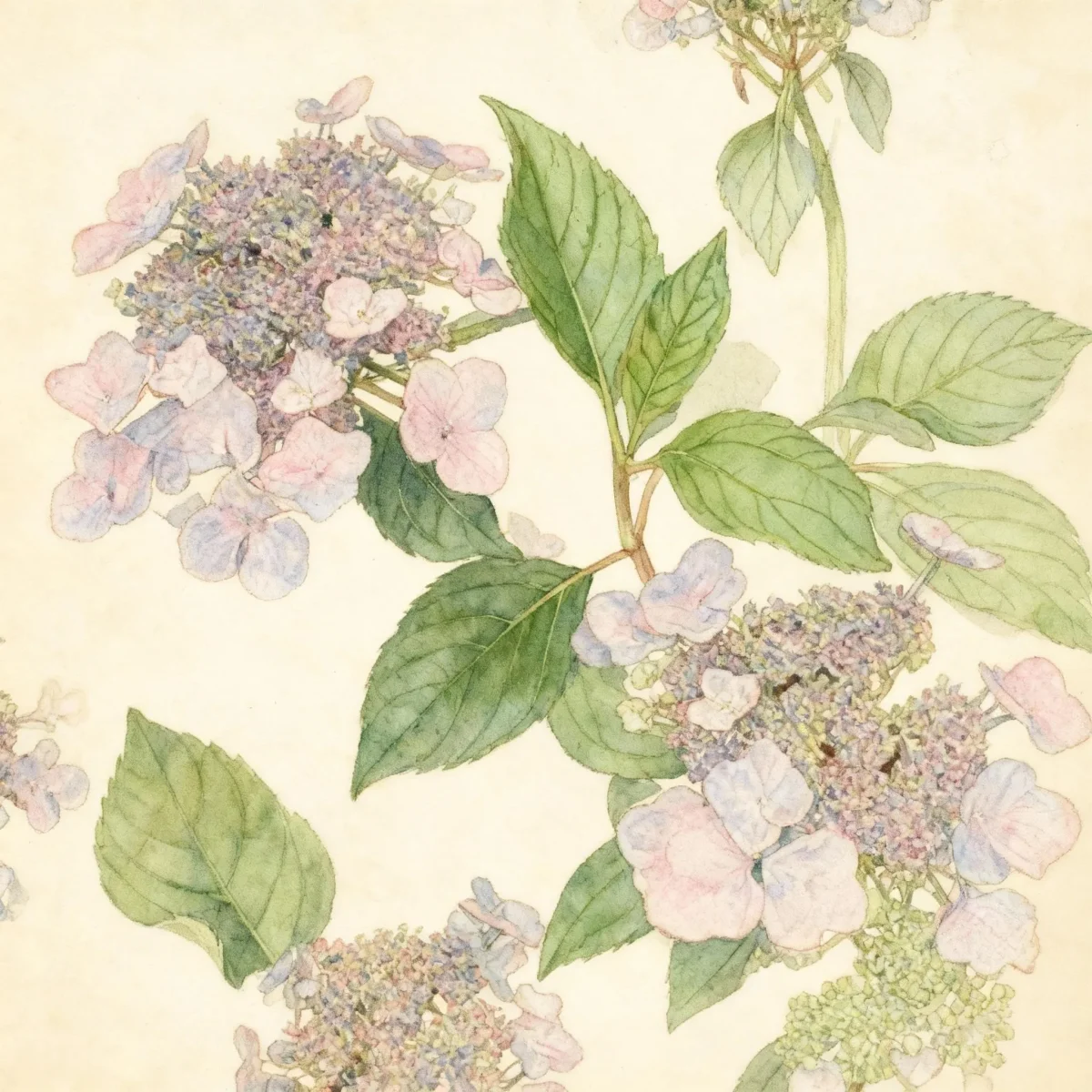
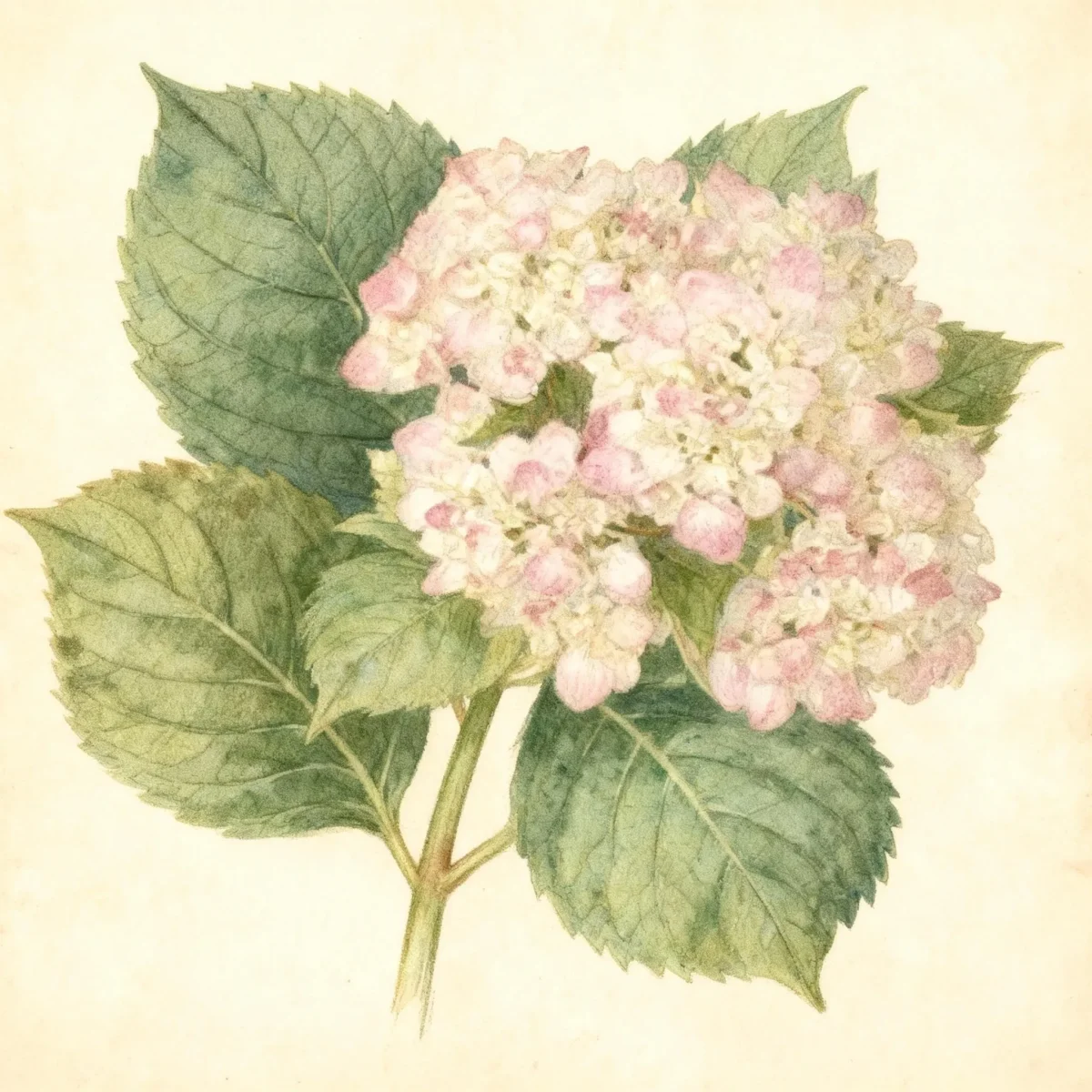
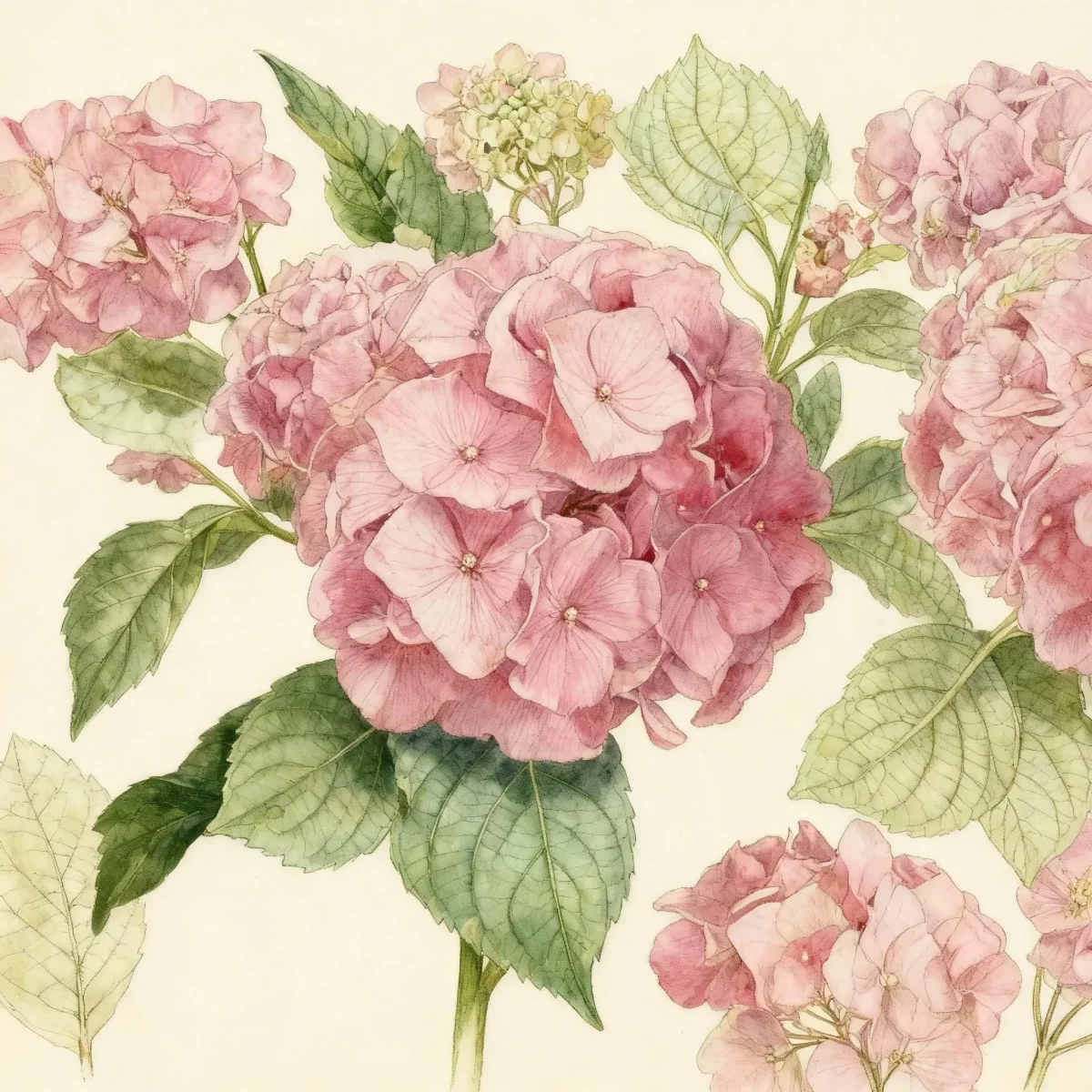
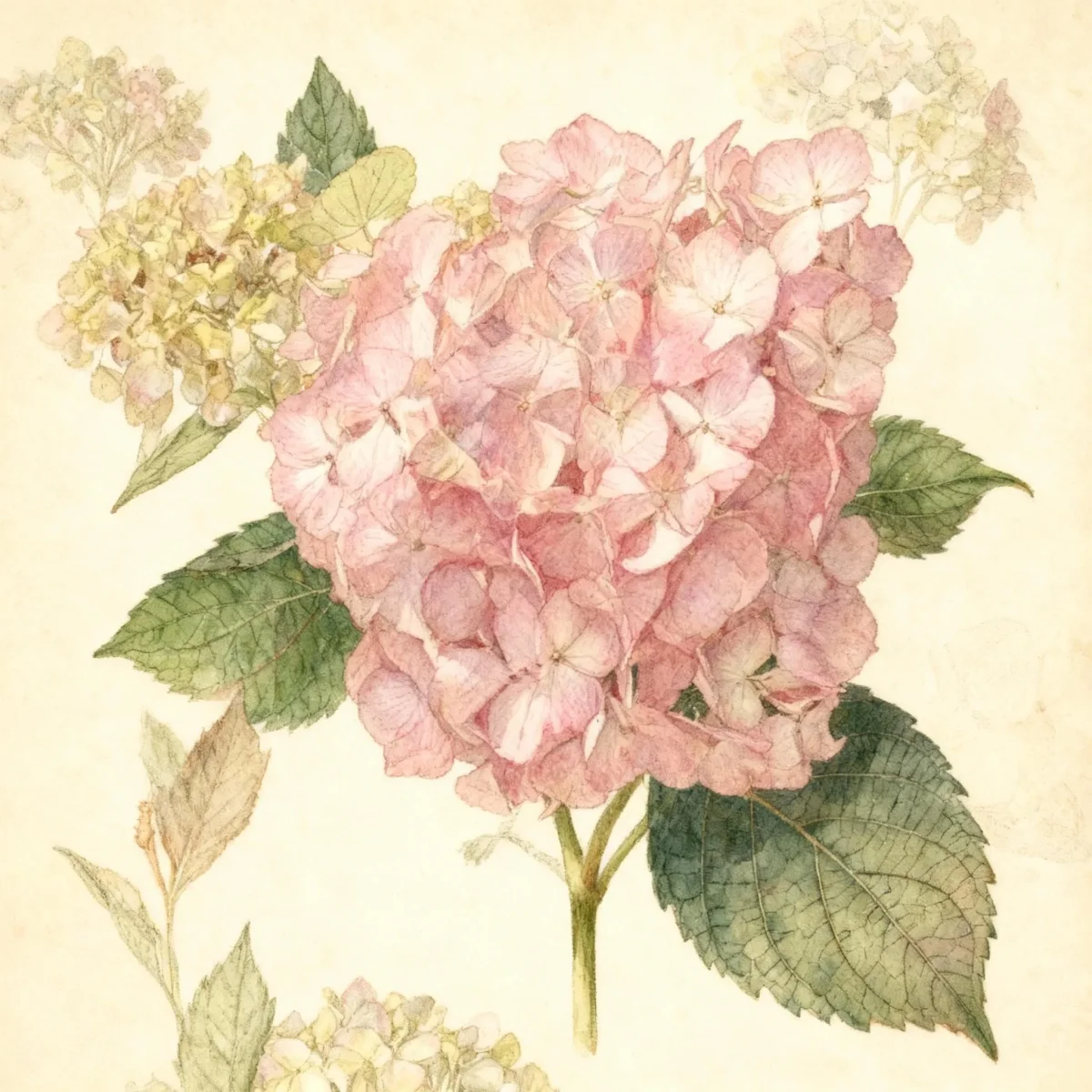
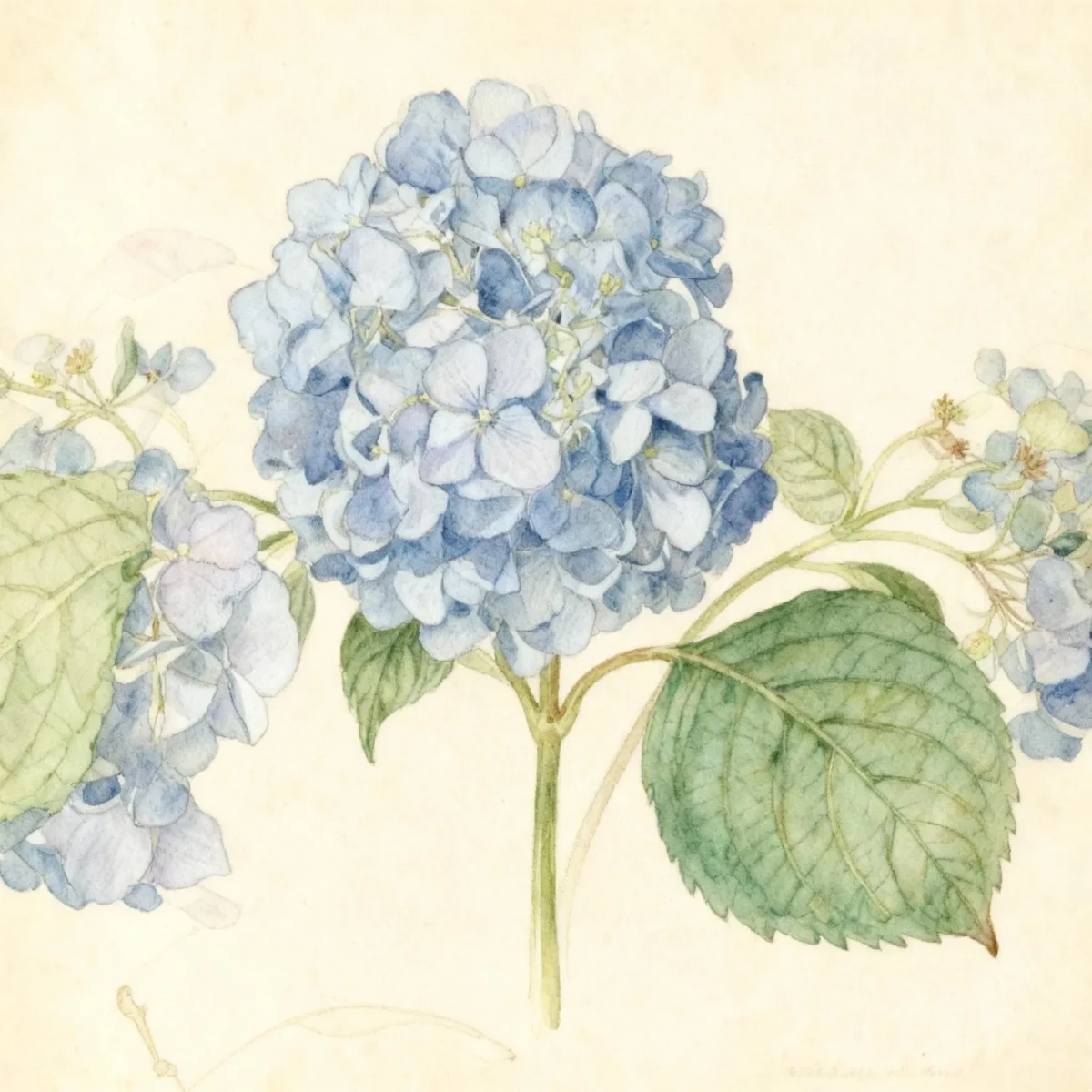
Bigleaf hydrangea (Hydrangea macrophylla 'Dooley')
Hydrangea macrophylla 'Dooley' is a reliable mophead Bigleaf hydrangea offering long-blooming blue summer flowers. Ideal for part shade gardens in Zones 6-9, offering medium maintenance beauty.

Bloom Boldly, No Matter the Season - Sweatshirt
Cozy organic cotton sweatshirt featuring our exclusive Purple Coneflower design. Perfect for gardeners who bloom year-round.
Inspired by the beautiful Bigleaf hydrangea
Limited first batch (50) — join the waitlist for early access
Waitlist closes Feb 15, 2026.
Complete Plant Information
Field Guide Continues
Ready for care notes, companion picks, and planting tips?
The map is just the start. The full guide below covers growth habits, seasonal performance, and landscape uses.
Overview
The Bigleaf hydrangea, specifically cultivar Hydrangea macrophylla ‘Dooley’, is a cherished deciduous shrub known for its reliably long blooming season and manageable size. This variety is particularly valued because it retains the ability to set flower buds at nearly every node, often ensuring flowers even after harsh winters that set back other H. macrophylla types. Gardeners seek out Hydrangea macrophylla ‘Dooley’ for its robust green foliage and vibrant summer color display.
This shrub typically forms a rounded habit, reaching 3 to 4 feet tall and wide, making it an excellent choice for foundation plantings or as an accent plant near patios. Like most bigleaf hydrangeas, the flower color of Hydrangea macrophylla ‘Dooley’ is highly dependent on soil chemistry, shifting from deep blue in acidic conditions to pink in alkaline areas. Success with this plant relies on providing consistent moisture and balanced light conditions throughout the growing season.
For those wanting dependable summer color, Hydrangea macrophylla ‘Dooley’ is a strong contender. While it requires medium maintenance, the effort is rewarded with large, showy flower clusters beginning in July and often continuing for two months. Understanding its specific needs regarding soil pH modification and winter protection will maximize your enjoyment of this classic selection.
Fast Facts
- Plant Family: Hydrangeaceae
- Plant Type: Deciduous shrub
- Hardiness Zones: USDA Zones 6-9
- Size at Maturity:
- Height: 3-4 ft
- Spread: 3-4 ft
- Bloom Time: July to August
- Bloom Description: Blue
- Sun Exposure: Part shade
- Water Needs: Medium
- Maintenance Level: Medium
How to Grow
The best time to establish Hydrangea macrophylla ‘Dooley’ is when dormant, either in early spring or late autumn. Plant this bigleaf hydrangea in rich, well-drained soil amended with organic matter to improve moisture retention. It thrives in part shade; while it tolerates full sun, this exposure necessitates consistently moist soil to prevent wilting and scorching.
Consistent watering is key, as this species has medium water needs. Never allow the soil to dry out completely, especially during the heat of summer when the large leaves transpire rapidly. Pruning requirements are minimal for Hydrangea macrophylla ‘Dooley’ due to its tendency to bloom on all wood. If pruning is necessary, trim immediately after the current bloom finishes by cutting stems back to a pair of healthy buds. Remove any weak or winter-damaged growth late in winter or very early spring before new growth begins.
Protecting flower buds is crucial for maximizing blooms. Mulching annually with about 3 inches of shredded bark, compost, or peat helps regulate soil temperature and moisture, offering protection against wide fluctuations. While this cultivar is more reliable than many, gardeners in Zone 6 (especially Zone 5 fringes) should provide sheltered winter siting to guard against bud loss from extreme cold or rapid temperature swings. Be proactive with soil pH adjustments in the fall or early spring if specific flower color is desired, adjusting with aluminum sulfate for blue or lime for pink.
Landscape Uses
Hydrangea macrophylla ‘Dooley’ excels when integrated into mixed shrub borders, providing mid-season textural contrast with its large, deep green leaves. Because of its neat, rounded profile, it functions beautifully as an accent plant near home foundations or flanking entryways where its summer flowers can be easily admired. For a classic cottage garden look, mass several Bigleaf hydrangeas together, ensuring they receive consistent moisture reflecting their preference.
Consider using Hydrangea macrophylla ‘Dooley’ as a formal or informal hedge, as pruning it slightly ensures dense, uniform growth. When planting in containers, select a generously sized pot and use a high-quality, moisture-retentive potting mix, as container plants dry out much faster. When designing beds, pair ‘Dooley’ with shade-tolerant perennials like Hostas or Astilbes that share its preference for moist, organic soils.
Standout Features
Flower Qualities
- Showy
Noteworthy Characteristics
The Hydrangea macrophylla, commonly known as bigleaf hydrangea, is a deciduous shrub noted for its rounded habit and large, long-blooming summer flower clusters. The cultivar ‘Dooley’ has mophead-like blooms and is often grown specifically for its ability to produce blue sterile florets in acidic soils. Its dark green, serrate leaves are substantial, reaching 4 to 8 inches long, providing a fine backdrop for the flowers that bloom for up to two months starting in July.
Potential Problems
This plant shows some susceptibility to common hydrangea ailments, including leaf spot, mildew, bacterial wilt, and bud blight. Regular monitoring is essential, particularly in humid conditions where fungal issues thrive. Ensure good air circulation via proper spacing to mitigate leaf spot and mildew risk. Aphids are occasional visitors; if an infestation occurs, control is usually manageable with insecticidal soap or strong water sprays.
Tolerances
Frequently Asked Questions
What hardiness zones is Bigleaf hydrangea suitable for?
Hydrangea macrophylla ‘Dooley’ is reliably winter hardy in USDA Zones 6 through 9. Gardeners in Zone 6 should provide extra shelter to protect the flower buds over winter.
How large does Bigleaf hydrangea grow?
This specific cultivar generally reaches a mature height between 3 and 4 feet, with a similar spread of 3 to 4 feet, maintaining a neat, rounded form.
What sun exposure does Hydrangea macrophylla ‘Dooley’ need?
This Bigleaf hydrangea prefers a location where it receives part shade. It can handle more sun if the soil is kept consistently moist, but a location protected from intense afternoon solar radiation is ideal for the best performance.
When does Bigleaf hydrangea bloom?
Hydrangea macrophylla ‘Dooley’ typically begins blooming in July and often continues flowering throughout August, producing showy blue blooms when the soil pH is acidic.
Conclusion
The Hydrangea macrophylla ‘Dooley’ provides highly dependable summer color, distinguished by its tendency to avoid total bud loss from winter fluctuations compared to many other mophead types. For gardeners seeking robust structure and reliable flowering display, this Bigleaf hydrangea is a premier choice. Before planting, test your soil pH to determine what care adjustments, if any, you will need to encourage your preferred blue or pink flower shades.
Companion Planting
Selecting companions that share the medium water and part-shade preferences of Hydrangea macrophylla ‘Dooley’ ensures a harmonious planting display throughout the season. Consider pairing these shrubs with ferns, which thrive in similar dappled light conditions and offer fine, contrasting texture. Hostas work well at the base, providing large, colorful foliage interest beneath the shrub’s canopy. For seasonal color near the base, Bleeding Hearts (Dicentra spectabilis) or various woodland Hellebores can offer early spring interest before the main bloom of the Bigleaf hydrangea commences.
Seasonal Care Calendar
Spring preparation is crucial for Hydrangea macrophylla ‘Dooley’. Begin by pruning out any obviously damaged or dead stems left from winter, followed immediately by any desired soil amendments (lime or aluminum sulfate). Apply a fresh layer of organic mulch once the danger of hard frost has passed to conserve soil moisture throughout the heat of summer. During the active growing months of summer (July and August when blooming), ensure the plant receives consistent, medium water, especially during dry spells, to support the heavy flowering display. As fall approaches, avoid major pruning or fertilization to allow the plant to harden off properly for winter dormancy.