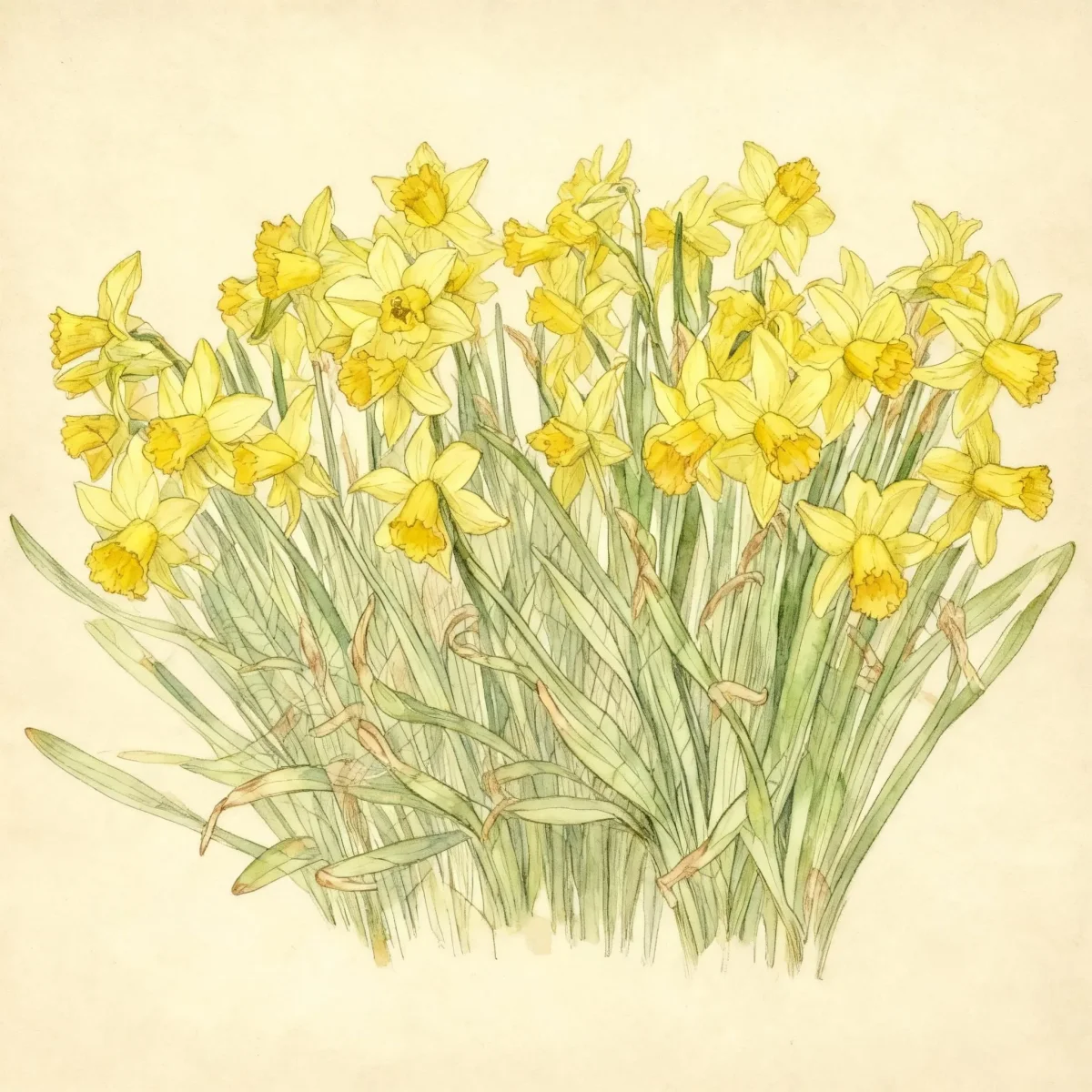
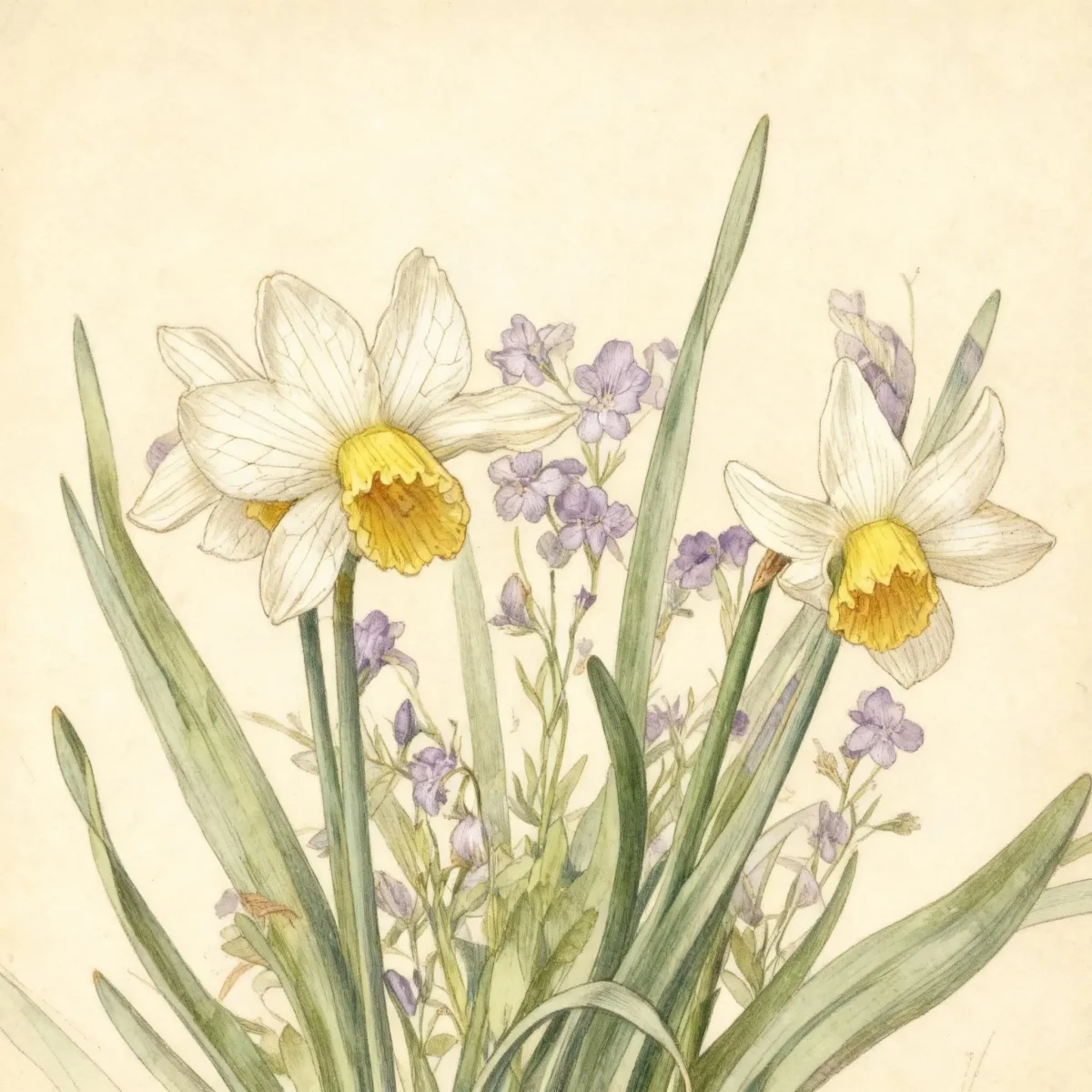
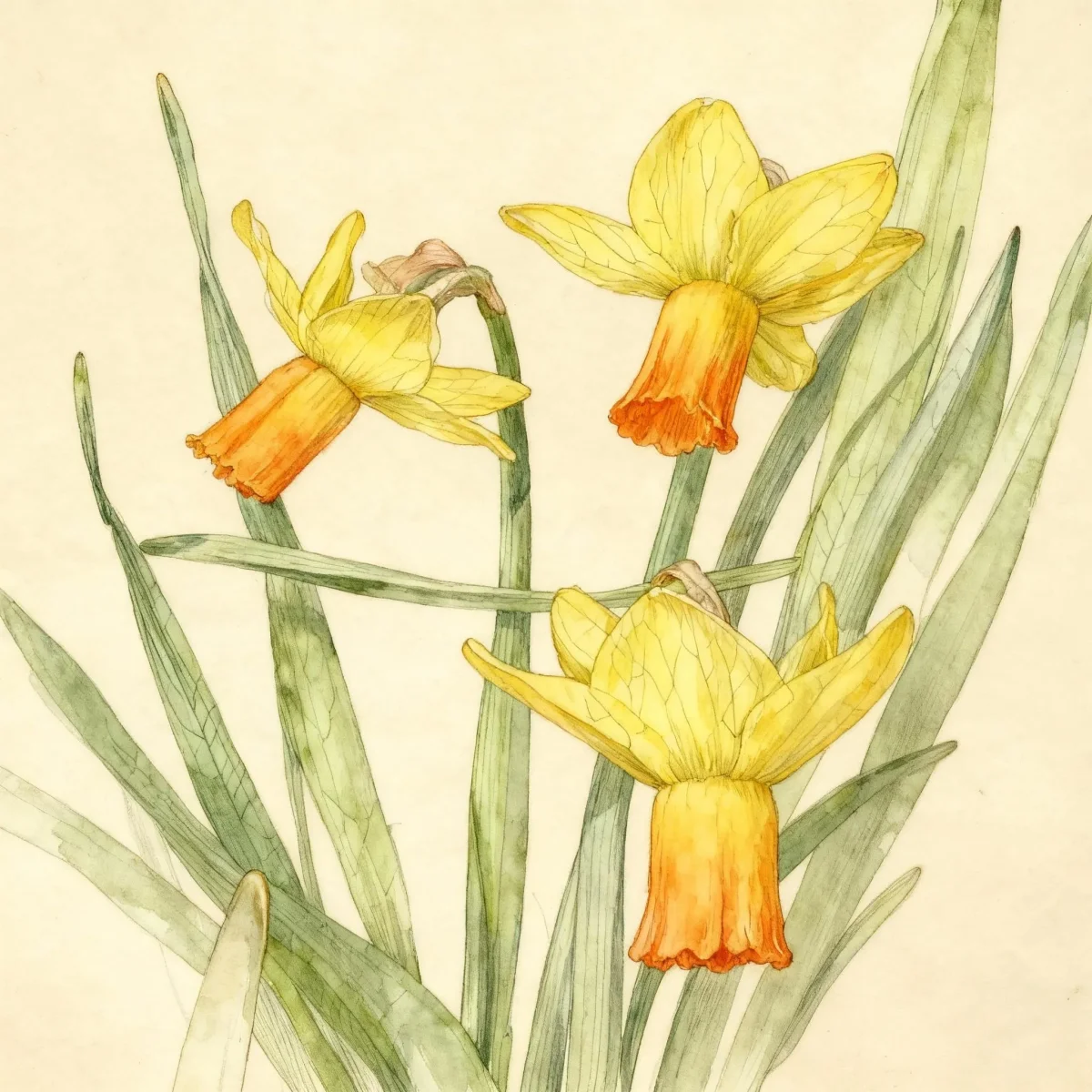
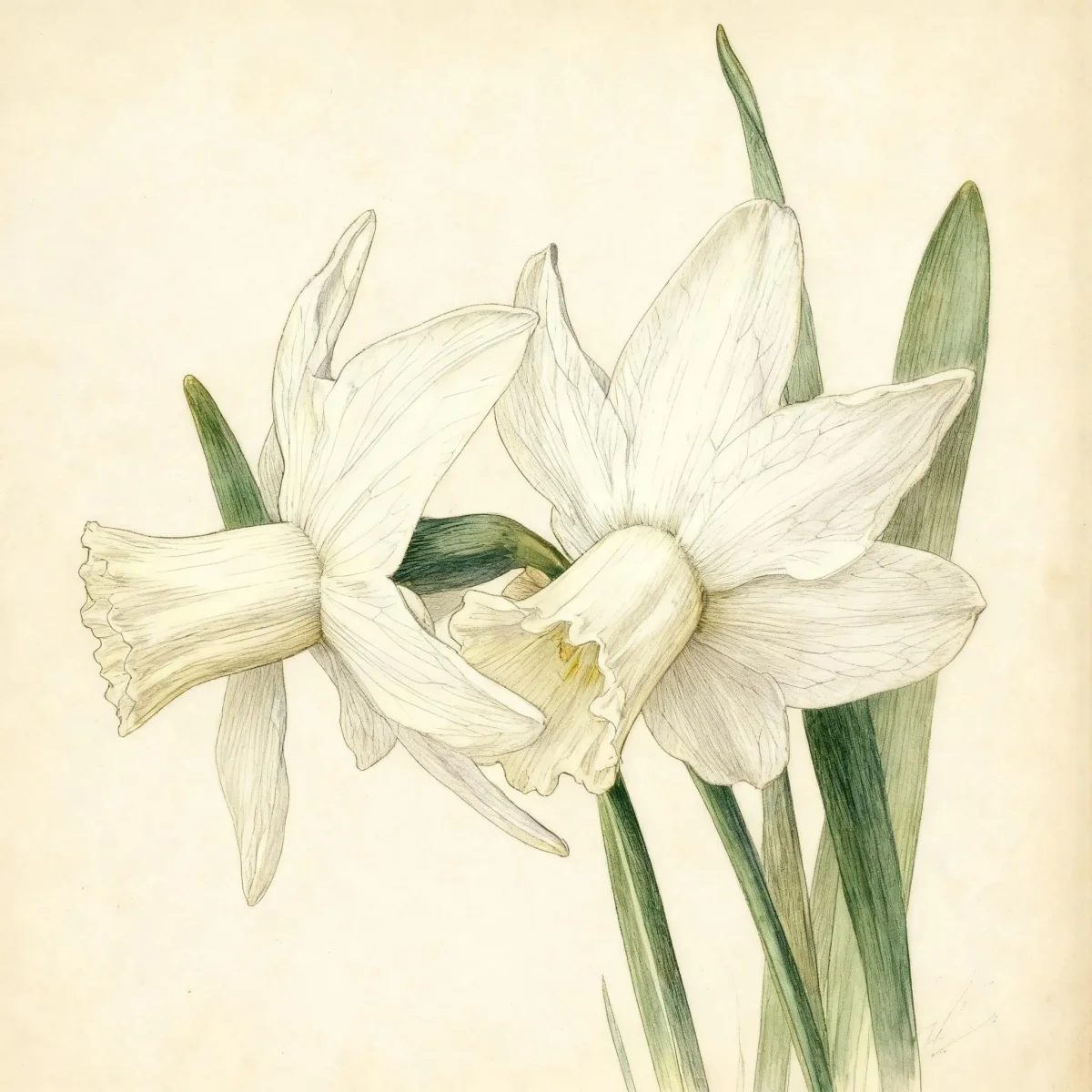
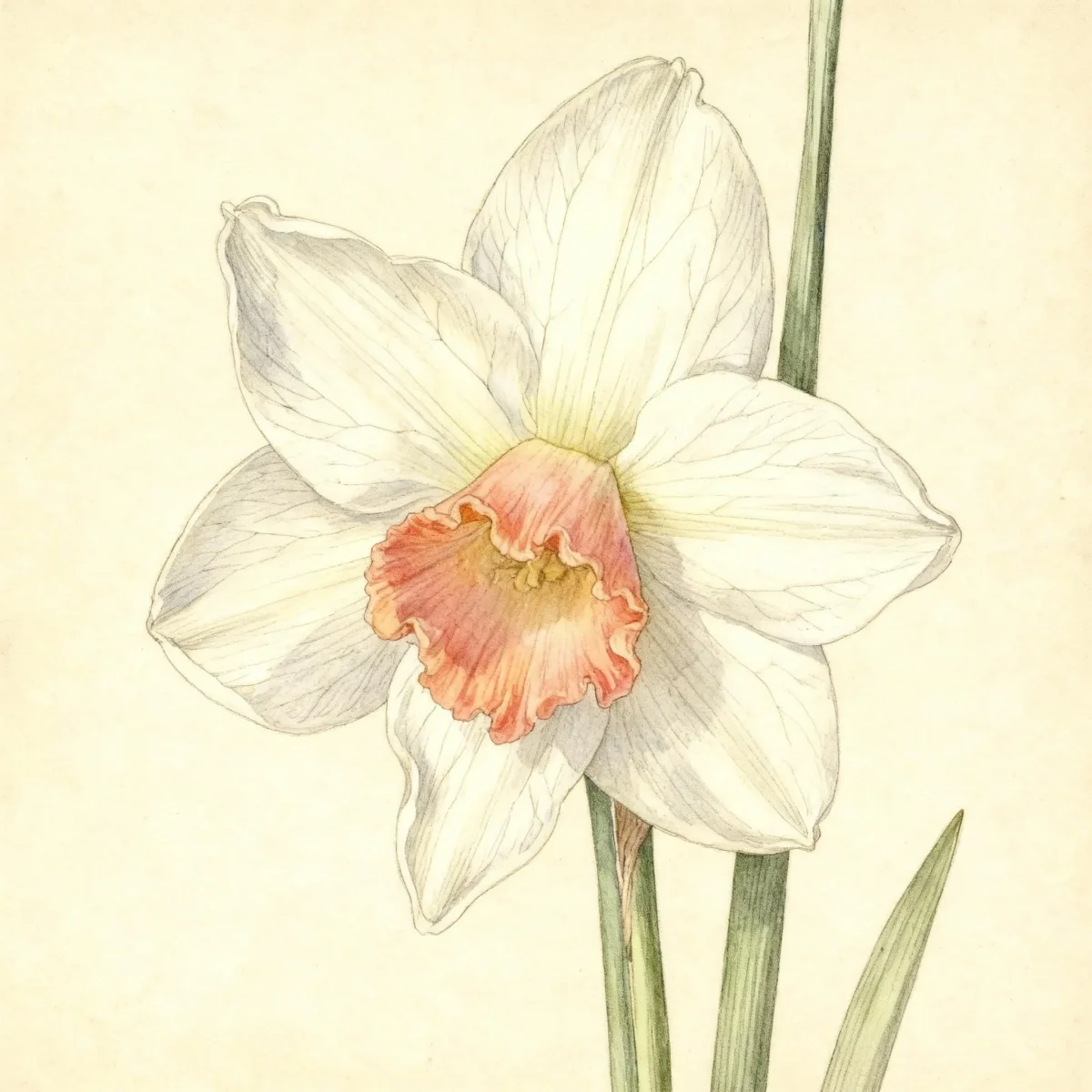
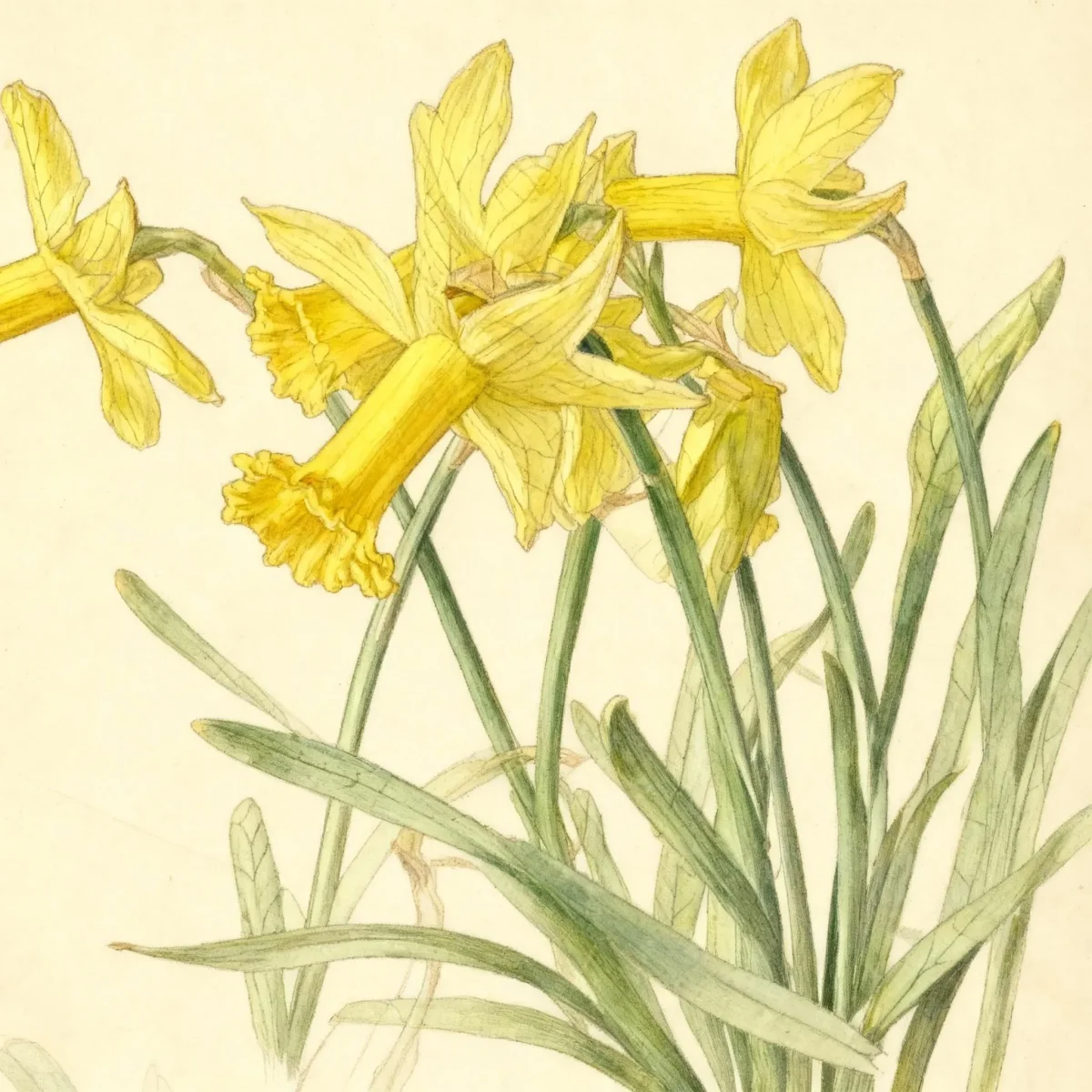
Cyclamineus daffodil (Narcissus 'Itzim')
Narcissus 'Itzim' is a striking Cyclamineus daffodil featuring yellow reflexed petals and a red trumpet, thriving in zones 4-8.
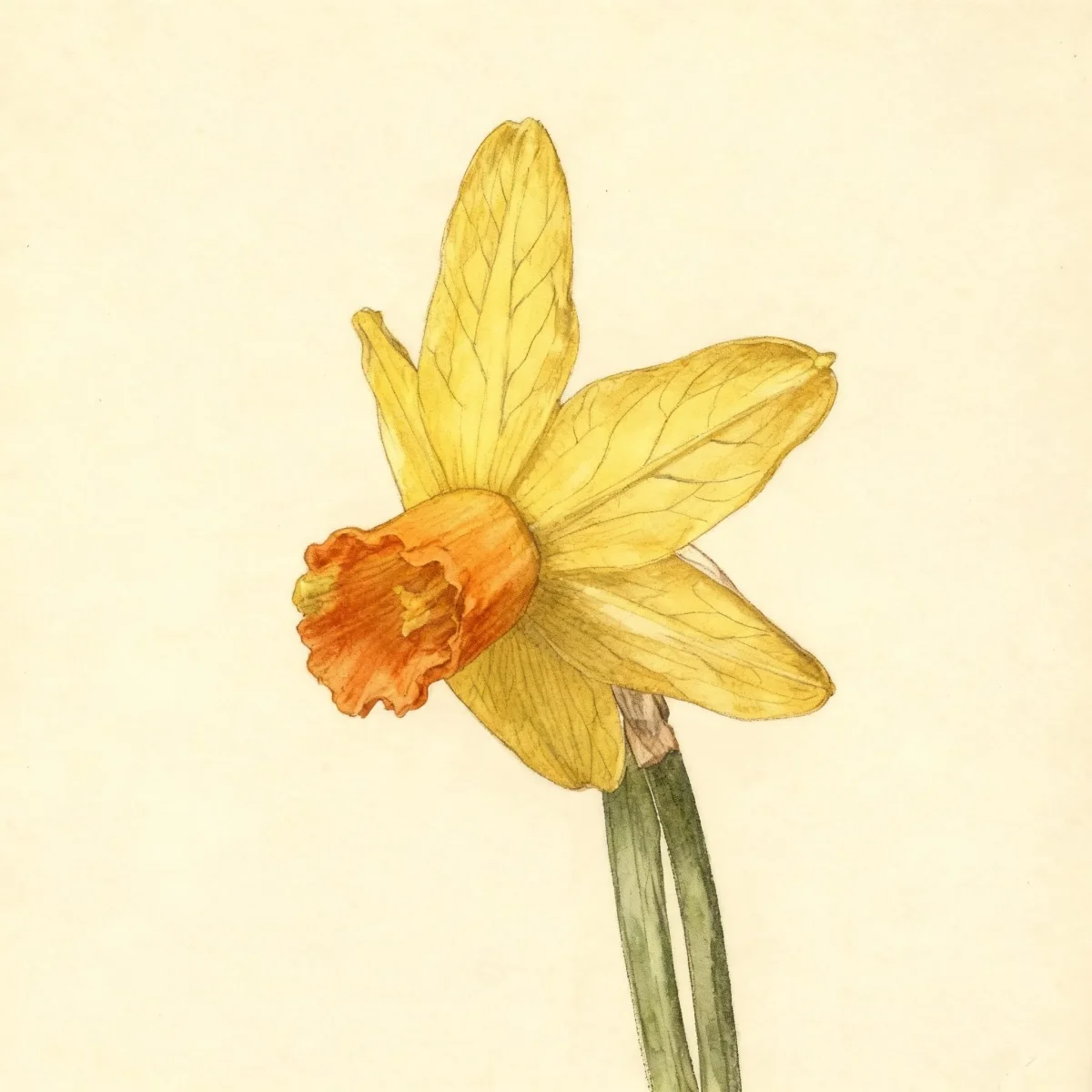

Bloom Boldly, No Matter the Season - Sweatshirt
Cozy organic cotton sweatshirt featuring our exclusive Purple Coneflower design. Perfect for gardeners who bloom year-round.
Inspired by the beautiful Cyclamineus daffodil
Limited first batch (50) — join the waitlist for early access
Waitlist closes Feb 15, 2026.
Complete Plant Information
Field Guide Continues
Ready for care notes, companion picks, and planting tips?
The map is just the start. The full guide below covers growth habits, seasonal performance, and landscape uses.
Overview
Narcissus ‘Itzim’ presents a vibrant splash of early spring color, distinguished by its unique form within the Cyclamineus daffodil group. This cultivar is highly valuable for gardeners seeking dependable, low-maintenance performance combined with dramatic flower structure. Its flowers feature intensely reflexed, deep yellow petals contrasting beautifully with a long, narrow red trumpet, capturing attention immediately after winter dormancy.
As a Division VI cyclamineus daffodil, Narcissus ‘Itzim’ exhibits a graceful, swept-back appearance reminiscent of cyclamen flowers, offering excellent visual texture in the garden. These bulbs are generally easy to establish, thriving in average, well-drained soils under full sun or partial shade conditions. They reliably return year after year without required division, making Narcissus ‘Itzim’ a superb choice for borders and naturalizing areas.
This variety offers significant aesthetic appeal and practical garden benefits, including good pest resistance. Established clumps of this Cyclamineus daffodil provide structure and color when many other perennials are just beginning to wake up, anchoring the spring display effectively.
Fast Facts
- Plant Family: Amaryllidaceae
- Plant Type: Bulb
- Hardiness Zones: USDA Zones 4-8
- Size at Maturity:
- Height: 0.75-1 ft
- Spread: 0.5-0.75 ft
- Bloom Time: May
- Bloom Description: Yellow with a red trumpet
- Sun Exposure: Full sun to part shade
- Water Needs: Medium
- Maintenance Level: Low
How to Grow
Planting Narcissus ‘Itzim’ bulbs is best performed in early to mid-fall before the ground freezes firmly. Choose a location where they receive full sun to light afternoon shade and ensure the site benefits from excellent soil drainage, which is critical for bulb health. Optimal soil is organically rich loam, kept uniformly moist throughout the active growing season.
Regarding depth, aim to plant each bulb 2 to 3 times as deep as the bulb height, ensuring at least 3 inches of soil covers the top. Spacing should range from 4 to 10 inches apart, depending on the bulb size. While Narcissus ‘Itzim’ tolerates drought once dormant, maintain medium moisture levels during spring growth.
After the striking yellow and red blooms fade, remove the spent flower stems, if practical, to prevent seed formation. However, never cut back the foliage; allow the leaves to remain intact until they naturally turn yellow. This process is essential for the bulb to gather energy for next year’s show. Clumps of this Cyclamineus daffodil can be left undisturbed for many years, only requiring division if bloom quality significantly declines.
Landscape Uses
Daffodils, including specialized types like Narcissus ‘Itzim’, are foundational elements for the spring landscape, unlike tulips that often require annual replacement. They are ideally sited in large drifts or mass plantings of at least six bulbs to achieve their best sweeping effect. Consider planting these bulbs along borders, integrating them into wild gardens, or positioning them beneath deciduous shrubs or trees where they receive sun before the canopy fills in.
Since flowers typically face the sun, plant Narcissus ‘Itzim’ with any taller structures or shade-producing elements located behind the grouping to maximize flower visibility. These bulbs mix beautifully with other spring bloomers like early tulips or hyacinths, creating layered seasonal interest. Their naturalizing ability means that over time, the initial clusters of Narcissus ‘Itzim’ will spread out, reducing the need for constant replanting.
Standout Features
Flower Qualities
- Showy
Noteworthy Characteristics
Narcissus is a genus of about 50 species of bulbous perennials native to Europe and North Africa, serving as mainstays of the spring garden. Flowers generally feature a trumpet or cup (the corona) surrounded by six petals, appearing in various colors from white to orange. ‘Itzim’ is specifically classified as a cyclamineus daffodil (Division VI), noted for its long trumpet and extremely reflexed petals that mimic the appearance of cyclamen foliage. This specific hybrid, Narcissus ‘Itzim’, offers deep yellow, reflexed petals paired strikingly with a long, narrow red trumpet, emerging early in the season.
Tolerances
- Rabbit
- Deer
- Drought
Potential Problems
Daffodils are generally robust, noted for being almost pest-free when cultural needs are met, meaning serious insect or disease issues are rare for Narcissus ‘Itzim’. The primary cultural risk comes from poor soil drainage, which can lead to bulb rot. Though infrequent, watch for pests like narcissus bulb fly or narcissus nematode, or diseases like Narcissus yellow stripe virus. Proper siting in well-drained soil is the best cultural defense against rot, and thankfully, deer and rabbits typically avoid browsing on daffodil foliage.
Frequently Asked Questions
What hardiness zones is Cyclamineus daffodil suitable for?
Narcissus ‘Itzim’ is suitable for USDA Hardiness Zones 4 through 8.
How large does Narcissus ‘Itzim’ grow?
This variety typically reaches a mature height of 0.75 to 1 foot tall, with a spread of 0.5 to 0.75 feet wide.
What sun exposure does Narcissus ‘Itzim’ need?
This Cyclamineus daffodil thrives best when situated in locations receiving full sun to part shade exposure.
When does Narcissus ‘Itzim’ bloom?
The bloom time for Narcissus ‘Itzim’ is listed as May, presenting flowers described as yellow with a red trumpet.
Conclusion
Narcissus ‘Itzim’ is a dependable and visually arresting choice for adding immediate color to the early spring landscape, prized for its unique reflexed petals and contrasting red trumpet. As a low-maintenance Cyclamineus daffodil, it requires minimal input once established, provided drainage is excellent. Plan your fall bulb planting now and check your local USDA zone compatibility to ensure a spectacular return performance next spring.
Companion Planting
When planning spring displays around Narcissus ‘Itzim’, consider companion plants that appreciate similar soil conditions—medium moisture, well-drained, and good sun exposure. Pair them with early-blooming perennials like Pulmonaria (Lungwort) or various Hellebores. These companions emerge slightly later or share similar early season growing habits, filling in the space vacated by the daffodil foliage as it yellows. Positioning them near emerging groundcovers also helps disguise the foliage cleanup phase, creating a seamless transition into late spring and early summer gardening.
Design Ideas for Drifts
The most effective way to use Narcissus ‘Itzim’ is through massing, allowing the striking red and yellow flowers to create bold visual statements. Instead of planting single bulbs sporadically, aim for groupings of at least 6 to 10 bulbs closely clustered; ideally, plan for dozens to create sweeping drifts under deciduous trees or along sweeping borders. Because the foliage of this Cyclamineus daffodil dies back relatively early compared to later perennials, employ strategic layering. Plant lower, late emerging perennials like Alchemilla mollis (Lady’s Mantle) or Dianthus slightly in front of the daffodils, allowing their fresh foliage to cover the dying daffodil leaves as the weather warms, maintaining neatness until summer.